August 2, 2026 · 4 min read
The tale of an "archery accident during a circus performance in New York" sounds like a dramatic cautionary tale, a moment where precision failed and risk became reality. It sparks a specific kind of curiosity: what can we learn from moments where the stakes are high, and the outcome is uncertain?
Beyond the bright lights of the big top, countless places in the world hold similar, often overlooked, lessons. They reveal stories of meticulous design, unexpected geological forces, or forgotten cultural practices where precision, hidden dangers, and surprising turns of fate shaped their very existence. Let's explore some of these extraordinary, yet lesser-known, spots.
1. The Elevated Path of Forgotten Trains
Rosendale Trestle, New York, USA
Walk hundreds of feet above a gorge on a colossal iron bridge, a testament to 19th-century engineering precision now repurposed for scenic views.
The Rosendale Trestle, part of the Wallkill Valley Rail Trail, once carried trains across the Rondout Creek valley. Its intricate ironwork, built with remarkable accuracy for its time, allowed for the transport of Rosendale cement, a vital material for building the Brooklyn Bridge. Today, the railway is gone, but the precisely engineered structure remains, offering a breathtaking perspective on the valley below and a quiet lesson in enduring design.
2. The Mine Where Rocks Glow
Sterling Hill Mine, Ogdensburg, New Jersey, USA
Descend into one of the oldest iron mines in the US, where centuries of hidden dangers gave way to the discovery of a spectacular fluorescent mineral display.
The Sterling Hill Mine operated for over 250 years, extracting zinc and iron from deep within the earth. Miners faced constant risks in the dark, intricate tunnels. Today, it's a museum where visitors discover a unique geological phenomenon: under ultraviolet light, many of the minerals glow in vibrant colors, revealing a hidden, unexpected beauty that lay dormant beneath the earth's surface for millennia, only to be unveiled by human exploration.
3. New York City's Secret Lifeline
Old Croton Aqueduct Trail, New York, USA
Follow the path of a hidden 19th-century marvel that precisely channeled life-sustaining water to millions, a monumental feat of engineering often overlooked.
The Old Croton Aqueduct, completed in 1842, was a 41-mile-long gravity-fed system that brought fresh water from the Croton River to New York City. Much of its path is now a peaceful walking and biking trail, but beneath your feet lies the original brick conduit, built with meticulous precision to maintain a constant, slight downhill grade. It represents a hidden, vital infrastructure, the accurate planning of which saved a burgeoning city from disease and fire.
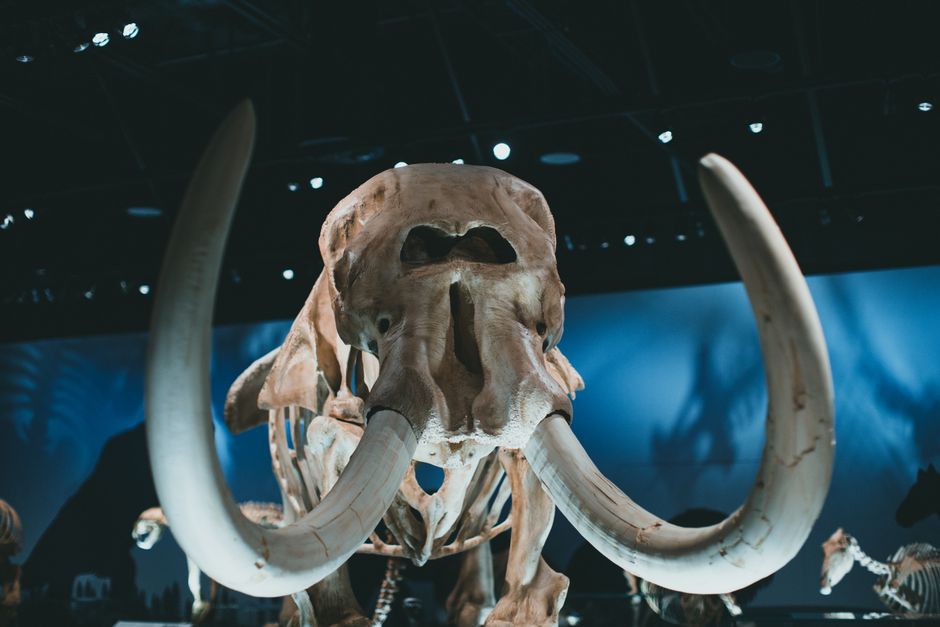
4. Walking Behind Ancient Waterfalls
Indian Ladder Trail, Thacher State Park, New York, USA
Navigate a precarious path carved into a cliff, once a vital route for indigenous peoples, now revealing stunning geological formations behind cascading waterfalls.
The Indian Ladder Trail at Thacher State Park offers a unique experience, allowing hikers to walk behind two waterfalls and beneath towering limestone cliffs. This natural ledge, formed by millennia of erosion, was historically used by the Mohawk people as a passage between the valley and the plateau. The trail teaches lessons in natural precision – how water slowly sculpts rock – and the ancient wisdom of navigating a landscape that presents both breathtaking beauty and inherent risks.
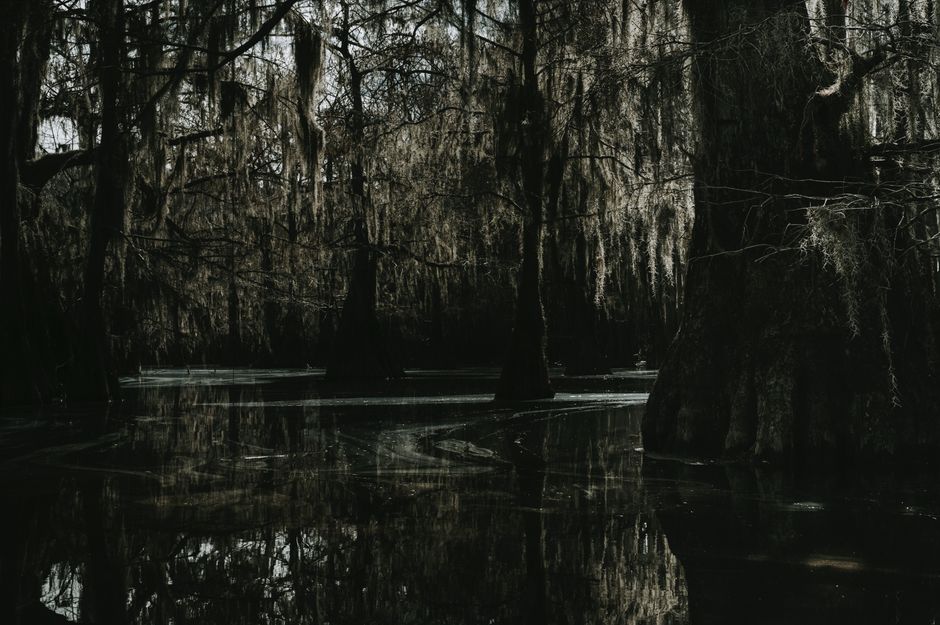
5. The World of Perfect Order
Mount Lebanon Shaker Society, New Lebanon, New York, USA
Explore the meticulously preserved village of a religious community that embraced extreme precision in design, craft, and daily life, creating a unique societal 'performance'.
Mount Lebanon was the largest and most successful Shaker community in America, known for their innovative design, craftsmanship, and a life governed by order and precision. Every building, every tool, every piece of furniture was crafted with an exactness reflecting their spiritual beliefs. Their story is one of a precise social experiment, a deliberate attempt to build a perfect society, which ultimately faced an unexpected decline due to their celibate lifestyle.
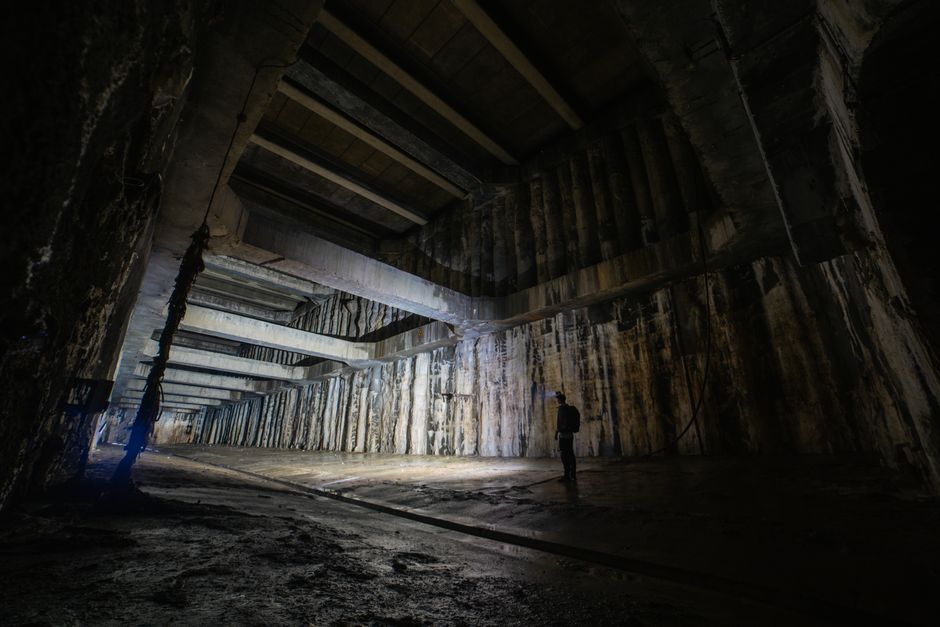
6. Where Wild Animals Once Roamed
Catskill Game Farm (Abandoned), Catskill, New York, USA
Wander through the overgrown ruins of America's first private zoo, a poignant reminder of past spectacles and the surprising resilience of nature reclaiming its space.
Opened in 1933, the Catskill Game Farm was a beloved destination, allowing visitors to see exotic animals in a rural setting. It was a spectacle for generations, but after closing its gates in 2006, the property was abandoned. Today, nature is slowly reclaiming the enclosures and pathways, offering a fascinating glimpse into the rise and fall of a once-vibrant attraction. It's a place where the unexpected silence replaces the roars, and the 'performance' of the wild has shifted from exhibition to quiet reclamation.
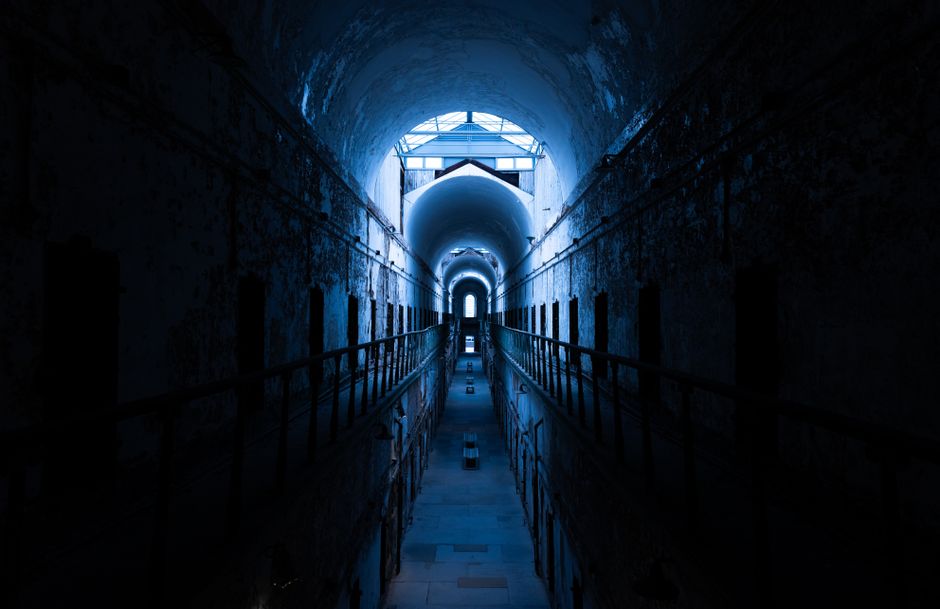
7. The Falls Taller Than Niagara
Cohoes Falls, Cohoes, New York, USA
Witness a powerful waterfall, often overlooked, that played a crucial, dangerous role in an industrial revolution and holds ancient geological secrets.
Cohoes Falls on the Mohawk River is one of the most powerful waterfalls in New York, and at 90 feet, it's taller than Niagara Falls. Its immense power, once a natural spectacle and a sacred site for indigenous people, was harnessed with precise engineering to power the mills of the 19th-century industrial city of Cohoes. The falls embody both raw natural power and the human endeavor to control and utilize it, a constant dance between risk and ingenuity that shaped the region.
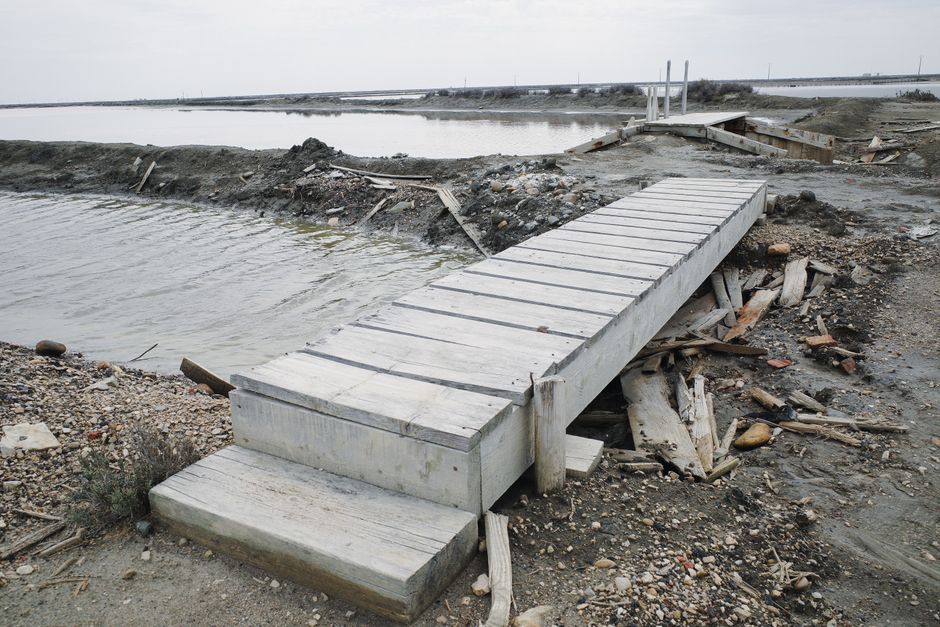
8. Gorge Walk to a Hidden Prison View
Sing Sing Kill Greenway, Ossining, New York, USA
Descend into a dramatic gorge on a suspended walkway, revealing not only a hidden natural ecosystem but also an unexpected perspective on a legendary prison.
The Sing Sing Kill Greenway is a remarkable urban trail, much of it a suspended walkway that winds through a deep, rocky gorge in Ossining. It's a testament to environmental restoration and precise engineering, transforming a neglected space into a public amenity. As you walk, you're surrounded by unexpected natural beauty, but also catch glimpses of the historic Sing Sing Correctional Facility perched above, offering a stark and curious contrast between the wild and the rigorously controlled.
Frequently asked questions
What makes a place "lesser-known" but worth visiting?
Lesser-known spots often hold unique historical, geological, or cultural narratives that haven't been widely popularized. They offer a more intimate, authentic experience, allowing travelers to uncover stories beyond the typical tourist paths and connect deeply with a destination's true character.
How do these places relate to "lessons learned" from unexpected events?
These locations, whether through their engineering marvels, geological formations, or social histories, embody themes of precision, risk, hidden elements, and surprising outcomes. They offer tangible examples of the consequences of human action or natural forces, echoing the broader lessons about preparation, awareness, and resilience.
Are these locations accessible for travelers?
Many of the places highlighted are accessible to the public, often as state parks, historical sites, or repurposed trails. While some might require a bit more planning than a major landmark, their unique stories and less crowded environments make the effort worthwhile for curious explorers.
How can AllTours.ai help me discover these hidden stories?
AllTours.ai brings the stories of these places to life. Simply point your phone camera at a landmark, landscape, or even a specific building, and the AI will narrate its rich history, geological formation, or cultural significance in your preferred language, turning every view into a captivating, personalized audio tour.
Related guides
Photography via Pexels. AllTours.ai is an AI audio tour guide — point your camera at any landscape and hear its story.