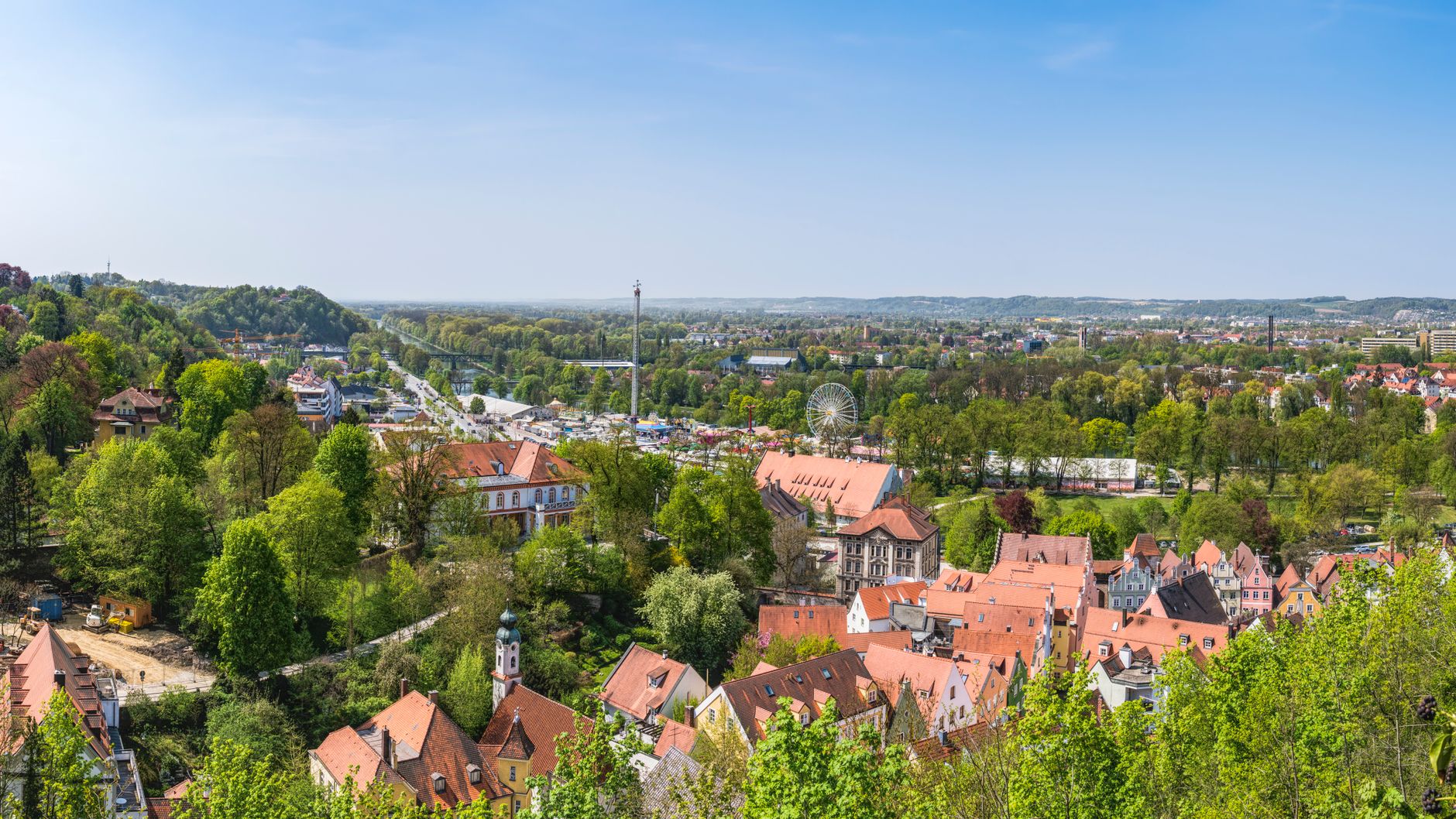
October 17, 2026 · 4 min read
As the golden light of autumn settles over Bavaria, the landscape transforms into a canvas of rich hues, signaling a time of gratitude and celebration. This is when the region's deep-rooted connection to its land truly comes alive, as communities gather to honor the bounty of the season through vibrant autumn harvest festivals and bustling local markets. From the foothills of the Alps to the meandering rivers, each town holds unique traditions, often steeped in centuries of history.
Beyond the well-trodden paths, Bavaria's lesser-known corners reveal fascinating stories behind their seasonal gatherings. These aren't just festivals; they're living museums of local heritage, where ancient customs, peculiar geological influences, and surprising cultural quirks shape how the harvest is celebrated. Prepare to uncover the hidden narratives that make Bavaria's autumn truly special.
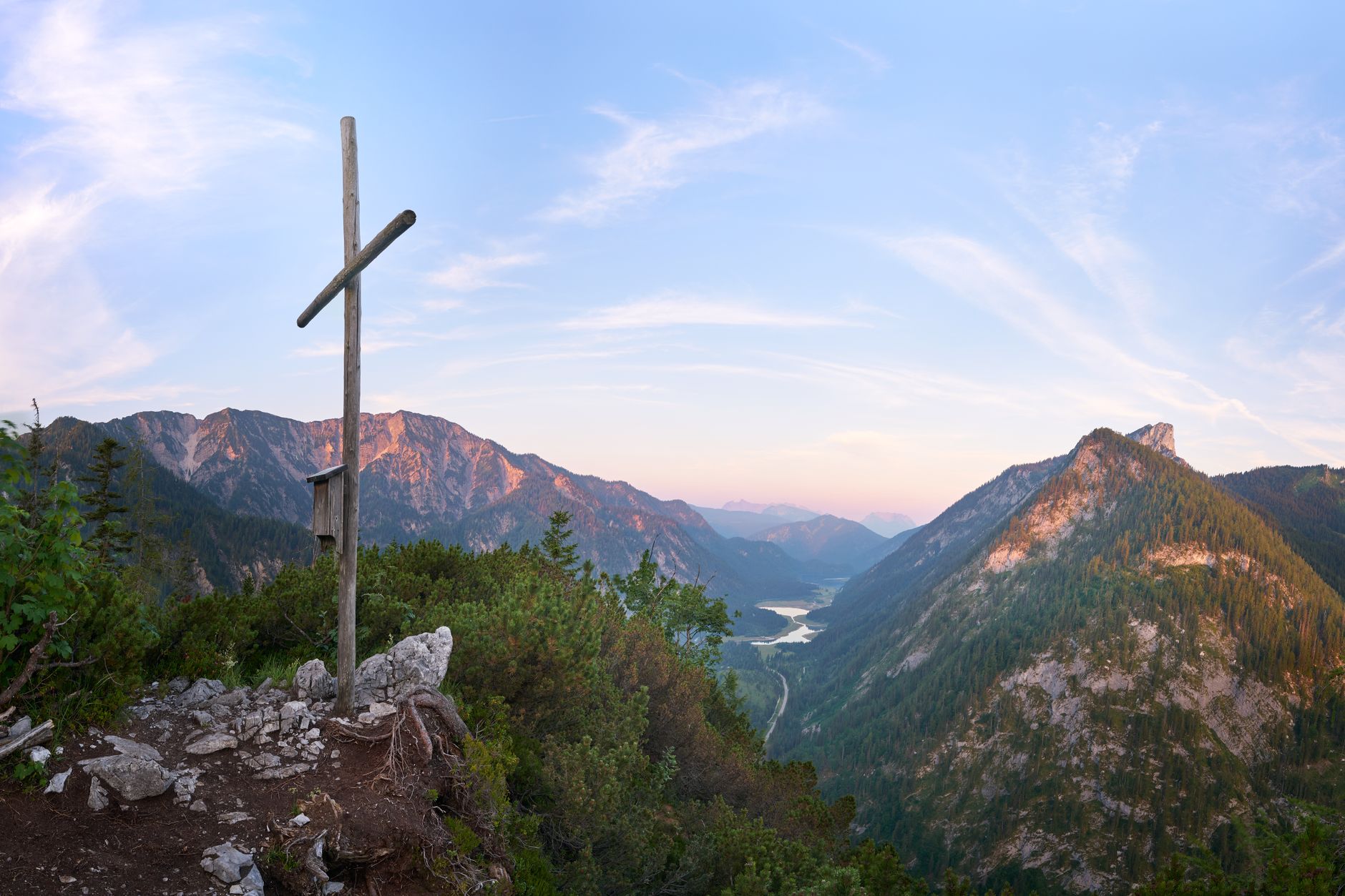
1. The Alpine Cattle's Crowned Return
Ruhpolding, Germany
In this alpine valley, the annual autumn cattle drive is a vibrant thanksgiving, where cows return from high pastures adorned with elaborate, protective headwear.
Every September, Ruhpolding celebrates the Almabtrieb, a spectacular event marking the return of cattle from their summer grazing in the Alps. The cows are not just herded down; they parade through town wearing magnificent, hand-decorated crowns of flowers, ribbons, and mirrors. This tradition is a heartfelt expression of gratitude for a safe and fruitful summer on the mountain pastures, believed to ward off evil spirits and ensure future prosperity.
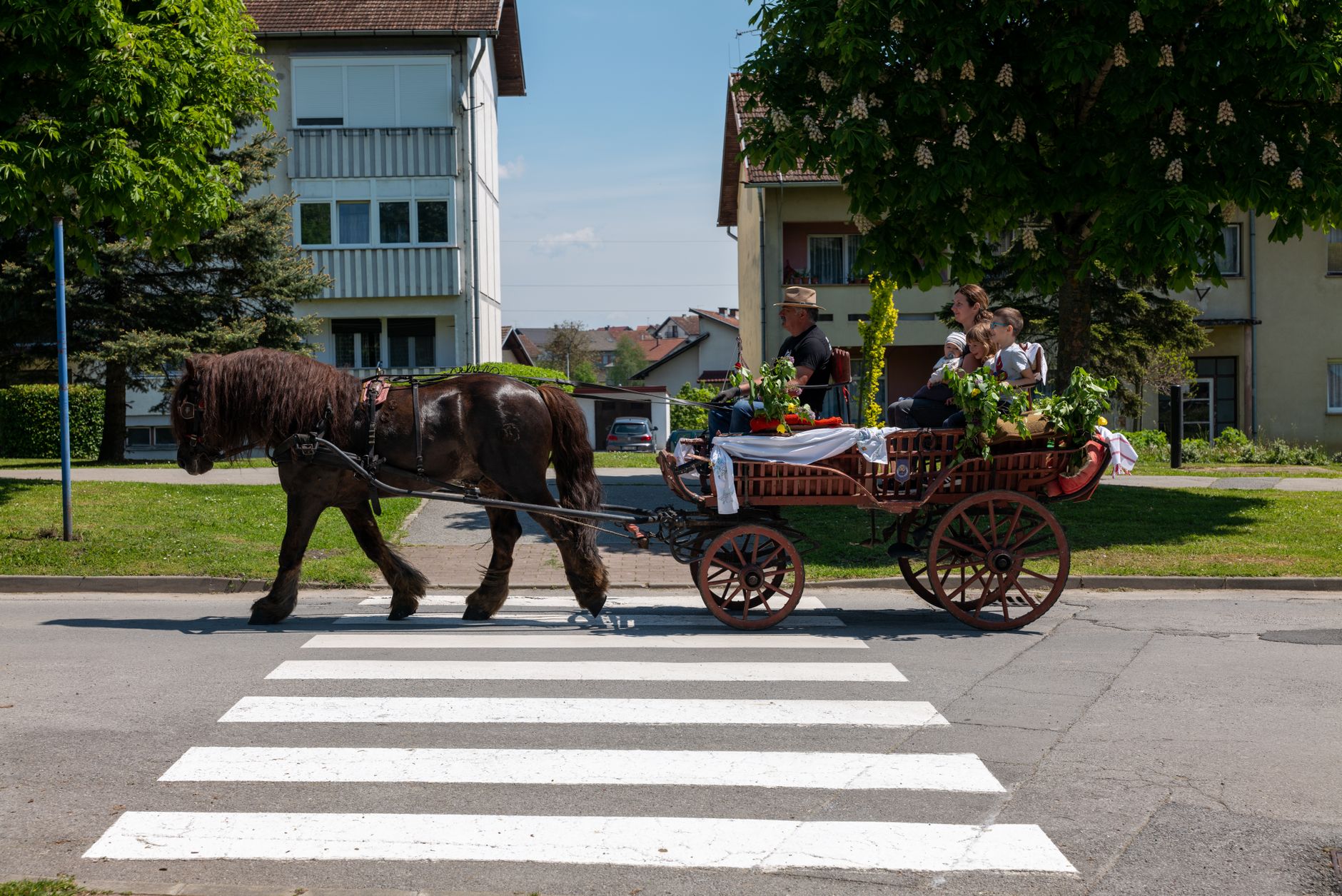
2. The Horsemen's Sacred Pilgrimage
Bad Tölz, Germany
The town hosts one of Bavaria's largest horse pilgrimages, the Leonhardifahrt, a centuries-old autumn tradition to bless livestock and ensure good health.
Each November, thousands of pilgrims and horses gather in Bad Tölz for the Leonhardifahrt, a grand procession honoring Saint Leonard, the patron saint of livestock. Dating back to the 17th century, the event features ornately decorated horse-drawn carriages and riders in traditional costume, making their way to the Kalvarienberg chapel. This vibrant autumn festival isn't just a spectacle; it's a solemn vow and a prayer for the well-being of farm animals, crucial to Bavaria's agricultural heritage.
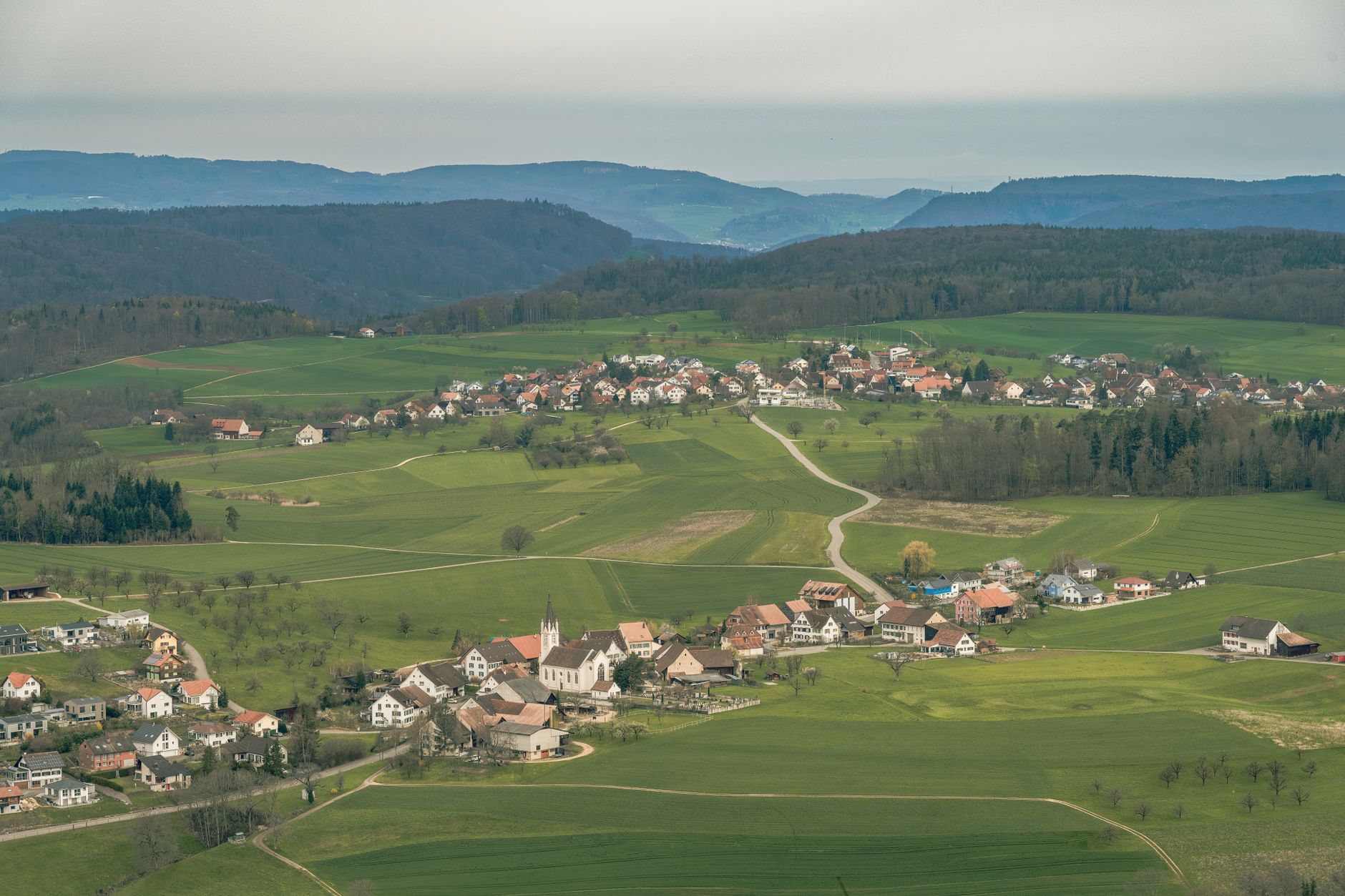
3. Harvest from a Cosmic Crater
Nördlingen, Germany
This entire medieval town is built inside a 15-million-year-old meteor impact crater, a geological marvel that uniquely influences its autumn agricultural bounty.
Nördlingen stands apart, literally, as the only German town built entirely within a massive meteorite crater, the Ries. The unique mineral composition of the crater soil, rich in suevite rock, creates distinct conditions for farming. Locals celebrate their "Rieser Bauermarkt" (Ries Farmer's Market) in autumn, showcasing produce shaped by this extraordinary geology—from grains to vegetables, all subtly influenced by the impact event that sculpted their land millennia ago.
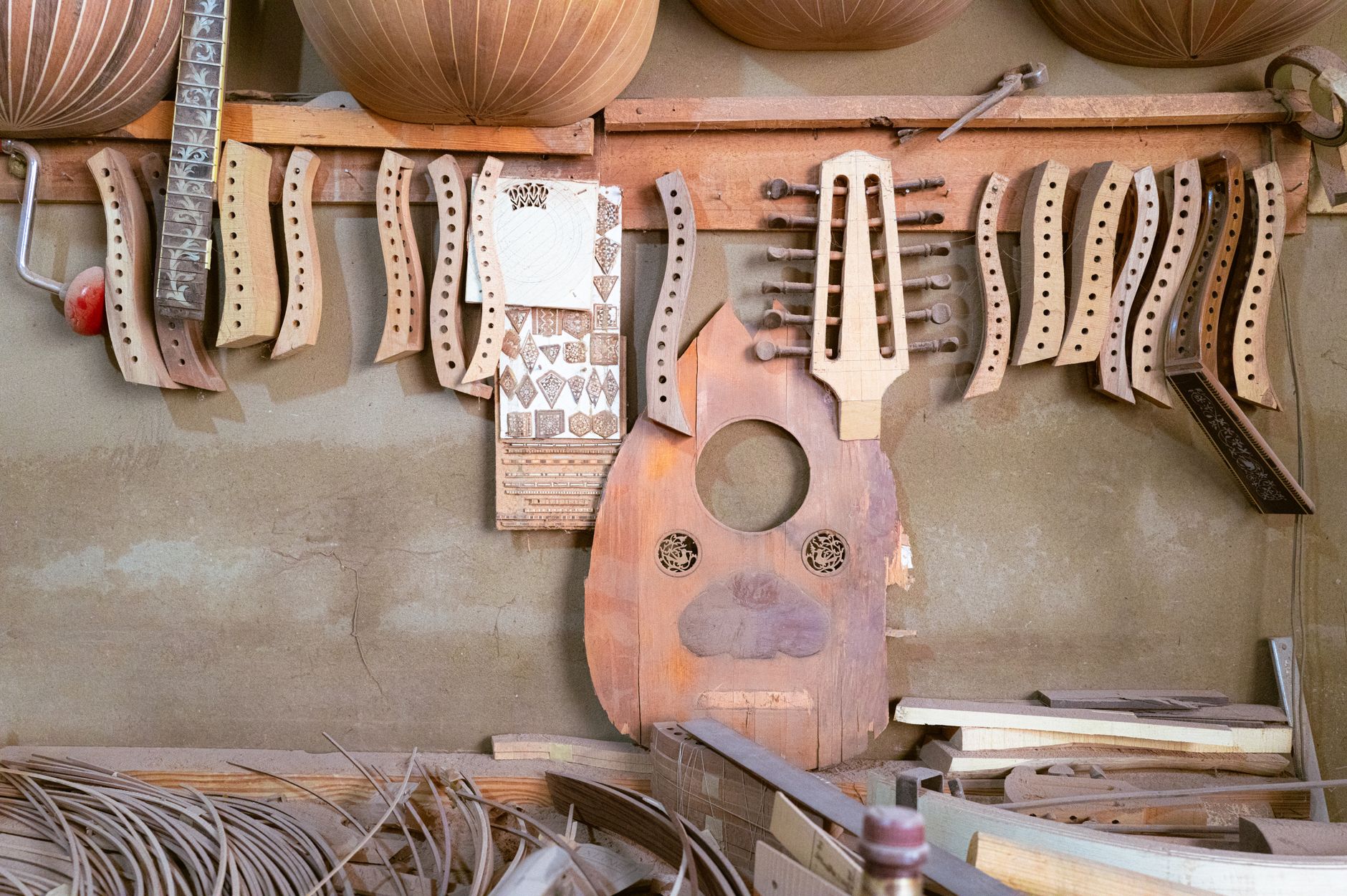
4. The Whisper of Violin Wood
Mittenwald, Germany
The renowned violin-making craft here depends on specific autumn wood harvests, with tradition dictating that timber for the finest instruments be cut during particular moon phases.
Mittenwald is world-famous for its master violin makers, a tradition dating back to the 17th century. The quality of the instruments hinges on the wood, primarily spruce and maple. Local lore and practice suggest that the best timber is harvested in autumn and winter, specifically during certain moon phases, to ensure optimal resonance and stability. While not a "festival" in the usual sense, the autumn timber harvest is a critical, almost sacred, period for this unique craft, directly influencing the "sound" of the region.
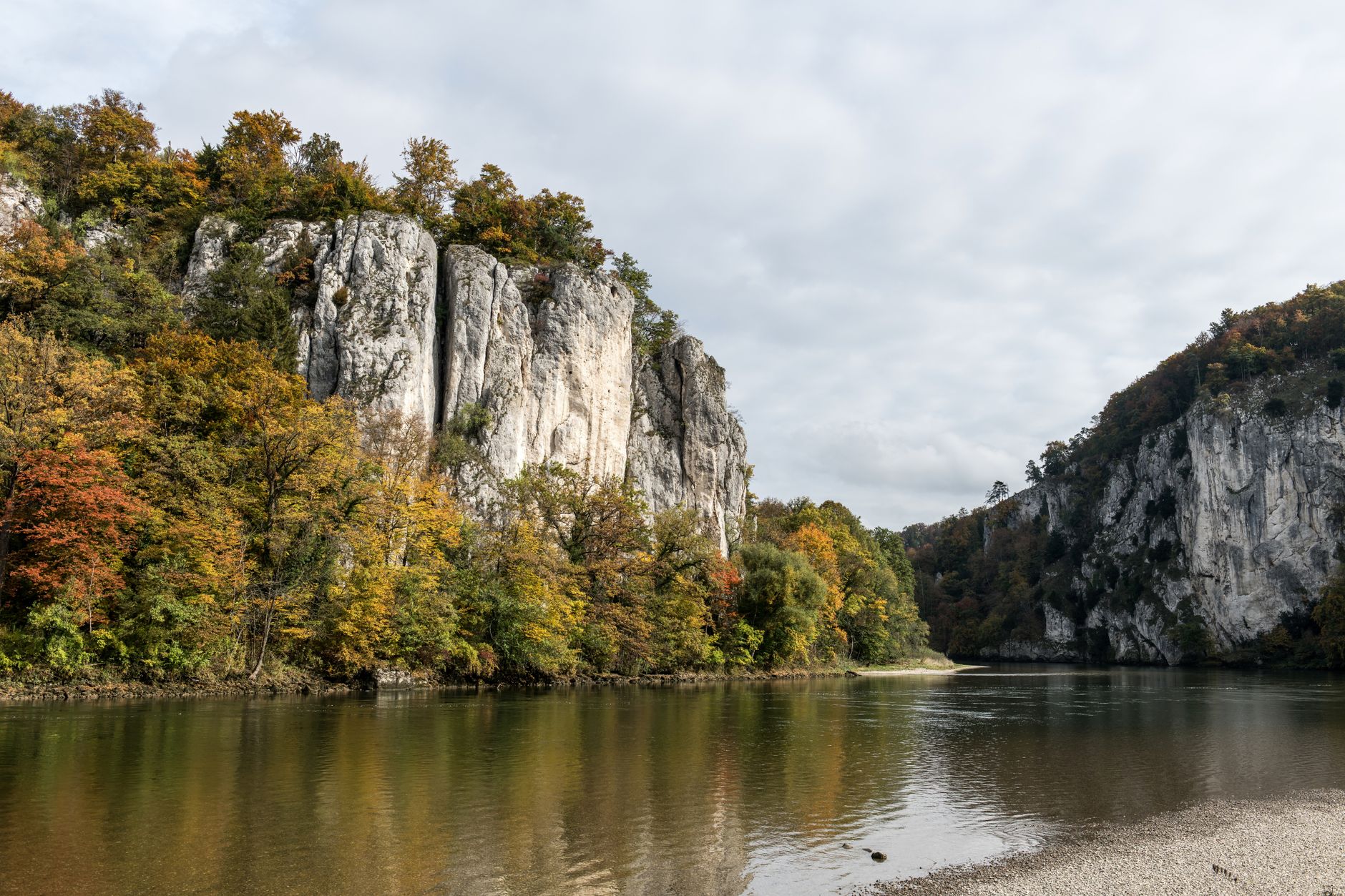
5. Ancient Seas Beneath the Fields
Eichstätt, Germany
The autumn harvests in this scenic Altmühltal region grow atop limestone bedrock famed for preserving some of the world's most significant ancient fossils, including the Archaeopteryx.
Eichstätt, nestled in the Altmühltal Nature Park, boasts a landscape where agriculture meets paleontology. The region's thin, fertile topsoil rests directly on Solnhofen limestone, a geological formation renowned globally for its exquisitely preserved fossils from the Jurassic period. The autumn harvest here, from grains to local fruits, is literally rooted in a landscape that was once an ancient tropical sea, giving a unique character to the local produce and influencing traditional farming practices passed down through generations.
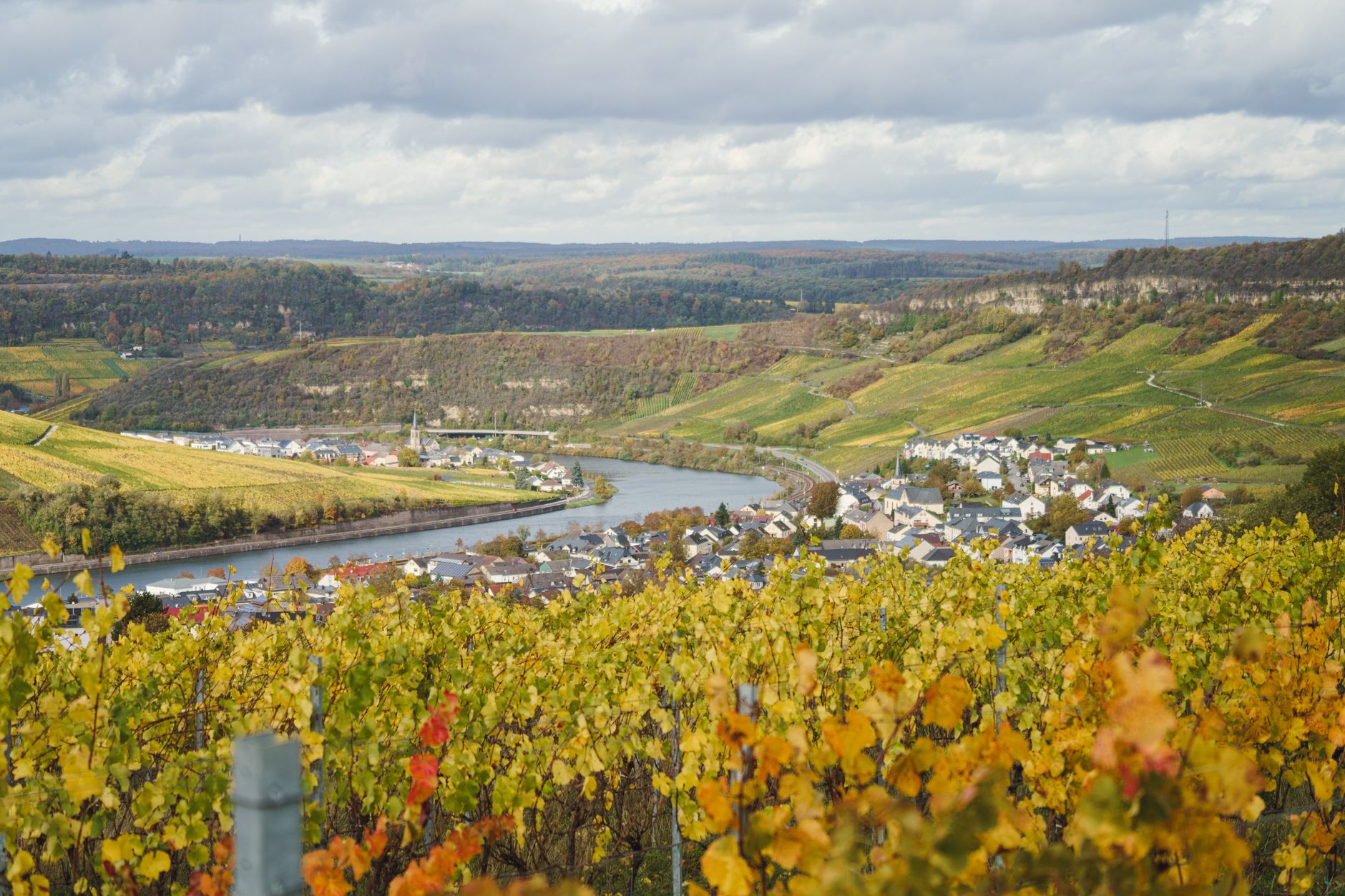
6. Terraced Vines of the Rivers
Wertheim am Main, Germany
Where the Main and Tauber rivers meet, autumn brings the harvest from steep, terraced vineyards, a landscape shaped by viticulture dating back to Roman times.
Wertheim, perched at the confluence of two rivers, is the gateway to the Franconian wine region. Here, the autumn grape harvest is a defining event, especially from the dramatic terraced vineyards clinging to the steep slopes above the rivers. These terraces, many maintained for centuries, are a testament to ancient viticultural practices, allowing optimal sun exposure and drainage for the unique Bacchus and Silvaner grapes that thrive in this historical landscape.
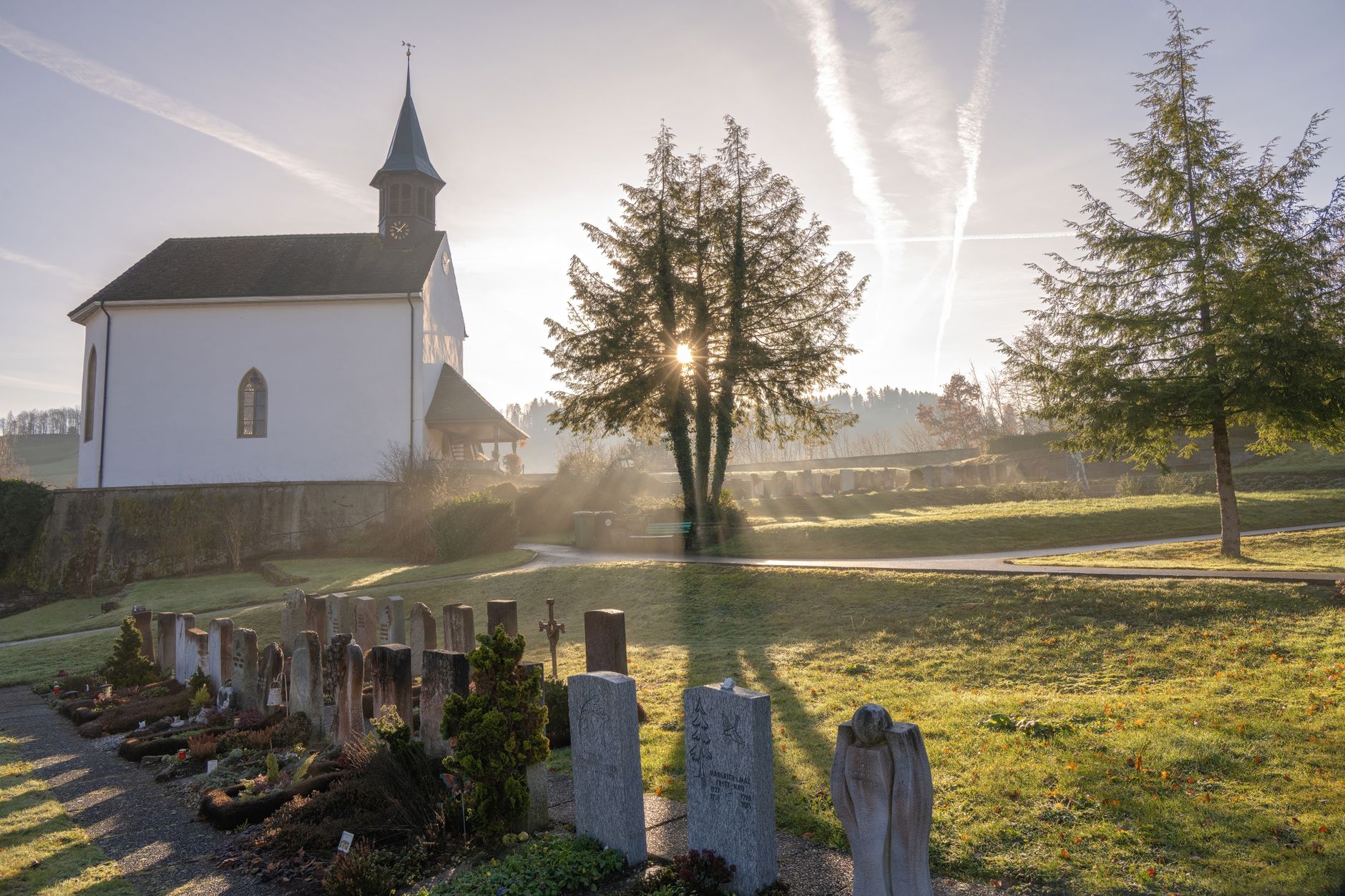
7. Salt's Shadow on the Harvest
Ramsau bei Berchtesgaden, Germany
In this picturesque alpine village, the immense historical wealth from ancient salt mines once overshadowed the local autumn agricultural harvest in economic importance.
Ramsau, famous for its iconic church backdrop, lies in a region historically dominated by the Berchtesgaden salt mines, operating for over 500 years. While the autumn brings traditional alpine harvests of hay, potatoes, and berries, for centuries, the "white gold" extracted from deep within the mountains dictated the region's prosperity far more than its agricultural output. The unique local markets and customs today reflect a blend of these two rich, yet historically disparate, bounties.
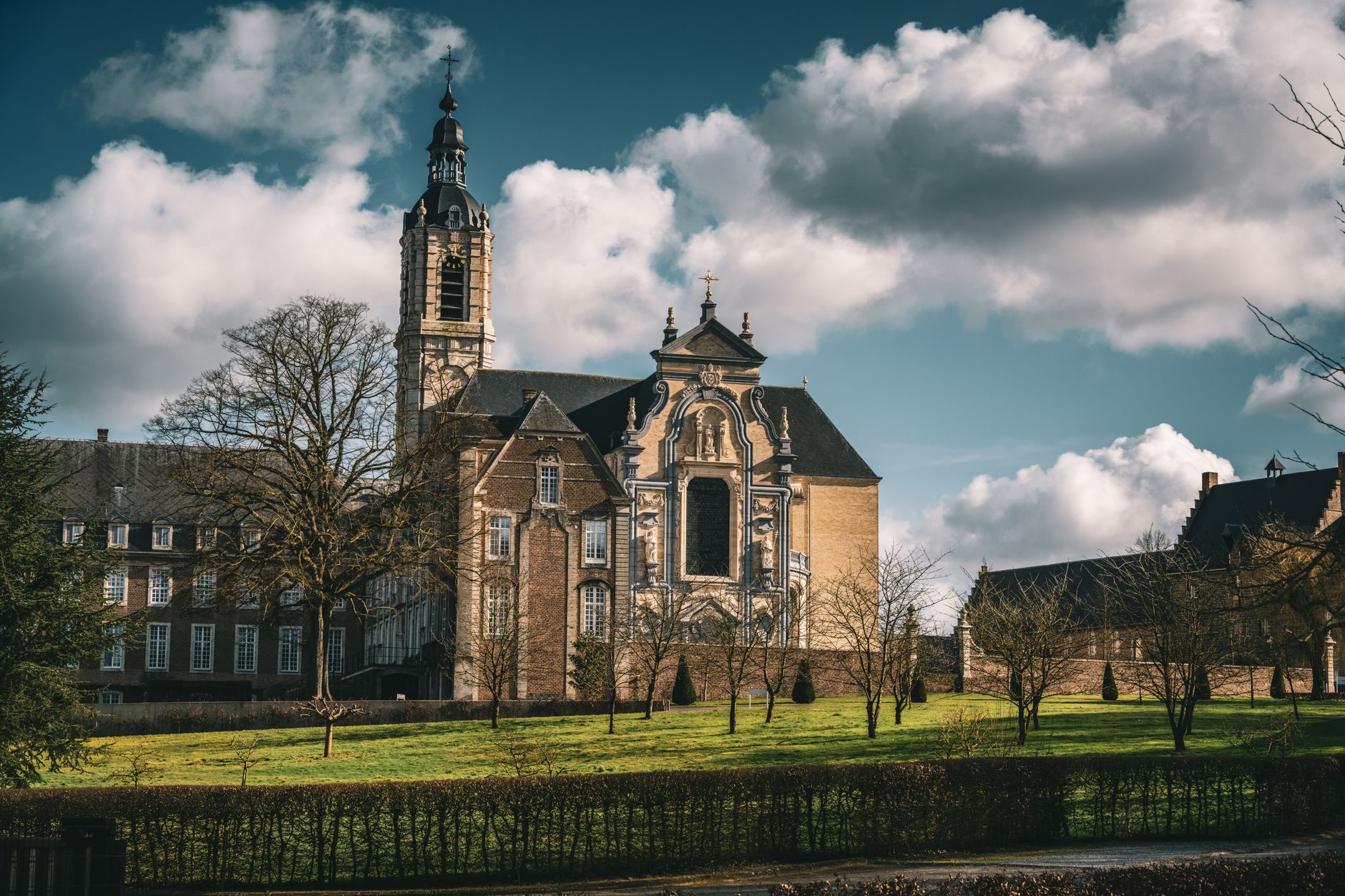
8. The Monk's Grain and Brew
Benediktbeuern, Germany
The Benedictine monastery here has cultivated its own hops and barley and brewed beer since the Middle Ages, making autumn a crucial season for its enduring monastic traditions.
Benediktbeuern Abbey, an impressive baroque monastery, has been a center of learning and self-sufficiency for centuries. Its monastic brewery, Klosterbräu, continues a tradition dating back to the Middle Ages, relying heavily on its own agricultural endeavors. Autumn is a vital time for harvesting the monastery's hops and barley fields, directly contributing to the unique character of its traditional beers and maintaining a direct link to the land that has sustained the monastic community for generations.
Frequently asked questions
When is the best time to experience autumn harvest festivals in Bavaria?
Bavarian autumn harvest festivals typically run from late August through November. September and October are prime months for cattle drives (Almabtrieb) and grape harvests, while November often sees traditional pilgrimages and markets celebrating the final bounties.
What kind of food and drink can I expect at Bavarian autumn markets?
Expect hearty, seasonal fare like roasted chestnuts, Zwiebelkuchen (onion tart), Federweißer (new wine), local cheeses, sausages, and traditional gingerbread. Many festivals feature regional specialties, often accompanied by freshly brewed beer or local wines.
What should I wear when visiting Bavarian autumn festivals?
Bavarian autumn weather can be quite variable. Dress in layers, including waterproof outerwear, sturdy walking shoes, and warm clothing like sweaters or fleece. Traditional lederhosen or dirndls are worn by many locals, but comfortable, practical attire is perfectly acceptable for visitors.
How can the AllTours.ai app enhance my visit to these Bavarian towns?
AllTours.ai brings the hidden stories of these places to life. Simply point your phone camera at a landmark, a vineyard, or even a local market stall, and the app will narrate its history, geological significance, and cultural context in your preferred language, offering deeper insights into Bavaria's rich traditions.
Related guides
Photography via Pexels. AllTours.ai is an AI audio tour guide — point your camera at any landscape and hear its story.