October 1, 2026 · 4 min read
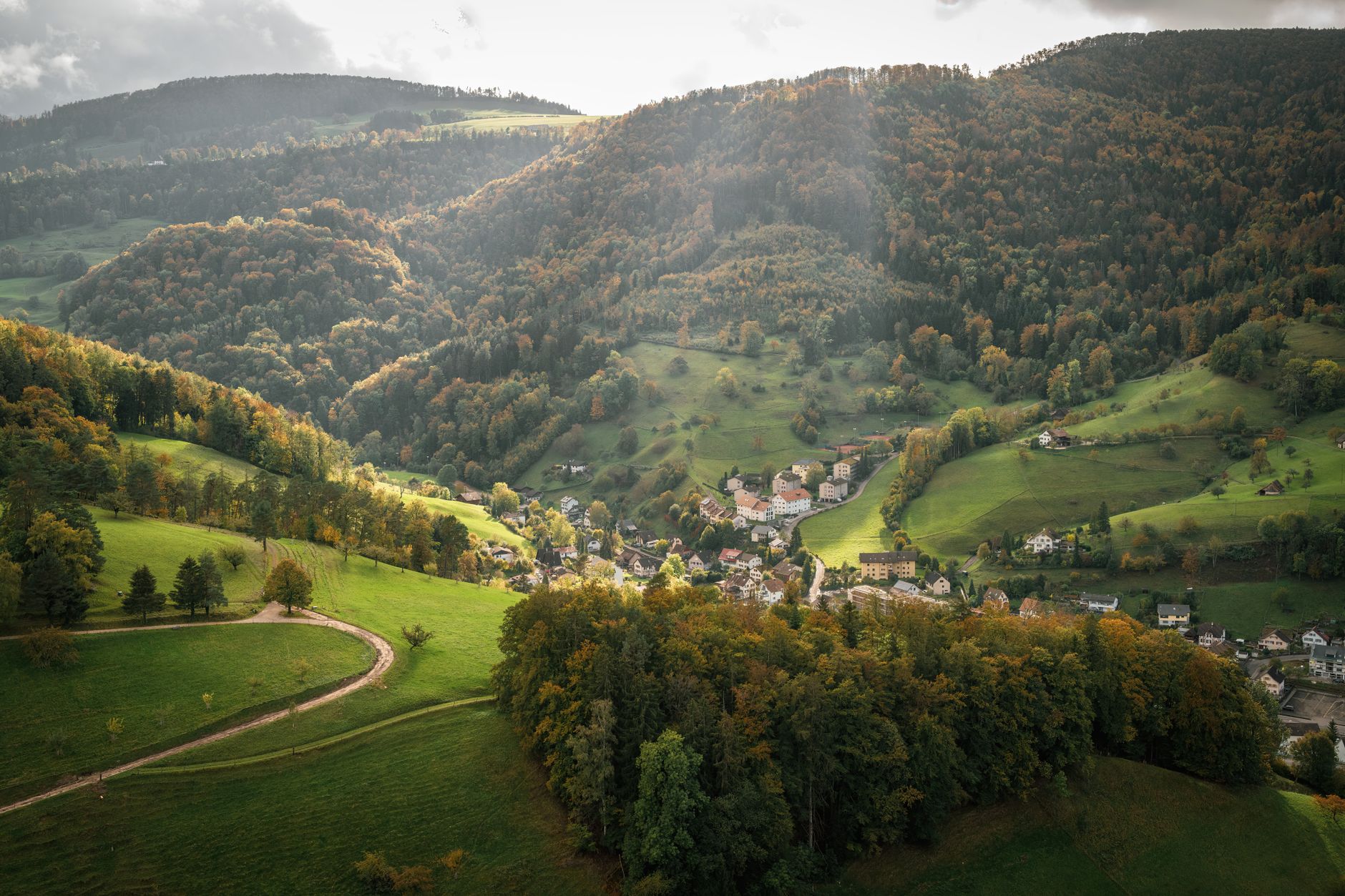
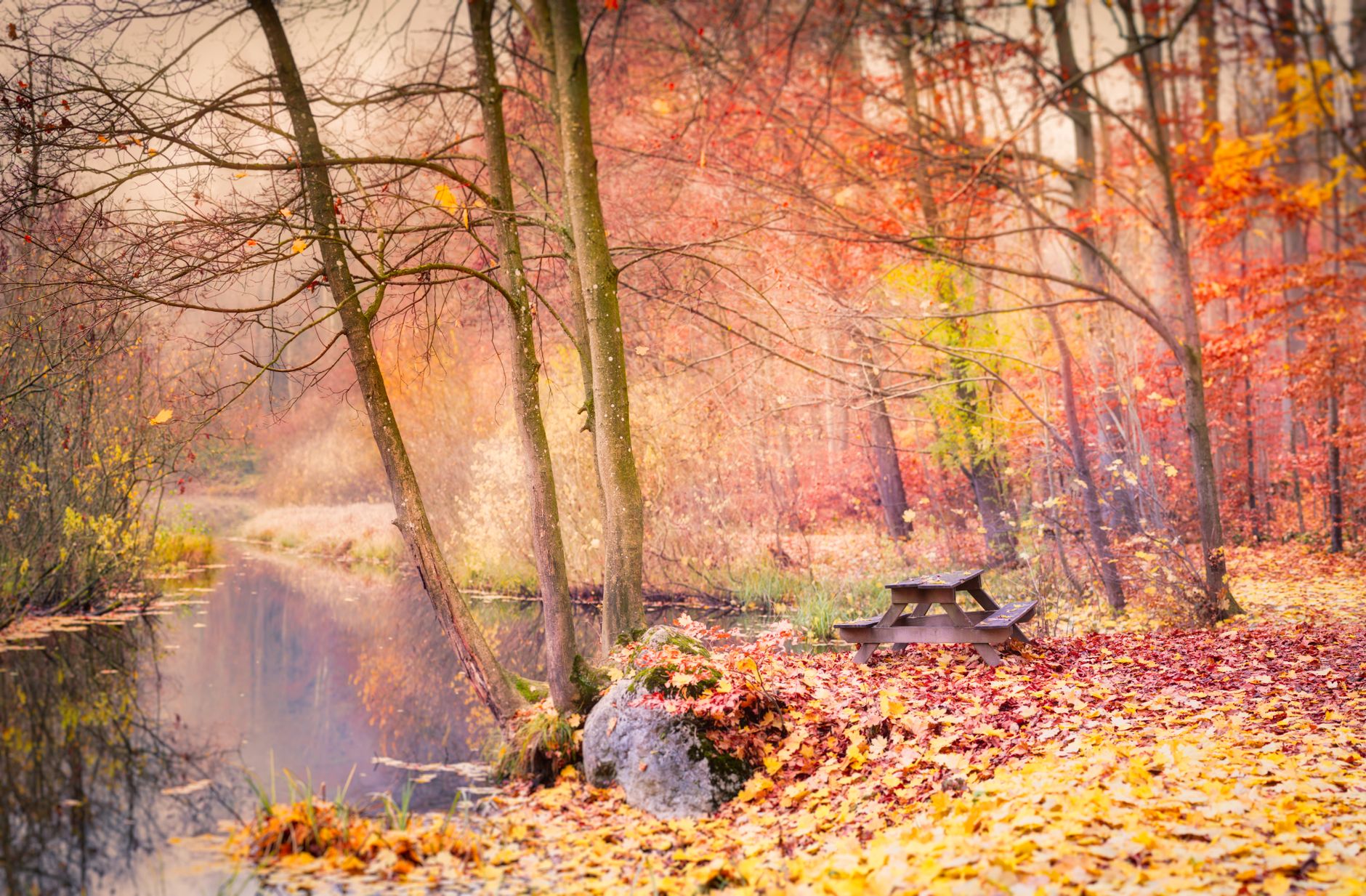
As the crisp air signals a shift in seasons, Germany's Black Forest undergoes a spectacular transformation. The deep greens of summer give way to a fiery palette of reds, oranges, and golds, making autumn arguably the most breathtaking time to explore this legendary region. While many flock to well-known spots, the true magic often lies slightly off the beaten path, along scenic drives that reveal both stunning vistas and surprising histories.
This guide invites you to navigate the Black Forest's most picturesque routes, focusing on lesser-known gems where the autumn colors in black forest scenic drives are at their most vibrant. Beyond the visual feast, each stop on our journey holds a unique story – a piece of history, geology, or folklore – waiting to be discovered amidst the dazzling fall foliage.
1. Gengenbach's Festive Past
Gengenbach, Germany
Its historic "Narrenbrunnen" (Fool's Fountain) features figures from a unique carnival tradition, where locals parade in elaborate wooden masks to chase away winter spirits.
Gengenbach, a picture-postcard town, comes alive each autumn as its vineyards turn golden around the well-preserved medieval core. The town’s "Narrenbrunnen" is a testament to a vibrant carnival history, where costumed figures known as "Narren" perform age-old rituals. This tradition, dating back centuries, sees locals don intricate wooden masks and traditional costumes to symbolically banish the cold, dark days of winter. Driving through the Kinzig Valley to Gengenbach reveals stunning autumn tapestries against its half-timbered charm.
2. Schiltach's Timber Legacy
Schiltach, Germany
This beautifully preserved medieval town was once a vital hub for timber rafting, floating logs down the Kinzig and Schiltach rivers to the Rhine.
Nestled deep within the central Black Forest, Schiltach’s well-preserved market square and narrow alleys tell tales of a bygone era. The town's prosperity was largely built on its strategic location at the confluence of two rivers, making it a key point for the lucrative timber trade. Massive tree trunks, harvested from the surrounding forests, were expertly guided downriver by raftsmen, destined for shipbuilding and construction across Europe. Autumn paints the steep valley slopes surrounding Schiltach in dramatic hues, reflecting in the tranquil waters that once buzzed with industry.
3. Allerheiligen Abbey's Sacred Falls
Oppenau, Germany
The ruins of Allerheiligen Abbey are accompanied by waterfalls believed to have been a place of pre-Christian worship before the monastery’s founding.
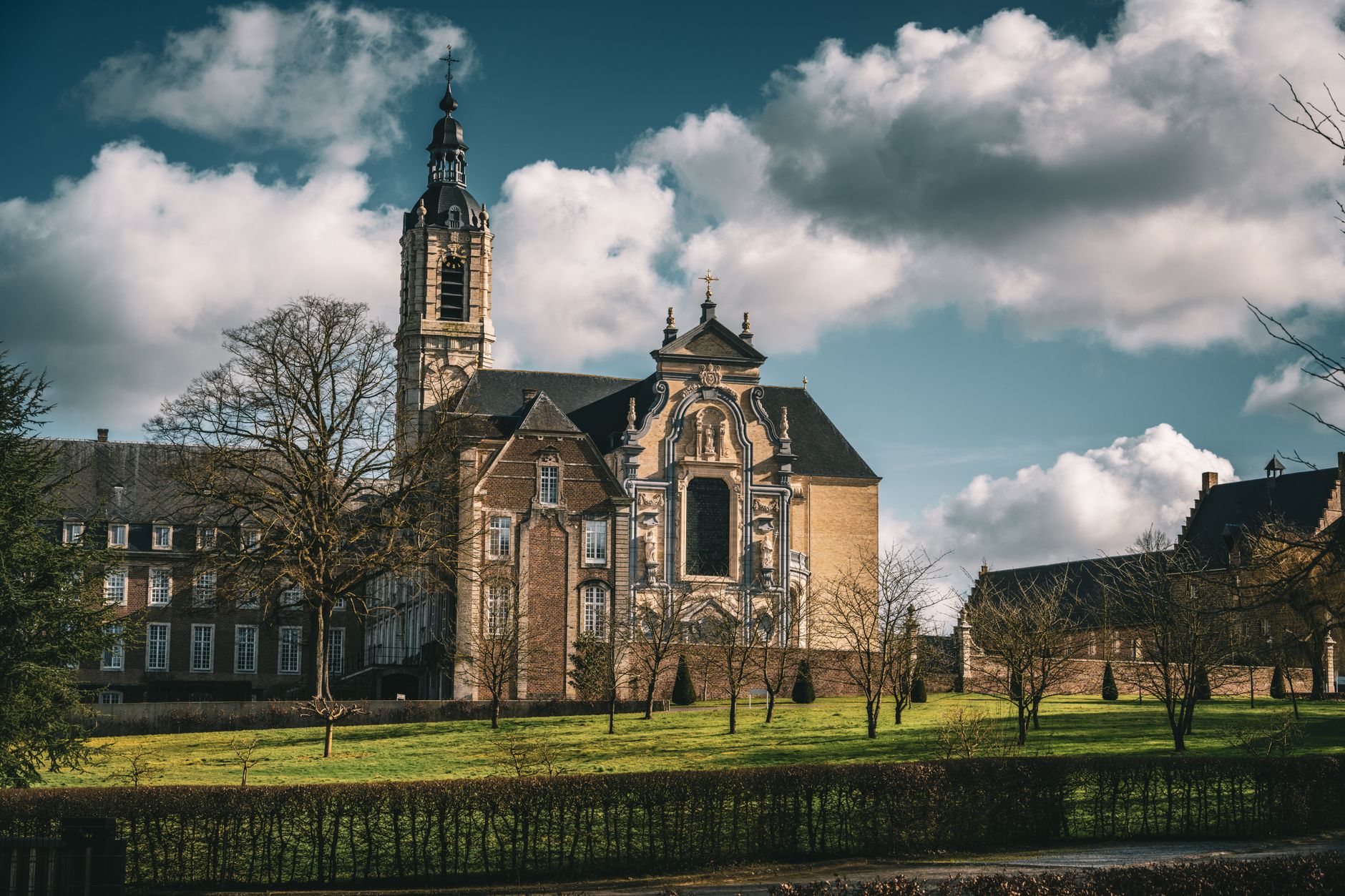
Hidden within a secluded side valley near Oppenau, the majestic ruins of Allerheiligen Abbey offer a glimpse into centuries of spiritual life. Before the Premonstratensian monks established their monastery here in the 12th century, the site, particularly its cascading waterfalls, was already considered sacred. Local folklore suggests ancient Germanic tribes performed rituals at these falls. Today, autumn’s vibrant foliage provides a striking contrast to the grey stone remnants, creating a contemplative atmosphere as visitors explore the abbey and the seven-tiered waterfalls.
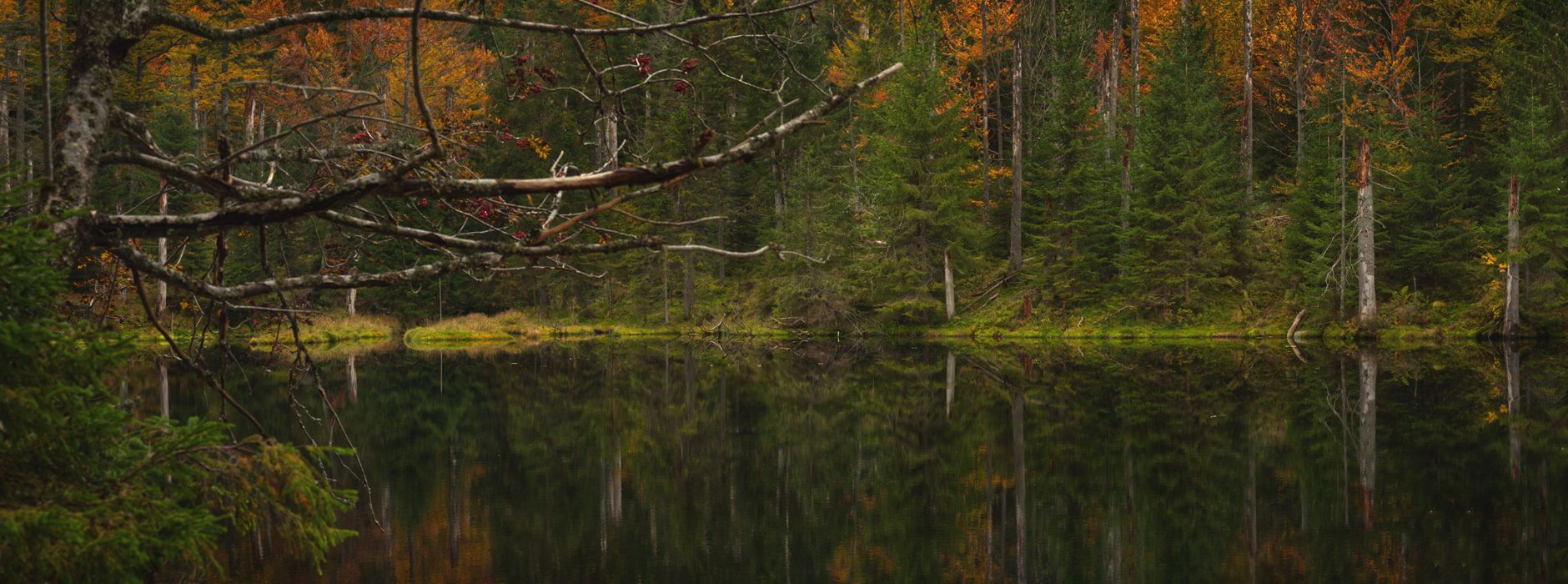
4. Mummelsee's Mythical Depths
Seebach, Germany
This dark, almost perfectly circular lake is steeped in folklore, said to be home to a beautiful water spirit (Nixe) and the elusive King of the Lake.
High up on the Schwarzwaldhochstraße (Black Forest High Road), Mummelsee is a glacial cirque lake shrouded in mystery and legend. Its deep, dark waters and surrounding dense fir forests have inspired countless tales, collected by the Brothers Grimm. Visitors often report a strange stillness, attributing it to the mythical Nixe who is said to emerge at night, or the King of the Lake residing in its depths. In autumn, the surrounding beeches and maples ignite with color, framing the enigmatic lake beautifully, especially when mists curl over its surface.
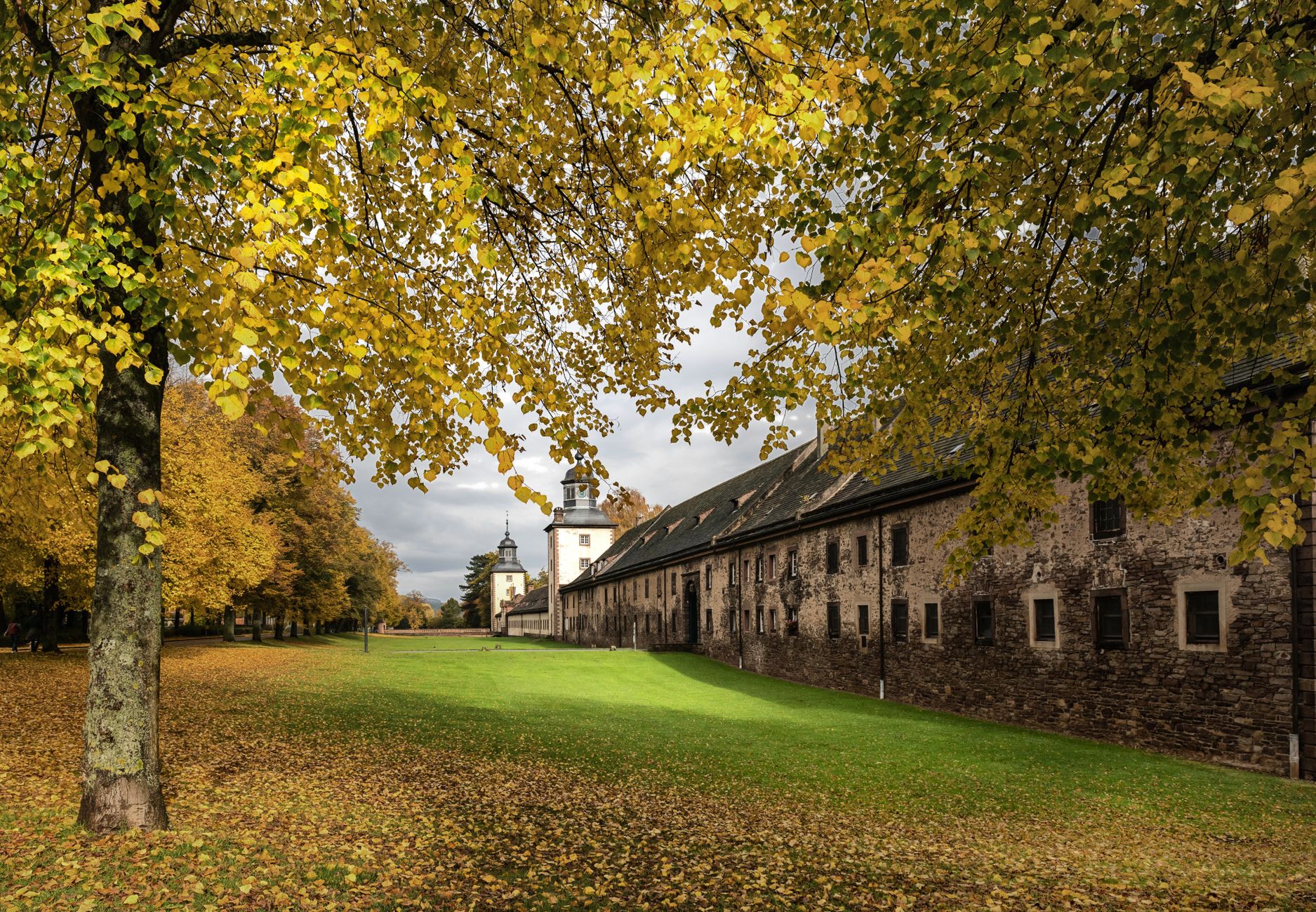
5. Hornberg Castle's Clever Defense
Hornberg, Germany
The strategically positioned Hornberg Castle is famously associated with a legendary siege where its inhabitants outsmarted attackers using a single rooster.
Perched majestically above the Kinzig Valley, Hornberg Castle has witnessed centuries of history. One of its most enduring tales recounts a clever stratagem during a siege by Duke Ulrich of Württemberg. Low on provisions, the castle's defenders allegedly presented their last rooster to the attackers, well-fed, to feign abundance. Believing the castle to be well-stocked, the Duke lifted the siege. While the historical accuracy is debated, the legend endures, adding a layer of charm to the impressive ruins. The drive to Hornberg in autumn offers panoramic views of the valley awash in fiery reds and yellows.
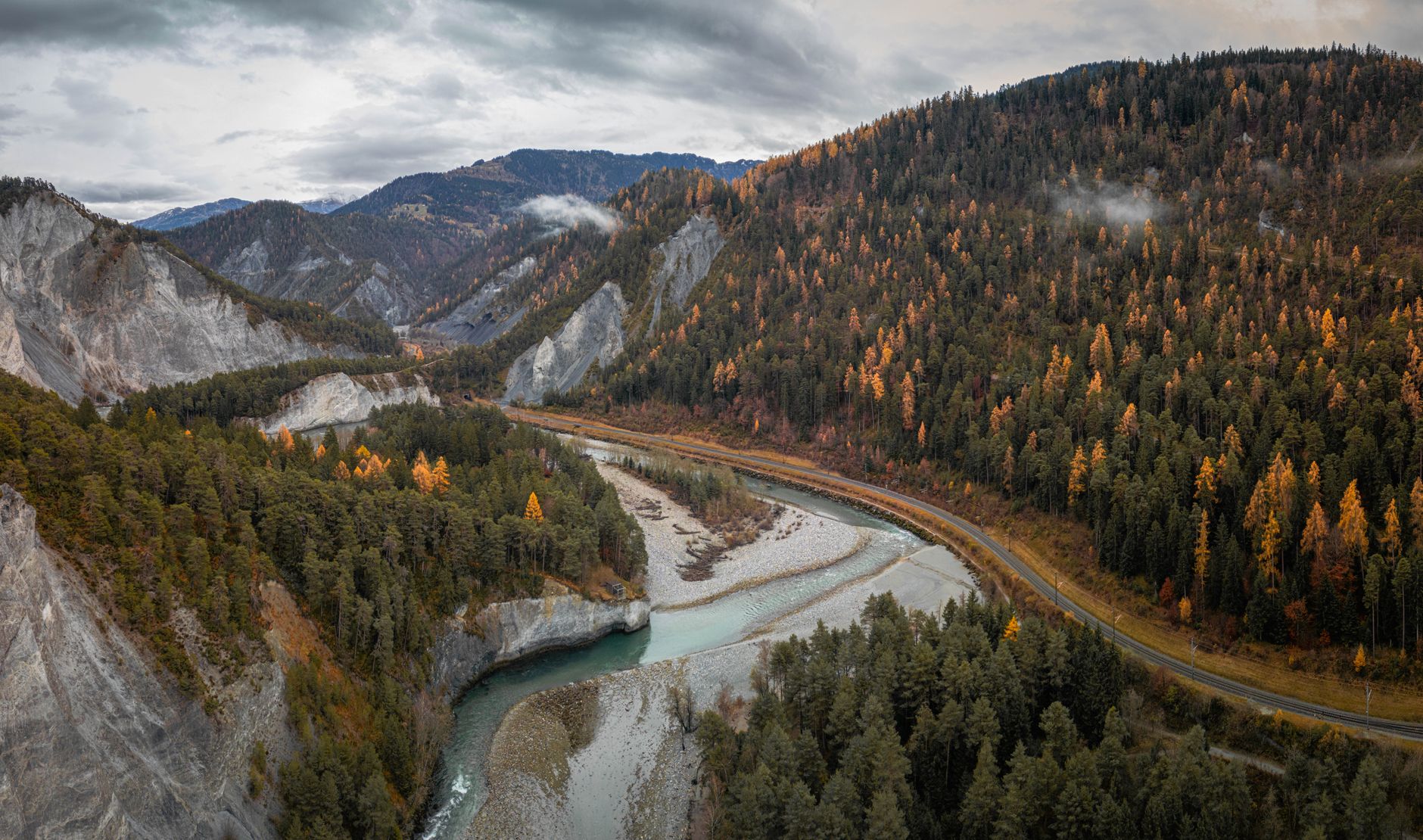
6. Wutach Gorge's Ancient Carvings
Lenzkirch/Bonndorf, Germany
Often called the "Grand Canyon of the Black Forest," the Wutach Gorge is a unique geological marvel carved by glacial meltwaters and shifting tectonic plates.
The Wutachschlucht, or Wutach Gorge, is one of Central Europe's last truly wild river landscapes, a testament to powerful natural forces. Over millennia, the Wutach River has cut through layers of rock, revealing geological history from the Triassic period. This dramatic landscape of deep canyons, towering cliffs, and rushing waterfalls was significantly shaped by glacial meltwaters after the last ice age, further deepened by tectonic uplift. In autumn, the diverse forest clinging to the steep slopes transforms into a spectacular palette of colors, making hikes along its trails particularly rewarding.
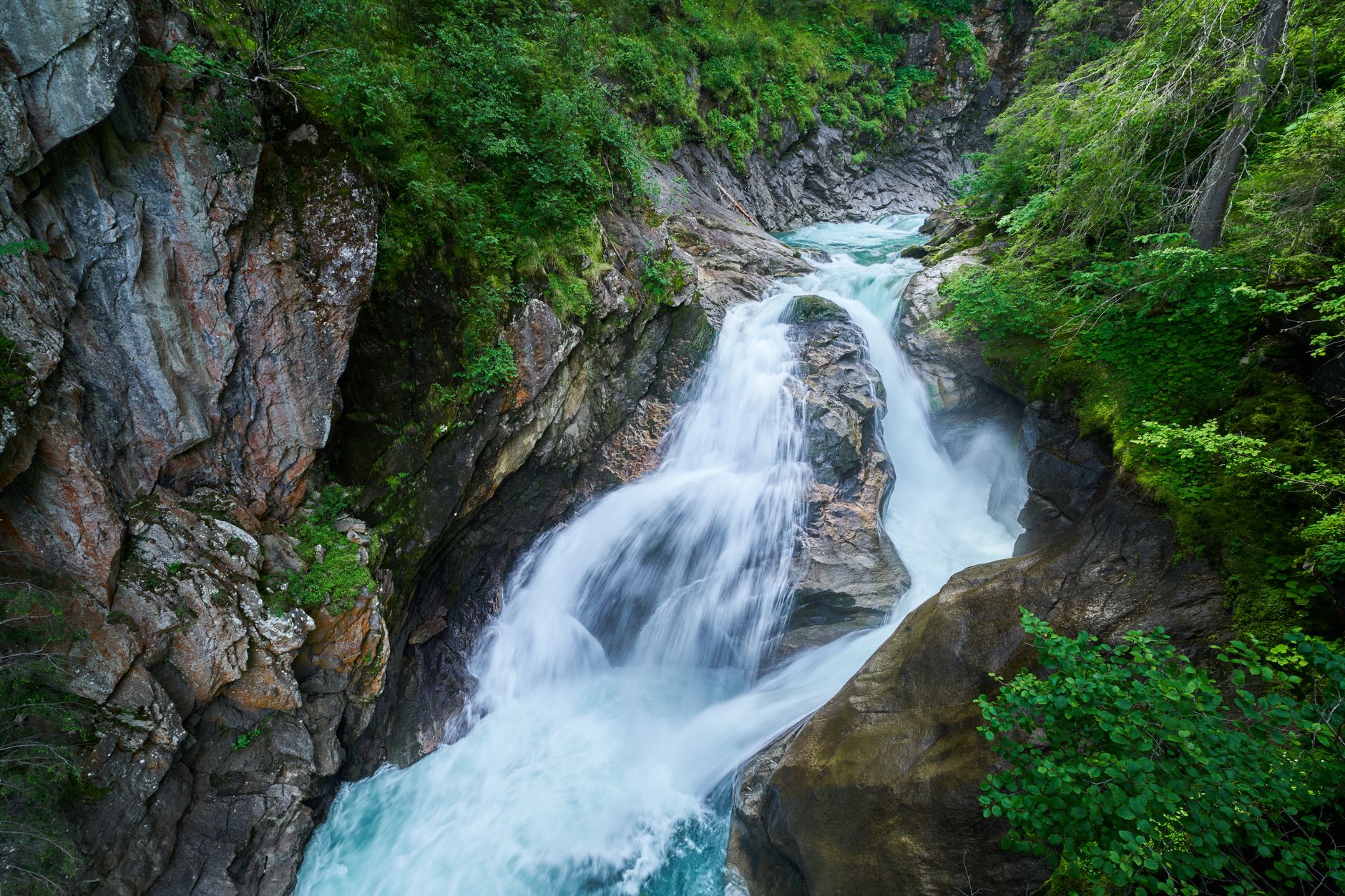
7. Todtnauer Waterfalls' Glacial Legacy
Todtnau, Germany
These impressive waterfalls, cascading in multiple tiers, are a direct result of ancient glacial activity that shaped the Black Forest landscape.
Near the town of Todtnau, the Todtnauer Wasserfälle plunge over a series of rock steps, creating a dramatic natural spectacle. The formation of these falls is deeply connected to the region's geological past, particularly the last ice age. As glaciers retreated, they scoured the landscape, leaving behind U-shaped valleys and carving out the hard rock formations over which the water now tumbles. The surrounding mixed forest in autumn bursts into vibrant hues, enhancing the raw beauty of the cascading water against a backdrop of golden and crimson leaves.
Frequently asked questions
Are the scenic drives in the Black Forest suitable for all vehicles?
Most major scenic drives and routes in the Black Forest, like the Schwarzwaldhochstraße, are well-maintained and suitable for all standard vehicles. Some smaller, more remote roads might be narrower or winding, but generally, they are accessible. Always check local conditions before setting out.
What other activities can I do in the Black Forest during autumn?
Beyond scenic drives, autumn in the Black Forest is ideal for hiking and cycling, with numerous marked trails offering stunning views of the foliage. Many towns host traditional harvest festivals, and it's a great time to enjoy local culinary specialties like Black Forest cake and new wine.
How can AllTours.ai enhance my Black Forest autumn drive?
AllTours.ai transforms your scenic drive into an immersive journey. Simply point your phone camera at landmarks or landscapes you encounter, and the app will instantly narrate their history, geology, and cultural significance in your preferred language, revealing the hidden stories behind the autumn beauty.
Related guides
Photography via Pexels. AllTours.ai is an AI audio tour guide — point your camera at any landscape and hear its story.