October 18, 2026 · 4 min read
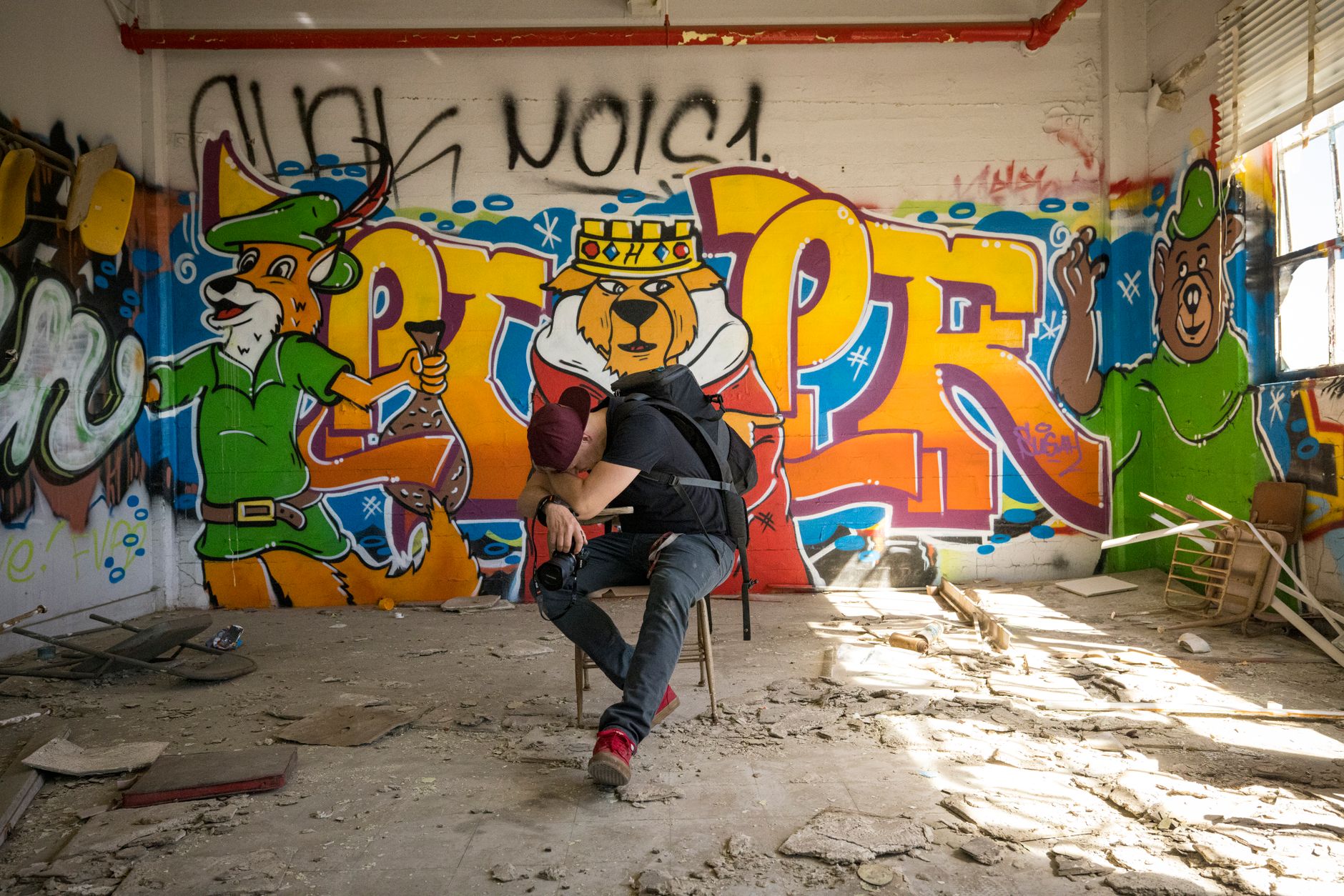
Berlin is a city that wears its history on its sleeve, but also on its walls. Beyond the iconic landmarks, a dynamic street art scene and a thriving urban culture reveal the city's rebellious spirit, its capacity for reinvention, and its deep commitment to self-expression. Every brick, every corner, and every forgotten space seems to hold a story, often told in vibrant pigments and bold strokes.
This listicle invites you on a unique Berlin street art and urban culture tour, venturing beyond the well-trodden paths to uncover the true pulse of the city. Prepare to discover surprising histories, community-driven projects, and artistic interventions that define Berlin's distinctive urban landscape.
1. Teufelsberg: The Spy Station Canvas
Berlin, Germany
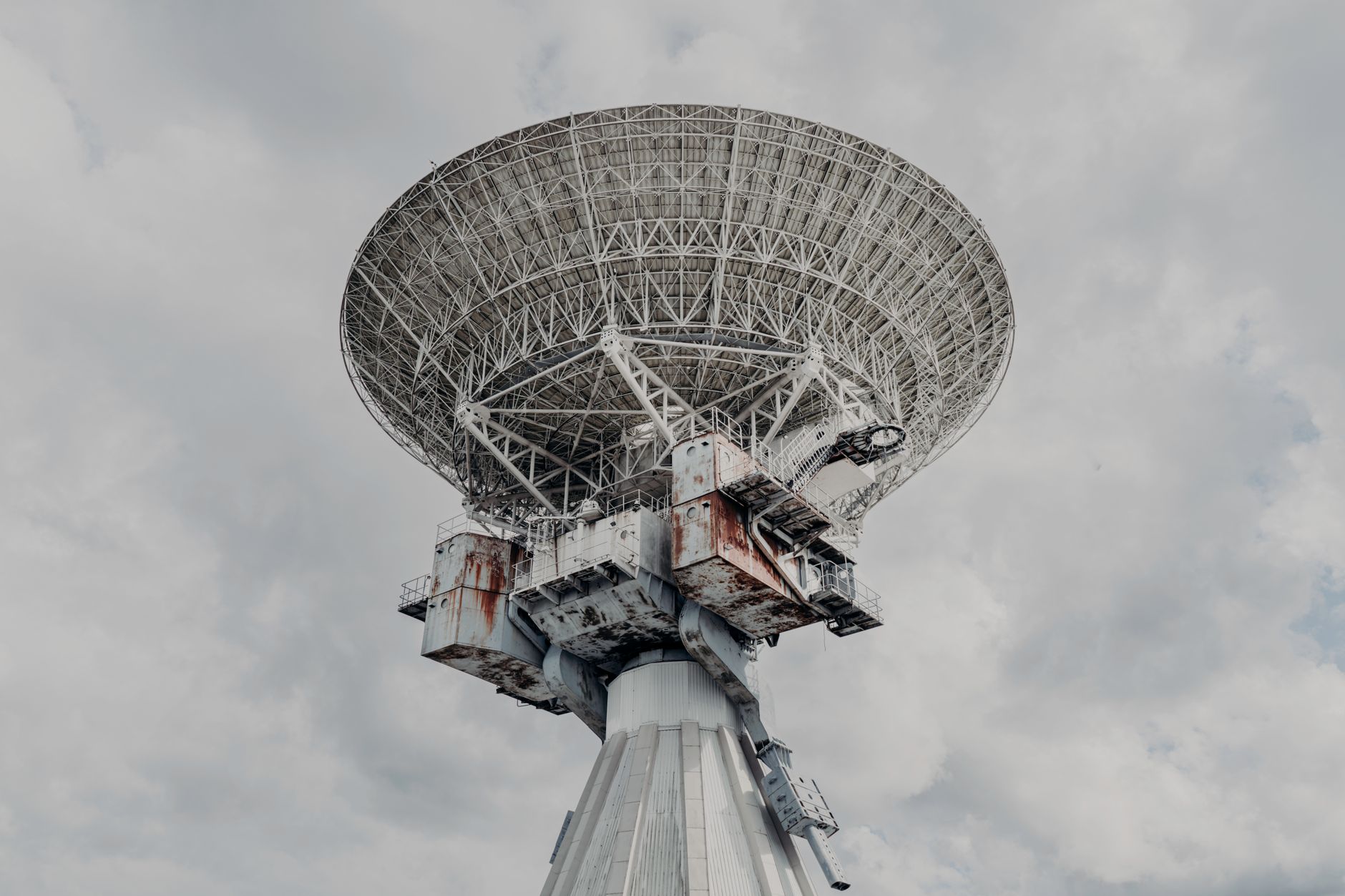
This artificial hill, built from WWII rubble, once housed a top-secret NSA listening station during the Cold War.
After its abandonment by Allied forces, Teufelsberg transformed into a colossal, unauthorized canvas for graffiti artists. Its iconic radar domes, once used to intercept Soviet communications, now echo with the spray of paint cans and the whispers of a clandestine past, offering panoramic views of Berlin's urban sprawl. It’s a stark reminder of Berlin’s divided past, now vividly reimagined.
2. RAW-Gelände: Industrial Spirit Reborn
Berlin, Germany
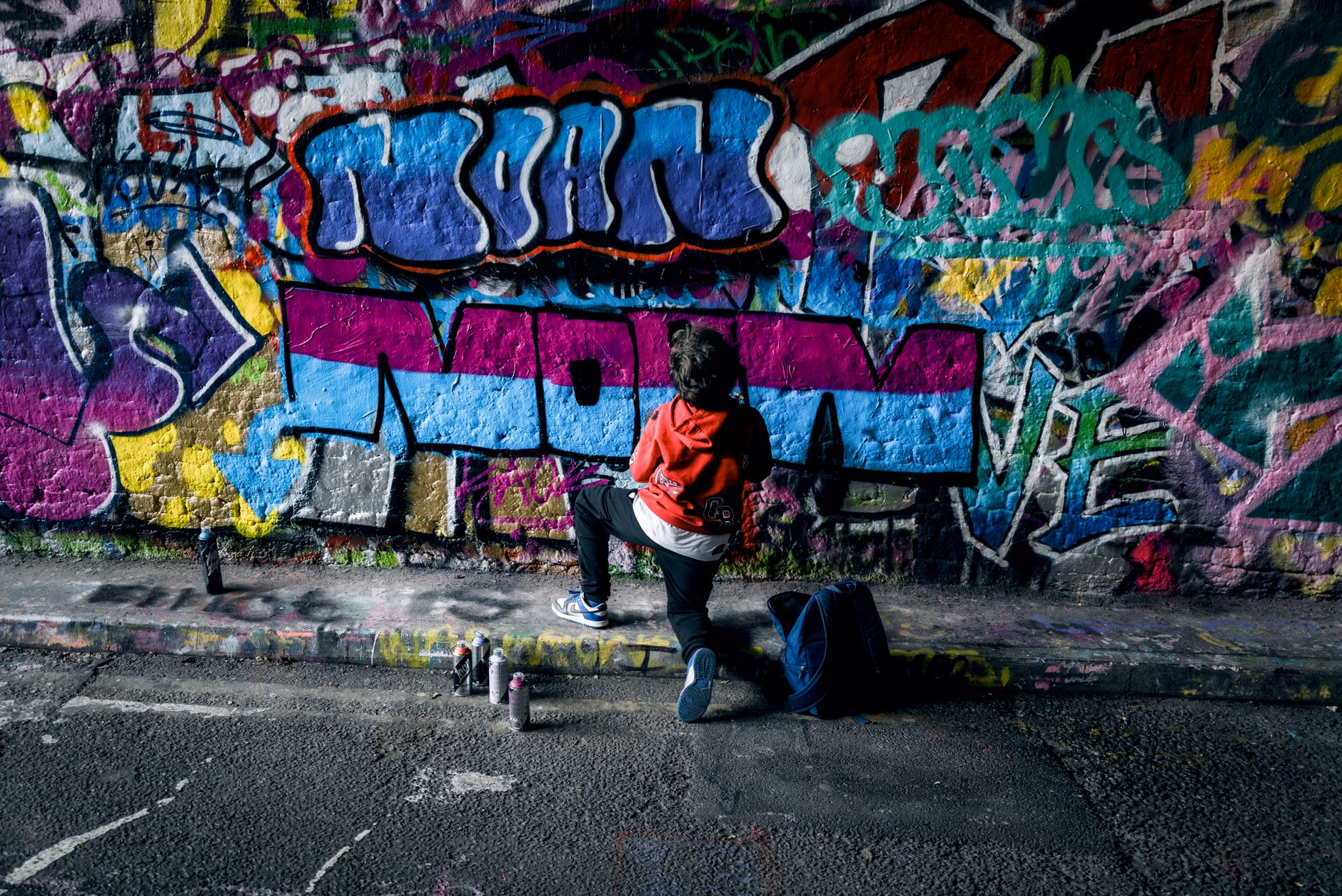
Once a sprawling Prussian railway repair yard, the RAW-Gelände is now a labyrinth of clubs, galleries, and ever-changing street art.
The Reichsbahnausbesserungswerk (RAW) served as a vital railway workshop for over a century, employing thousands. Today, its weathered brick buildings and forgotten tracks are covered in layers of murals, tags, and stencil art, creating a living museum of urban expression. It's a vibrant micro-city where Berlin's industrial past meets its creative present, a true hub of alternative culture.
3. Tempelhofer Feld: Airport to Open Canvas
Berlin, Germany
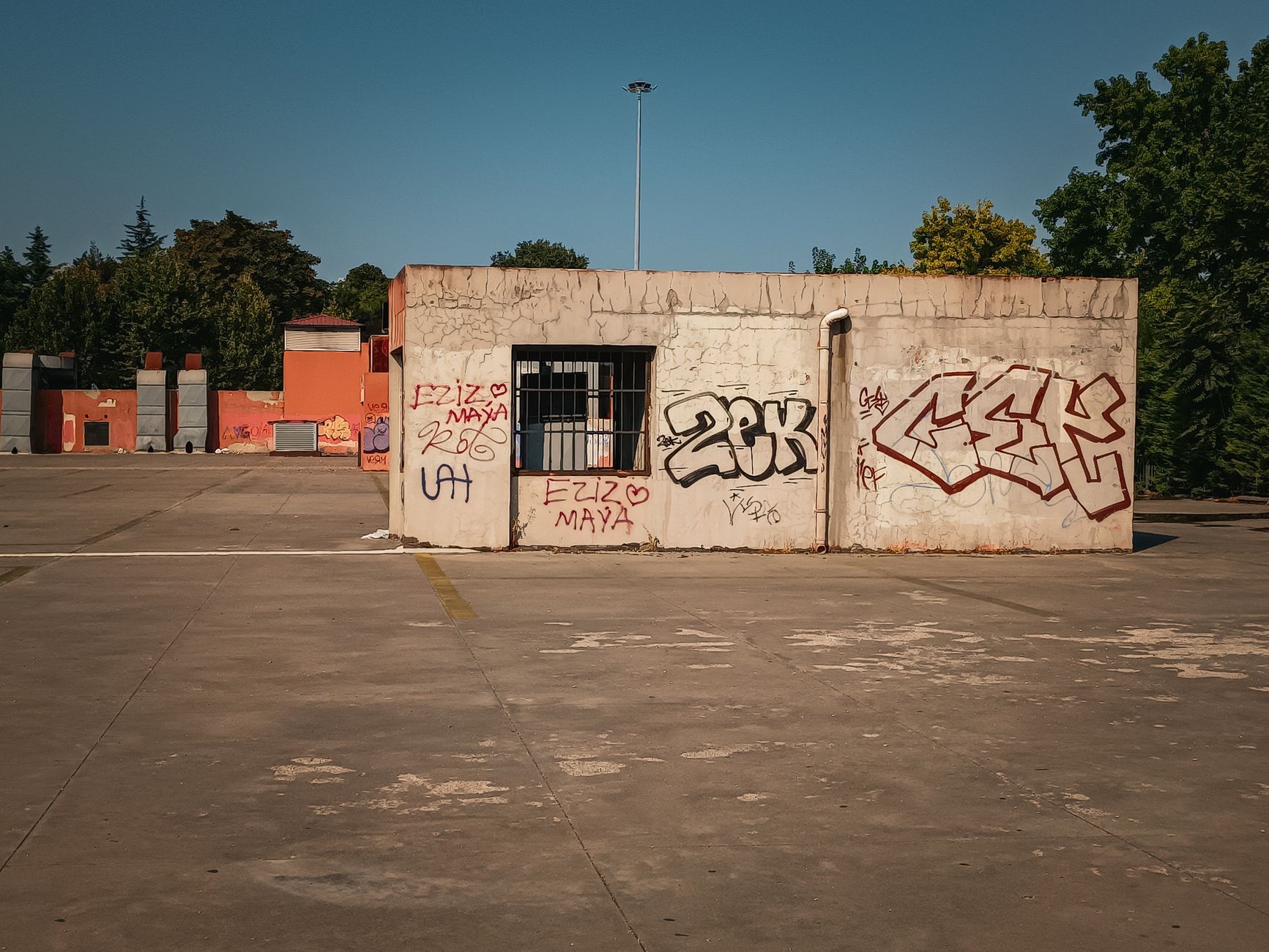
The former Tempelhof Airport, famed for its role in the Berlin Airlift, now offers designated walls for public graffiti.
After closing in 2008, this historic airport became a vast public park, uniquely preserving its runways and terminal buildings. Beyond its open fields and community gardens, specific sections of the old airport perimeter fence and abandoned infrastructure have become legal, rotating canvases for aspiring and established street artists. This reflects Berlin's commitment to public creative space and its fascinating urban planning decisions.
4. Urban Nation's One Wall Project: Neighborhood Gallery
Berlin, Germany
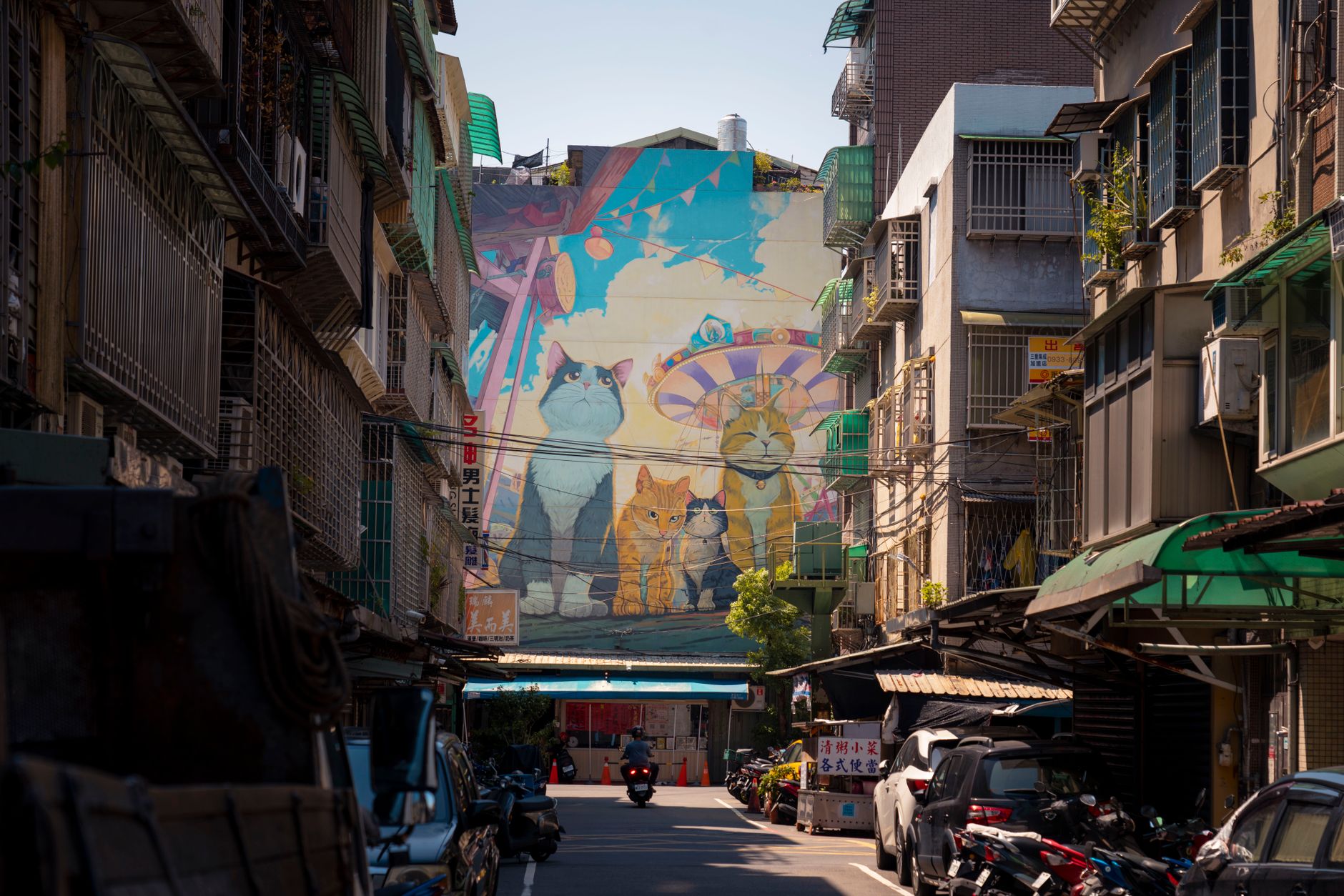
Beyond its museum doors, Urban Nation continuously commissions large-scale murals that integrate directly into the residential buildings of its Schöneberg neighborhood.
The Urban Nation Museum for Urban Contemporary Art isn't just an indoor space; it's a driving force behind a district-wide outdoor gallery. Each year, global artists are invited to paint monumental 'One Wall' murals on the facades of local apartment blocks, turning everyday streets into an immersive, ever-evolving exhibition that reshapes the urban fabric and engages the community directly.
5. Prinzessinnengärten: Green Art in the Concrete Jungle
Berlin, Germany
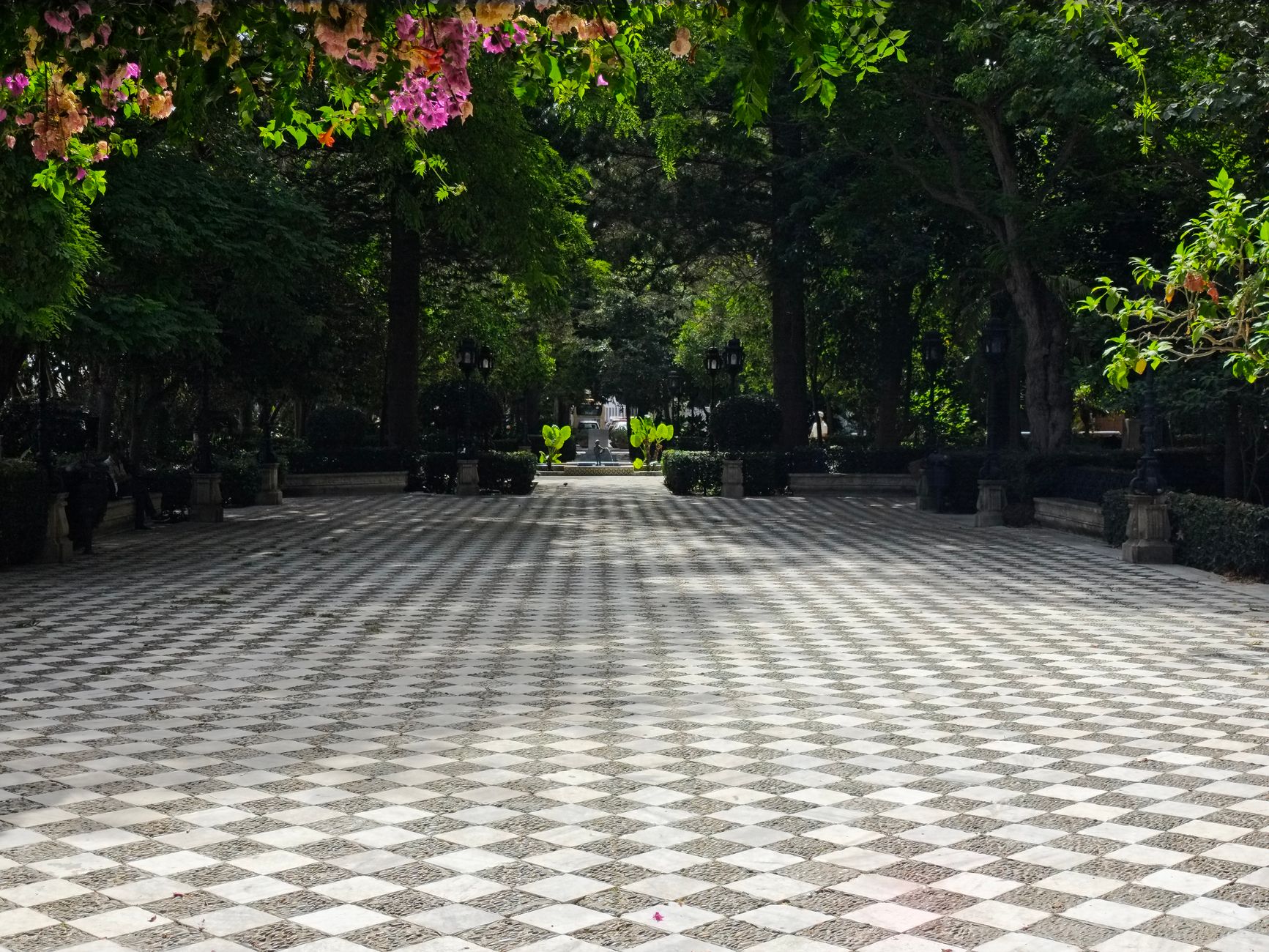
This award-winning urban garden, built on a former wasteland, incorporates recycled materials and community-driven art installations.
Prinzessinnengärten transformed a desolate lot near Moritzplatz into a thriving ecological project. While not a traditional street art spot, it’s a powerful example of urban culture, sustainability, and creative reuse. Look for the quirky, often politically charged signs, recycled art pieces, and upcycled structures that tell a story of community resilience and green activism in the heart of the city.
6. Künstlerhaus Bethanien / Mariannenplatz: The Squat Legacy
Berlin, Germany
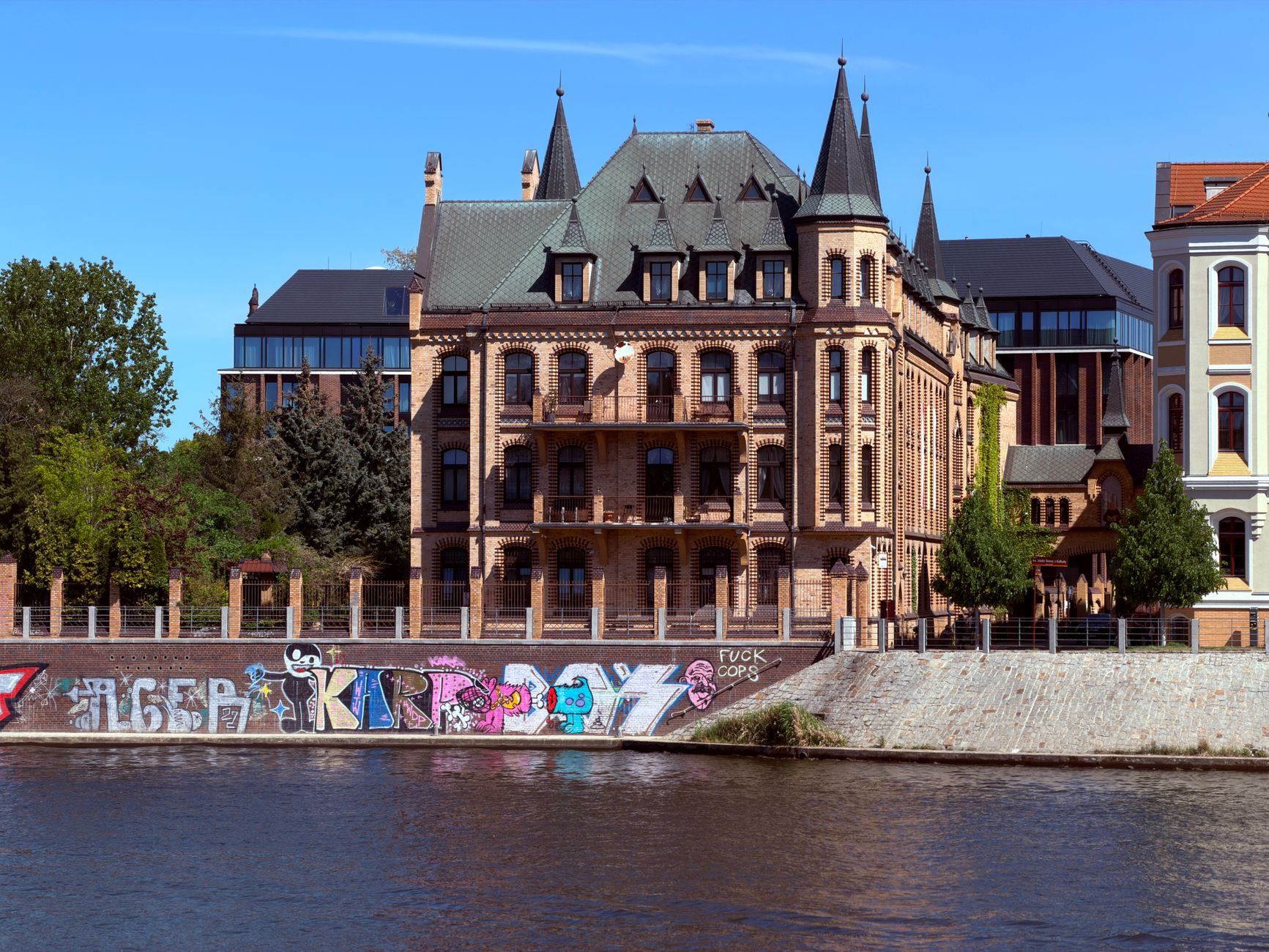
The imposing former hospital building of Künstlerhaus Bethanien was once a symbol of Berlin's squatter movement and remains an alternative art hub.
Mariannenplatz and the Künstlerhaus Bethanien area in Kreuzberg were epicenters of Berlin's autonomous and squatters' scene in the 1970s and 80s. While the building is now an international art center, the surrounding streets and courtyards still pulse with the independent spirit. Keep an eye out for hidden stencils, political paste-ups, and small-scale interventions that echo the area's rebellious past and ongoing cultural resistance.
7. Brunnenviertel's 'Pimp My Block': Art for the People
Berlin, Germany
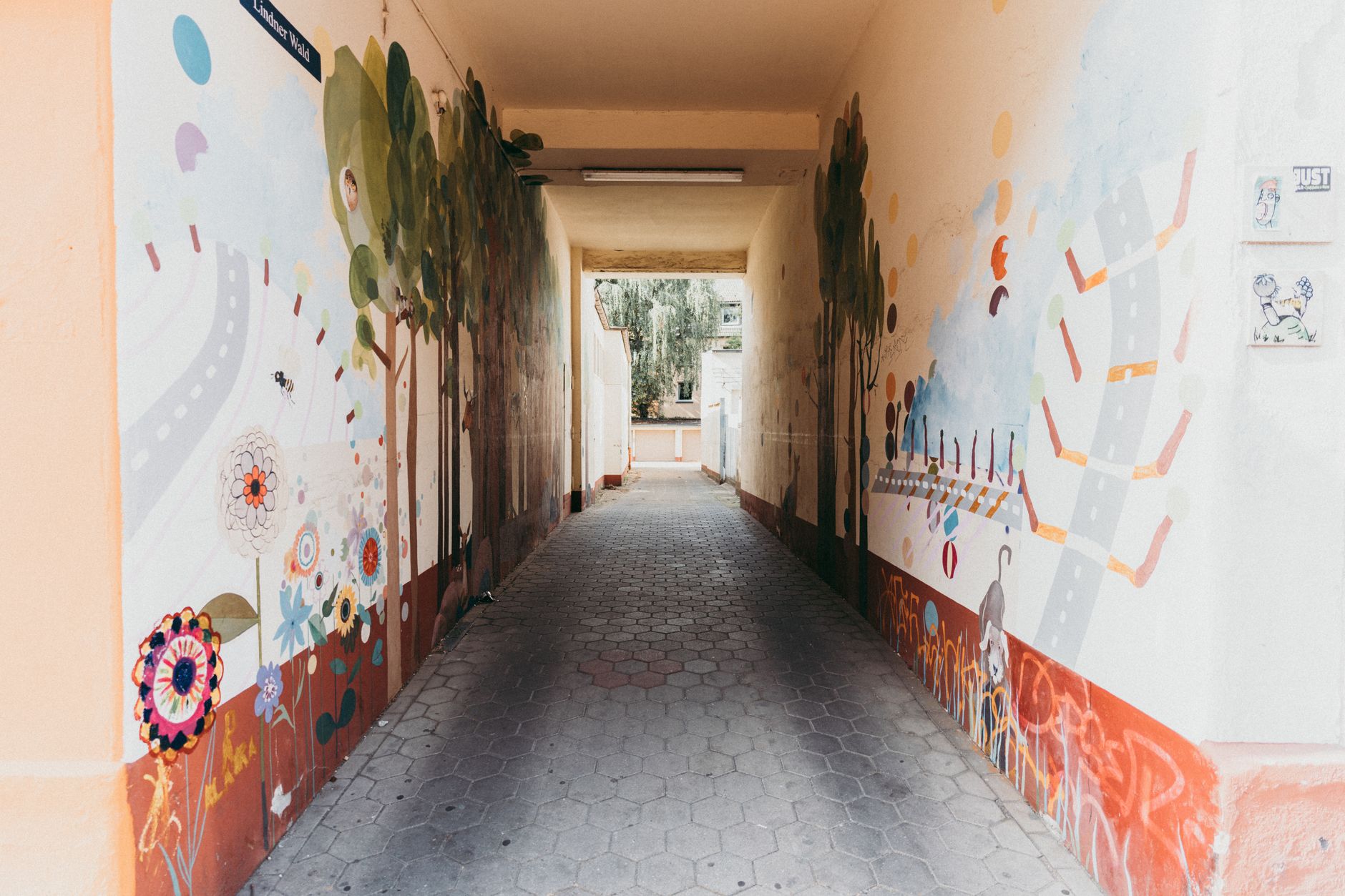
The Brunnenviertel in Wedding is home to murals painted directly onto residential buildings as part of a grassroots initiative to beautify the neighborhood.
Far from the tourist trails, the Brunnenviertel showcases a different side of Berlin's urban art. The 'Pimp My Block' project, initiated by local residents and artists, aimed to combat neglect by adorning the grey facades of social housing with vibrant, community-focused murals. These pieces tell stories of local life, hope, and identity, making art an integral part of daily existence for its inhabitants.
Frequently asked questions
Is all street art in Berlin legal?
Berlin has a complex relationship with street art. While some murals are legally commissioned or created in designated areas like parts of Tempelhofer Feld, much of what you see is technically illegal graffiti. However, the city often tolerates it, contributing to its raw, dynamic urban aesthetic.
Which Berlin neighborhoods are best for finding street art?
While many areas boast incredible art, Kreuzberg, Friedrichshain, and Wedding are particularly rich. Beyond the famous East Side Gallery, delve into the smaller side streets around Schlesisches Tor, the RAW-Gelände, or explore the Brunnenviertel for a more local perspective.
What's the best time of year to see Berlin's outdoor art?
Berlin's street art scene is active year-round. Spring and summer offer pleasant weather for walking tours and allow you to enjoy the outdoor cultural spaces like Prinzessinnengärten more fully. Autumn can also be beautiful with cooler temperatures and fewer crowds.
How can AllTours.ai help me discover Berlin's urban culture and street art?
AllTours.ai is your personal AI audio tour guide. Simply point your phone camera at a mural, a historic building, or any landmark mentioned in this guide, and the app will instantly narrate its unique history, cultural significance, or the story behind its art in your preferred language, bringing Berlin's urban pulse to life.
Related guides
Photography via Pexels. AllTours.ai is an AI audio tour guide — point your camera at any landscape and hear its story.