
August 8, 2026 · 4 min read
Many travelers are seeking destinations that offer genuine warmth, easy navigation, and unforgettable experiences without the crowds or complexities often found in more conventional spots. The desire for a truly hassle-free vacation often leads explorers to look beyond the usual suspects.
If you're wondering what are some alternatives to the US for travelers seeking welcoming and hassle-free vacation destinations, you're in luck. The world is full of incredible, often underrated places that combine stunning natural beauty or rich history with a genuinely hospitable atmosphere, each with its own captivating, surprising story waiting to be discovered.
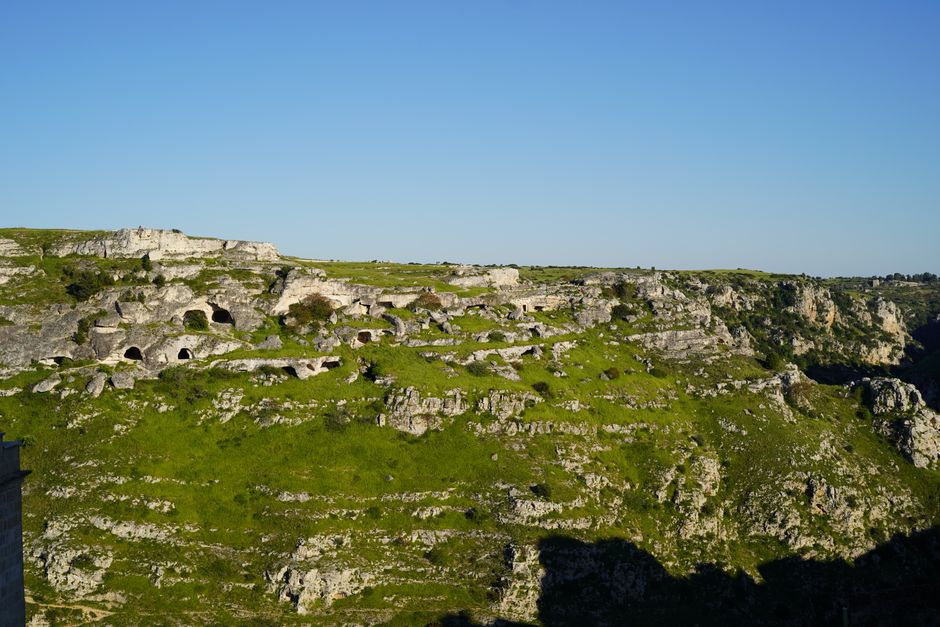
1. The City Built in Caves
Matera, Italy
This ancient city's cave dwellings were continuously inhabited for millennia, then abandoned, and are now a UNESCO marvel.
Matera, in southern Italy, is famous for its 'Sassi,' troglodyte dwellings carved into the rock face. These caves were inhabited since the Paleolithic era, making Matera one of the oldest continuously inhabited settlements in the world. After being condemned as a place of poverty and disease in the 1950s, the Sassi were evacuated. Today, they are a UNESCO World Heritage site, beautifully restored into hotels, restaurants, and homes, a testament to human resilience and ingenuity.
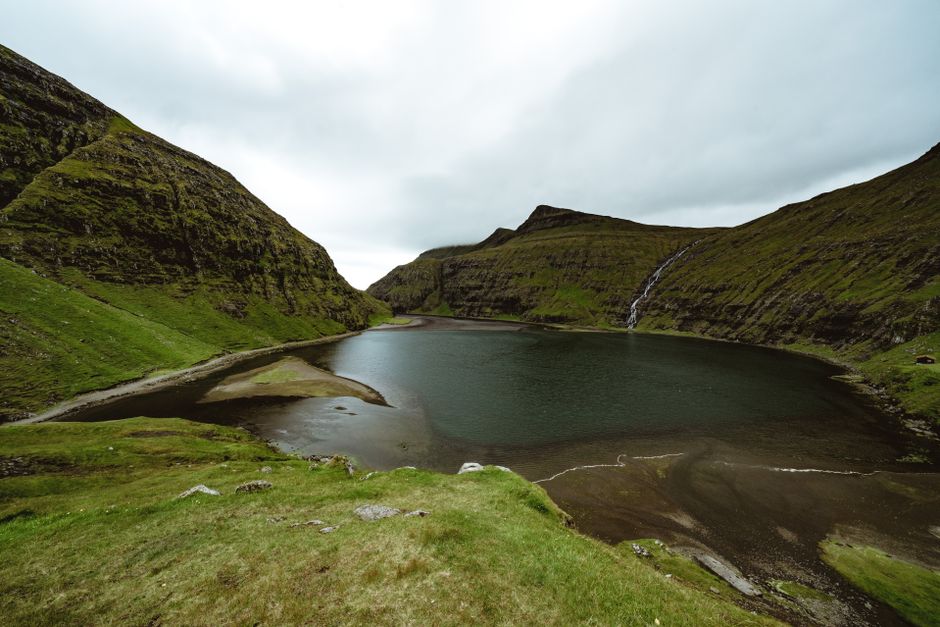
2. The Storm-Sculpted Lagoon
Saksun, Faroe Islands
A 17th-century storm transformed this village's deep inlet into a landlocked tidal lagoon.
The village of Saksun, on the island of Streymoy in the Faroe Islands, is famed for its unique lagoon. Historically, Saksun had a natural harbor, but a severe storm around the year 1600 completely blocked the inlet with sand, creating a landlocked tidal lagoon. This dramatic geological event isolated the village, preserving its turf-roofed houses and serene atmosphere. At low tide, it's possible to walk along the sandy seabed of the former inlet, revealing its past.
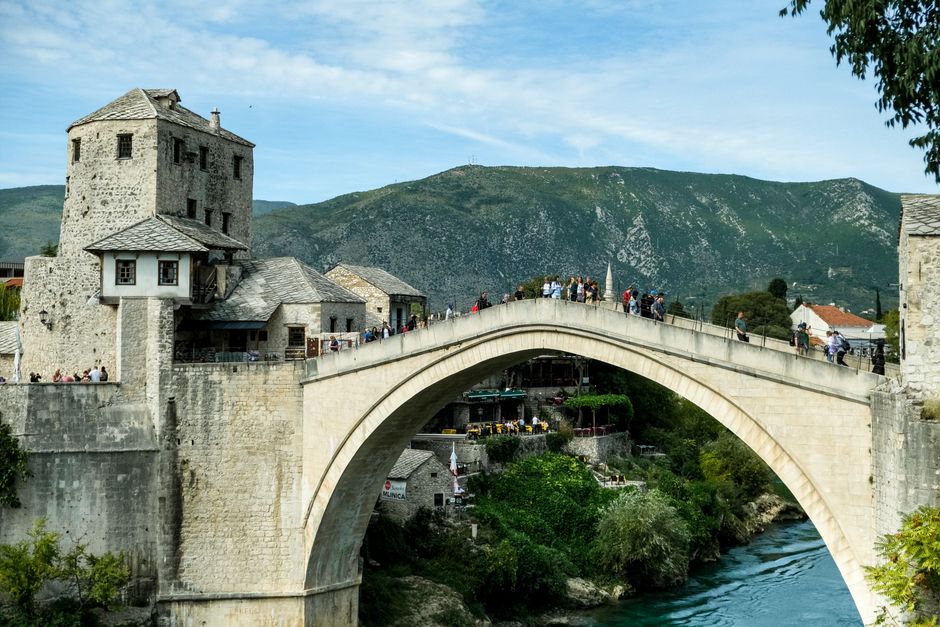
3. The Strategically Vulnerable Bridge
Mostar, Bosnia and Herzegovina
Mostar's iconic Stari Most bridge was designed to be easily destroyed in wartime to prevent invading armies from crossing the river.
Mostar's Stari Most, or Old Bridge, is an architectural marvel. Rebuilt after its destruction in the 1990s, the original bridge, completed in 1566 by the Ottoman Empire, was designed with a specific vulnerability. The central arch was constructed so that its keystone could be removed, causing the entire bridge to collapse. This was a strategic defense mechanism, allowing defenders to prevent enemy forces from crossing the Neretva River, a detail often overlooked in its beauty.
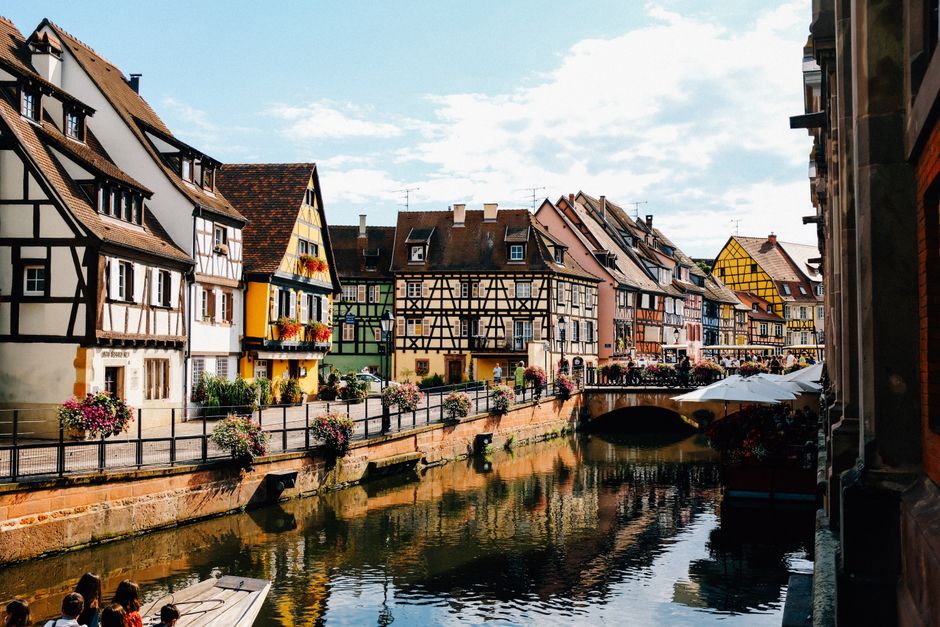
4. The Statue of Liberty's French Home
Colmar, France
The sculptor who designed the Statue of Liberty, Frédéric Auguste Bartholdi, was a native son of this picturesque French town.
Colmar, in France's Alsace region, is a picturesque town known for its half-timbered houses and canals, often called 'Little Venice.' Less known is its connection to one of America's most famous symbols. The sculptor Frédéric Auguste Bartholdi, who designed the Statue of Liberty, was born in Colmar. Visitors can find a smaller replica of the statue at the entrance to the city and a museum dedicated to his work, revealing the town's surprising link to New York Harbor.
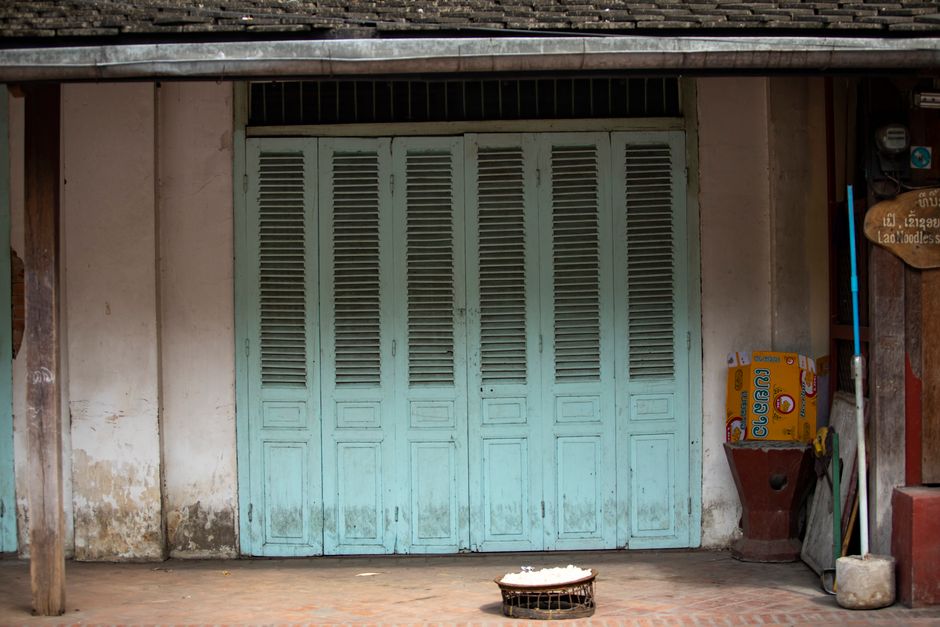
5. The Unchanging Alms Ceremony
Luang Prabang, Laos
Every morning, hundreds of monks perform a silent alms-giving ceremony, a tradition unchanged for centuries.
Luang Prabang, a UNESCO World Heritage city in Laos, offers a profound cultural experience. Before dawn each day, saffron-robed monks emerge from numerous temples to participate in the ancient ritual of Tak Bat, the alms-giving ceremony. Locals and visitors respectfully offer sticky rice and other foods to the silent procession. This daily tradition, a cornerstone of Theravada Buddhism, has continued uninterrupted for centuries, fostering a deep connection between the monastic community and the laypeople.
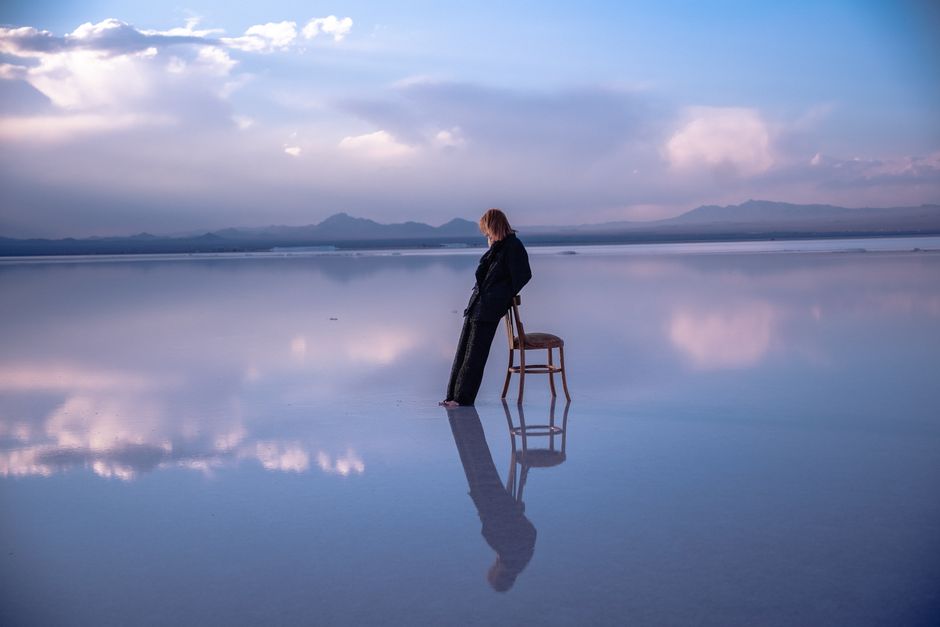
6. The World's Largest Natural Mirror
Salar de Uyuni, Bolivia
This vast salt flat is so incredibly flat and reflective that it's used to calibrate orbiting satellites.
Salar de Uyuni in Bolivia is the world's largest salt flat, covering over 10,000 square kilometers. Formed by prehistoric lakes that evaporated, leaving behind a crust of salt, it's an otherworldly landscape. When covered with a thin layer of water after rainfall, it transforms into a colossal mirror, perfectly reflecting the sky. This incredible flatness and reflectivity make it a critical site for calibrating remote sensing satellites, as its stable, bright surface provides an ideal reference point for altimeters.
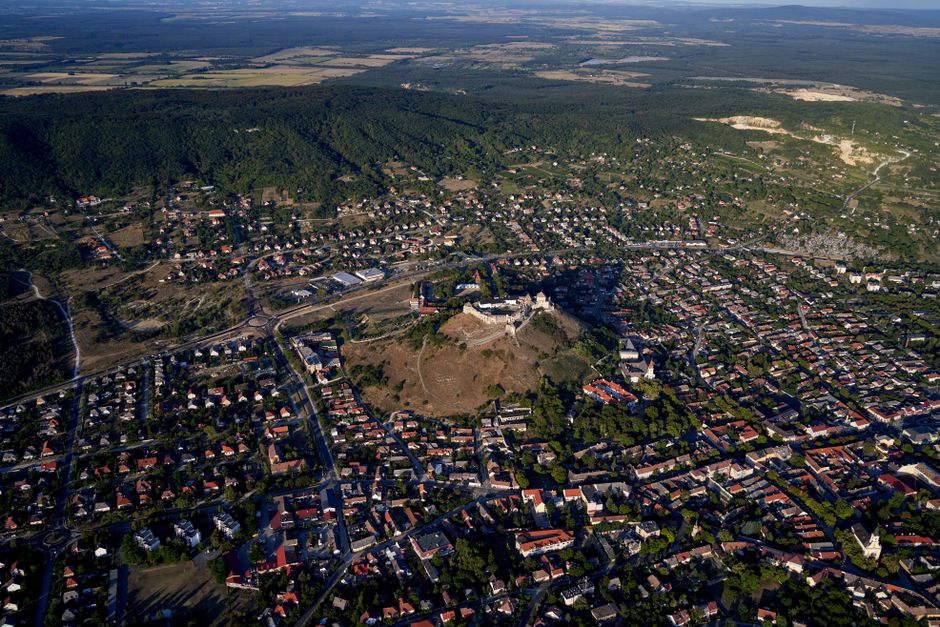
7. Dracula's Real Birthplace
Sighisoara, Romania
This remarkably preserved medieval town is the birthplace of Vlad the Impaler, the historical figure who inspired the legend of Dracula.
Sighisoara, located in Romania's Transylvania region, is one of Europe's last inhabited medieval citadels and a UNESCO World Heritage site. This colorful, fortified town is famously known as the birthplace of Vlad III Dracula, also known as Vlad the Impaler, who ruled Wallachia in the 15th century. His former house still stands within the citadel walls. While often associated with gothic tales, Sighisoara itself is a charming, vibrant place, offering a tangible connection to a complex historical figure far removed from fictional vampires.
Frequently asked questions
What makes a destination 'welcoming' for travelers?
Welcoming destinations typically have friendly locals, clear signage, readily available information in common languages, and efficient public services. They often prioritize visitor safety and offer diverse options for accommodation and dining that cater to different needs and budgets.
How can I find lesser-known, hassle-free travel spots?
Researching regions rather than specific famous cities can reveal hidden gems. Look for UNESCO World Heritage sites that are not primary tourist hubs, or consult blogs and guides focused on sustainable or off-the-beaten-path travel. Engaging with local tourism boards for smaller towns can also provide unique insights.
Are these underrated destinations more affordable than popular ones?
Often, yes. Lesser-known destinations typically have lower costs for accommodation, food, and activities compared to major tourist centers. This can allow travelers to extend their trips or enjoy more local experiences without stretching their budget, offering greater value for their money.
How does AllTours.ai enhance exploration of these unique places?
AllTours.ai transforms your phone camera into an AI audio tour guide. Simply point it at any landmark or landscape, and the app instantly narrates its history, geology, and culture in your preferred language. It's like having a local expert with you, revealing the surprising stories behind every view.
Related guides
Photography via Pexels. AllTours.ai is an AI audio tour guide — point your camera at any landscape and hear its story.