July 9, 2026 · 4 min read
Dried fish is a global culinary staple, a testament to human ingenuity in preserving food long before refrigeration. Yet, when we ponder what do people have dried fish with, our minds often jump to a few well-known examples like Portuguese bacalao or Scandinavian stockfish.
But venture beyond the familiar, and a world of fascinating flavors and traditions unfolds. These are the untold stories of communities whose very existence, history, and culture are interwoven with the art of drying fish, revealing surprising pairings and profound cultural significance.
1. Squid, Gold, and Ancient Trade
Guiuan, Eastern Samar, Philippines
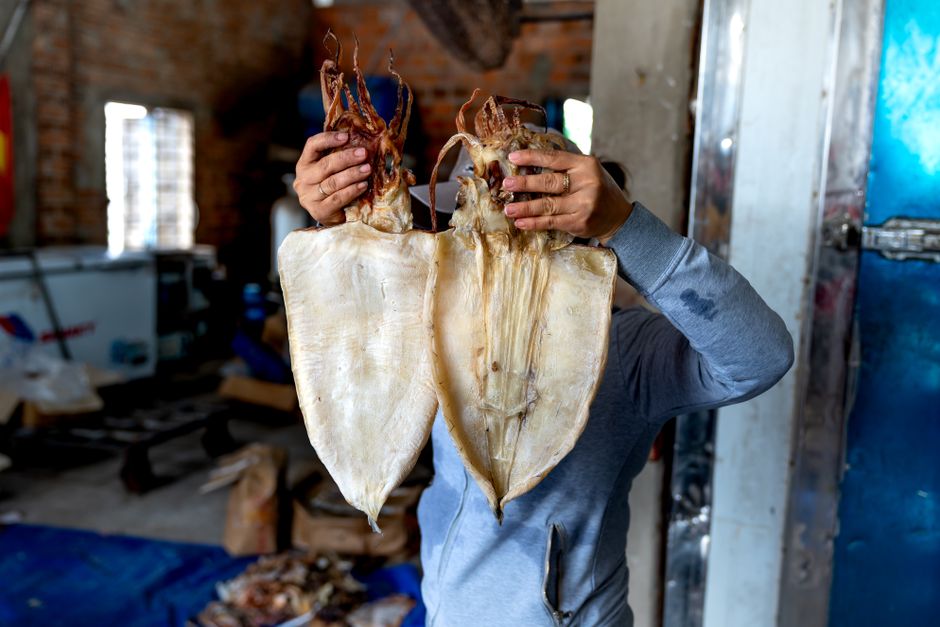
Centuries ago, dried seafood from Guiuan, particularly squid, was a valuable commodity used as currency in pre-colonial trade with China.
Long before Spanish arrival, Guiuan was a bustling port, its bountiful seas yielding prized dried seafood. Local fishermen dried squid and various fish, which were then traded for Chinese porcelain, silk, and gold. This ancient exchange helped establish Guiuan as a significant economic hub, and today, daing na pusit (dried squid) remains a beloved local delicacy, often grilled and dipped in spiced vinegar with a side of rice.
2. Buried Sardines of Noto
Noto Peninsula, Ishikawa Prefecture, Japan
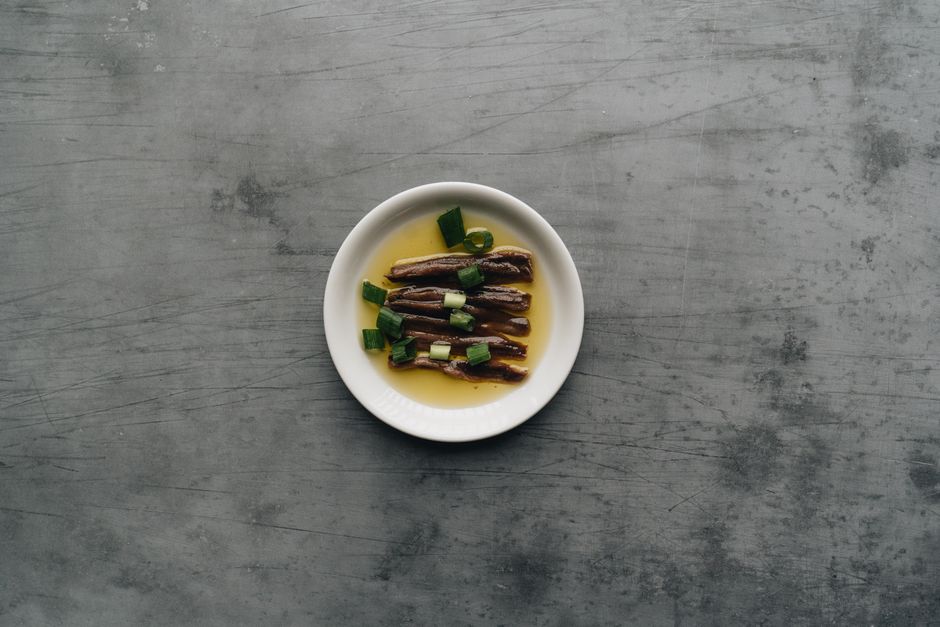
The Noto Peninsula is home to konka iwashi, a unique delicacy of sardines preserved by burying them in rice bran for months, a technique born from harsh winters.
Faced with long, isolated winters, Noto's coastal communities developed ingenious preservation methods. Konka iwashi involves salting sardines, then burying them in layers of rice bran (nuka) and salt for up to a year. This fermentation process creates an intensely savory, umami-rich fish that is traditionally grilled lightly and served as a potent snack with sake or as a flavorful accompaniment to steamed rice, a true taste of Noto's resilient spirit.
3. Valhomas: Sultan's Tribute
Fuvahmulah, Maldives
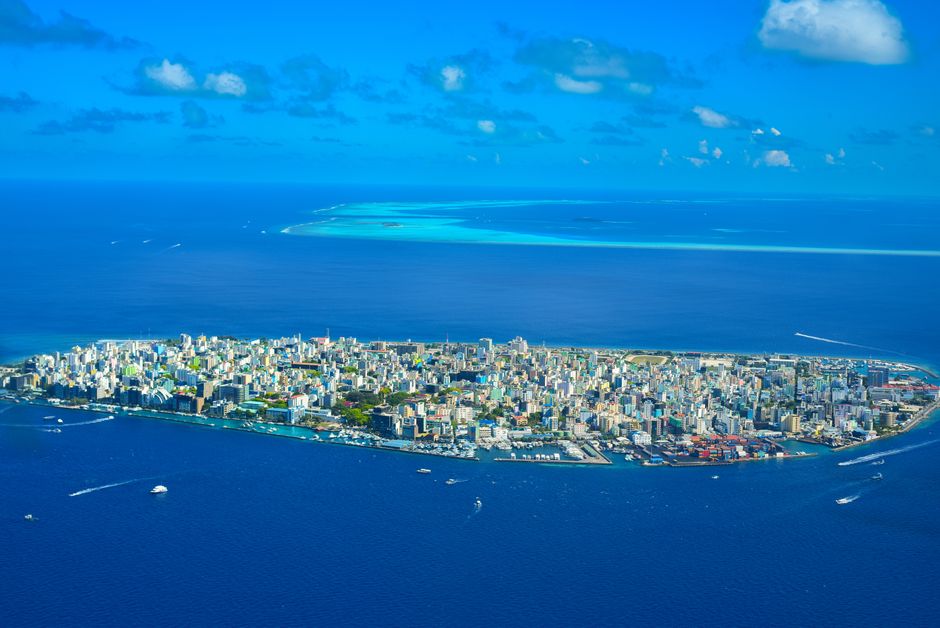
For centuries, valhomas (dried skipjack tuna) from the Maldives was not just a food staple but also a form of tribute paid to the sultans and a key export.
The isolated island of Fuvahmulah, known for its rich fishing grounds, perfected the art of making valhomas. Skipjack tuna is boiled, smoked, and sun-dried until it becomes rock-hard, preserving it for long voyages and periods of scarcity. This nutrient-dense ingredient was historically so valuable it served as currency and a diplomatic gift. Today, it forms the backbone of many Maldivian dishes, particularly garudhiya (fish broth) and mas huni (shredded smoked tuna with coconut), a taste of the islands' maritime heritage.
4. Flood Season's Bounty: Khô Cá
Chau Doc, An Giang Province, Mekong Delta, Vietnam
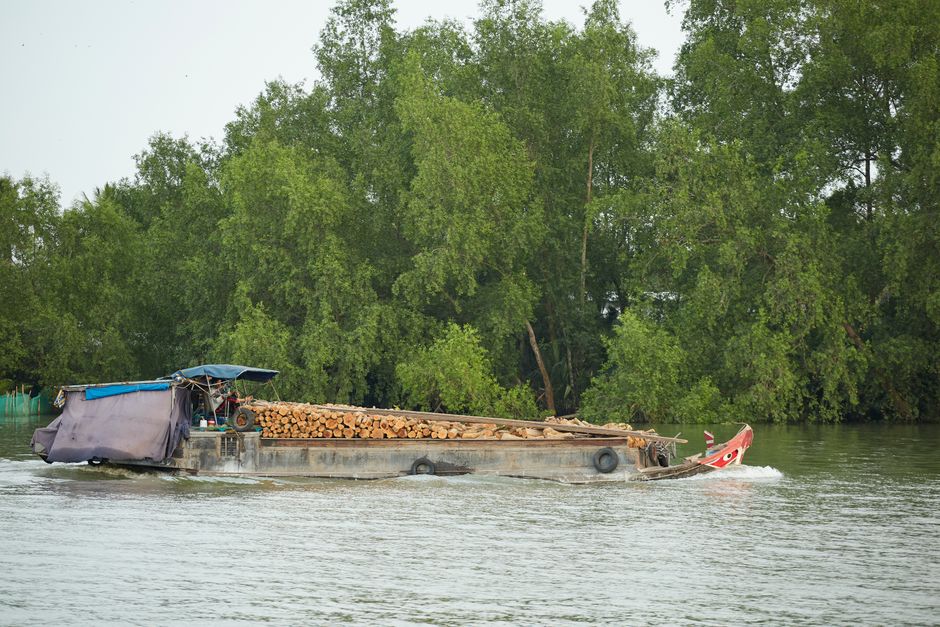
In Vietnam's Mekong Delta, the annual flood season brings an abundance of fish, leading to a communal tradition of drying khô cá on bamboo racks as a vital preservation method.
As the Mekong River swells, its waters teem with fish, which local communities in places like Chau Doc traditionally harvest and preserve. Rows of bamboo racks laden with khô cá (dried fish) become a common sight, transforming the landscape. This practice ensures food security through the year and creates a diverse range of dried fish like khô cá lóc (snakehead fish) or khô cá tra (pangasius). These are often grilled, deep-fried, or used in vibrant salads, paired with sticky rice and fresh herbs, embodying the resourcefulness of delta life.
5. The Floating Village's Smoked Catch
Ganvié, Benin
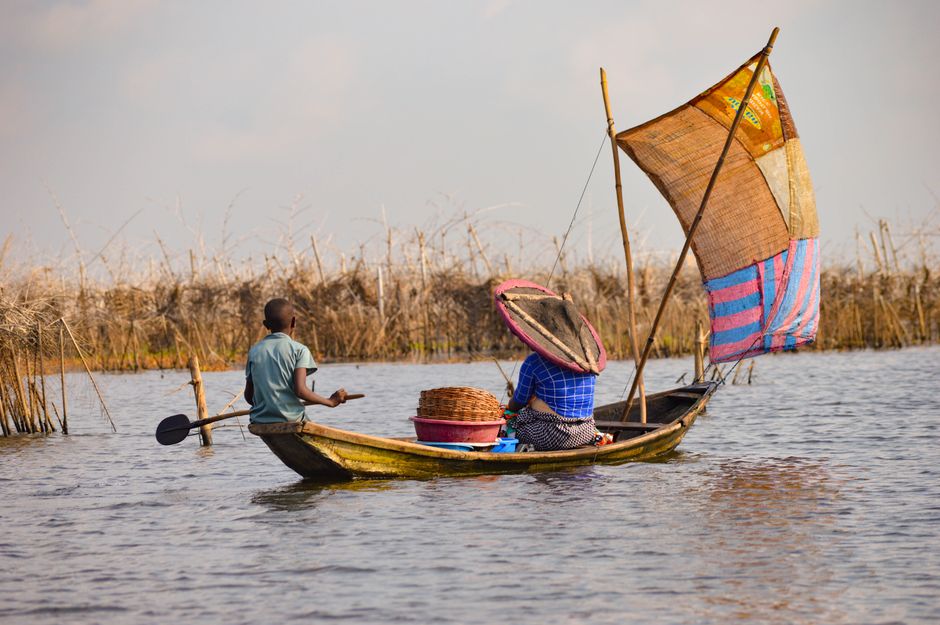
In Ganvié, a village built entirely on stilts over Lake Nokoué, the Tofinu people rely on smoking fish over open fires as their primary preservation method, fueling a unique floating market.
For centuries, the Tofinu people have lived on Lake Nokoué, seeking refuge from slave traders. Their entire existence revolves around the water, including their ingenious method of fishing and preserving their catch. Women in dugout canoes meticulously smoke fish over small, controlled fires within their stilt homes, creating a distinctive smoky flavor. This smoked fish is the cornerstone of their diet and economy, traded daily in a vibrant floating market and often used in rich, spicy stews with yam or plantain.
6. Amazon's Enduring River Fish
Iquitos, Loreto Region, Peruvian Amazon
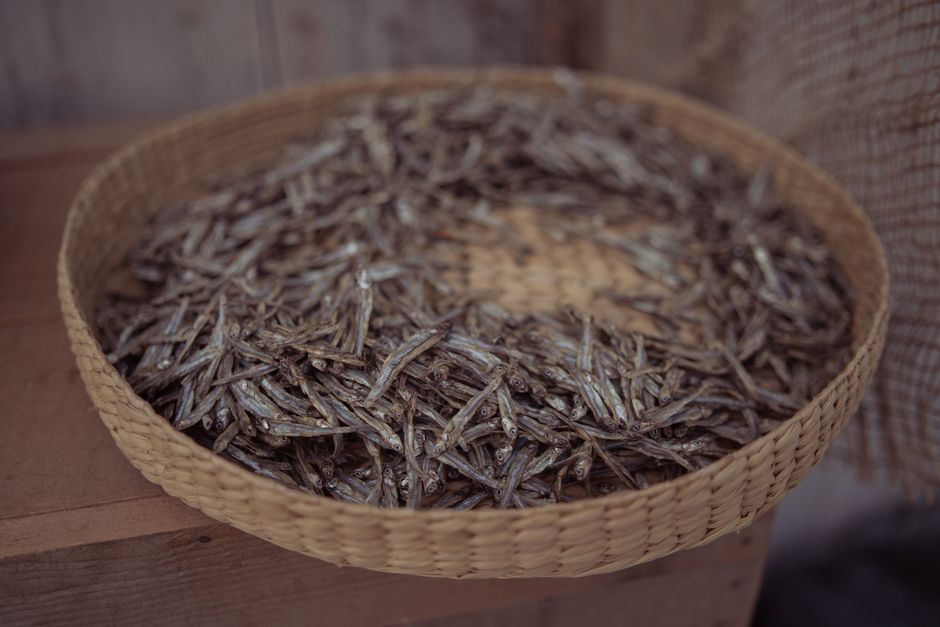
Indigenous communities around Iquitos traditionally sun-dry large Amazonian river fish like paiche or dorado, a vital technique for survival in a region lacking refrigeration.
Deep within the Amazon basin, far from modern infrastructure, the preservation of food is an ancient art. Around Iquitos, communities have long relied on drying the abundant river fish. Giant paiche or dorado are carefully filleted, salted, and then sun-dried on elevated bamboo racks, preventing spoilage in the humid climate. This charqui de pescado provides essential protein and is often grilled over open fires, served with boiled plantains (platano cocido) or yuca, a testament to the sustainable practices of Amazonian life.
7. Adriatic's Salty Heritage
Komiža, Vis Island, Croatia
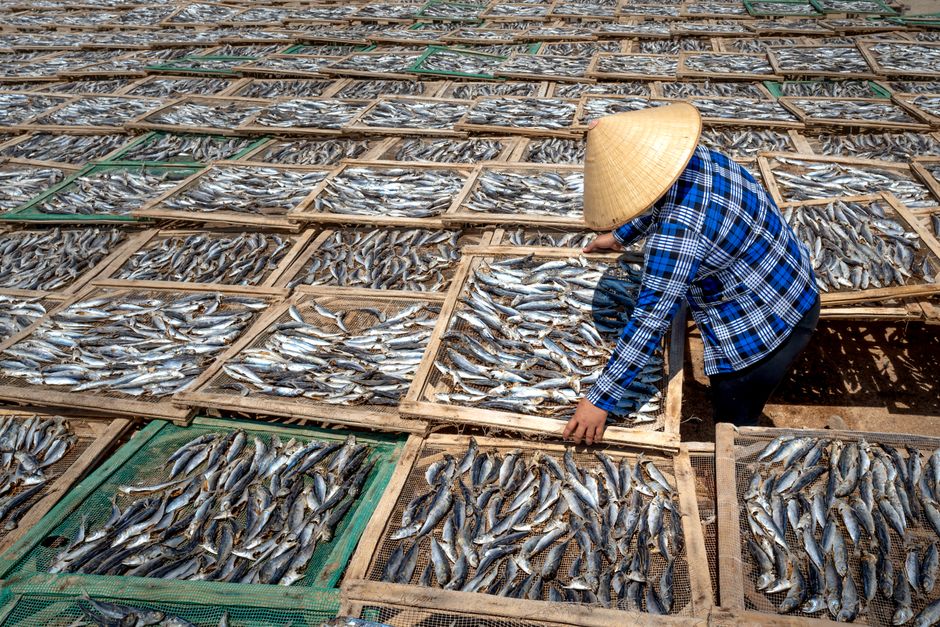
The isolated Croatian island of Vis, particularly the fishing town of Komiža, has a centuries-old tradition of drying and salting sardines and anchovies, once vital for its maritime economy.
Komiža, with its iconic falkuša fishing boats, boasts a deep connection to the Adriatic Sea. For generations, islanders have perfected the art of slana riba (salted fish) and drying smaller catches like sardines and anchovies on stone walls or nets, preserving them for lean months and trade. These intensely flavorful dried fish, often simply dressed with local olive oil, garlic, and parsley, and served with crusty bread, are more than just food; they are a living link to Komiža's resilient fishing heritage and its Venetian past.

8. Harðfiskur and the Golden Spread
Grundarfjörður, Snæfellsnes Peninsula, Iceland
In Iceland, harðfiskur (dried fish jerky) is traditionally softened and eaten with a thick spread of butter, a pairing that provided crucial sustenance in a harsh environment.
The relentless winds and cold of Iceland's coast, like around Grundarfjörður, naturally air-dry cod, haddock, or wolfish into harðfiskur, a protein-packed, almost leathery delicacy. This method of preservation was essential for survival during long winters. To make it palatable and add vital calories, Icelanders developed the tradition of slathering the tough, dried fish with generous amounts of butter. This simple, hearty snack remains a beloved part of Icelandic cuisine, a direct link to their ancestors' ingenuity and resilience.
Frequently asked questions
Why do people dry fish?
Drying fish is one of the oldest and most effective methods of food preservation, removing moisture that bacteria need to grow. This significantly extends shelf life, making fish available in times of scarcity, for long journeys, or in regions without refrigeration.
Is dried fish healthy?
Yes, dried fish is generally very healthy. It's a concentrated source of protein, omega-3 fatty acids, and essential vitamins and minerals like calcium, iron, and B vitamins. The drying process retains most of these nutrients, making it a highly nutritious food.
What's the oldest tradition of drying fish?
The practice of drying fish dates back tens of thousands of years, with archaeological evidence suggesting its use by ancient hunter-gatherer societies. Some of the longest continuous traditions are found in regions like Scandinavia and indigenous communities in North America, where fish like cod and salmon have been air-dried for millennia.
How can AllTours.ai help me discover these unique places?
AllTours.ai is your personal AI audio guide. Simply point your phone camera at a historic fishing village, a bustling market, or any landscape mentioned here, and the app will narrate its history, cultural significance, and even culinary traditions like dried fish, all in your preferred language.
Related guides
Photography via Pexels. AllTours.ai is an AI audio tour guide — point your camera at any landscape and hear its story.