October 14, 2026 · 4 min read
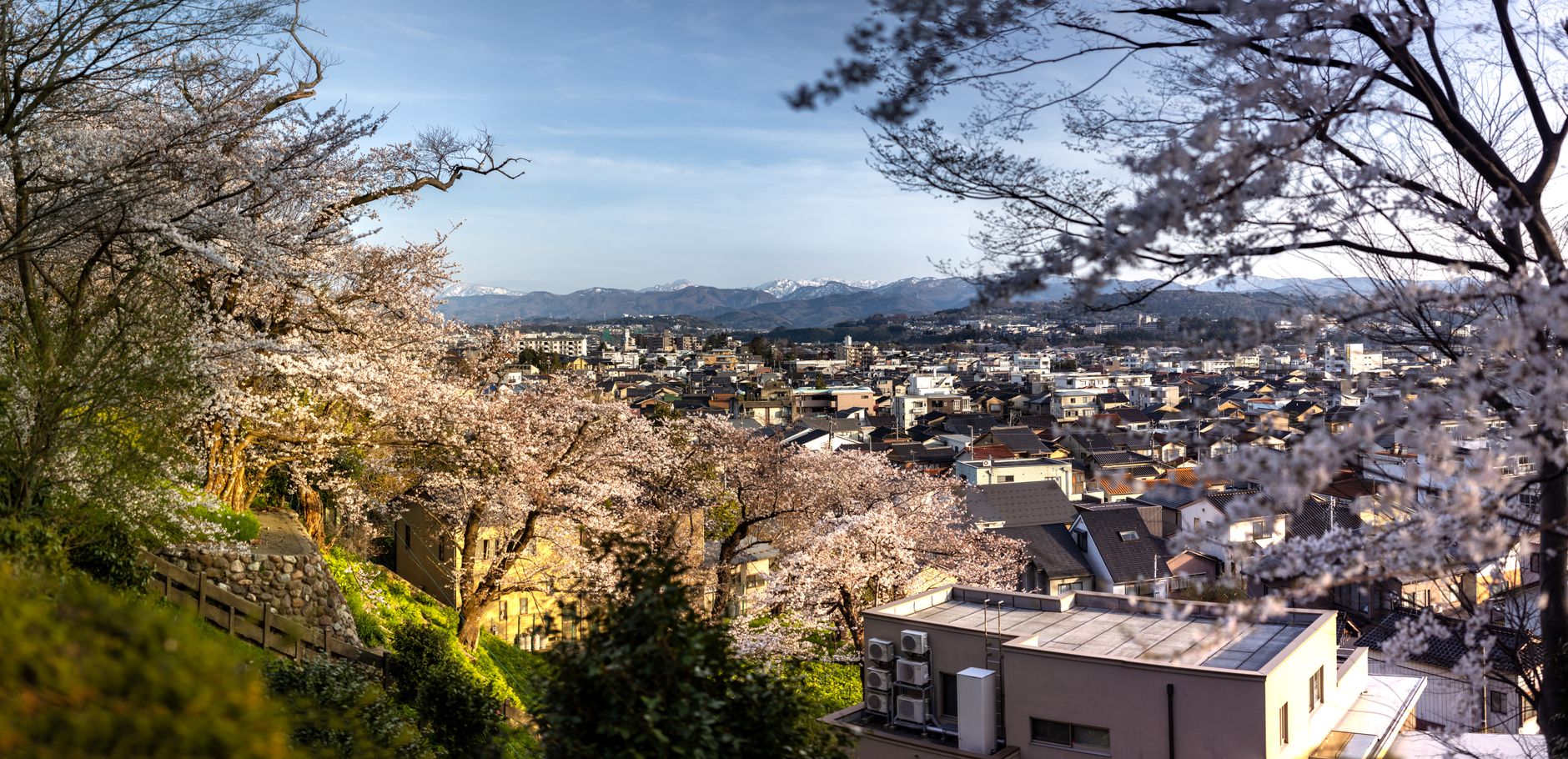
Kanazawa, a city that gracefully dodged the bombings of World War II, stands today as one of Japan's most beautifully preserved feudal-era cities. While many flock to its famous garden and castle, a deeper exploration reveals a tapestry of samurai districts, geisha teahouses, and artisan workshops that offer an unparalleled glimpse into Edo-period Japan, often without the typical tourist throngs.
Beyond the well-trodden paths lie hidden corners and overlooked historical gems, each with a unique story waiting to be uncovered. These underrated places in Kanazawa's historical districts invite you to slow down, listen to the whispers of the past, and experience the city's rich cultural heritage on a more intimate level.
1. The Samurai Garden Fed by a Moat
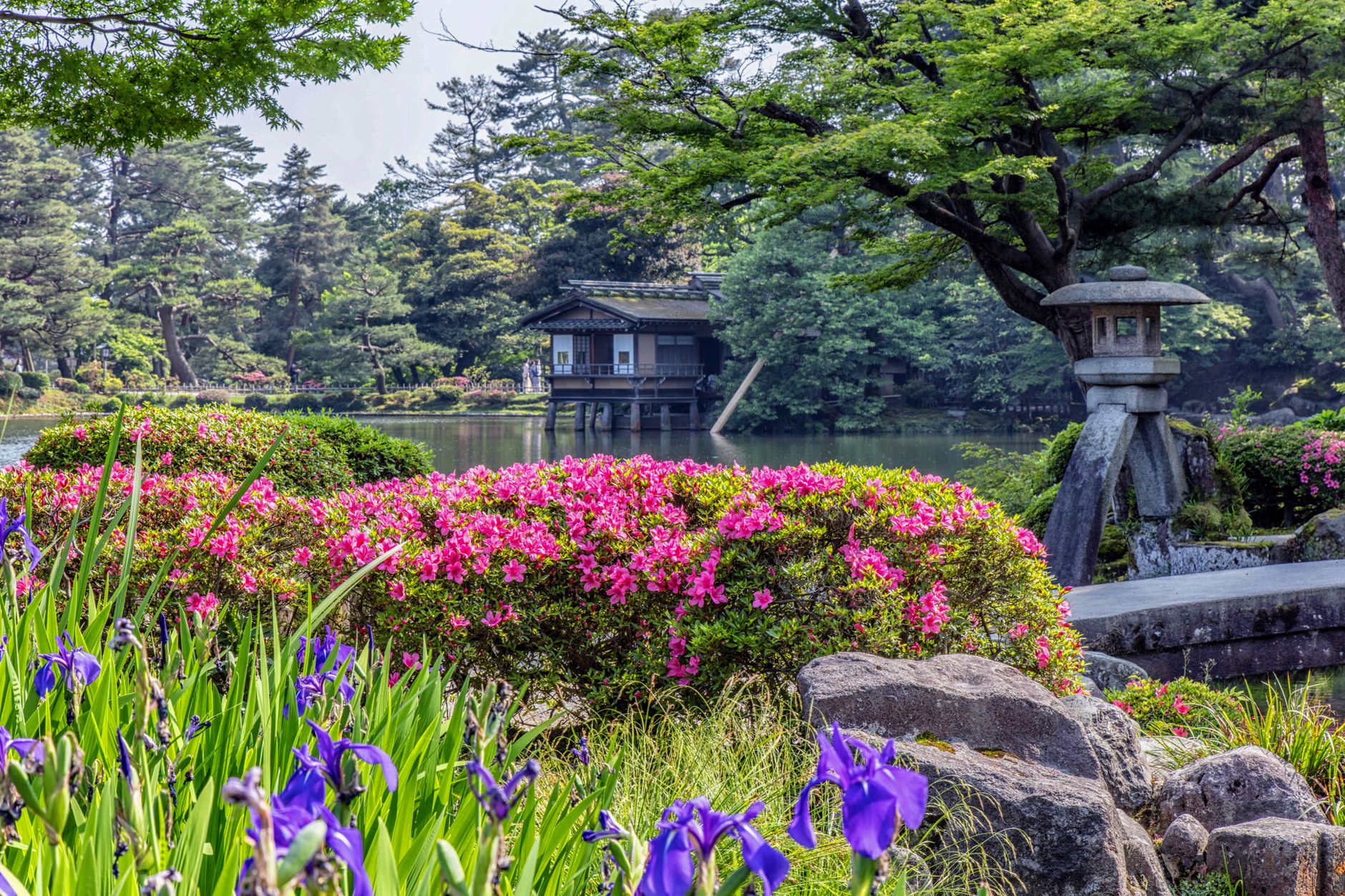
Nomura-ke Samurai Residence, Kanazawa, Japan
This exquisite samurai house garden incorporates a winding stream historically fed by water from Kanazawa Castle's moat, a unique design feature.
Within the heart of the Nagamachi Samurai District, the Nomura-ke Samurai Residence offers a meticulously preserved glimpse into a high-ranking samurai's life. Its garden, though compact, is a masterpiece of Edo-period landscape design. Featuring a serene pond, ancient trees, and carefully placed stones, the garden's most intriguing detail is its stream, which once directly drew water from the Sai River, which in turn fed the castle's defenses, symbolically connecting the samurai's home to the lord's domain.
2. The Riverside Geisha District
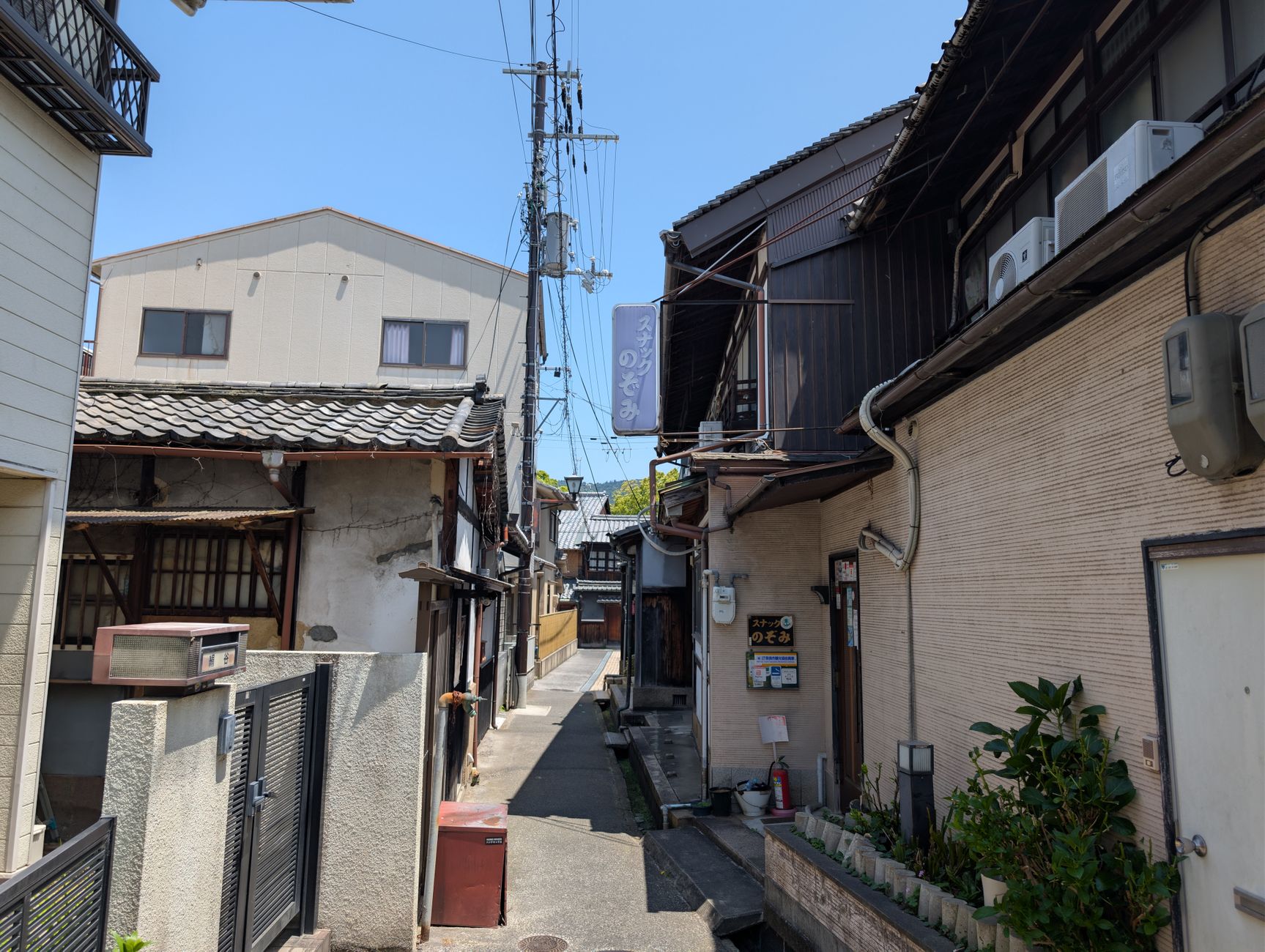
Kazuemachi Chaya District, Kanazawa, Japan
One of Kanazawa's three historic geisha districts, its narrow alleyways run directly along the Asano River, a unique feature among its counterparts.
Often overshadowed by the more bustling Higashi Chaya District, Kazuemachi Chaya offers a wonderfully intimate and authentic atmosphere. Its traditional wooden teahouses line the tranquil Asano River, a setting that once allowed geisha and their patrons to arrive discreetly by boat, enhancing its romantic allure. Strolling through its quieter lanes at dusk, one can almost hear the soft strumming of a shamisen drifting from behind the latticed windows, evoking a powerful sense of timelessness.
3. The Smallest Chaya's Hidden Charms
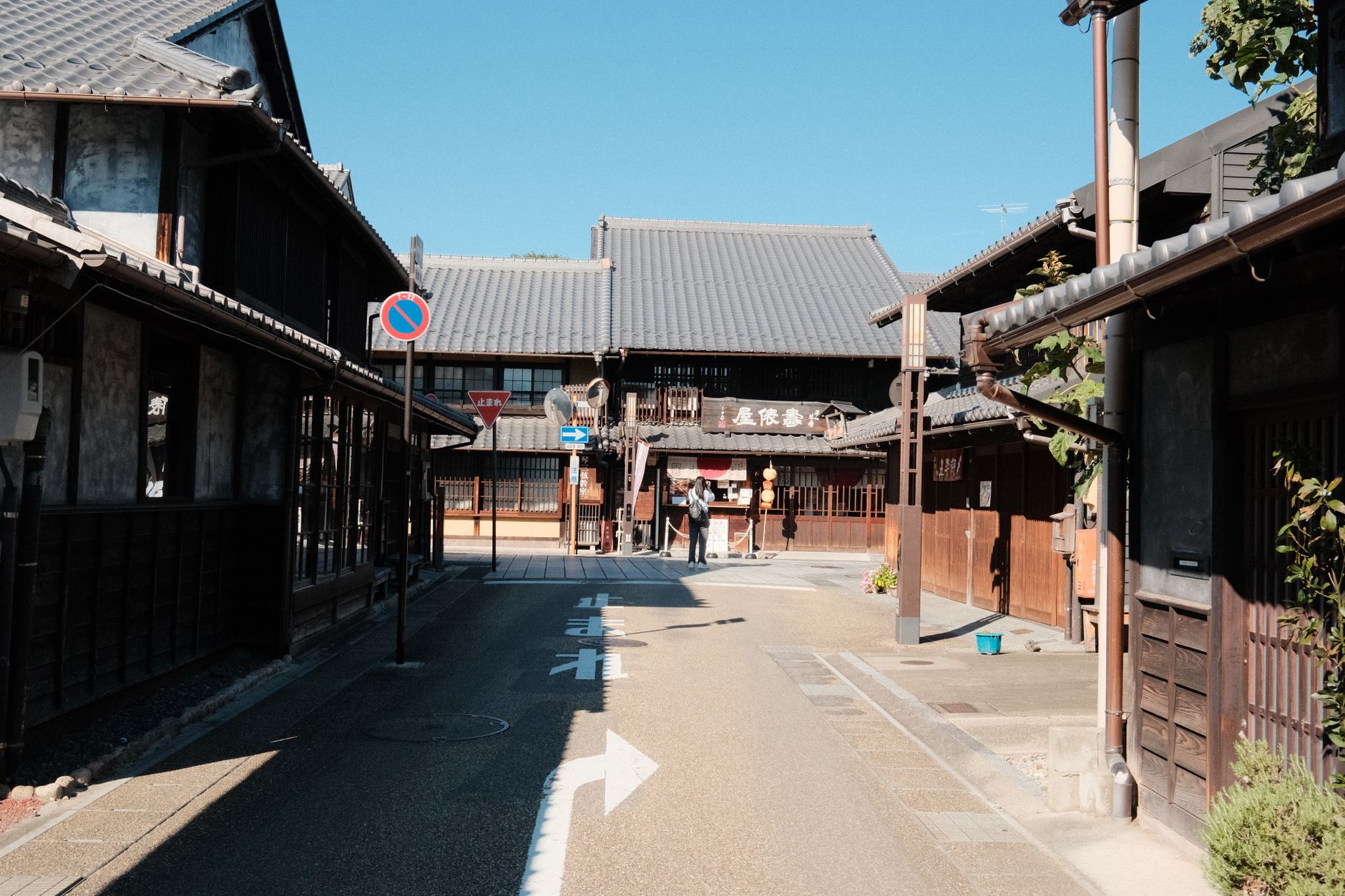
Nishi Chaya District, Kanazawa, Japan
The smallest and least-visited of Kanazawa's three historic geisha districts, it was historically patronized by the lower samurai class, giving it a distinct social history.
For a truly subdued and authentic encounter with Kanazawa's geisha heritage, Nishi Chaya District offers a quieter alternative to its larger siblings. Historically, this district catered to lower-ranking samurai and local merchants, fostering a different kind of cultural exchange than the more elite Higashi Chaya. Its charming, compact lanes retain a genuine, unhurried feel, providing a reflective space to imagine the music and dance that once filled these traditional teahouses.
4. The Castle Garden of Shifting Colors
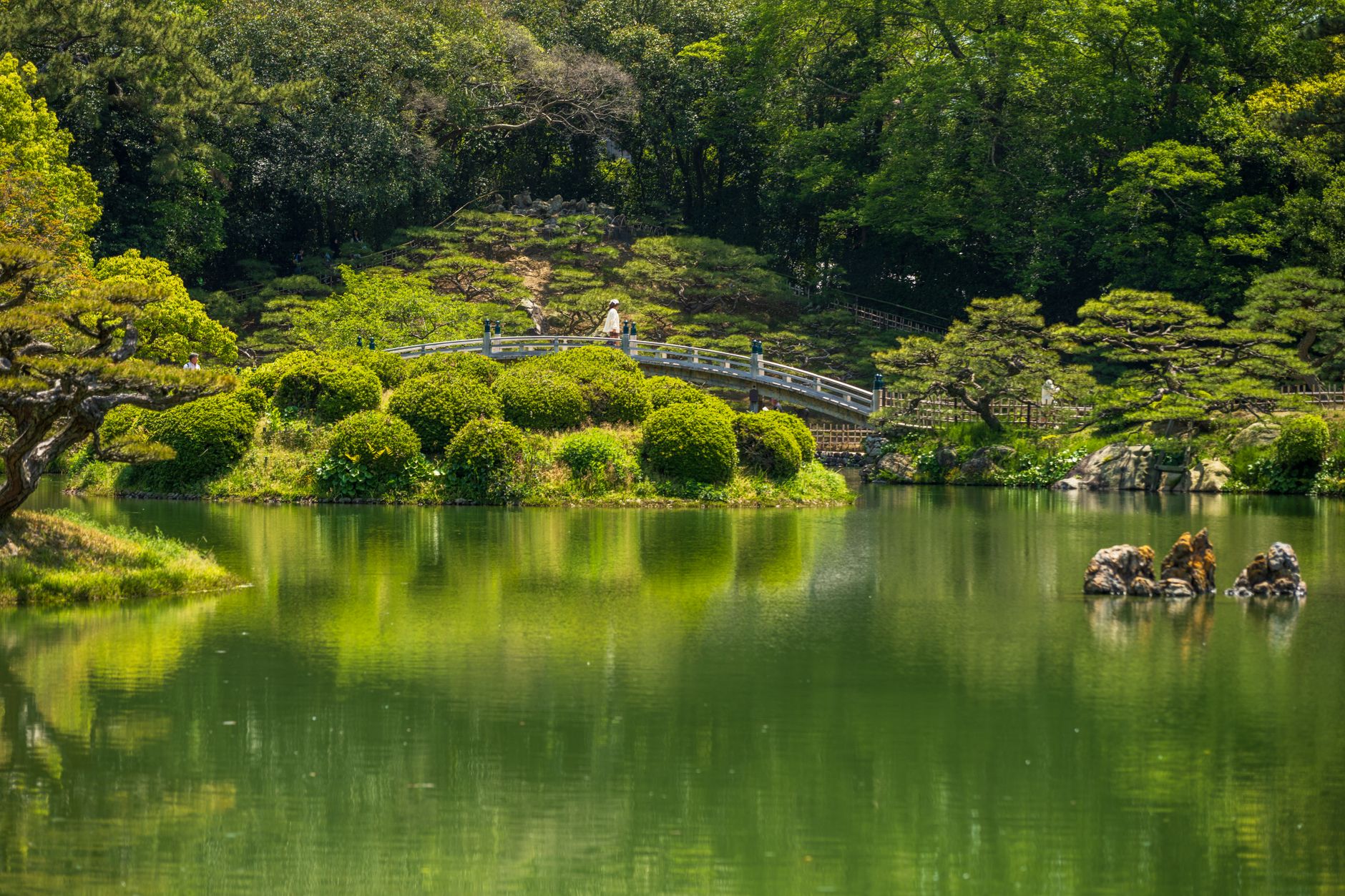
Gyokusen'inmaru Garden, Kanazawa Castle Park, Japan
This meticulously restored Edo-period garden within Kanazawa Castle features a unique pond design that reflects changing sky colors and historical design elements.
Reopened to the public in 2015 after extensive historical research, Gyokusen'inmaru Garden offers a rare insight into the elaborate landscaping preferences of the Maeda lords. Unlike the more famous Kenrokuen, this garden is a re-creation based on detailed historical drawings and records from the castle itself. Its central pond, fed by underground springs, is renowned for reflecting the changing hues of the sky and features unique, intricate rock formations, revealing the Maeda clan's sophisticated aesthetic.
5. The Foot Soldier's Humble Abode
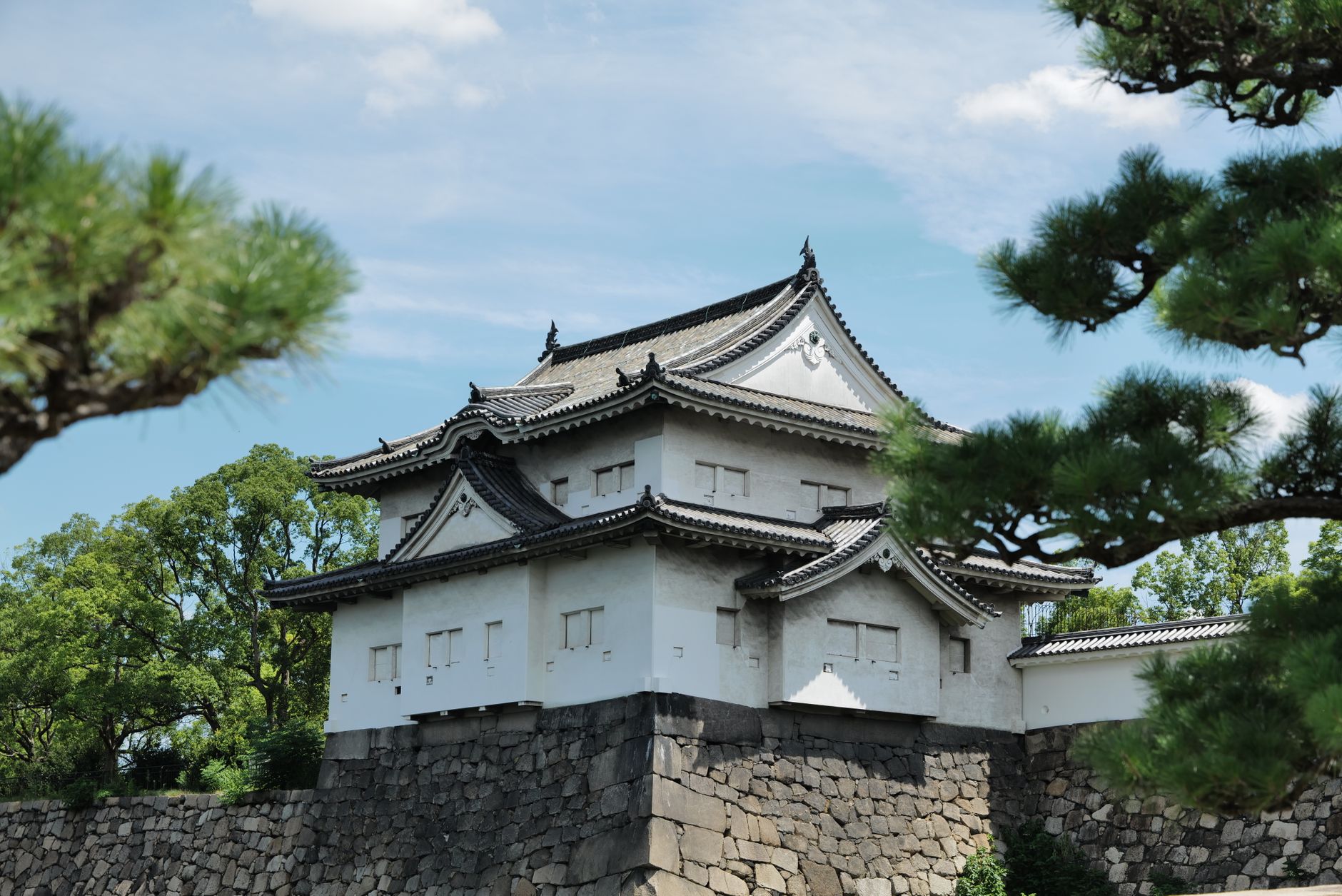
Kanazawa City Ashigaru Museum, Kanazawa, Japan
Step into the preserved homes of 'ashigaru' (foot soldiers), revealing the surprisingly modest daily lives of lower-ranking samurai during the Edo period.
While grand samurai residences often capture the imagination, the Kanazawa City Ashigaru Museum offers a rare and humble perspective on samurai life. This museum comprises two preserved houses of 'ashigaru,' or foot soldiers, showcasing their simple living quarters, tools, and household items. It provides a grounded understanding of the social hierarchy and the realities for the majority of the samurai class in feudal Kanazawa, a stark contrast to the more opulent dwellings.
6. Kanazawa's 500-Year-Old Dyeing Art
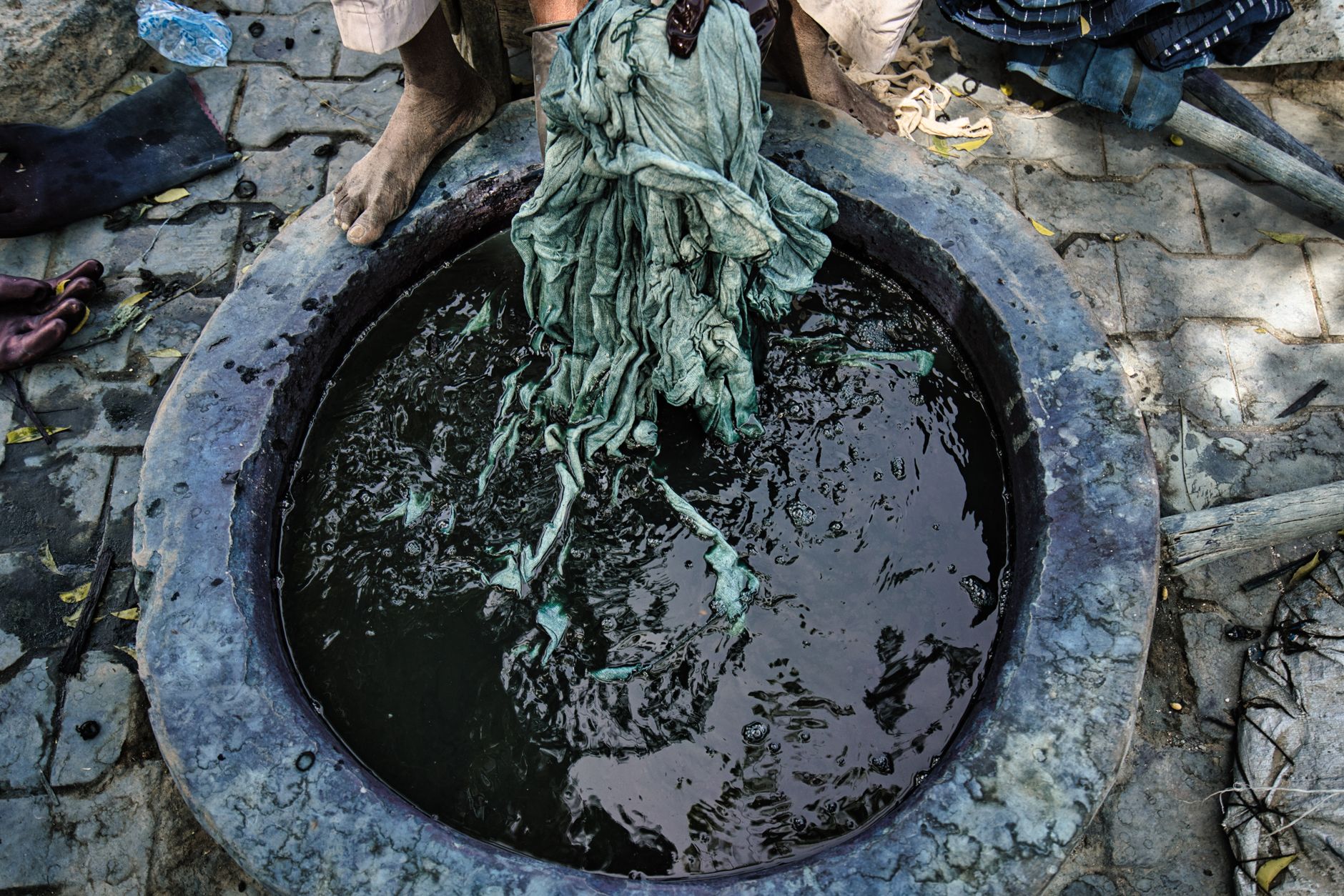
Nagamachi Yuzenkan (Kaga Yuzen Kimono Center), Kanazawa, Japan
Discover the intricate Kaga Yuzen dyeing technique, a 500-year-old craft unique to Kanazawa, where artisans hand-paint vivid, realistic designs onto silk kimonos.
Located within the historical Nagamachi district, the Kaga Yuzen Kimono Center offers a fascinating glimpse into one of Japan's most exquisite textile arts. Unlike Kyoto's Yuzen, Kaga Yuzen is characterized by its realistic depiction of nature, often incorporating the 'Kaga-gosai' (five Kaga colors) and a distinctive shading technique that gives designs a three-dimensional quality. Visitors can watch skilled artisans at work, marvel at stunning finished kimonos, and even try their hand at a mini-dyeing experience.

7. The Port of Soy Sauce & History
Ono District, Kanazawa, Japan
Once Kanazawa's bustling port for trade and interaction, this district is now a quiet hub for traditional soy sauce breweries and artisan workshops, far from the city center's samurai districts.
A short distance from the central historical districts, the Ono District offers a different flavor of Kanazawa's past. As the city's traditional port, it was a vital gateway for goods and culture from across the Sea of Japan. Today, it retains a charming, nostalgic atmosphere, famous for its numerous soy sauce breweries, some dating back generations. Visitors can explore these historic businesses, taste local specialties, and enjoy traditional crafts in this tranquil riverside setting, often overlooked by typical tours.
8. The Samurai's Serene Retreat
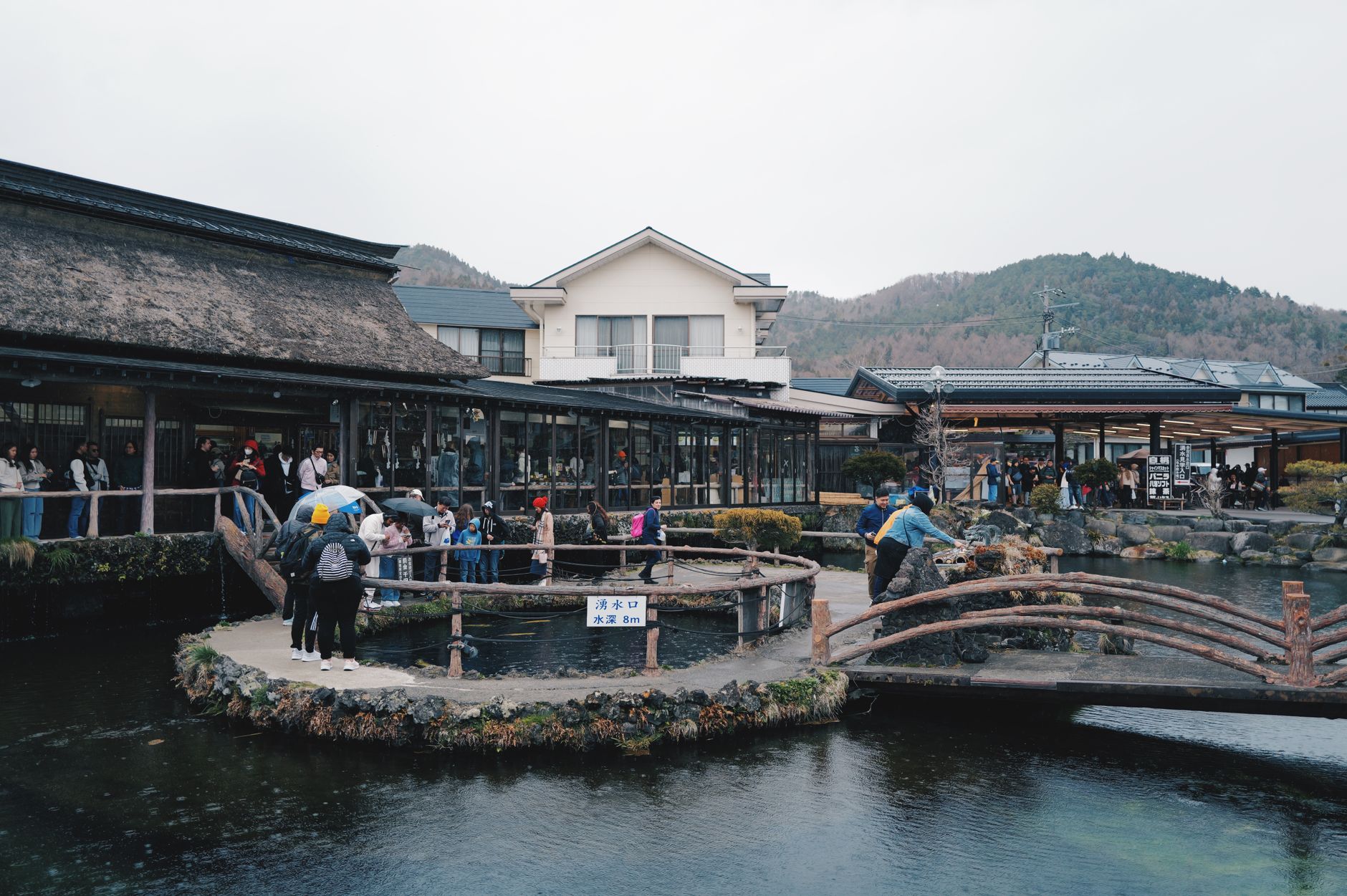
Yuwaku Onsen, Kanazawa, Japan
A historic hot spring village nestled in the hills outside Kanazawa, once a favorite retreat for samurai and artists seeking therapeutic waters and tranquility.
Located a short journey from central Kanazawa, Yuwaku Onsen provides a serene escape into a traditional hot spring village. Its healing waters have been cherished for centuries, drawing samurai lords and poets who sought respite and inspiration amidst the surrounding nature. Stroll through its charming streets, visit the Yuwaku Yumeji-kan Museum dedicated to artist Yumeji Takehisa, who resided here, and experience a different pace of life away from the city's main attractions.
Frequently asked questions
What are the best times to visit Kanazawa to avoid crowds?
To experience Kanazawa's historical districts with fewer crowds, consider visiting during the shoulder seasons (April-May or October-November) on weekdays. Early mornings, especially right after opening times, are also excellent for popular spots before tour groups arrive.
Is Kanazawa walkable, or do I need public transport?
Many of Kanazawa's main historical districts like Nagamachi, Higashi Chaya, and Kenrokuen are quite walkable and close to each other. However, for exploring further afield or reaching places like Yuwaku Onsen or Ono District, public transport (buses) or taxis are recommended. The Kanazawa Loop Bus is convenient for major attractions.
What unique local crafts or souvenirs should I look for in Kanazawa?
Kanazawa is renowned for its traditional crafts. Look for Kaga Yuzen silk dyeing, Kutani-yaki pottery, gold leaf products (over 99% of Japan's gold leaf is produced here), and Kanazawa lacquerware. Many artisan shops in the historical districts offer unique, high-quality souvenirs.
How can AllTours.ai enhance my exploration of Kanazawa's hidden gems?
With AllTours.ai, simply point your phone camera at a landmark, building, or even a landscape in Kanazawa's historical districts. The app will instantly narrate its unique history, geological significance, or cultural anecdotes in your preferred language, revealing stories often missed by guidebooks, making every discovery deeper.
Related guides
Photography via Pexels. AllTours.ai is an AI audio tour guide — point your camera at any landscape and hear its story.