August 2, 2026 · 4 min read
The story of American ingenuity is often told through the gleaming towers of Silicon Valley or the titans of industry. But the true roots of why American startups are so successful stretch far deeper, woven into the fabric of the nation's less-traveled paths and unexpected corners.
From massive engineering feats that defied the odds to hidden communities fostering remarkable entrepreneurship, these overlooked places reveal a persistent spirit of innovation, resilience, and a relentless drive to solve problems. Let's explore some of the lesser-known sites that truly shaped America's unique capacity for groundbreaking enterprise.
1. The Mill Girls' Unsung Revolution
Lowell, Massachusetts, USA
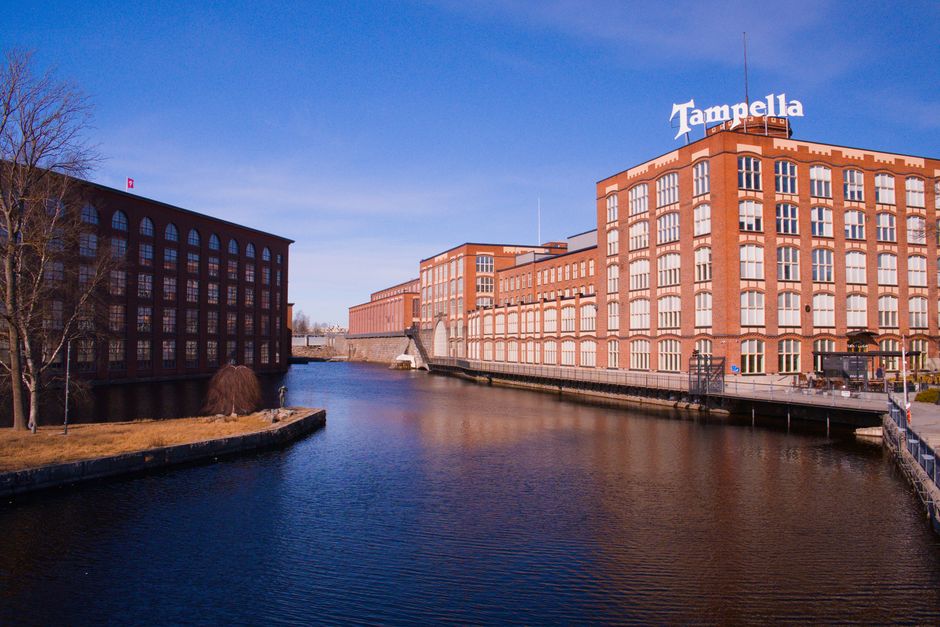
Before Silicon Valley, Lowell, Massachusetts, hosted America's first large-scale industrial complex, powered by women who also ran their own literary magazines.
In the early 19th century, textile mills in Lowell drew thousands of young women from New England farms. These 'Mill Girls' lived in company boarding houses, worked long hours, yet found time to publish their own literary journals, like The Lowell Offering. Their collective living and intellectual pursuits fostered a unique environment of self-improvement and early labor organization, laying a groundwork of independent spirit that fueled future innovation.
2. The Silver Mountain That Funded a Nation
Virginia City, Nevada, USA
A barren Nevada mountain held a silver lode so rich it financed the Union during the Civil War and birthed innovations like industrial ventilation and high-pressure steam pumps.
Discovered in 1859, the Comstock Lode unleashed an unprecedented silver rush. Miners dug miles deep, facing extreme heat and unstable ground. The challenges spurred rapid advancements in timbering (square-set timbering), ventilation, and pumping technologies, making it a crucible of industrial problem-solving. The immense wealth extracted not only built San Francisco but also significantly bolstered the Union's treasury during the Civil War, showcasing raw resourcefulness.
3. Where a River Roared, and Music Later Sang
Muscle Shoals, Alabama, USA
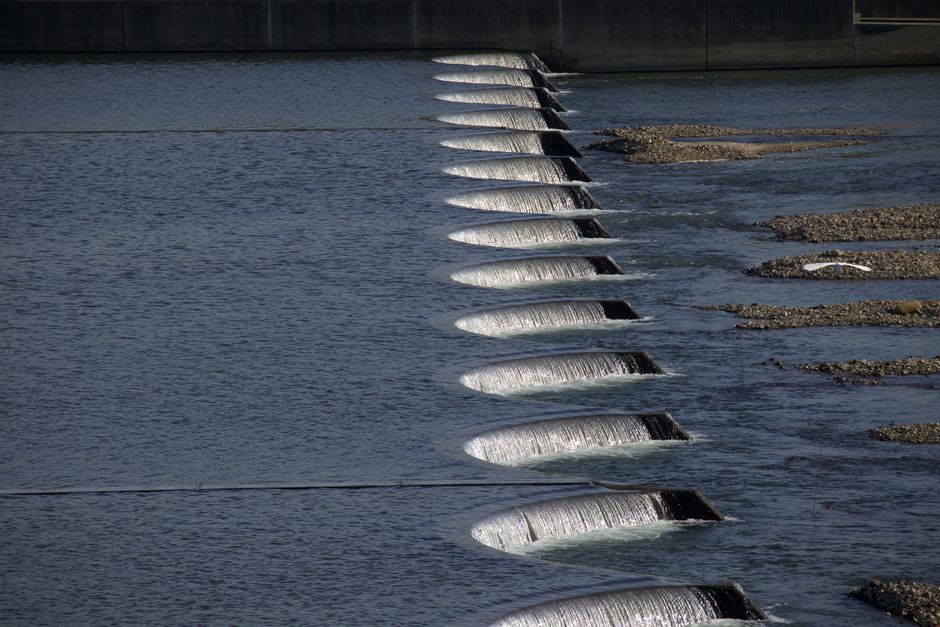
The Tennessee River at Muscle Shoals, once a treacherous rapids, became the site of a massive federal hydroelectric project that electrified a region and later, surprisingly, became a global music recording mecca.
The 'shoals' of the Tennessee River were notorious for their navigational hazards, but also their immense power potential. In the early 20th century, the federal government initiated massive dam projects here, culminating in the Tennessee Valley Authority (TVA) electrification efforts. Decades later, with cheap power and a unique cultural blend, two small recording studios emerged (FAME Studios and Muscle Shoals Sound Studio), attracting legendary artists like Aretha Franklin and The Rolling Stones, proving innovation can spring from unexpected sources.
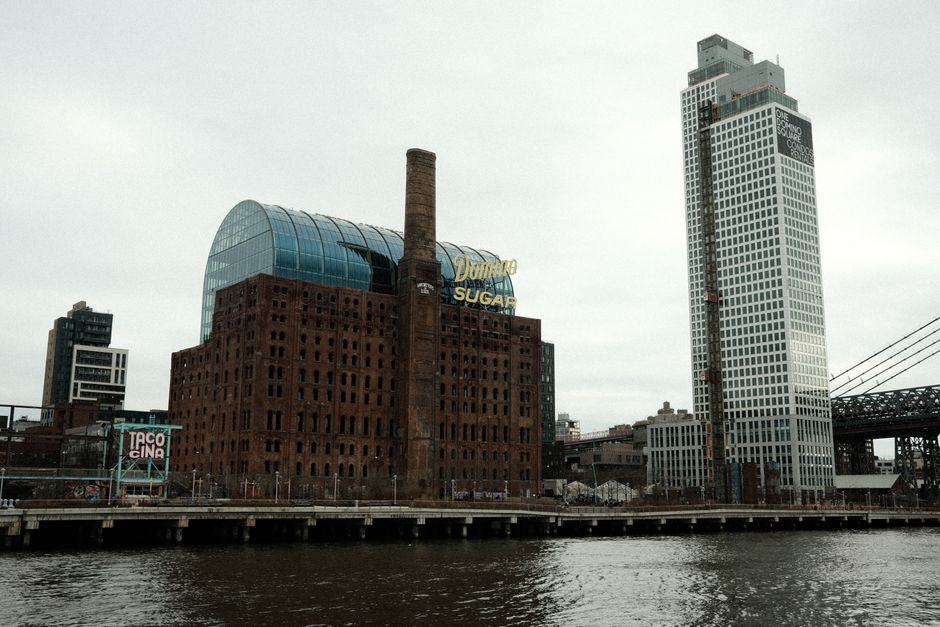
4. The Secret City's Urgent Innovation
Oak Ridge, Tennessee, USA
In the early 1940s, a secret city with 75,000 residents appeared almost overnight in rural Tennessee, solely dedicated to an unprecedented scientific and industrial challenge.
During World War II, Oak Ridge was one of three primary sites of the Manhattan Project, purpose-built to enrich uranium. This instant city, complete with housing, schools, and vast industrial facilities, was constructed in secrecy and at an astounding pace. Tens of thousands of scientists, engineers, and workers collaborated on complex, never-before-attempted processes, demonstrating an unparalleled capacity for rapid, large-scale, goal-oriented innovation under immense pressure.
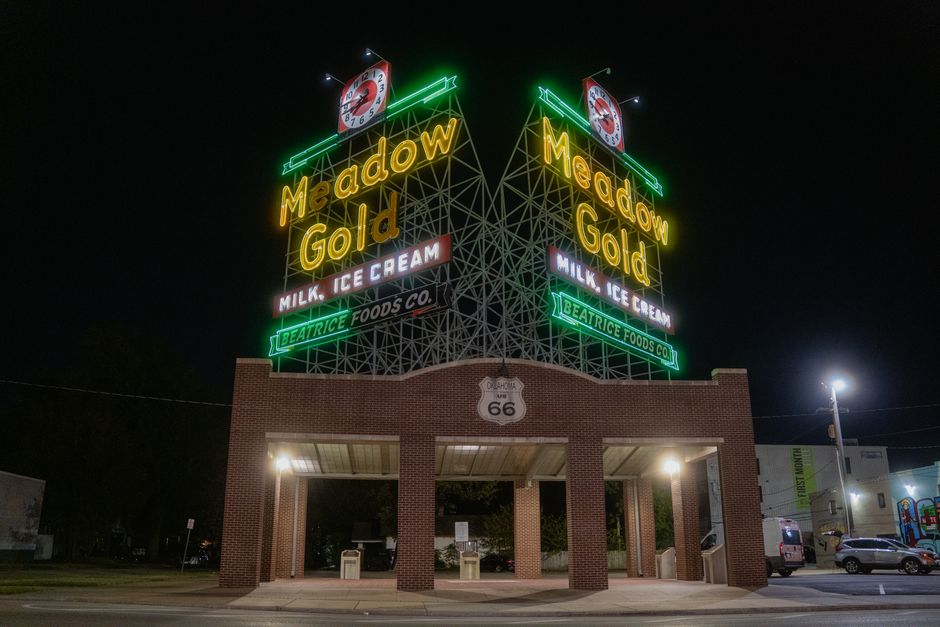
5. Black Wall Street's Unstoppable Spirit
Tulsa, Oklahoma, USA
Early 20th-century Tulsa was home to 'Black Wall Street,' a self-sufficient African American district so prosperous it boasted its own banks, hotels, and luxury stores.
The Greenwood District in Tulsa, Oklahoma, became a vibrant hub of African American entrepreneurship and wealth. Despite segregation, residents built a thriving economy with dozens of businesses, professional services, and two newspapers, circulating wealth within the community. This self-reliance and dedication to economic independence exemplified an extraordinary entrepreneurial spirit, creating a model of self-sufficiency that resonated far beyond its borders, a testament to innovation born of necessity and vision.
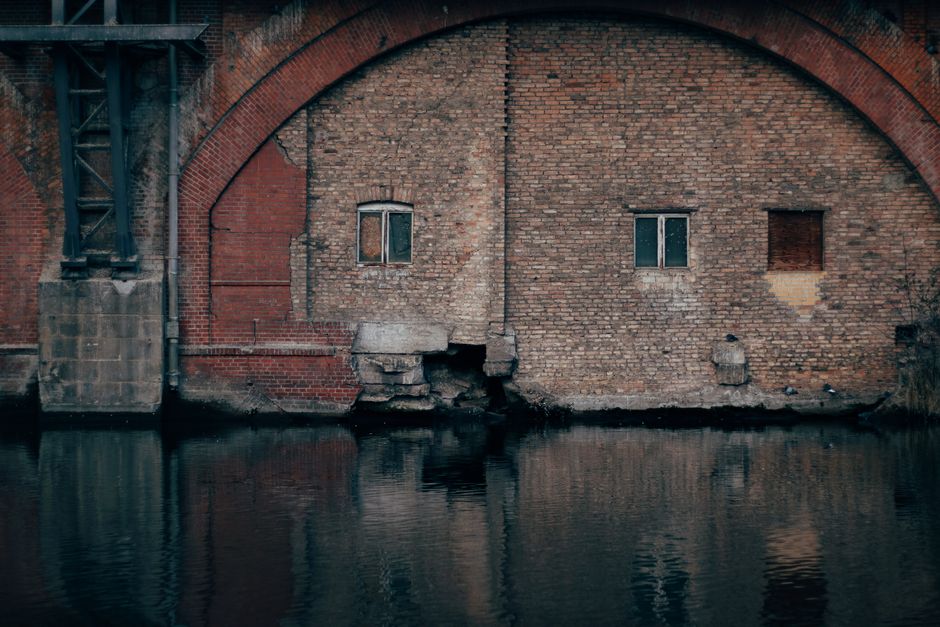
6. The Grand Canal That Forged a Nation
Lockport, New York, USA
In the 1820s, a 363-mile man-made waterway stretched across New York, defying engineering limits and transforming America's economic landscape long before railroads dominated.
The Erie Canal was a monumental undertaking, connecting the Great Lakes to the Atlantic Ocean via the Hudson River. At Lockport, engineers devised the 'Flight of Five' locks to overcome a 60-foot escarpment, an astounding feat for its time. This infrastructure marvel dramatically reduced transportation costs, opened the American Midwest to settlement and trade, and fueled an explosion of commerce and manufacturing. Its success proved that bold, large-scale public and private initiatives could unlock unprecedented economic growth.
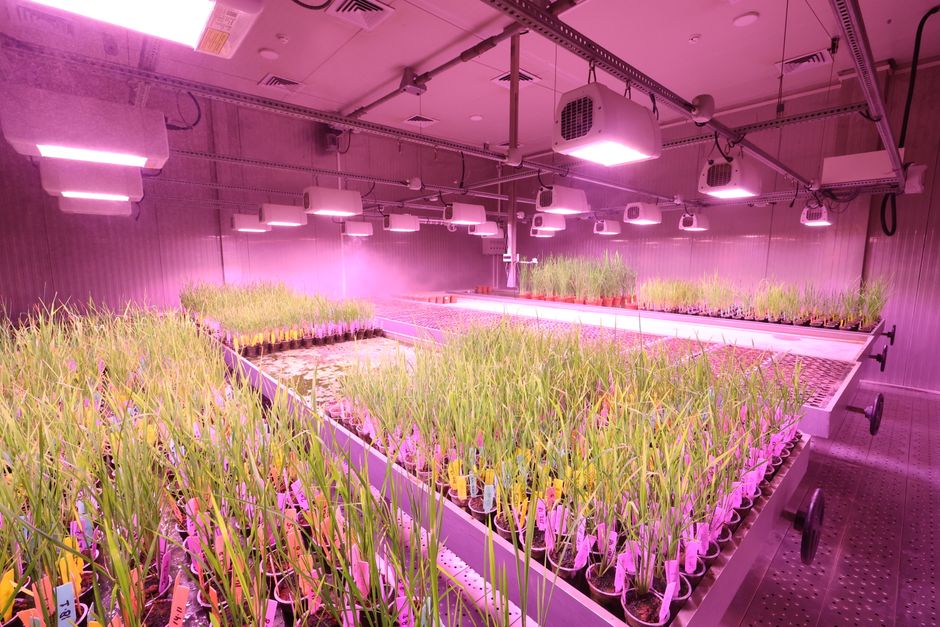
7. From Gold Veins to Ghost Particles
Lead, South Dakota, USA
A legendary gold mine in the Black Hills, once the deepest in North America, has been repurposed into a cutting-edge underground laboratory for dark matter and neutrino research.
The Homestake Mine operated for over 125 years, extracting vast amounts of gold from its mile-deep shafts. After its closure, it was transformed into the Sanford Underground Research Facility (SURF). This repurposing represents a unique form of American innovation: transforming industrial infrastructure into a world-class scientific hub. The deep underground environment, shielded from cosmic rays, is now ideal for sensitive experiments probing the mysteries of dark matter and neutrinos, showcasing adaptability from resource extraction to fundamental science.
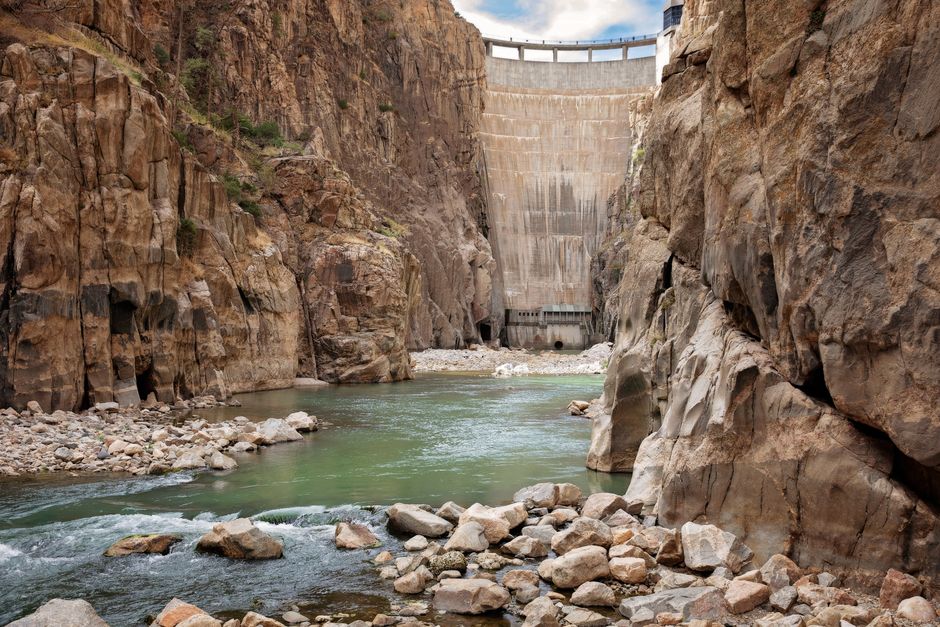
8. Taming the Columbia: A Vision of Power
Grand Coulee Dam, Washington, USA
The Columbia River in Washington State was harnessed by a dam so massive it created the largest concrete structure of its time, turning desert into farmland and fueling industrial growth.
Built during the Great Depression, the Grand Coulee Dam was an engineering marvel designed for both hydroelectric power and irrigation. It created Lake Roosevelt, a vast reservoir, and its power generation capacity was immense, fueling industries throughout the Pacific Northwest. Moreover, its irrigation system transformed hundreds of thousands of acres of arid land into fertile agricultural regions. This monumental project exemplified American ambition in resource management and its capacity to reshape entire landscapes for economic and social benefit.
Frequently asked questions
What factors historically contributed to American economic growth?
Historically, American economic growth has been driven by vast natural resources, a strong work ethic, significant immigration bringing diverse skills, and a culture that often rewarded risk-taking and innovation. Large-scale infrastructure projects, like canals and dams, also played a crucial role in connecting markets and harnessing power.
How did specific regions in the US foster innovation beyond major cities?
Innovation often bloomed in unexpected places due to unique local conditions. Resource-rich areas like Nevada's Comstock Lode spurred engineering advancements, while places like Muscle Shoals developed unique industries (like music) around available resources (cheap power). Even isolated communities, like Tulsa's Greenwood District, fostered incredible self-sufficient economies.
What role did infrastructure projects play in shaping American enterprise?
Monumental infrastructure projects like the Erie Canal and Grand Coulee Dam were transformative. They reduced transportation costs, opened new markets, provided crucial power, and facilitated settlement, laying essential groundwork for industrial expansion and entrepreneurial opportunities across the continent. These projects demonstrated a national capacity for long-term vision and collective effort.
How can I discover the stories of these lesser-known places while traveling?
Exploring these sites offers a deeper understanding of American history and ingenuity. With the AllTours.ai app, you can simply point your phone camera at a landmark or landscape, and it will narrate its history, geology, and culture in your preferred language. It's like having a personal expert guide revealing the hidden narratives of every place you visit.
Related guides
Photography via Pexels. AllTours.ai is an AI audio tour guide — point your camera at any landscape and hear its story.