July 28, 2026 · 4 min read
The idea of an archery accident during a circus performance in New York brings to mind a potent blend of human precision, unexpected variables, and the thin line between spectacle and mishap. It’s a moment that forces us to consider the hidden dangers, the meticulous planning required for extraordinary feats, and the unforeseen consequences when things deviate from the script.
But this theme isn't confined to the spotlight of a big top. Across the globe, countless places hold stories of incredible precision, forgotten histories, and the powerful, often unseen, forces that shape our world. From geological mysteries to human ingenuity and the surprising turns of fate, these sites offer profound lessons far beyond any circus tent.
1. The Enigmatic Bend of the Crooked Forest
Gryfino, Poland
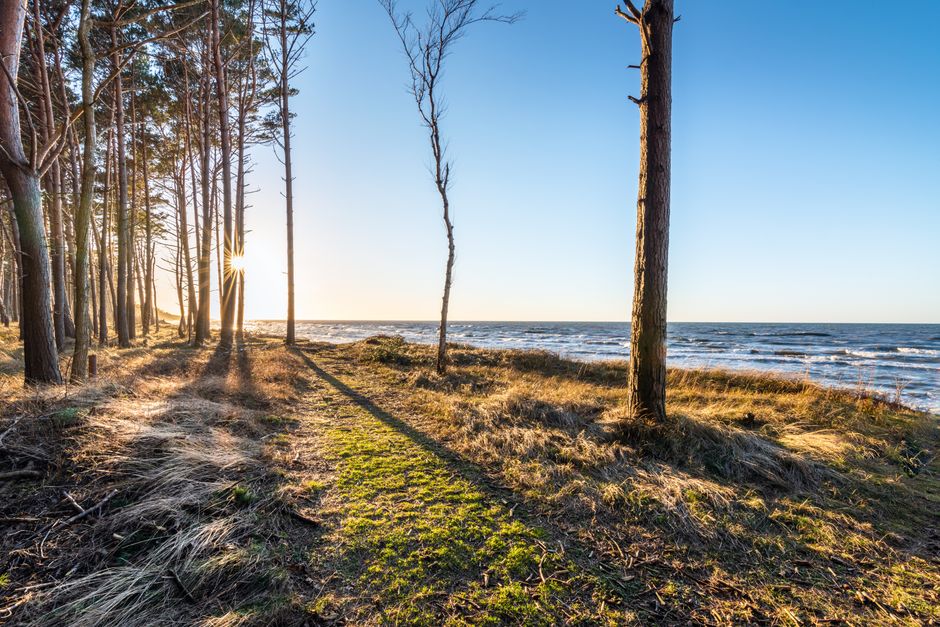
Hundreds of pine trees grow with a mysterious 90-degree bend at their base, an enduring puzzle.
Deep within Western Pomerania, a grove of around 400 pine trees exhibits an inexplicable curve, each trunk bending sharply north just above ground level before straightening. Planted in the 1930s, the cause remains debated: some suggest a unique snowstorm, while others point to human intervention, possibly to create naturally curved timber for furniture or shipbuilding. The precise, uniform bend of each tree stands as a silent testament to either an extraordinary natural phenomenon or a forgotten human craft.
2. Where Half a River Vanishes Forever
Judge C.R. Magney State Park, Minnesota, USA
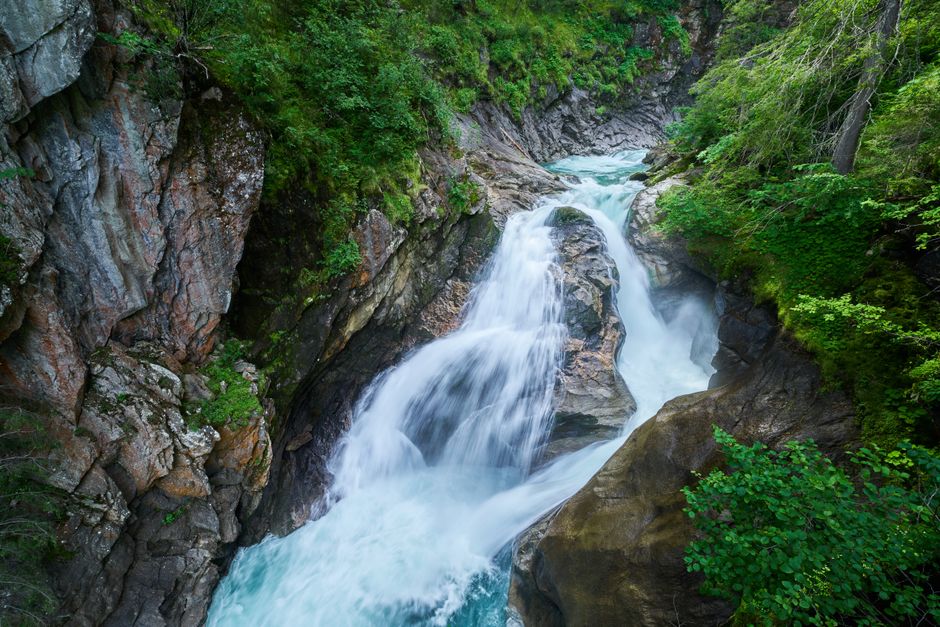
At the Devil's Kettle, half of the Brule River tumbles into a massive pothole and seemingly disappears into the earth, its exit point unknown.
Along the rugged North Shore of Lake Superior, the Brule River splits above a dramatic waterfall. One side plunges into a conventional pool, continuing its journey downstream. The other half, however, pours into a deep, circular pothole known as the Devil's Kettle and is never seen again. Geologists have poured dyes and ping-pong balls into the abyss, yet no one has ever definitively located where this significant volume of water re-emerges, making it one of the world's most baffling hydrological mysteries.
3. An Ancient Village Revealed by a Storm
Skara Brae, Orkney, Scotland
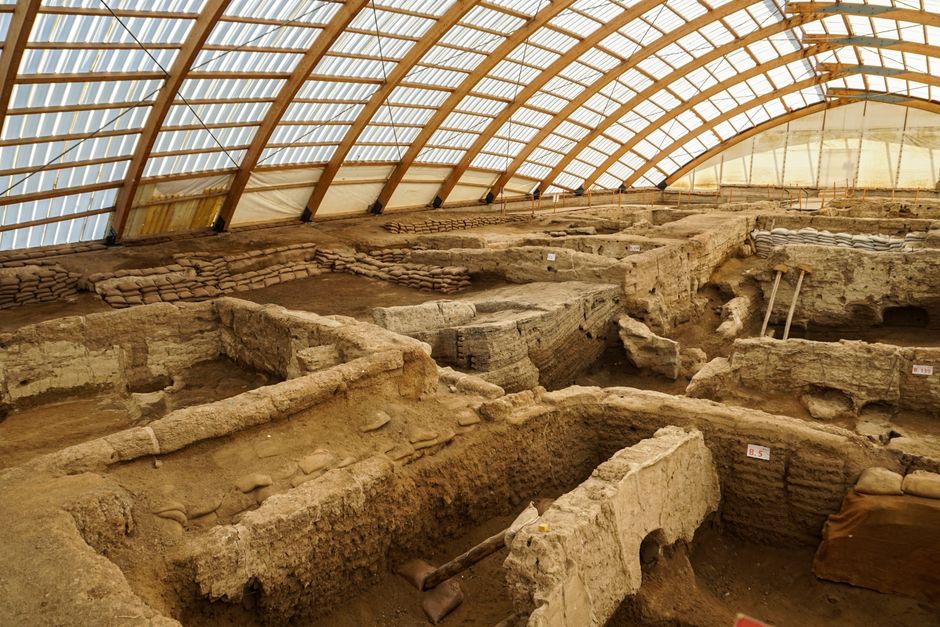
A furious storm in 1850 stripped away sand dunes, revealing a remarkably preserved Stone Age village hidden for millennia.
On the wild coast of Orkney, Skara Brae offers an unparalleled glimpse into Neolithic life. Before 1850, it lay completely buried under sand, protecting its intricate stone houses, furniture, and even drainage systems from the ravages of time. The powerful storm, a destructive force in itself, paradoxically acted as an archaeologist's spade, peeling back layers of sand to expose this 5,000-year-old settlement, a testament to both the destructive and revealing power of nature.

4. The Lost Gardens Reclaimed by Wilderness
The Lost Gardens of Heligan, Cornwall, UK
These magnificent Victorian pleasure gardens were completely forgotten and swallowed by jungle-like overgrowth for 70 years after World War I.
Once a grand estate, the gardens of Heligan suffered a tragic fate when most of their gardeners went to fight in WWI and never returned. For decades, nature slowly reclaimed the intricate landscapes, pathways, and structures, turning them into an impenetrable wilderness. In the early 1990s, a chance discovery led to their painstaking restoration, unearthing forgotten follies, ancient rhododendrons, and the famous Mud Maid and Giant's Head sculptures, revealing a poignant story of loss, rediscovery, and the enduring power of nature.
5. The Whispering Wall's Acoustic Marvel
Barossa Valley, South Australia, Australia
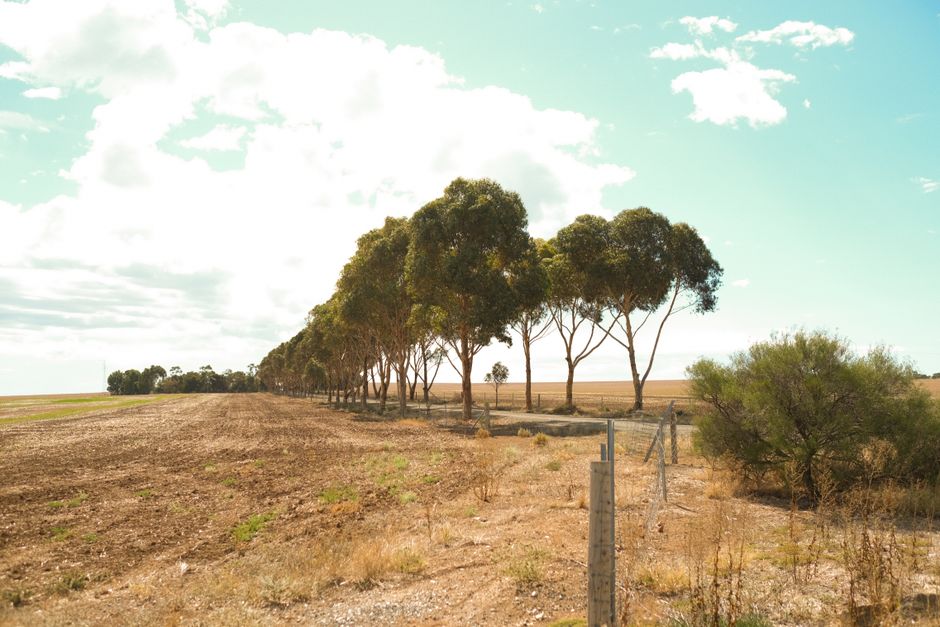
The retaining wall of the Barossa Reservoir allows a whisper spoken at one end to be heard clearly over 140 meters away at the other.
Known officially as the Barossa Reservoir, this impressive engineering feat completed in 1903 earned its nickname, the "Whispering Wall," due to an astounding acoustic phenomenon. The dam's unique parabolic curve perfectly carries sound waves along its length. Visitors can test this precise acoustic design by whispering a message at one end and having it heard with remarkable clarity by someone standing at the opposite end, demonstrating an unexpected byproduct of early 20th-century engineering.

6. A Canal Forged in the Great Dismal Swamp
Great Dismal Swamp National Wildlife Refuge, Virginia/North Carolina, USA
This vital waterway, completed in 1805, was built through treacherous wetlands by enslaved African Americans facing unimaginable hardships.
The Great Dismal Swamp Canal, an engineering marvel of its time, connected Chesapeake Bay to Albemarle Sound, opening up trade routes. Its construction, however, was a brutal undertaking, relying heavily on the forced labor of enslaved people who toiled in mosquito-infested, snake-ridden conditions, often neck-deep in acidic water. The canal stands as a stark reminder of the immense human cost behind early American infrastructure, a hidden history of precision and perseverance born from profound suffering.
7. The Flaming Crater of Derweze
Derweze, Turkmenistan
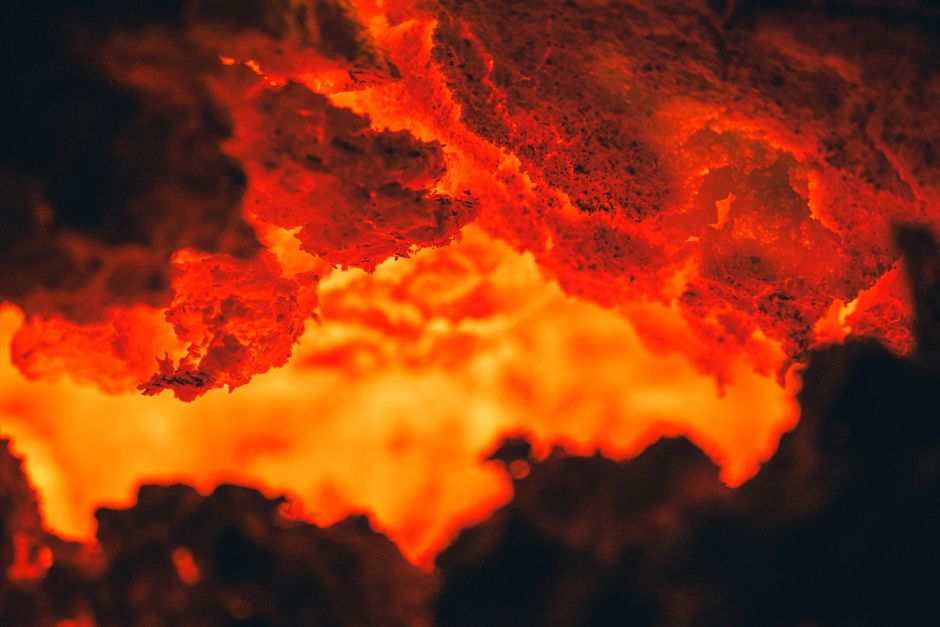
A massive natural gas crater has been burning continuously for over five decades, accidentally ignited by Soviet engineers in 1971.
Known colloquially as the "Door to Hell," this fiery chasm in the Karakum Desert is a potent symbol of unintended consequences. During a Soviet drilling operation, the ground collapsed, creating a crater that began releasing methane gas. To prevent the spread of toxic fumes, engineers decided to burn off the gas, expecting it to extinguish in a few weeks. Instead, it has been burning ever since, a spectacular and enduring testament to a moment of human miscalculation and the vast, volatile power beneath the earth's surface.
8. Subterranean Cities of Early Refuge
Cappadocia, Turkey
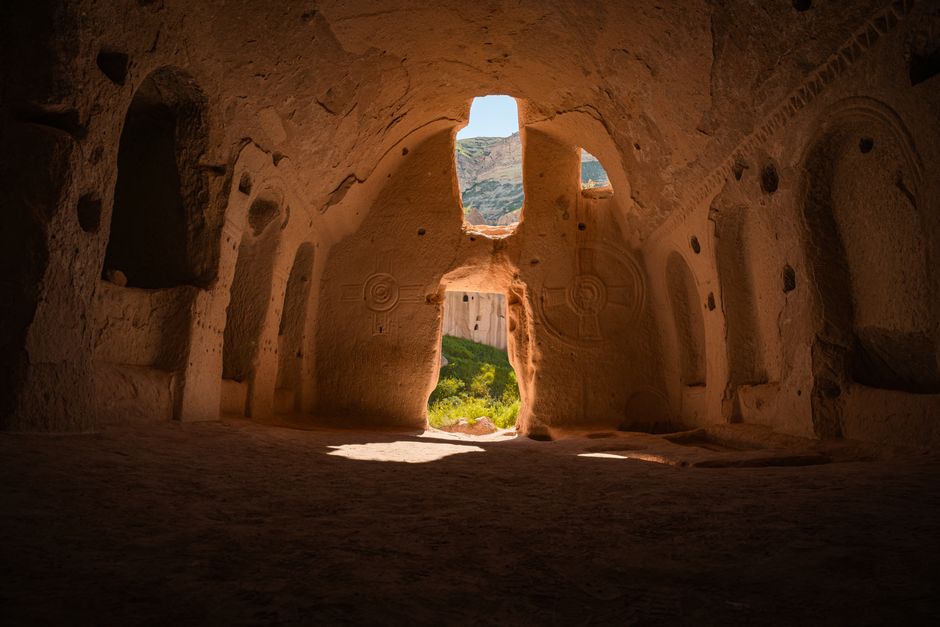
Beneath the iconic 'fairy chimney' landscapes lie vast, multi-level underground cities carved by early Christians seeking refuge from persecution.
While Cappadocia is famous for its unique geological formations, its true hidden marvels are the vast subterranean cities like Derinkuyu and Kaymaklı. These intricate networks of tunnels, rooms, and even churches were meticulously carved out of soft volcanic rock, sometimes descending over eight stories deep. Designed to house thousands of people and their livestock for months at a time, these cities demonstrate incredible precision in engineering and a profound human will to survive, offering a powerful look into a hidden, often desperate, way of life.
Frequently asked questions
What is the most common reason for an archery accident?
Archery accidents often stem from human error, such as improper form, equipment malfunction, or failing to ensure a clear shooting lane. Lessons focus on rigorous training, consistent safety checks, and maintaining acute awareness of surroundings.
How can exploring historical sites teach us about preventing accidents?
Historical sites often reveal the consequences of both precision and error, whether in ancient engineering, military strategies, or everyday life. Understanding past triumphs and failures can highlight the importance of meticulous planning, risk assessment, and adaptability in avoiding modern mishaps.
What are some truly unique places to visit off the beaten path?
Beyond major landmarks, consider the Crooked Forest in Poland with its bent trees, the Devil's Kettle in Minnesota where a river vanishes, or the ancient, storm-revealed village of Skara Brae in Scotland. These spots offer distinct narratives often overlooked by mainstream tourism.
How does AllTours.ai help me discover the stories of these places?
AllTours.ai transforms your phone into an AI audio tour guide. Simply point your camera at any landscape or landmark, and the app instantly narrates its history, geology, and culture in your language, revealing the hidden stories of even the most obscure locations.
Related guides
Photography via Pexels. AllTours.ai is an AI audio tour guide — point your camera at any landscape and hear its story.