August 16, 2026 · 4 min read
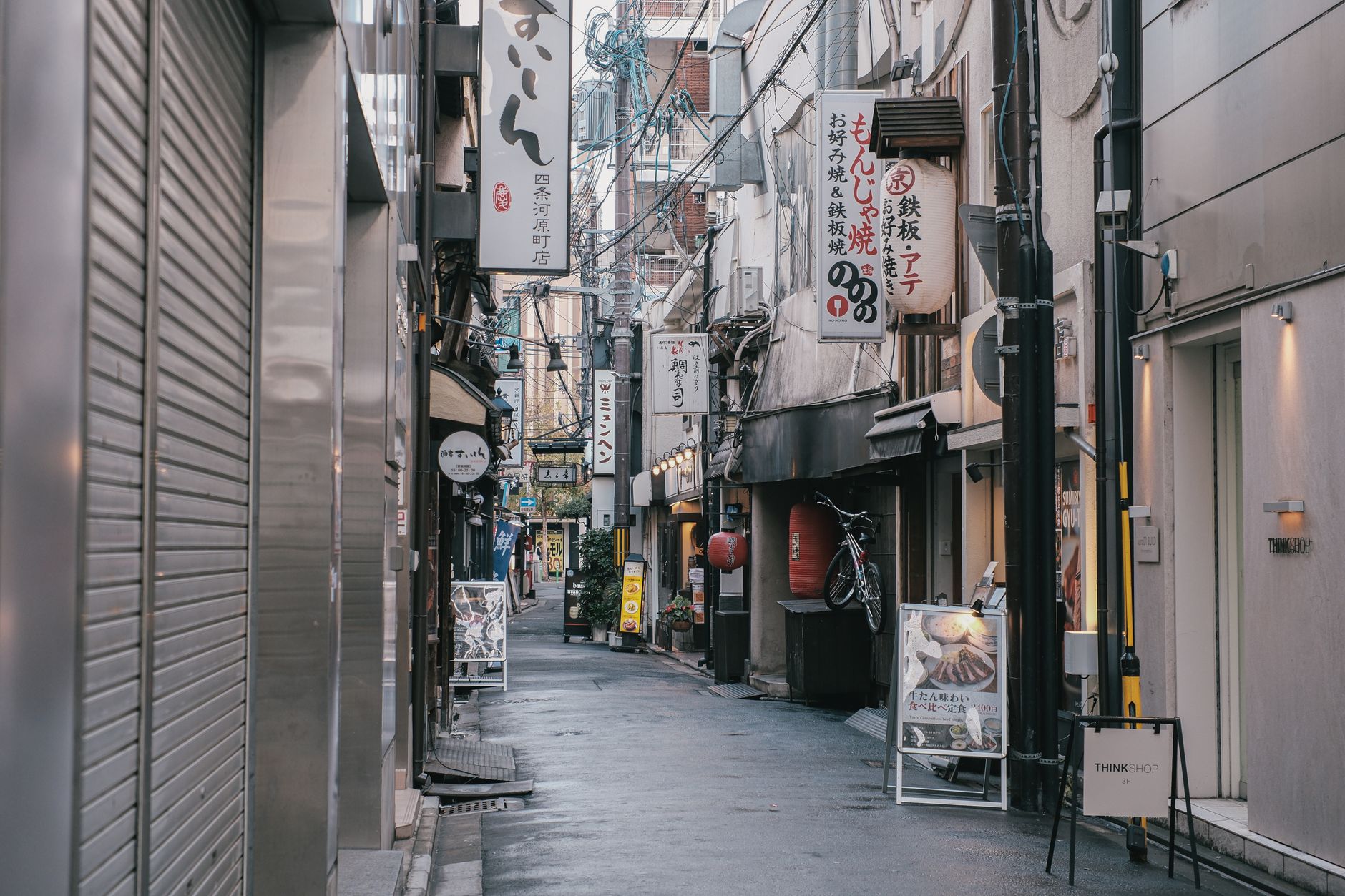
Tokyo is a city of dazzling contrasts, where futuristic skyscrapers stand alongside ancient shrines, and bustling intersections give way to tranquil gardens. While iconic landmarks like Shibuya Crossing and the Tokyo Skytree draw millions, the city's true magic often lies in its quieter corners and lesser-known enclaves.
Beyond the well-trodden paths, Tokyo's diverse neighborhoods each hold a distinct personality and a wealth of cultural treasures. These are the places where local life unfolds, where history whispers from preserved wooden houses, and where unexpected stories await those curious enough to explore off the beaten path.
1. Yanaka's Timeless Streets
Yanaka, Tokyo, Japan
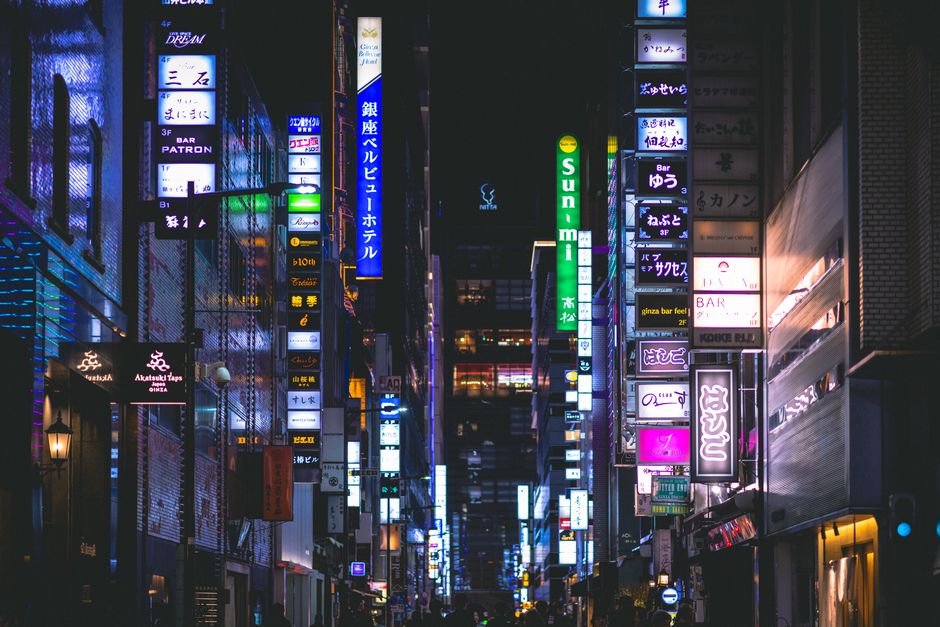
This charming district offers a rare glimpse into pre-war Tokyo, having largely escaped the devastation of the 1923 Great Kanto Earthquake and WWII firebombing.
Unlike much of central Tokyo, Yanaka's narrow lanes, wooden houses, and family-run shops survived two major catastrophes, preserving an Edo-era atmosphere. Stroll through the tranquil Yanaka Cemetery, home to famous literary figures and samurai, or explore Yanaka Ginza, a bustling retro shopping street where locals gather. The area's relaxed pace and abundant cat residents give it a unique, nostalgic appeal.
2. Kagurazaka's Secret Alleys
Kagurazaka, Tokyo, Japan
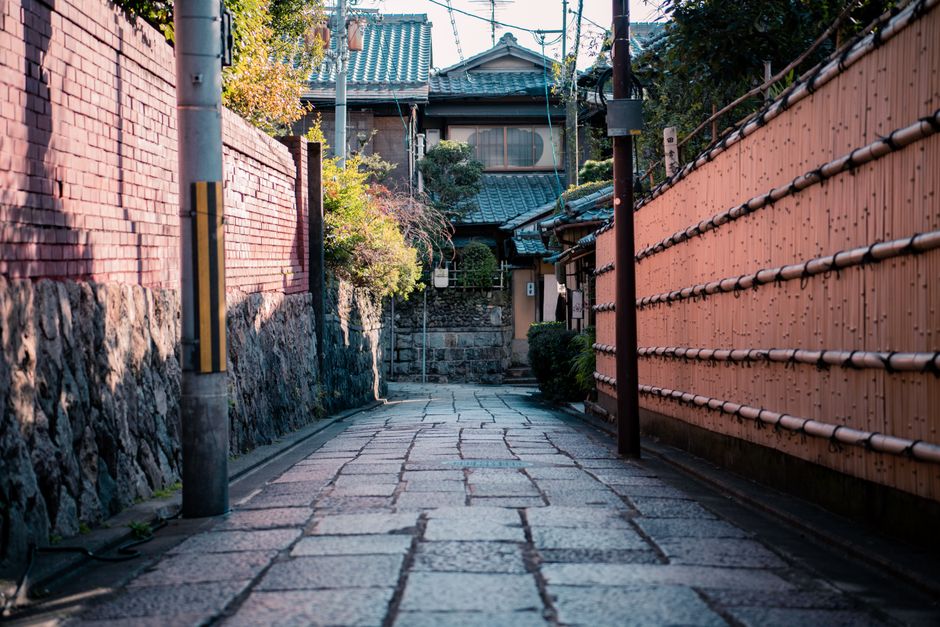
Once a vibrant geisha district, Kagurazaka still hides a maze of stone-paved alleys, whispering tales of secretive rendezvous and exclusive entertainment.
Tucked away from its main, French-influenced street, Kagurazaka's true charm lies in its 'Hyogo Yokocho' and 'Kakurenbo Yokocho' (Hide-and-Seek Alleys). These winding paths, too narrow for cars, lead to high-end traditional Japanese restaurants and exclusive ryotei that once catered to the geisha and their patrons. The area maintains an elegant, understated atmosphere, a stark contrast to Tokyo's bustling modern centers.
3. Sugamo's Healing Waters
Sugamo Jizo-dori Shopping Street, Tokyo, Japan
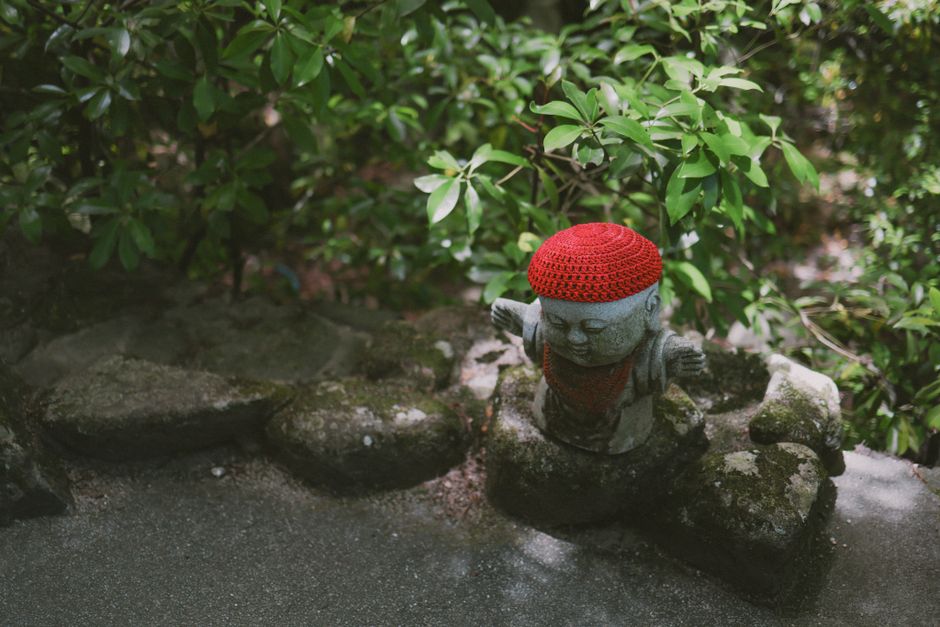
At Koganji Temple, visitors flock to wash the Togenuki Jizo statue, believing its waters can cure ailments and bring good health.
Known affectionately as 'Harajuku for grandmas,' Sugamo Jizo-dori is a lively shopping street catering to an older demographic. Its heart is Koganji Temple, where the Togenuki Jizo is housed. Pilgrims pour water over a replica statue, gently scrubbing the part corresponding to their own ailments, hoping for miraculous healing. The street itself is a treasure trove of traditional snacks, clothing, and the famous red underwear, believed to bring good luck.
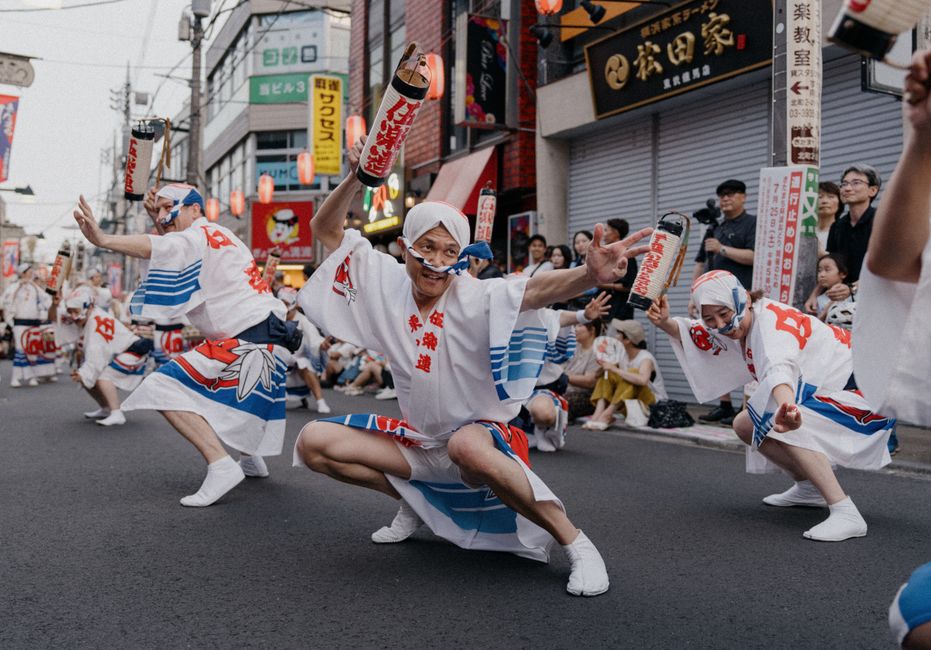
4. Koenji's Awa Odori Spirit
Koenji, Tokyo, Japan
This bohemian neighborhood hosts Tokyo's largest Awa Odori festival, a dynamic traditional dance event that transforms its streets into a carnival of sound and movement.
While known for its punk rock scene, vintage shops, and independent theaters, Koenji's most spectacular event is the annual Awa Odori festival. Originating from Tokushima Prefecture, this energetic dance tradition sees thousands of dancers and musicians parade through the streets, captivating over a million spectators. Even outside of festival season, Koenji retains its artistic, free-spirited atmosphere, with quirky cafes and live music venues around every corner.
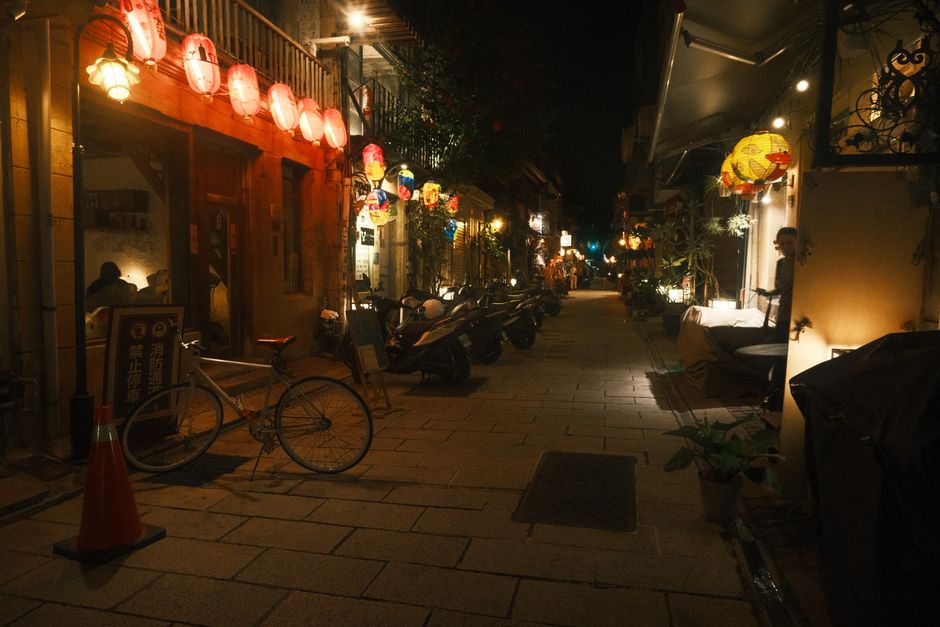
5. Jiyugaoka's Little Venice
Jiyugaoka, Tokyo, Japan
Amidst Jiyugaoka's chic boutiques and European-style cafes lies a surprising replica of Venice, complete with canals, gondolas, and Italian architecture.
The fashionable district of Jiyugaoka, often dubbed 'Little Europe,' conceals 'La Vita,' a meticulously crafted mini-Venice. This charming complex features a tranquil canal, a small bridge, and colorful buildings reminiscent of the Italian city, providing a picturesque backdrop for photos and a unique shopping experience. It's a testament to Tokyo's penchant for unexpected architectural wonders, offering an escape from the urban bustle.
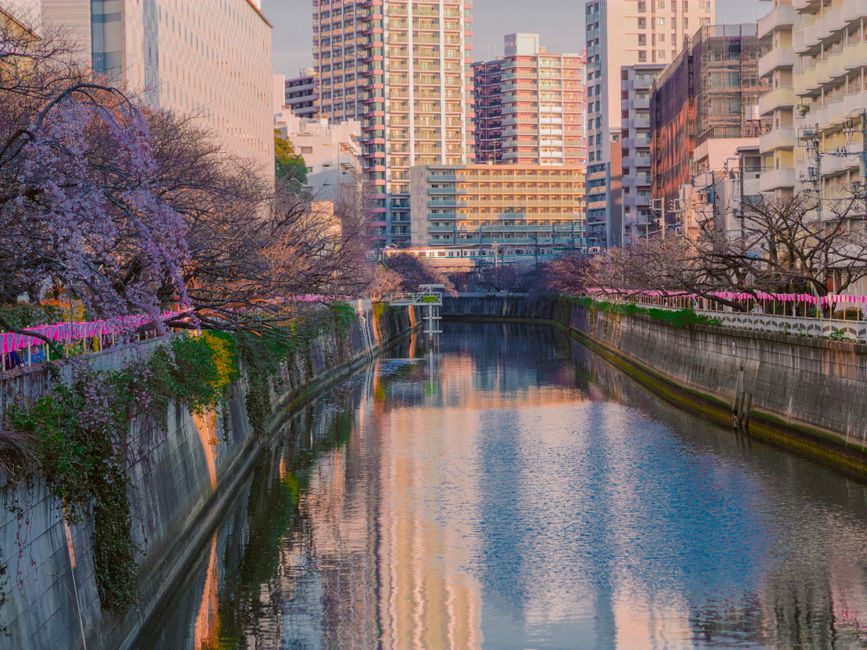
6. Naka-Meguro's Riverside Serenity
Naka-Meguro, Tokyo, Japan
Beyond its famous cherry blossoms, the quieter backstreets and hidden corners along the Meguro River reveal a year-round artistic and bohemian charm.
While Naka-Meguro is celebrated for its stunning cherry blossom tunnel in spring, its true character emerges in the off-season. Wander away from the main promenade and discover independent bookstores, artisanal coffee shops, and galleries nestled in renovated warehouses. The area retains a laid-back, creative energy, with locals enjoying riverside walks and the vibrant street art. It's a place where design and nature subtly intertwine, offering a peaceful urban retreat.
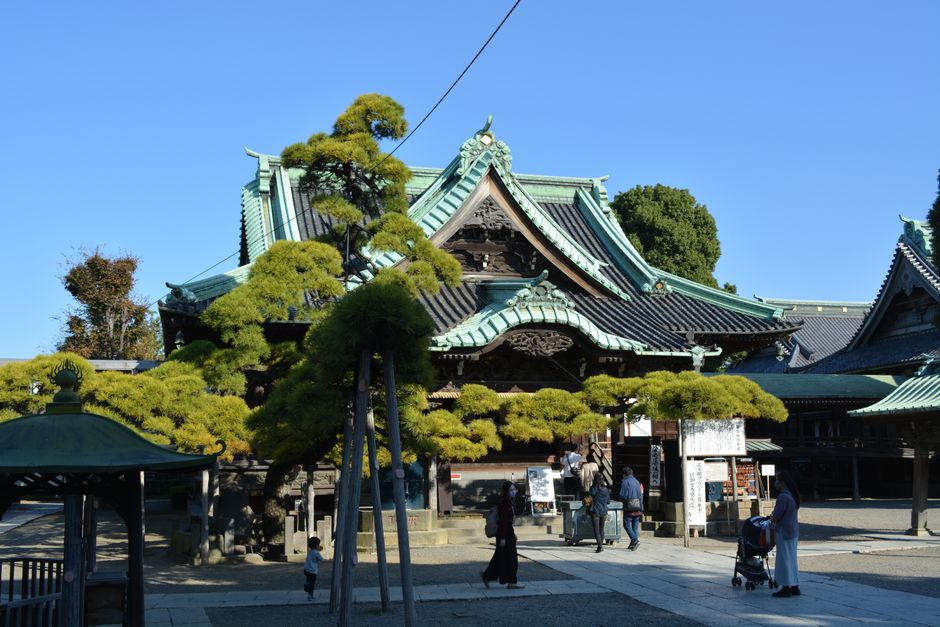
7. Shibamata's Edo Echoes
Shibamata, Tokyo, Japan
Step back in time along the Taishakuten Sando, a traditional Edo-period approach to Shibamata Taishakuten Temple, famous for its intricate wood carvings.
Shibamata offers a nostalgic journey to an earlier era of Tokyo. The Taishakuten Sando, the main street leading to the temple, is lined with traditional shops selling senbei crackers, sweet dumplings, and local crafts, evoking a scene from an Edo-period scroll. The temple itself boasts a magnificent 'carved gallery' around its main hall, featuring intricate wooden reliefs depicting stories from Buddhist scriptures, a truly remarkable and often overlooked artistic achievement.
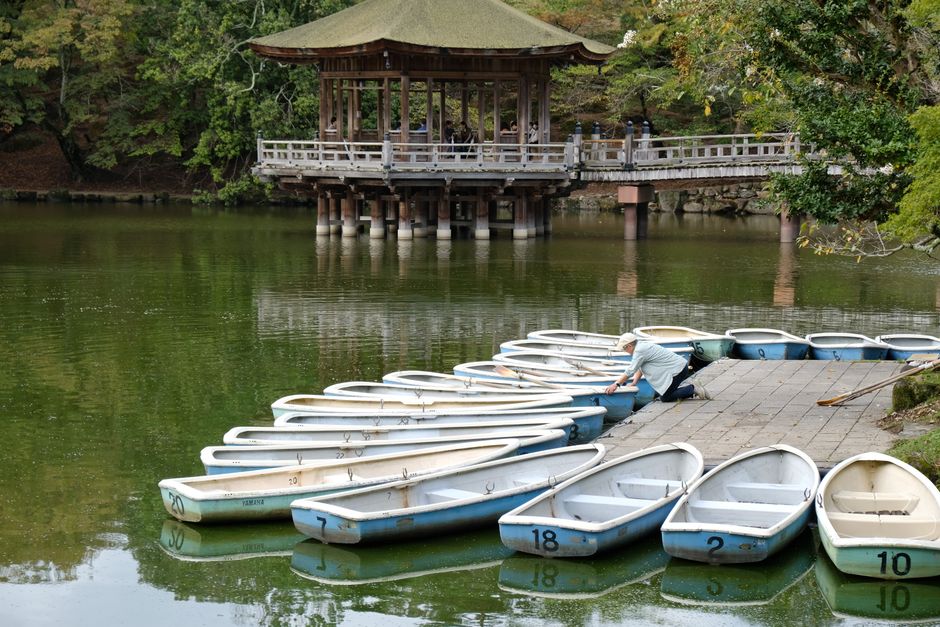
8. Kichijoji's Jealous Deity
Inokashira Park, Kichijoji, Tokyo, Japan
Legend warns that couples who ride a boat together on Inokashira Park's pond are cursed to break up by the jealous goddess Benzaiten, enshrined on its central island.
More than just the gateway to the Ghibli Museum, Inokashira Park offers a rich blend of nature and folklore. At its heart lies a large pond where visitors can rent rowboats and swan boats. However, local legend suggests that the park's resident deity, Benzaiten, a goddess of music and wealth, becomes jealous of happy couples, leading to their eventual separation if they share a boat. Despite the superstition, the park remains a beloved spot for picnics, strolls, and enjoying nature's beauty in the urban landscape.
Frequently asked questions
What are some non-touristy things to do in Tokyo?
Beyond the major landmarks, explore local shopping streets like Sugamo Jizo-dori, wander the traditional alleys of Kagurazaka, or discover the vintage shops and indie music scene of Koenji. These areas offer a genuine glimpse into daily Tokyo life and unique cultural experiences.
How do I find hidden cafes and shops in Tokyo?
The best way is to simply wander off the main thoroughfares into side streets and smaller alleys. Neighborhoods like Naka-Meguro, Jiyugaoka, and Shimokitazawa are particularly good for discovering charming independent cafes, boutiques, and galleries tucked away from the crowds.
Is Tokyo walkable for exploring neighborhoods?
Yes, Tokyo is incredibly walkable, especially within its distinct neighborhoods. Many areas, like Yanaka or Shibamata, are best explored on foot to truly appreciate their narrow streets, local shops, and hidden temples. Public transport connects districts, but walking is key for discovery.
How can I learn more about the unique history of these Tokyo spots?
While guidebooks offer a good start, the best way to dive deep into the specific history, geology, and culture of these hidden gems is with an AI audio tour guide like AllTours.ai. Simply point your phone camera at a landmark or landscape, and the app narrates its story in your language, bringing the location to life.
Related guides
Photography via Pexels. AllTours.ai is an AI audio tour guide — point your camera at any landscape and hear its story.