July 24, 2026 · 4 min read
Tokyo's culinary landscape is vast, often overwhelming. Beyond the well-trodden paths of Shibuya Crossing and Tsukiji Outer Market, a deeper, more authentic Tokyo awaits those willing to explore. This city pulses with local life, each neighborhood a world unto itself, holding generations of culinary tradition.
For travelers seeking where to eat in Tokyo like a local, the secret lies in uncovering spots cherished by residents – places where the food tells a story, not just a price tag. Prepare to step away from the guidebooks and dive into the true flavors and surprising histories of Tokyo's hidden gastronomic gems.
1. Yanaka Ginza's Timeless Flavors
Yanaka Ginza Shopping Street, Tokyo, Japan
This charming retro shopping street uniquely survived the widespread WWII bombings, preserving its "shitamachi" (downtown) atmosphere and generations of local culinary traditions.
Wander down Yanaka Ginza and you step into a Tokyo of yesteryear. Unlike many parts of the city, this street emerged from the war largely unscathed, maintaining its low-rise buildings and community feel. Sample classic treats like crispy menchi-katsu (fried minced meat cutlet) from a local butcher or fluffy taiyaki (fish-shaped cake) from a vendor who has been perfecting their craft for decades, soaking in the nostalgic ambiance.
2. Ameyoko's Post-War Resilience
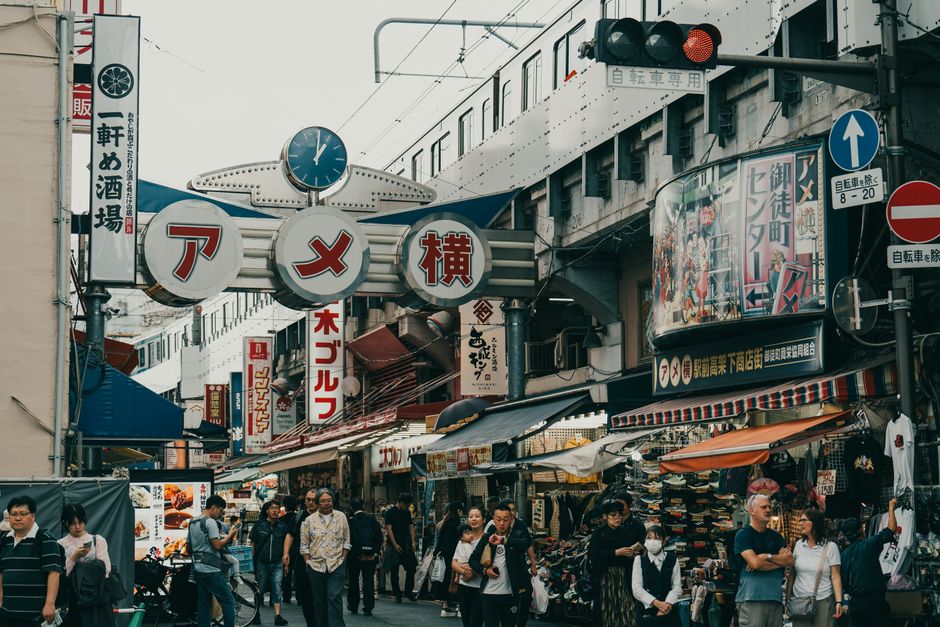
Ameyoko Market, Ueno, Tokyo, Japan
What began as a bustling black market selling American goods and candy ("ameya") in the aftermath of WWII has transformed into one of Tokyo's most vibrant and diverse open-air markets.
Dive into the controlled chaos of Ameyoko, a market that has always reflected Tokyo's adaptability. After the war, resourceful vendors sold everything from US army surplus to sweets, giving the market its name. Today, beneath the railway tracks, you can find fresh seafood piled high, exotic spices, and an array of street snacks like grilled seafood skewers and takoyaki, all echoing its spirited origins.
3. Tsukishima's Childhood Comfort
Tsukishima Monja Street, Chuo City, Tokyo, Japan
The beloved monjayaki, a savory, pan-fried pancake cooked at your table, originated as a simple, affordable snack for children in Tokyo's "shitamachi" (low city) districts.
On Tsukishima Monja Street, the sizzling sound of spatulas is constant. This unique dish, often described as a "runny okonomiyaki," was once a creative way for parents to feed their kids cheaply, using flour and whatever ingredients were on hand. Today, countless restaurants here offer variations from classic cabbage and pork to gourmet seafood, letting you cook and enjoy this messy, communal meal right off the griddle.
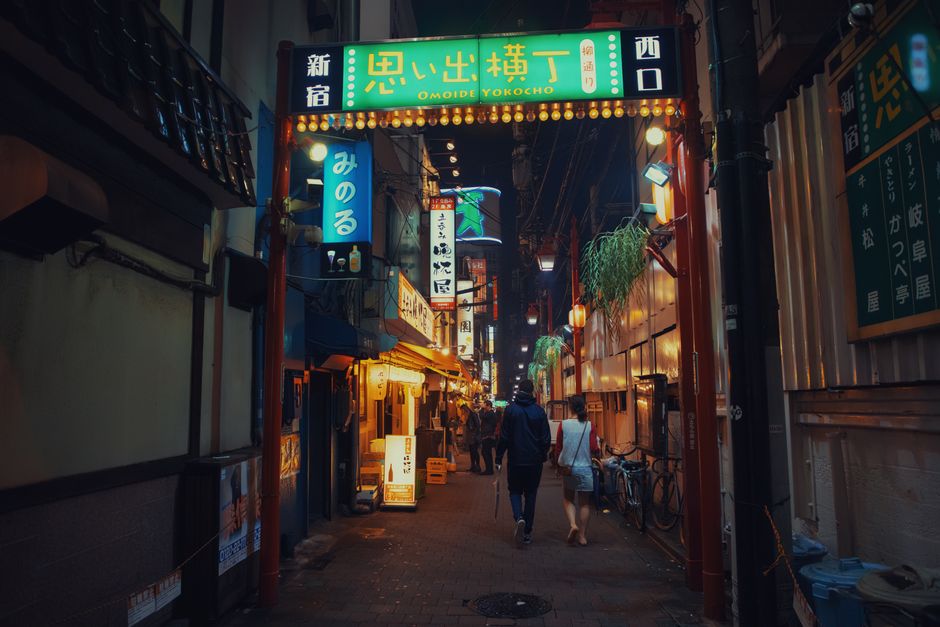
4. Omoide Yokochō's Smoky History
Omoide Yokochō, Shinjuku, Tokyo, Japan
Affectionately known as "Piss Alley," this labyrinthine network of narrow lanes began as an illegal drinking district in the desperate post-WWII era, retaining its smoky, retro charm to this day.
Squeezing through Omoide Yokochō is a journey back in time. Despite its modern Shinjuku backdrop, this alley feels untouched, with tiny izakayas and yakitori stalls crammed together, their smoke-filled interiors barely fitting a handful of patrons. It was a place where people sought solace and sustenance after the war, and today, you can still find perfectly grilled yakitori and warming motsuni (guts stew) in an atmosphere rich with history.
5. Sunamachi Ginza's Homestyle Heart
Sunamachi Ginza Shopping Street, Koto City, Tokyo, Japan
This authentic "shitamachi" shopping street offers a window into the daily life of Tokyo's working class, renowned for its affordable, homemade-style dishes that taste like they came straight from a Japanese grandmother's kitchen.
Sunamachi Ginza is a bustling corridor where locals shop for daily groceries and prepared meals. It's less about trendy cafes and more about honest, delicious food reflecting generations of home cooking. Pick up freshly fried tempura, simmering oden (a hot pot stew), or a variety of obanzai (side dishes) from the numerous deli-style shops, experiencing the true flavors of Tokyo's community spirit.
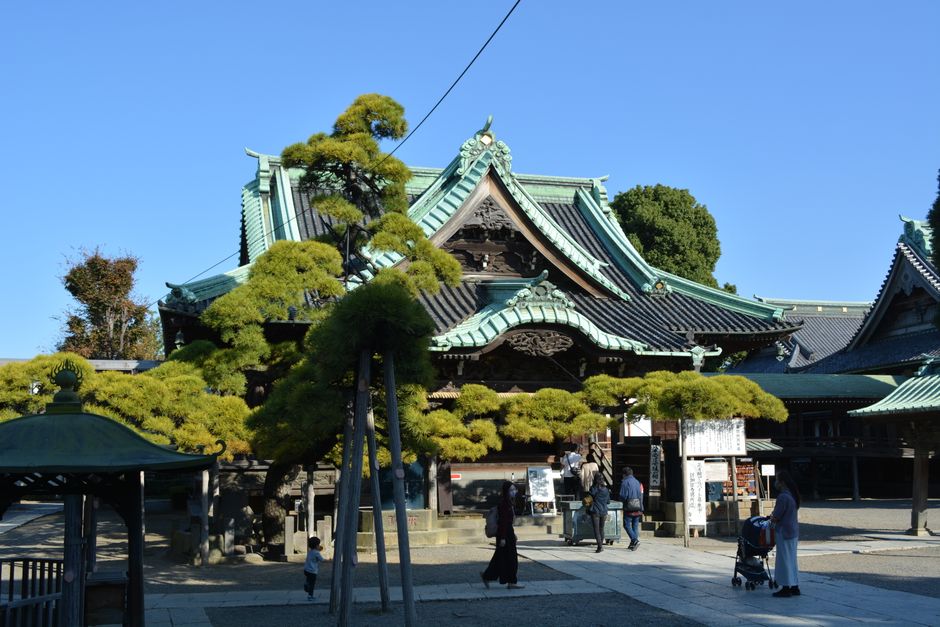
6. Shibamata's Cinematic Sweets
Shibamata Taishakuten Sando, Katsushika City, Tokyo, Japan
This nostalgic approach to the Taishakuten Temple is largely preserved from the Showa era, and its traditional sweets and snacks were famously featured in the iconic "Otoko wa Tsurai yo" film series.
Stroll along Shibamata Taishakuten Sando and immerse yourself in a scene right out of classic Japanese cinema. The street's traditional wooden shops offer delightful treats like soft, green kusa dango (mugwort mochi) and savory senbei (rice crackers), often made by hand. It's a place where time seems to slow down, offering a taste of old Tokyo that feels both authentic and deeply connected to Japan's cultural memory.
7. Ningyocho's Edo Echoes
Ningyocho, Chuo City, Tokyo, Japan
Once a vibrant entertainment district filled with Kabuki theaters and traditional puppet makers, Ningyocho still retains an Edo-era charm, offering specialized traditional eateries with centuries-old recipes.
Ningyocho, meaning "doll town," carries the legacy of its past artisans and performers. Beyond its historic clock tower, you'll find shops specializing in specific, time-honored dishes. Seek out a warm cup of amazake (sweet fermented rice drink), a fluffy taiyaki (fish-shaped cake) with a perfectly crisp skin, or ningyo-yaki (doll-shaped cakes) from a shop that's been in business for generations, tasting history in every bite.
8. Jūjō Ginza's Global Grub
Jūjō Ginza Shotengai, Kita City, Tokyo, Japan
As one of Tokyo's longest covered shopping streets, Jūjō Ginza is a vibrant melting pot, renowned for its incredible diversity of affordable foods that reflect the area's multicultural residents.
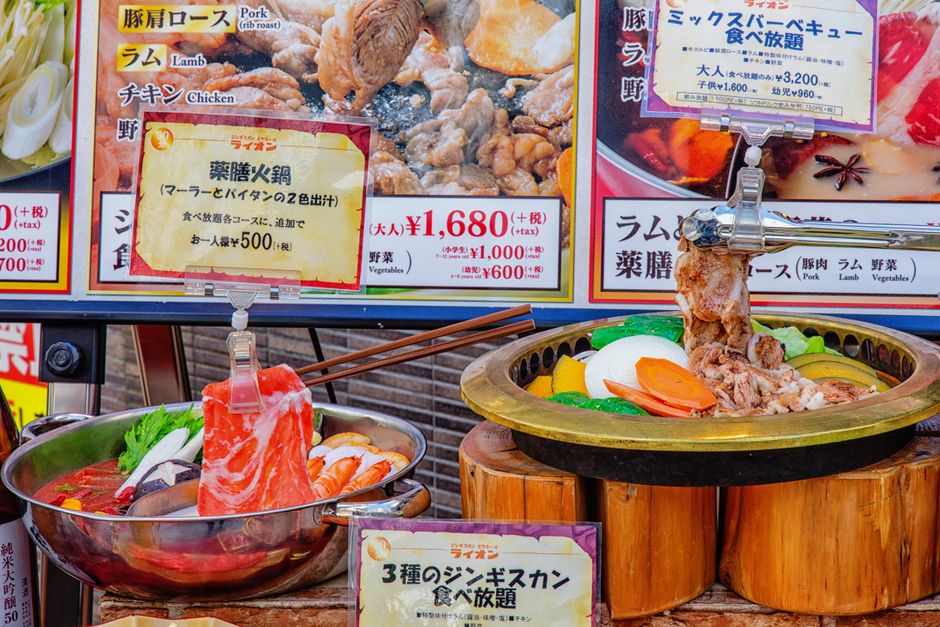
Step into Jūjō Ginza Shotengai and experience a lively, unpretentious atmosphere where daily life unfolds. This bustling arcade isn't just about Japanese staples; its diverse population has brought a rich tapestry of international flavors. You can find everything from classic Japanese yakitori and obanyaki (griddled cakes) to Korean street food and Southeast Asian snacks, all at prices that make it a local favorite for budget-friendly feasting.
Frequently asked questions
Is it safe to eat street food in Tokyo?
Tokyo's food safety standards are exceptionally high, making street food generally very safe to enjoy. Vendors take pride in hygiene and quality ingredients. Look for busy stalls, which often indicate freshness and popularity among locals.
Do I need cash for these local food spots?
While many larger establishments accept credit cards, smaller, local eateries and street food stalls, especially in markets, often prefer or even require cash. It's always wise to carry some Japanese Yen for convenience.
How do I order food if I don't speak Japanese?
Many smaller places might not have English menus, but pointing at dishes or looking at what others are eating is a common practice. Learning a few basic phrases like "Kore o kudasai" (This, please) or "Oishii desu!" (It's delicious!) can go a long way.
How can AllTours.ai enhance my Tokyo food exploration?
AllTours.ai deepens your experience by providing instant audio narratives. Point your phone camera at a historic market or a unique neighborhood, and the app will narrate its fascinating history, cultural significance, or even the origins of the dishes you're about to try, all in your language.
Related guides
Photography via Pexels. AllTours.ai is an AI audio tour guide — point your camera at any landscape and hear its story.