July 23, 2026 · 4 min read
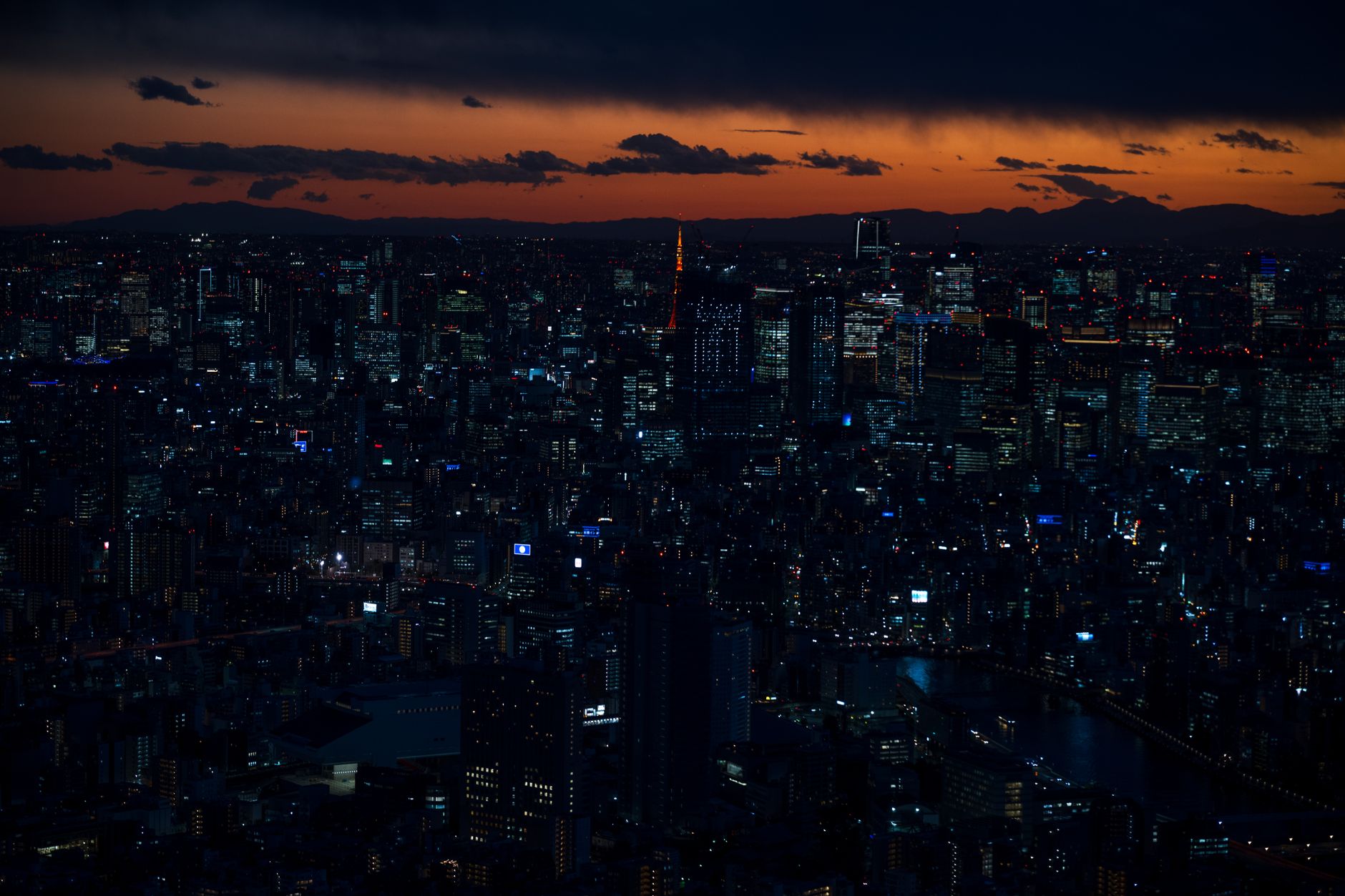
Tokyo is a city of endless layers, where ancient traditions subtly intertwine with hyper-modernity. For travelers with just one day, the challenge isn't finding things to do, but choosing a path that truly captures its essence beyond the well-worn tourist trails.
This itinerary carves a tight, walkable route through Tokyo's lesser-known corners, focusing on compelling stories and genuine atmosphere. Forget the usual hotspots; we’re chasing the fascinating narratives embedded in the city’s overlooked landmarks and vibrant local neighborhoods.
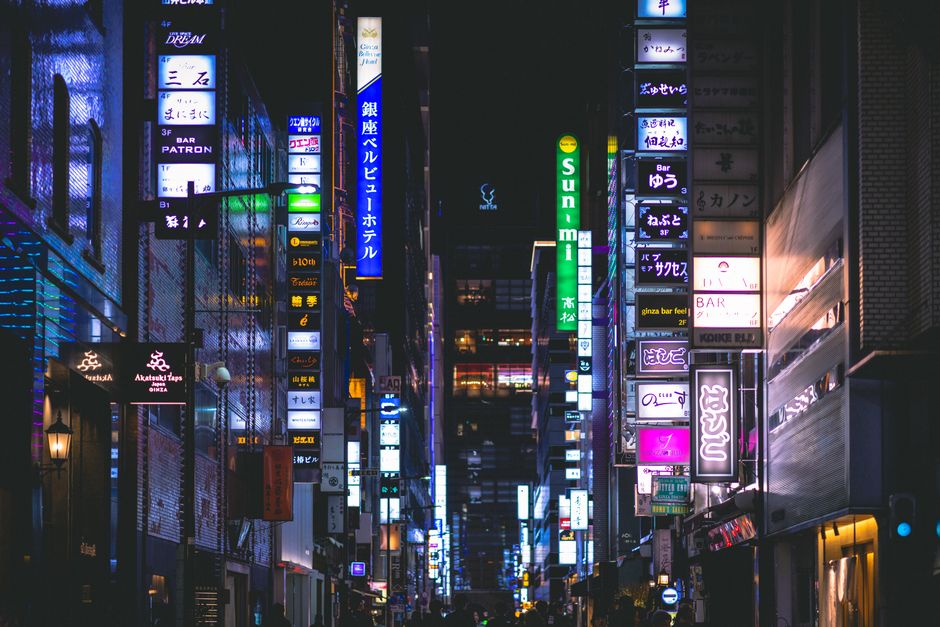
1. Edo Echoes in Yanaka Ginza
Yanaka Ginza, Tokyo, Japan
This charming 'cat town' is one of the few Tokyo neighborhoods to largely escape the devastation of both the Great Kanto Earthquake and World War II air raids.
Wander through Yanaka Ginza, a shopping street frozen in a gentler time. Unlike much of Tokyo, this district's wooden architecture and narrow lanes survived the 20th century's calamities, preserving a tangible link to the Edo period. Local shops sell traditional crafts and snacks, and friendly stray cats often appear, adding to its unique, nostalgic charm. It offers a rare glimpse into what Tokyo felt like before the skyscrapers.
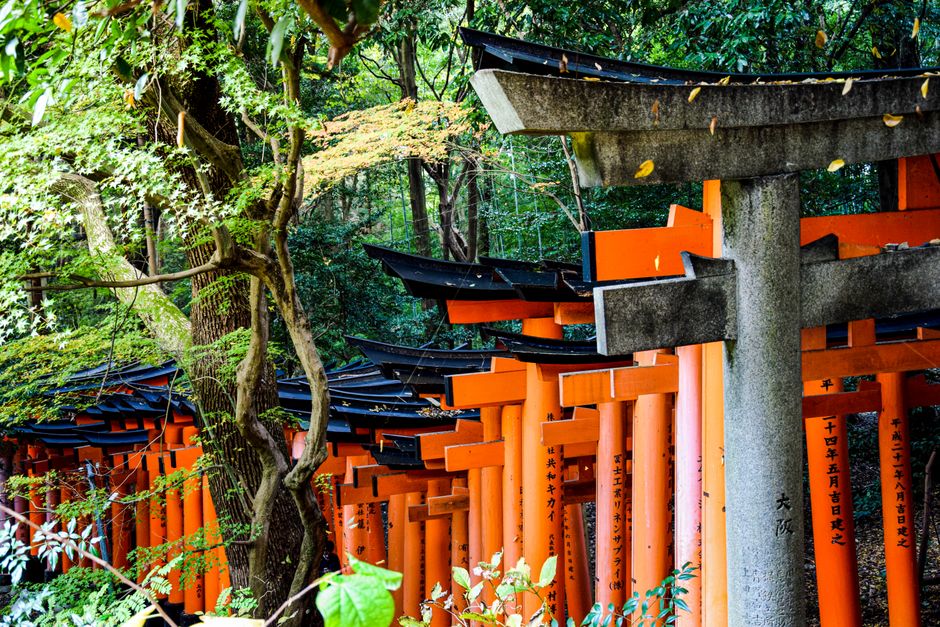
2. Nezu Shrine's Azalea Labyrinth
Nezu Shrine, Tokyo, Japan
Nezu Shrine is one of Japan's oldest and most beautiful Shinto shrines, said to have been founded nearly 1,900 years ago.
Tucked away from the main thoroughfares, Nezu Shrine offers a serene escape. Its most distinctive feature is a tunnel of vibrant red torii gates, reminiscent of Kyoto's Fushimi Inari, but on a more intimate scale. Beyond the gates, discover ornate buildings, a picturesque pond, and an azalea garden that bursts into spectacular bloom each spring. The shrine’s tranquil grounds and ancient lineage offer a profound sense of history often missed in Tokyo’s bustling center.
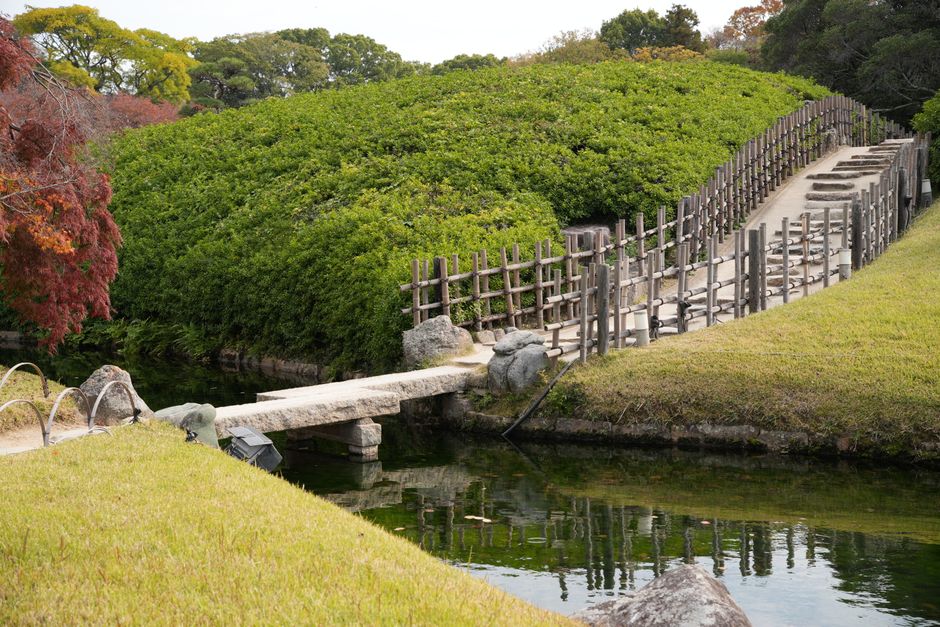
3. Koishikawa Korakuen's Hidden History
Koishikawa Korakuen Garden, Tokyo, Japan
This garden is one of Tokyo's oldest and finest, designed with influences from a Ming Dynasty scholar, blending Japanese and Chinese landscape aesthetics.
Step into the meticulously crafted landscapes of Koishikawa Korakuen. Commissioned in the early Edo period by a feudal lord, the garden incorporates elements from famous Chinese and Japanese scenic spots, creating a harmonious blend of styles. Bridges, ponds, and carefully placed stones evoke miniature natural landscapes, offering a tranquil retreat in the heart of the city. It's a living testament to centuries of Japanese garden artistry and cultural exchange.
4. Kappabashi's Culinary Ghosts
Kappabashi Street, Tokyo, Japan
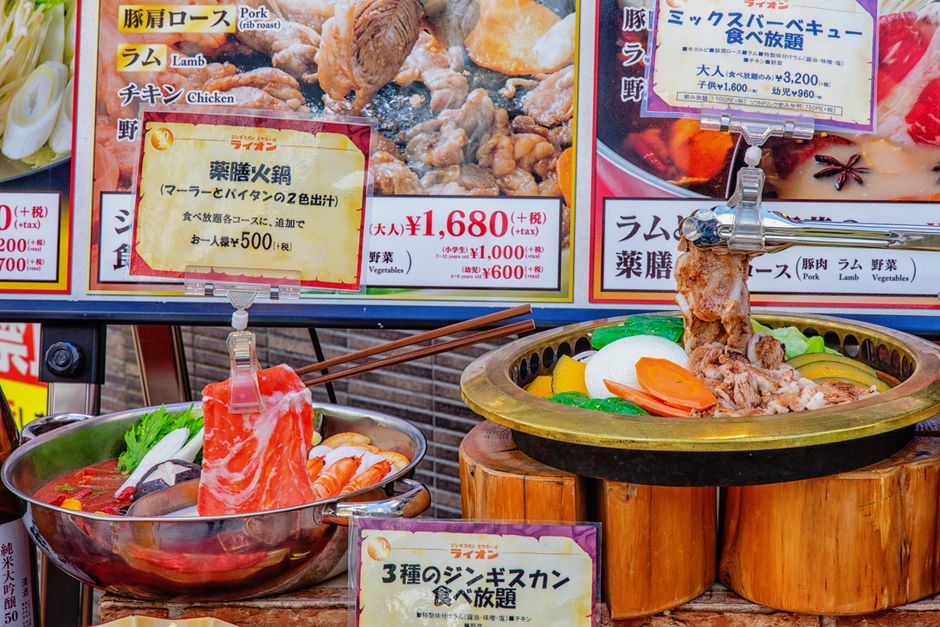
Kappabashi Street is dedicated entirely to kitchenware and restaurant supplies, but its name comes from a mythical water imp, the 'kappa,' said to inhabit the local river.
Stroll down Kappabashi Street, a fascinating stretch where every shop is dedicated to the culinary arts. From gleaming chef's knives to intricate ceramic dishes and incredibly realistic plastic food models, it's a paradise for foodies and chefs alike. The street's quirky mascot, the kappa, is often seen in statues and shop signs, nodding to local folklore that claims these mischievous river creatures once helped merchants prosper by bringing water to their fields.
5. Ameya-Yokocho's Black Market Roots
Ameya-Yokocho, Tokyo, Japan
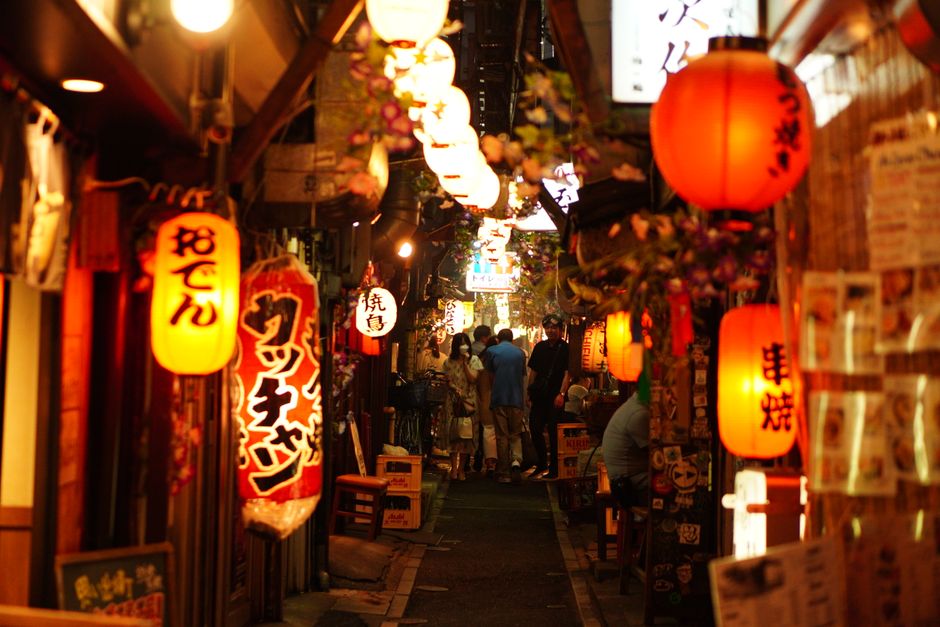
Ameya-Yokocho, or 'Ameyoko,' began as a bustling black market after World War II, where everything from candy to American goods was traded.
Dive into the vibrant chaos of Ameya-Yokocho, a lively market street under the train tracks near Ueno Station. Its origins as a post-war black market give it a raw, energetic edge that persists today. You'll find everything from fresh seafood and spices to clothing, bags, and cosmetics, often at bargain prices. The air is thick with the calls of vendors and the aroma of street food, offering a sensory overload and a glimpse into Tokyo's resilient spirit.
6. Fukagawa Fudodo's Fire Ceremony
Fukagawa Fudodo Temple, Tokyo, Japan
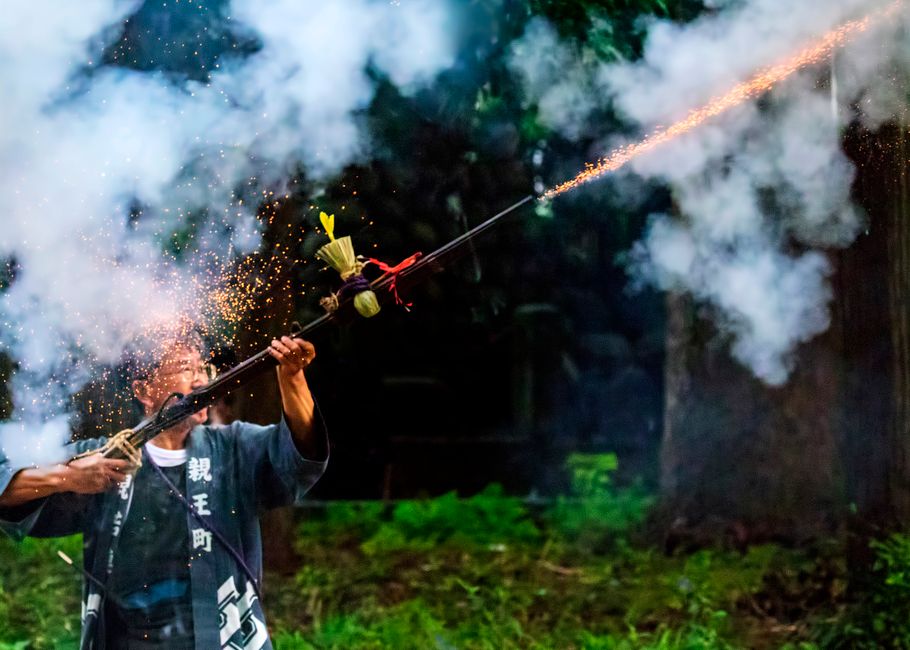
This modern temple hosts a dramatic 'Goma Fire Ritual' multiple times a day, where Buddhist monks chant and burn wooden sticks to purify and grant wishes.
Experience a powerful spiritual spectacle at Fukagawa Fudodo Temple. While its exterior is a striking modern interpretation of temple architecture, the real draw is the Goma Fire Ritual held inside. Monks chant intensely as they burn wooden sticks inscribed with wishes, creating a mesmerizing and deeply moving experience. The temple's interior is adorned with thousands of miniature Fudo Myoo statues, adding to its unique spiritual ambiance.
7. Hamarikyu's Tidal Gardens
Hamarikyu Gardens, Tokyo, Japan
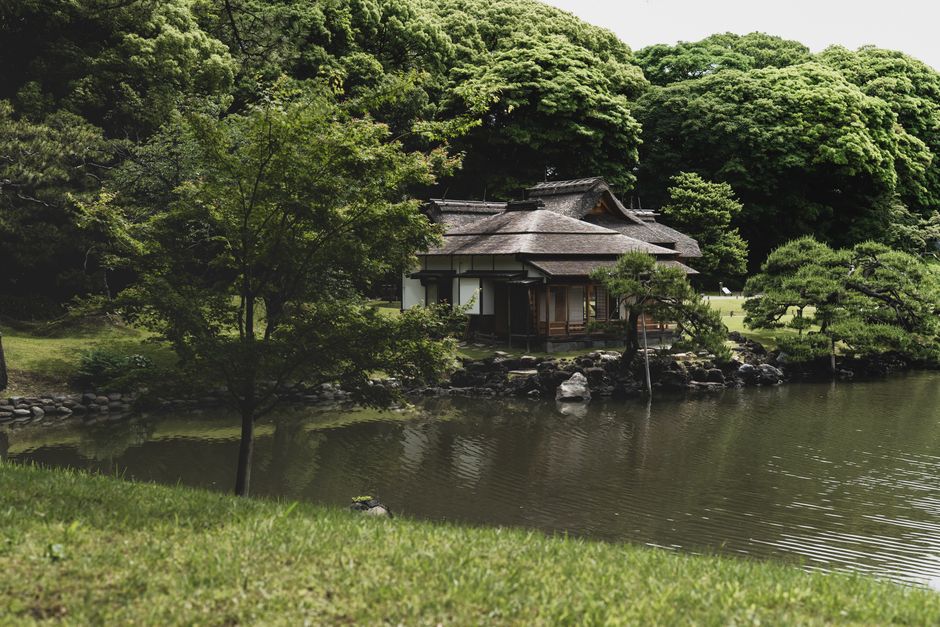
Hamarikyu is a Edo-period garden featuring a unique tidal pond whose water level changes with Tokyo Bay's tides.
Conclude your day at Hamarikyu Gardens, a sprawling landscape garden that once served as a duck hunting ground for the shoguns. Its central pond is a rare saltwater tidal pond, historically filled and emptied by the tides of Tokyo Bay. Stroll across charming bridges to reach a traditional tea house, where you can enjoy matcha while overlooking the pond and the surrounding modern skyline—a perfect juxtaposition of Tokyo’s past and present.
Frequently asked questions
What's the best way to get around Tokyo in one day?
For a single day in Tokyo, the subway and JR train lines are your most efficient allies. Purchase a Suica or Pasmo card for seamless tap-and-go travel. Many of the listed itinerary items are within walking distance of a station, or a short walk from each other, making public transport ideal.
Is Tokyo walkable for a one-day itinerary?
While Tokyo is vast, specific neighborhoods are incredibly walkable. This itinerary focuses on clusters of attractions that allow for pleasant walking tours within each area. You'll primarily use public transport to connect between these distinct districts, maximizing your time on foot exploring local details.
What should I eat during my one day in Tokyo?
Embrace street food and local eateries! In Yanaka, try traditional sweets or snacks. Ameya-Yokocho offers a fantastic array of affordable street eats, from takoyaki to fresh seafood skewers. For a quick lunch, convenience stores ('konbini') offer high-quality, inexpensive options like onigiri (rice balls) and bento boxes.
How can AllTours.ai enhance my one day in Tokyo?
AllTours.ai turns your phone into an AI-powered audio guide. Simply point your camera at a landmark, building, or even a natural landscape, and the app will narrate its fascinating history, geology, or cultural significance in your language, providing context and stories that bring each stop on your Tokyo itinerary to life.
Related guides
Photography via Pexels. AllTours.ai is an AI audio tour guide — point your camera at any landscape and hear its story.