July 16, 2026 · 4 min read
Travel often means expanding our palates, but some culinary traditions push the boundaries of what most consider edible. Beyond the well-trodden paths of foie gras or shark fin soup, the world harbors dishes with stories so vivid, so visceral, they challenge our very definitions of food.
These aren't just meals; they're cultural artifacts, born from necessity, tradition, or a pursuit of extreme freshness. Join us as we explore some of the most startling, and arguably cruelest, dishes found in lesser-known corners of the globe, each with a unique narrative waiting to be discovered.
1. The Living Cheese of Sardinia
Sardinia, Italy
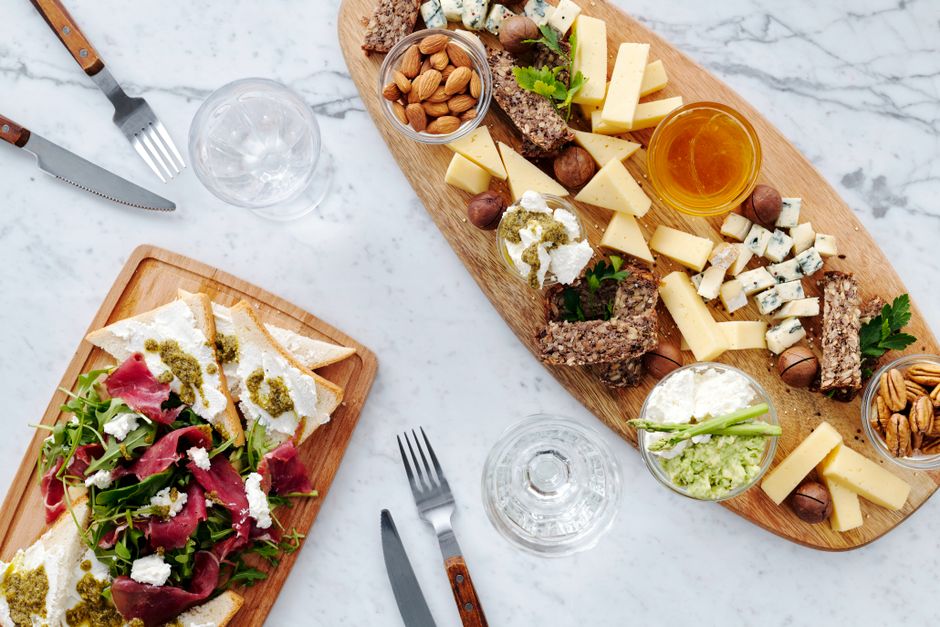
This notorious cheese, legally banned yet clandestinely produced, wriggles with thousands of live maggots, a deliberate part of its "maturation."
Casu Marzu, meaning "rotten cheese," is a Pecorino Sardo left open for cheese flies to lay eggs. The hatching larvae break down fats, fermenting the cheese into a soft, intensely pungent delicacy. Locals prize its creamy texture and unique flavor, but eating it means contending with jumping maggots and the risk of intestinal parasites. It's a defiant culinary tradition in a remote island culture.
2. The Wriggling Tentacles of Seoul
Noryangjin Fish Market, Seoul, South Korea
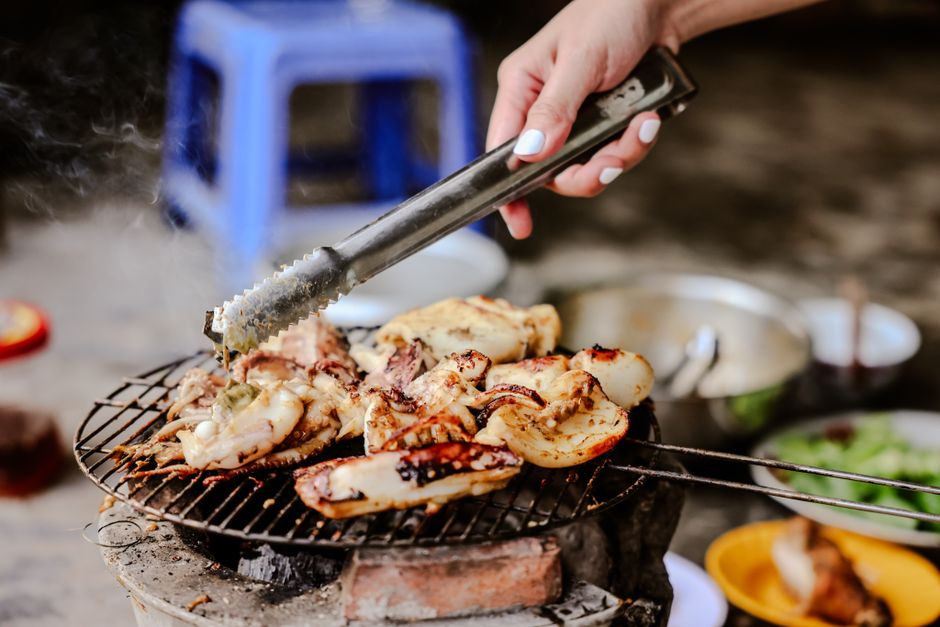
Diners consume freshly killed octopus, its severed tentacles still vigorously squirming on the plate, a true test of nerve and careful chewing.
Sannakji is a dish where small octopus is chopped into pieces immediately before serving. The nerve endings in the tentacles remain active, causing them to move and suction even after separation from the brain. This creates a dangerous dining experience, with a reported choking hazard if the suction cups cling to the throat. It’s a popular challenge and a symbol of ultimate freshness in Korean cuisine.
3. The Breathing River Fish Sashimi
Gifu Prefecture, Japan
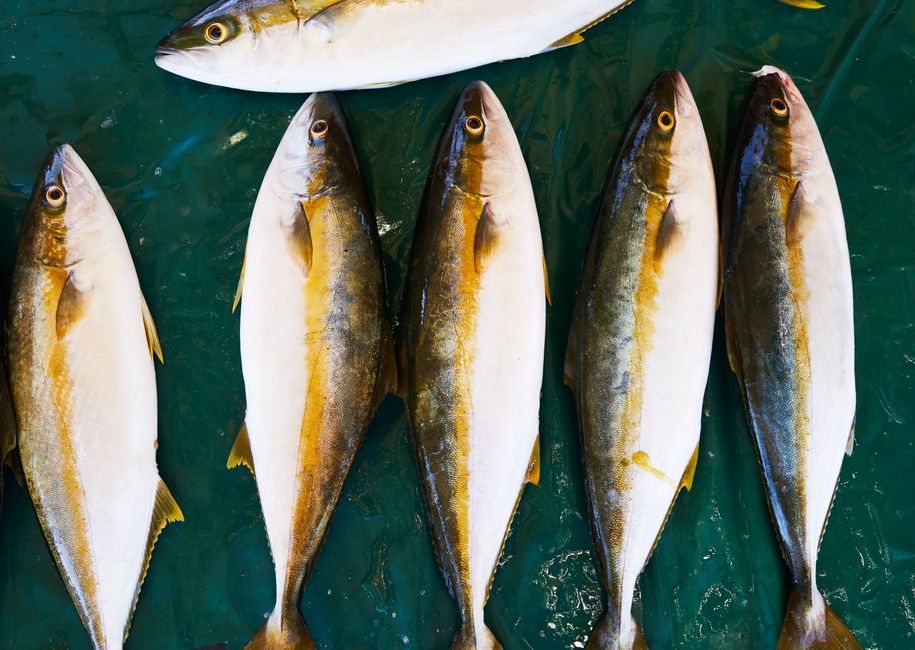
In certain Japanese riverside inns, the delicate Ayu fish is filleted and artfully arranged while its heart still visibly beats and its gills subtly flutter.
Ikizukuri, meaning "prepared alive," is a practice where fish are kept in tanks until ordered, then swiftly prepared. For Ayu, a sweetfish prized for its pristine river flavor, this often means presenting the fish's body as sashimi with its head and tail still attached and alive. The ultimate goal is to showcase unparalleled freshness, a concept deeply ingrained in traditional Japanese culinary philosophy, though it often confronts diners with the stark reality of their meal's recent life.
4. The Developing Duckling Egg
Pateros, Philippines
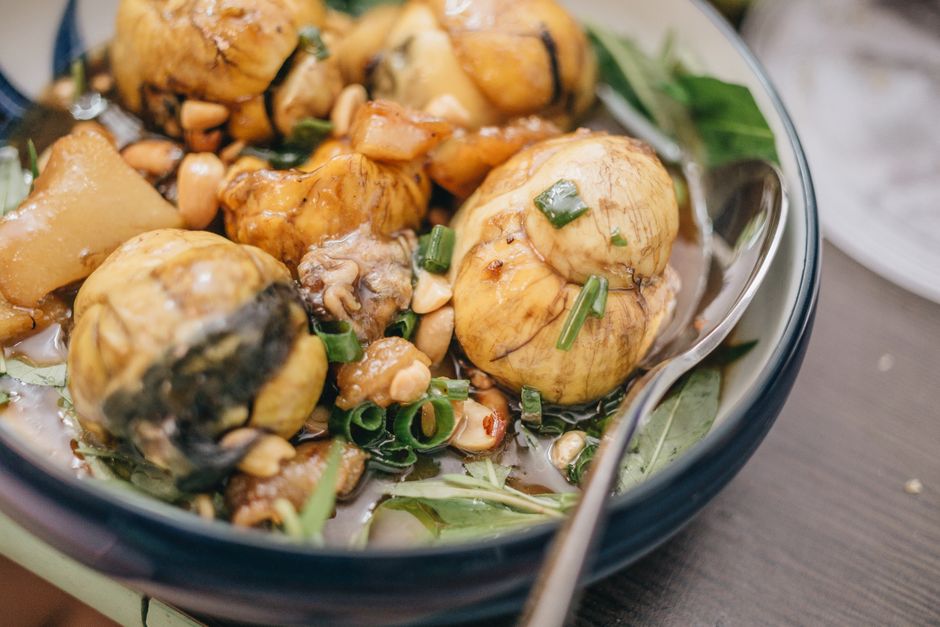
This street food staple involves eating a fertilized duck egg containing a partially developed embryo, complete with discernible feathers, beak, and bones.
Balut is a common delicacy found across Southeast Asia, particularly in the Philippines. The duck eggs are incubated for about 16-21 days, allowing the embryo to develop significantly before being hard-boiled and eaten directly from the shell. The experience is a mix of textures: the rich yolk, the savory broth, and the crunch of tiny bones. It’s revered for its high protein content and is believed by some to be an aphrodisiac, a bold snack for the adventurous eater.

5. France's Forbidden Feathered Delicacy
Landes region, Southwest France (historically)
This tiny songbird, force-fed and drowned in Armagnac, was historically consumed whole, bones and all, under a white napkin to hide the shame from God.
The Ortolan Bunting, a small migratory bird, was once a highly prized and controversial delicacy in France. Traditionally, the birds were captured, blinded, and force-fed until they swelled to several times their natural size. They were then drowned in Armagnac, roasted, and eaten in a single bite. The napkin ritual was a deeply ingrained part of the experience, a private moment of indulgence in a dish now illegal due to conservation efforts. Its story remains a powerful symbol of extreme culinary tradition.
6. The Whole Bat Broth of Palau
Koror, Palau
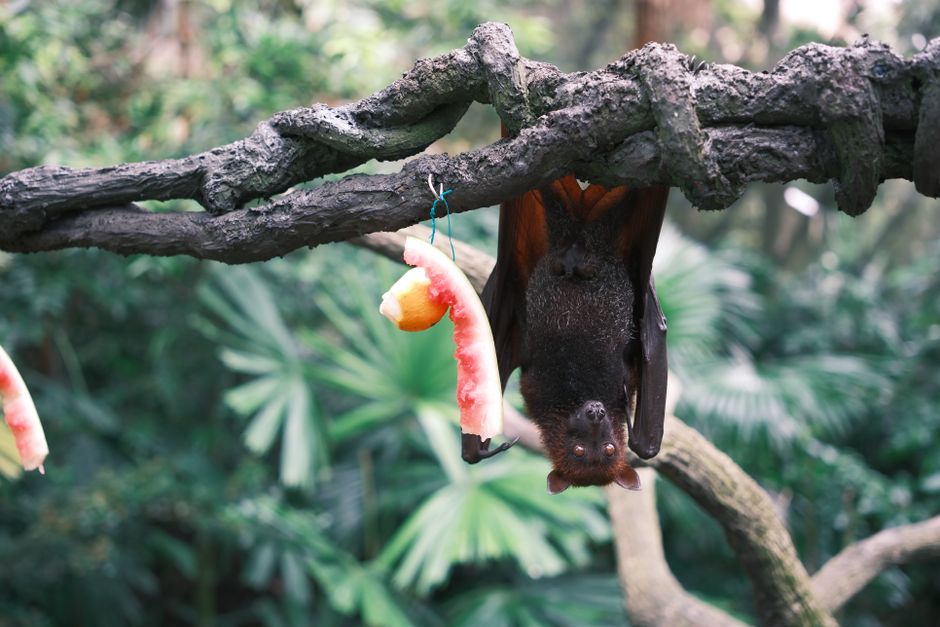
In this remote Pacific island nation, fruit bats are simmered whole in coconut milk with vegetables, presenting an entire winged creature in your bowl.
Fruit bat soup is a traditional dish in Palau, often served to special guests. The bats, known locally as Pteropus pelewensis, are caught, cleaned, and then boiled with ingredients like ginger, coconut milk, and taro. The soup is prized for its unique flavor and is considered a local delicacy, embodying the island's connection to its natural environment. While controversial due to appearances and potential health concerns, it remains a part of Palau's distinct culinary heritage.
7. The Croaking Raw Frog Dish
Shinjuku, Tokyo, Japan
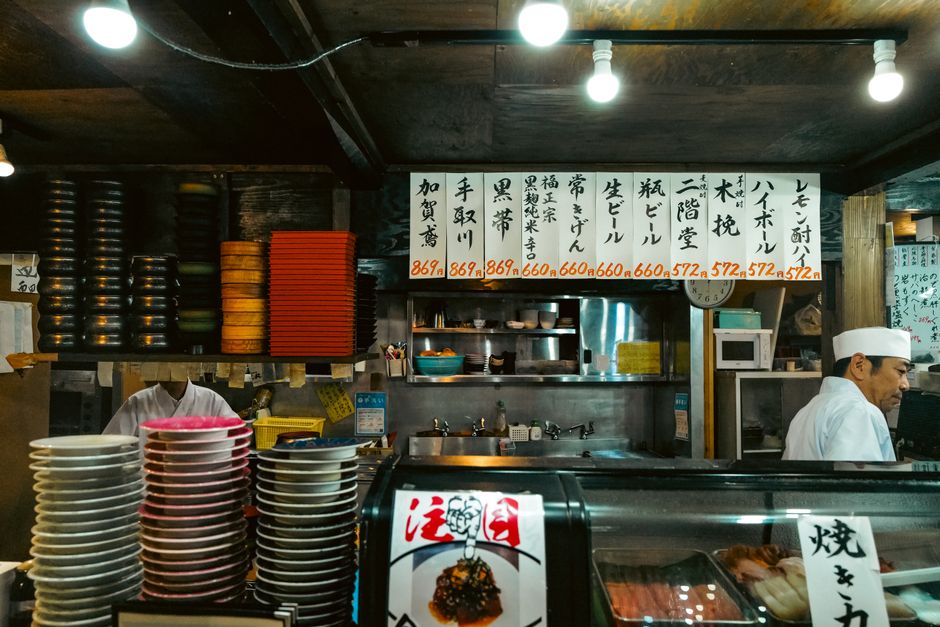
At select, discreet establishments, a live frog is expertly prepared into sashimi, its body still twitching on the plate as its heart pulses.
While less common than fish ikizukuri, Kaeru sashimi (frog sashimi) is a rare and extreme form of raw cuisine found in very specific, often hidden, Japanese restaurants. The frog is usually kept in a tank until ordered, then swiftly skinned, disemboweled, and sliced into delicate pieces, often served alongside its still-beating heart. This dish is considered the ultimate test of freshness and culinary skill, appealing to a niche clientele seeking the most visceral and shocking dining experience.
Frequently asked questions
Is it legal to eat these cruel dishes?
The legality varies greatly by region and dish. Some, like Casu Marzu, are technically illegal due to health regulations but persist clandestinely. Others, like the historical Ortolan Bunting, are now strictly protected by law due to conservation efforts. Live seafood dishes like Sannakji are generally legal in their countries of origin.
Are these dishes safe to eat?
Many of these dishes carry significant health risks. Casu Marzu's maggots can survive digestion, causing intestinal issues. Sannakji poses a serious choking hazard due to the octopus's active suction cups. Fruit bat soup has been linked to zoonotic diseases. Consuming such dishes requires extreme caution and a high tolerance for risk.
Why do people eat such extreme foods?
The reasons are diverse, ranging from cultural tradition and the pursuit of extreme freshness to perceived health benefits or aphrodisiac qualities. For some, it's a test of bravery or a way to connect deeply with ancestral practices. These dishes often hold significant symbolic value within their communities.
How can I learn more about these unusual places and their stories?
The AllTours.ai app is designed for exactly this. Simply point your phone camera at a landmark, a unique landscape, or even a local market stall, and the app will narrate its history, geology, and cultural significance in your language, revealing the hidden stories behind the places you visit.
Related guides
Photography via Pexels. AllTours.ai is an AI audio tour guide — point your camera at any landscape and hear its story.