July 30, 2026 · 4 min read
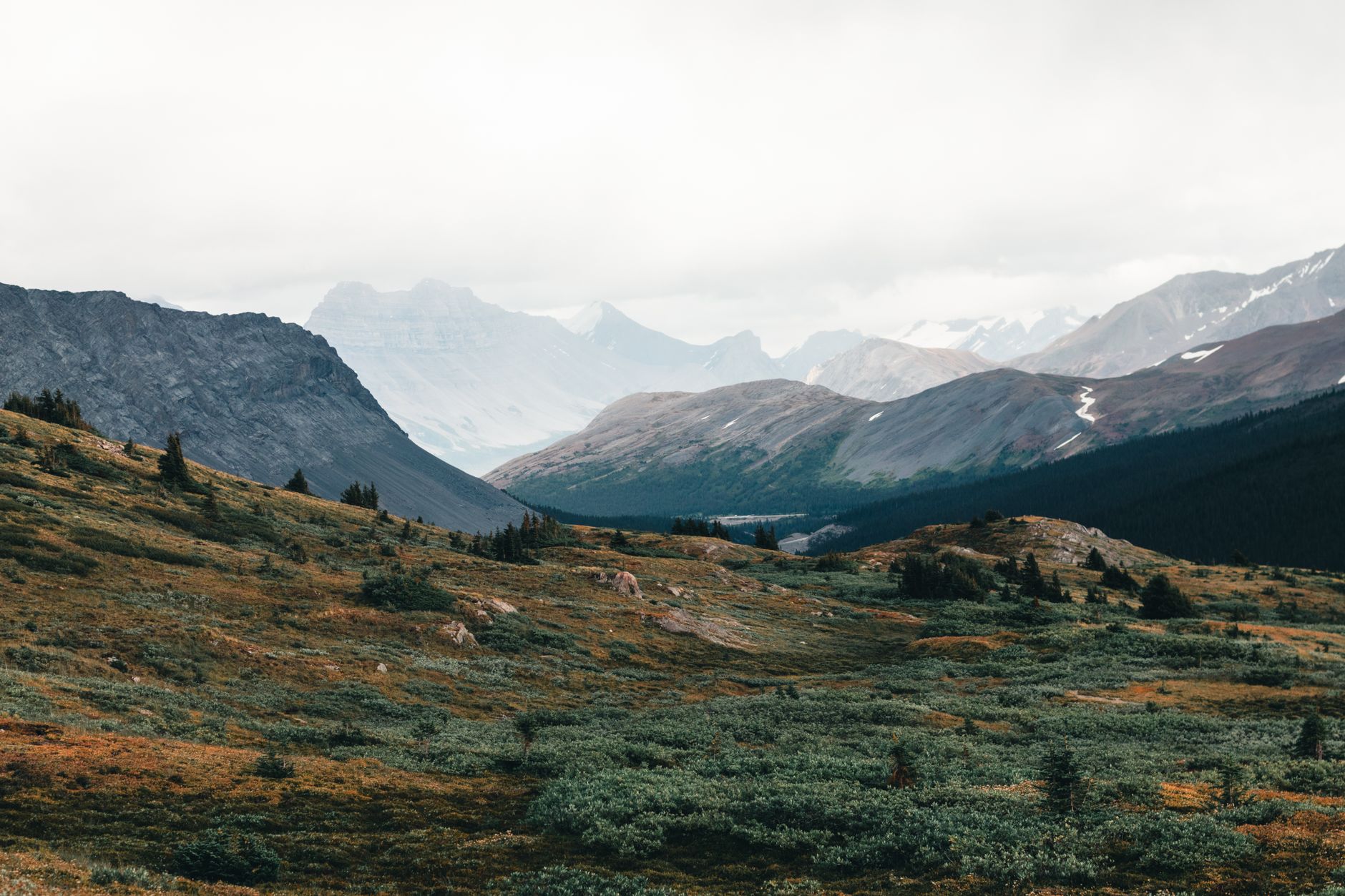
The quest to visit all U.S. National Parks often begins with the famous names: Yosemite, Grand Canyon, Zion. But for those dedicated travelers, the journey invariably leads to a fascinating realization: some of the most profound discoveries lie in the parks less traveled.
Beyond the well-trodden paths are places with equally compelling, often more surprising, stories. These are the forgotten fortresses, the ancient ecosystems, and the remote wildernesses that truly challenge our preconceptions of what a national park can be.
1. Isle Royale's Wild Experiment
Isle Royale National Park, Michigan, USA
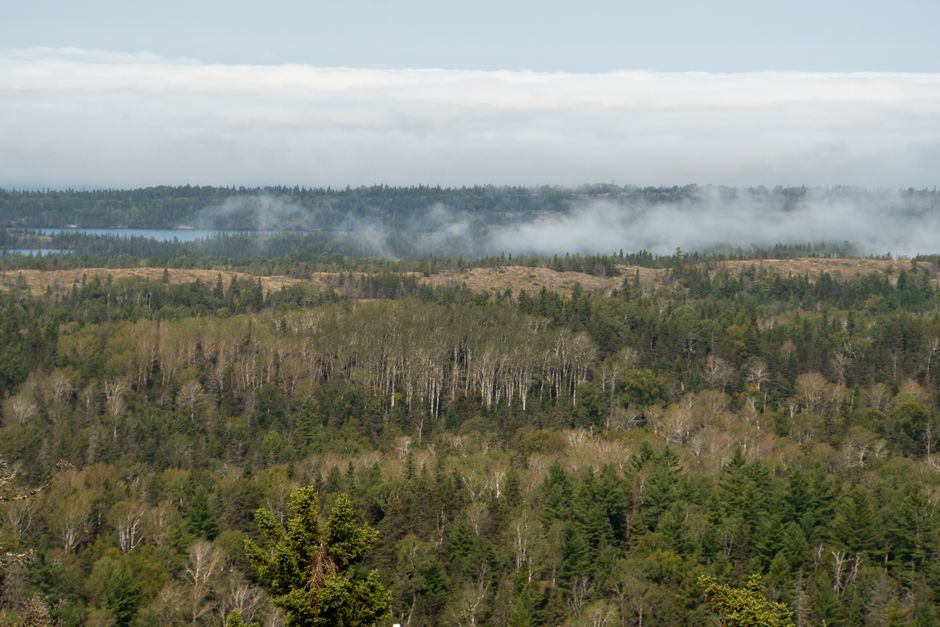
It's a remote island where wolves and moose engage in a generations-long predator-prey study.
Accessible primarily by ferry or seaplane, this rugged archipelago in Lake Superior is a living laboratory. For over 60 years, scientists have tracked the dynamic populations of its isolated wolf and moose, observing how they shape each other and the island's ecosystem. Its wilderness offers a profound sense of solitude, far removed from mainland distractions.
2. The Unfinished Island Fortress
Dry Tortugas National Park, Florida, USA
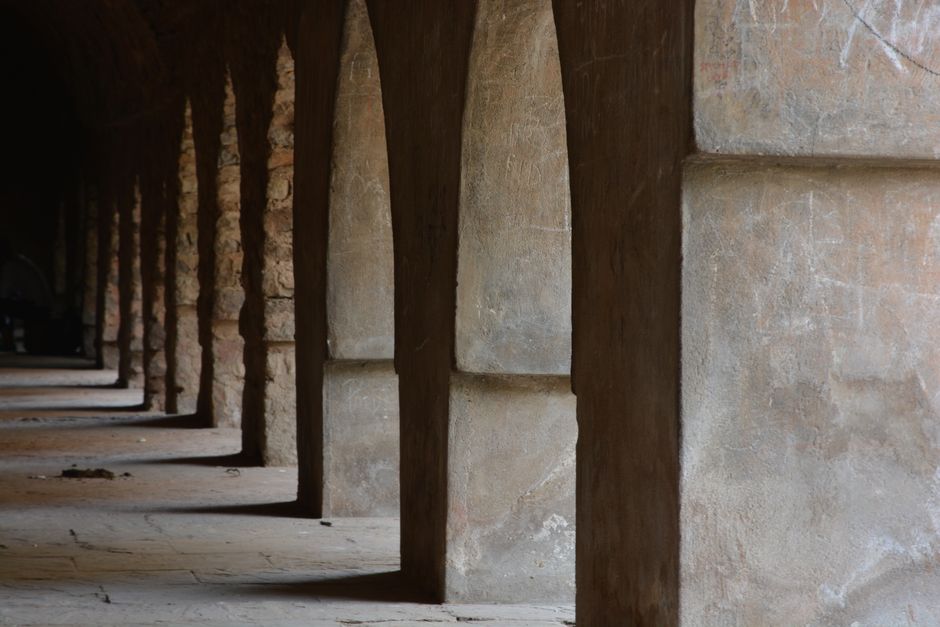
An enormous 19th-century fort, built on a tiny remote island, stands unfinished and surrounded by coral reefs.
Seventy miles west of Key West lies Fort Jefferson, a colossal brick fortress intended to protect a crucial shipping channel. Its construction spanned decades, never reaching completion, yet its sheer scale on Garden Key is astounding. Today, visitors arrive by ferry or seaplane to explore its echoing casemates and snorkel pristine waters teeming with marine life around the surrounding coral formations.
3. Ancient Pines and Deep Caves
Great Basin National Park, Nevada, USA
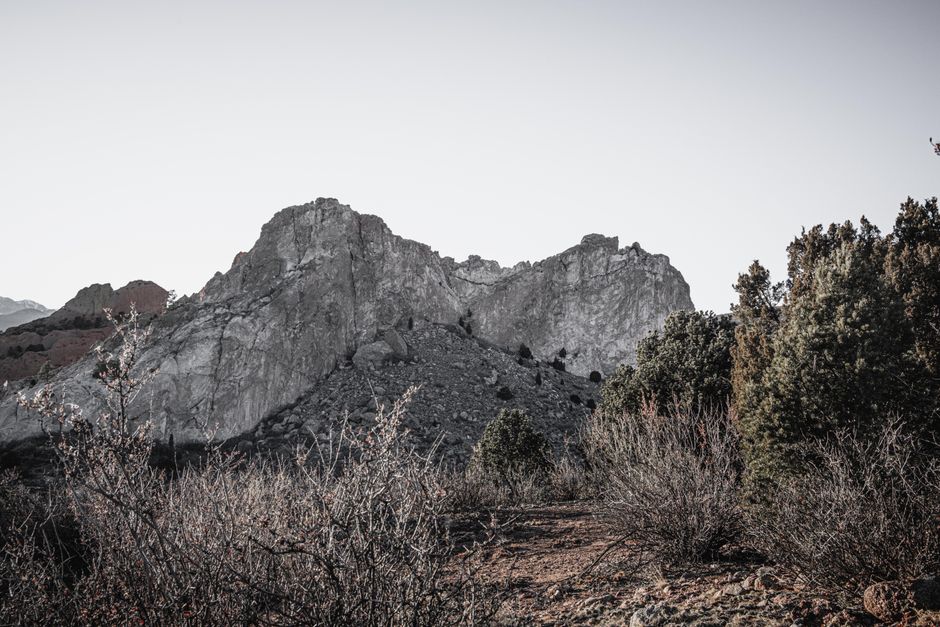
It's home to some of the oldest living organisms on Earth: ancient bristlecone pine trees clinging to desolate slopes.
High on Wheeler Peak's windswept ridges, gnarled bristlecone pines defy time, some over 4,000 years old. Below ground, the intricate marble formations of Lehman Caves offer a stark contrast, showcasing delicate stalactites and shields. This surprising desert park, far from Nevada's neon glow, also boasts a pristine dark sky, perfect for stargazing in one of the quietest corners of the Lower 48.
4. Giants of the Floodplain
Congaree National Park, South Carolina, USA
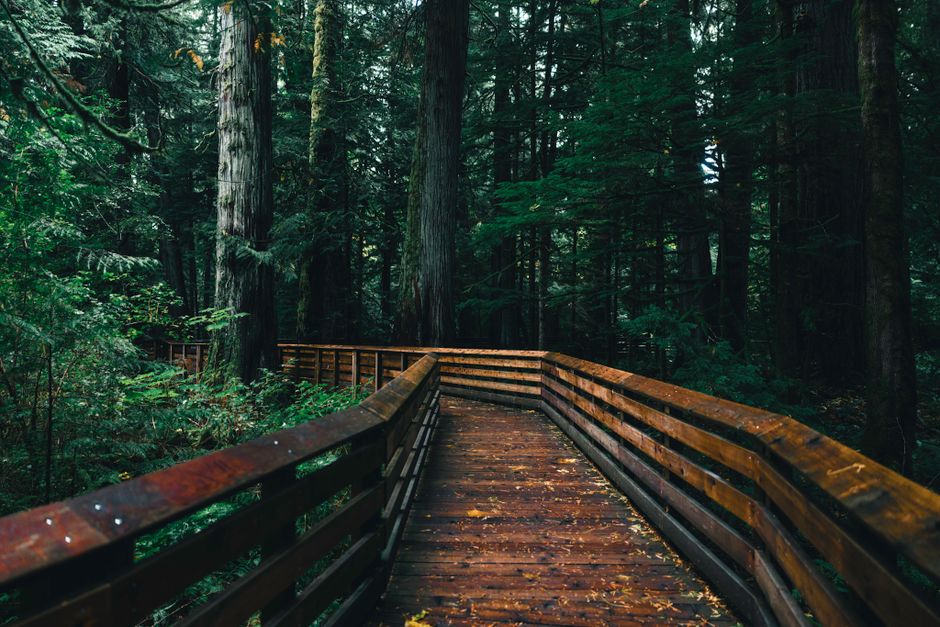
It protects the largest intact expanse of old-growth floodplain forest in North America, with some of the tallest trees in the eastern US.
Walk elevated boardwalks through a primeval forest where champion trees—the tallest of their species—reach skyward from the swampy ground. This unique ecosystem thrives on the Congaree River's natural flood cycles, creating an astonishing biodiversity. It's a world of cypress knees, massive hardwoods, and a surprisingly rich tapestry of wildlife, feeling ancient and untouched.
5. Where Glaciers Meet a Ghost Town
Wrangell-St. Elias National Park and Preserve, Alaska, USA
North America's largest national park contains a preserved historic copper mining town, Kennecott, once accessible only by foot or plane.
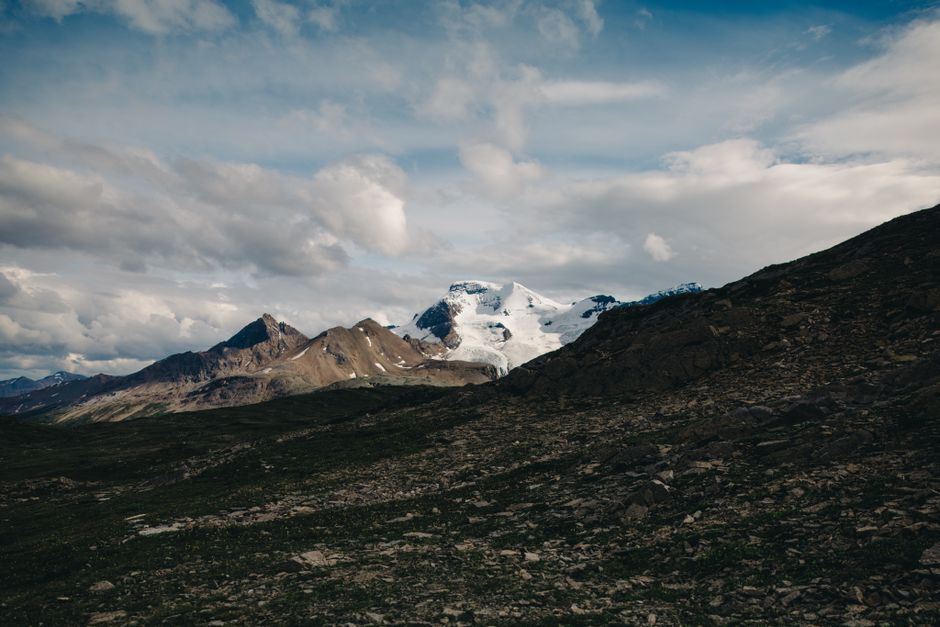
Covering an area the size of Yellowstone, Yosemite, and Switzerland combined, this vast Alaskan wilderness is a landscape of towering peaks, immense glaciers, and wild rivers. Hidden deep within its expanse lies Kennecott, a remarkably preserved ghost town that was once a thriving copper mine. Exploring its historic buildings amidst the backdrop of colossal mountains and ice fields offers a tangible link to a rugged past.
6. An Ancient Reef in the Desert
Guadalupe Mountains National Park, Texas, USA
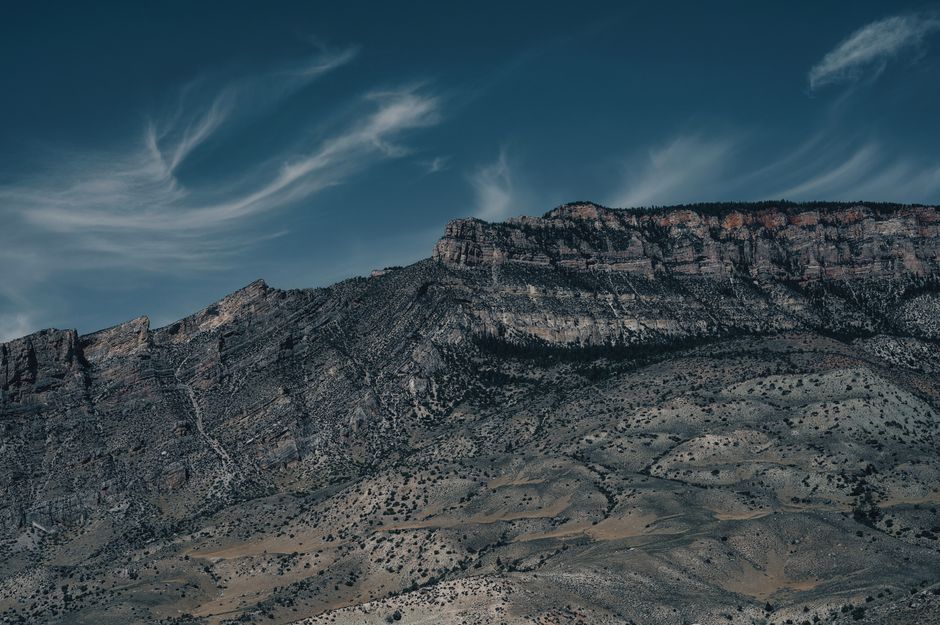
This remote West Texas park preserves an ancient, uplifted fossil reef that was once part of a vast inland sea.
Far from the beaches, the Guadalupe Mountains rise abruptly from the Chihuahuan Desert, revealing the Capitan Reef, a fossilized barrier reef from the Permian period. Hikers can trek through rugged canyons and pine forests to Guadalupe Peak, the highest point in Texas, offering panoramic views of this geological wonder. It's a stark, beautiful landscape that tells a deep-time story of Earth's past oceans.
7. Watery Wilderness of the Voyageurs
Voyageurs National Park, Minnesota, USA
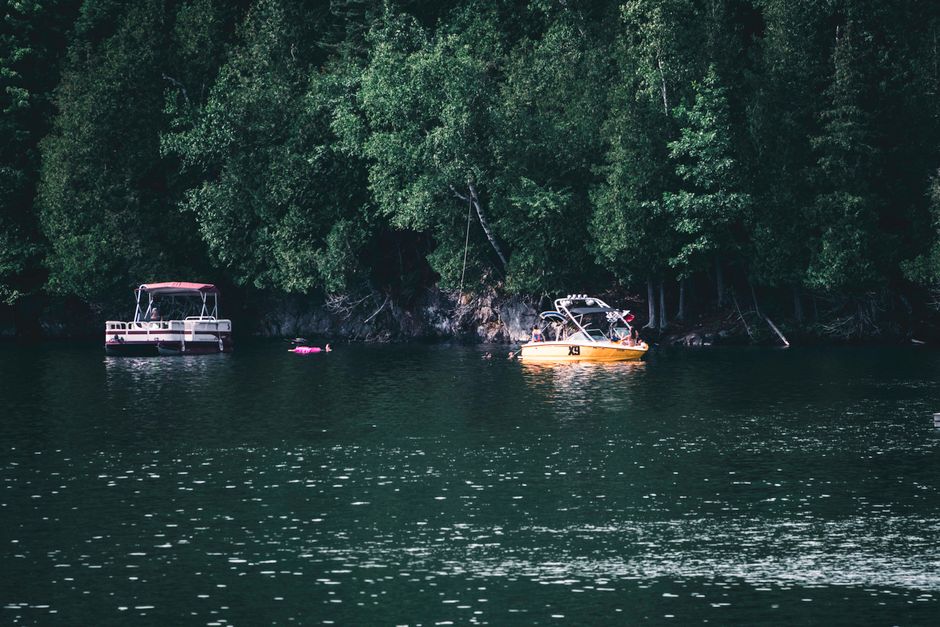
This park is almost entirely water, where historic fur traders once navigated a labyrinth of interconnected lakes and islands.
A true water-based park, Voyageurs is a mosaic of glacial lakes and undeveloped islands along the Canadian border. It's best explored by boat, following the routes of the French-Canadian voyageurs who paddled these waters centuries ago, trading furs. Here, you can camp on remote islands, fish pristine waters, and witness the northern lights, experiencing a unique blend of history and pristine nature.
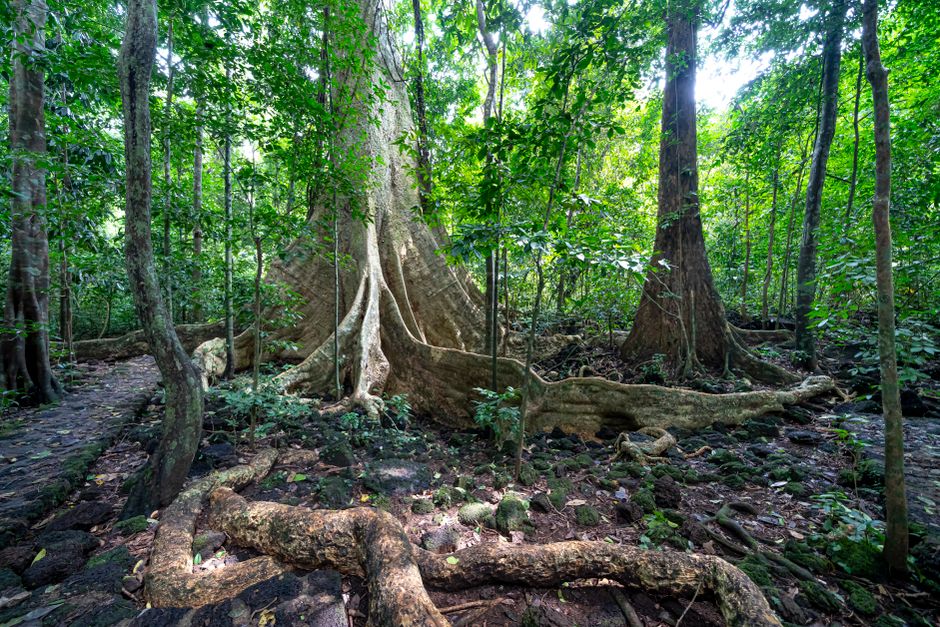
8. Tropical Sanctuary South of the Equator
National Park of American Samoa, USA
The only U.S. National Park located south of the equator, it protects unique rainforests and coral reefs, along with endangered flying foxes.
Spanning three separate islands (Tutuila, Ofu, and Ta‘ū), this remote Pacific park offers a glimpse into Polynesian culture and unparalleled biodiversity. Lush rainforests cling to volcanic peaks, descending to pristine coral reefs. Visitors can hike ancient trails, snorkel vibrant underwater worlds, and marvel at giant fruit bats, known as flying foxes, which are crucial pollinators in this isolated ecosystem.
Frequently asked questions
How many national parks are there in the U.S.?
There are currently 63 officially designated National Parks in the United States. This number can sometimes be confusing as the broader National Park System includes over 400 sites, encompassing monuments, historical parks, recreation areas, and more.
What's the least visited national park?
Typically, the least visited national park is Gates of the Arctic National Park and Preserve in Alaska. Its extreme remoteness, lack of roads, and challenging wilderness environment mean it sees only a few thousand visitors annually, primarily experienced backcountry adventurers.
Are there any national parks in the US territories?
Yes, there are two national parks located in U.S. territories. The National Park of American Samoa, as featured in this list, is located in American Samoa. Additionally, Virgin Islands National Park is located on the island of St. John in the U.S. Virgin Islands, protecting tropical forests, coral reefs, and historic sugar plantations.
How can I learn more about these lesser-known parks when I visit?
When you visit these incredible, often remote places, understanding their unique history, geology, and culture truly enhances the experience. The AllTours.ai app allows you to simply point your phone camera at a landmark or landscape, and it will narrate its fascinating story in your preferred language, turning every view into a rich discovery.
Related guides
Photography via Pexels. AllTours.ai is an AI audio tour guide — point your camera at any landscape and hear its story.