August 26, 2026 · 4 min read
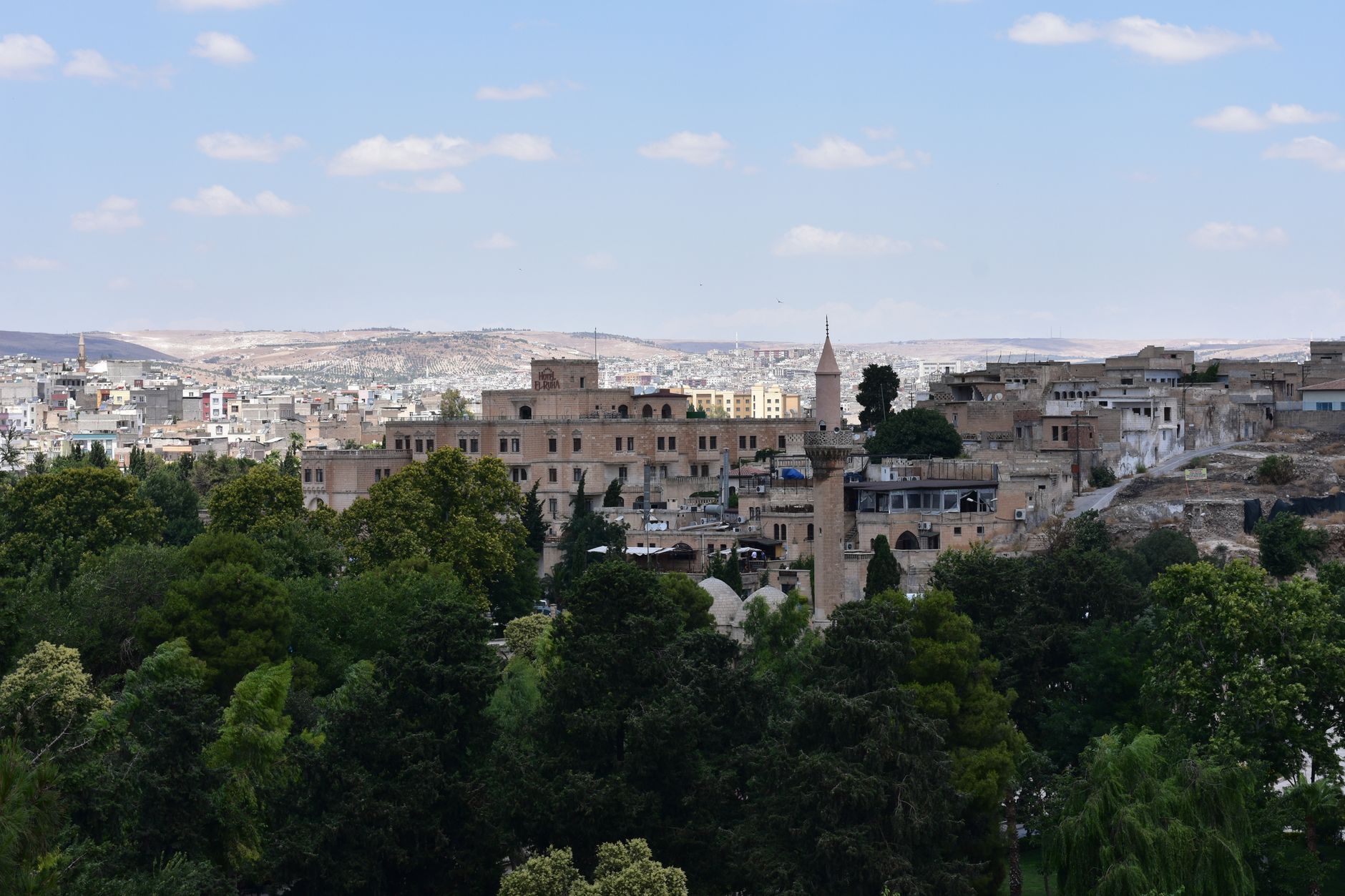
Some cities captivate us instantly, their famous landmarks and vibrant energy drawing us in. But what makes a city truly unforgettable, prompting us to return again and again? It's often not the grand monuments, but the layers of hidden stories, the unexpected corners, and the profound echoes of history that resonate long after we've left.
A city worth revisiting is one that reveals itself slowly, offering new perspectives with each encounter. It's where you can peel back the obvious tourist facade and discover the lesser-known narratives, the geological wonders, and the unique cultural threads that truly define a place. These are the spots that spark genuine curiosity and connect us deeper to the world.
1. The Underground Metropolis
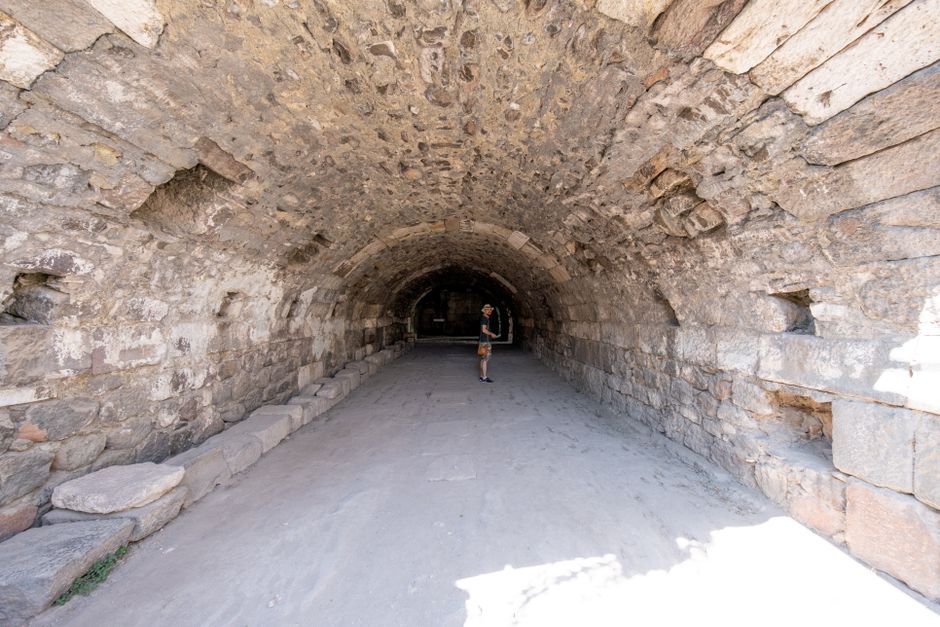
Derinkuyu, Cappadocia, Turkey
An ancient, multi-level city deep beneath the earth, capable of sheltering 20,000 people and their livestock from invaders for months.
Beneath the lunar landscape of Cappadocia lies Derinkuyu, one of several vast underground cities. Carved into soft volcanic rock, this subterranean labyrinth descends eight levels, featuring living quarters, stables, churches, and ventilation shafts. Its residents sealed themselves off with massive stone doors, living in complete self-sufficiency for extended periods to escape persecution and invasion, a testament to ancient ingenuity and resilience.

2. The World's Oldest Social Experiment
The Fuggerei, Augsburg, Germany
The world's oldest social housing complex, founded in 1521, where residents still pay a symbolic annual rent of less than one euro.
Walk through the gates of the Fuggerei and step into a living piece of history. Established by Jakob Fugger, a wealthy merchant, this walled settlement has continuously provided affordable housing for Augsburg's needy Catholics for over 500 years. Residents still pay a nominal annual rent of 0.88 euros, fulfilling the original conditions of praying daily for the Fugger family. It's a remarkable example of enduring social welfare.
3. The Celestial Serpent
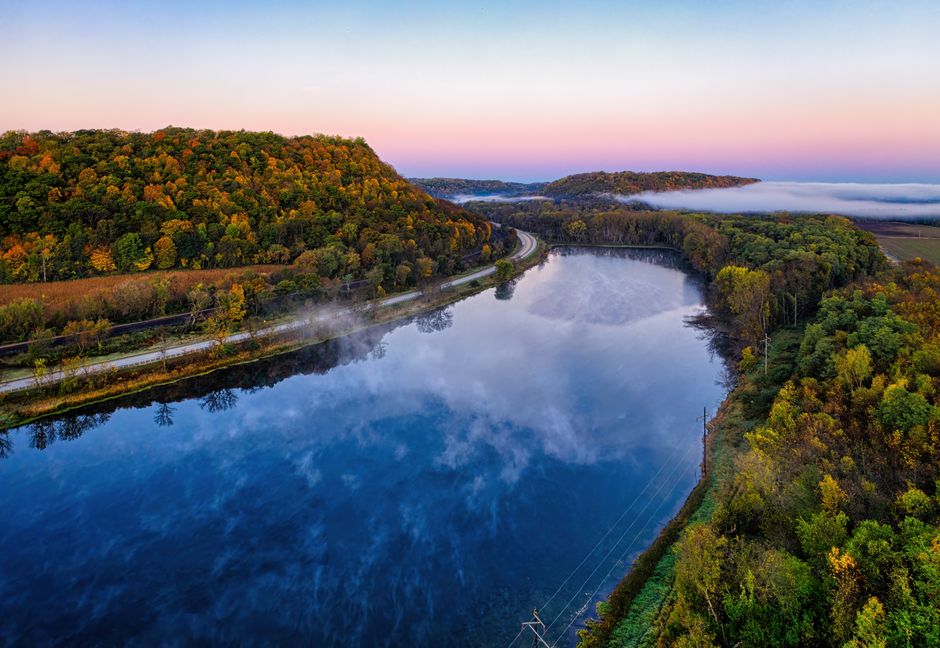
Great Serpent Mound, Ohio, USA
A massive prehistoric effigy mound, over a quarter-mile long, shaped like a serpent, precisely aligned with lunar and solar events.
The Great Serpent Mound is an enigmatic earthen artwork sprawling across a plateau in rural Ohio. Built by ancient cultures, likely the Adena or Fort Ancient peoples, this enormous winding serpent effigy holds profound astronomical significance. Its head aligns with the summer solstice sunset, and its coils point to other key celestial events, suggesting a sophisticated understanding of the cosmos by its creators.

4. The Blue Brahmin Streets
Jodhpur, Rajasthan, India
Wander through a labyrinth of intensely blue houses, painted not just for beauty, but for a specific caste distinction and insect repellent.
Beyond Jodhpur's towering Mehrangarh Fort, the old city unfurls into a mesmerizing maze of blue-painted buildings. While visually stunning, the distinctive indigo hue originally served a practical purpose: it marked the homes of Brahmins, the priestly caste, and was believed to keep insects away due to the copper sulfate in the paint. Exploring these vibrant, narrow lanes offers a glimpse into centuries of social tradition and urban evolution.
5. A Village Frozen in Time
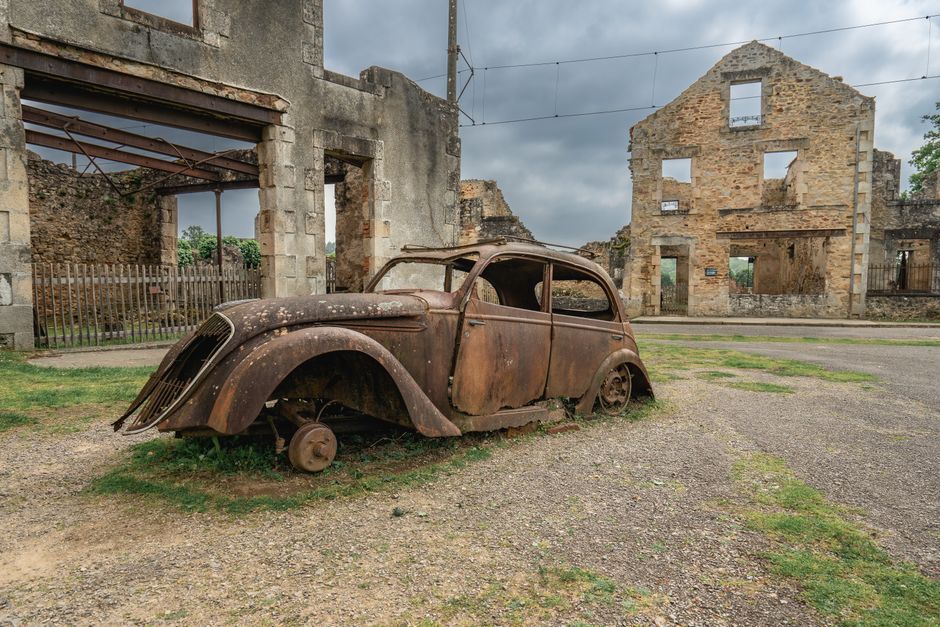
Oradour-sur-Glane, Nouvelle-Aquitaine, France
A village deliberately preserved as a ghost town, its burned-out buildings and scattered belongings untouched since a horrific WWII massacre, serving as a stark memorial.
On June 10, 1944, the village of Oradour-sur-Glane was annihilated by Nazi forces, its inhabitants massacred and buildings set ablaze. Today, the ruins stand exactly as they were left, a poignant and haunting open-air museum. Rusting cars, sewing machines, and children's bicycles remain scattered amidst the skeletal structures, serving as an immutable testament to the atrocities of war and a powerful call for remembrance.
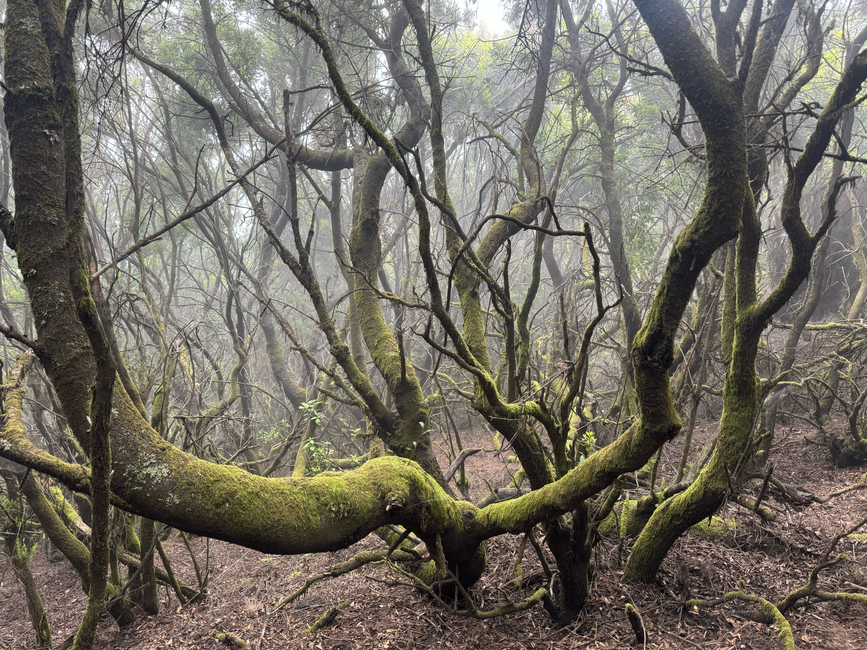
6. The Mysterious Crooked Grove
Krzywy Las (Crooked Forest), Gryfino, Poland
A mysterious grove of pine trees with bizarrely curved trunks, their origin still debated, standing near the town of Gryfino.
Just outside Gryfino, a peculiar grove of approximately 400 pine trees baffles visitors and scientists alike. Each tree features a dramatic, almost 90-degree bend at its base, curving sharply upwards. Theories for this unusual growth range from extreme snowfall and genetic mutation to human intervention, possibly to create curved timber for furniture or shipbuilding. The true cause remains an unsolved local enigma.
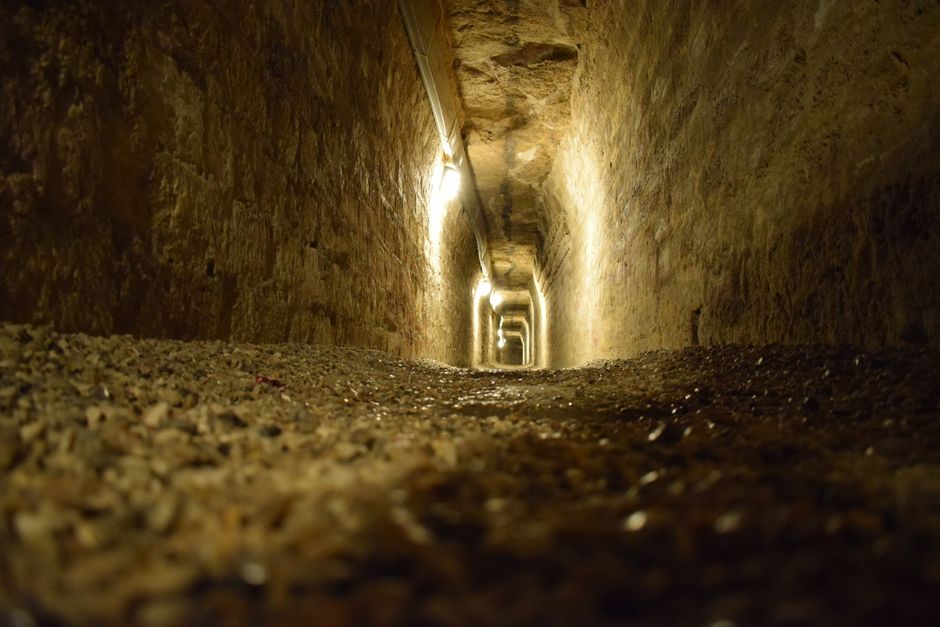
7. The Hidden Christian Necropolis
Catacombs of Milos, Milos, Greece
Explore one of the largest early Christian catacombs in Greece, a hidden underground burial site and place of worship dating back to the 1st century AD.
Beneath the idyllic island of Milos lies a sprawling network of underground tunnels, the Catacombs of Milos. These ancient burial chambers served as a secret necropolis and place of worship for early Christians, long before the rise of grand basilicas. Dating from the 1st to 5th centuries AD, the catacombs contain thousands of graves carved into the rock, offering a rare and intimate glimpse into the clandestine life of early Christian communities.
Frequently asked questions
How can I find truly unique places that aren't in standard guidebooks?
Deeper research often involves looking for local history blogs, university archaeological sites, or even asking residents for their favorite obscure spots. Sometimes, the most fascinating places are just off the main path, waiting to be discovered.
What's the best way to prepare for visiting a historical site like a preserved village?
Before visiting, research the site's history and significance. Understanding the context enriches the experience. Wear comfortable shoes, as many historical sites involve walking on uneven terrain, and be prepared for potential emotional impact, especially at memorial sites.
Are there any apps that help identify interesting landmarks around me?
Yes, many travel apps offer location-based services. Some focus on mainstream attractions, while others, like AllTours.ai, specialize in revealing the hidden stories of any landmark or landscape you encounter, offering deep historical and cultural context.
How does AllTours.ai enhance the travel experience at these unique locations?
AllTours.ai acts as your personal AI tour guide. Simply point your phone camera at any landscape, landmark, or even a local street, and the app instantly narrates its history, geology, and culture in your language. It provides context and stories for both famous and lesser-known spots, turning every view into a rich learning experience.
Related guides
Photography via Pexels. AllTours.ai is an AI audio tour guide — point your camera at any landscape and hear its story.