July 26, 2026 · 4 min read
In the world of finance, 'Forex indicators' are tools to decode complex market movements, revealing hidden trends and underlying values. But what if we applied this same curiosity to travel? Imagine developing your own set of 'indicators' to truly understand a place, moving beyond the obvious landmarks to discover the unseen currents of history, geology, and culture that shape it.
This isn't about following a pre-set map; it's about cultivating an eye for the unique signals the world sends. From a gas crater burning for decades to a Bronze Age city submerged beneath the waves, these lesser-known sites offer profound insights, acting as natural 'indicators' of deeper truths. They challenge our perceptions and reveal the intricate stories woven into the very fabric of our planet.
1. The Earth's Eternal Flame
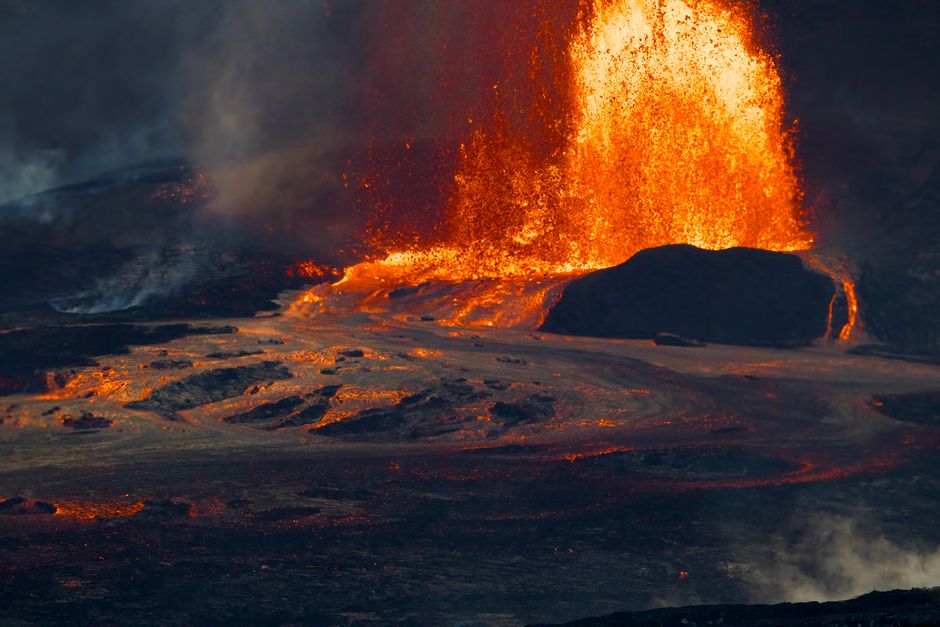
Darvaza Gas Crater, Turkmenistan
An accidental geological survey led to a fiery crater that has been burning continuously for over fifty years.
In 1971, Soviet geologists drilling for natural gas encountered a cavern that collapsed, creating a large crater. To prevent the spread of methane gas, they decided to burn it off, expecting it to last a few weeks. Decades later, the 'Door to Hell' still blazes, a stark, mesmerizing indicator of abundant underground gas reserves and human attempts to control natural forces, creating an infernal landscape.
2. A City Lost to the Sea
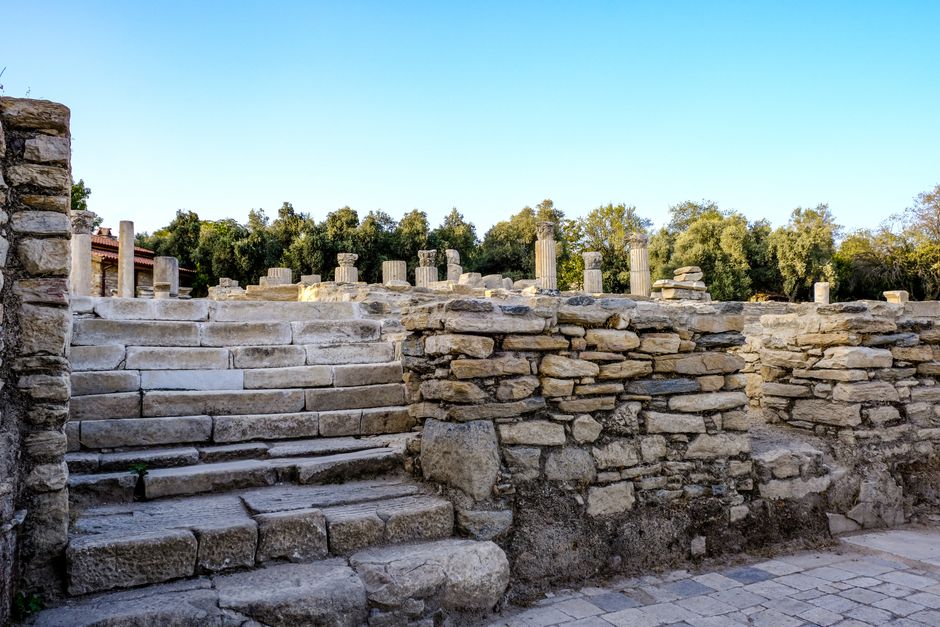
Pavlopetri, Greece
Beneath the shallow waters off the Peloponnese lies the world's oldest submerged city, a Bronze Age marvel older than many pyramids.
Discovered in 1967, Pavlopetri is a nearly complete prehistoric town, dating back over 5,000 years, with streets, buildings, courtyards, and even tombs still discernible on the seabed. This incredibly preserved site offers a unique 'indicator' of early urban planning and maritime trade during the Bronze Age, challenging our understanding of ancient civilizations and how quickly they can be claimed by the sea.
3. Italy's Abandoned Dream
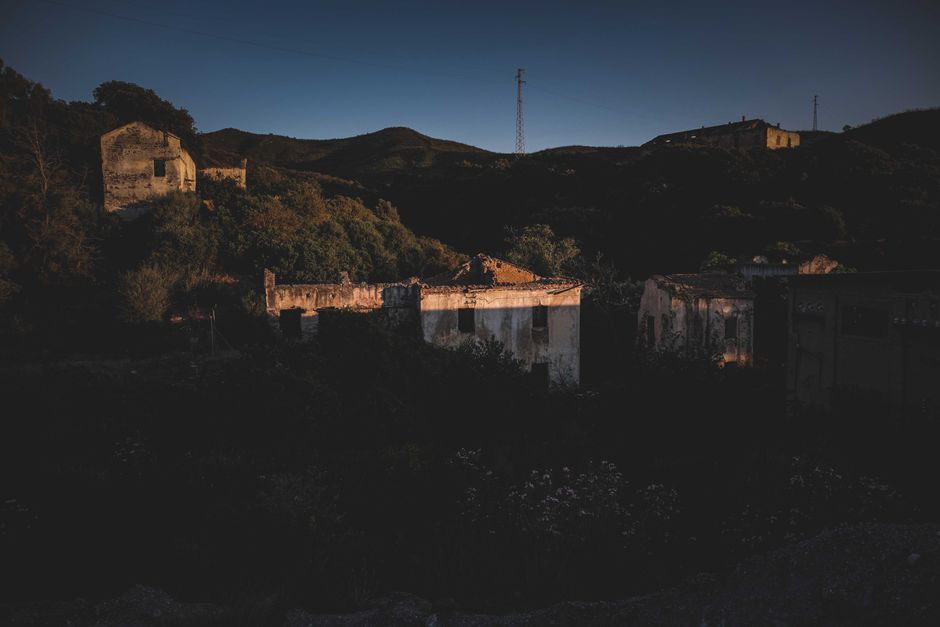
Consonno, Italy
Once envisioned as the 'Las Vegas of Brianza,' this opulent holiday resort stands eerily deserted, a monument to a dream gone wrong.
In the 1960s, entrepreneur Mario Bagno bought the entire medieval village of Consonno, demolished it, and rebuilt it as a lavish tourist complex with pagodas, a medieval castle, and a luxurious hotel. However, landslides repeatedly blocked the access road, eventually leading to its abandonment. Today, Consonno is a haunting 'indicator' of human ambition, hubris, and the unpredictable power of nature to reclaim even the grandest schemes.
4. The Blue Fire Mines
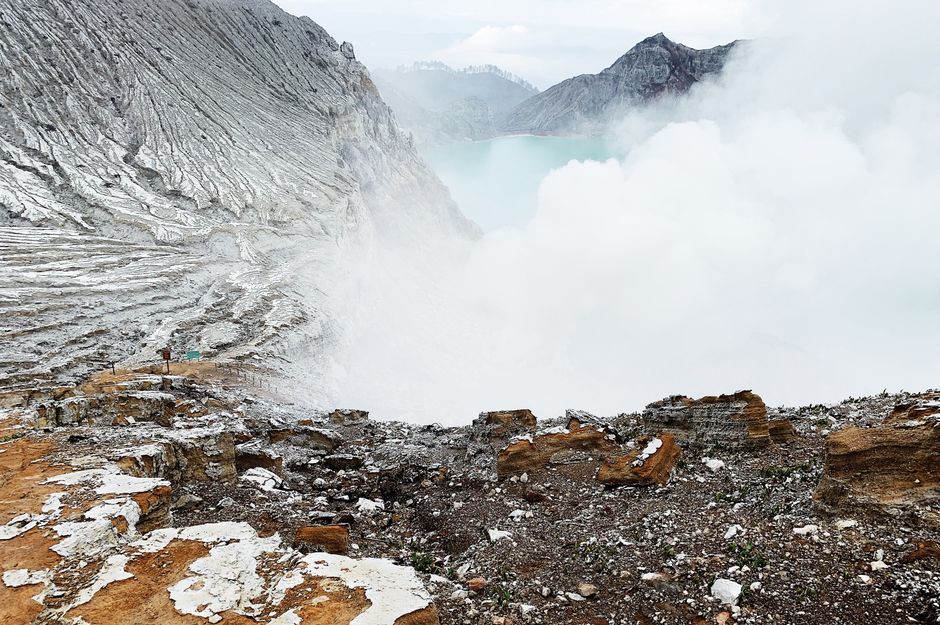
Kawah Ijen, Indonesia
Witness a rare natural phenomenon where sulfur gases ignite into electric blue flames, revealing a landscape of surreal beauty and harsh human labor.
Kawah Ijen is a stratovolcano known for its turquoise acidic lake and the unique 'blue fire' that glows at night. This isn't lava, but ignited sulfuric gases erupting from cracks, burning as they meet oxygen. Local miners endure hazardous conditions to extract sulfur, carrying heavy loads up the crater. It's a vivid 'indicator' of the Earth's raw geological power and the extreme environments where human resilience is tested daily.
5. Echoes of the Ice Age
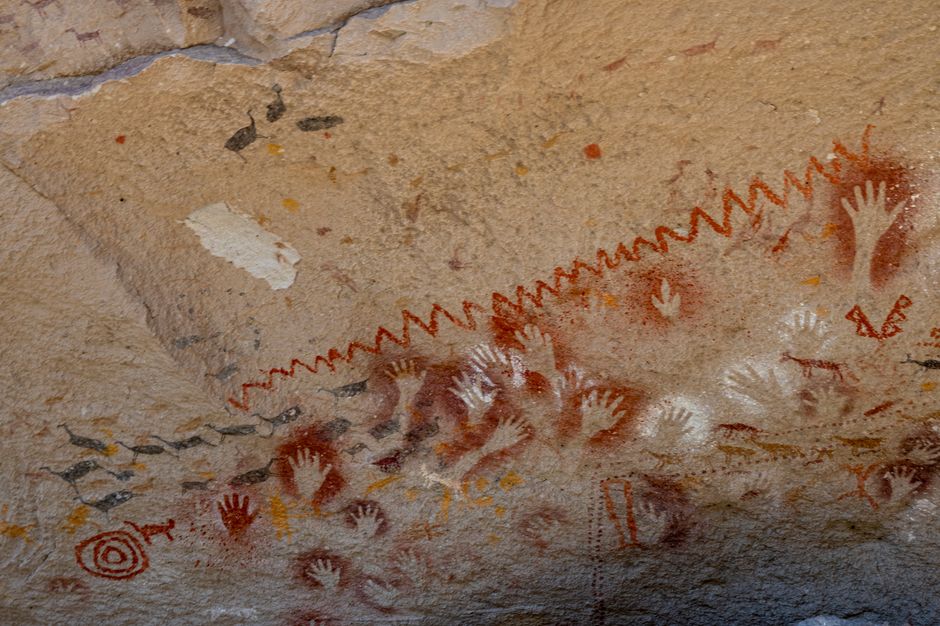
Grotte de Niaux, France
Journey deep into an untouched cave to encounter pristine Ice Age cave paintings, a rare, intimate connection to our ancient ancestors.
Unlike more famous, heavily managed sites, Grotte de Niaux offers an authentic, unlit exploration experience where visitors carry lamps, just as prehistoric artists did. The 'Salon Noir' features exquisite depictions of bison, horses, and ibex, preserved for millennia. This cave acts as a powerful 'indicator' of early human artistic expression, complex belief systems, and their profound connection to the animal world during the last Ice Age.
6. The Last Free Place
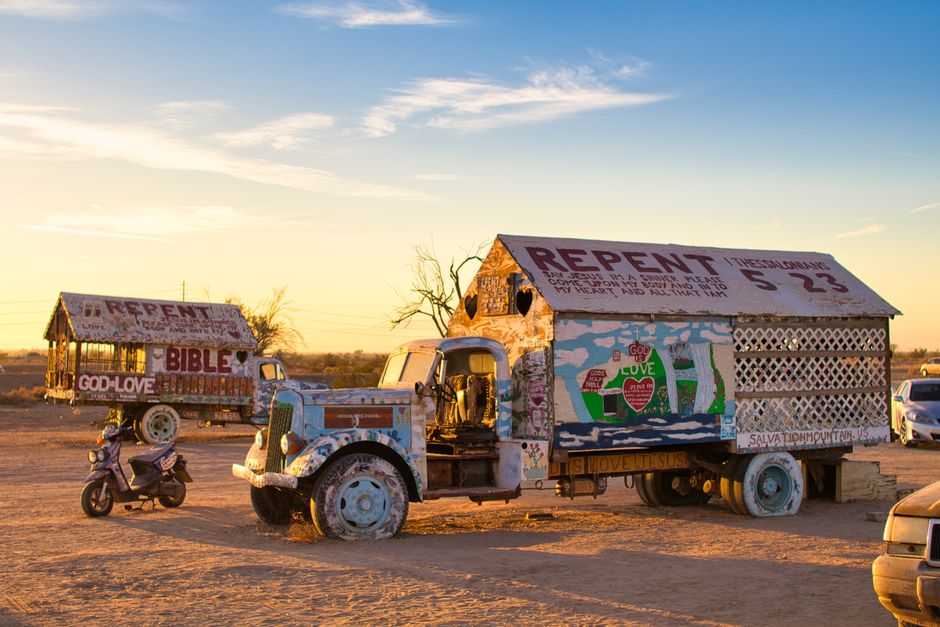
Slab City, California, USA
In the desolate Sonoran Desert, an off-grid community thrives on the remains of a WWII military base, living by its own rules.
Slab City is a squatters' paradise, a colorful, anarchic settlement with no running water, electricity, or government services. Its residents, a mix of snowbirds, artists, and those seeking an alternative lifestyle, have created a unique culture amidst the harsh environment. This unconventional 'city' serves as a profound 'indicator' of human ingenuity, resilience, and the search for freedom on the fringes of society, built on the foundations of a forgotten past.

7. Nature's Stone Sculptor
The Petrifying Well, Knaresborough, UK
A cascading waterfall with a peculiar power: anything left in its calcium-rich waters slowly turns to stone.
For centuries, people have been fascinated by Mother Shipton's Cave and the adjacent Petrifying Well, where teddy bears, hats, and even bicycles become rock-hard relics. This isn't magic, but a natural process where high mineral content in the water deposits onto objects, creating a stony coating. It stands as a curious 'indicator' of geological time at work, transforming the ephemeral into the seemingly eternal.
8. The Earth's Melody
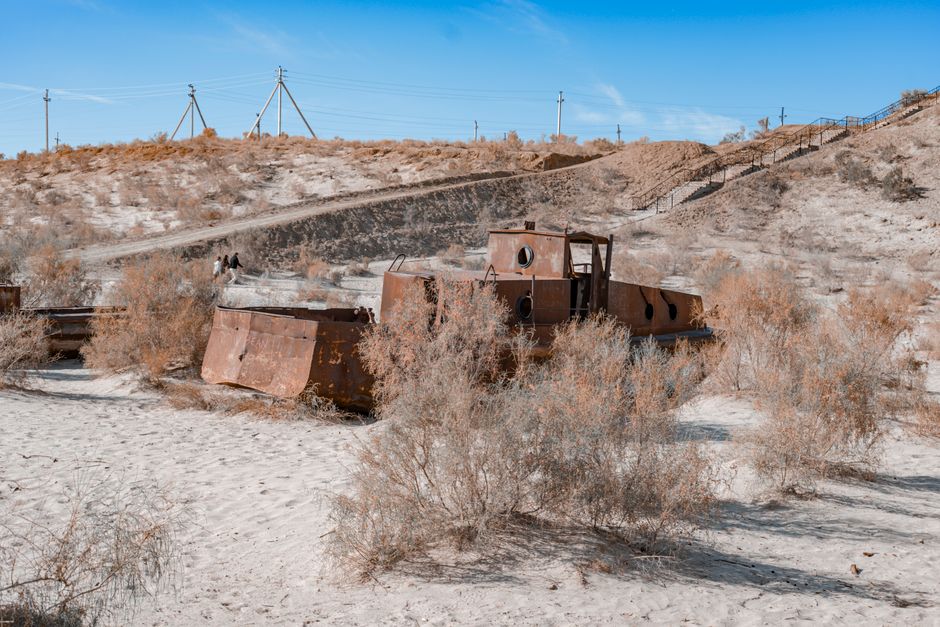
Singing Sands, Altyn-Emel National Park, Kazakhstan
Listen as giant sand dunes 'sing' or 'roar' like a pipe organ, a rare acoustic phenomenon in the vast Kazakh steppe.
Stretching for kilometers, these golden dunes emit a deep, resonating hum when the sand is dry and shifts, especially in windy conditions. The sound, resembling an organ or even a jet engine, is created by friction between sand grains of a specific size and shape. This natural 'indicator' offers a unique auditory experience, revealing the delicate interplay of geology, meteorology, and physics that can transform a barren landscape into a living instrument.
Frequently asked questions
What makes a place 'underrated' for travel?
An underrated place is often less crowded and commercialized than major tourist hubs, offering a more authentic and intimate experience. It typically boasts unique history, culture, or natural beauty that is significant but not widely publicized, allowing for genuine discovery.
How can I find these hidden travel 'indicators' myself?
Start by looking beyond the obvious. Research local legends, geological anomalies, or historical footnotes. Engage with locals, visit smaller museums, or simply observe the subtle details in architecture, natural formations, and daily life. Cultivating curiosity and a willingness to explore off the beaten path are key.
Are these lesser-known spots safe to visit?
Safety varies by location, as with any travel. It's crucial to research current local conditions, travel advisories, and specific access requirements for each site. Many remote or unique locations might require local guides or special permits to ensure a safe and responsible visit.
How can AllTours.ai help me discover these hidden stories?
AllTours.ai transforms your phone into an AI audio tour guide. Simply point your camera at any landscape or landmark, and the app instantly narrates its history, geology, and culture in your preferred language. It's like having a knowledgeable local expert whisper the hidden stories and unique 'indicators' of a place directly into your ear, helping you create your own authentic travel narrative.
Related guides
Photography via Pexels. AllTours.ai is an AI audio tour guide — point your camera at any landscape and hear its story.