July 16, 2026 · 5 min read
When we talk about 'healthy snacks,' our minds might go straight to a crunchy mix of vegetables. But what if we applied that same curiosity for layers and surprising textures to our travels? Imagine places that offer a 'crunch' of discovery, revealing deep, enriching layers of history, geology, and culture with every glance.
This guide moves beyond the well-trodden paths to uncover destinations that truly satisfy a hunger for knowledge and authentic experiences. These are not just pretty places; they are living testaments to the Earth's power and humanity's enduring spirit, offering profound insights and unexpected stories for the curious traveler.
1. The Ancient Cave City's Enduring Heart
Matera, Italy
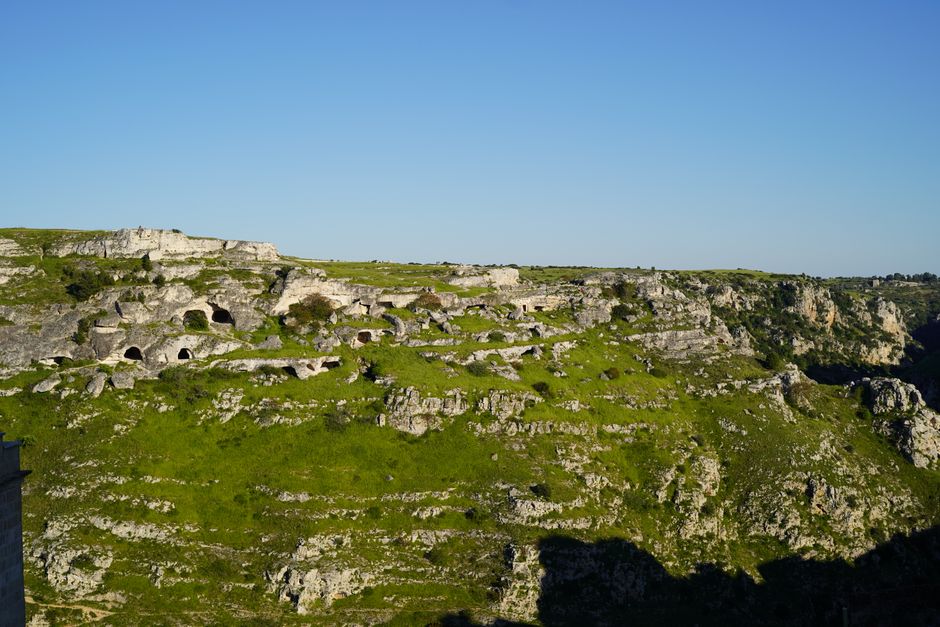
People lived in these ancient cave dwellings for thousands of years, some until the 20th century, creating one of the world's oldest continuously inhabited settlements.
Matera's Sassi districts are a labyrinth of ancient cave dwellings carved into the calcarenitic rock, inhabited since the Paleolithic era. These 'sassi' were home to generations, with churches, homes, and even entire neighborhoods excavated from the limestone. The shocking part is that many residents lived here in extreme poverty without modern amenities until the 1950s when they were forcibly relocated by the Italian government. Today, many caves have been renovated into unique hotels and restaurants, allowing visitors to experience its profound, layered history.
2. The Subterranean Metropolis
Derinkuyu Underground City, Turkey
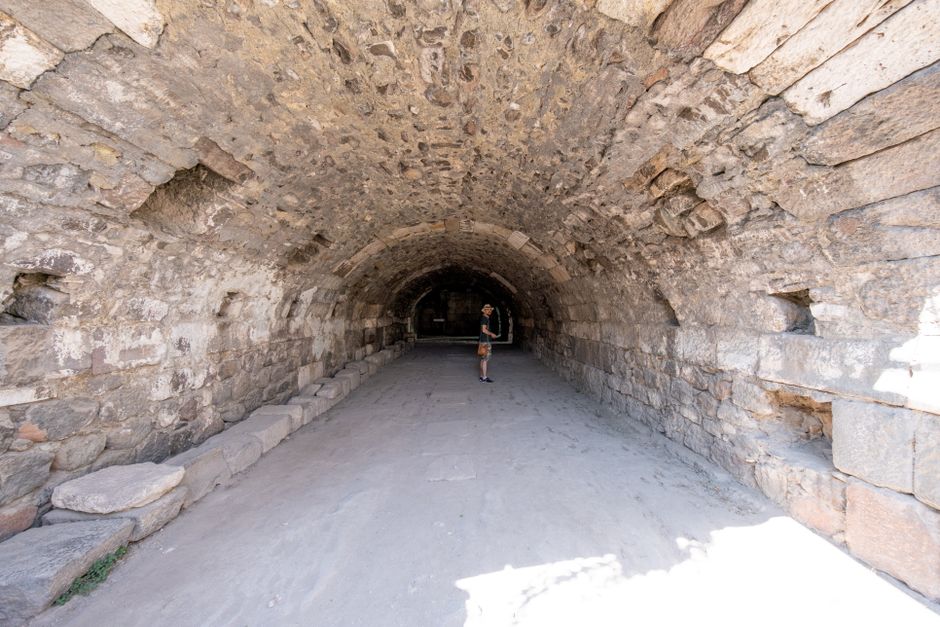
An entire ancient city built miles underground, complete with stables, schools, and churches, designed to house thousands during sieges.
Beneath the Cappadocian landscape lies Derinkuyu, one of the largest multi-level underground cities in the world. Carved into the soft volcanic rock, it plunges over 85 meters deep, with 18 levels that could house up to 20,000 people along with their livestock and food supplies. The city featured ventilation shafts, wells, schools, and even wineries, used by early Christians to hide from persecution. Its complex, self-sufficient design reveals an incredible ingenuity born of necessity and a deep, hidden history.
3. The Alien Island of Dragon Trees
Socotra Island, Yemen
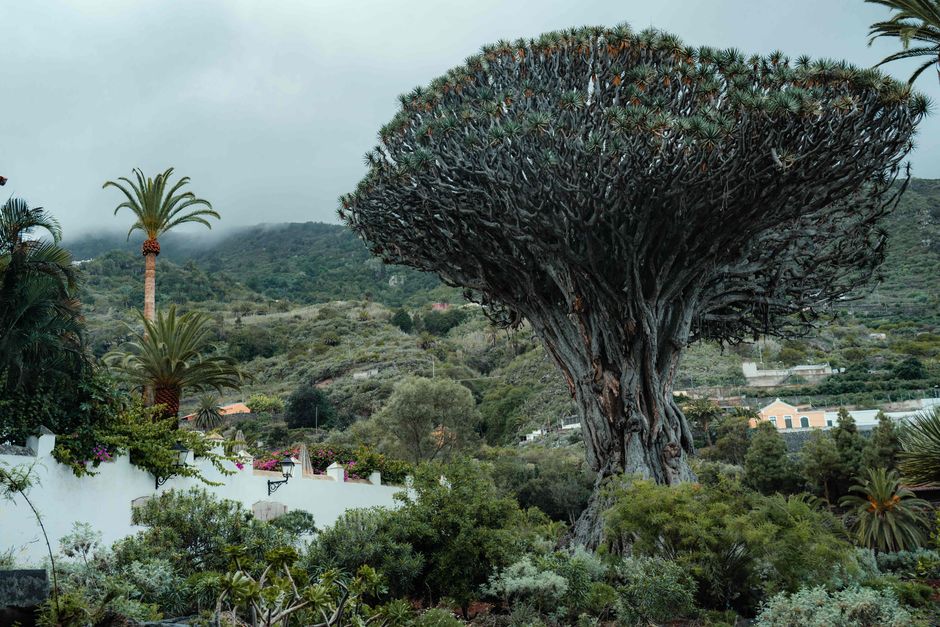
An island so isolated, 37% of its plant species and 90% of its reptile species are found nowhere else on Earth, earning it the nickname 'the most alien-looking place on Earth.'
Socotra Island, off the coast of Yemen, feels like another planet. Its unique geological history and extreme isolation have fostered an incredible array of endemic flora and fauna, most famously the Dragon's Blood Tree with its umbrella-like canopy and red sap. The island's landscapes feature bizarre succulent trees, pristine beaches, and towering sand dunes meeting turquoise waters. This unique ecosystem, a true natural wonder, offers a glimpse into evolution untouched by significant human intervention for millennia.
4. The Volcano's Blue Fire
Kawah Ijen, Indonesia
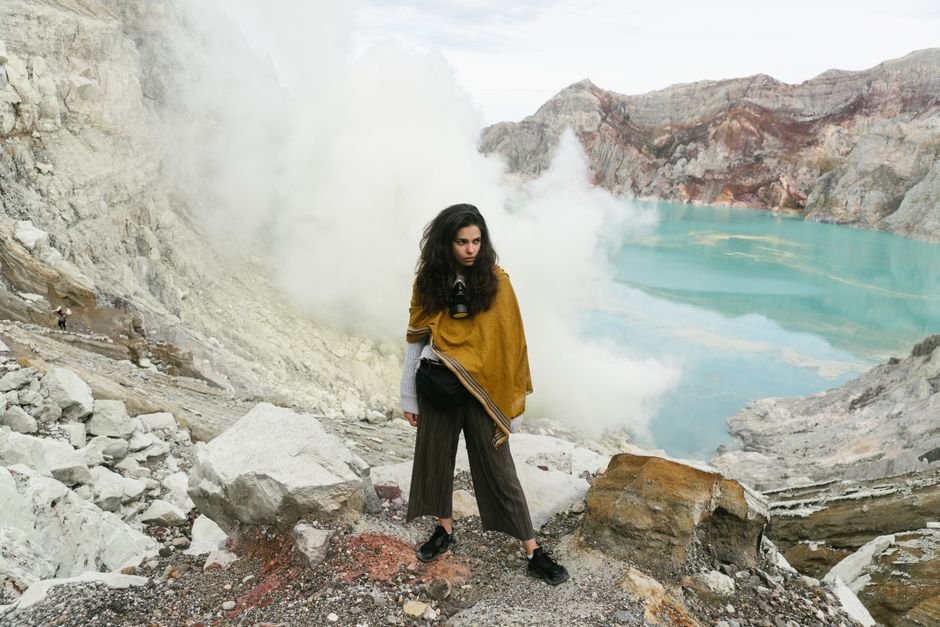
This volcanic crater lake is famous for its vibrant turquoise acidic water and the rare phenomenon of electric-blue flames burning at night, caused by sulfuric gas combustion.
Kawah Ijen is a stratovolcano in East Java, Indonesia, known for its incredible active crater lake. The lake's surreal turquoise color comes from its high sulfuric acid content, making it one of the most acidic lakes on Earth. At night, escaping sulfuric gases ignite, burning with an ethereal electric-blue flame—a sight found almost nowhere else. Local miners brave toxic fumes daily, carrying heavy loads of pure sulfur up and down the treacherous crater walls, offering a stark look at an ancient, dangerous industry tied directly to the Earth's raw power.
5. The Invisible Fortress Town
Monemvasia, Greece
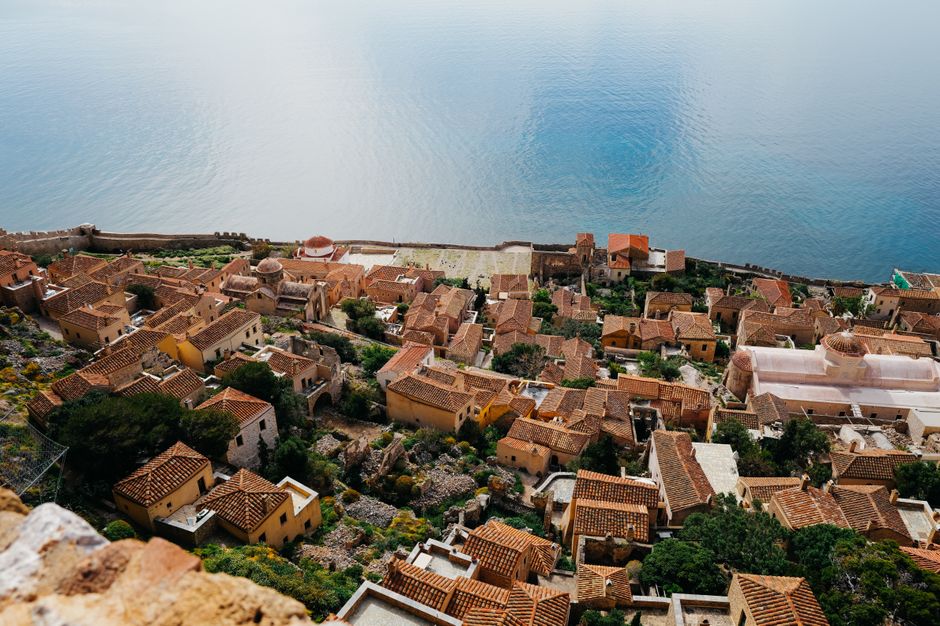
A Byzantine fortress town built entirely on the backside of a giant rock island, invisible from the mainland, once a major maritime power.
Monemvasia, often called 'The Gibraltar of the East,' is a breathtaking medieval fortress town located on a small island off the coast of the Peloponnese. Its unique charm lies in its complete invisibility from the mainland—it's built on the sheltered eastern side of a massive rock, accessible only by a single causeway. This strategic design protected it from invaders, allowing its Byzantine and Venetian architecture to flourish. Walking its cobbled streets feels like stepping back in time, revealing layers of history from ancient times to its resurgence as a vibrant, hidden gem.
6. The Preserver of a Nation's Soul
Rila Monastery, Bulgaria
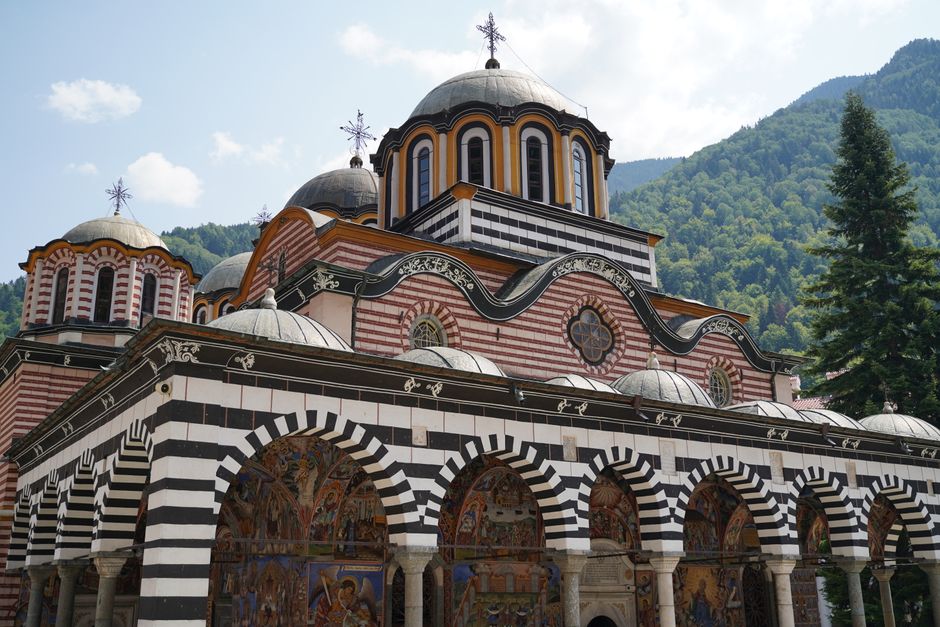
This stunning Eastern Orthodox monastery, a UNESCO World Heritage site, served as a spiritual haven and preserver of Bulgarian culture during centuries of Ottoman rule.
Tucked deep in the Rila Mountains of Bulgaria, Rila Monastery is an architectural masterpiece and a profound symbol of Bulgarian national identity. Founded in the 10th century, its vibrant frescoes and intricate woodwork tell biblical stories and scenes of Bulgarian history. During the Ottoman occupation, when Bulgarian culture and language were suppressed, the monastery became a clandestine sanctuary, a place where monks secretly preserved literature, art, and traditions. Its robust walls and isolated location allowed it to maintain a vital spark of Bulgarian heritage, making it a powerful testament to resilience.
7. Cotton Castles and Ancient Cures
Pamukkale Hierapolis, Turkey
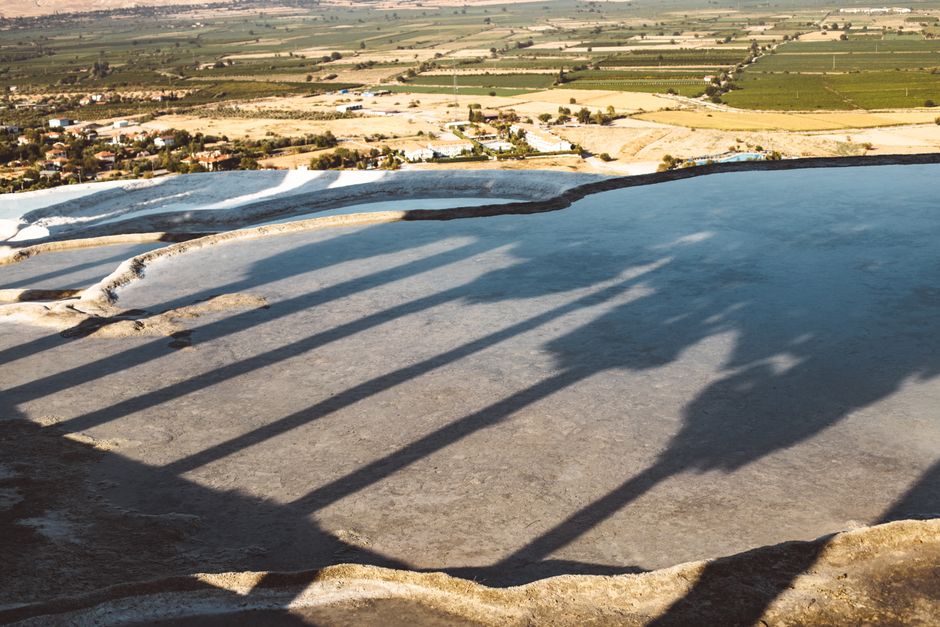
Natural hot springs created brilliant white travertine terraces, next to the ancient Greco-Roman city of Hierapolis, where people have sought healing for millennia.
Pamukkale, meaning 'cotton castle' in Turkish, is a natural wonder where mineral-rich thermal waters cascade down white travertine terraces, creating surreal, shimmering pools. Adjacent to this natural spectacle lies the ancient city of Hierapolis, a UNESCO site that grew around these very springs. For centuries, people came here seeking cures, leading to the construction of a grand necropolis, baths, and a theatre. This site offers a unique blend of geological marvel and layered human history, where the Earth's natural processes meet the enduring human quest for health and spiritual solace.
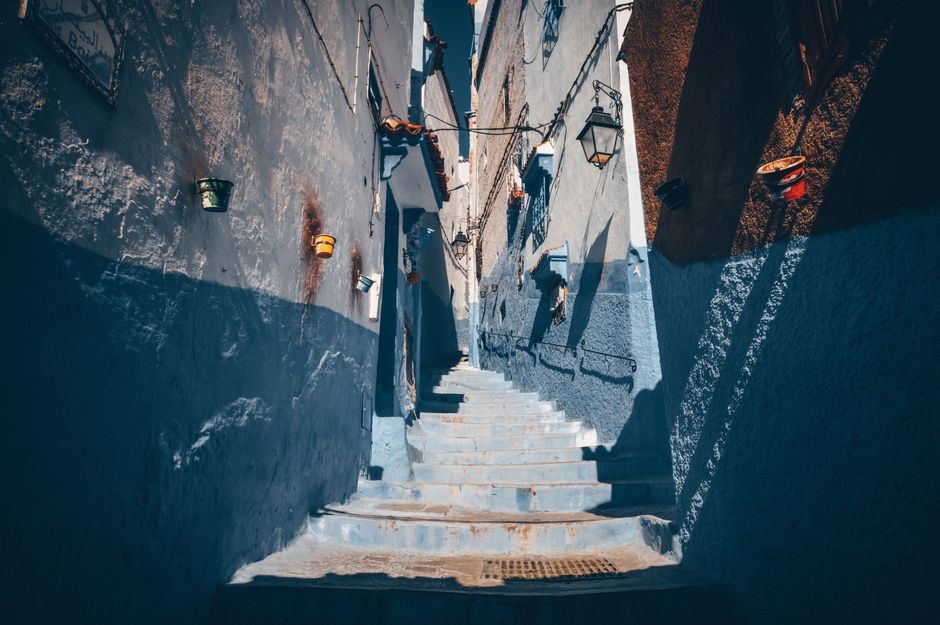
8. The Blue Mountain City's Sacred Hues
Chefchaouen, Morocco
This entire mountain town is painted in varying shades of blue, a tradition that began with Jewish refugees in the 15th century, symbolizing heaven and divinity.
Tucked away in Morocco's Rif Mountains, Chefchaouen is famously known as the 'Blue City.' Its medina is a captivating labyrinth of streets, walls, and doorways all awash in an astonishing spectrum of blue hues. This distinctive tradition is believed to have been started by Jewish refugees who settled here in the 15th century, using the color to represent the sky and heaven. The practice continued and evolved, creating a uniquely tranquil and photogenic atmosphere that reveals deep cultural layers and historical migrations, contrasting sharply with the arid mountain landscape.
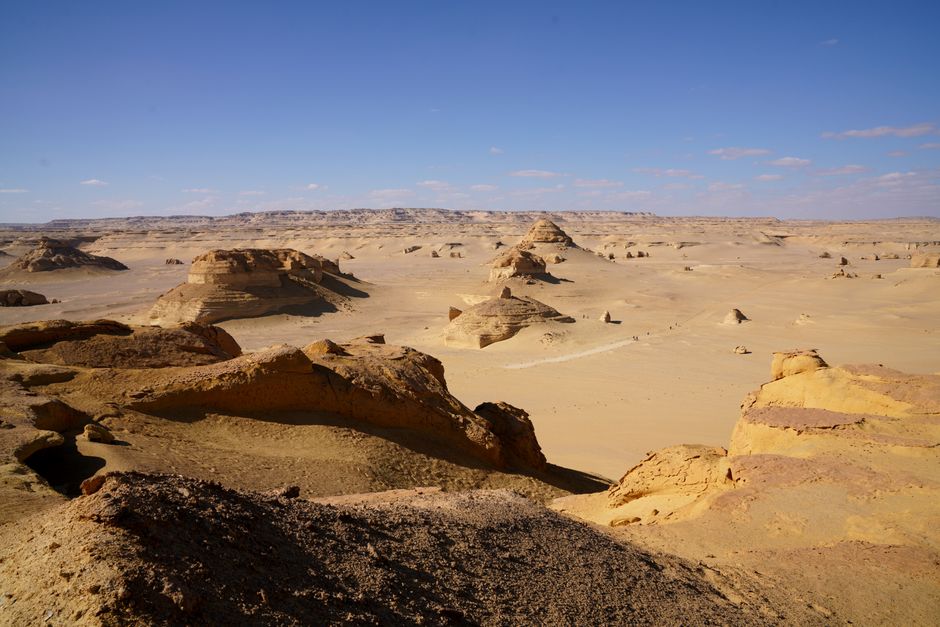
9. The Desert of White Sculptures
Farafra Oasis & White Desert, Egypt
A vast desert landscape where chalk rock formations, sculpted by wind and sand, resemble giant mushrooms, icebergs, and otherworldly sculptures.
The White Desert, part of Egypt's Farafra Oasis depression, is a truly surreal geological wonder. Over millennia, wind and sand have eroded vast chalk formations into bizarre and beautiful shapes, resembling everything from giant mushrooms and icebergs to abstract art installations. These gleaming white structures, set against the golden desert, offer a stark, layered contrast to the surrounding environment. Camping under the stars here, amidst these natural sculptures, provides an unforgettable experience of Earth's slow, powerful artistic processes and a glimpse into ancient desert routes.
Frequently asked questions
Why are these places called 'layered crunches'?
It's a metaphor for discovering the distinct, surprising depths of history, geology, and culture in a location. Like a healthy snack, these experiences are enriching and satisfying, offering a 'crunch' of new information and perspective with each layer you uncover.
Are these locations difficult to access for the average traveler?
While some are off the main tourist routes, many are accessible with proper planning. Researching local transport, guided tours, and accommodation in advance is recommended. Their lesser-known status often means a more authentic and less crowded experience, making the journey part of the discovery.
What makes a travel destination 'healthy' for the mind?
Healthy travel engages your curiosity, challenges your perspective, and connects you with diverse cultures and natural wonders. It's about learning, growing, and experiencing the world beyond superficial attractions, fostering a deeper appreciation for our planet and its history.
How does AllTours.ai help explore these layered destinations?
AllTours.ai is an AI audio tour guide that lets you discover the hidden stories of any place. Simply point your phone camera at a landmark or landscape, and the app narrates its history, geology, and culture in your language, making every layer of your journey come alive.
Related guides
Photography via Pexels. AllTours.ai is an AI audio tour guide — point your camera at any landscape and hear its story.