August 3, 2026 · 4 min read
Washington State is famous for its iconic landmarks: the urban buzz of Seattle, the majestic glaciers of Mount Rainier, and the lush rainforests of Olympic National Park. These destinations draw millions, and for good reason—they are truly spectacular.
But what if you're looking to peel back another layer, to discover the lesser-known wonders and stories that truly define the Evergreen State? Beyond the well-trodden paths lies a Washington rich in geological marvels, quirky history, and secluded natural beauty. Prepare to explore some of the state's most underrated, yet utterly captivating, places.
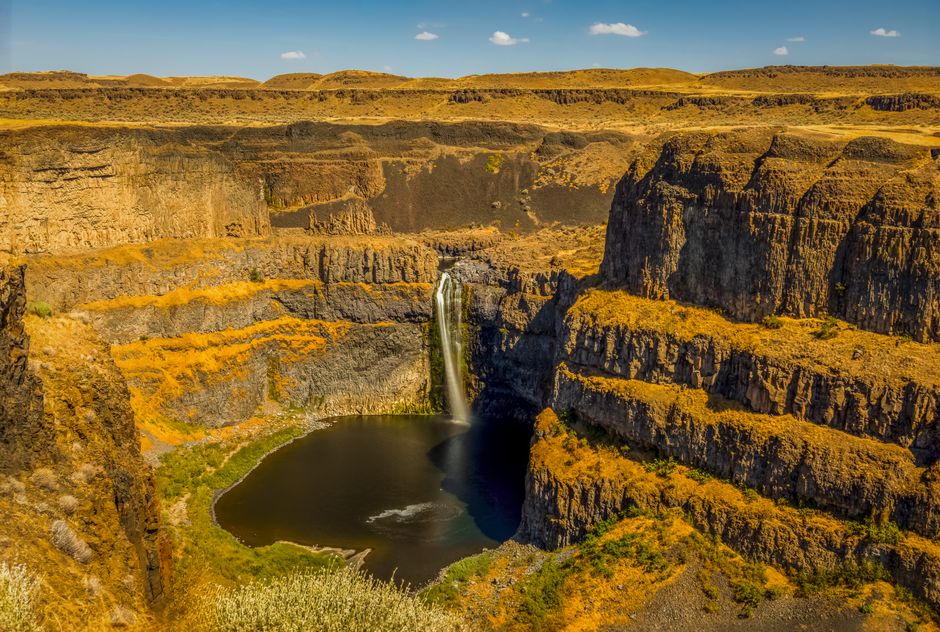
1. The Grand Canyon's Ancestor
Coulee City, Washington State, USA
Imagine a waterfall ten times wider than Niagara Falls, now completely dry.
During the last Ice Age, cataclysmic Missoula Floods carved this massive, now-dry cataract. What remains is a 3.5-mile-wide, 400-foot-deep cliff face, an astonishing geological scar on the landscape. This immense feature once carried water at an unimaginable volume, shaping the Channeled Scablands of Eastern Washington into a stark, beautiful testament to ancient forces.
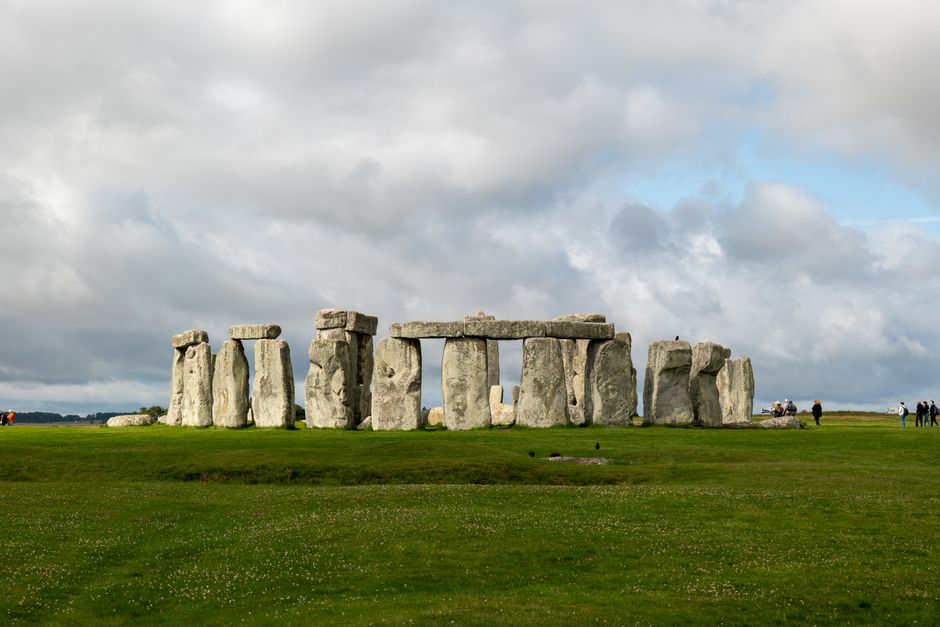
2. England's Ancient Stones, Reborn in Concrete
Goldendale, Washington State, USA
A full-scale, astronomically aligned replica of England's Stonehenge stands eerily silent on a Washington bluff.
Sam Hill, a Quaker pacifist and entrepreneur, commissioned this concrete replica as America's first World War I memorial. Dedicated in 1918 to the servicemen from Klickitat County who died in the war, it was completed in 1929. The site overlooks the Columbia River Gorge and aligns with sunrise on the summer solstice, a poignant and unexpected tribute to sacrifice in an unexpected landscape.
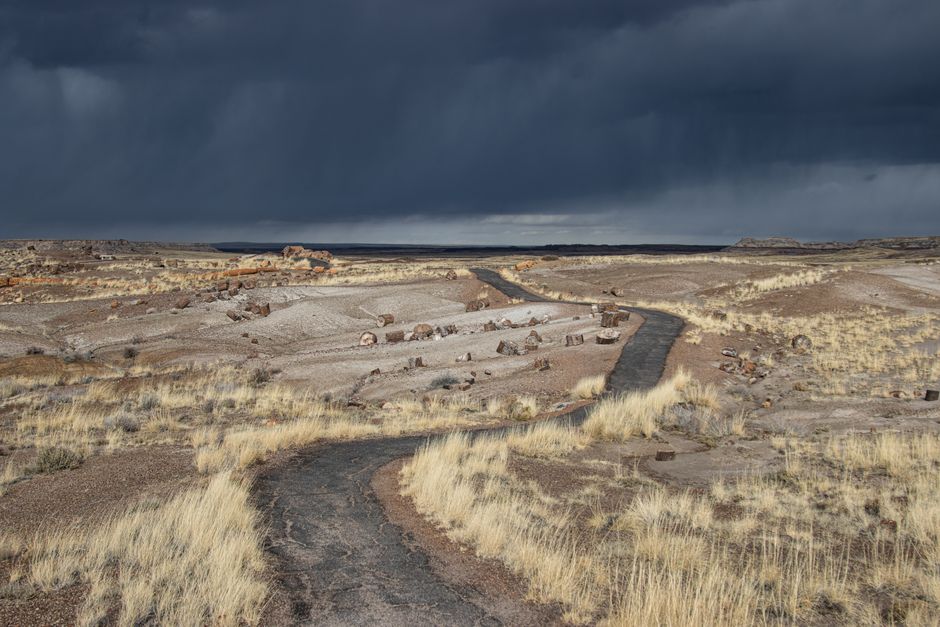
3. A Desert's Ancient Rainforest Secret
Vantage, Washington State, USA
A desert landscape hides the fossilized remains of a subtropical forest from 15 million years ago.
This unusual state park preserves one of the most diverse petrified forests in North America, featuring dozens of tree species including the rare Ginkgo. Volcanic eruptions buried these ancient trees, and silica-rich groundwater gradually replaced the organic material with stone. Today, interpretive trails reveal these fossilized giants, offering a tangible link to a time when Washington's climate was dramatically different.
4. The Cape That Misled Explorers
Ilwaco, Washington State, USA
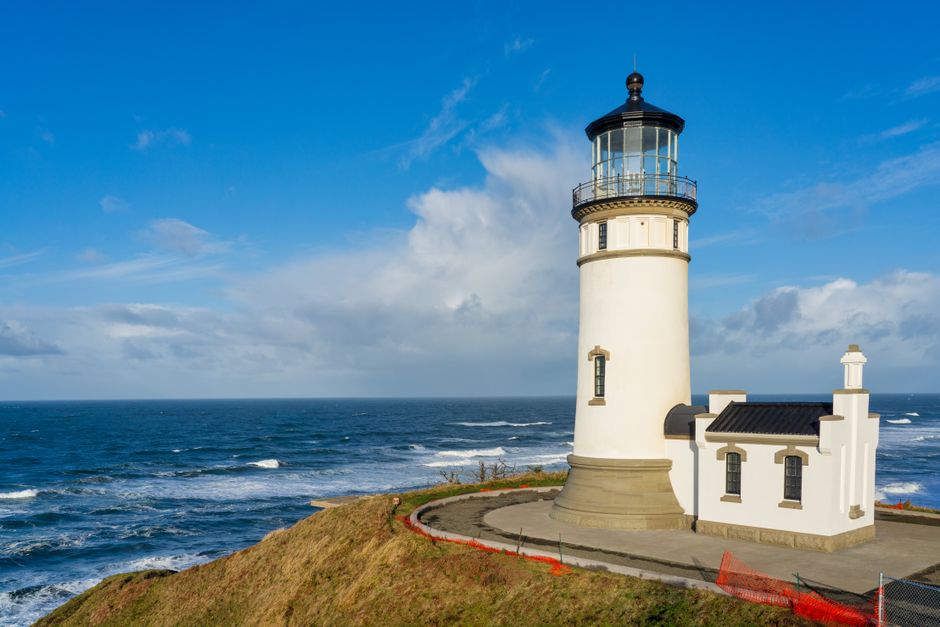
This dramatic coastal cape got its name because an explorer *missed* the mouth of the Columbia River, a major geographical feature.
In 1788, British fur trader John Meares sailed past the mouth of the Columbia River, dismissing it as merely a bay, and named the headland "Cape Disappointment." Just four years later, American Captain Robert Gray successfully navigated into the river. Today, the park offers windswept beaches, old-growth forests, and two historic lighthouses guarding the entrance to the mighty Columbia, a place now far from disappointing.
5. The Roadless Gateway to the North Cascades
Chelan, Washington State, USA
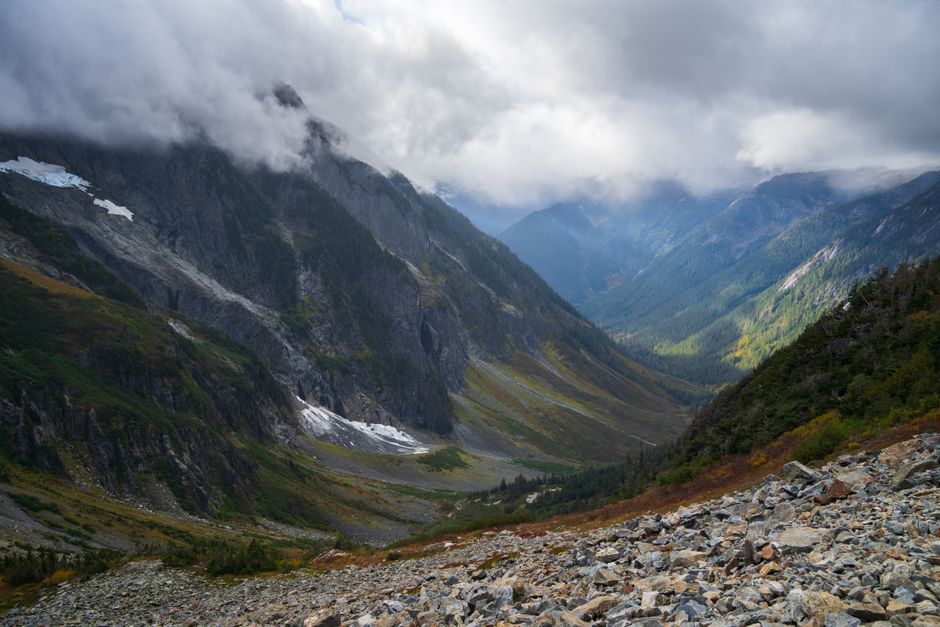
This isolated valley, deep within the North Cascades, is accessible only by ferry, float plane, or by hiking in.
Stehekin, meaning "the way through" in Salish, serves as the northern gateway to Lake Chelan and the North Cascades National Park. With no roads connecting it to the outside world, life here moves at a slower pace. Visitors arrive via the Lady of the Lake ferry, where they can explore glaciers, waterfalls, and pristine wilderness, experiencing a truly disconnected escape.
6. A Victorian Fort Turned Arts Colony
Port Townsend, Washington State, USA
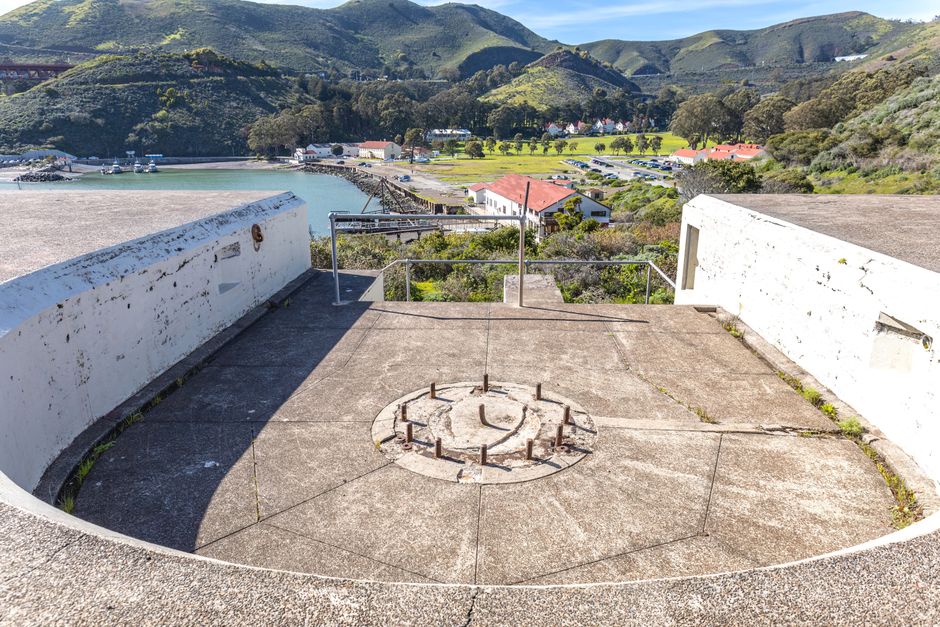
Once a formidable coastal defense fort, this historic site is now a vibrant center for arts, education, and recreation.
Built between 1898 and 1902, Fort Worden was part of the "Triangle of Fire," designed to protect Puget Sound from naval invasion. Its massive concrete batteries and parade grounds once housed thousands of soldiers. After its military decommissioning, the park transformed into a unique public space, hosting festivals, workshops, and offering breathtaking views of the Strait of Juan de Fuca and the Olympic Mountains.
7. The Volcanic Core That Guided Lewis & Clark
Skamania, Washington State, USA
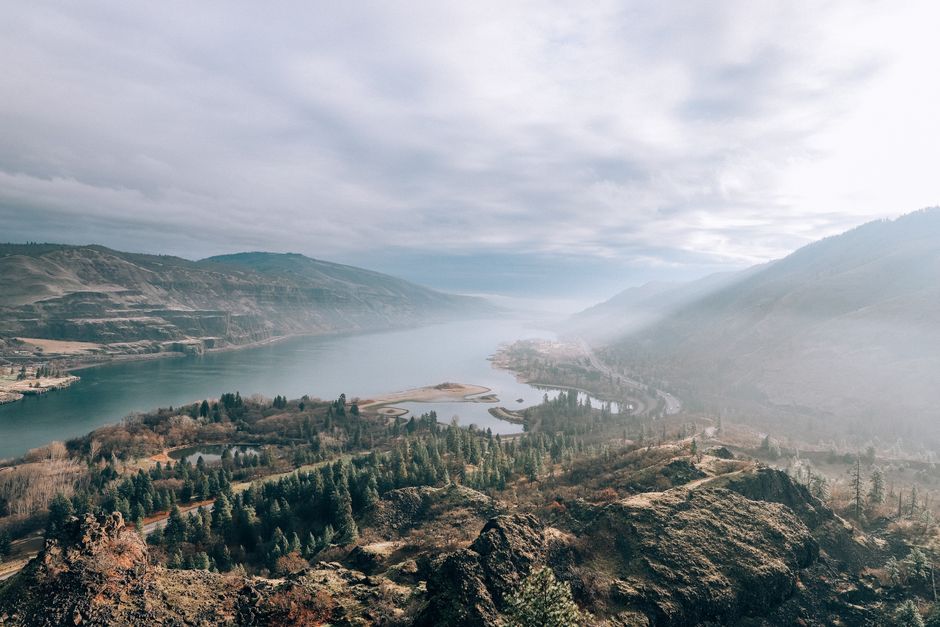
A massive, nearly 850-foot tall volcanic plug, described by Lewis and Clark, rises dramatically from the Columbia River.
Beacon Rock is the core of an ancient volcano, exposed by the erosive power of the Missoula Floods. In 1805, Lewis and Clark noted it as "Beaten Rock" and used it as a landmark. Today, a switchback trail, built by Henry Biddle in the early 20th century, allows visitors to climb to its summit for panoramic views of the Columbia River Gorge. It's a striking geological feature and a testament to human ingenuity.
Frequently asked questions
What is the best time of year to visit Washington State's lesser-known spots?
For most outdoor activities and to avoid crowds, late spring (May-June) and early fall (September-October) offer pleasant weather and vibrant scenery. Eastern Washington can get very hot in summer, while coastal areas are mild year-round but prone to rain.
Are these locations suitable for families with children?
Many of these locations, like Cape Disappointment and Fort Worden, offer diverse activities suitable for families, from beachcombing to exploring historical structures. Dry Falls and Ginkgo Petrified Forest are educational outdoor sites. Always check specific park advisories for trail difficulty or age recommendations.
Do I need a special pass to visit Washington State Parks?
Yes, most Washington State Parks require a Discover Pass for vehicle access. This pass can be purchased annually or as a day-use pass. Some federal lands may require different passes, so it's always good to check the specific requirements for your destination beforehand.
How can AllTours.ai enhance my visit to these unique places?
AllTours.ai brings these locations to life by providing immersive audio tours. Simply point your phone camera at a landmark or landscape, and the app will narrate its history, geology, and cultural significance in your language, offering a deeper understanding of the hidden stories behind each site.
Related guides
Self-guided audio tours
Walk these places stop by stop — free five-stop story tours you can take at your own pace:
Photography via Pexels. AllTours.ai is an AI audio tour guide — point your camera at any landscape and hear its story.