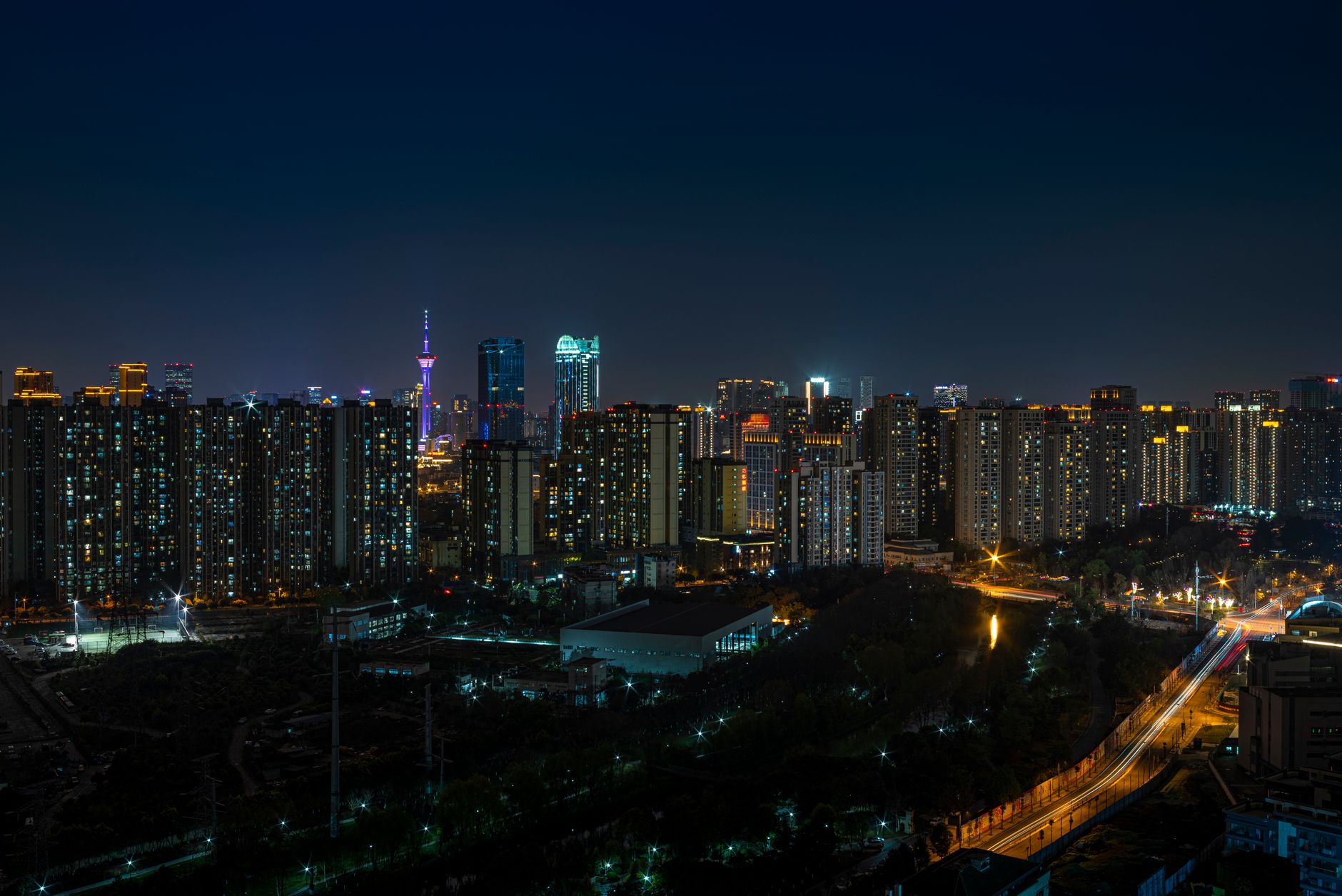
August 28, 2026 · 4 min read
When travelers envision China's great cities, names like Beijing and Shanghai often come to mind first. These metropolises undoubtedly offer a dynamic experience, but what if you're seeking a different kind of urban adventure? One that echoes the vibrant melting pot of New York City or the sprawling, diverse landscapes of Los Angeles, yet with a distinctly Chinese soul?
China is home to dozens of mega-cities, many of which remain under the radar for international visitors. These lesser-known hubs pulse with incredible energy, boast unique architectural blends, and hold fascinating stories etched into their streets. From cities carved into mountainsides to coastal havens with European legacies, prepare to discover urban gems that defy expectations and offer a truly unique perspective on modern China.
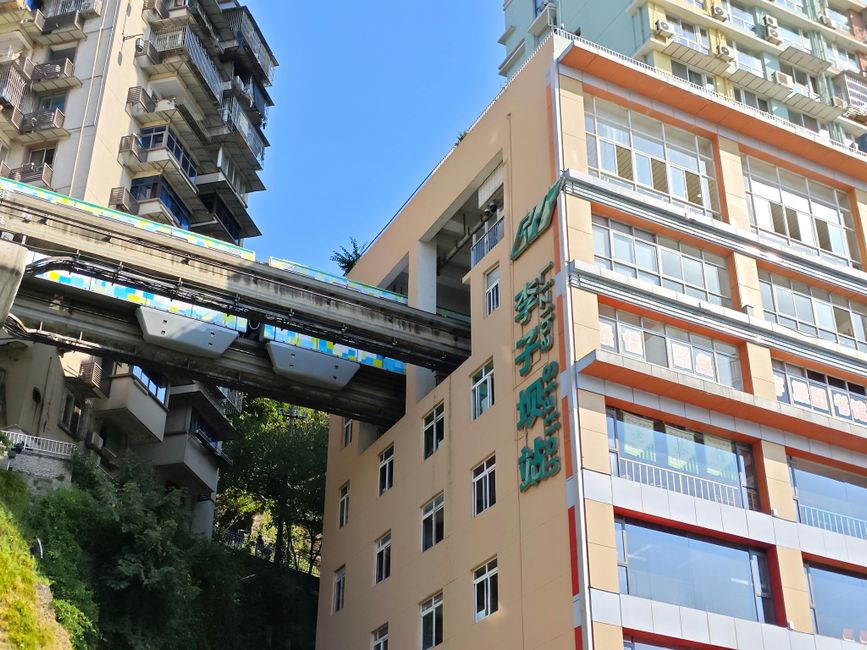
1. The Vertical Metropolis
Chongqing, China
This city is so vertically dense that its monorail literally passes through residential buildings, and some streets are built on rooftops.
Chongqing, often called the "Mountain City," is a sprawling municipality built into steep hills and along the Yangtze River. Its unique topography has led to an urban fabric unlike any other, where skyscrapers cling to cliffs and multi-level pedestrian bridges connect different city sections. The Liziba light rail station, famously integrated into an apartment block, exemplifies its innovative approach to overcoming challenging terrain, making for a truly surreal urban experience.
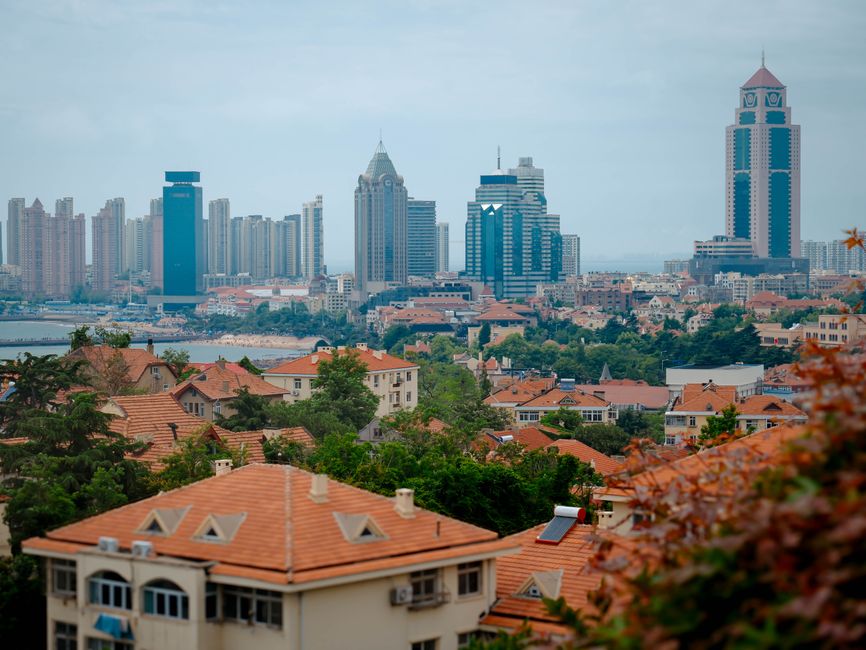
2. German Coastline Charm
Qingdao, China
This major coastal city was once a German concession, leaving behind a legacy of Bavarian architecture, a famous brewery, and European-style villas.
Nestled on the Yellow Sea coast, Qingdao presents a surprising blend of East and West. Its red-tiled roofs and historic German buildings, like the Governor's House and the Protestant Church, stand in stark contrast to modern Chinese high-rises. This architectural legacy is perhaps best celebrated through Tsingtao Beer, founded by German settlers, which remains a global icon and a deep part of the city's identity. The city offers a unique coastal ambiance, reminiscent of European seaside towns but with a distinct Chinese flavor.
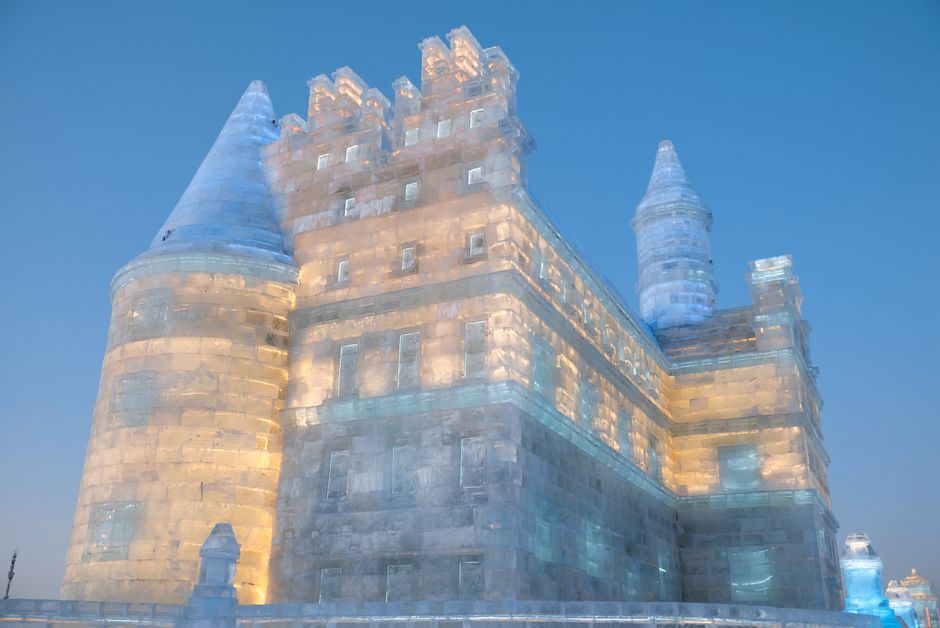
3. The Ice City's Russian Soul
Harbin, China
Known for its spectacular winter ice festival, Harbin's St. Sophia Cathedral and Russian-style streets reveal its deep history as a Siberian outpost and refuge.
Harbin, in China's far northeast, feels distinctly European, a testament to its past as a key railway hub and a haven for Russian exiles and White Russians during the early 20th century. The onion-domed St. Sophia Cathedral, now an architectural art museum, dominates its central square, while Zhongyang Street, a pedestrian thoroughfare, is lined with magnificent Art Nouveau and Baroque buildings. Beyond the famous winter ice sculptures, the city offers a fascinating glimpse into a unique cultural fusion, where Chinese vibrancy meets Russian grandeur.
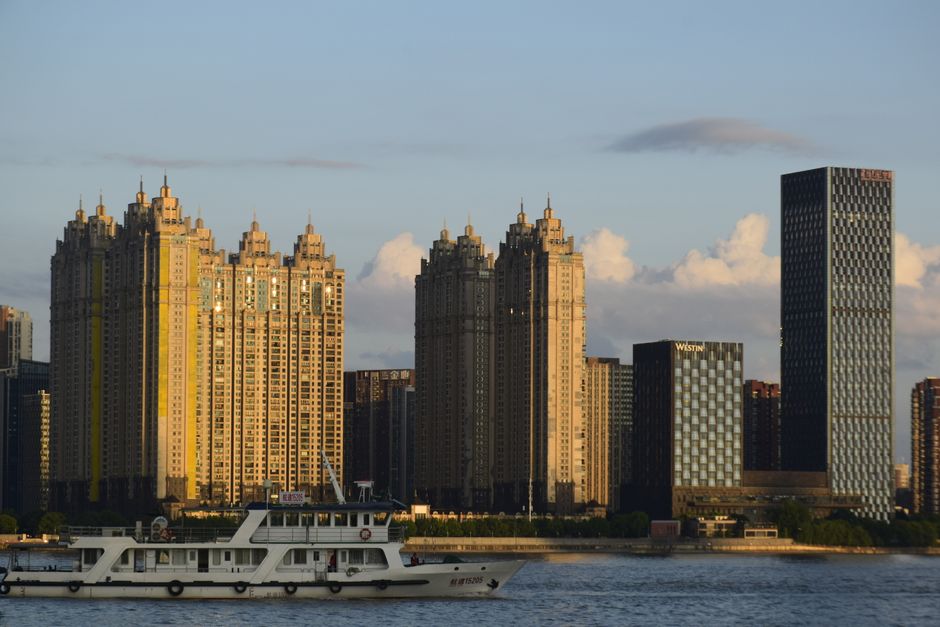
4. Crossroads of Rivers and Culture
Wuhan, China
Positioned at the confluence of the Yangtze and Han rivers, Wuhan is a historic "furnace city" that once served as China's interim capital and a strategic military hub.
Often referred to as the "Chicago of China" due to its central location and industrial might, Wuhan is a vast metropolis with a rich, complex history. The iconic Yellow Crane Tower, rebuilt multiple times, offers panoramic views of the city and river, embodying centuries of poetic and strategic significance. Beyond its historical landmarks, Wuhan boasts a vibrant street food scene, numerous universities, and a sprawling urban landscape interwoven with lakes and green spaces, reflecting its dual identity as both an ancient cultural center and a modern economic powerhouse.
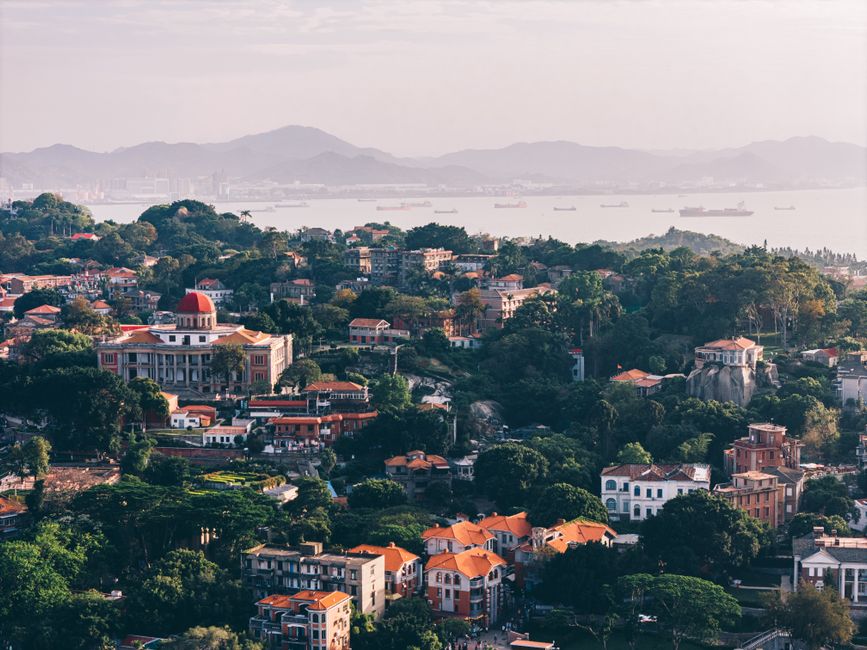
5. Island City's Colonial Echoes
Xiamen, China
This subtropical coastal city boasts a unique island district, Gulangyu, where private cars are banned, and historic colonial mansions stand as a UNESCO World Heritage site.
Xiamen, a picturesque city in Fujian province, offers a refreshing coastal escape. Its most famous feature, Gulangyu Island, is a car-free haven brimming with late 19th and early 20th-century architecture, reflecting its past as an international settlement. Here, European, Japanese, and traditional Fujianese styles converge into a unique "World Architectural Expo." The city itself is a modern port with lush parks, vibrant markets, and a relaxed pace that belies its economic significance, making it feel like a tranquil yet sophisticated coastal retreat.
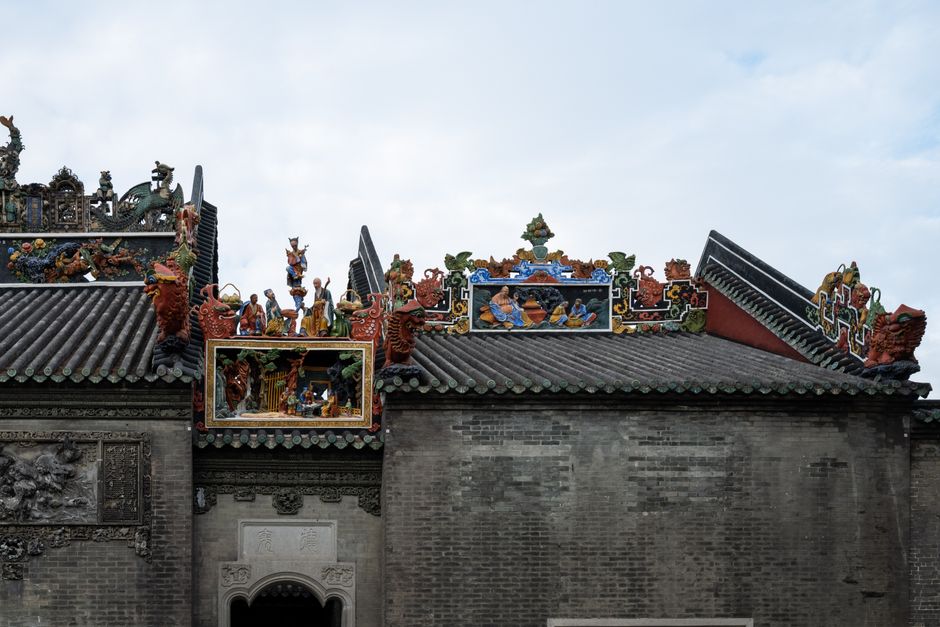
6. Martial Arts and Ceramic Heritage
Foshan, China
While often overshadowed by neighboring Guangzhou, Foshan is the ancestral home of Wing Chun kung fu and a global center for traditional ceramic arts.
Foshan, a major city in Guangdong province, carries a profound cultural legacy often missed by travelers focusing on its larger neighbor. It's the birthplace of martial arts legends like Wong Fei-hung and Ip Man, whose legacies are celebrated at the Ancestral Temple. Beyond its fighting spirit, Foshan is renowned for its centuries-old ceramic industry, visible in its vast pottery markets and the Nanfeng Ancient Kiln, which has been in continuous operation for over 500 years. The city blends industrial prowess with deep cultural roots, offering a glimpse into a different facet of southern Chinese identity.
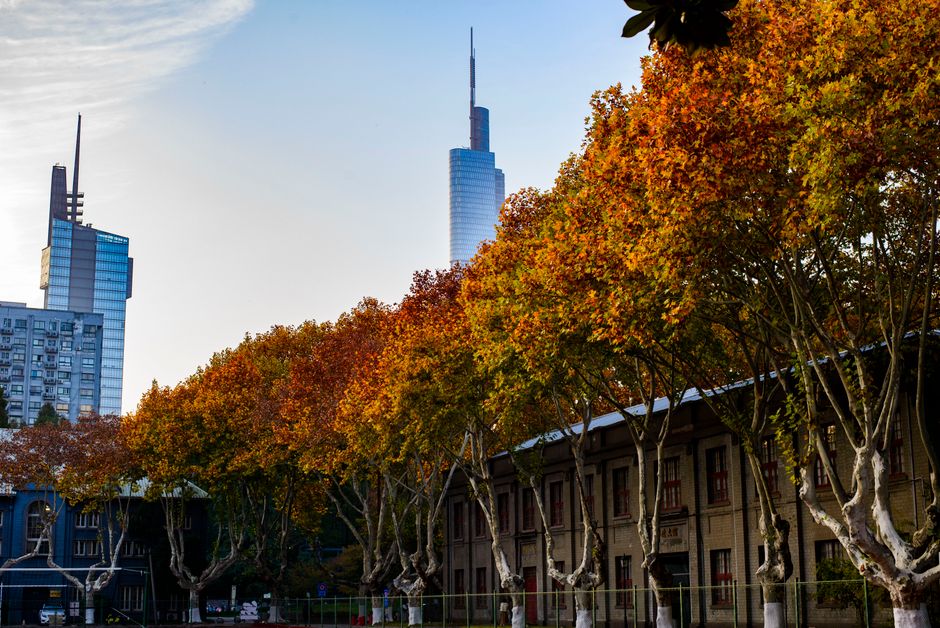
7. Capital of Dynasties, City of Trees
Nanjing, China
Nanjing, one of China's "Four Great Ancient Capitals," has served as the capital for ten dynasties and kingdoms, leaving behind grand historical sites amidst a surprisingly green and modern cityscape.
Nanjing, meaning "Southern Capital," holds a pivotal place in Chinese history, having once rivaled Beijing in political importance. The city is a poignant blend of ancient grandeur—like the Ming Xiaoling Mausoleum and the City Wall, among the longest in the world—and lush urban forests, earning it the nickname "Green Capital." Its broad avenues, tree-lined streets, and numerous parks offer a more serene, yet equally grand, urban experience compared to its bustling counterparts, while still boasting a vibrant modern economy and cultural scene.
Frequently asked questions
Is it easy to travel between these cities in China?
Yes, China has an extensive and efficient high-speed rail network connecting most major cities, making inter-city travel fast and convenient. Domestic flights are also widely available for longer distances.
What's the best way to experience the local culture in these less-known Chinese cities?
Dive into local markets, try street food, visit historical temples and museums, and explore residential neighborhoods. Learning a few basic Mandarin phrases can also greatly enhance interactions with locals.
Are these cities safe for solo travelers?
Generally, yes. China is considered a very safe country for travelers, including solo adventurers. As in any large city, it's wise to be aware of your surroundings, especially at night, and safeguard your belongings.
How can AllTours.ai help me explore these unique places?
AllTours.ai transforms your smartphone into a personal AI audio tour guide. Simply point your camera at any landmark, landscape, or even a street scene in these cities, and the app will instantly narrate its history, geology, and cultural significance in your preferred language, offering a deeper understanding of your surroundings.
Related guides
Photography via Pexels. AllTours.ai is an AI audio tour guide — point your camera at any landscape and hear its story.