October 21, 2026 · 4 min read
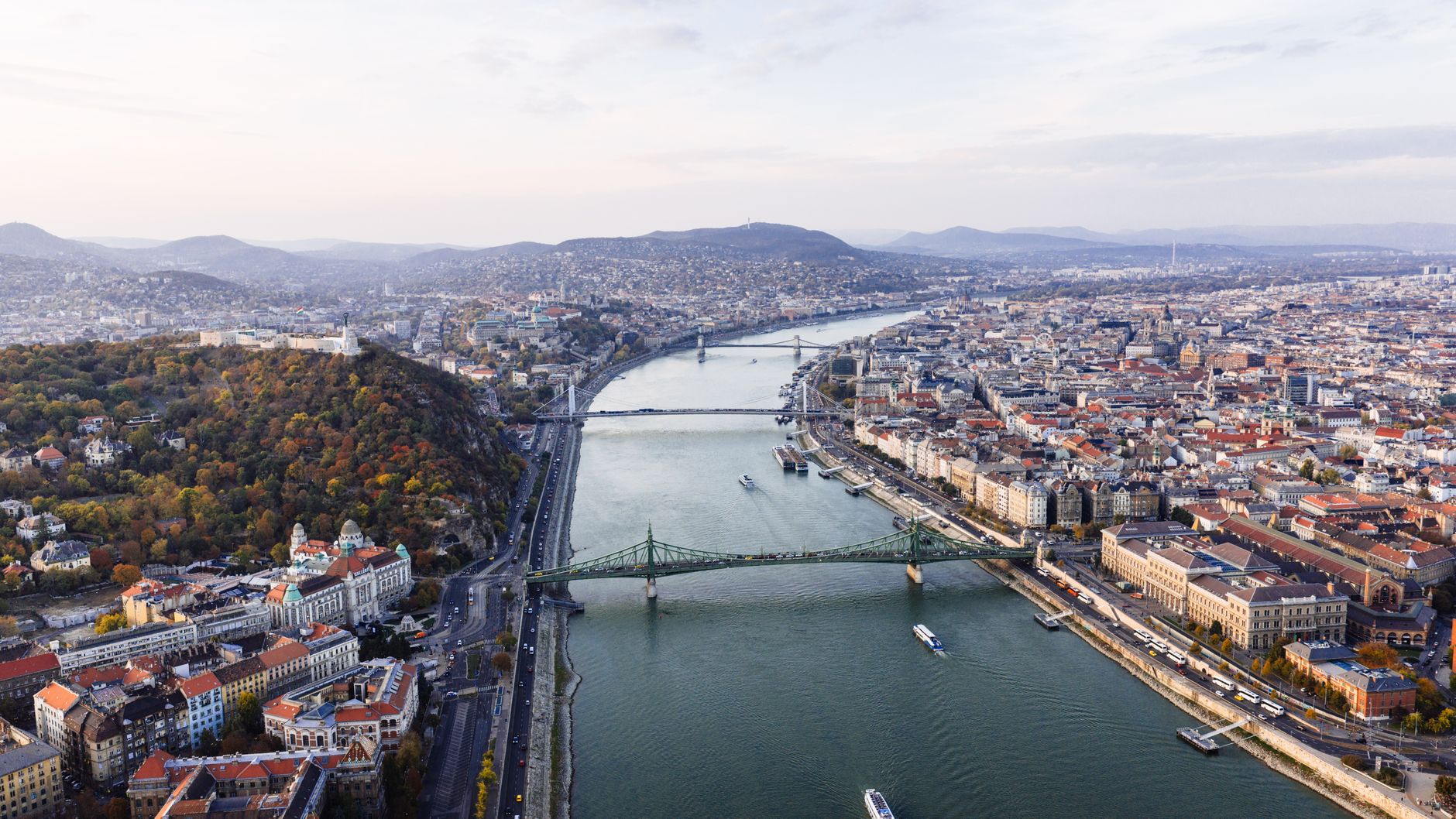
Budapest, often called the "City of Spas," sits atop a labyrinth of thermal springs, a geological gift that has shaped its culture for millennia. From Roman garrisons to Ottoman pashas and Austro-Hungarian aristocrats, generations have sought solace and healing in these mineral-rich waters.
While iconic names like Szechenyi and Gellért often come to mind, the city's true thermal heart beats in a diverse collection of baths, each with its own unique story, architectural marvels, and specific healing properties waiting to be discovered.
1. Rudas Baths: Ottoman Domes and Medieval Roots
Budapest, Hungary
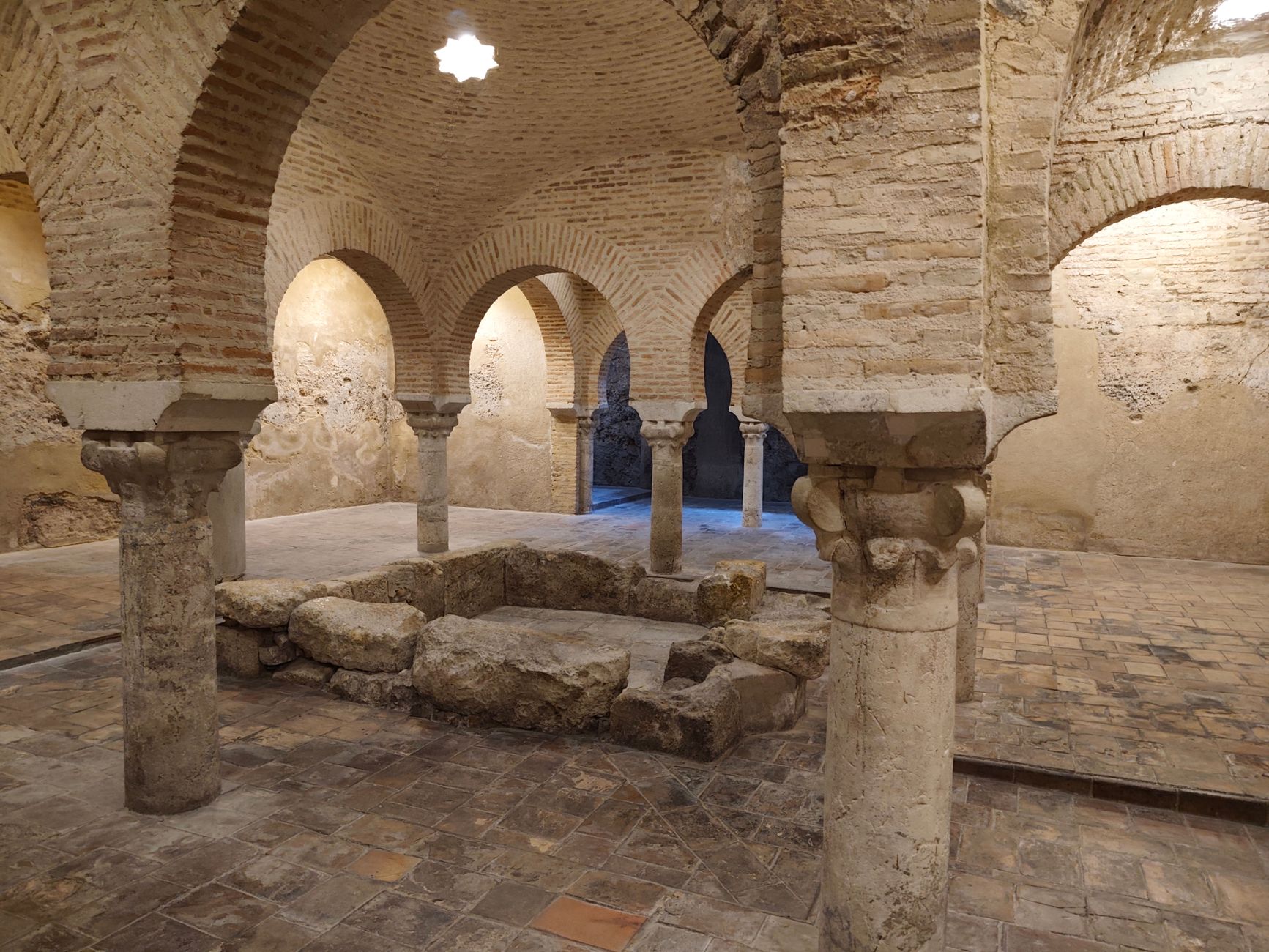
Beneath its iconic 16th-century Ottoman dome, Rudas Baths still operates a medieval Turkish bath section that feels remarkably unchanged.
Built during the Ottoman occupation in the 1500s, Rudas offers a direct link to Budapest's past. The central octagonal pool, lit by a skylight, is surrounded by four smaller pools of varying temperatures. Beyond its historic core, Rudas also features a modern swimming pool, a wellness section, and a rooftop hot tub offering panoramic views of the Danube.
2. Király Baths: The Oldest Ottoman Relic
Budapest, Hungary
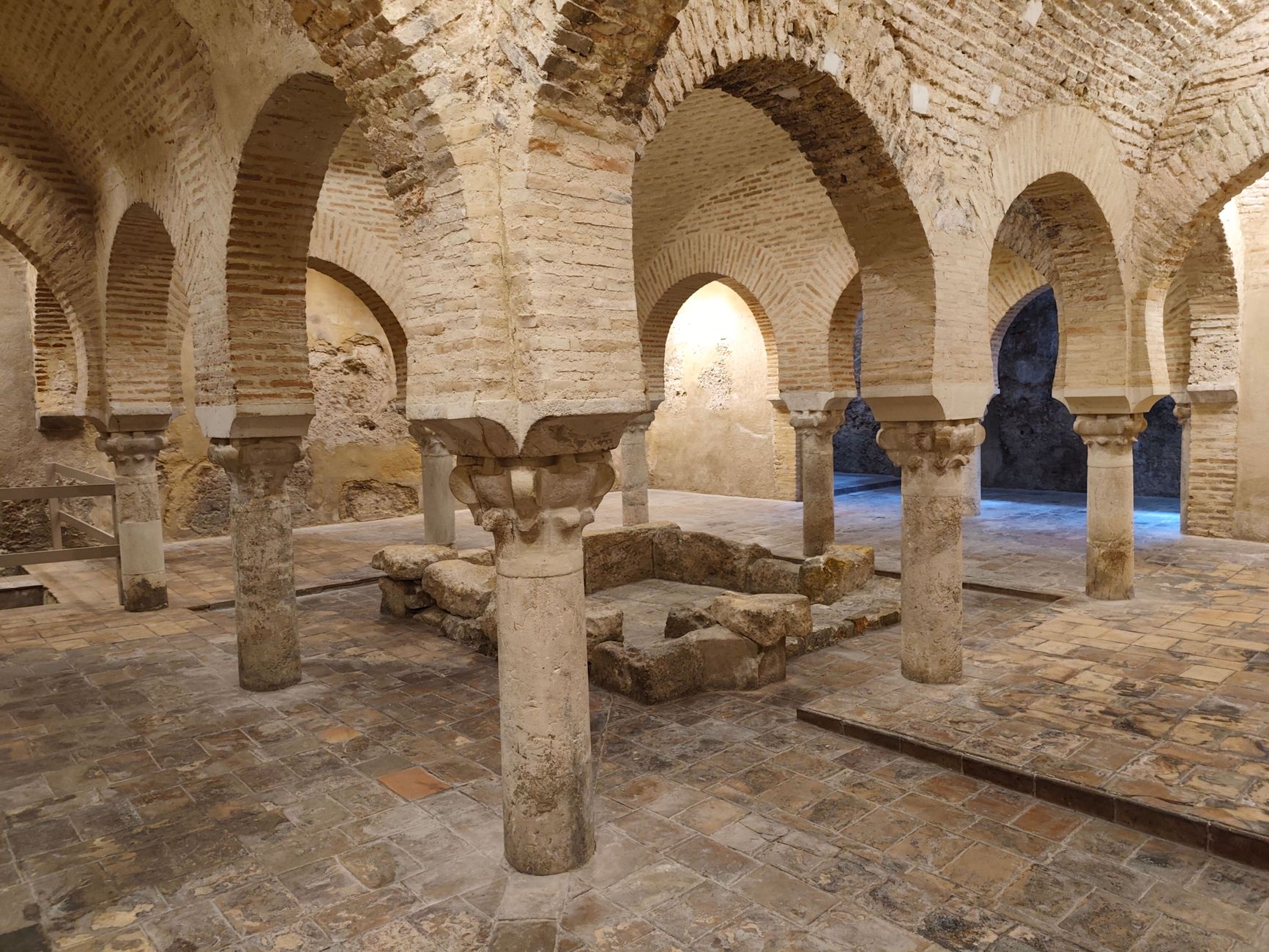
Király Baths, built by the Ottomans in the 16th century, was intentionally constructed within the city walls to ensure bathing was possible even during a siege.
Completed in 1565 by Pasha Arslan, Király is Budapest's oldest operating Turkish bath. Its design, with four interconnected pools under various domes, aimed for self-sufficiency. Unlike many others, it retains much of its original, unrenovated charm, offering a truly authentic glimpse into Ottoman bathing traditions amidst its slightly time-worn walls.
3. Lukács Thermal Baths: A Legacy of Healing
Budapest, Hungary
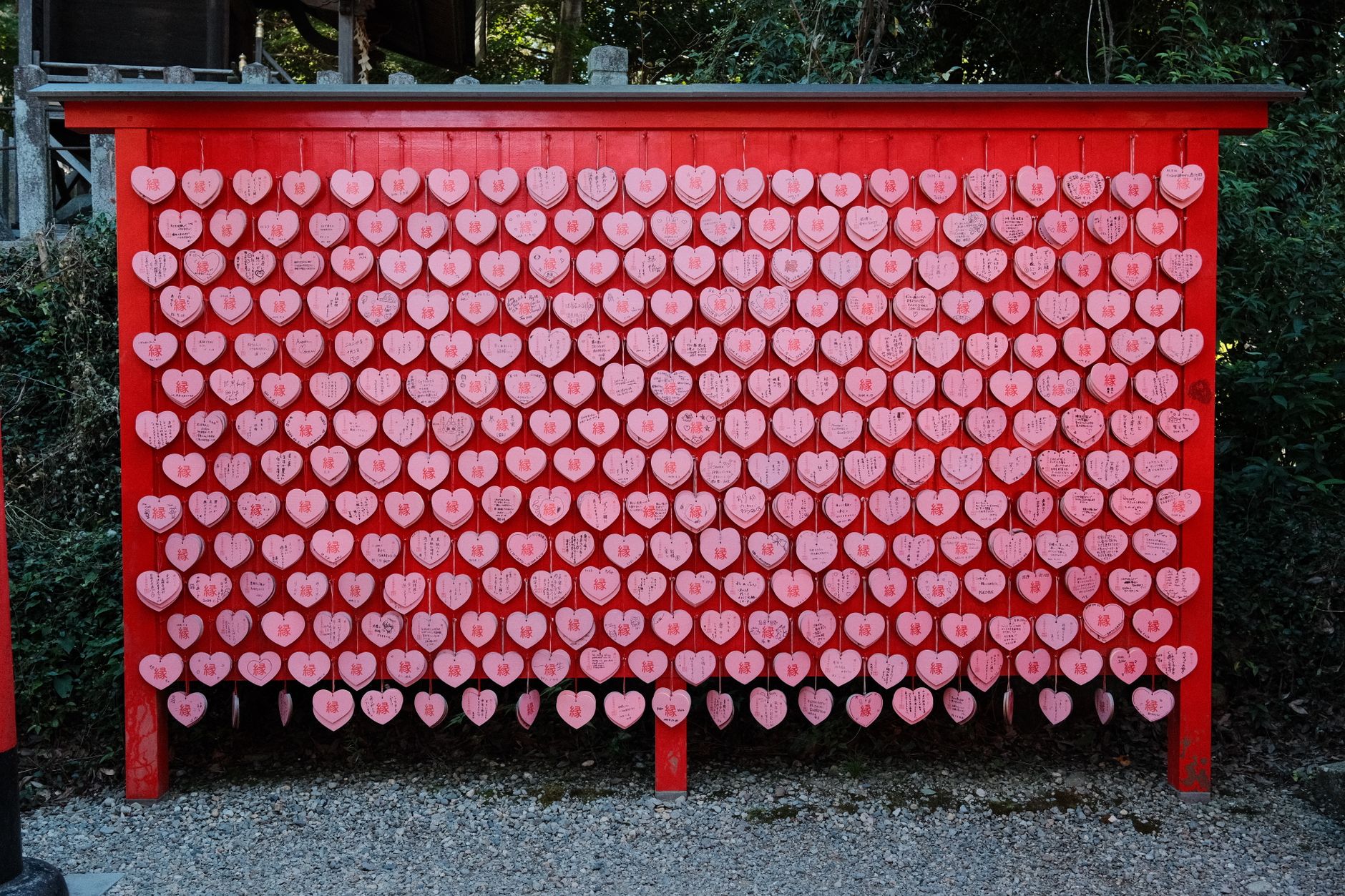
The walls of Lukács Baths are adorned with marble plaques from grateful patrons, a centuries-old tradition celebrating its famed healing waters.
Lukács has been a pilgrimage site for those seeking therapeutic relief since the 12th century, when knights of St. John established a hospital and bathhouse here. Its complex offers a mix of medicinal pools, swimming pools, and wellness services. The tradition of leaving plaques continues today, serving as a testament to the waters' perceived curative powers for musculoskeletal ailments.
4. Palatinus Strand Baths: Art Deco Island Oasis
Budapest, Hungary
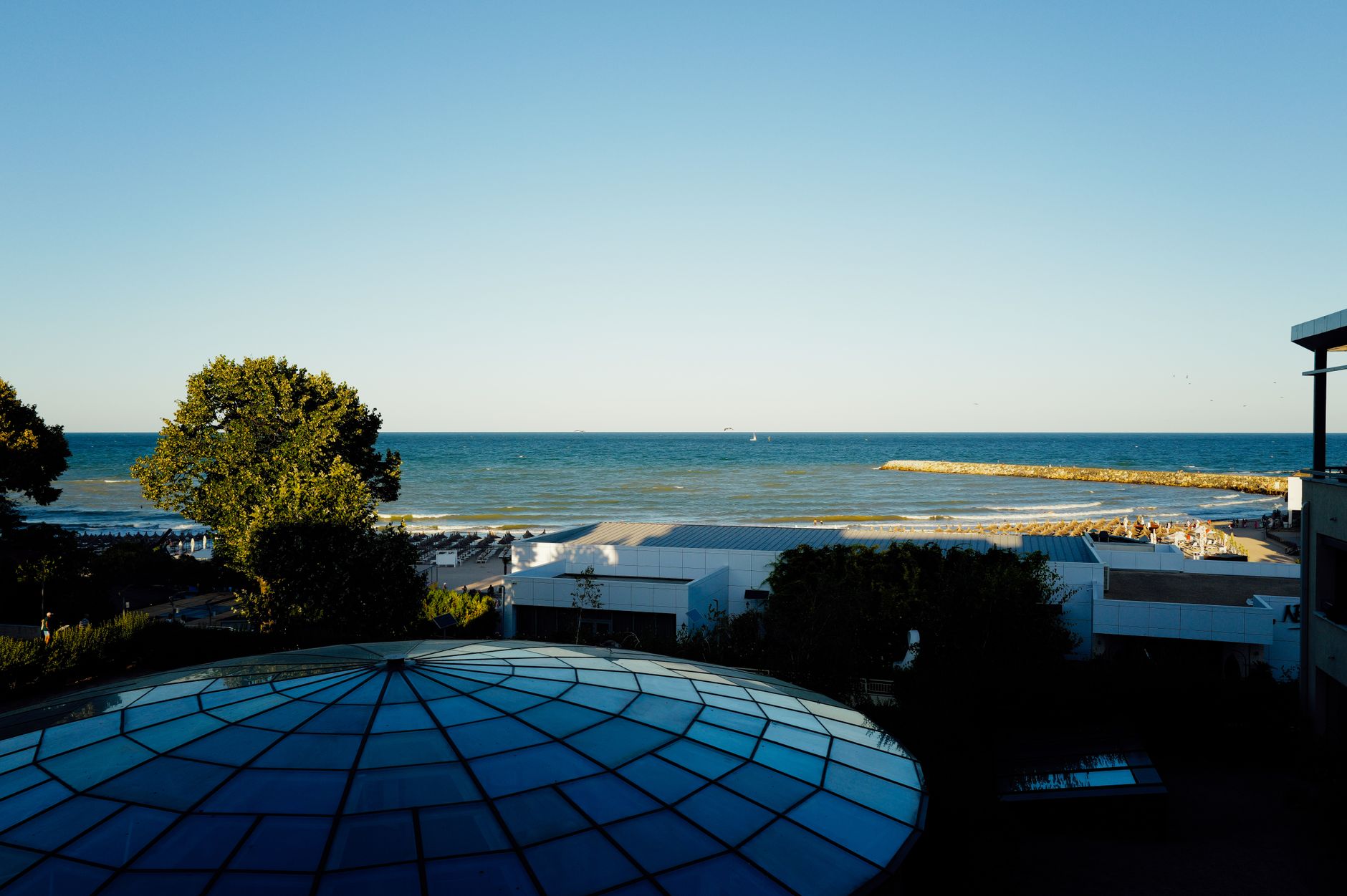
Palatinus Strand, on Margaret Island, was the first open-air bath in Budapest, featuring stunning Art Deco architecture and a wave pool.
Opened in 1919, Palatinus offered a revolutionary concept for public bathing. Its elegant Art Deco buildings and expansive green spaces quickly made it a beloved summer destination. Today, it boasts a wide array of pools, including a giant wave pool, slides, and thermal pools, making it a vibrant family-friendly complex on the tranquil Margaret Island.
5. Veli Bej Baths (Császár Hotel): Restored Ottoman Splendor
Budapest, Hungary
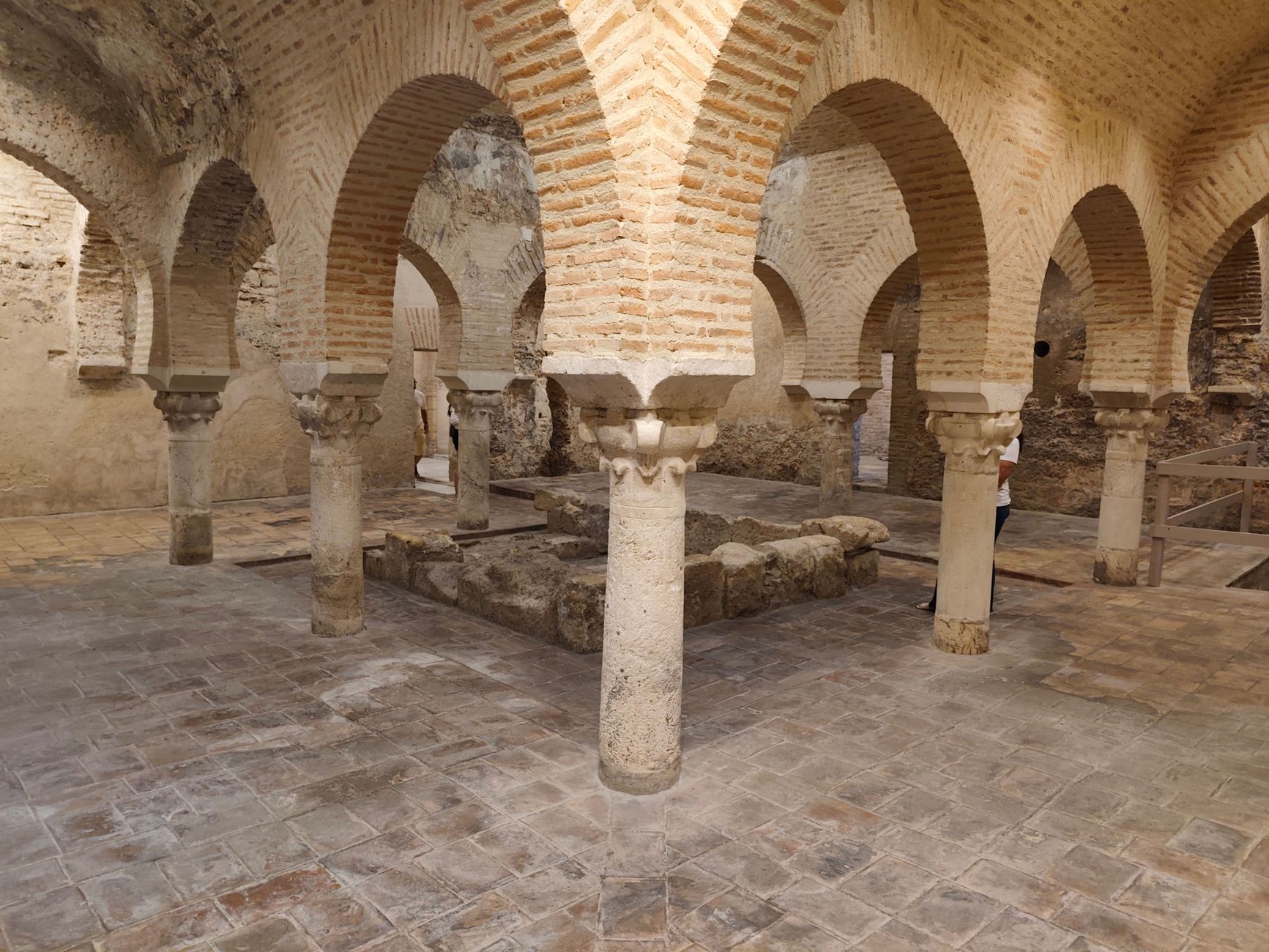
Hidden within a modern hotel, the Veli Bej Baths are a meticulously restored Ottoman bathhouse, considered by many to be one of Budapest's most beautiful and tranquil.
Originally built in the 16th century by Sokollu Mustafa Pasha, the Veli Bej complex was part of the larger Császár Baths. After extensive restoration, it reopened as a stunning blend of historic architecture and contemporary comfort. Its five thermal pools, sauna, and steam rooms offer a serene experience, often less crowded than its more famous counterparts, allowing for peaceful contemplation.
6. Dandár Thermal Bath: A Local's Retreat
Budapest, Hungary
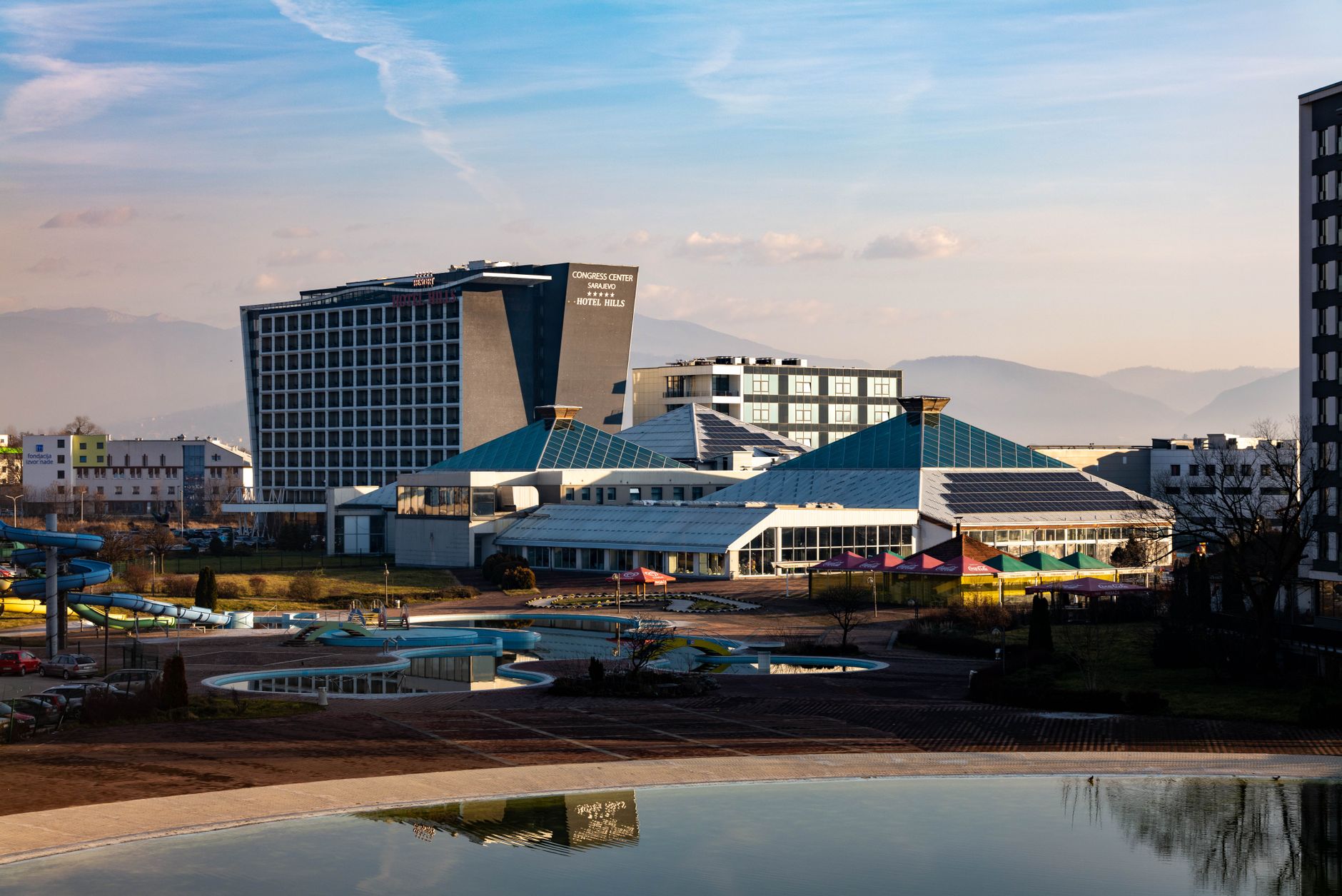
Dandár Thermal Bath offers a no-frills, authentic local experience, originally built for factory workers in the surrounding industrial district.
Opened in 1930, Dandár was designed as an affordable and accessible health facility for the working class. It remains a favorite among locals seeking therapeutic relief without the tourist crowds. With several indoor and outdoor thermal pools, saunas, and steam rooms, it provides a genuine glimpse into daily life and well-being for many Budapest residents.
7. Pesterzsébet Iodine-Salt Spa and Bath: Unique Mineral Waters
Budapest, Hungary
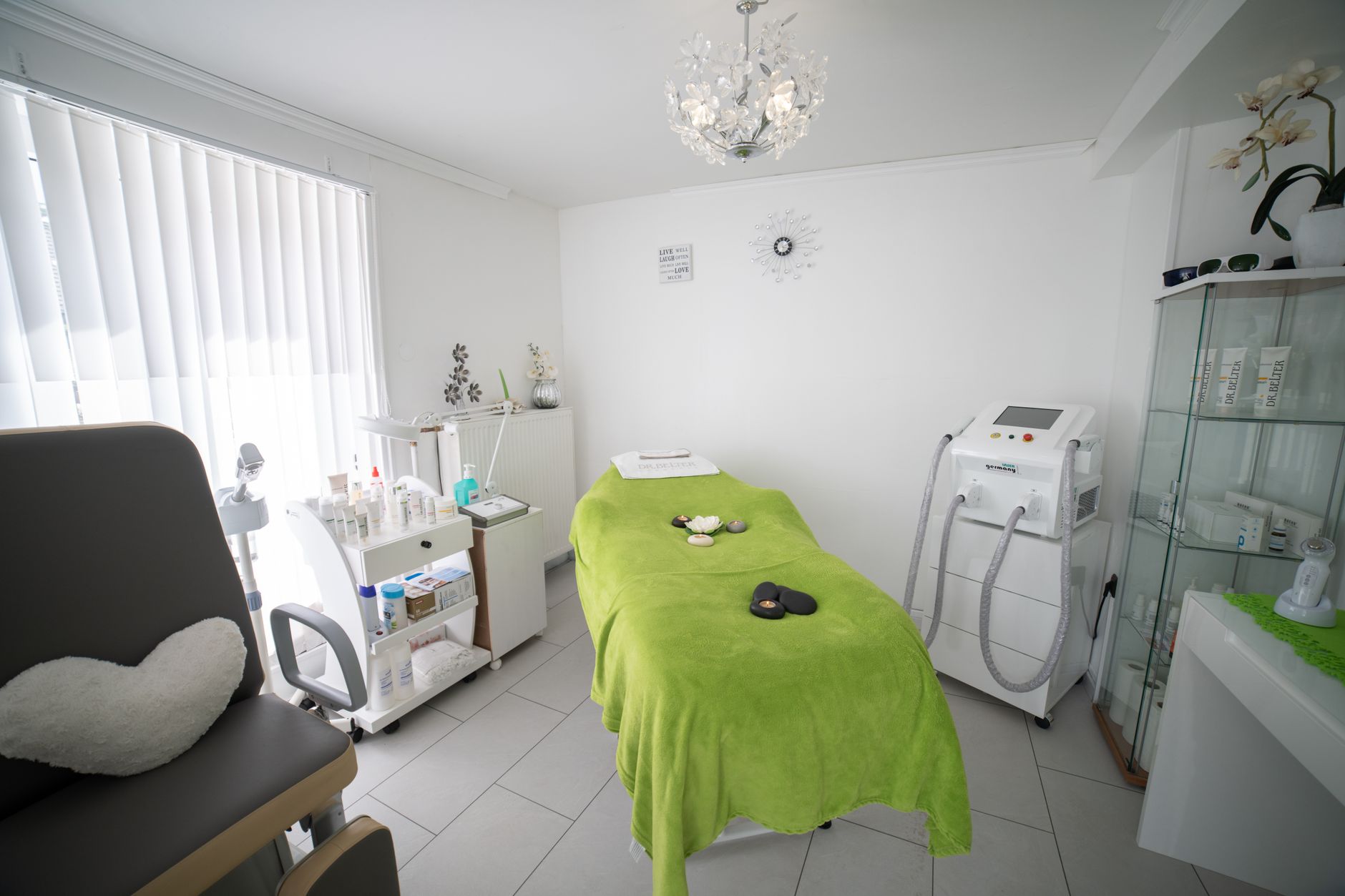
The Pesterzsébet bath is unique in Budapest for its high concentration of iodine and salt, making its waters distinctively reddish-brown and particularly beneficial for specific ailments.
While many Budapest baths are famous for their sulfurous waters, Pesterzsébet stands out with its unique iodine-salt springs. These waters are particularly recommended for rheumatic and gynecological conditions, offering a different therapeutic profile. Reopened after significant renovation, it now combines modern facilities with the historic charm of its late 19th-century origins, offering a specialized healing experience.
Frequently asked questions
What should I bring to a Budapest thermal bath?
You'll need a swimsuit, towel, and flip-flops. Many baths offer rentals or purchase options for these items if you forget them. Some visitors also bring a swim cap, particularly if planning to use the swimming pools, as it's often mandatory.
Are Budapest thermal baths co-ed, or are there separate sections?
Most major Budapest thermal baths today are co-ed and welcome both men and women every day. However, some historic baths, like Rudas, still maintain separate bathing days or sections for men and women, especially in their traditional Turkish bath areas. Always check the specific bath's schedule beforehand.
Is it safe to drink the thermal water?
While the thermal waters are renowned for their healing properties, it's generally not recommended to drink directly from the bathing pools. Some baths have designated drinking fountains where the mineral water is potable and intended for internal consumption, often for specific therapeutic purposes. Look for signs indicating "ivókút" (drinking fountain).
How can AllTours.ai enhance my visit to a Budapest bath?
AllTours.ai turns your phone into a personal guide. Simply point your camera at a historic bath's architecture or a specific feature, and the app will narrate its rich history, unique geological properties, and cultural significance in your preferred language, offering insights you wouldn't find on a standard tour.
Related guides
Photography via Pexels. AllTours.ai is an AI audio tour guide — point your camera at any landscape and hear its story.