July 22, 2026 · 4 min read
To many outside the United States, "biscuits and gravy" might sound like a curious, perhaps even unappetizing, combination. Is it a sweet cookie with a sauce? A savory scone with a thick, unidentifiable topping? The reality is far more diverse and historically rich than most realize, reaching beyond the typical Southern diner stereotype.
This iconic American comfort food has countless regional variations, each rooted in the unique demands of local life, from the arduous work of coal miners to the long days of cowboys on the range. Forget what you think you know and join us on a journey to uncover the surprising origins and hidden stories behind biscuits and gravy in America's lesser-known corners.
1. The Miner's Morning Fuel
Matewan, West Virginia, USA
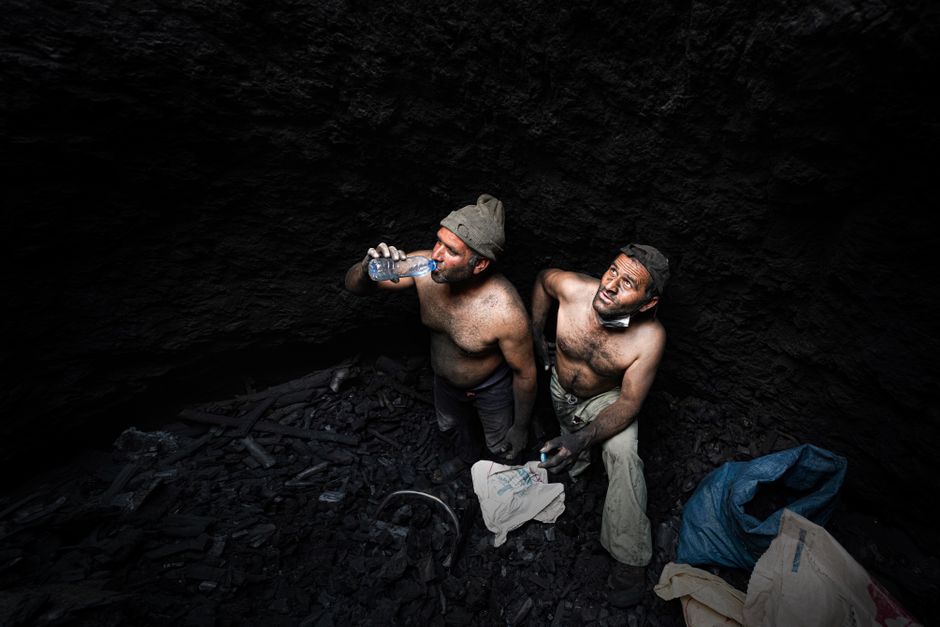
Discover how biscuits and gravy fueled the fierce labor battles of Appalachian coal miners, becoming a symbol of resilience.
In the rugged mountains of Matewan, a town etched into history by its pivotal role in the coal wars, biscuits and gravy was more than just a meal; it was sustenance for survival. Miners relied on this dense, caloric food to sustain them through brutal shifts deep underground and even during the intense union conflicts. Often cooked simply over open fires in mining camps, it was a necessary fuel for the physically demanding work and a testament to the community's enduring spirit.
2. Plantation Kitchens and Southern Hospitality
Rosedown Plantation, St. Francisville, Louisiana, USA
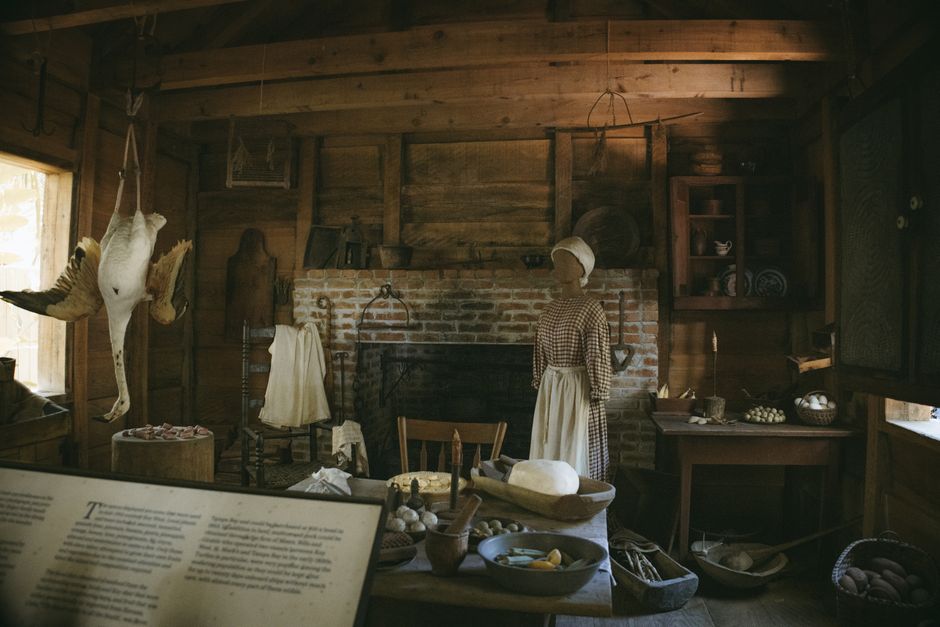
Uncover how biscuits, once a sign of wealth and hospitality, were painstakingly made in pre-Civil War plantation kitchens.
At historic Rosedown Plantation, the grand main house often overshadows the crucial, detached kitchen where enslaved cooks perfected biscuit recipes. These hot, labor-intensive environments produced lavish meals for the owners, with biscuits being a cornerstone of Southern hospitality. The immense skill required to create light, fluffy biscuits with limited ingredients and primitive ovens highlights the often-unseen labor and culinary artistry that shaped this foundational American dish.
3. Chuckwagon Staple on the Texas Frontier
Fort Worth Stockyards National Historic District, Texas, USA
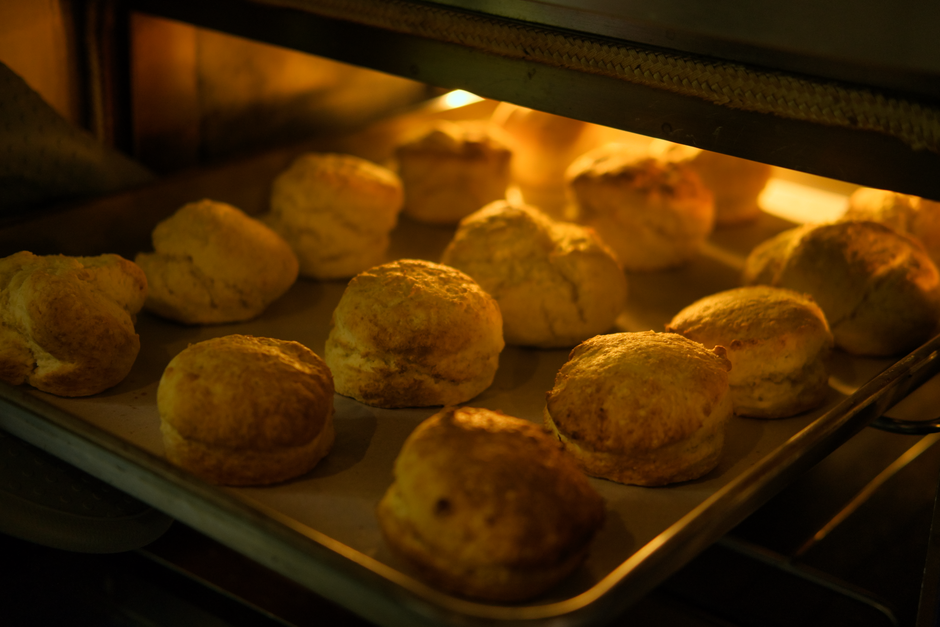
Learn how biscuits and gravy became an essential, portable staple for cowboys on rugged 19th-century Texas cattle drives.
On the vast cattle trails of 19th-century Texas, the chuckwagon was the heart of the cowboy camp, and the "cookie" was a revered figure. Biscuits, often baked in Dutch ovens over open fires, replaced hardtack as a more palatable and energy-rich bread. Doused in a simple, caloric gravy made from rendered fat and flour, this meal provided cowboys with the sustenance needed for long days in the saddle, becoming synonymous with the rugged frontier and life on the range.

4. Ozark Self-Sufficiency and Resourceful Meals
Shiloh Museum of Ozark History, Springdale, Arkansas, USA
Explore how the resourcefulness of Ozark mountain folk shaped their unique, lard-rich biscuits and gravy tradition.
In the isolated Ozark Mountains, self-sufficiency was a way of life. Biscuits were often made with lard rendered from hogs, a prized commodity, and gravy stretched any available meat drippings. This simple, hearty meal reflected a pragmatic approach to food, utilizing every available resource. It became a symbol of resilience and a testament to the community's ability to thrive in challenging landscapes, creating a distinct regional culinary identity built on making the most of what was at hand.
5. Depression-Era 'Sawmill Gravy'
Cumberland Homesteads Tower Museum, Crossville, Tennessee, USA
Discover how "sawmill gravy," a variation of classic biscuits and gravy, became a symbol of resilience during the Great Depression.
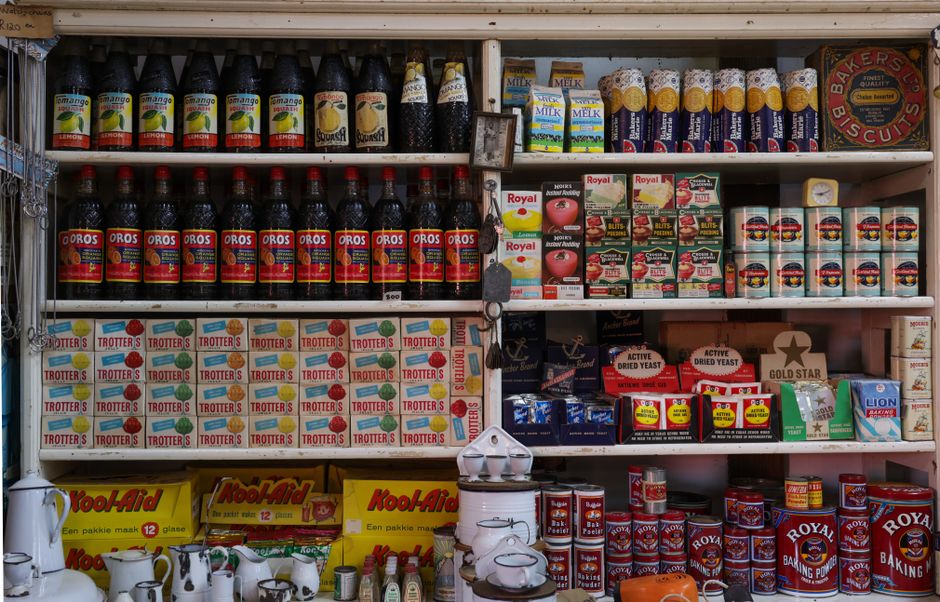
The Cumberland Homesteads were a New Deal project, designed to resettle families struggling during the Great Depression. Here, every meal counted, and "sawmill gravy"—made with little more than flour, fat, milk, and often a pinch of black pepper—was a common sight. It was a cheap, filling, and comforting dish that stretched meager ingredients, providing crucial calories and a sense of normalcy in hard times, proving that even the simplest meals held deep cultural significance and offered solace.
6. Kentucky's Elevated Breakfast Tradition
Keeneland Race Course, Lexington, Kentucky, USA
Uncover how biscuits and gravy became an enduring breakfast staple in Kentucky, especially during horse racing season, often with local twists.
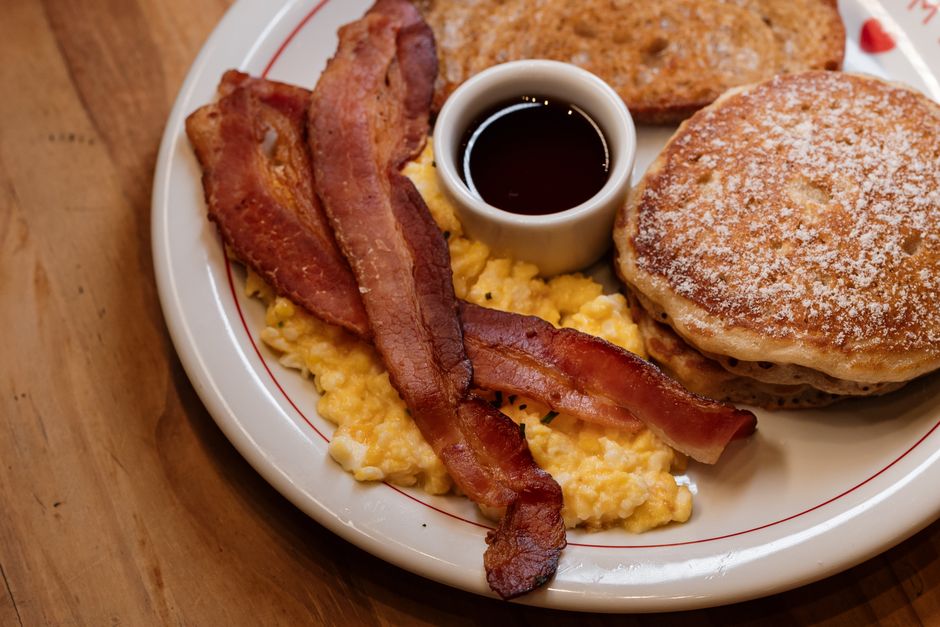
While Keeneland is famed for its Thoroughbred racing, the local diners and kitchens around Lexington have perfected the art of biscuits and gravy. It's a breakfast tradition deeply ingrained in Kentucky culture, offering a substantial start to a day at the track or on a horse farm. The emphasis here is often on high-quality, local ingredients, with some establishments even using country ham drippings for a richer, saltier gravy, elevating a simple dish to an art form and a true regional specialty.
7. Pacific Northwest Lumberjack Sustenance
Grays Harbor Historical Seaport, Aberdeen, Washington, USA
Explore how hearty biscuits and gravy fueled the demanding, dangerous work of Pacific Northwest lumberjacks.
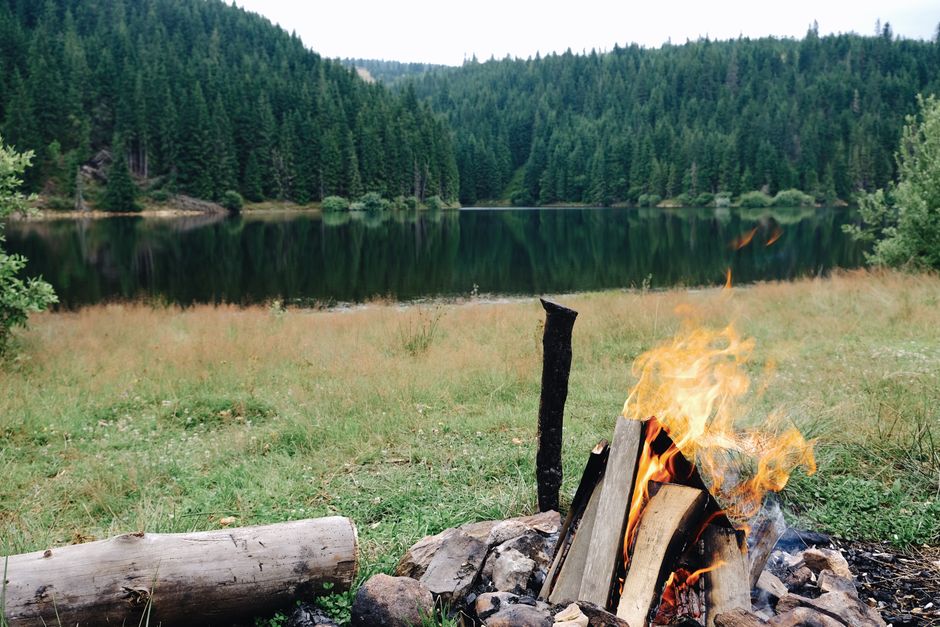
In the dense, rain-soaked forests of the Pacific Northwest, logging camps were isolated communities where food needed to be plentiful and fortifying. Biscuits and gravy became a cornerstone meal, providing the immense caloric energy required for felling massive trees and hauling timber. Camp cooks would prepare vast quantities, ensuring the lumberjacks had the stamina to endure the physically grueling and often perilous workdays, connecting this comfort food directly to a specific and arduous regional industry.
Frequently asked questions
What exactly are biscuits in 'biscuits and gravy'?
In the American South and Midwest, "biscuits" are not like British cookies or crackers. They are soft, flaky, savory quick breads, similar to scones but typically unsweetened, made with flour, baking powder, butter or lard, and buttermilk. They are designed to be split open and absorb the rich gravy.
What is the gravy in biscuits and gravy made from?
The most common gravy is "sausage gravy," made by browning breakfast sausage, then creating a roux with the drippings and flour, and finally whisking in milk until thickened and seasoned with salt and pepper. Other variations include "sawmill gravy" (often just fat, flour, milk, and pepper) or even sweet versions like "chocolate gravy" in specific regions like the Ozarks.
Is biscuits and gravy a breakfast or dinner food?
While traditionally a hearty breakfast or brunch dish, especially in the American South, biscuits and gravy can be enjoyed at any meal. Its substantial and comforting nature makes it a filling option, and many diners and restaurants serve it all day as a beloved comfort food.
How can AllTours.ai help me discover more about local food traditions like biscuits and gravy?
AllTours.ai uses your phone's camera to identify landmarks and landscapes, then narrates their history, geology, and culture in your language. When you're exploring a region, simply point your camera at a local diner, a historic homestead, or even a specific dish, and the app can provide fascinating insights into its origins and significance, helping you understand the stories behind local food traditions like biscuits and gravy and the places that shaped them.
Related guides
Photography via Pexels. AllTours.ai is an AI audio tour guide — point your camera at any landscape and hear its story.