
July 20, 2026 · 4 min read
The idea of a time-traveling medieval peasant or noble stepping into a modern supermarket sparks a fascinating question: could someone from the Middle Ages eat modern food? Beyond the initial shock of electric lights and packaged goods, the very ingredients, flavors, and preparation methods of our daily diet would be profoundly alien to them.
Their world was one of seasonal availability, local produce, and preservation techniques we rarely use today. Join us on a culinary journey through time, exploring specific, lesser-known sites that reveal just how different medieval palates were from our own, and what delicious, strange, or even dangerous surprises modern food might hold for them.
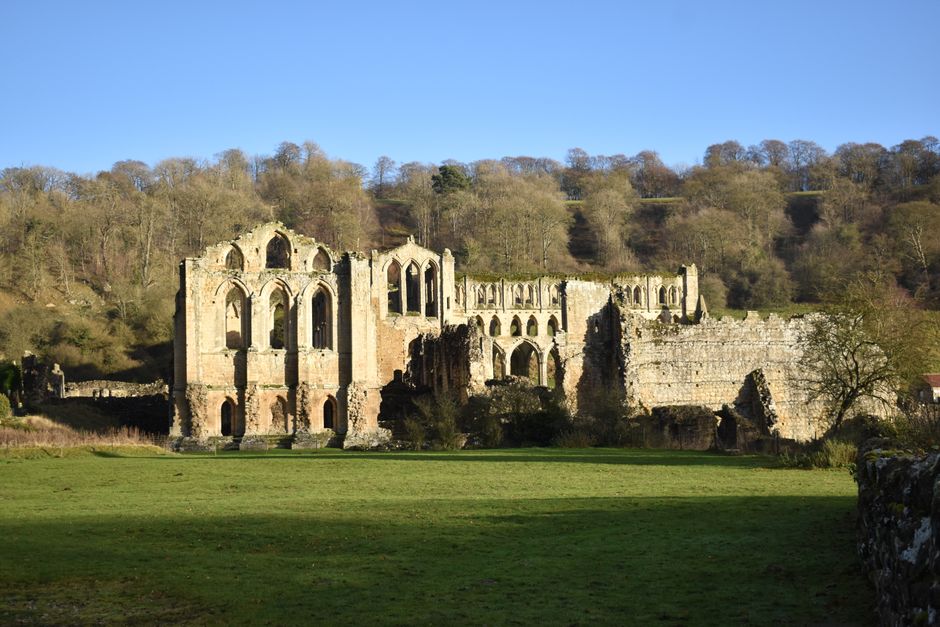
1. The Monk's Catch
Rievaulx Abbey Fishponds, North Yorkshire, England
Medieval monks perfected aquaculture without ever seeing a tomato or potato.
The Cistercian monks of Rievaulx Abbey maintained an intricate system of fishponds, ensuring a steady supply of protein for their many fast days. These ponds, visible as earthworks today, represent sophisticated medieval engineering for food production. A modern fish dish, often accompanied by potato fries and a tomato-based sauce, would be utterly unrecognizable to them, not just in ingredients but in the very concept of its preparation and seasoning.
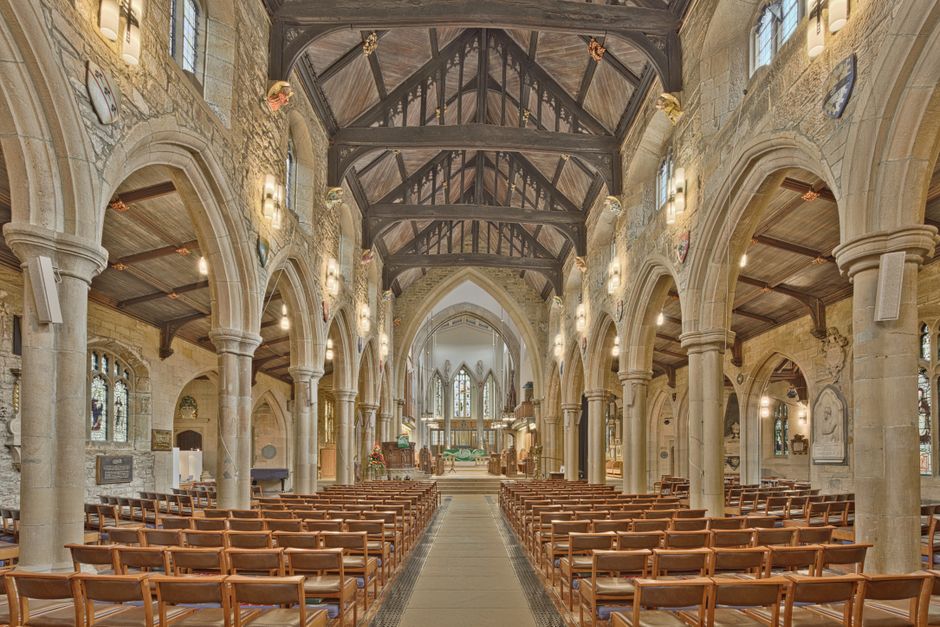
2. The Grain of Truth
Bradford-on-Avon Tithe Barn, Wiltshire, England
This massive medieval barn held the wealth of a community, all in grains that powered lives, not processed snacks.
The colossal timber-framed Bradford-on-Avon Tithe Barn, dating from the 14th century, once stored a tenth of all local farm produce for the church. Wheat, barley, oats, and rye were the staples that formed the basis of medieval diets. A person from that era would be familiar with raw grain but utterly bewildered by the endless aisles of processed cereals, refined flours, and sugary baked goods that dominate modern supermarkets, which bear little resemblance to their hearty, dense breads.
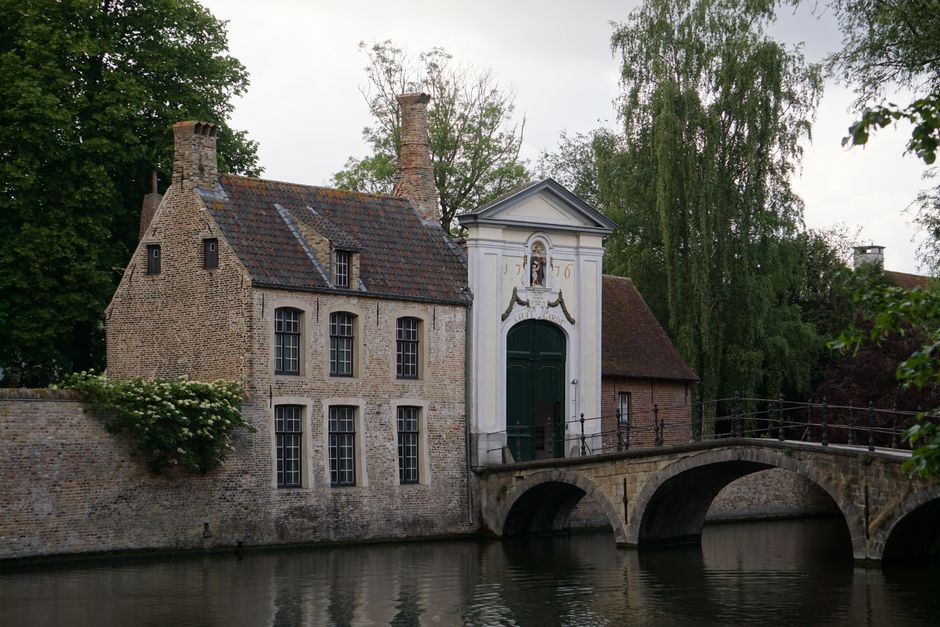
3. A Taste of Lost Spices
Former Merchant's Quarter, Bruges, Belgium
Bruges' medieval wealth came from trade in spices like long pepper, flavors almost forgotten by modern palates.
During the Middle Ages, Bruges was a vital hub for trade, including exotic spices from the East. Merchants brought in precious commodities like saffron, cinnamon, and the now-rare long pepper, which was more common than black pepper in medieval kitchens. Medieval cuisine often featured complex, highly spiced dishes, using these ingredients lavishly. A modern palate, accustomed to more subtle seasoning, would find many medieval dishes intensely flavored, while a medieval diner would be puzzled by our milder spice choices.
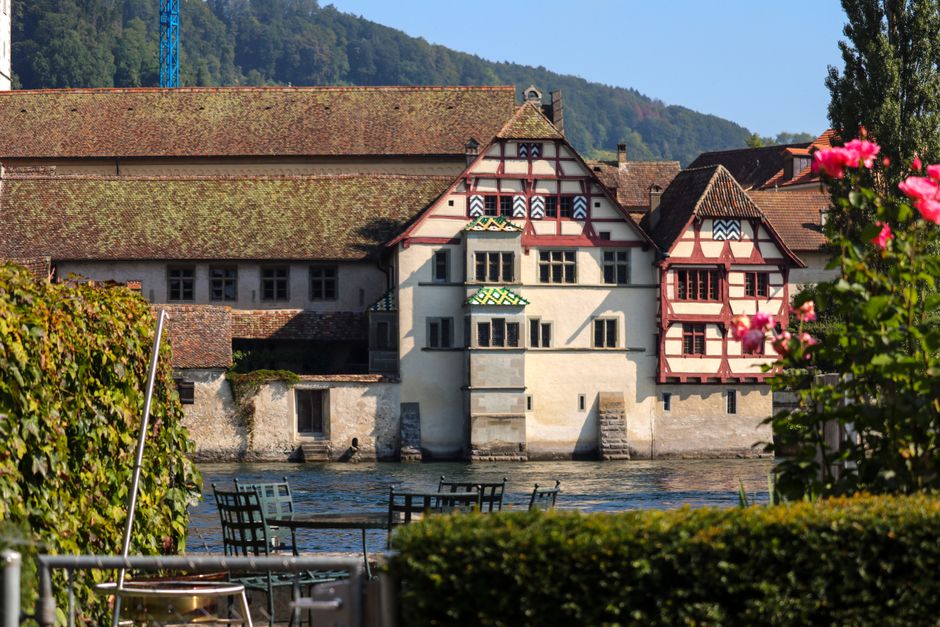
4. The Garden Pharmacy
St. Gall Monastery Plan Recreation, St. Gall, Switzerland
Medieval monastic gardens grew herbs for food and medicine, flavors largely absent from modern cooking.
The meticulous 9th-century St. Gall Monastery Plan details an extensive herb garden, crucial for both culinary and medicinal purposes. Herbs like costmary, tansy, and borage, with their distinct, often bitter or pungent notes, were staples in medieval dishes and remedies. A medieval person would find the lack of these specific, potent flavors in modern food striking, and be amazed by our reliance on a much narrower range of commonly available, often milder, herbs.
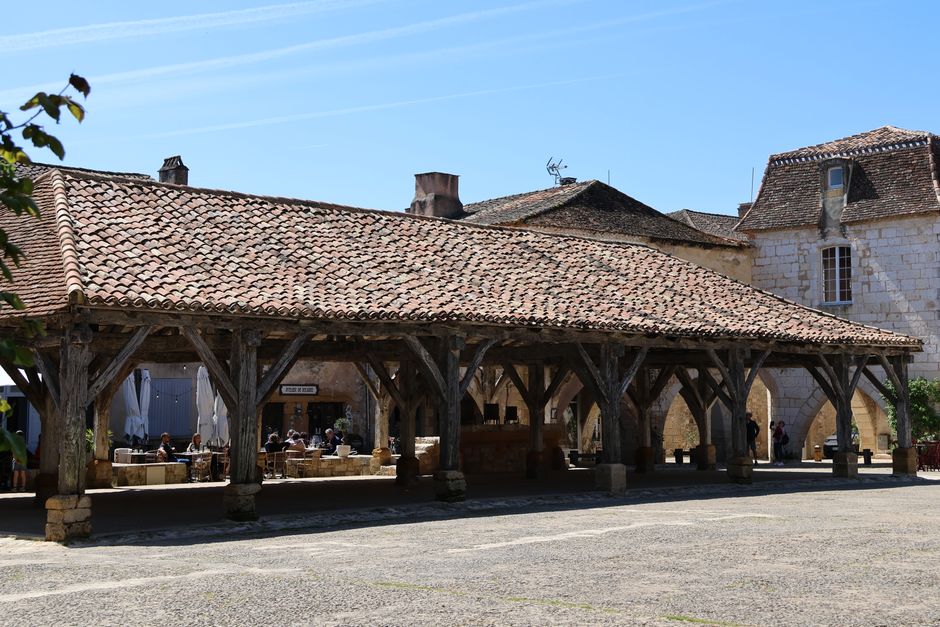
5. Seasonal Bounty, Global Scarcity
Lavenham Market Place, Suffolk, England
This historic market square once showcased only local, seasonal produce, a stark contrast to today's global supermarket.
Lavenham, a remarkably preserved medieval wool town, boasts a market place that would have once pulsed with trade in strictly seasonal and local goods. Root vegetables, apples, pears, local cheeses, and meats would have filled the stalls. A medieval shopper would be astonished by the year-round availability of fruits and vegetables from across the globe in a modern supermarket, but also confused by the absence of wild-foraged foods and the emphasis on non-native crops like tomatoes and potatoes.
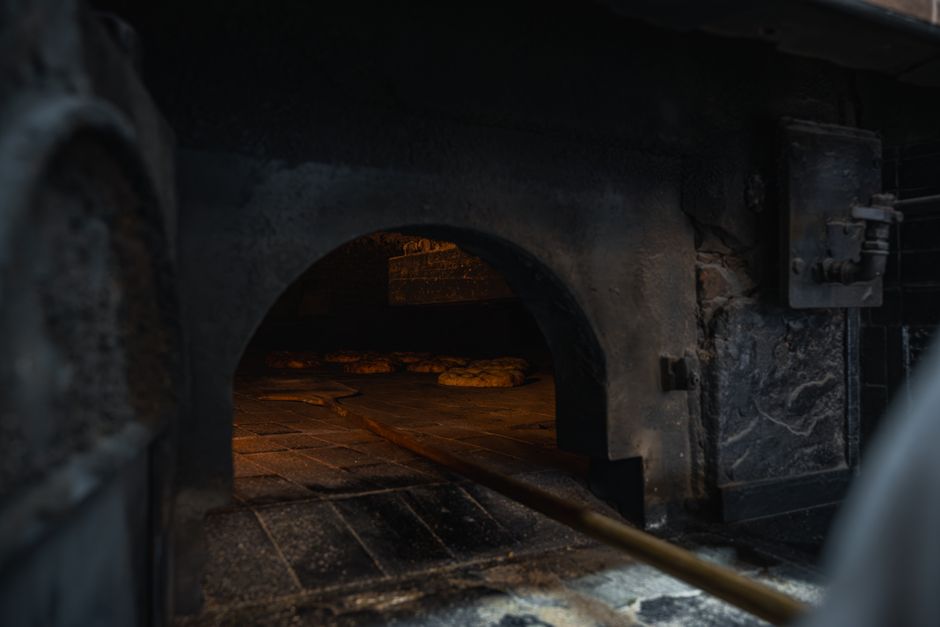
6. The Daily Bread
Cae'n y Coed, Talsarnau, Gwynedd, Wales
Medieval bread was dense, varied, and the cornerstone of every meal, unlike today's soft, often sweet, white loaves.
Reconstructions like the medieval bakehouse at Cae'n y Coed demonstrate the importance of bread in daily life. Made from coarser flours, rye, or barley, medieval bread was heavy, hearty, and often slightly sour from natural fermentation. A modern person might find it dense and unfamiliar, while a medieval diner would be perplexed by our soft, often sugary, highly refined white bread, viewing it as lacking substance and nutritional value compared to their own staple.

7. White Gold of Preservation
Guérande Salt Marshes, Brittany, France
For medieval people, salt was the sole method for preserving food; modern refrigeration would be pure magic.
The ancient salt pans of Guérande, still harvested using traditional methods, were critical for medieval survival. Salt was the primary means of preserving meat, fish, and dairy, allowing food to last through long winters. A person from the Middle Ages would marvel at modern refrigeration and freezing technologies, which allow fresh food to be stored without heavy salting, and would find our ability to access fresh produce and meat year-round truly miraculous.
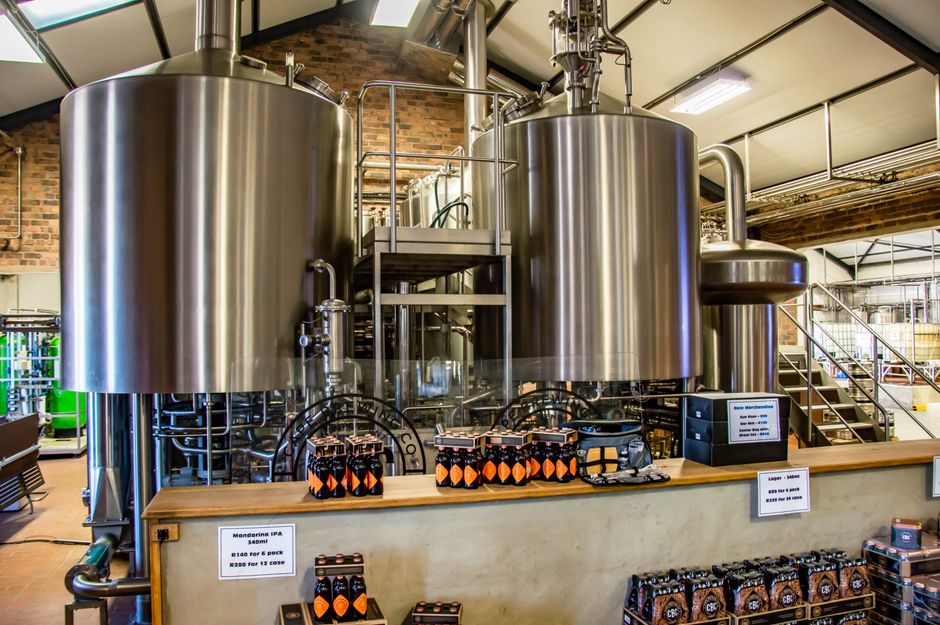
8. The Brewer's Sustenance
Jopenkerk Brewery, Haarlem, Netherlands
Medieval ale was a daily staple, often safer than water, and a far cry from modern sugary drinks.
In medieval times, ale was consumed by almost everyone, including children, as it was a safer and often more nutritious alternative to water. Breweries like Jopenkerk, which revives historical brewing methods, showcase how these low-alcohol, often unhopped beverages were integral to the diet. A medieval person would be astonished by the vast array of sugary sodas, fruit juices, and highly alcoholic spirits we drink today, finding them excessive, unhealthy, and a poor substitute for their sustaining daily brew.
Frequently asked questions
What did medieval people eat for breakfast?
Breakfast as we know it wasn't a distinct meal for most medieval people. They might have a light meal of bread, cheese, or ale upon waking, often referred to as 'breaking the fast' (disjunium), but without the variety or sweetness of modern breakfast foods.
Was medieval food bland?
Far from it! Medieval food, especially for the wealthy, was often heavily spiced with expensive imports like saffron, ginger, cloves, and long pepper. Even common dishes used local herbs and strong flavors, contrasting sharply with the often milder or more uniform tastes of modern mass-produced food.
What modern foods would be dangerous for medieval people?
Many modern processed foods, with their high sugar, salt, and fat content, would be shocking and potentially harmful to a medieval digestive system unaccustomed to such concentrations. Non-native foods like potatoes and tomatoes (from the New World) would also be unfamiliar, and some, like uncooked nightshades, could even be mistaken for poisonous plants.
How does AllTours.ai help me discover historical food stories?
AllTours.ai brings the history of places to life. When you visit a historic market square, a monastic ruin, or an ancient trade route, simply point your phone camera. Our AI will narrate the unique stories of how people lived, what they ate, and the culinary practices that shaped their world, right in your language.
Related guides
Photography via Pexels. AllTours.ai is an AI audio tour guide — point your camera at any landscape and hear its story.