July 22, 2026 · 4 min read
The question of what truly drives innovation and economic advantage often sparks debate. Is it purely capital, talent, or a unique cultural approach to problem-solving and risk-taking? While the modern tech landscape dominates this discussion, the roots of these mindsets stretch back centuries, visible in the very places where industry, commerce, and community first took shape.
Across continents, different societies engineered solutions, organized labor, and built empires with distinct philosophies. By looking beyond today's headlines to these tangible historical sites, we can trace the blueprints of innovation and perhaps better understand the varied paths that lead to progress.

1. The Gunpowder Empire's Birthplace
Hagley Museum and Library, Delaware, USA
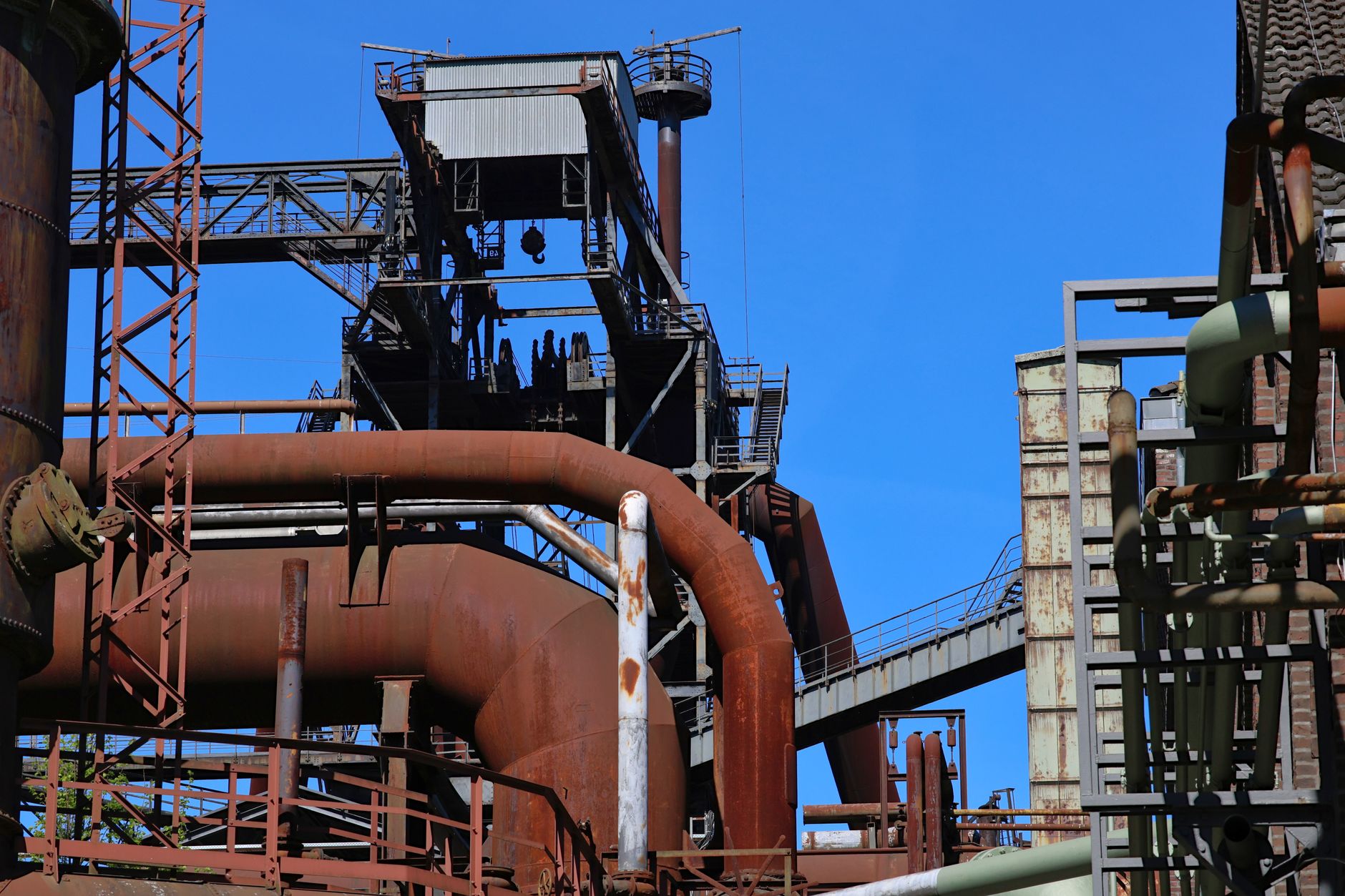
This tranquil riverside estate was once the explosive heart of America's industrial might, founded by a family whose name became synonymous with chemical innovation.
The du Pont family established their first gunpowder mills along the Brandywine River in 1802. Far from a simple factory, Hagley became a self-sustaining community with workers' housing, a school, and a garden. This integrated approach to industrial development, blending production with social welfare, offers a glimpse into early American capitalism's paternalistic yet ambitious vision, diversifying from gunpowder to modern chemistry.
2. The Utopian Industrial City
Pullman Historic District, Chicago, USA
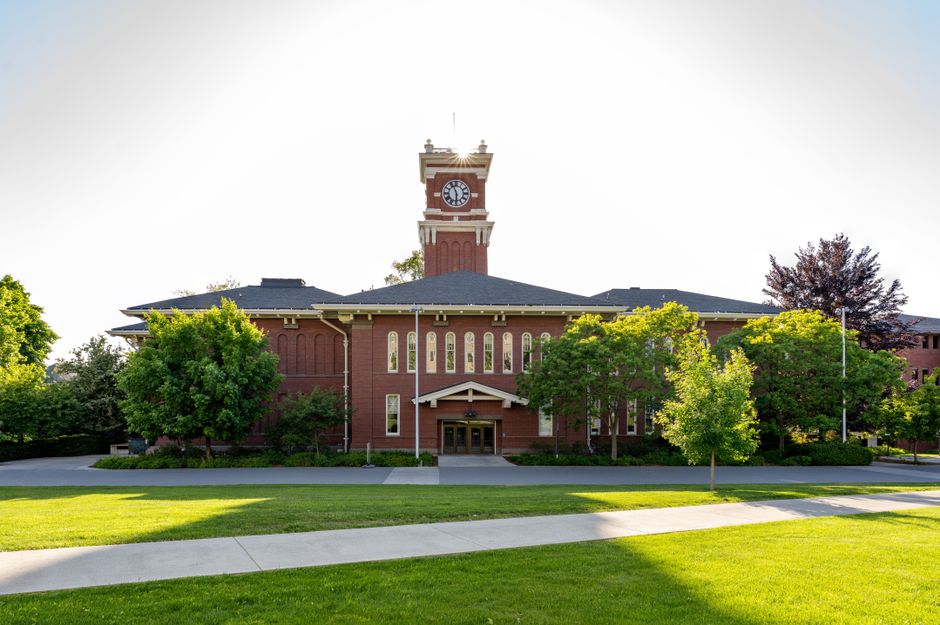
An entire town built by a company owner for his workers became a grand social experiment—and eventually, the flashpoint for a landmark labor strike.
George Pullman, of the Pullman Palace Car Company, envisioned a model town for his employees in the late 19th century, designed to improve their lives and productivity. Pullman boasted modern amenities, beautiful architecture, and strict moral codes. This American ideal of a 'company town' aimed to blend efficiency with social uplift, but its tight control over residents' lives ultimately fueled resentment, leading to a pivotal strike that reshaped labor relations.
3. The Great Canal's Staircase
Lockport Locks, Erie Canal, New York, USA
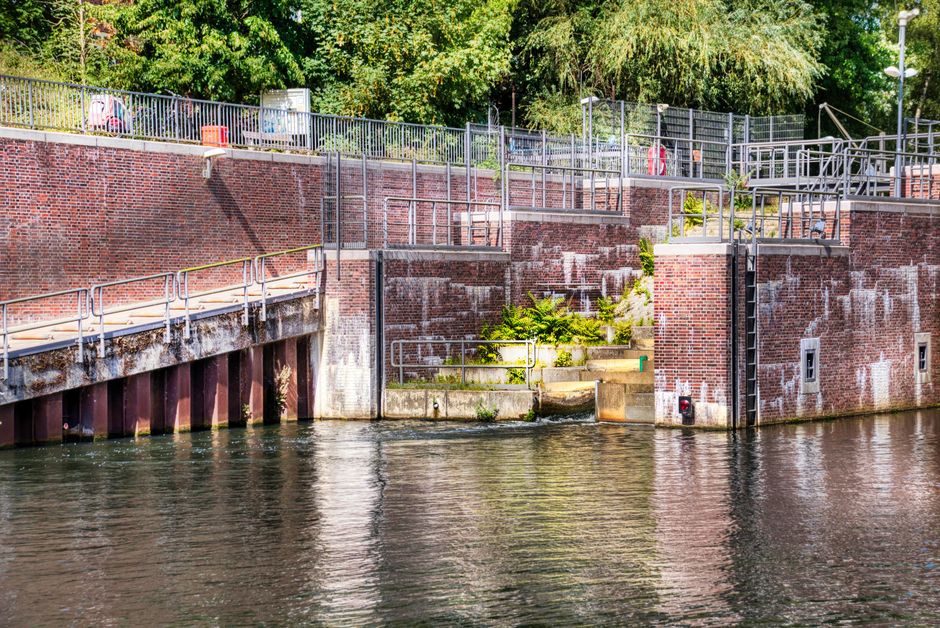
This ingenious series of five locks on the Erie Canal transformed a geographic barrier into an economic highway, linking the Atlantic to America's interior.
The Lockport Locks, completed in 1825, were a monumental feat of early American engineering, lifting boats over 60 feet. The construction of the Erie Canal itself was a bold, state-funded venture, demonstrating an American willingness to invest massively in infrastructure to overcome natural obstacles and unlock economic potential. It fostered internal trade, spurred urban growth, and cemented New York City's status as a global port.

4. The Engineered Wilderness
Norris Dam, Tennessee, USA
A landmark of the New Deal, this dam wasn't just about power; it was a grand federal experiment in regional planning and economic uplift during the Great Depression.
Norris Dam, completed in 1936 by the Tennessee Valley Authority (TVA), was more than hydroelectric power. It represented a vast government-led initiative to modernize a struggling rural region through flood control, navigation, and electrification. This project showcased a collective, centralized approach to large-scale infrastructure and social engineering, aiming to bring progress to an entire river basin, a stark contrast to purely private enterprise.
5. Modernism's Industrial Cradle
Fagus Factory, Alfeld, Germany
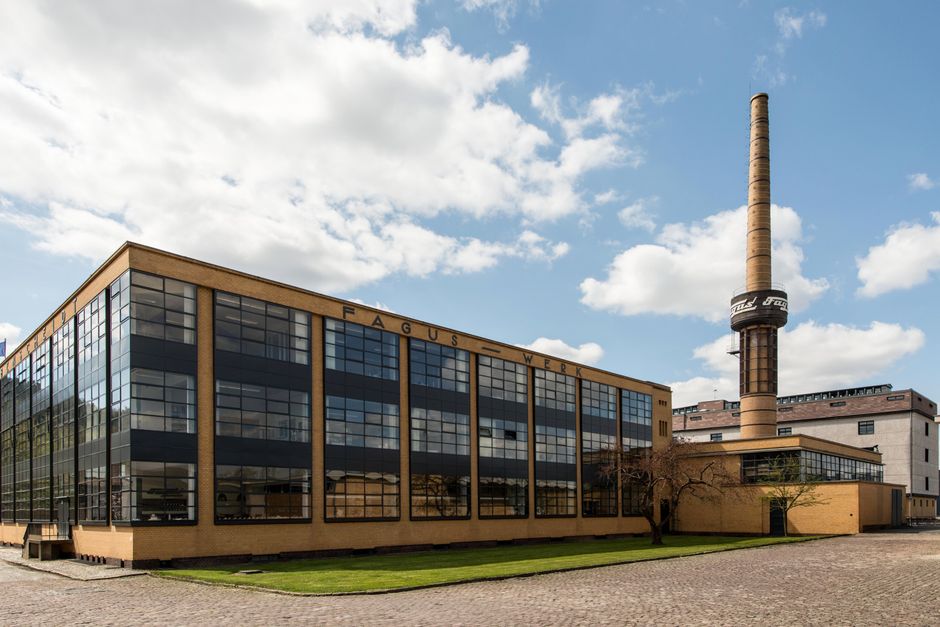
This shoe last factory, designed by Walter Gropius, wasn't just innovative for its product but for its revolutionary glass-and-steel architecture that redefined industrial design.
Built between 1911 and 1913, the Fagus Factory is considered a pioneering work of modern architecture and a precursor to the Bauhaus movement. Gropius's design prioritized light, air, and transparency, creating a more humane and efficient working environment. This German approach highlighted how thoughtful design and engineering could integrate aesthetics with functionality, reflecting a different philosophy for industrial production and worker well-being.
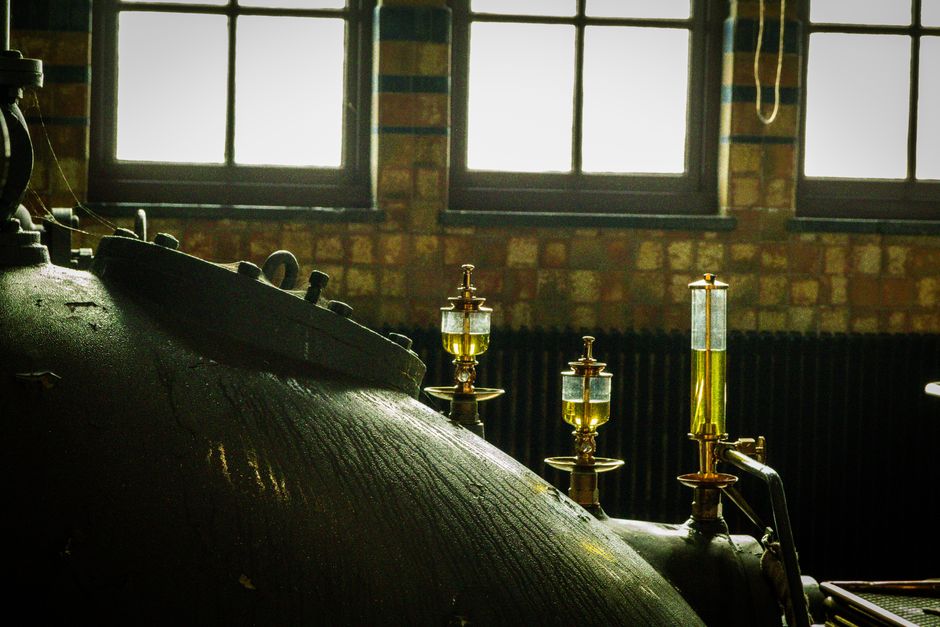
6. The Giant Against the Sea
Wouda Steam Pumping Station, Friesland, Netherlands
This monumental steam-powered pumping station, a UNESCO World Heritage site, is a testament to centuries of Dutch collective effort in battling the sea to create habitable land.
Opened in 1920, the Ir. D.F. Wouda Steam Pumping Station is the largest operational steam pumping station in the world. It exemplifies the Netherlands' long-standing, collective cultural mindset of land reclamation and water management. Unlike individual entrepreneurial ventures, this project reflects a society-wide commitment to large-scale, long-term engineering for survival and prosperity, requiring immense coordination and shared vision.
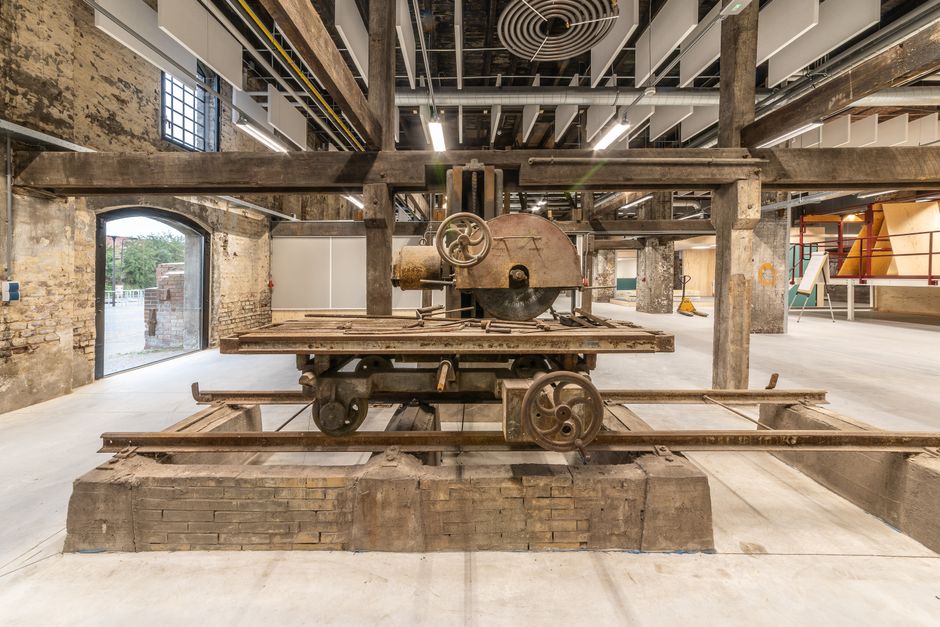
7. The Co-operative Revolution's Start
Rochdale Pioneers Museum, England, UK
From a modest shop on Toad Lane emerged a global economic movement that offered an alternative to traditional capitalism, emphasizing shared ownership and democratic control.
In 1844, a group of 28 weavers and artisans founded the Rochdale Equitable Pioneers Society, establishing principles of cooperation that still guide co-ops worldwide. Their model, focused on fair prices, quality goods, and member dividends, offered a different vision for business—one rooted in community needs rather than pure profit maximization. This site illuminates a European cultural mindset prioritizing collective welfare and ethical trade.
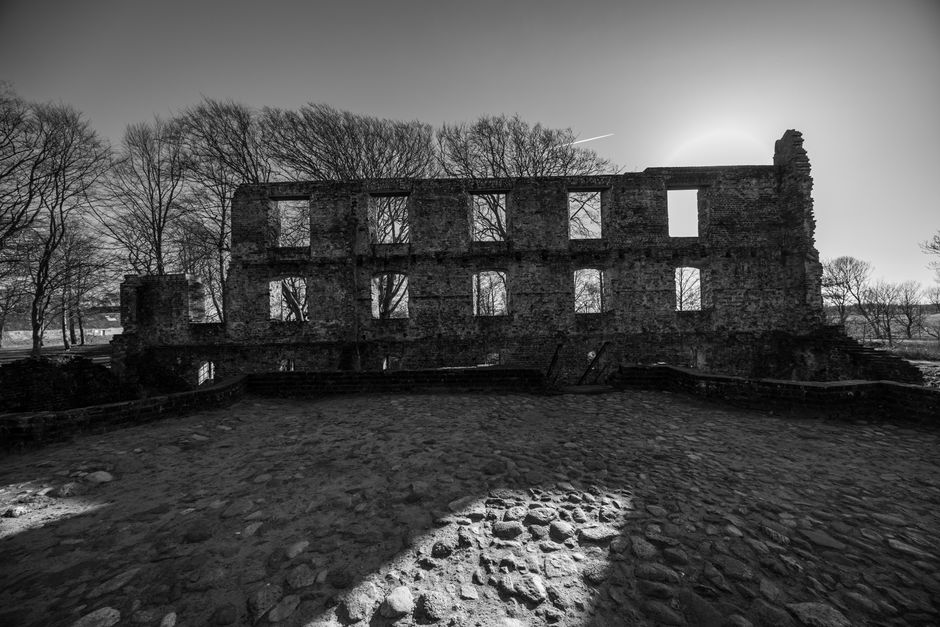
8. The Medieval Multinational's Hub
Visby, Gotland, Sweden
Behind the well-preserved walls of this Swedish island town lies the story of the Hanseatic League, a powerful medieval trading network that defined early European commerce.
Visby was a vital hub of the Hanseatic League, a formidable confederation of merchant guilds and market towns that dominated Baltic and North Sea trade from the 13th to 17th centuries. This collective enterprise, built on shared laws, defense, and economic interests, represents an early form of international business cooperation. Its ruins and warehouses speak to a European approach to trade that prioritized networks and shared governance over individual dominance, shaping a distinct commercial mindset.
Frequently asked questions
What is the Hanseatic League and its significance?
The Hanseatic League was a powerful medieval trading confederation of merchant guilds and market towns across Northern Europe. It facilitated vast commercial networks, established common laws, and even maintained its own navy, significantly shaping European trade and urban development for centuries.
Where can I see examples of early American industrial innovation?
Sites like the Hagley Museum and Library in Delaware, showcasing the du Pont gunpowder mills, or the Lockport Locks on the Erie Canal in New York, are excellent examples. These locations highlight America's early ambition in manufacturing and large-scale infrastructure.
What was the significance of the Pullman Historic District?
The Pullman Historic District was George Pullman's planned industrial town, a significant social experiment in late 19th-century America. It aimed to create an ideal environment for workers but ultimately became a focal point for labor disputes, highlighting tensions between industrial paternalism and worker autonomy.
How can I learn more about these fascinating places while traveling?
AllTours.ai is an AI audio tour guide app designed to enrich your travels. Simply point your phone camera at a landmark or landscape, and the app will narrate its history, geology, and culture in your language, bringing these stories to life right where they happened.
Related guides
Photography via Pexels. AllTours.ai is an AI audio tour guide — point your camera at any landscape and hear its story.