July 8, 2026 · 4 min read
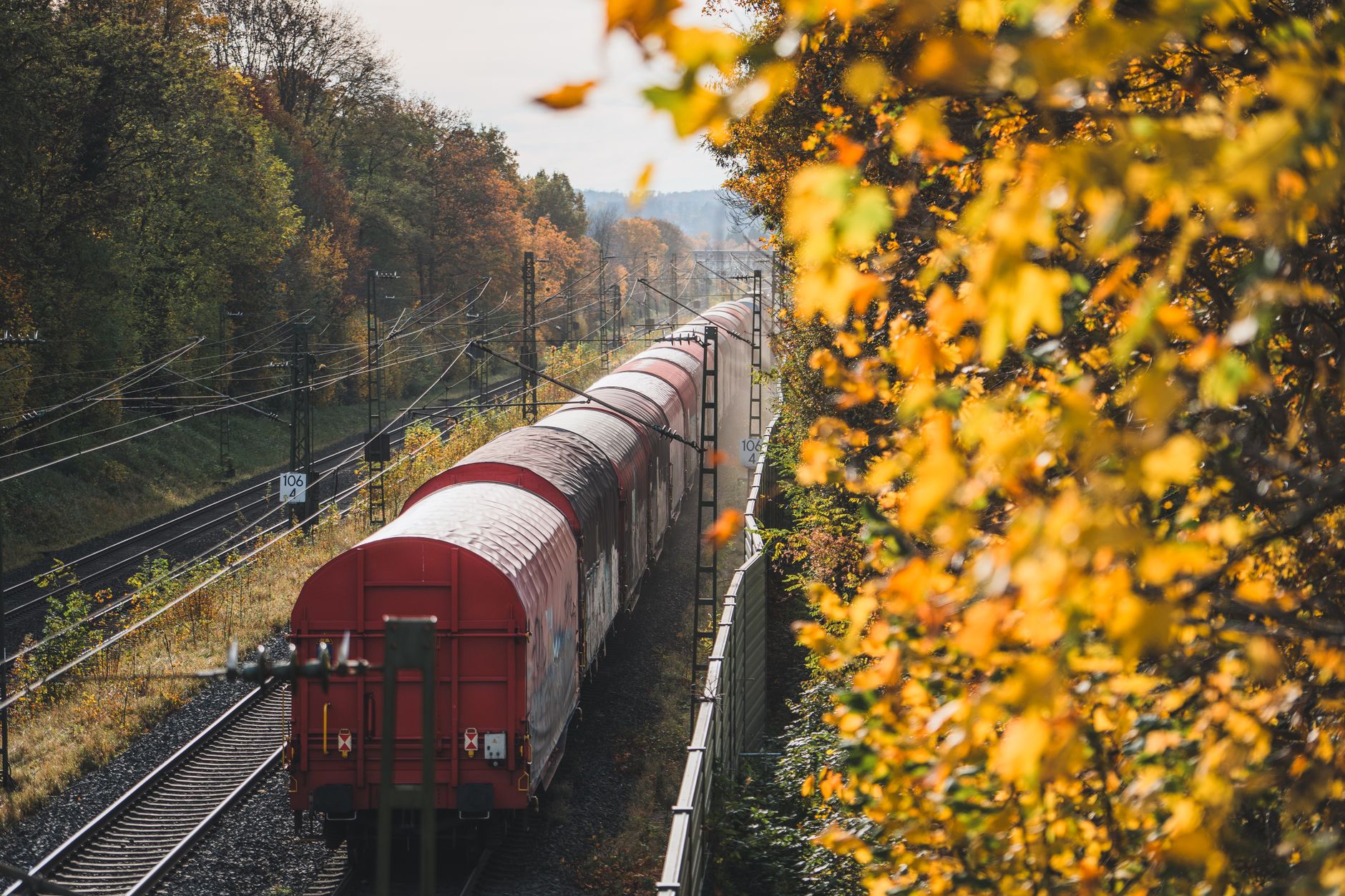
Planning a train trip from Detroit to Montreal? You're likely wondering: how long is a train ride from Detroit to Montreal? The journey, typically involving a connection, offers more than just a scenic route; it's a chance to traverse a historical tapestry stretching across two nations. While the travel time can vary, often ranging from 12 to 16 hours with layovers, it’s the unexpected discoveries along the way that truly enrich the experience.
Forget the usual tourist hotspots. This guide is your companion for uncovering the fascinating, lesser-known stories that lie just beyond the train window. From industrial relics to quiet communities with monumental pasts, prepare to uncover layers of history, geology, and culture that most travelers miss. Let's dive into some of the unique places that make this long trip an unforgettable adventure.
1. Grosse Ile's Unseen Naval Past
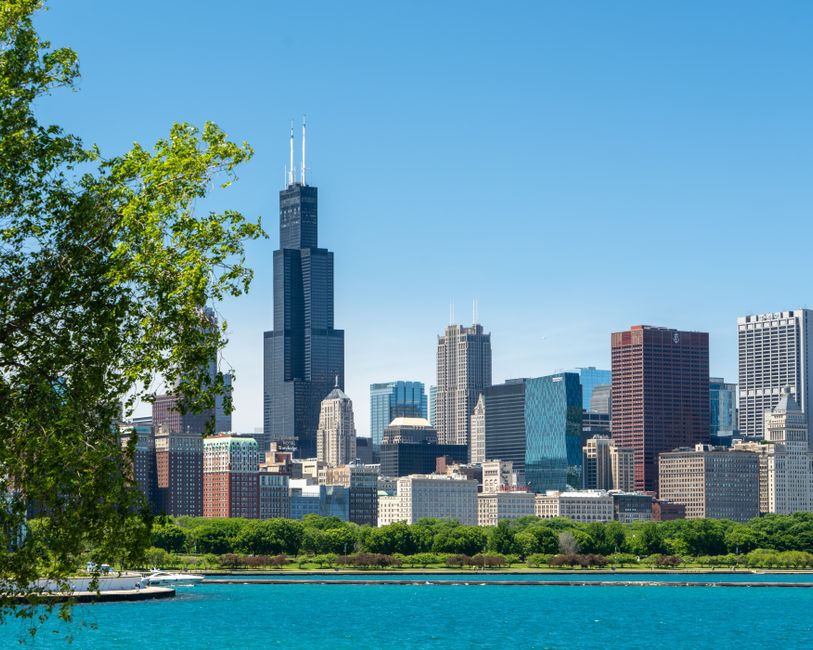
Grosse Ile, Michigan, USA
This quiet island in the Detroit River holds a surprising past as a strategic defense point and a hub for early naval aviation.
Grosse Ile, a serene island in the Detroit River, played a more significant role in history than its peaceful demeanor suggests. Beyond its involvement in the War of 1812, it became a pivotal site for naval aviation during the early 20th century. The island's strategic location and flat terrain made it ideal for seaplane operations, housing a significant naval air station that trained pilots and contributed to wartime efforts. Today, its historic homes and a lingering sense of isolation hint at these forgotten chapters beneath its calm surface.
2. Buxton: A Beacon of Freedom
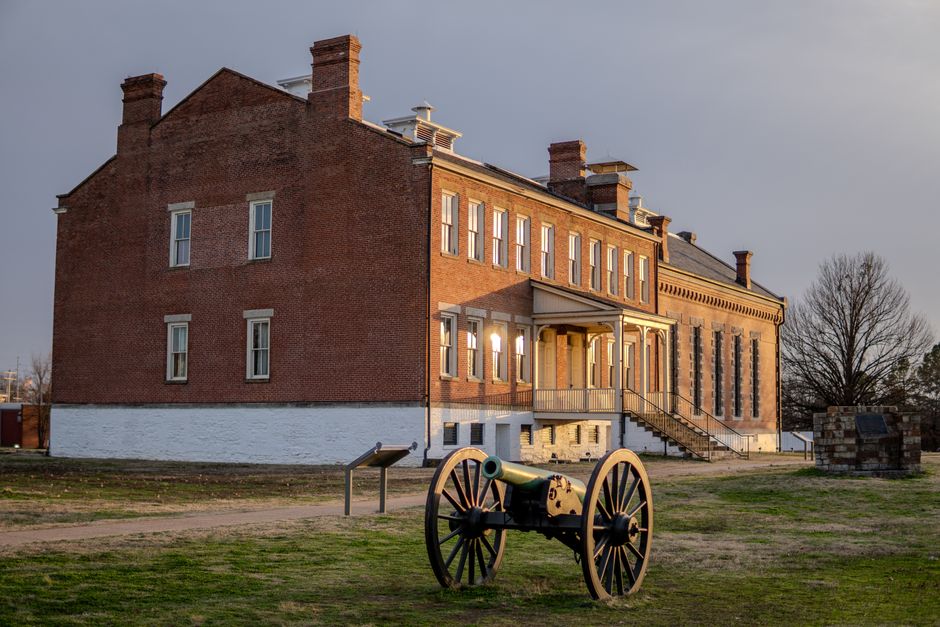
North Buxton, Ontario, Canada
This quiet rural community was once a thriving settlement and a crucial beacon of freedom for escaped slaves via the Underground Railroad.
North Buxton, Ontario, stands as a powerful testament to human resilience. In 1849, Reverend William King founded the Elgin Settlement here, a self-sufficient community for formerly enslaved Black people who had journeyed to freedom through the Underground Railroad. Against immense odds, they established schools, churches, and a strong agricultural economy. Descendants of these brave individuals continue to live here, meticulously preserving a legacy of self-determination and cultural heritage that echoes through generations.
3. The Quarry Turned Giant Pool
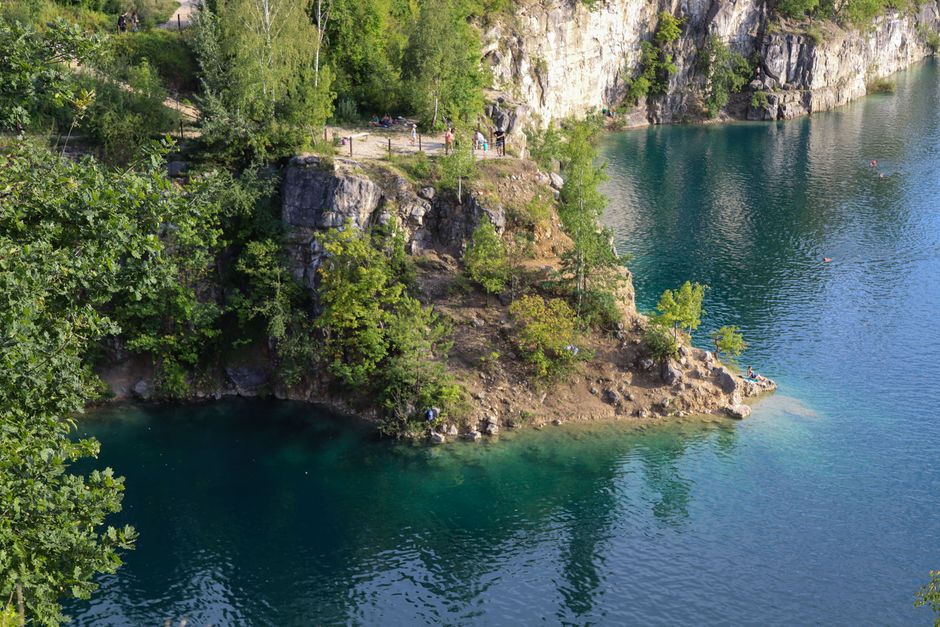
St. Marys, Ontario, Canada
Canada's largest outdoor swimming pool was once a massive limestone quarry that provided stone for national landmarks.
What now appears as a popular summer swimming destination in St. Marys, Ontario, was once a bustling limestone quarry, operational for over a century. The St. Marys Quarry supplied the foundational stone for many significant Canadian structures, including parts of the Parliament Buildings in Ottawa. When industrial operations ceased in 1920, the vast pit slowly filled with groundwater, transforming from a site of intense labor into an unexpected recreational oasis. It's a striking example of nature reclaiming an industrial landscape.
4. Ontario's Last 'Kissing Bridge'
West Montrose, Ontario, Canada
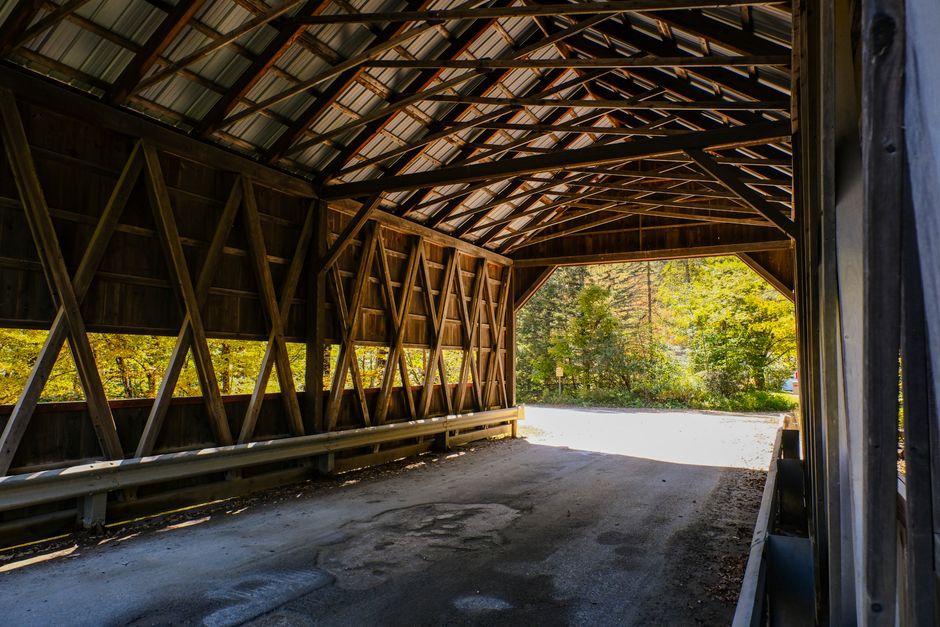
The last remaining covered bridge in Ontario, known locally as the 'Kissing Bridge,' has gracefully spanned the Grand River for over 140 years.
The West Montrose Covered Bridge, built in 1881, holds the unique distinction of being Ontario's only surviving wooden covered bridge. Its distinctive red timber frame and sheltered walkway earned it the affectionate nickname 'Kissing Bridge,' a nod to its secluded charm. This architectural relic connects not just two sides of the Grand River, but also the present day to a bygone era of horse-drawn carriages and simpler travel, standing as a quiet testament to enduring craftsmanship and local lore.
5. Macaulay House: A Judge's Hidden Life
Picton, Prince Edward County, Ontario, Canada
This seemingly ordinary historic home reveals the surprising complexities of early Canadian settler life through the eyes of a prominent 19th-century judge.
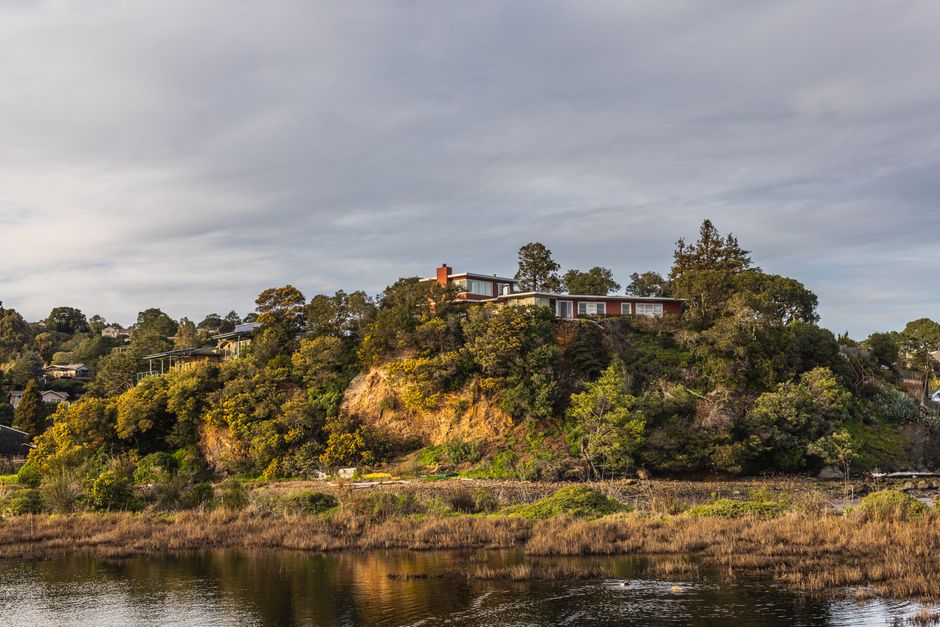
Macaulay House, constructed in 1830, was the residence of Reverend William Macaulay, a highly influential figure in Prince Edward County's formative years. Beyond its elegant facade, the house and its meticulously preserved grounds offer a vivid glimpse into the intricate social hierarchies, domestic routines, and the interwoven roles of church and state in a nascent Canadian settlement. Its rooms tell intimate stories of a powerful family's daily aspirations and challenges, providing a unique perspective far removed from grand historical narratives.
6. The Blue Church of Loyalists
Prescott, Ontario, Canada
This strikingly blue church, perched above the St. Lawrence, marks the historic burial ground of Loyalists who shaped early Canada.
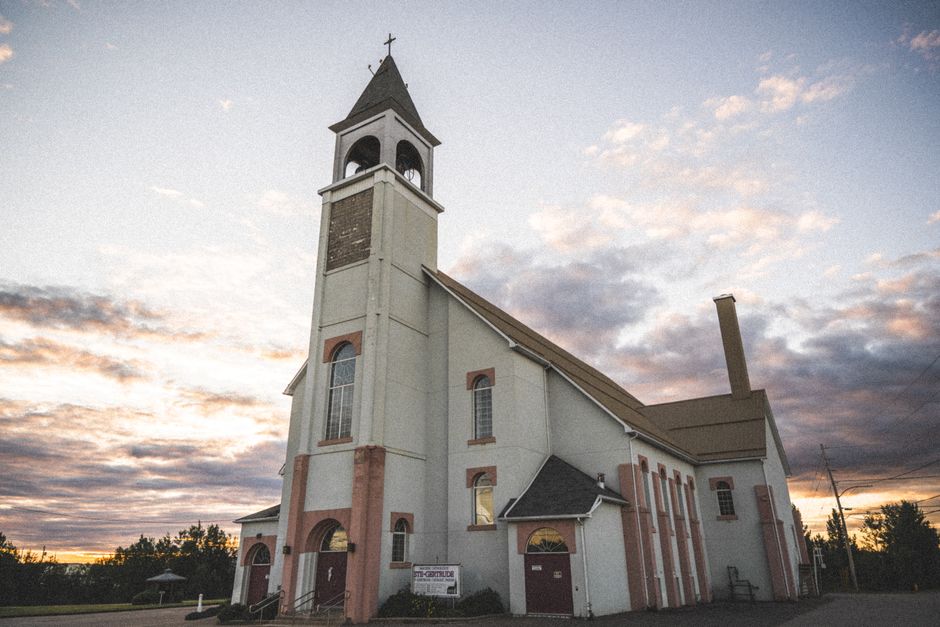
Perched on a bluff overlooking the majestic St. Lawrence River, the 'Blue Church,' officially St. James Anglican Church, is an iconic landmark. Its vibrant hue and strategic location mark a significant burial ground for United Empire Loyalists, those who sought refuge in Canada after the American Revolution. The historic gravestones tell poignant stories of hardship, steadfast loyalty, and the forging of new identities along the frontier, standing as a silent, powerful monument to a foundational migration in Canadian history.
7. Lachine Canal: Montreal's Industrial Heartbeat
Lachine, Quebec, Canada
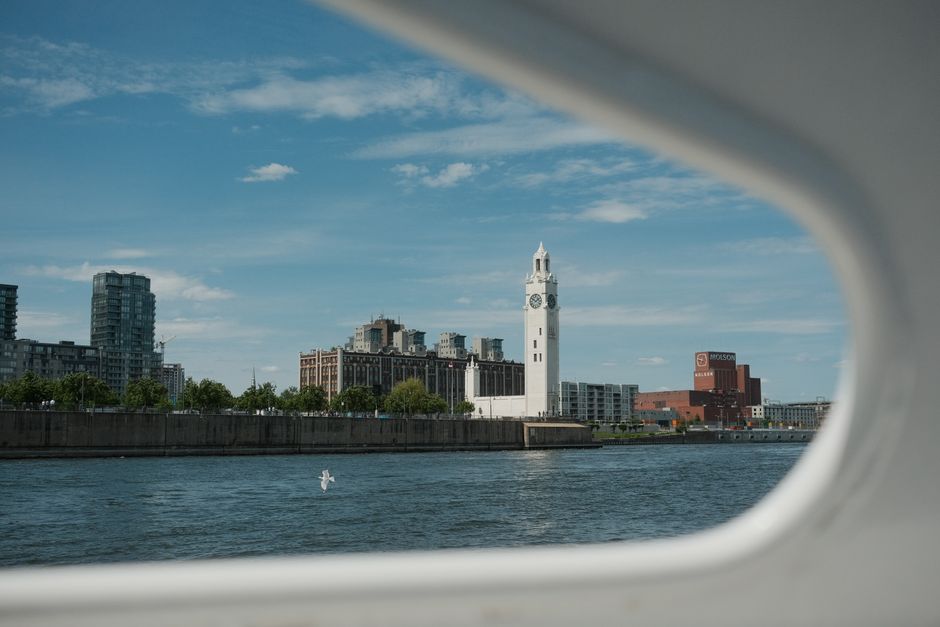
This peaceful canal, now a recreational haven, was once a crucial industrial artery that transformed Montreal's economy.
Today, the Lachine Canal is a popular destination for cycling and leisurely strolls, but its past is far more industrious. Built to bypass the turbulent Lachine Rapids, it played a pivotal role in Montreal's 19th-century industrial boom, facilitating shipping and powering numerous factories along its banks. The remnants of old factories and historic locks along its path whisper tales of innovation, hard labor, and the city's remarkable transformation from a fur trading post to a powerful manufacturing center, shaping its economic identity.
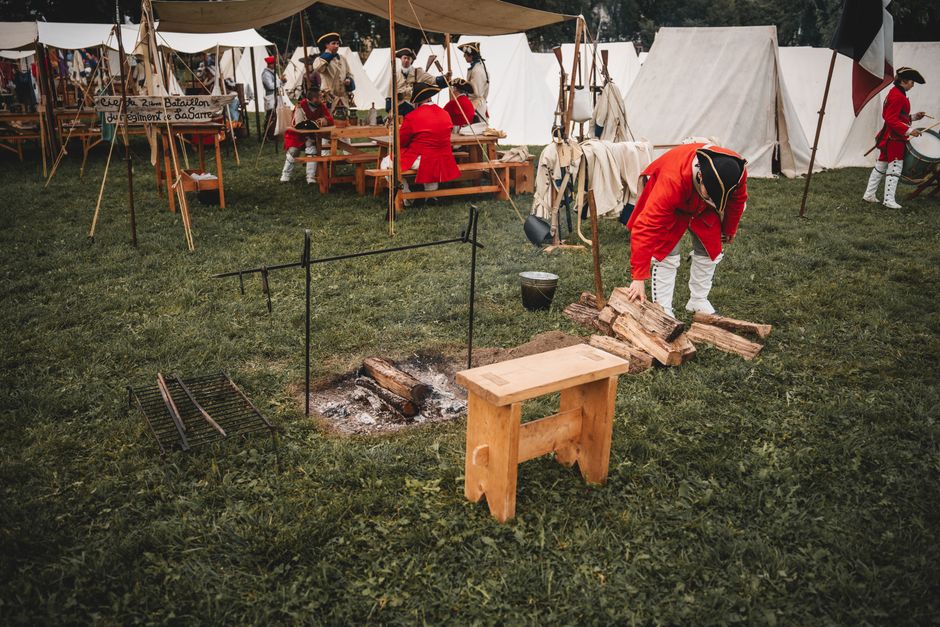
8. Fort Chambly's Enduring Walls
Chambly, Quebec, Canada
This robust stone fort, built by the French, was a key defense point against Iroquois raids and later a British stronghold.
Fort Chambly, initially a wooden stockade erected in 1665, stands as a formidable testament to centuries of colonial conflict. Rebuilt in resilient stone by the French in the 18th century, its primary purpose was to protect New France from Iroquois attacks and later served as a vital British garrison. Its thick walls and strategic position on the Richelieu River bear witness to a long succession of struggles for control, from indigenous skirmishes to imperial rivalries, offering a tangible link to Quebec's turbulent and foundational past.
Frequently asked questions
How long is the train ride from Detroit to Montreal?
The train journey from Detroit to Montreal typically involves a connection, most often in Toronto, and can take anywhere from 12 to 16 hours, or even longer depending on layovers. This includes time for border crossing and potential operational delays.
What's the best way to book train tickets for this route?
For this cross-border route, you'll likely use Amtrak for the US portion (Detroit to Windsor/Toronto) and Via Rail Canada for the Canadian leg (Toronto to Montreal). It's often best to book segments separately or consult a travel agent for combined itineraries to ensure the smoothest connections and best pricing for your long trip.
What should I pack for a long train journey?
For a long train journey, pack essentials like comfortable clothing, a good book or offline entertainment, snacks, a reusable water bottle, and a neck pillow. Don't forget any necessary travel documents, device chargers, and a small bag with toiletries for refreshing during layovers or on board.
How can AllTours.ai enhance my train trip?
AllTours.ai transforms your journey by providing instant audio tours as you travel. Simply point your phone camera at landmarks, landscapes, or even historical markers you pass, and the app will narrate their history, geology, and culture in your preferred language, revealing fascinating stories you'd otherwise miss.
Related guides
Photography via Pexels. AllTours.ai is an AI audio tour guide — point your camera at any landscape and hear its story.