July 3, 2026 · 4 min read
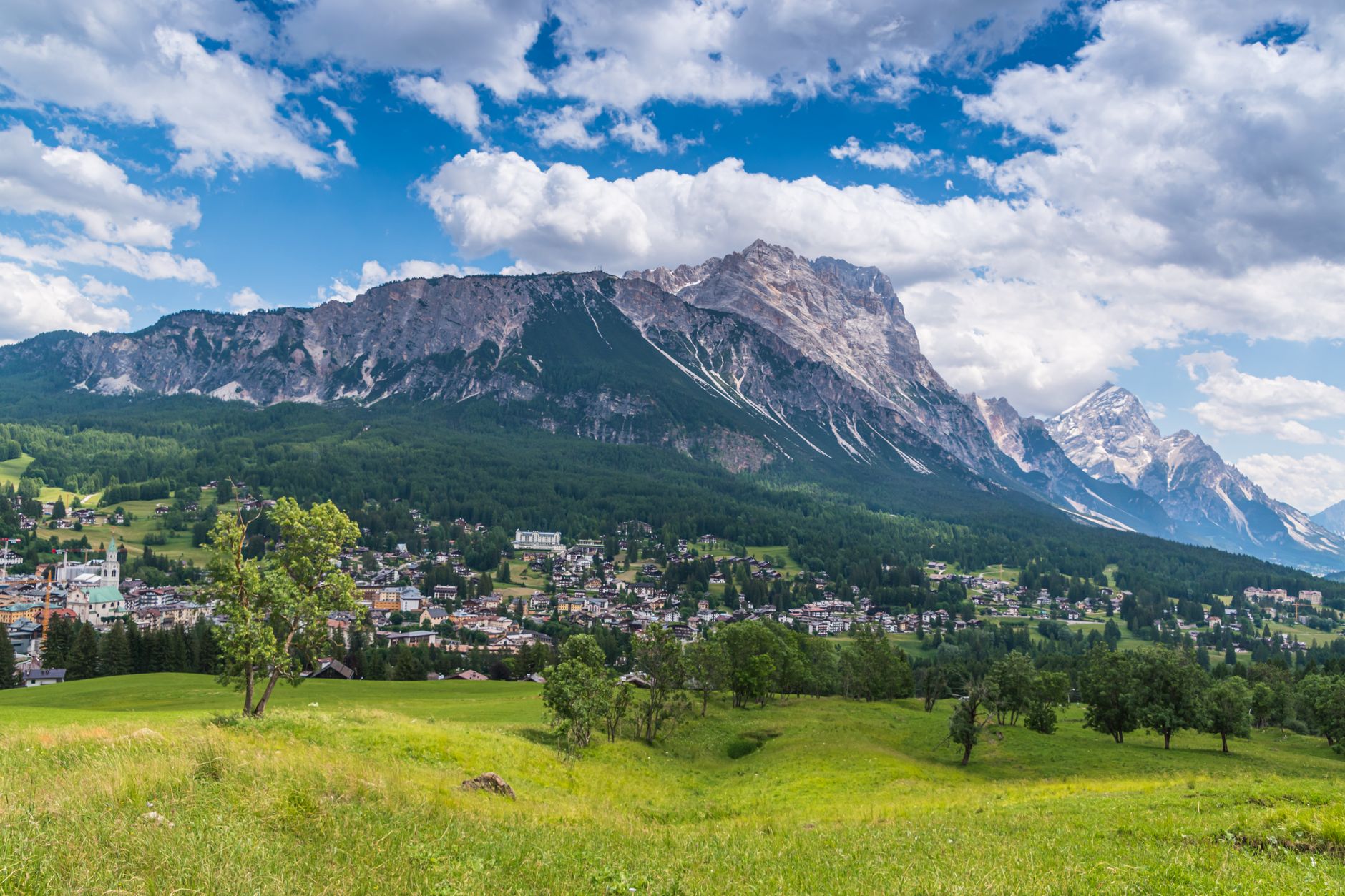
The Italian Dolomites are a UNESCO World Heritage site, celebrated for their dramatic rock formations and the vibrant history etched into every valley. While the peaks draw hikers and climbers, the real soul of this region often resides in its towns. These are not just charming alpine villages; they are living museums, each with a unique story waiting to be uncovered.
Beyond the well-trodden paths of more famous destinations, there exists a collection of captivating towns that offer a deeper dive into the Dolomites' rich past and local culture. If you're looking for the best towns to visit in the Dolomites, these lesser-known gems provide perfect bases for exploration, blending breathtaking scenery with fascinating local lore.
1. Chiusa: Where Dürer Found His Nemesis
Chiusa, Italy
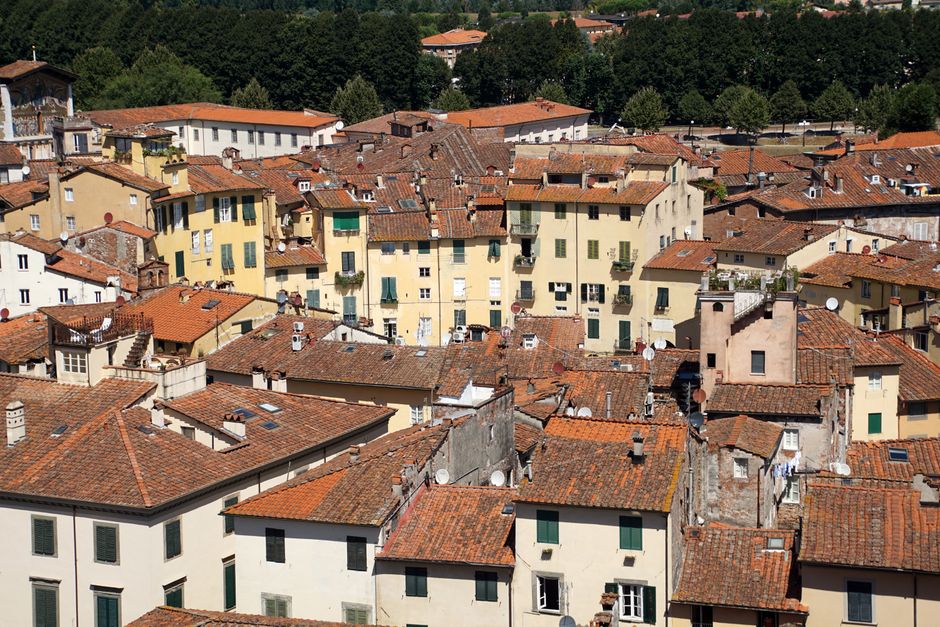
The medieval town of Chiusa once captivated Albrecht Dürer, who immortalized its surrounding landscape in his famed engraving, 'Nemesis'.
Chiusa, known as Klausen in German, sits strategically in the Isarco Valley. In 1494, the renowned Renaissance artist Albrecht Dürer passed through here and was so struck by the majestic rock formations and the Säben Abbey overlooking the town that he included them in his masterpiece. The abbey, perched high above, has roots dating back to Roman times and served as a significant spiritual center for centuries before becoming a Benedictine convent.
2. Vipiteno: A Silver-Lined Medieval Legacy
Vipiteno, Italy
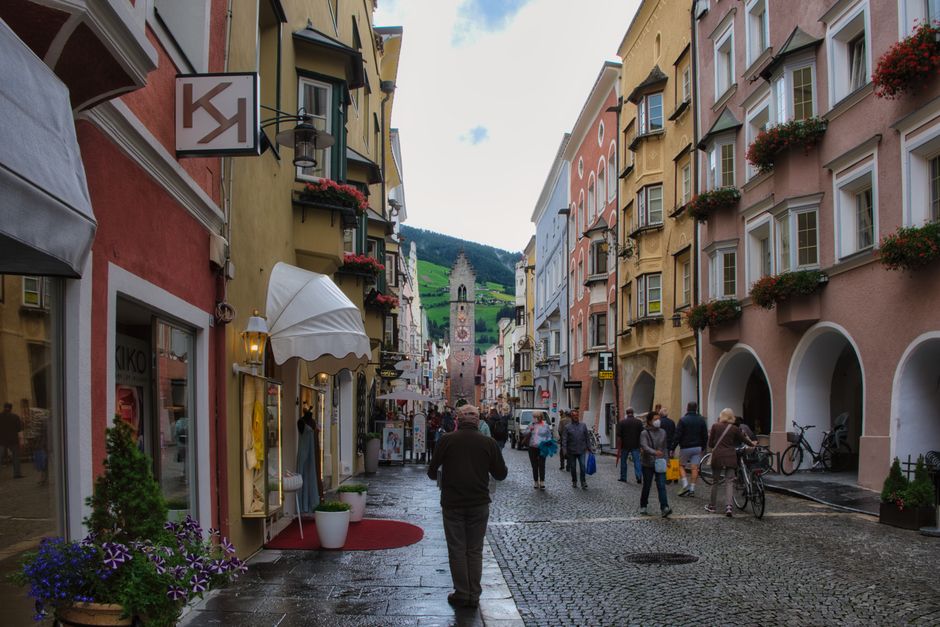
Vipiteno's striking pastel facades and ornate bay windows are a direct legacy of the Fugger family's vast silver and lead mining wealth.
Vipiteno, or Sterzing, owes its distinctive appearance to the boom in silver and lead mining during the 15th and 16th centuries. The powerful Fugger family from Augsburg invested heavily in the region's mines, transforming the town into a prosperous trading hub. This wealth funded the elaborate renovations of its main street, with its characteristic arcades and colorful merchants' houses, giving Vipiteno its unique medieval elegance that persists today.
3. Alleghe: The Town Beneath the Lake
Alleghe, Italy
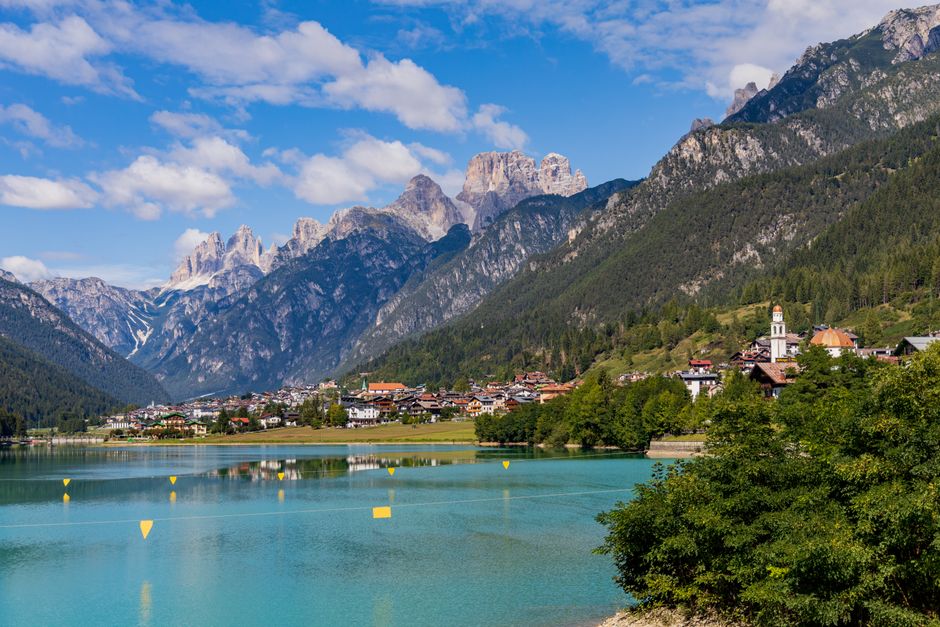
Lake Alleghe hides a chilling secret: the remnants of a village submerged by a catastrophic landslide in 1771.
On January 11, 1771, a massive rockslide from Monte Piz devastated the valley, damming the Cordevole river and creating the beautiful Lake Alleghe. This natural disaster tragically buried three hamlets and claimed many lives. Today, local legends persist that on clear days, or in very specific light conditions, one can glimpse the submerged church steeple or the outlines of ancient buildings beneath the lake's surface, a haunting reminder of the past.
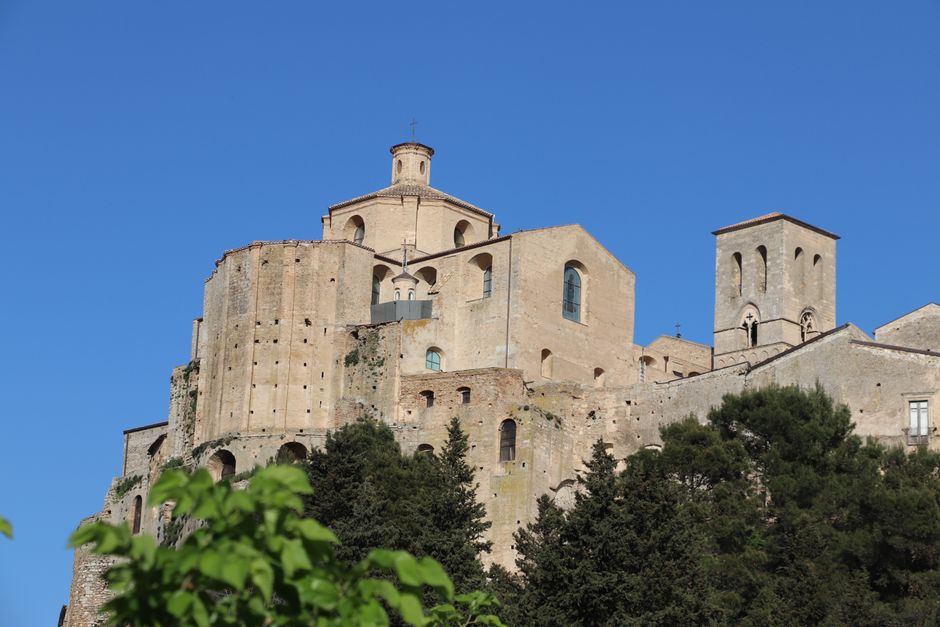
4. San Candido: Where Footprints of Time Remain
San Candido, Italy
The area around San Candido is famous for its unique geological formations and fossil discoveries, including ancient footprints.
San Candido, known as Innichen in German, is a historic market town near the Austrian border, dating back to Roman times. Beyond its charming center and impressive Romanesque collegiate church, the surrounding geological park of the Sesto Dolomites is a treasure trove for paleontologists. Fossils of marine creatures from ancient seas, and even dinosaur footprints, have been unearthed here, painting a vivid picture of the region's deep geological past.
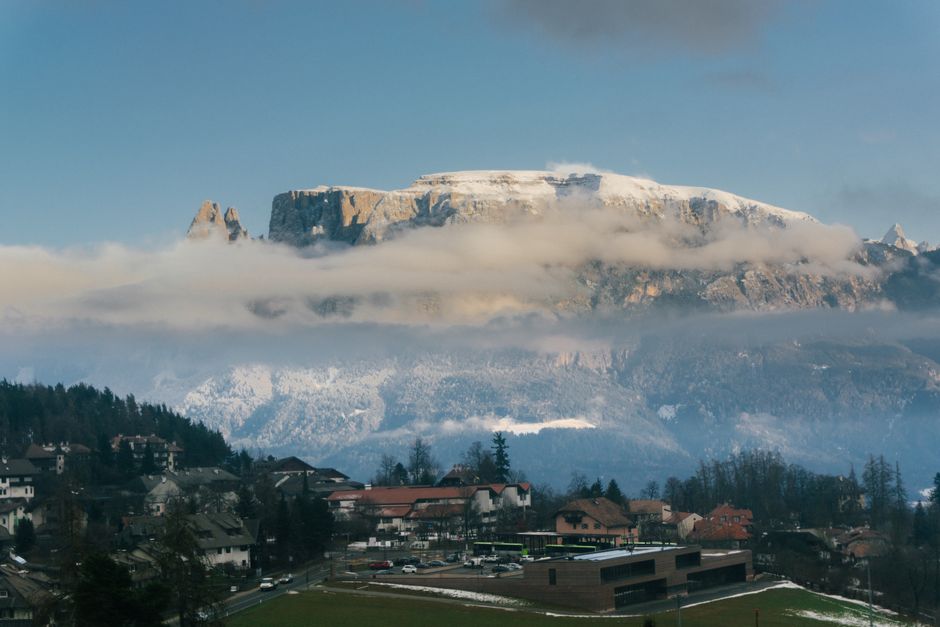
5. Castelrotto: The Witches of Schlern
Castelrotto, Italy
Castelrotto is steeped in folklore, famously linked to the 'Witches of Schlern,' who were believed to gather on the nearby Sciliar mountain.
Nestled beneath the imposing Sciliar massif, Castelrotto (Kastelruth) is deeply connected to ancient legends. The 'Witches of Schlern' are central to local tales, said to have performed rituals and cast spells on the mountain's rugged plateau. These stories, dating back centuries, reflect the deep respect and fear the early inhabitants held for the wild, untamed nature of the Dolomites, and are still recounted by locals today.
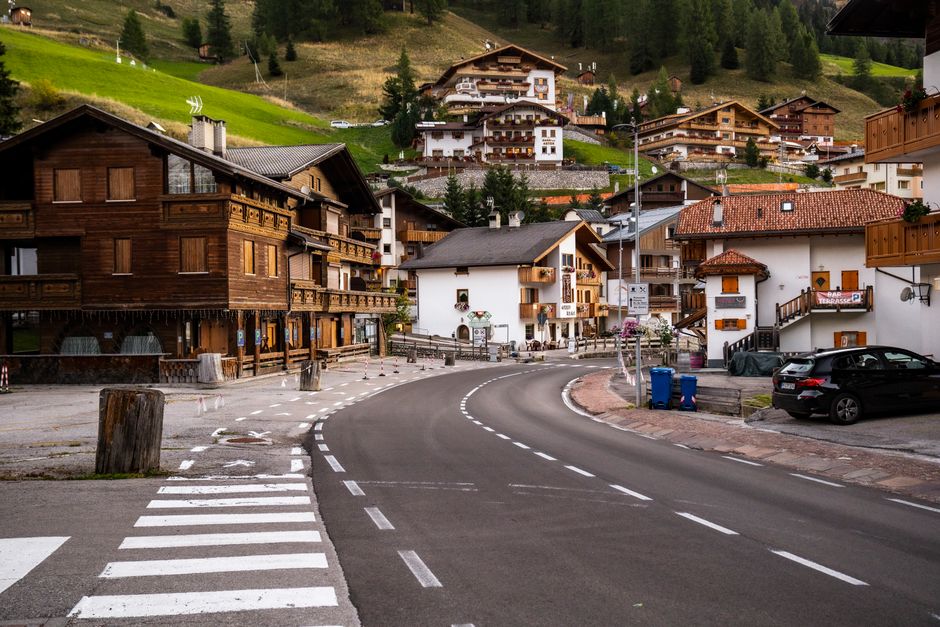
6. Arabba: Echoes of the Great War
Arabba, Italy
Arabba, a popular ski resort today, was once a crucial front line during World War I, with extensive open-air museums preserving its wartime history.
High in the Dolomites, Arabba served as a strategic point during the First World War, particularly for the battles fought between Italian and Austro-Hungarian forces. The surrounding mountains, like Marmolada and Col di Lana, bear scars from the conflict, with trenches, tunnels, and fortifications still visible. These open-air museums offer a poignant insight into the harsh conditions soldiers endured in this high-altitude theater of war, contrasting sharply with its peaceful present.
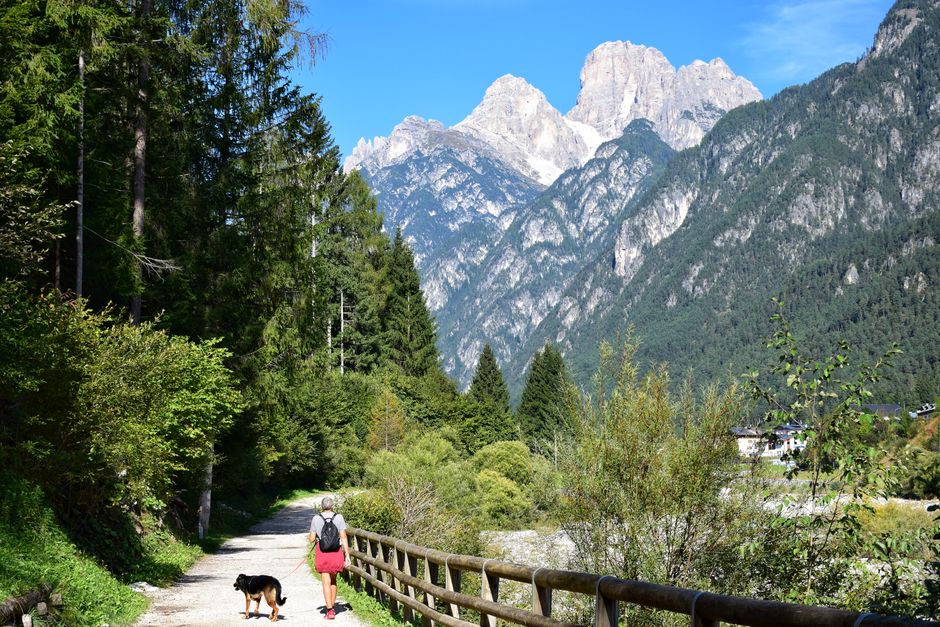
7. Pieve di Cadore: Titian's Birthplace and Roman Roads
Pieve di Cadore, Italy
Pieve di Cadore is not only the birthplace of the great Renaissance painter Titian but also a historical crossroads shaped by Roman engineering.
This historic town holds a significant place in art history as the birthplace of Tiziano Vecellio, better known as Titian. His childhood home is now a museum. Beyond its artistic legacy, Pieve di Cadore was a vital hub in Roman times, situated along a key road connecting the Adriatic coast to northern Europe. Remnants of Roman fortifications and infrastructure can still be found, testament to its long-standing strategic importance.
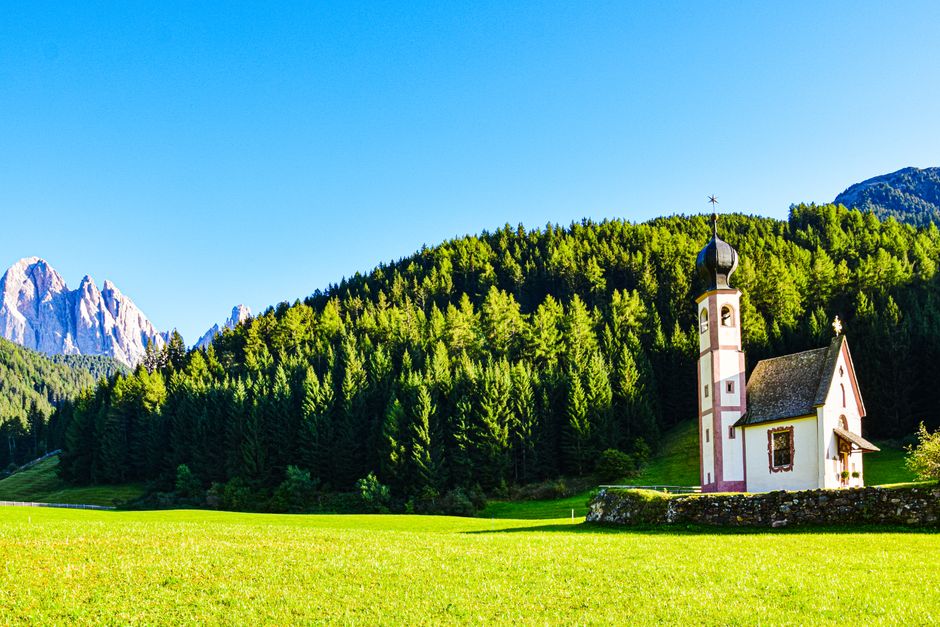
8. Santa Maddalena: The Geological Masterpiece
Santa Maddalena, Italy
The Val di Funes, home to Santa Maddalena, showcases some of the most dramatic and geologically significant rock formations in the Dolomites, particularly the Odle peaks.
Santa Maddalena, a small hamlet within the Val di Funes, offers iconic views of the Geisler (Odle) Group. These towering, serrated peaks are a prime example of the geological processes that formed the Dolomites: ancient coral reefs uplifted and carved by millennia of erosion. The unique interplay of light and shadow on these formations throughout the day creates an ever-changing spectacle, making it a favorite spot for photographers and geologists alike.
Frequently asked questions
What is the best time of year to visit the Dolomites?
The best time largely depends on your activities. For hiking and exploring the towns, late spring (May-June) and early autumn (September-October) offer pleasant weather and fewer crowds. Summer (July-August) is ideal for warmer hiking but can be busier. Winter (December-March) is perfect for skiing and snow activities.
Are these towns accessible by public transport?
Many towns in the Dolomites, especially in South Tyrol, are well-connected by an efficient public bus system. Train lines also reach some larger towns like San Candido. However, to fully explore the smaller hamlets and trailheads, a car often provides the most flexibility.
What unique dishes should I try in the Dolomites?
Dolomite cuisine is a delicious blend of Italian and Austrian influences. Look for Schlutzkrapfen (half-moon pasta with spinach and ricotta), Canederli (bread dumplings), Goulash, and speck (smoked ham). Don't forget to try local cheeses and wines from the Alto Adige region.
How can an AI audio tour guide enhance my visit to these towns?
An AI audio tour guide like AllTours.ai brings the stories of these places to life. Simply point your phone camera at a landmark, building, or even a mountain peak, and the app will narrate its history, geology, and cultural significance in your language, offering a deeper understanding of the Dolomites beyond what meets the eye.
Related guides
Photography via Pexels. AllTours.ai is an AI audio tour guide — point your camera at any landscape and hear its story.