September 22, 2026 · 4 min read
Valleys, with their unique geology and rich biodiversity, have long captivated the human imagination. For nature lovers, these cradles of life offer unparalleled beauty, from verdant depths to dramatic, carved landscapes. They are places where history, geology, and culture often intertwine in surprising ways, revealing stories etched into the very earth.
But what if you yearn for sights beyond the well-trodden paths? This guide ventures into the truly remarkable, asking what are the world's most beautiful valleys for nature lovers who seek the extraordinary. Prepare to explore places where ancient traditions meet awe-inspiring geology, far from the usual tourist crowds.
1. The Frozen River Path of Zanskar
Zanskar Valley, Ladakh, India
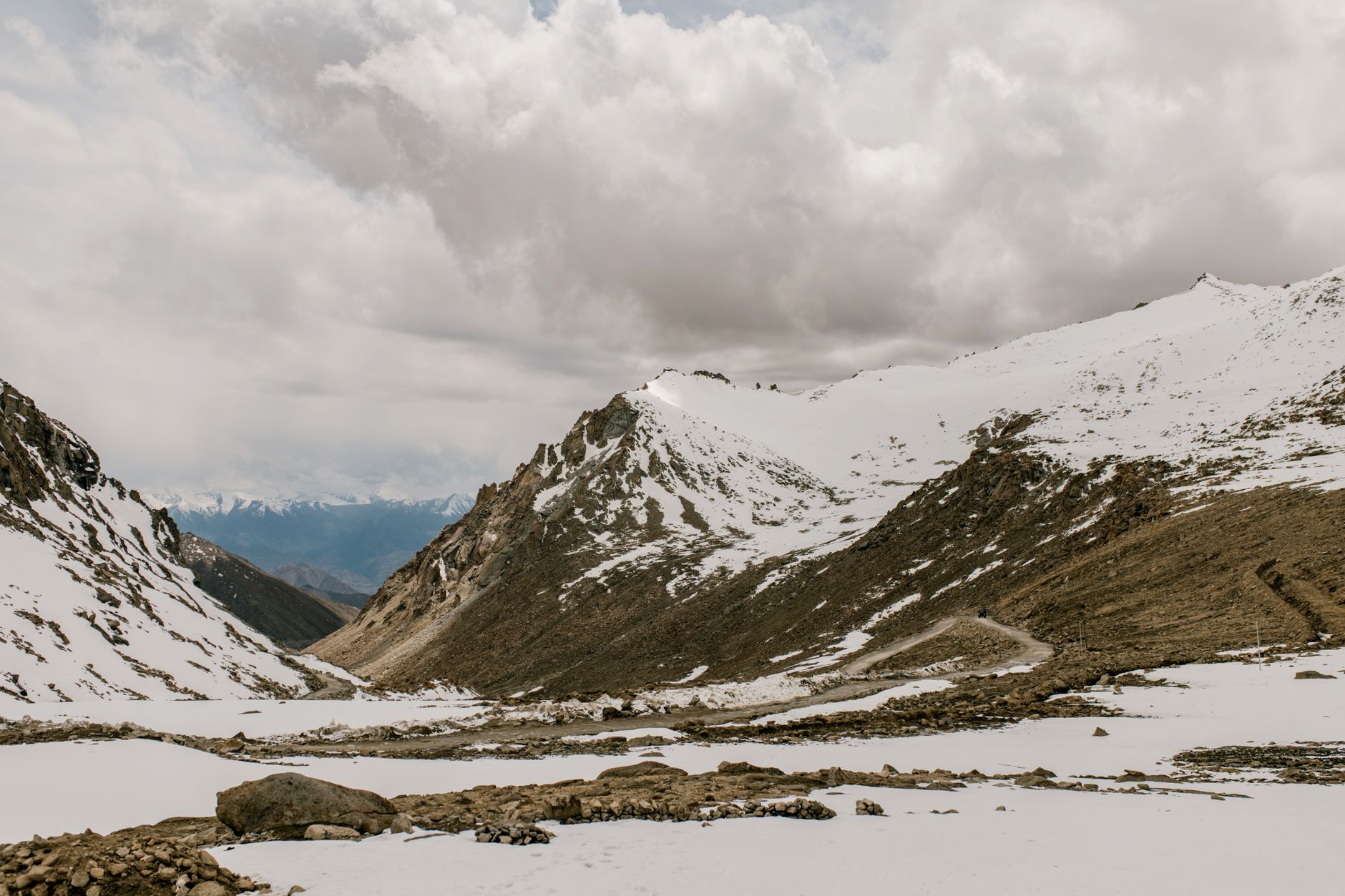
In winter, the Zanskar River freezes solid, forming the "Chadar Trek" – an ancient, treacherous route used by locals, making it one of the world's most unique frozen river treks.
This remote Himalayan valley becomes a spectacle of ice during winter, where the Zanskar River transforms into a natural ice highway. For centuries, Zanskari villagers have traversed this frozen river, known as the Chadar, to connect with the outside world, a journey through a landscape of towering icy cliffs and caves. It's a testament to human resilience against extreme conditions and a window into a culture shaped by isolation and the elements.
2. Kamchatka's Steaming Heart: Valley of Geysers
Kamchatka Peninsula, Russia
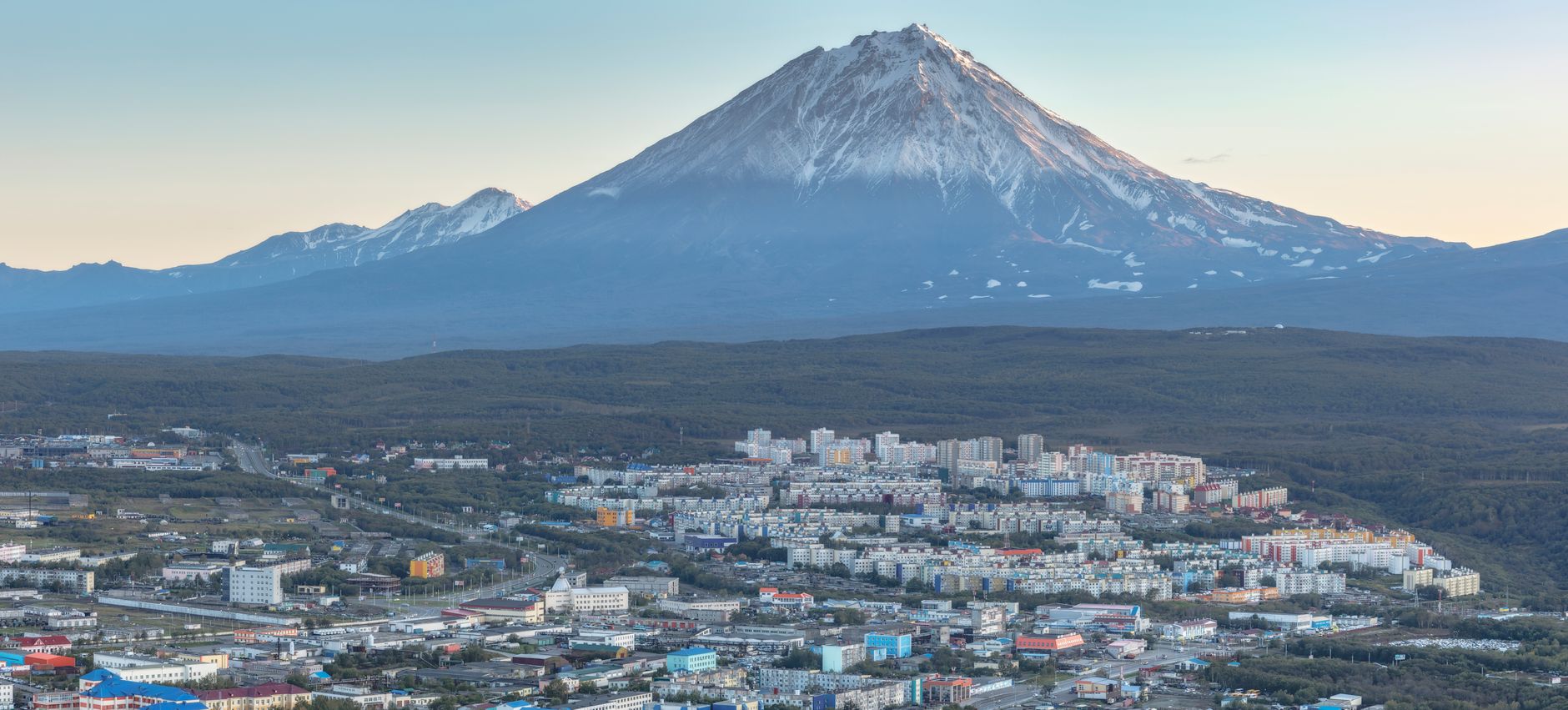
Discovered only in 1941, this valley is the second-largest geyser field in the world, home to over 30 active geysers and numerous hot springs, located on a volatile volcanic hotspot.
Hidden deep within Russia's remote Kamchatka Peninsula, the Valley of Geysers is a dynamic landscape of steam vents, boiling mud pots, and erupting geysers. Its late discovery highlights its extreme isolation, a testament to Kamchatka's vast, untamed wilderness. The constant geothermal activity here is a direct result of its position on the Pacific Ring of Fire, offering a raw, powerful display of Earth's internal forces at work.
3. Montenegro's Wild River Gash: Morača Canyon
Morača River Canyon, Montenegro
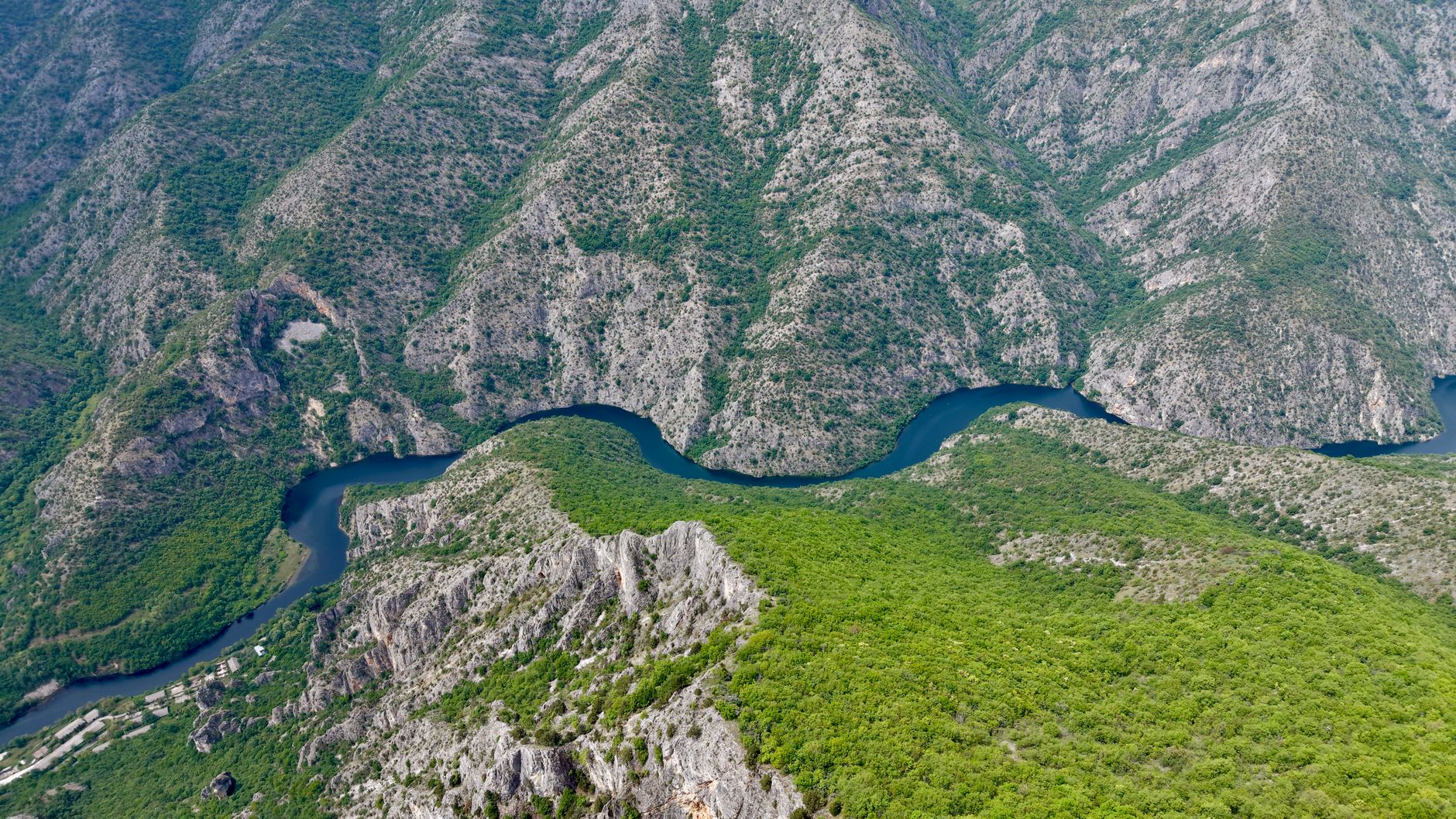
The Morača River, carving this dramatic canyon, is one of Europe's last truly wild rivers, home to endemic fish species found nowhere else on Earth.
Montenegro’s Morača River Canyon cuts a breathtaking gash through the Dinaric Alps, with sheer limestone cliffs plunging hundreds of meters to the emerald-green river below. This rugged gorge is not just a scenic wonder but an ecological treasure. The river itself remains largely untamed, its pristine waters supporting unique aquatic life, including several fish species adapted specifically to its flow and isolated environment.
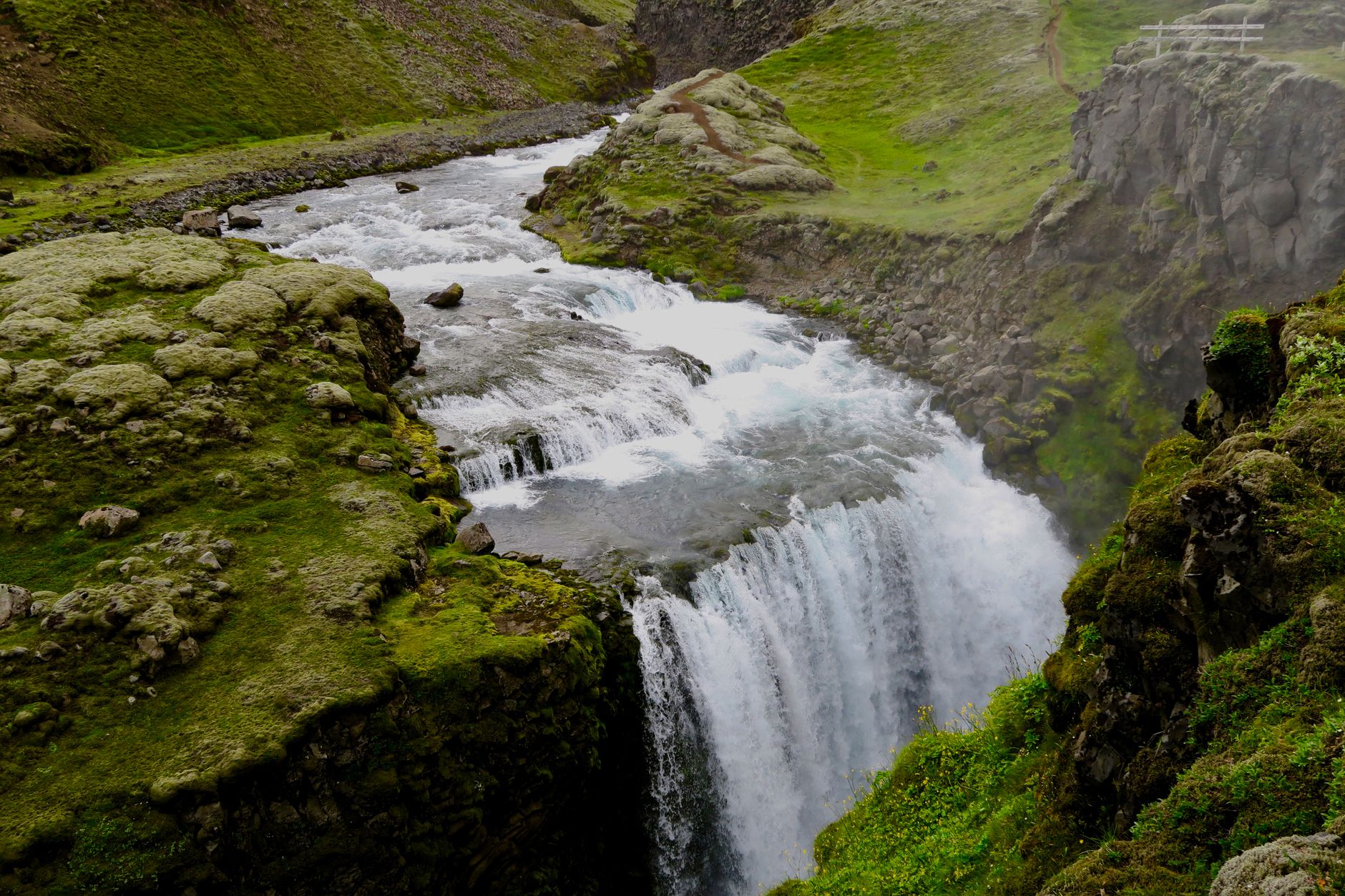
4. The Serpent of Iceland: Fjaðrárgljúfur Canyon
Fjaðrárgljúfur Canyon, Iceland
This serpentine canyon, carved by glacial meltwater over two million years, features towering moss-covered walls that reveal distinct layers of ancient volcanic rock.
Fjaðrárgljúfur, a name as intricate as the canyon itself, is a glacial river canyon in southeast Iceland. Its winding, S-shaped path, up to 100 meters deep and 2 kilometers long, tells a geological story stretching back to the last Ice Age. The exposed rock formations along its dramatic walls are a visible timeline of volcanic eruptions and glacial movements, now softened by a carpet of vibrant green moss.
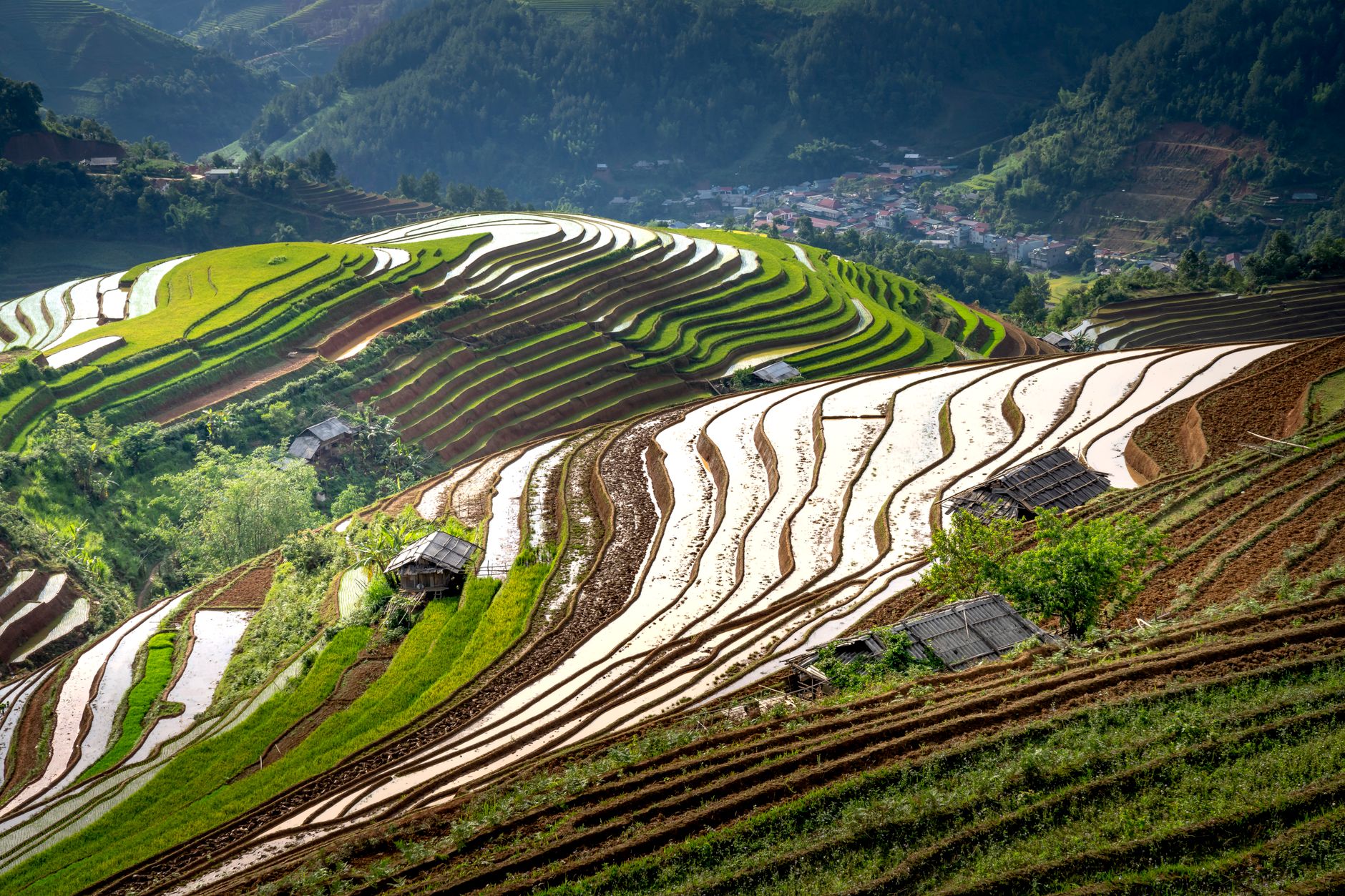
5. Dragon's Backbone: The Ancient Terraces of Longji
Longji Rice Terraces, Guangxi, China
The Dragon's Backbone Rice Terraces were built by the Zhuang and Yao people over 650 years ago, following the contours of the mountains like dragon scales, demonstrating an ancient, sustainable agricultural system.
Sprawling across steep hillsides, the Longji Rice Terraces are a mesmerizing feat of human ingenuity and natural beauty. For centuries, indigenous communities meticulously carved these terraces, adapting their farming practices to the challenging mountain terrain. The intricate patterns change with the seasons: mirror-like reflections in spring, vibrant green in summer, and golden hues in autumn, each revealing the deep connection between people and their land.
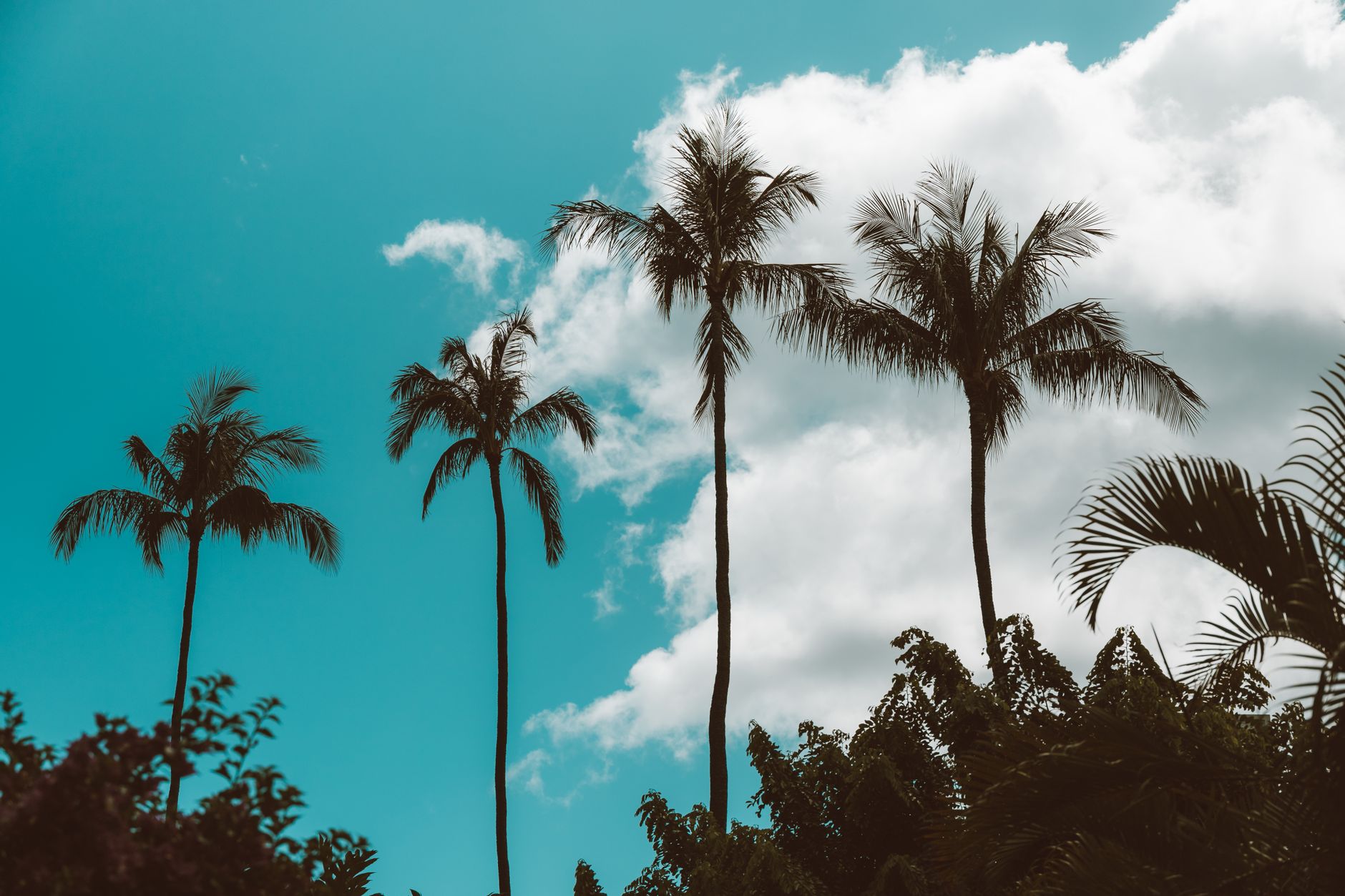
6. Colombia's Sky-High Palms: Valle de Cocora
Valle de Cocora, Quindío, Colombia
Colombia's national tree, the Quindío wax palm, grows taller than any other palm in the world, sometimes reaching over 60 meters (200 feet).
Nestled within the Los Nevados National Natural Park, the Valle de Cocora is a surreal landscape dominated by towering Quindío wax palms. These majestic trees, often shrouded in mist, pierce the clouds, creating an almost mythical atmosphere. The valley's unique ecosystem, a cloud forest at high altitude, supports a rich biodiversity, making it a crucial habitat for various bird species, including the endangered yellow-eared parrot.
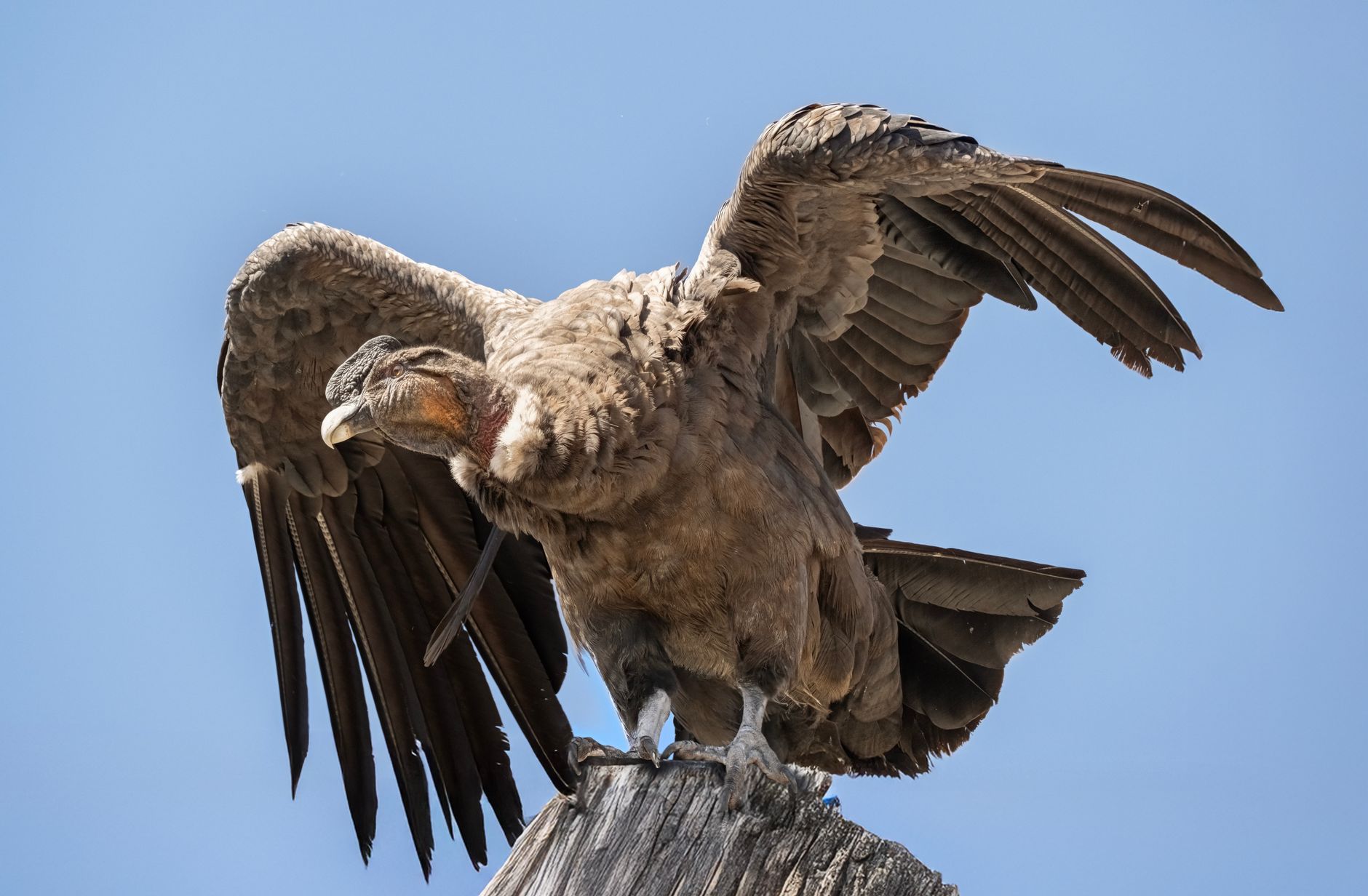
7. Soaring Condors and Ancient Terraces: Colca Canyon
Colca Canyon, Arequipa, Peru
Colca Canyon is home to the majestic Andean condor, which can be seen soaring on thermal currents, and features pre-Inca agricultural terraces still in use by the local Collagua and Cabana people.
One of the deepest canyons in the world, Colca Canyon offers more than just dramatic scale; it's a living cultural landscape. Its steep slopes are meticulously sculpted with ancient agricultural terraces, built centuries before the Inca Empire, that continue to sustain local communities today. Visitors often gather at "Cruz del Condor" to witness the awe-inspiring flight of the Andean condor, a symbol of the Andes and a truly unforgettable sight.
Frequently asked questions
How are valleys formed?
Valleys are typically formed by the erosive power of rivers or glaciers over millions of years, carving through rock and soil. Their specific shapes and features depend on the type of erosion, the geology of the area, and climatic conditions.
What makes a valley "beautiful" for nature lovers?
For nature lovers, a beautiful valley often combines stunning vistas with rich biodiversity, unique geological features, and a sense of untouched wilderness. It might feature dramatic cliffs, pristine rivers, rare flora and fauna, or vibrant ecosystems.
Are these remote valleys safe to visit?
While many remote valleys offer incredible experiences, safety can vary. It's crucial to research local conditions, potential hazards, and recommended travel precautions for each specific location. Often, local guides or tour operators are essential for a safe and enriching journey.
How can AllTours.ai enhance my visit to these valleys?
AllTours.ai turns your phone into an AI audio tour guide. Simply point your camera at any landscape or landmark in these incredible valleys, and the app will narrate its fascinating history, geology, and culture in your preferred language, bringing the unseen stories of these places to life.
Related guides
Photography via Pexels. AllTours.ai is an AI audio tour guide — point your camera at any landscape and hear its story.