August 28, 2026 · 4 min read
The question, 'Why do people go to restaurants if they could make their food at home?' often gets a simple answer: convenience, or maybe a dish they can't replicate. But the deeper truth is about experience, atmosphere, and the story behind the meal. It's about seeking something beyond the everyday, a unique connection to culture and craft.
This same fundamental human drive fuels our desire to travel. We don't just visit places; we seek out experiences, stories, and wonders that defy replication. Beyond the famous landmarks, there's a whole world of truly unique spots waiting to reveal their surprising histories, geological marvels, and vibrant cultures. These are the places that truly explain why we leave home.
1. Malta's Ancient Spiral Sanctuaries
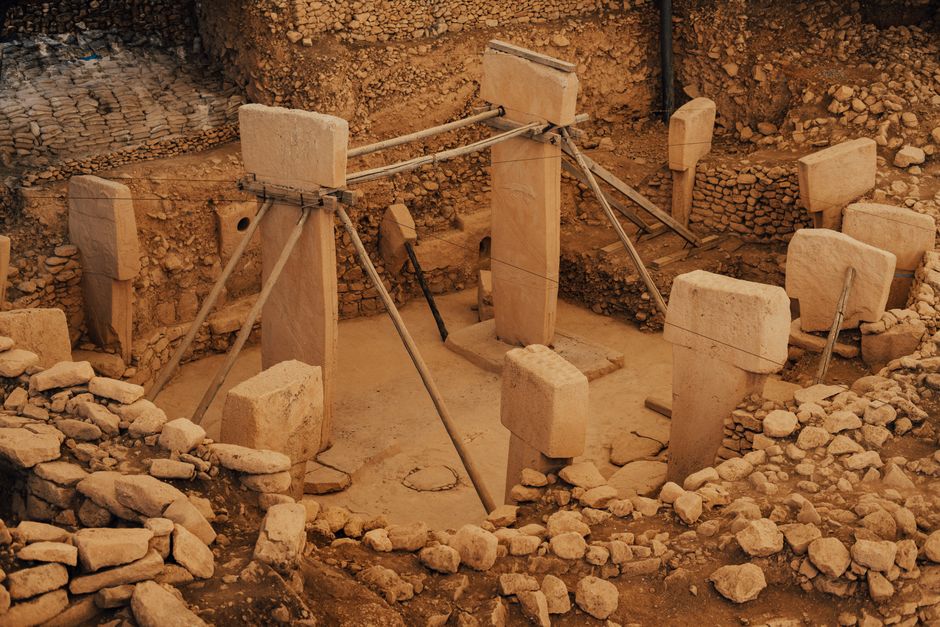
Tarxien, Malta
These megalithic temples in Malta are older than Stonehenge and the Egyptian pyramids.
Built between 3600 and 2500 BC, the Tarxien Temples are a UNESCO World Heritage site showcasing the incredible engineering and artistic prowess of a prehistoric civilization. Discovered by farmers in the early 20th century, they reveal intricate altars, carved reliefs of animals, and mysterious spiral patterns, offering a rare glimpse into early human spiritual practices on a tiny Mediterranean island.
2. Albania's Bottomless Blue Eye
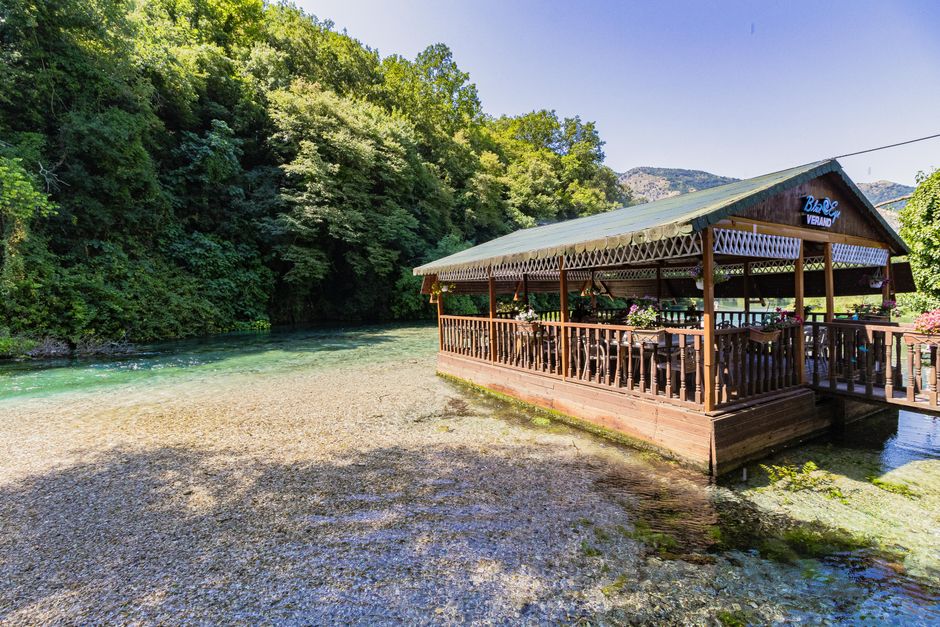
Syri i Kaltër, Albania
A natural spring in Albania is so deep, divers have only reached 50 meters, leaving its true depth a mystery.
Syri i Kaltër, meaning 'Blue Eye,' is a stunning natural phenomenon in southern Albania, where frigid water bubbles up from a karstic spring. Its vibrant turquoise center and darker blue edges resemble an iris, captivating all who see it. Despite numerous attempts, no diver has ever reached the bottom, adding to the mystique of this powerful hydrological wonder that feeds the Bistricë river.
3. The Blue City's Refugee Roots
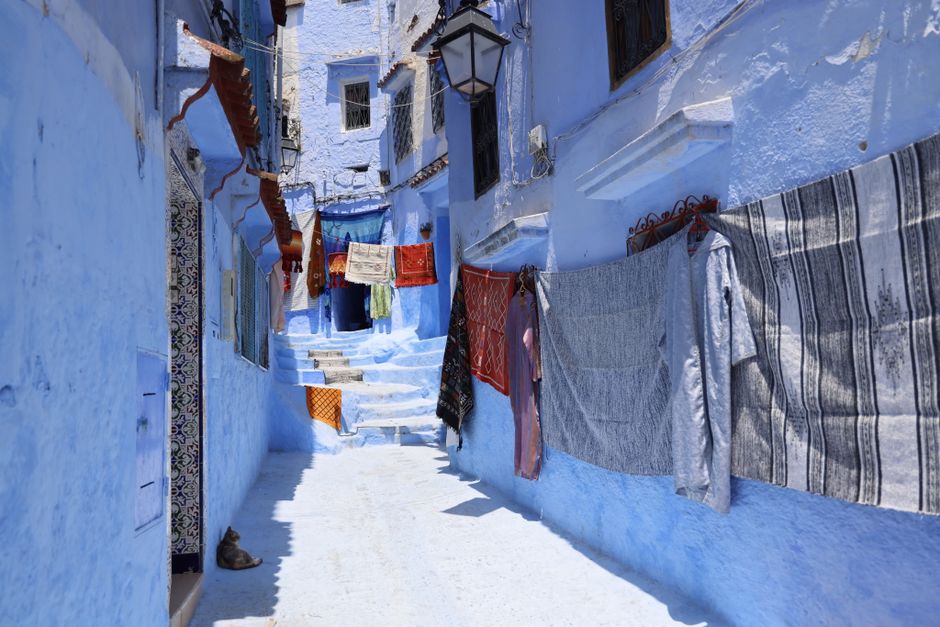
Chefchaouen, Morocco
The famous blue city of Chefchaouen was painted by Jewish refugees escaping the Spanish Inquisition.
Chefchaouen, nestled in Morocco's Rif Mountains, is renowned for its striking blue-washed buildings. While various theories exist, a prominent one suggests the tradition began in the 15th century when Jewish refugees, fleeing the Spanish Inquisition, settled here and painted their homes blue to reflect the sky and remind them of God. This practice was later adopted by the local Muslim population, creating the unique aesthetic seen today, drawing visitors from across the globe.
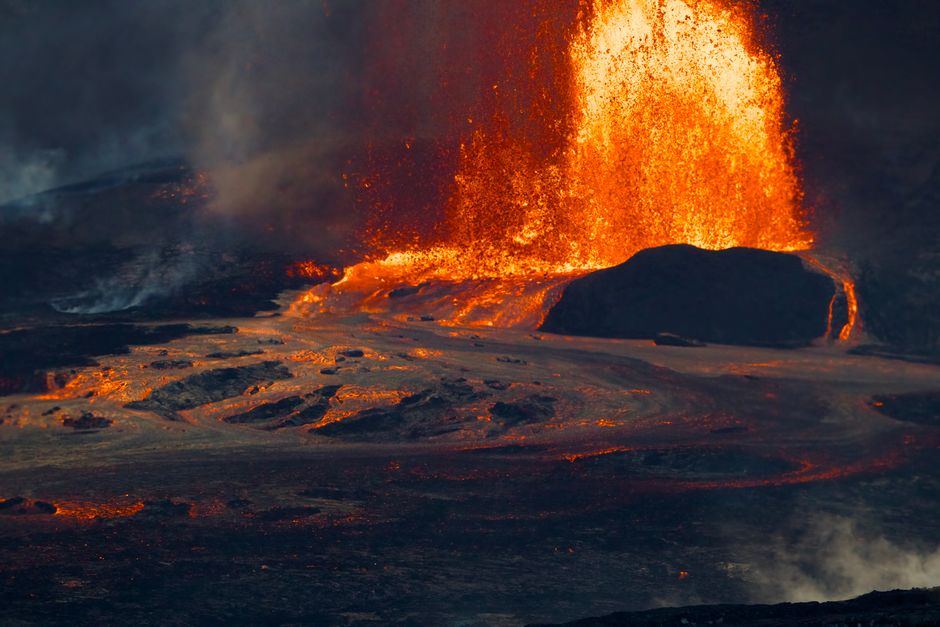
4. Turkmenistan's Fiery Desert Door
Darvaza Gas Crater, Turkmenistan
A giant desert crater in Turkmenistan has been burning non-stop since 1971, earning it the nickname "Door to Hell."
In the Karakum Desert, the Darvaza Gas Crater is a fiery spectacle. It was created in 1971 when Soviet geologists, drilling for natural gas, accidentally collapsed a cavern. To prevent the spread of methane gas, they decided to set it alight, expecting it to burn out in a few weeks. Five decades later, it's still burning, a surreal and eerie testament to geological forces and human intervention.
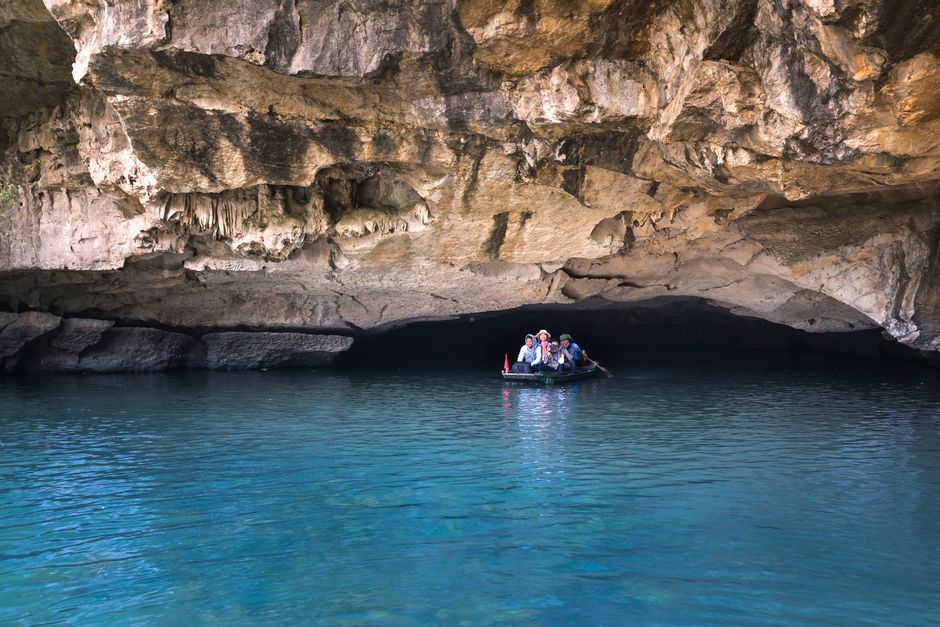
5. New Zealand's Living Starry Night
Waitomo Glowworm Caves, New Zealand
Inside these New Zealand caves, thousands of tiny glowworms create a living, bioluminescent galaxy above you.
The Waitomo Glowworm Caves on New Zealand's North Island are home to Arachnocampa luminosa, a species of glowworm found only in New Zealand. These tiny creatures cling to the cave ceilings, emitting a blue-green light to attract prey. A silent boat ride through the darkness reveals a breathtaking natural spectacle, as thousands of these lights create the illusion of a sparkling night sky deep underground.
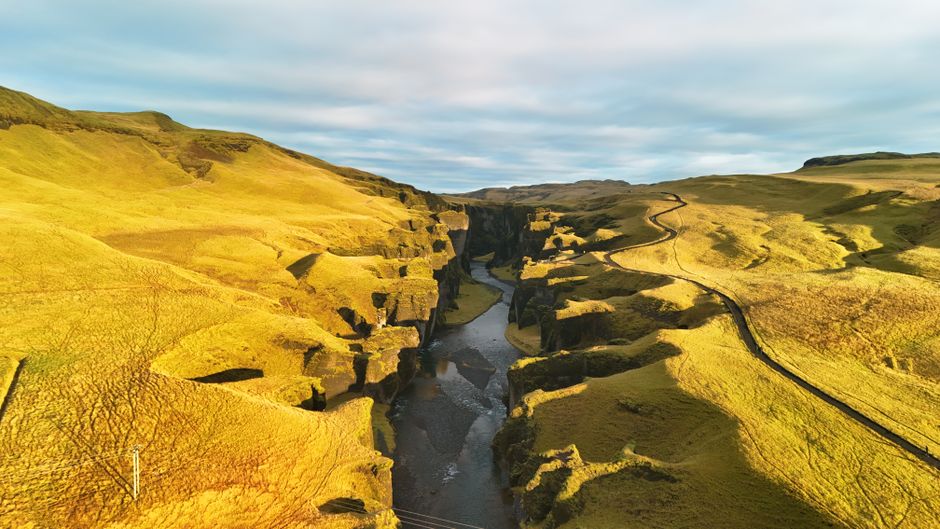
6. Iceland's Ancient River Carved Canyon
Fjaðrárgljúfur, Iceland
This dramatic Icelandic canyon was formed by a river carving through rock over 9,000 years ago.
Fjaðrárgljúfur, a magnificent canyon in southeast Iceland, stretches about 2 kilometers long and up to 100 meters deep. It was carved by the Fjaðrá river, flowing through palagonite rock formed during the Ice Age, roughly 9,000 years ago. Its winding, steep walls, covered in vibrant green moss, create an ethereal landscape that has become popular, even appearing in pop culture, but remains a testament to slow, powerful geological erosion.
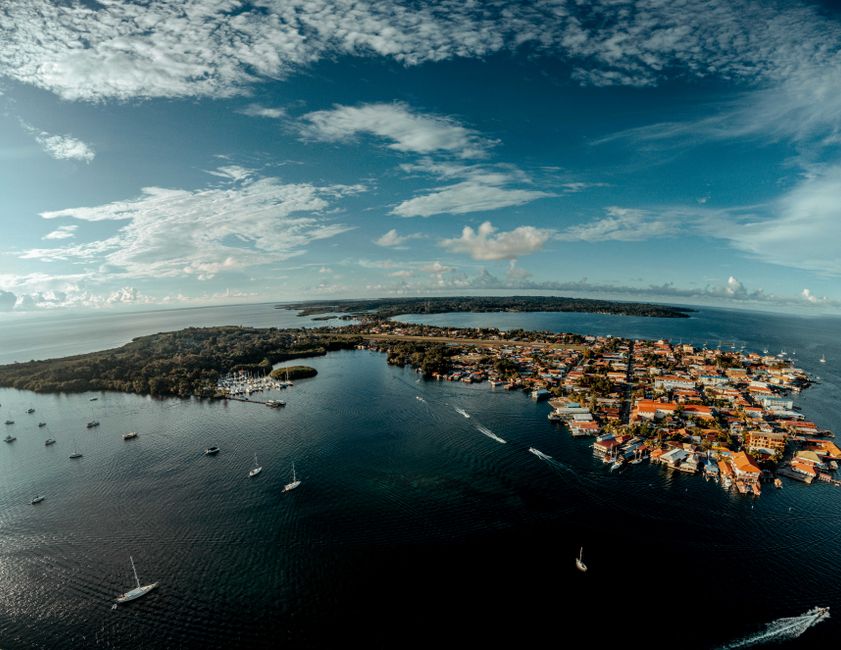
7. Belize's Sunken Ice Age Cave
The Great Blue Hole, Belize
Off the coast of Belize lies a giant marine sinkhole, a perfect circle over 300 meters wide, formed during the last Ice Age.
The Great Blue Hole is a spectacular marine sinkhole located near the center of Lighthouse Reef, a small atoll 70 km from the coast of Belize. It's over 300 meters across and 125 meters deep. Formed during glacial periods when sea levels were much lower, it was once a dry cave system. As the ocean rose, the caves flooded and collapsed, creating this phenomenal geological wonder, now a mecca for divers seeking ancient stalactites and unique marine life.
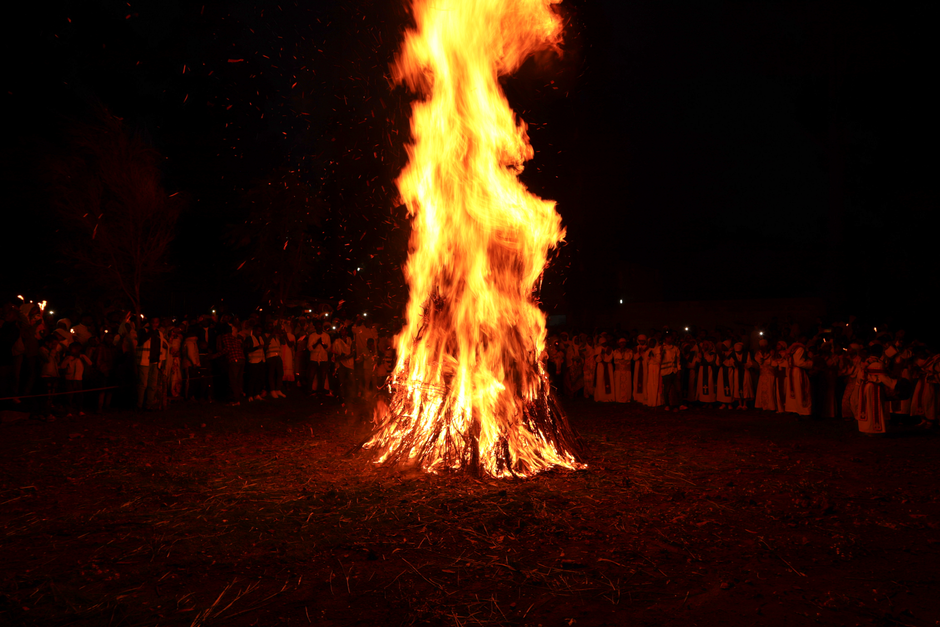
8. Shetland's Fiery Viking Legacy
Shetland Islands, Scotland
On the remote Shetland Islands, locals celebrate their Viking heritage with an annual fire festival that culminates in burning a full-size longship.
The Shetland Islands, closer to Norway than mainland Scotland, boast a vibrant Norse heritage, evident in their language, traditions, and annual Up Helly Aa festival. Each January, Lerwick, the capital, hosts Europe's largest fire festival, where hundreds of 'Guizers' dressed as Vikings parade through the streets, culminating in the dramatic burning of a meticulously crafted replica longship, celebrating their unique history and resilience.
Frequently asked questions
How can I find truly unique travel experiences off the beaten path?
Research local blogs, historical societies, and niche travel guides. Talk to locals, use online forums, and look for places with intriguing historical, geological, or cultural anomalies that aren't widely advertised. Sometimes, the best finds are just a short detour away.
What are the benefits of exploring beyond typical tourist hotspots?
Venturing beyond hotspots allows for genuine cultural immersion, supports local economies directly, and often leads to more affordable travel. You'll gather truly unique stories and perspectives, creating memories that are distinct from those shared by millions of other travelers.
How does AllTours.ai enhance travel discovery in these unique locations?
AllTours.ai transforms your exploration by bringing the stories of any landscape or landmark to life. Simply point your phone camera, and the app uses AI to narrate its history, geology, and culture in your language, ensuring you don't miss a single fascinating detail, even in the most obscure places.
Related guides
Photography via Pexels. AllTours.ai is an AI audio tour guide — point your camera at any landscape and hear its story.