September 1, 2026 · 4 min read
The question of whether sharks make epic journeys from tropical southern waters to the cooler, nutrient-rich seas off Long Island isn't just a marine biology query; it's a window into the incredible, hidden world of our oceans. These apex predators undertake some of the longest migrations on Earth, following food sources and seeking optimal conditions for breeding and feeding. But what does "fueled and fattened up" really look like along such a route, and where might these magnificent creatures find their bounty?
While we often think of well-known tourist destinations, the true wonders of coastal ecosystems often lie in their quieter, lesser-known corners. These are the places where history is etched into the landscape, where unique geological formations tell tales of eons, and where vibrant, unseen marine life cycles play out daily. Join us on a journey to discover some of the East Coast's most fascinating, underrated spots that hint at the very reasons why sharks—and countless other species—might find these waters so compelling.
1. Montauk's Pelagic Highway
Montauk Point State Park, New York, USA
At Long Island's easternmost tip, deep oceanic currents create a natural highway for migrating giants.
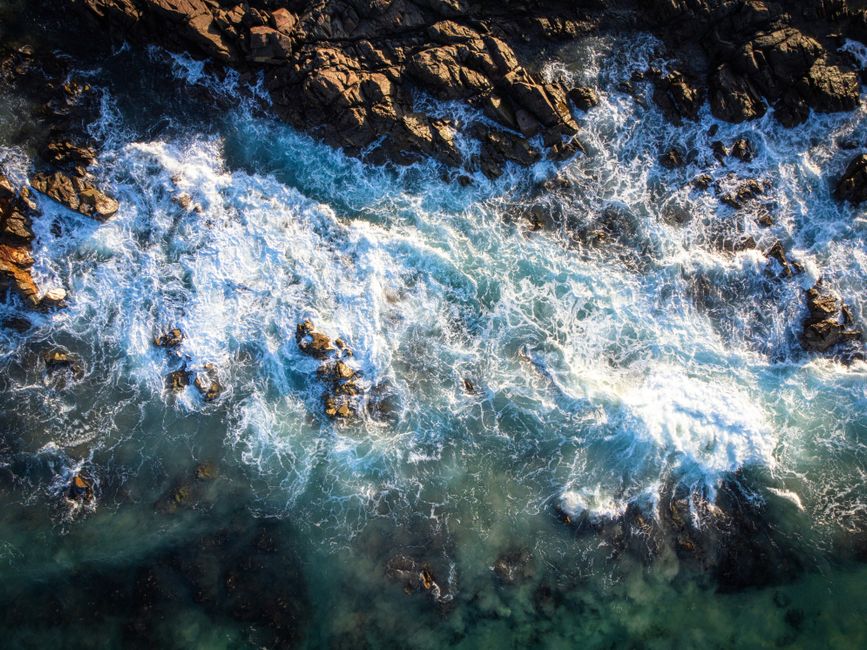
Where the Atlantic truly begins for Long Island, Montauk Point isn't just a picturesque lighthouse spot. Below the turbulent surface, the confluence of the Long Island Sound and the open ocean generates powerful currents, drawing in an astonishing array of marine life. This deep-water channel serves as a critical migratory corridor for pelagic fish like tuna and striped bass, making it a prime feeding ground for larger predators like sharks, seals, and whales.

2. The Great South Bay's Hidden Nursery
Great South Bay, New York, USA
This vast, shallow estuary acts as a critical nursery, fueling the entire eastern seaboard's marine ecosystem.
Spanning over 45 miles behind Fire Island, Great South Bay is a sprawling estuarine system often overlooked for its ecological significance. Its shallow, brackish waters are a crucial breeding and feeding ground for juvenile fish, crabs, and shellfish. This immense productivity provides an abundant food source that supports a complex food web, eventually nourishing larger species in the open ocean as they mature and move offshore.
3. Fire Island's Ancient Maritime Forest
Sunken Forest, Fire Island National Seashore, New York, USA
A rare, ancient maritime forest thrives just steps from the crashing Atlantic, defying salty winds and shifting sands.
Tucked away on Fire Island, the Sunken Forest is a rare ecological phenomenon. Here, trees like American holly, sassafras, and shadbush grow unusually close to the ocean, protected from salt spray and strong winds by a primary dune. This peculiar microclimate has allowed a mature, old-growth forest to flourish in an environment where it shouldn't, creating a unique habitat that supports diverse bird species and small mammals, adding another layer to the island's natural complexity.
4. Gardiners Island: Untouched Legacy
Gardiners Island, New York, USA
Unseen for centuries, this private island holds pirate legends and a unique, untouched ecosystem.
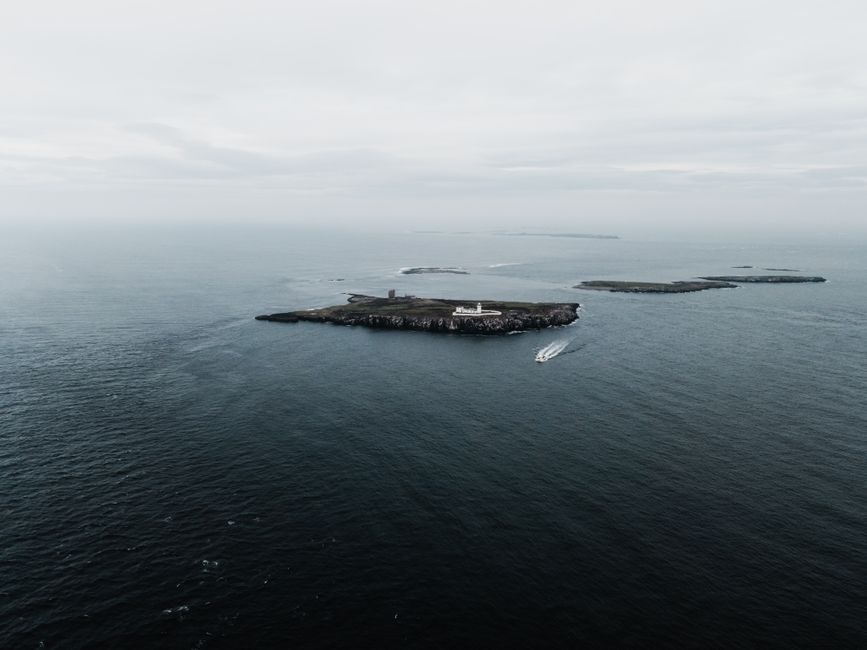
East of Long Island, Gardiners Island has remained in the same family since 1639, making it one of the largest privately owned islands in the United States. Its strict preservation has created an ecological time capsule, home to one of the largest osprey colonies in North America, ancient stands of oak forest, and pristine beaches. Legend also claims Captain Kidd buried treasure here in 1699, only to retrieve most of it later, though the allure of hidden riches persists.
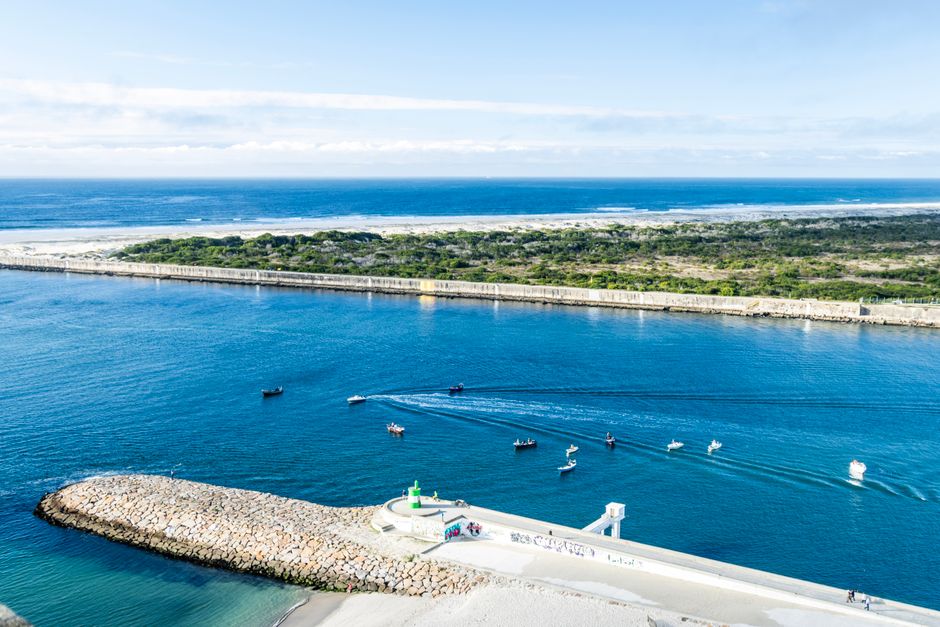
5. Plum Island's Secret Sanctuary
Plum Island, New York, USA
A heavily restricted island, it’s a vital migratory bird stopover and seals' wintering ground.
While known for its animal disease research facility, Plum Island, situated between Long Island's North Fork and Connecticut, is also an ecological hotspot. Its largely undeveloped coastline and surrounding waters provide critical habitat for migratory birds, including endangered species. During winter months, the rocky shores become a significant haul-out site for various seal species, including harbor seals and grey seals, making it an important marine mammal sanctuary in the region.
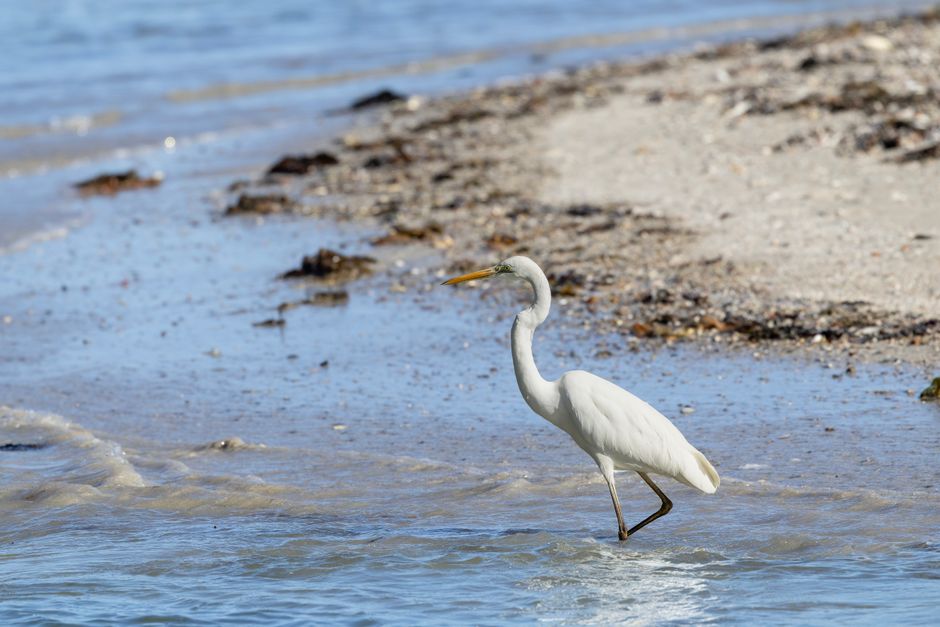
6. Mashomack Preserve: Peconic's Jewel
Mashomack Preserve, Shelter Island, New York, USA
Dubbed the "Jewel of the Peconic," this preserve protects a mosaic of rare habitats, from oak forests to pristine salt marshes.
Covering one-third of Shelter Island, Mashomack Preserve is a mosaic of woodlands, meadows, tidal creeks, and salt marshes, making it one of the richest habitats in the Northeast. This diversity supports an extraordinary range of wildlife, including over 200 species of birds, deer, and diverse marine life in its estuaries. It's a testament to successful conservation, offering visitors a glimpse into what much of coastal New York once looked like, a vibrant ecosystem teeming with life.
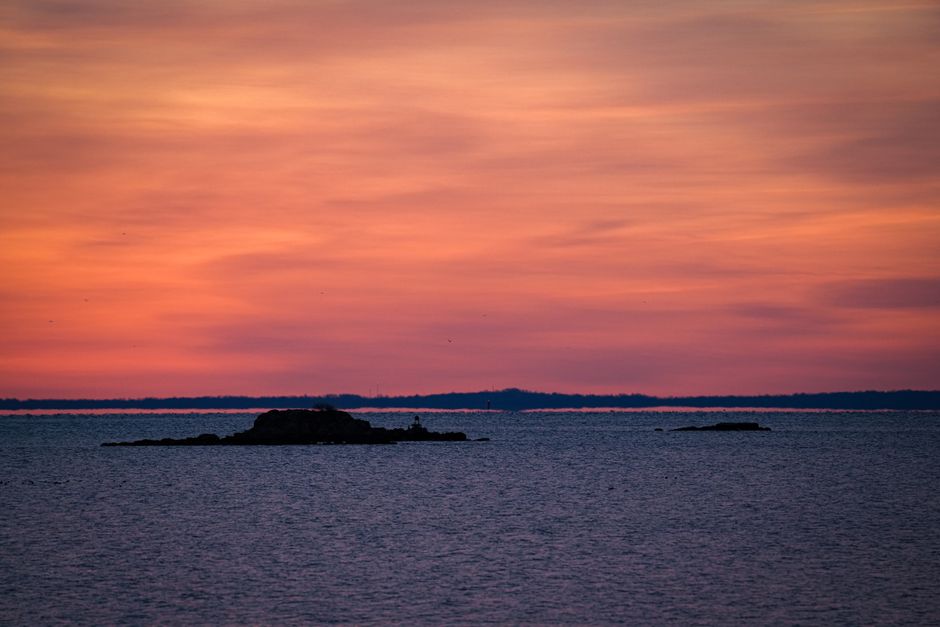
7. Mohegan Bluffs' Ancient Views
Mohegan Bluffs, Block Island, Rhode Island, USA
Towering clay bluffs reveal layers of geological time, overlooking waters where a historic naval battle unfolded.
On the southern shore of Block Island, the dramatic Mohegan Bluffs rise nearly 200 feet above the Atlantic. These stunning clay cliffs offer panoramic views and are a testament to glacial forces, eroding slowly to reveal ancient geological layers. Below, the waters were once the scene of a skirmish during the American Revolution, the Battle of Block Island. Descending a long wooden staircase leads to a secluded beach, a perfect spot for reflection on both natural and human history.
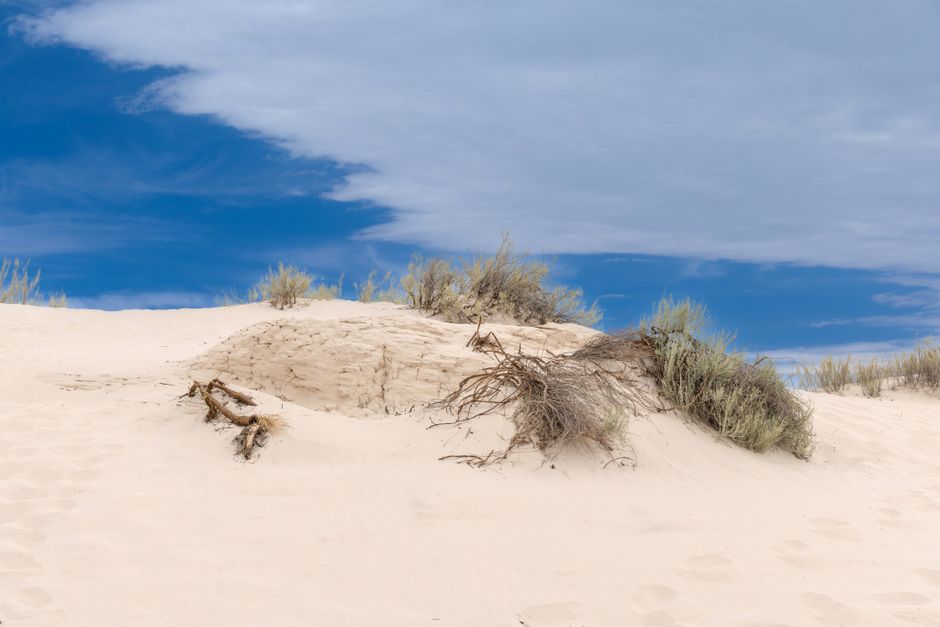
8. Core Banks' Wild Desolation
Cape Lookout National Seashore (Core Banks), North Carolina, USA
Shifting sands reveal ghost towns and a lighthouse that once guided blockade runners, now only accessible by ferry.
Far to the south, but part of the broader East Coast migratory path, the Core Banks are a remote, undeveloped stretch of barrier islands within Cape Lookout National Seashore. Accessible only by private ferry or boat, these islands offer raw, untamed beauty. Here, wild horses roam freely, and the remains of historic Lifesaving Stations and small fishing villages peek through shifting sands, telling tales of survival and isolation against the powerful Atlantic.
Frequently asked questions
What kind of sharks are found in Long Island waters?
Long Island's waters are home to a variety of shark species, particularly during warmer months. Common visitors include sand tiger sharks, sandbar sharks, dogfish, and occasionally larger species like thresher sharks and even great white sharks, especially further offshore. These waters provide abundant food sources, making them attractive feeding grounds.
Do sharks migrate along the East Coast?
Yes, many shark species undertake extensive annual migrations along the East Coast of North America. They typically travel north from warmer, tropical southern waters to cooler, more productive feeding grounds off states like New York and New England during the summer, then return south for the winter to breed or avoid cold temperatures.
What makes Long Island's marine environment so rich for wildlife?
Long Island's unique geography, with its extensive bays, estuaries like the Great South Bay, and proximity to the open Atlantic, creates a highly diverse and productive marine environment. These areas serve as crucial nurseries for many fish and shellfish, attracting a wide range of predators, including migratory birds, seals, and sharks, all seeking abundant food.
How can AllTours.ai enhance my exploration of these coastal areas?
AllTours.ai transforms your phone into an AI audio tour guide. Simply point your camera at a landmark, a stretch of coastline, or even a distant island, and the app will narrate its history, geology, and cultural significance in your language. It’s like having an expert local guide in your pocket, revealing the hidden stories of the places you visit.
Related guides
Photography via Pexels. AllTours.ai is an AI audio tour guide — point your camera at any landscape and hear its story.