
September 1, 2026 · 4 min read
The image of sharks migrating vast distances from warm, tropical southern waters to cooler northern feeding grounds is a powerful one. Specifically, the question of whether these apex predators make the journey to Long Island to 'fuel and fatten up' is a common point of curiosity among coastal residents and marine enthusiasts alike. The answer, as with most things in the ocean, is complex and fascinating, involving intricate ecosystems and ancient migratory paths.
While Long Island's waters do host a variety of shark species, understanding their movements requires looking beyond a single destination. The journey itself is a grand tour of the Atlantic coastline, dotted with lesser-known hotspots where marine life congregates, feeds, and thrives. Join us as we explore some of these crucial, often overlooked, waypoints that play a vital role in the incredible annual migrations that bring sharks to our northern shores.

1. Montauk Point's Ocean Crossroads
Montauk Point State Park, New York, USA
Before modern tracking, fishermen here held clues to shark movements through generations of observation.
Montauk Point, at the easternmost tip of Long Island, has always been a significant maritime crossroads. The Montauk Lighthouse, the oldest in New York, has witnessed centuries of marine activity. Early fishermen and whalers in this area would have observed seasonal changes in fish populations, including the arrival of baitfish that attract larger predators. The powerful Montauk Rip, where strong currents meet, creates a natural feeding ground, making it a critical point in the Atlantic ecosystem for many species.
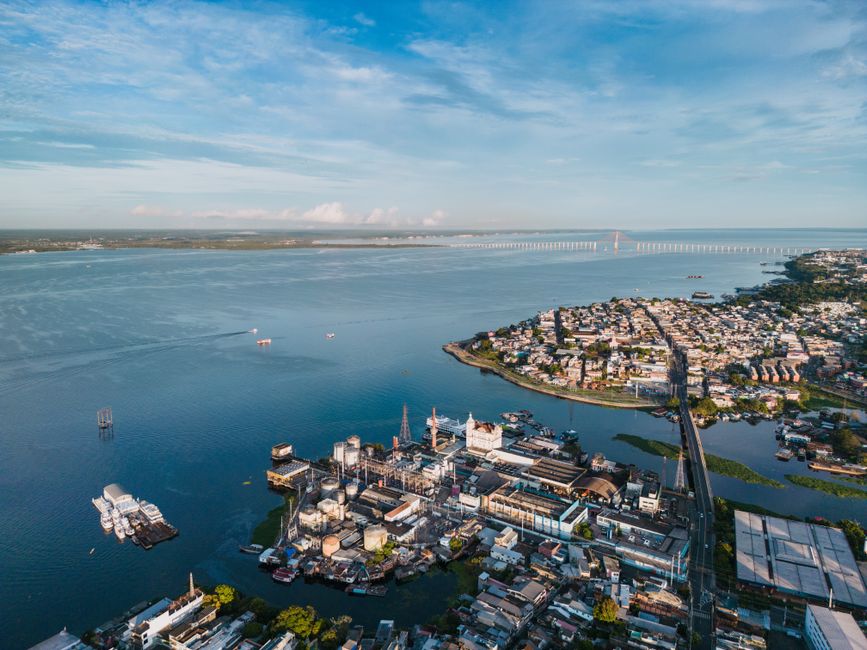
2. Great South Bay's Hidden Nursery
Great South Bay, New York, USA
This vast, shallow bay is a secret nursery for young sharks, not just clams.
Separated from the Atlantic by barrier islands, the Great South Bay is a colossal estuary. Its relatively shallow, nutrient-rich waters serve as vital nursery grounds for many fish species, including juvenile sand tiger sharks and other smaller shark species. This protected environment provides ample food and refuge from larger predators, allowing young sharks to grow before heading to deeper, open waters. Its ecosystem is a crucial link in the food chain that supports larger marine life migrating along the coast.

3. Fire Island's Dynamic Breaches
Fire Island National Seashore, New York, USA
Where the Atlantic reclaims land, new marine highways emerge, shaping feeding patterns.
The wilderness breaches on Fire Island, often formed by powerful storms, are dynamic, ever-changing inlets that dramatically alter local currents. These breaches introduce new pathways for marine life between the ocean and the Great South Bay. This constant geological flux creates new habitats and concentrates baitfish, inadvertently drawing in predators. It's a natural laboratory showing how coastal erosion and accretion directly influence marine ecosystems and species distribution.
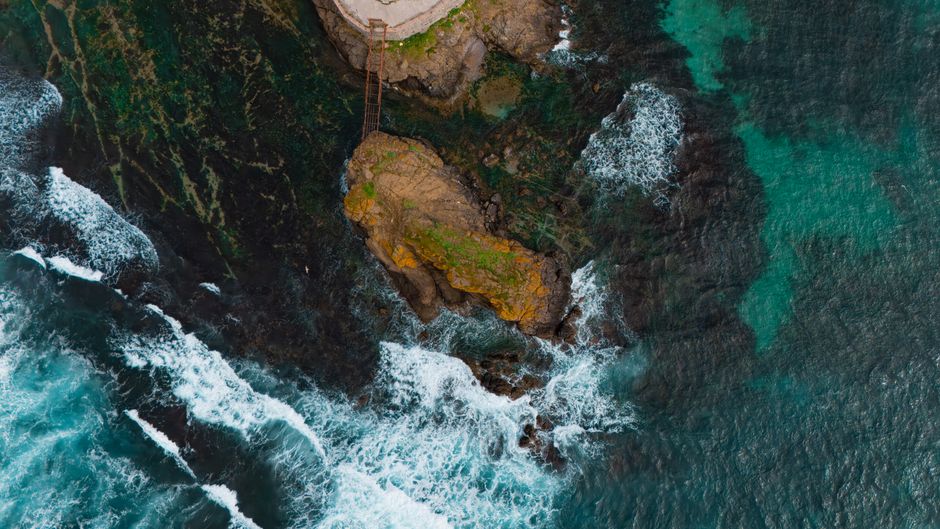
4. Block Island's Oceanic Landmark
Block Island, Rhode Island, USA
Thousands of migrating birds above hint at the abundant marine bounty below.
While Block Island is renowned as a major migratory bird stopover, its surrounding waters are equally important for marine life. The island acts as an oceanic landmark, influencing currents and concentrating schools of baitfish, which in turn attract larger predatory fish and sharks. Fishermen have long known these waters as productive grounds, a testament to the rich food web supported by the convergence of various ocean currents around the island, making it a key feeding spot on migration routes.
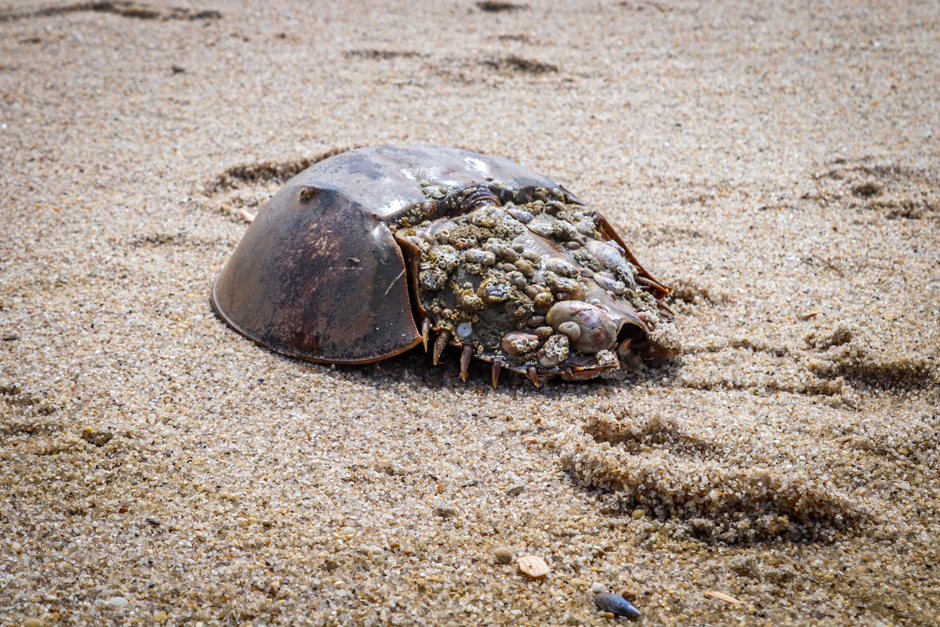
5. Delaware Bay's Ancient Feast
Delaware Bay, Delaware/New Jersey, USA
Ancient horseshoe crabs here fuel more than just shorebirds; they contribute to a vast marine food web.
Delaware Bay is famous for its massive spring spawning of horseshoe crabs, a critical food source for migratory shorebirds. However, the sheer abundance of these ancient creatures and the rich invertebrate life within the bay also attract a diverse array of fish and, subsequently, their predators. While not a primary shark feeding ground in the same way as the open ocean, the bay's outflow and the concentration of other species contribute significantly to the overall food web that supports marine megafauna further offshore.
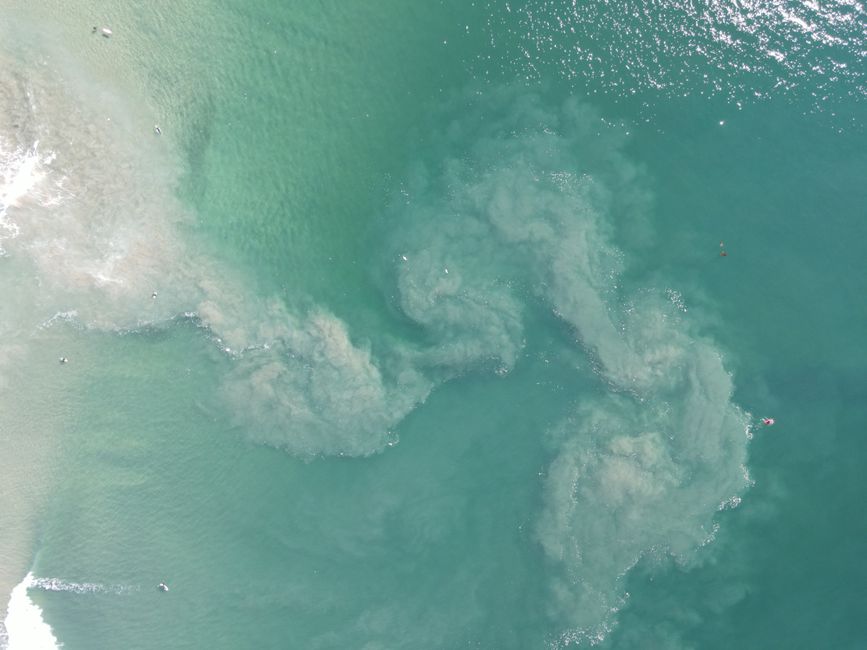
6. Cape Hatteras's Current Clash
Cape Hatteras National Seashore, North Carolina, USA
Where two mighty ocean currents clash, a marine feast begins for countless species.
Cape Hatteras, at the convergence of the cold Labrador Current and the warm Gulf Stream, is a biological hotspot of immense importance. This clash of currents creates nutrient-rich upwellings that fuel an incredibly diverse ecosystem, attracting vast schools of baitfish, tuna, and billfish. It's a critical migratory corridor and feeding ground for numerous shark species, including great whites, as they move between northern and southern waters, making it a crucial stop on their journey north.
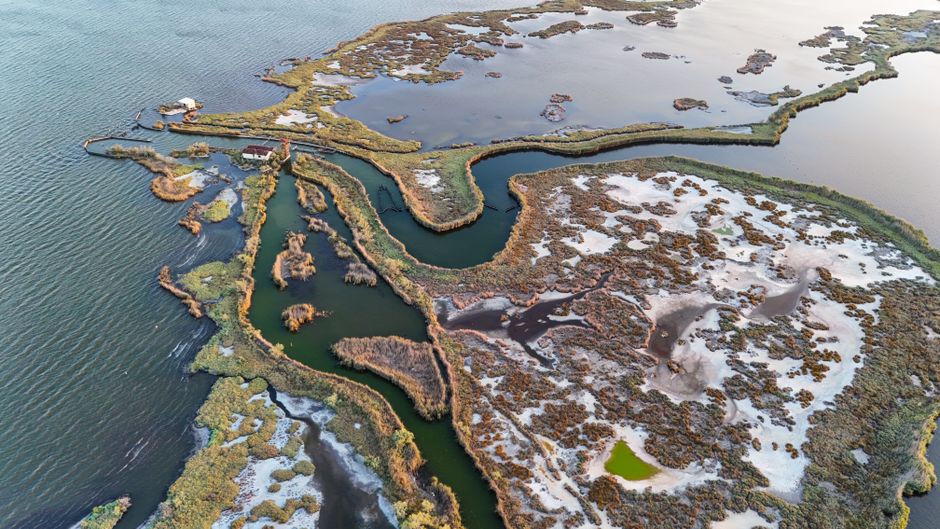
7. Sapelo Island's Salt Marsh Nurseries
Sapelo Island, Georgia, USA
A remote island's intricate salt marsh conceals a vital, often unseen, shark nursery.
Sapelo Island, Georgia, is home to vast, protected salt marsh ecosystems. These intricate networks of tidal creeks and Spartina grass are critical nursery habitats for many shark species, including juvenile blacktip and bonnethead sharks. The warm, shallow waters offer protection from larger predators and an abundant supply of small fish and crustaceans, allowing young sharks to grow before venturing into the open ocean. This island serves as a living laboratory for understanding coastal ecology and the early life stages of marine predators.
Frequently asked questions
Why do sharks migrate along the East Coast?
Sharks migrate along the East Coast primarily in search of food and suitable breeding grounds, driven by seasonal changes in water temperature. As northern waters warm in summer, baitfish and other prey move north, and sharks follow. Conversely, as temperatures drop, they head back to warmer southern waters.
What types of sharks are commonly found near Long Island?
Long Island waters are home to several shark species, especially during the warmer months. Common types include sand tiger sharks, sandbar sharks, dusky sharks, and various smaller coastal species. Larger pelagic sharks like thresher sharks and makos are also found further offshore.
Is it safe to swim in Long Island waters with sharks present?
Swimming in Long Island waters is generally safe. Shark encounters are rare, and bites are even rarer. Most sharks are not interested in humans. To minimize risk, avoid swimming at dawn or dusk, steer clear of areas with active fishing or large schools of baitfish, and always swim with a buddy.
How can AllTours.ai enhance my understanding of coastal areas?
AllTours.ai enriches your exploration by turning your phone into an AI-powered audio tour guide. Simply point your camera at any landscape, landmark, or even the vast ocean, and the app will narrate its fascinating history, geology, and culture in your preferred language. It's like having an expert local guide in your pocket, revealing the hidden stories of the places you visit.
Related guides
Photography via Pexels. AllTours.ai is an AI audio tour guide — point your camera at any landscape and hear its story.