September 1, 2026 · 4 min read
Long Island, New York, is renowned for its vibrant beaches and charming villages, attracting sun-seekers and city escapees alike. But beyond the well-trodden paths lies a fascinating, wilder side – a coastline teeming with hidden ecological wonders and untold histories. This often-overlooked richness prompts a curious question for marine enthusiasts and travelers: Do sharks travel from tropical southern waters to get fueled and fattened up in Long Island?
The answer, in short, is yes, many species do. Long Island's waters are a dynamic crossroads, providing essential foraging grounds for a variety of marine life, including several shark species migrating along the Atlantic coast. To truly appreciate this vibrant ecosystem and the island's unique allure, one must venture beyond the familiar. We've curated a list of Long Island’s lesser-known coastal and near-coastal treasures, each with a surprising story that reveals the depth of this extraordinary place.
1. The Private Island of Pirates and Presidents
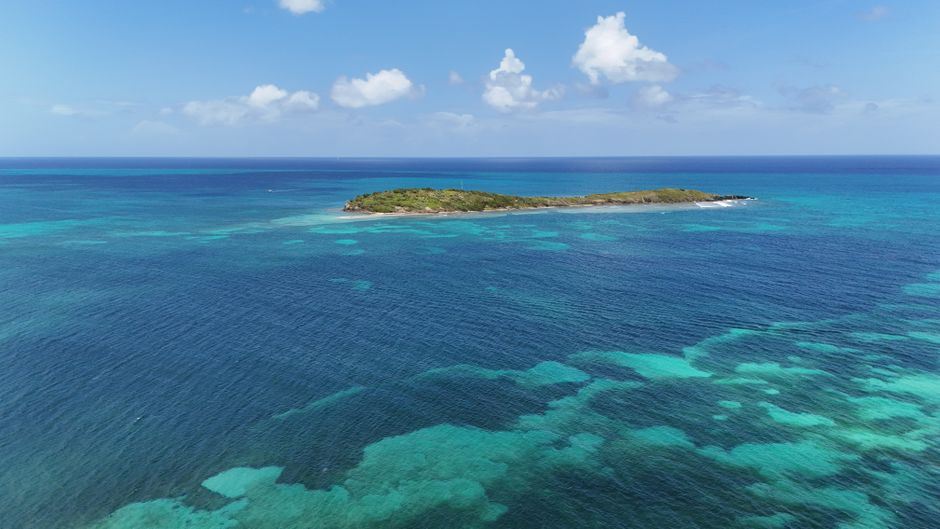
Gardiner's Island, USA
This privately-owned island, virtually untouched for centuries, once harbored the notorious Captain Kidd and holds a unique colonial patent.
Gardiner's Island remains a private estate, a legacy of a royal grant from 1639, making it one of the largest intact colonial manors in America. Its isolation and dense woodlands once provided refuge for pirates like Captain Kidd, who reputedly buried treasure here. Today, it's a pristine ecological sanctuary, a haven for diverse bird species, including osprey and piping plovers, and its surrounding waters are rich fishing grounds.
2. Winter Haven for Harbor Seals
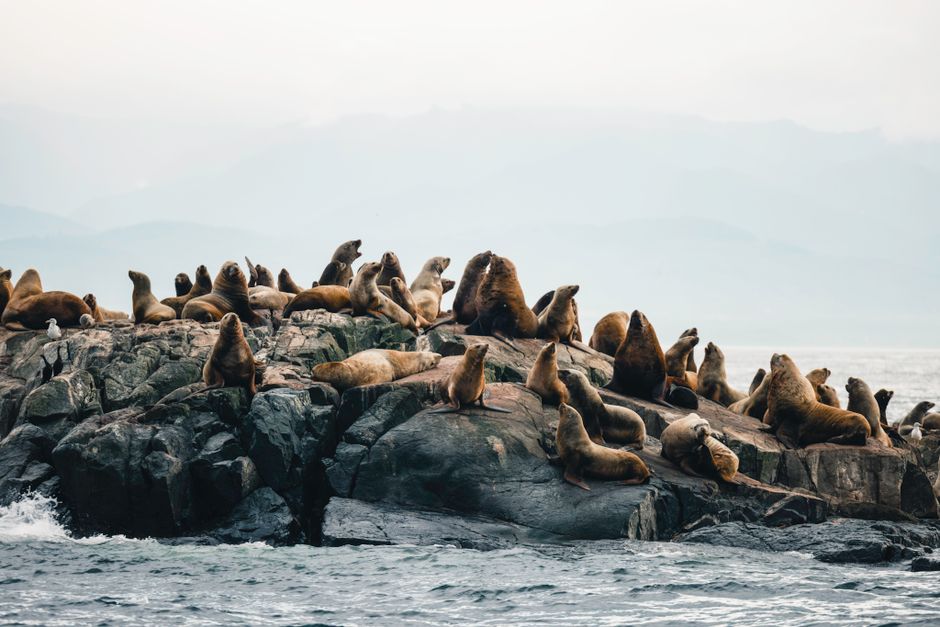
Morton National Wildlife Refuge, Sag Harbor, USA
During colder months, this quiet refuge becomes a critical winter home for hundreds of harbor seals migrating from northern waters.
Nestled on the northern shore of Noyac Bay, Morton National Wildlife Refuge offers a unique glimpse into Long Island's marine mammal life. From late fall through spring, visitors can observe harbor seals basking on rocky outcrops and sandy beaches. The refuge's diverse habitats, from salt marsh to maritime forest, also support a wealth of migratory birds, underscoring its role as a vital link in the Atlantic Flyway.
3. The Walking Forest of Orient Point
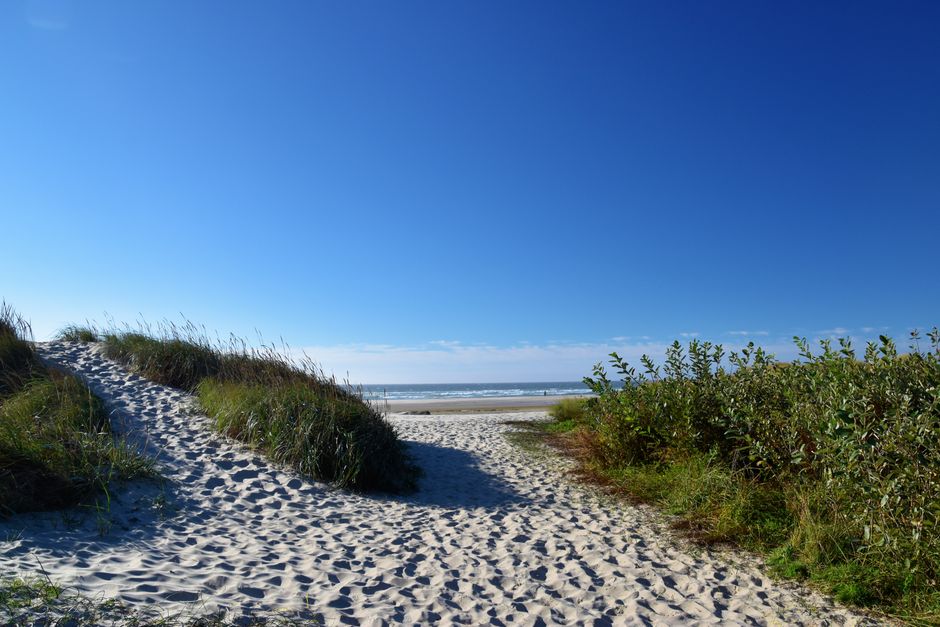
Orient Beach State Park, Orient Point, USA
This park protects a rare maritime forest that 'walks' inland as the barrier beach shifts, creating a unique ecological phenomenon.
Orient Beach State Park is a designated National Natural Landmark, famed for its extraordinary maritime red cedar forest. These hardy trees, shaped by coastal winds, appear to 'walk' as sand dunes constantly shift and rebuild around them. The park's calm bay waters are ideal for shellfishing, and its extensive wetlands provide critical habitat for numerous bird species, including the piping plover, making it a hotspot for nature enthusiasts.
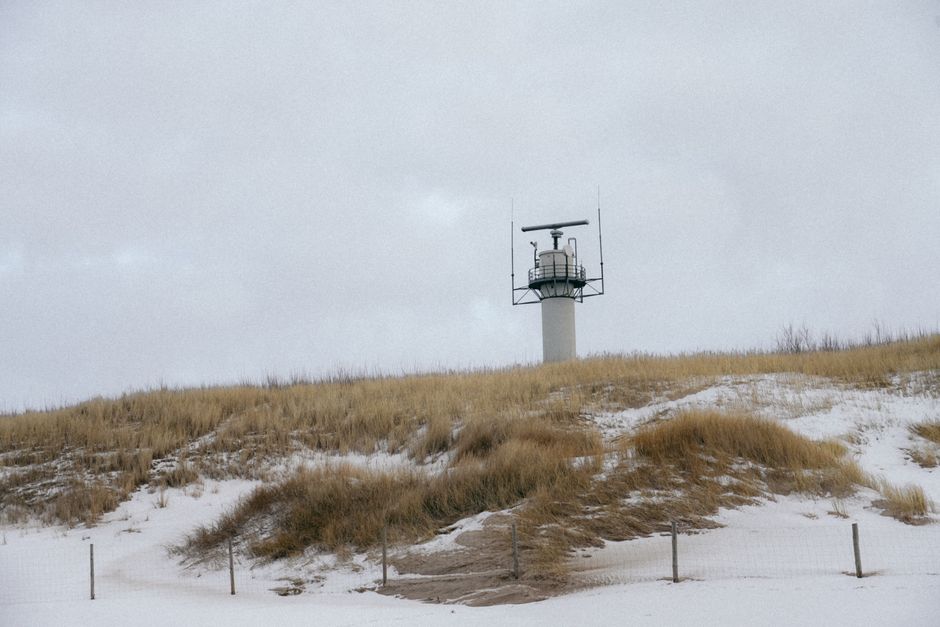
4. Cold War Secrets on Dramatic Cliffs
Camp Hero State Park, Montauk, USA
Perched atop dramatic ocean bluffs, this former military base is shrouded in Cold War-era radar technology and local conspiracy theories.
Camp Hero State Park, once a covert US Air Force base, stands as a stark testament to the Cold War era. Its imposing radar tower, designed to detect Soviet bombers, remains a haunting landmark. Beyond the military history, the park boasts stunning coastal bluffs and pristine beaches, offering panoramic views of the Atlantic. The mysterious past, including local legends of secret experiments (the "Montauk Project"), adds an intriguing layer to its natural beauty.

5. A Founding Father's Coastal Farm
William Floyd Estate, Mastic Beach, USA
This remarkably preserved 25-room ancestral home belonged to William Floyd, a signer of the Declaration of Independence, and reflects centuries of coastal farming life.
The William Floyd Estate offers a rare glimpse into the life of an 18th-century American patriot and his family's enduring connection to the land. Spanning over 600 acres, the property includes ancestral homes, outbuildings, and diverse landscapes, from woodlands to salt marshes. Its coastal location along Moriches Bay was integral to the estate's farming and fishing economy, showcasing how early American life was intricately tied to Long Island's natural resources.
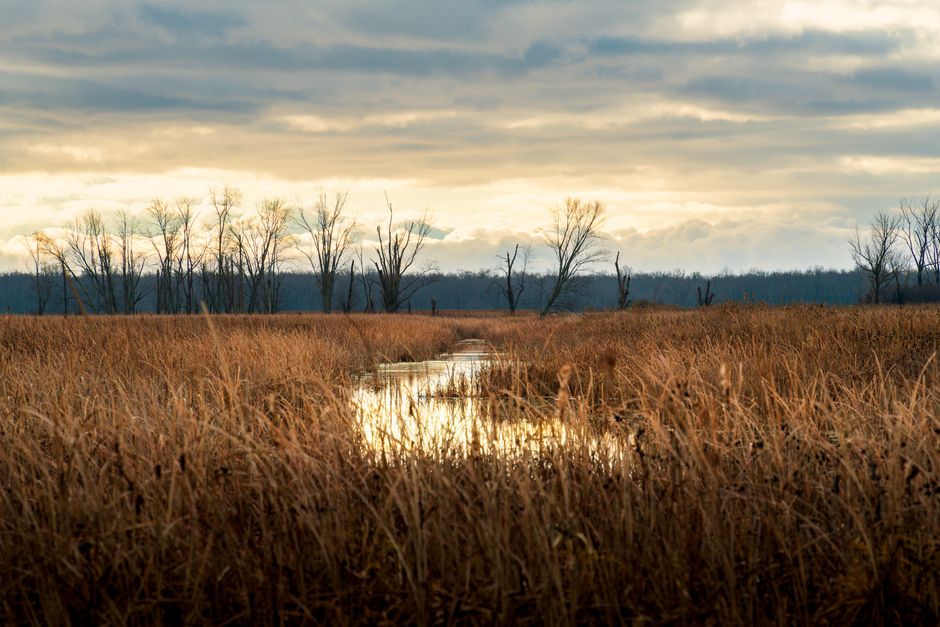
6. Theodore Roosevelt's Peaceful Shoreline
Target Rock National Wildlife Refuge, Lloyd Harbor, USA
This serene coastal refuge was once part of Theodore Roosevelt's Sagamore Hill estate, offering a quiet sanctuary for wildlife and visitors alike.
Target Rock National Wildlife Refuge, named for a boulder used for target practice by early settlers, features a diverse landscape of tidal wetlands, salt marshes, and upland forests. While less known than Sagamore Hill, it was part of Roosevelt's original property and reflects his passion for conservation. Today, it provides crucial habitat for migratory birds and marine life, offering peaceful trails with stunning views of Huntington Bay.
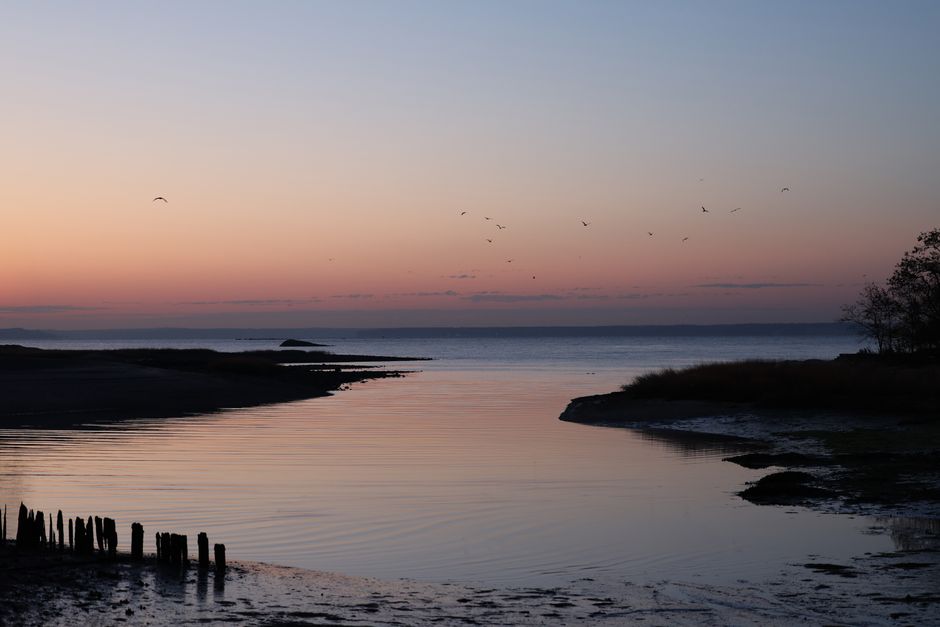
7. The Jewel of the Peconic Estuary
Mashomack Preserve, Shelter Island, USA
Covering one-third of Shelter Island, this "Jewel of the Peconic" is one of the largest and most pristine tidal creek ecosystems on the East Coast.
Mashomack Preserve is a natural wonderland managed by The Nature Conservancy, boasting an impressive 2,039 acres of woodlands, freshwater ponds, and seven miles of coastline. Its extensive network of tidal creeks and salt marshes provides vital nursery grounds for fish and shellfish, supporting a rich diversity of birds and wildlife. Visitors can explore miles of trails, experiencing firsthand the ecological significance of this protected area within the Peconic Estuary.

8. Ancient Roots on the South Fork
Shinnecock Nation Territory, Southampton, USA
The Shinnecock Nation, a sovereign indigenous community, has lived on Long Island's South Fork for over 10,000 years, maintaining a deep cultural connection to the sea.
The Shinnecock Nation occupies a reservation on the eastern end of Long Island, a testament to their enduring presence and resilience. Their history is intricately woven with the coastal environment, from traditional whaling practices to sustainable harvesting of local resources. Visitors can learn about their rich cultural heritage at the Shinnecock Nation Cultural Center and Museum, understanding the profound indigenous relationship with the waters that sustain this region.
Frequently asked questions
What kinds of sharks are found near Long Island?
Long Island's waters host a variety of shark species, especially during warmer months. Common sightings include sand tiger sharks, smooth dogfish, blue sharks, and occasional great whites further offshore. These waters serve as important feeding grounds and migratory pathways for many species.
Is it safe to swim in Long Island waters with sharks present?
Yes, it is generally very safe to swim in Long Island waters. Shark encounters are rare, and attacks are extremely uncommon. Most sharks prefer deeper waters or areas with abundant prey, and they typically avoid humans. Always be aware of local advisories and swim at lifeguarded beaches.
What makes Long Island's marine ecosystem so rich?
Long Island's diverse coastline, including bays, estuaries, salt marshes, and open ocean, creates a mosaic of habitats. These areas provide abundant food sources, shelter, and breeding grounds for a wide array of marine life, from small fish and shellfish to migratory birds and larger marine mammals, making it a critical ecological zone.
How can AllTours.ai help me explore these lesser-known Long Island spots?
AllTours.ai enhances your exploration by providing real-time audio narratives as you visit these unique locations. Simply point your phone camera at a landmark or landscape, and the app will narrate its history, geology, and cultural significance in your preferred language, offering a deeper understanding of the world around you.
Related guides
Photography via Pexels. AllTours.ai is an AI audio tour guide — point your camera at any landscape and hear its story.