September 1, 2026 · 5 min read
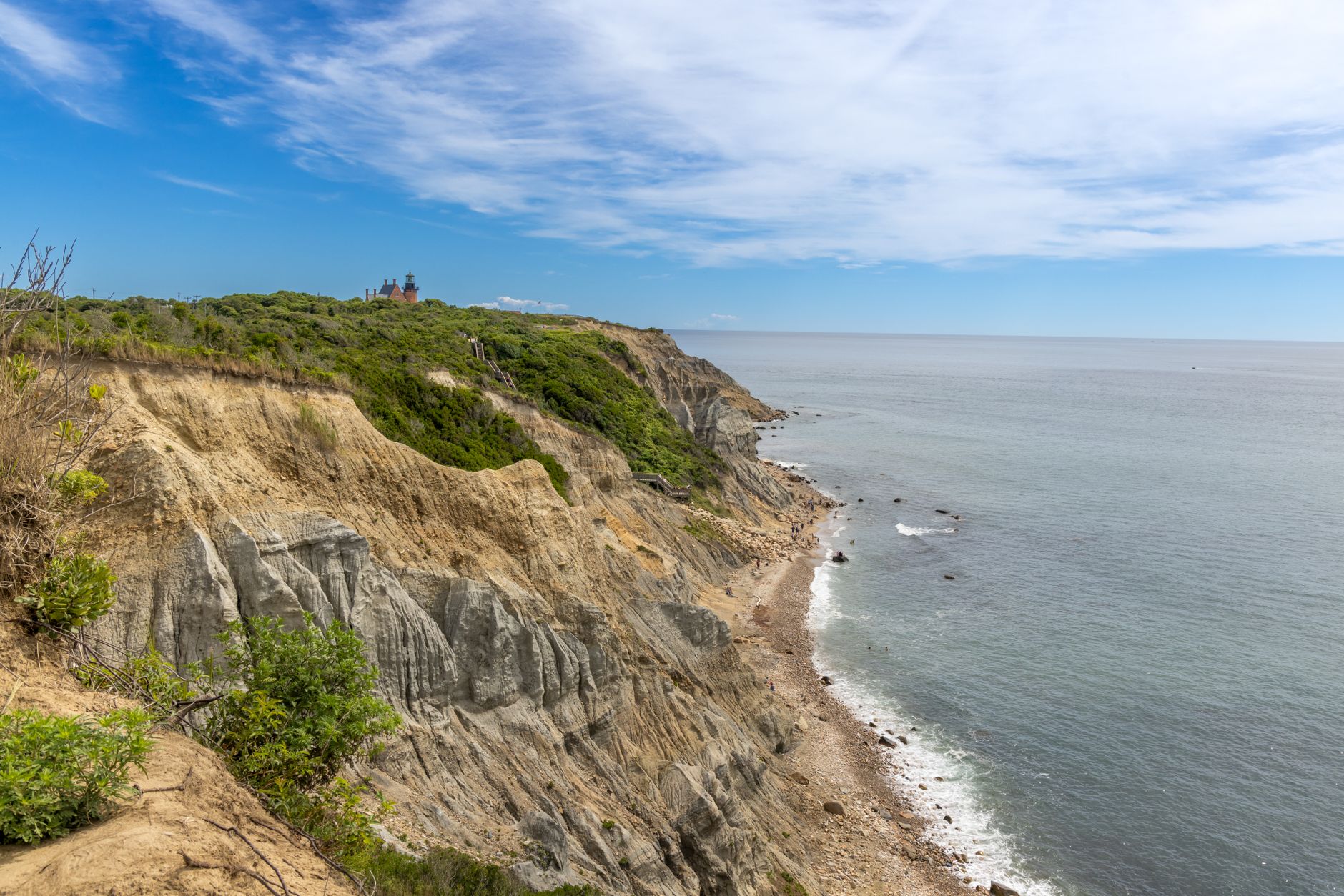
The question of whether sharks travel from tropical southern waters to get 'fueled and fattened up' in Long Island isn't just a curiosity – it's a window into the rich marine ecosystem surrounding this unique stretch of land. Yes, certain species like sand tiger sharks and even great whites do utilize Long Island's nutrient-rich waters as a crucial part of their life cycle, seeking food sources that thrive here. But beyond the fascinating world beneath the waves, Long Island itself is a 'feeding ground' for human curiosity, offering a wealth of history, geology, and culture waiting to be discovered.
While the Hamptons and Montauk Lighthouse draw crowds, Long Island holds countless lesser-known treasures, each with a story that deepens your understanding of this diverse region. From ancient glacial remnants to secretive Cold War installations, and from the enduring heritage of indigenous peoples to quirky architectural marvels, prepare to uncover the surprising depths of Long Island beyond the usual tourist trail.
1. The Schoolhouse Moved by Oxen
Cutchogue Village Green, Cutchogue, USA
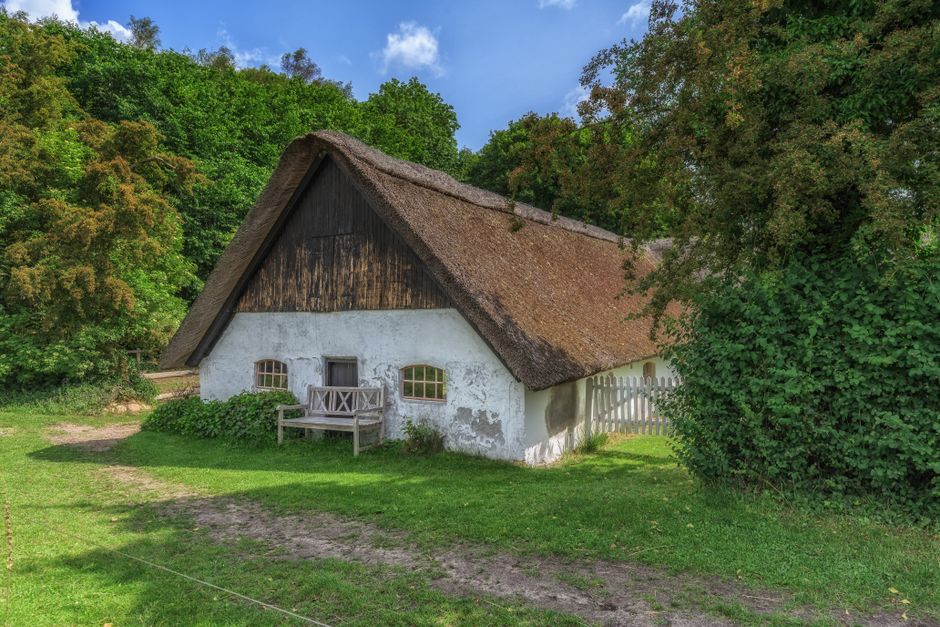
A tiny village green in Cutchogue hosts New York's oldest surviving English-style schoolhouse, once moved across town by oxen.
The Cutchogue Village Green isn't just a picturesque spot; it's a living museum. Here stands the Old House, built around 1649, and the Old Schoolhouse, dating to 1784. The schoolhouse, a testament to early colonial education, was famously moved to its current location from its original site by a team of oxen, a significant community effort in the late 19th century. These preserved structures offer a rare, tangible link to Long Island's foundational history.
2. Cold War Secrets of Montauk
Camp Hero State Park, Montauk, USA
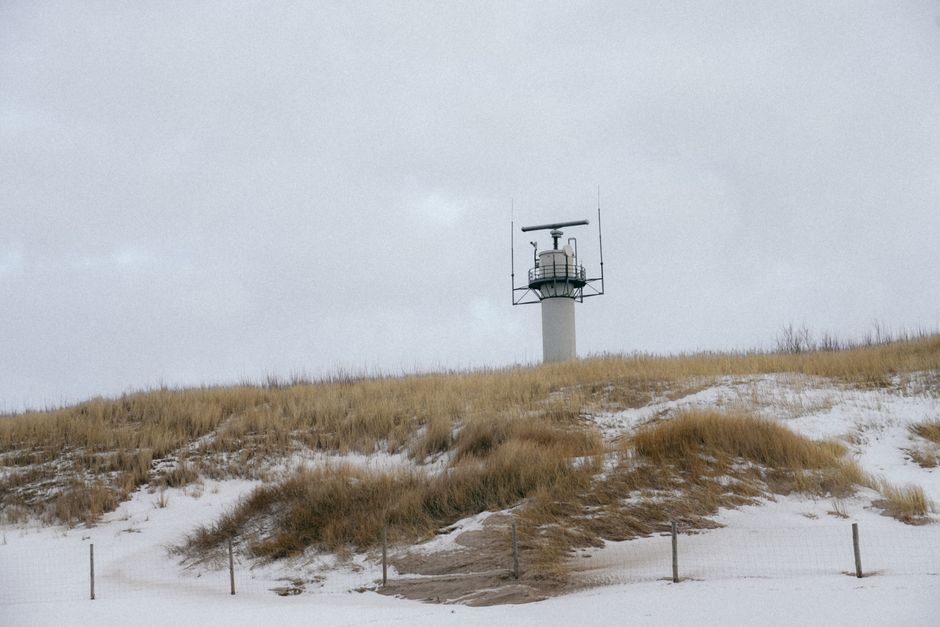
Beneath an ominous Cold War radar tower, a hidden military base once guarded against Soviet threats, complete with a decoy town.
While Montauk is famous for its lighthouse, Camp Hero State Park hides a different kind of history. This former military base, disguised to look like an ordinary fishing village, was a critical part of the United States' Cold War defense. A massive radar tower, still standing, dominates the landscape, a relic of its purpose to detect incoming Soviet bombers. Visitors can explore abandoned bunkers and structures, hinting at the secretive operations that once took place here, far from public eyes.

3. Shelter Island's Untouched Wilderness
Mashomack Preserve, Shelter Island, USA
On an island accessible only by ferry, a sprawling preserve protects one of the last undeveloped parcels of Long Island, once slated for luxury development.
Mashomack Preserve on Shelter Island is often called 'the jewel of the Peconic.' This 2,039-acre sanctuary, managed by The Nature Conservancy, represents one of the most pristine and ecologically diverse habitats on Long Island. Its miles of coastline, tidal creeks, woodlands, and fields provide a haven for osprey, deer, and countless bird species. The preserve's existence is a triumph of conservation, as this vast tract was once eyed for extensive residential development, making its untouched state truly remarkable.
4. Greenport's Prohibition Past
Greenport, USA
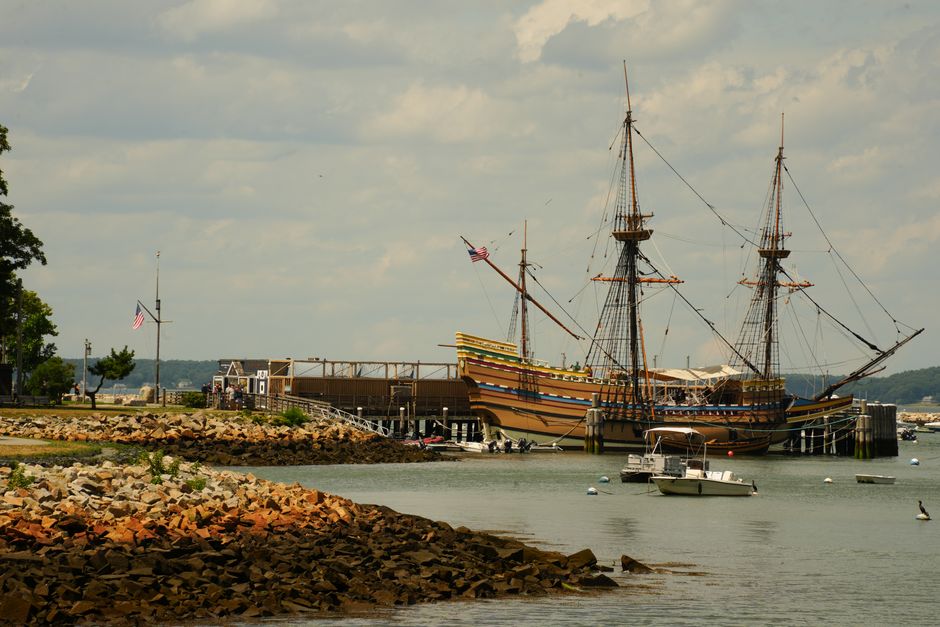
During Prohibition, this charming maritime village was a notorious nexus for rum-runners, its hidden coves and speakeasies buzzing with illicit activity.
Greenport, with its picturesque harbor and historic architecture, has a surprising and gritty past as a hub for rum-running during the Prohibition era. Its strategic location at the tip of the North Fork, with numerous coves and inlets, made it ideal for smuggling operations. Bootleggers would ferry illegal alcohol from offshore ships to clandestine drop-off points, supplying speakeasies across Long Island and New York City. The village's quiet charm today belies a period when its waters were alive with secretive, high-stakes trade.
5. The Gatsby-Inspired Castle
Sands Point Preserve, Port Washington, USA
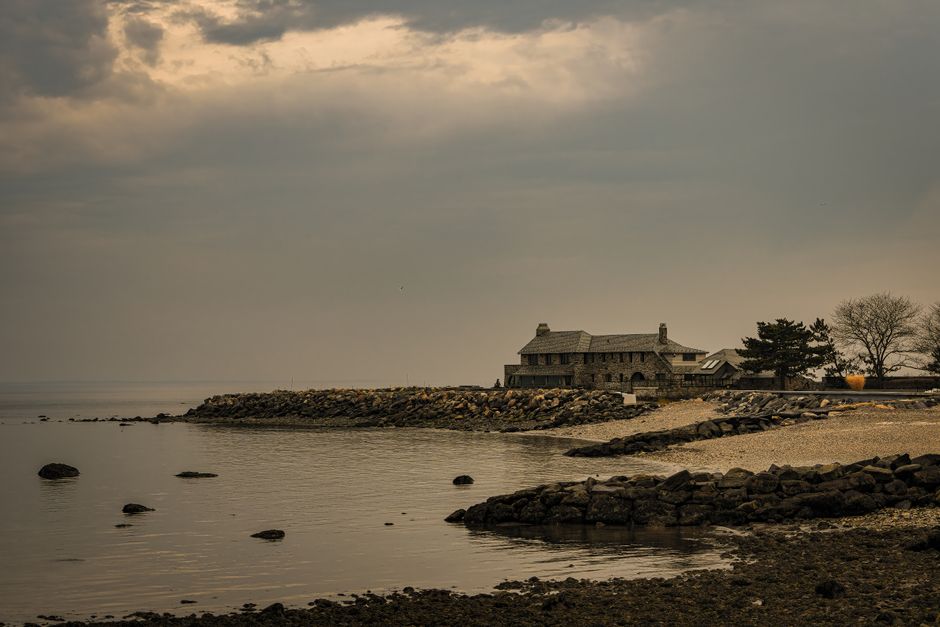
A grand Gilded Age estate, rumored to inspire locations in 'The Great Gatsby,' features a medieval-style castle built by a railroad baron.
Sands Point Preserve is home to three magnificent mansions, but none are as striking as Hempstead House, a Tudor Revival castle built for Howard Gould, son of railroad magnate Jay Gould. The preserve's landscape and architecture are said to have influenced F. Scott Fitzgerald's descriptions of 'West Egg' in *The Great Gatsby*, particularly the lavish estates of new money. Exploring the grounds, with its varied architectural styles and sweeping views of the Long Island Sound, offers a tangible connection to the opulence and ambition of the Gilded Age.

6. Ancient Voices of Shinnecock
Shinnecock Nation Cultural Center and Museum, Southampton, USA
One of the oldest continuously inhabited Native American communities in the U.S. preserves its rich history and vibrant culture in a dedicated museum.
The Shinnecock Nation, whose ancestral lands span much of what is now Southampton, has a profound and often overlooked history on Long Island. Their Cultural Center and Museum is a vital institution, offering insights into thousands of years of Shinnecock heritage, traditions, and resilience. Visitors can learn about their whaling history, intricate beadwork, ceremonial practices, and ongoing efforts to preserve their language and sovereign rights. It's a powerful reminder of the deep indigenous roots that predate colonial settlement on Long Island.
7. The Architectural Wonder of the Big Duck
Flanders, USA
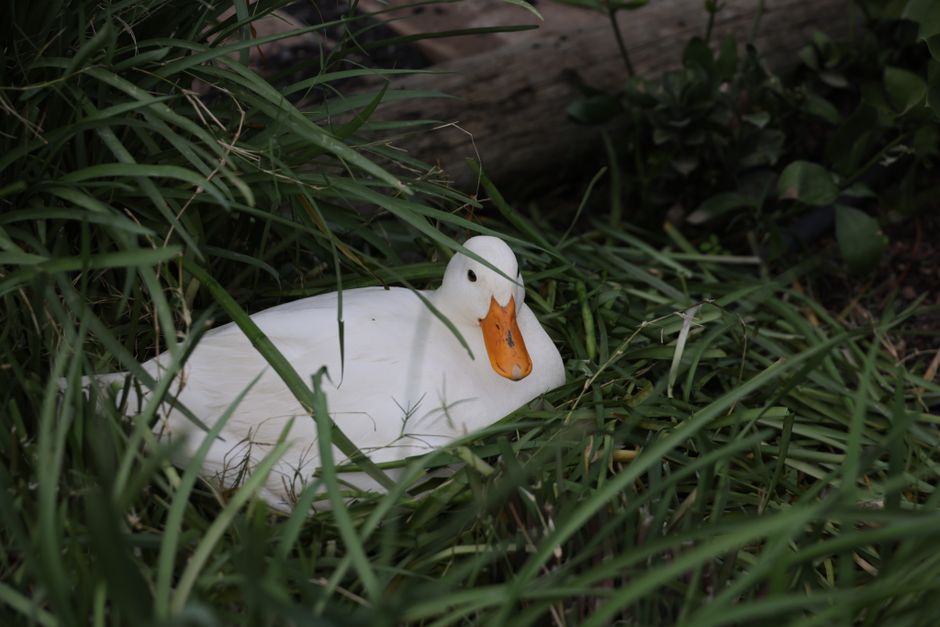
A gigantic 20-foot tall concrete duck, an early example of 'mimetic architecture,' once served as a roadside poultry shop and was moved twice.
The Big Duck in Flanders is more than just a quirky roadside attraction; it's a piece of architectural history. Built in 1931 by duck farmer Martin Maurer, this 20-foot tall, 30-foot long concrete duck was designed to sell ducks and eggs directly from its interior. It's an iconic example of 'duck architecture,' where a building literally takes the shape of the product it sells. The Big Duck has been moved twice and is now listed on the National Register of Historic Places, a testament to its enduring charm and unique place in American roadside culture.

8. Montaukett Ancestral Ground
Montauk Indian Field, Montauk, USA
A secluded field in Montauk holds the ancestral burial grounds and last remaining land of the Montaukett Indian Nation, a testament to their enduring presence.
Beyond Montauk's bustling tourist spots lies a quiet, sacred parcel known as Indian Field. This land represents the last continuous communal holding of the Montaukett Indian Nation, whose history in the area stretches back millennia. It serves as an ancestral burial ground and a symbol of the Montaukett's enduring presence and struggles for recognition and land rights. Visiting this site offers a profound moment of reflection on the deep history and the indigenous peoples who were the original stewards of this beautiful land.
Frequently asked questions
Are there sharks in Long Island waters?
Yes, Long Island's diverse marine environment attracts various shark species. The waters serve as important feeding grounds and nurseries for some, particularly during warmer months. While sightings can occur, encounters with swimmers are rare.
What kind of sharks are found near Long Island?
Several shark species frequent Long Island's waters. Common types include sand tiger sharks, sandbar sharks, and various smaller species. Larger sharks like mako, thresher, and even great whites have been observed offshore, particularly around baitfish aggregations.
Is it safe to swim in Long Island waters with sharks present?
Yes, swimming in Long Island waters is generally safe. Shark attacks are exceedingly rare, especially close to shore. It's always wise to be aware of your surroundings, avoid swimming at dawn or dusk, and refrain from wearing shiny jewelry or swimming near fishing activity.
How can AllTours.ai help me explore Long Island's hidden gems?
AllTours.ai transforms your smartphone into a personal AI audio tour guide. As you explore places like those mentioned in this post, simply point your phone camera at any landscape or landmark. The app will then narrate its unique history, geology, and cultural significance in your preferred language, revealing stories you might otherwise miss.
Related guides
Photography via Pexels. AllTours.ai is an AI audio tour guide — point your camera at any landscape and hear its story.