
September 1, 2026 · 4 min read
The question of whether sharks travel from tropical southern waters to Long Island to get fueled and fattened up is a fascinating one, and the answer is a resounding yes. Long Island's nutrient-rich waters serve as a crucial feeding ground for various shark species, from sand tigers to great whites, particularly in the warmer months. But beyond its vibrant marine life, this iconic island holds a trove of lesser-known wonders, brimming with unexpected history, unique geology, and vibrant culture.
While the Hamptons and Montauk lighthouse draw crowds, Long Island offers a different kind of adventure for those willing to look a little deeper. We've curated a list of genuinely surprising spots, each with a compelling story that paints a richer, more nuanced picture of this diverse destination. Prepare to have your curiosity sparked by tales of colonial resilience, architectural oddities, and pristine natural havens.
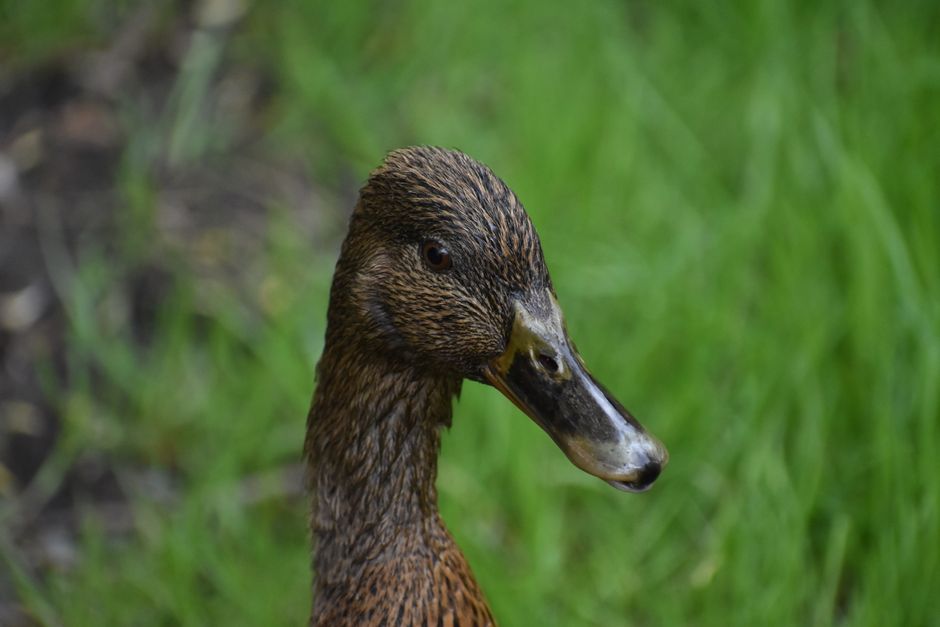
1. The Duck That Moved Houses
Flanders, USA
This giant duck-shaped building, originally a poultry shop, was once moved twice across Long Island.
Built in 1931 by duck farmer Martin Maurer, "The Big Duck" is an iconic example of mimetic architecture. Designed to attract customers to his egg and duck meat stand, it served its purpose for decades. In a remarkable feat of preservation, the 20-foot-tall, 30-foot-long structure was moved from its original location to a park in Hampton Bays in 1987, and then back to Flanders in 1993, now serving as a gift shop and a beloved roadside attraction that draws visitors curious about its unique history.
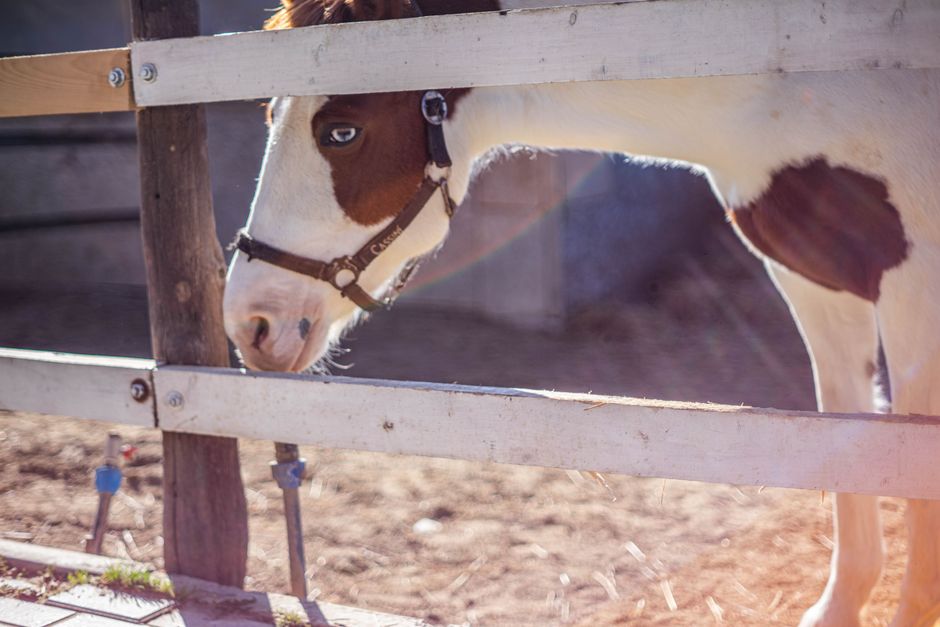
2. America's Oldest Cattle Ranch
Montauk, USA
At the eastern tip of Long Island lies a working cattle ranch that claims to be the oldest continuously operating ranch in the United States.
Deep Hollow Ranch was established in 1658 by English settlers, predating many Western ranches. For centuries, it has been home to cattle and horses, embodying a lesser-known aspect of Long Island's agricultural history, far removed from its sandy beaches and celebrity estates. The ranch played a significant role in provisioning early settlements and continues its legacy today, offering horseback riding and a glimpse into a rugged, historic way of life that has persisted for over 360 years.
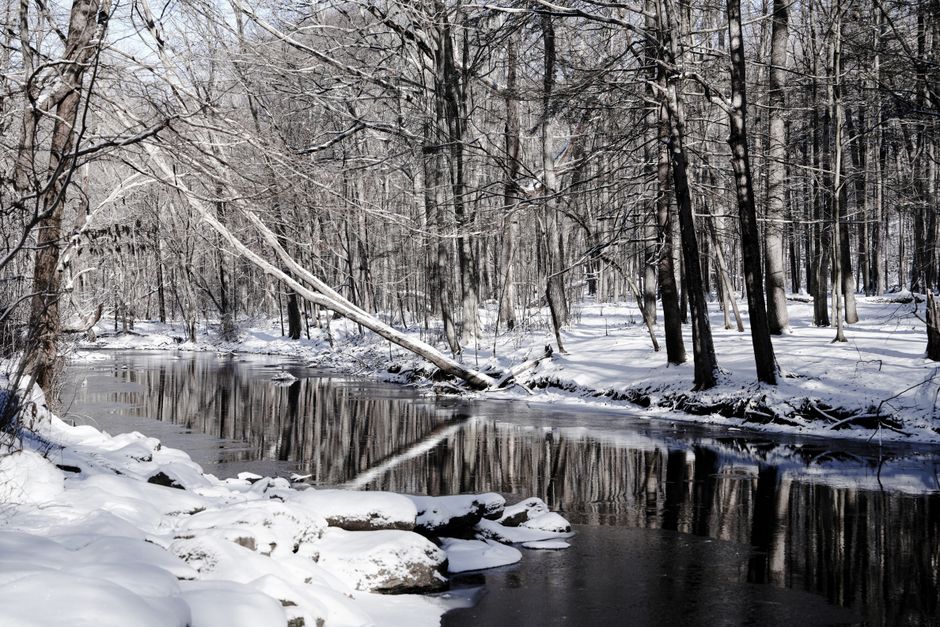
3. Long Island's Pristine Wild Trout Sanctuary
Oakdale, USA
This state park preserves one of the few remaining wild brook trout streams in New York State, once the exclusive domain of an elite fishing club.
Connetquot River State Park Preserve safeguards the Connetquot River, a spring-fed waterway renowned for its crystal-clear waters and thriving population of native brook trout. Before becoming a public preserve in 1973, it was the South Side Sportsmen's Club, a private retreat for wealthy industrialists and presidents like Theodore Roosevelt. The club meticulously managed the river for over a century, inadvertently creating a pristine ecological haven that now offers visitors rare opportunities for fly-fishing, hiking, and wildlife observation in a remarkably untouched landscape.
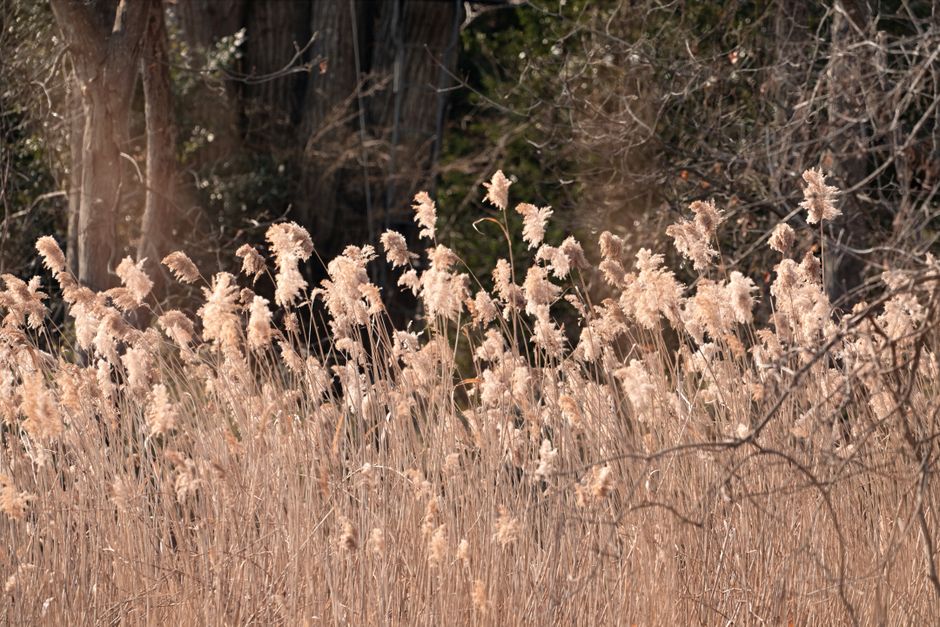
4. The Jewel of the Peconic
Shelter Island, USA
A substantial portion of Shelter Island is dedicated to a pristine nature preserve, protecting one of the richest habitats in the Northeast.
Mashomack Preserve covers over 2,000 acres, making up about one-third of Shelter Island. Its diverse ecosystems include oak woodlands, salt marshes, tidal creeks, and some 11 miles of coastline. This vast wilderness acts as a crucial haven for migratory birds, osprey, deer, and countless other species. The preserve's existence is a testament to dedicated conservation efforts, ensuring that this significant natural landscape remains largely untouched, offering quiet trails and profound natural beauty away from the bustling summer crowds.
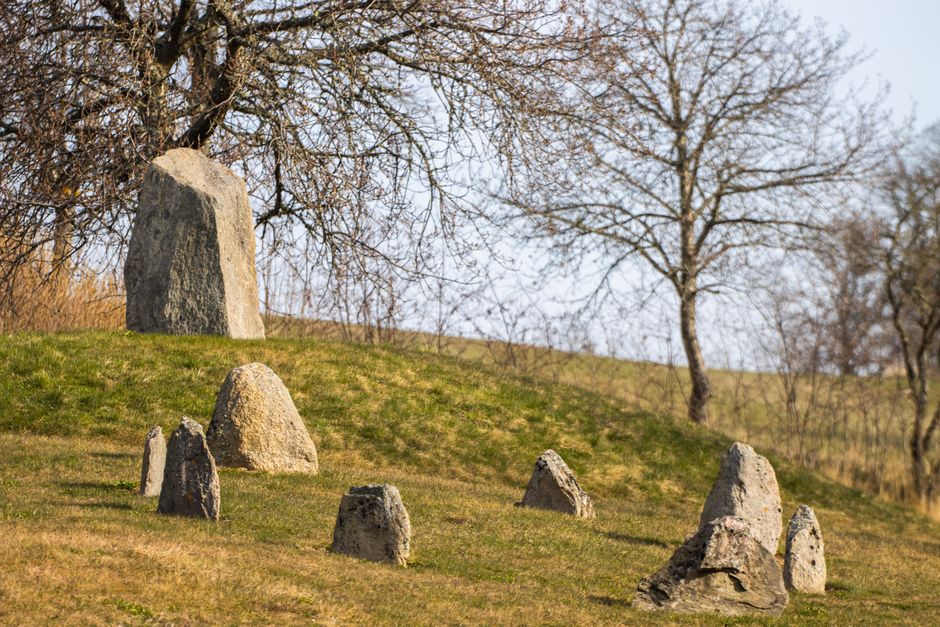
5. Glacial Gifts and Ancient Echoes
Glen Cove, USA
This museum and preserve sits on a significant geological formation, offering a tangible link to Long Island's glacial past and its earliest human inhabitants.
Garvies Point Museum and Preserve is built upon a glacial moraine, a ridge of debris left behind by retreating glaciers that shaped Long Island over 10,000 years ago. The preserve features impressive glacial erratics—boulders dropped by the ice—and stratified cliffs revealing layers of geological history. It's also a vital archaeological site, with artifacts showcasing over 7,000 years of Native American occupation, providing unparalleled insights into the lives of the early hunter-gatherers and agriculturalists who thrived on the island long before European contact.
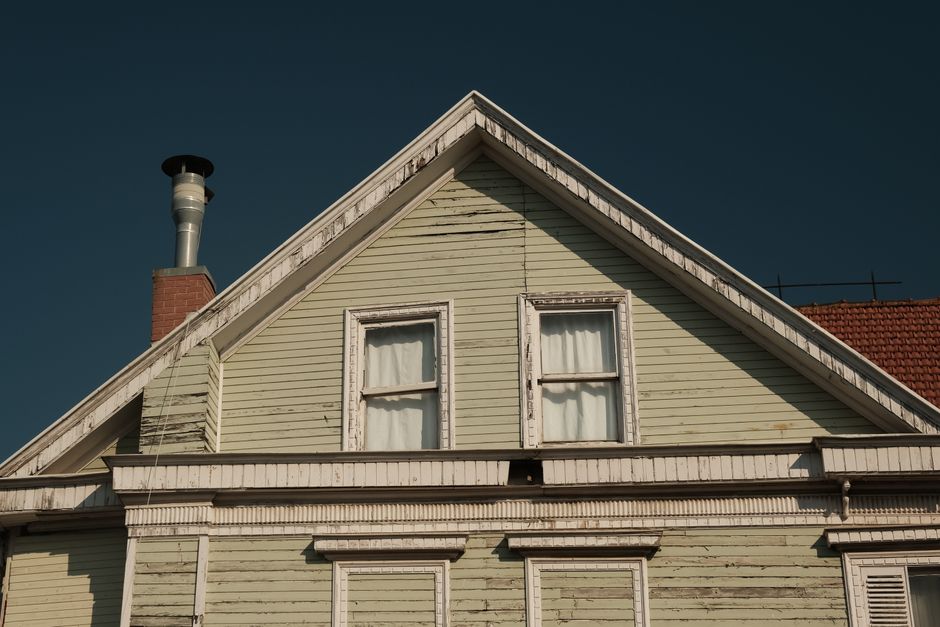
6. A Living Piece of 17th-Century Long Island
Cutchogue, USA
This unassuming house on the North Fork is one of the oldest surviving English-style homes in New York State, built before many colonial settlements even began.
The Old House, constructed in 1649, offers a rare window into colonial life on Long Island. Its post-and-beam construction, steeply pitched roof, and diamond-pane windows reflect typical 17th-century English architectural styles. Originally built by a minister, the house has stood for centuries, witnessing the island's transformation from a frontier outpost to a bustling region. Now a museum, it allows visitors to step back in time and experience the stark realities and ingenious craftsmanship of early American settlers, far from the grand mansions of later eras.

7. The Shinnecock's Enduring Legacy
Southampton, USA
This sovereign nation on Long Island has maintained its distinct identity and self-governance for centuries, predating the United States itself.
The Shinnecock Indian Nation, with their ancestral lands near Southampton, represents a continuous indigenous presence on Long Island dating back thousands of years. Their "Freetown" area within the reservation is a testament to their resilience and determination to preserve their culture, language, and traditions despite immense pressures. The annual Shinnecock Powwow, one of the largest Native American gatherings on the East Coast, showcases their vibrant heritage through dance, music, and craft, offering a powerful reminder of Long Island's deep and enduring indigenous roots.
Frequently asked questions
Are there sharks in Long Island waters?
Yes, Long Island's diverse marine environment attracts various shark species, especially during warmer months. Species like sand tigers, sandbar sharks, and even great whites are observed, particularly along the South Shore, as they follow baitfish schools from tropical southern waters.
What is the best time of year to visit Long Island for nature?
Spring and fall offer ideal conditions for exploring Long Island's natural beauty. The weather is mild, crowds are thinner, and migratory birds are abundant. Fall foliage on the North Fork and the crisp air for coastal walks are particularly captivating.
What are some unique historical sites on Long Island beyond the Gold Coast mansions?
Beyond the famous estates, Long Island boasts sites like the Old House in Cutchogue (1649), Deep Hollow Ranch in Montauk (claiming America's oldest ranch), and the Garvies Point Museum and Preserve, showcasing glacial history and Native American archaeology. The Shinnecock Indian Nation's lands also offer profound historical insights.
How can AllTours.ai help me explore these lesser-known Long Island spots?
AllTours.ai transforms your phone into an AI-powered audio tour guide. Simply point your camera at any landmark, landscape, or even a quirky roadside attraction like the Big Duck, and the app will instantly narrate its history, geology, and cultural significance in your preferred language, revealing the hidden stories of places you might otherwise overlook.
Related guides
Photography via Pexels. AllTours.ai is an AI audio tour guide — point your camera at any landscape and hear its story.