September 16, 2026 · 4 min read
In an increasingly interconnected world, the question “Do you think politics should be a factor when considering where to live in the U.S.?” resonates deeply. It's natural to seek a community that aligns with your values, but reducing a place to its current political leanings often overlooks the rich tapestry of stories that truly define it.
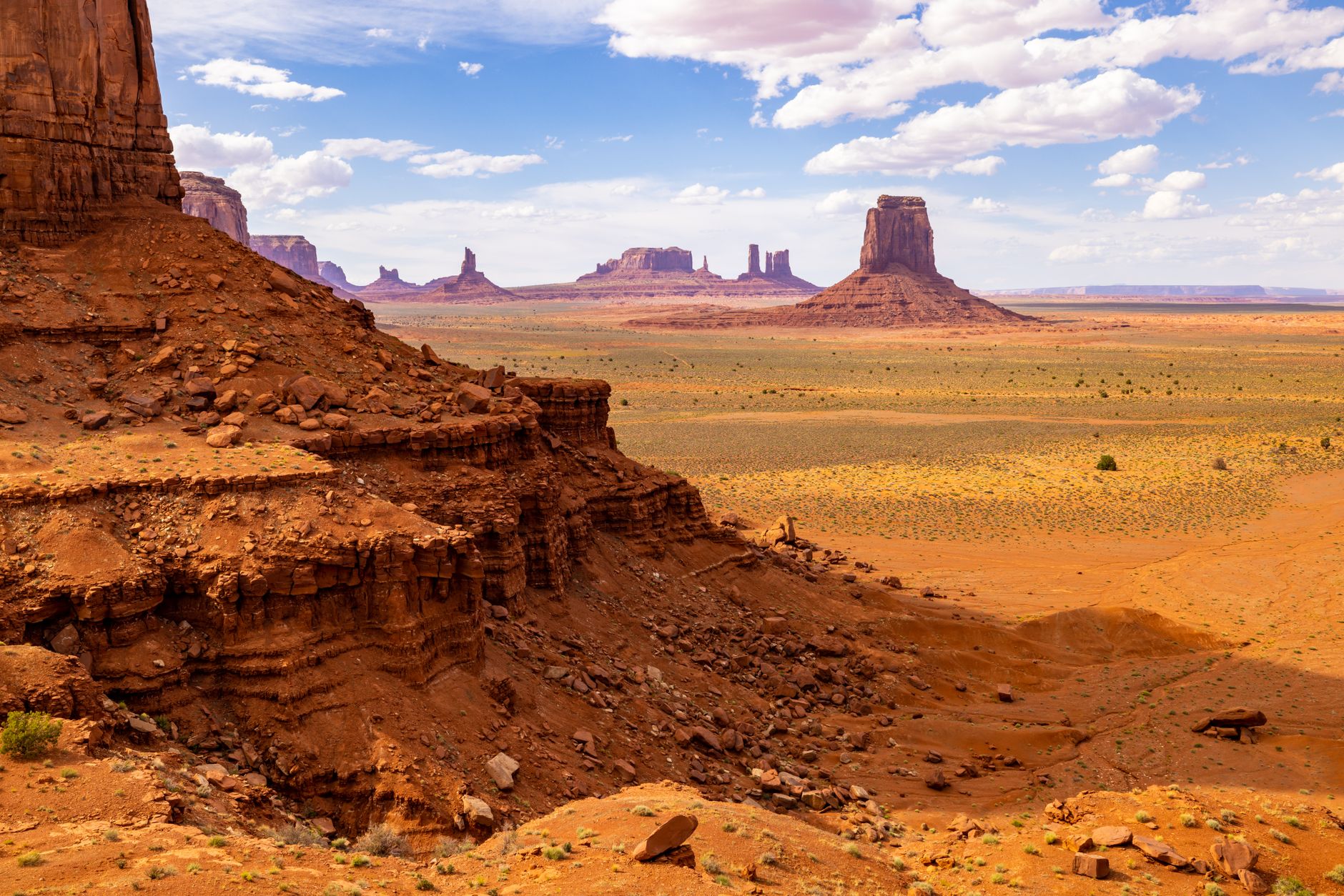
America is a land of incredible diversity, not just in its landscapes but in its layered histories, unique cultural experiments, and geological wonders. Beyond the headlines and electoral maps, countless towns offer a deeper narrative—places shaped by centuries of human ingenuity, natural forces, and unexpected turns. Let's explore some lesser-known spots where the real story goes far beyond any political divide.
1. Where Polish Roots Met a New Majority
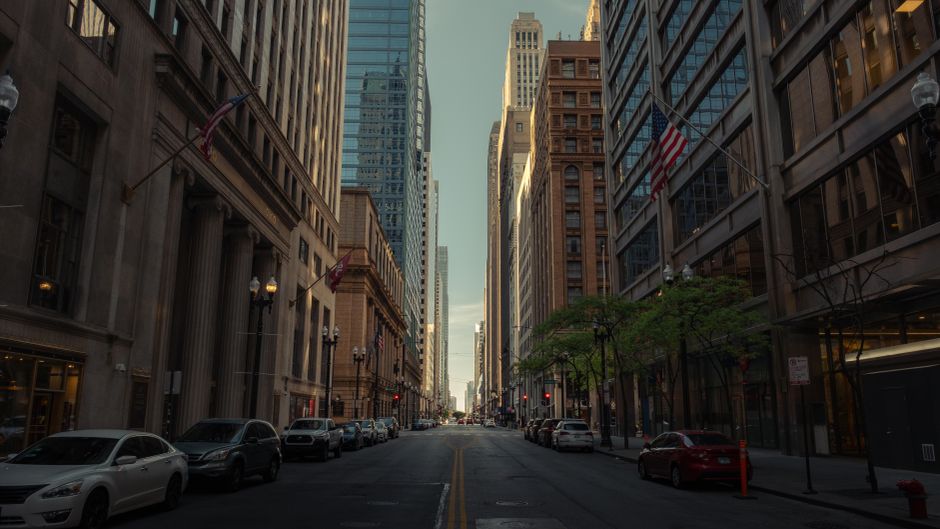
Hamtramck, Michigan, USA
This small city, entirely surrounded by Detroit, transitioned from a Polish Catholic stronghold to the first Muslim-majority city in the United States.
Hamtramck’s streets once buzzed primarily with Polish and Ukrainian accents, a legacy of early 20th-century auto industry migration. Today, its mosques stand alongside Catholic churches, reflecting a dramatic demographic shift driven by immigration from Bangladesh and Yemen. This dynamic evolution showcases a unique urban microcosm where diverse cultures navigate shared spaces, building a new identity rooted in both tradition and change.
2. Copper Kings to Creative Haven
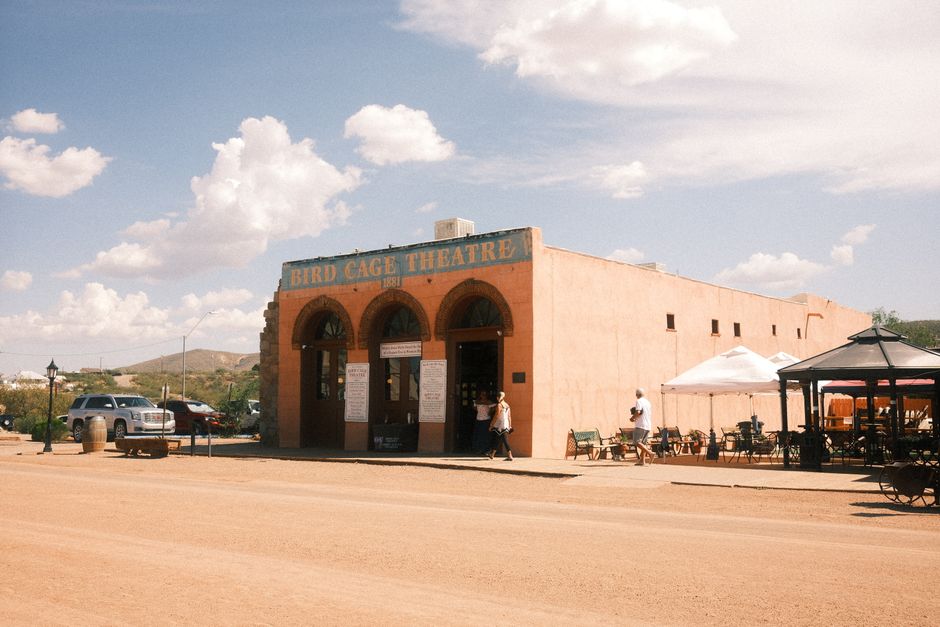
Bisbee, Arizona, USA
Once a booming copper mining town with a dramatic labor history, Bisbee is now a quirky artists' colony built into the steep slopes of the Mule Mountains.
Nestled in a canyon just miles from the Mexican border, Bisbee’s winding staircases and Victorian architecture tell tales of its rich mining past, including a notorious mass deportation during the 1917 Bisbee Deportation. After the mines closed, artists and free spirits discovered its unique charm and affordable real estate, transforming it into a vibrant, liberal enclave amidst conservative rural Arizona. The town thrives on its independent spirit, historic preservation, and a thriving arts scene.
3. A City of Saints and Exodus
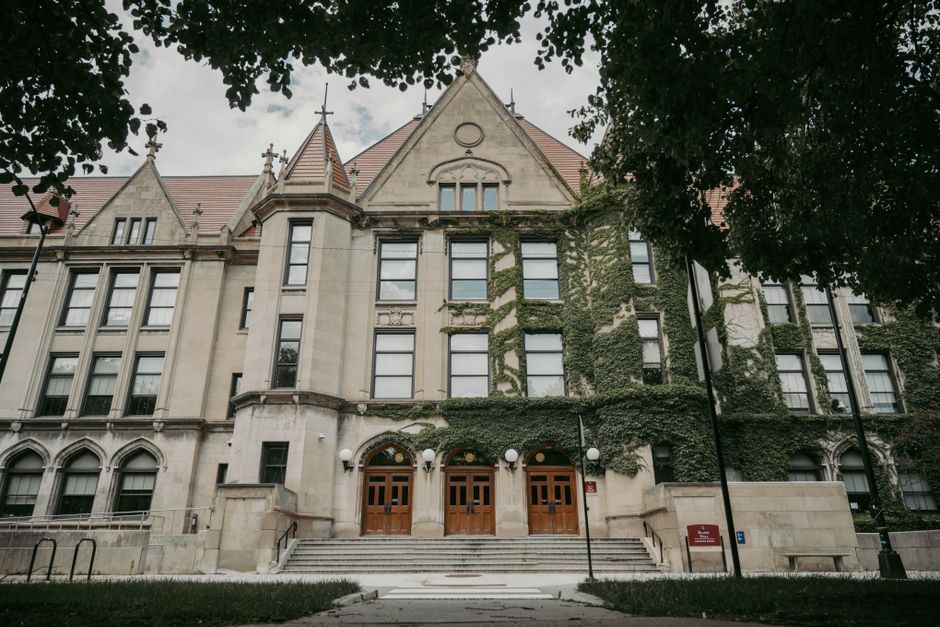
Nauvoo, Illinois, USA
This quiet Midwestern town was once one of the largest cities in Illinois, a bustling early Mormon settlement whose dramatic history led to a mass migration westward.
Founded by Joseph Smith and the Latter-day Saints in 1839, Nauvoo rapidly grew into a thriving community, marked by religious fervor and economic enterprise. However, escalating conflicts with surrounding communities over religious practices and political power culminated in Smith's assassination and the subsequent exodus of thousands of Mormons across the plains to Utah. Today, the reconstructed historic district offers a vivid window into this foundational chapter of American religious and migration history.
4. The Enduring Legacy of Communal Living
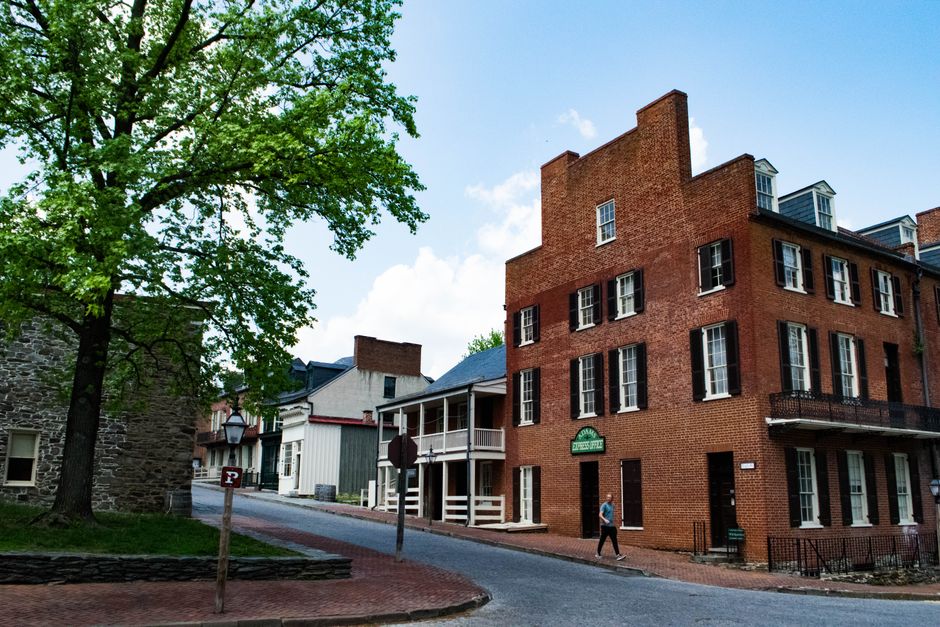
Amana Colonies, Iowa, USA
For nearly a century, these seven villages lived as a self-sufficient communal society, a unique experiment in shared resources and spiritual devotion in rural Iowa.
Established by German Pietists seeking religious freedom, the Amana Colonies maintained a highly organized communal system from 1855 to 1932, where all property was held in common and daily life revolved around faith and craftsmanship. The "Great Change" in 1932 transitioned them to a for-profit corporation, but the original village layout, historic buildings, and a strong sense of community remain. Their enduring commitment to quality craftsmanship, from furniture to woolens, continues to define their unique cultural identity.
5. The Ghost Train's Copper Heart
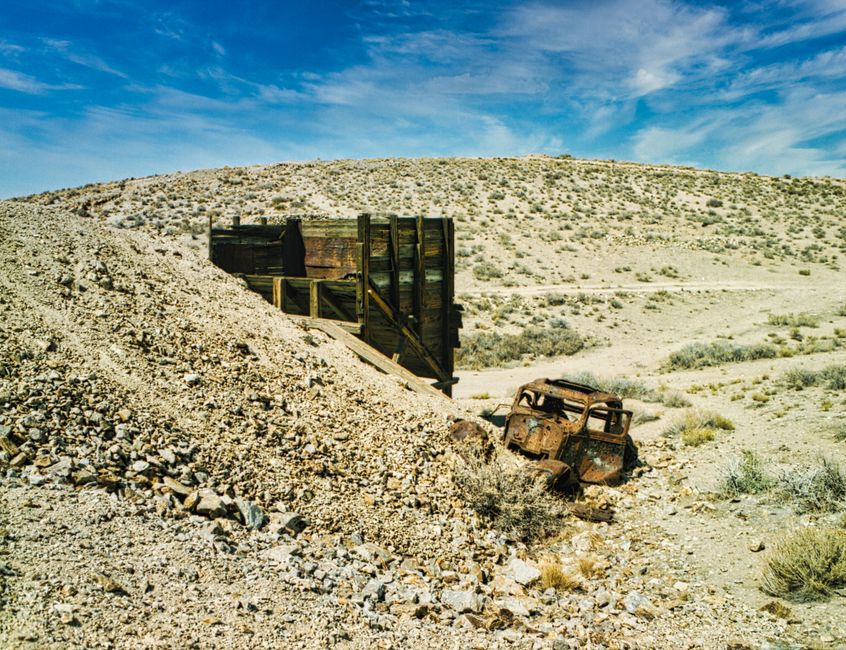
Ely, Nevada, USA
This remote Nevada town is a living museum of American railroading and copper mining, where a historic steam locomotive still hauls passengers through rugged desert landscapes.
Ely boomed with the discovery of copper in the early 20th century, becoming a critical hub for the Nevada Northern Railway, built to transport ore. The railway, now a National Historic Landmark, operates as the "Ghost Train of Old Ely," offering rides on authentic steam and diesel locomotives through the original tracks and tunnels. The town's architecture and spirit reflect its gritty industrial past, a testament to the boom-and-bust cycles that shaped the American West far from political capitals.
6. A Town Consumed by Fire
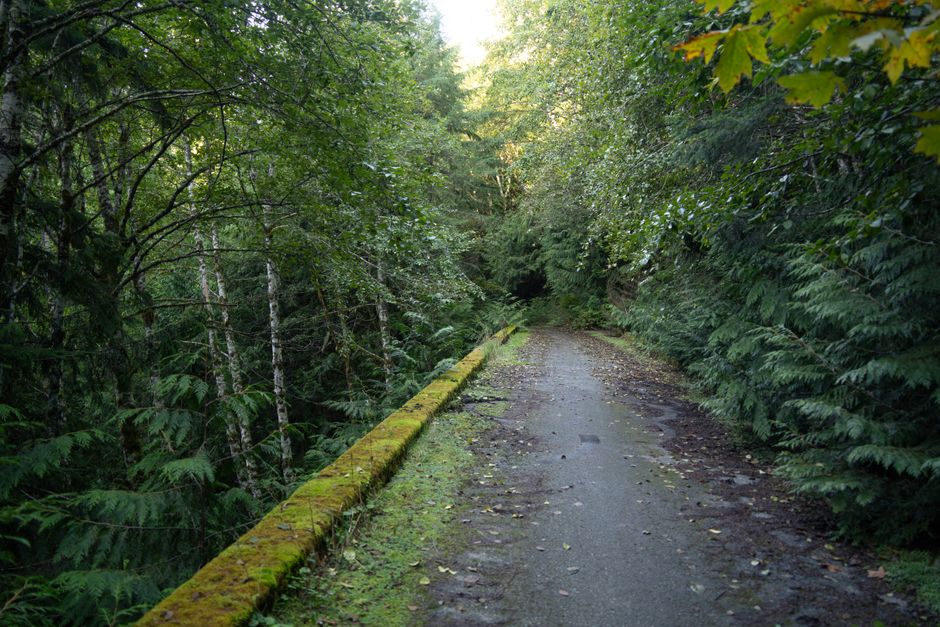
Centralia, Pennsylvania, USA
This nearly abandoned Pennsylvania town sits atop an underground coal mine fire that has been burning continuously beneath its streets since 1962.
Centralia was once a thriving coal town in the heart of Pennsylvania's anthracite region. In 1962, a trash fire in a landfill ignited an exposed coal seam, leading to an inferno that burrowed deep into the earth. Decades later, the fire still burns, releasing toxic gases and causing the ground to collapse, forcing the federal government to condemn most properties and relocate nearly all residents. The remaining few residents live in defiance of the inferno, a stark and eerie reminder of industrial legacy and environmental disaster.
7. Where the West Begins (and Rivers Meet the Sea)
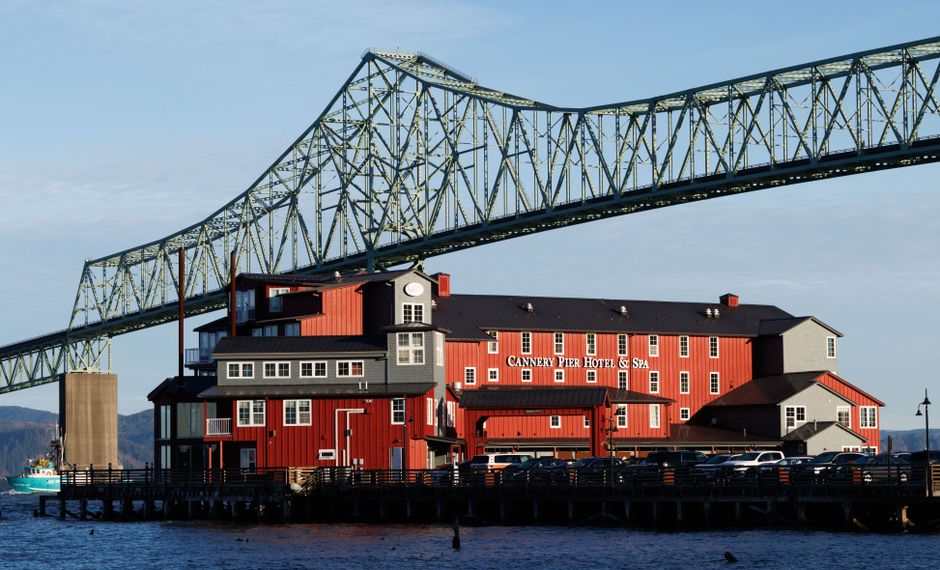
Astoria, Oregon, USA
The oldest American settlement west of the Rocky Mountains, Astoria sits at the dramatic mouth of the Columbia River, a place of convergence for exploration, trade, and natural power.
Founded in 1811 by John Jacob Astor's Pacific Fur Company, Astoria predates the Oregon Trail by decades, marking a crucial outpost in the early American push westward. Its strategic location meant it was a hub for fur traders, salmon canneries, and maritime industries, attracting diverse populations. Perched on steep hills overlooking the formidable Columbia Bar, where the river meets the Pacific, the town's unique geology and rich history tell a story of human ambition meeting the raw force of nature.
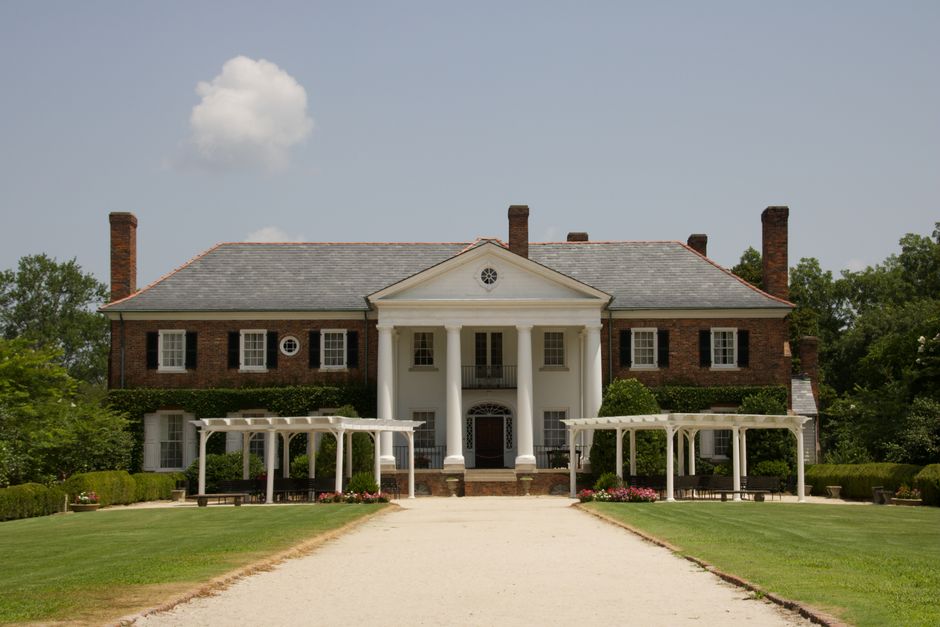
8. The Revolutionary River Town
Cheraw, South Carolina, USA
Known as "The Prettiest Town in Dixie," Cheraw holds a disproportionate amount of Revolutionary War history and a deep, often overlooked, African American narrative.
Cheraw's strategic location on the Great Pee Dee River made it a significant point for trade and military movements during the Revolutionary War, changing hands multiple times between British and Patriot forces. Beyond its elegant antebellum architecture, the town boasts a rich African American heritage, including the establishment of one of the first Black public schools in South Carolina. This blend of colonial history, industrial growth (especially in textiles), and enduring community stories offers a nuanced view of the American South.
Frequently asked questions
What makes a town "underrated" for living in the U.S.?
Underrated towns often offer a rich quality of life, unique cultural amenities, or significant historical depth that isn't widely recognized. They might have a lower cost of living or a tighter-knit community than more famous locales, providing a distinct sense of place beyond typical tourist destinations.
How do small towns preserve their unique history and culture?
Many small towns actively maintain their historical districts, operate local museums, and host festivals celebrating their unique heritage, from mining traditions to specific ethnic influences. Local residents and historical societies play a crucial role in documenting and sharing these stories for future generations and visitors.
Can a town's geology influence its community or economy?
Absolutely. A town's geology can determine its historical industries (like mining in Bisbee or Ely), agricultural potential, or even its physical layout and architecture (like Astoria's hills). It shapes natural resources, potential hazards like Centralia's mine fire, and offers unique scenic beauty that draws residents and visitors.
How can AllTours.ai help me discover these hidden stories?
AllTours.ai lets you experience the rich tapestry of any location in real-time. Simply point your phone camera at a landmark or landscape, and our AI narrates its history, geology, and culture in your language. It's like having a local expert reveal the layers of a place, making every journey a deep dive into its unique identity.
Related guides
Photography via Pexels. AllTours.ai is an AI audio tour guide — point your camera at any landscape and hear its story.