September 13, 2026 · 4 min read
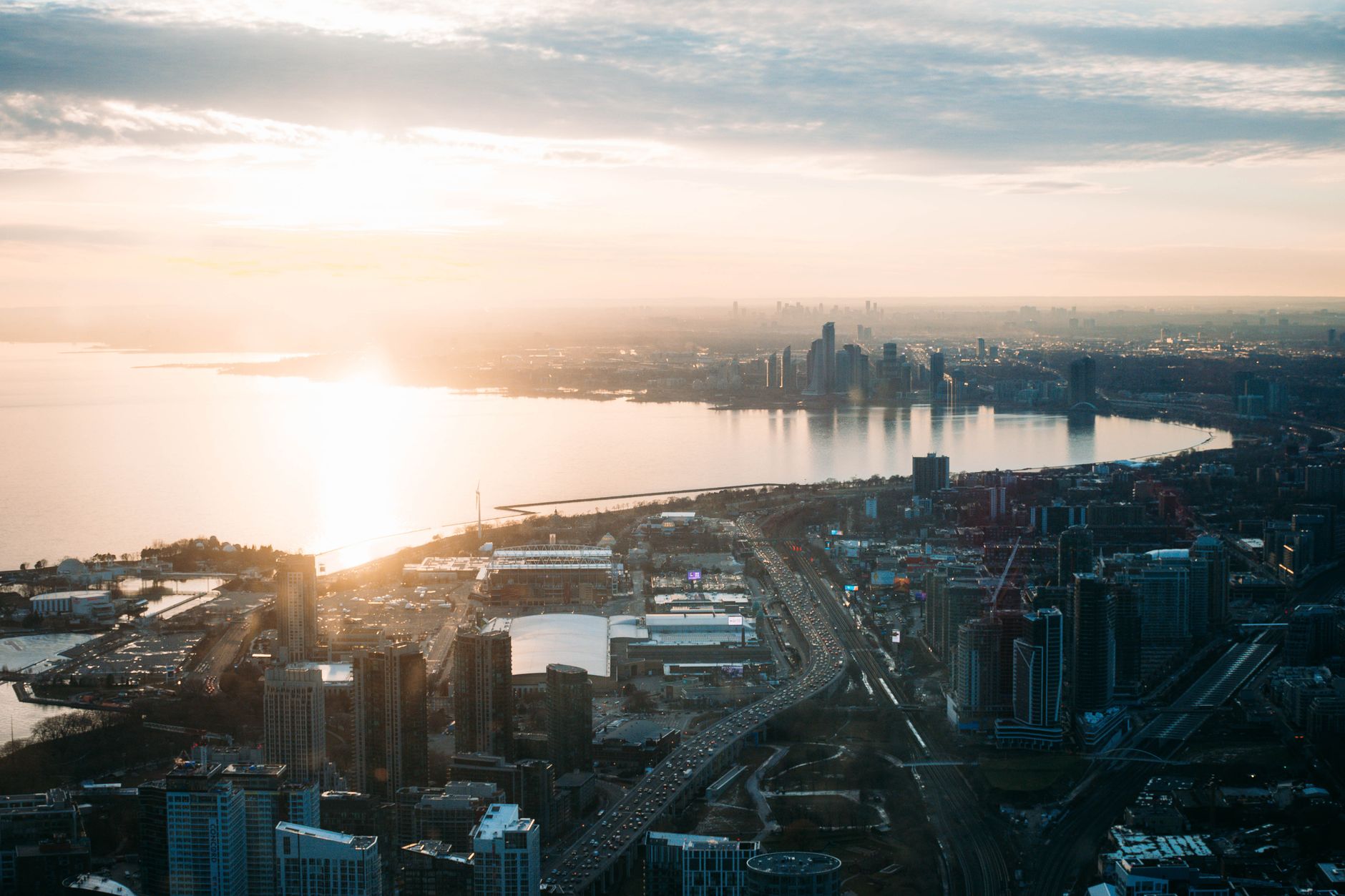
The idea of renaming Lake Ontario to 'Lake America' sometimes surfaces, sparking debate and strong reactions. For many, such a suggestion feels reductive, overlooking a vast tapestry of history, geology, and culture that transcends modern political borders.
Lake Ontario isn't just a body of water; it's a living archive. Its shores and depths hold stories millennia old, from the colossal forces that carved its basin to the intricate human dramas played out on its surface. To understand why a simple renaming feels inadequate, we must delve into the truly surprising and often overlooked narratives etched into this magnificent lake.
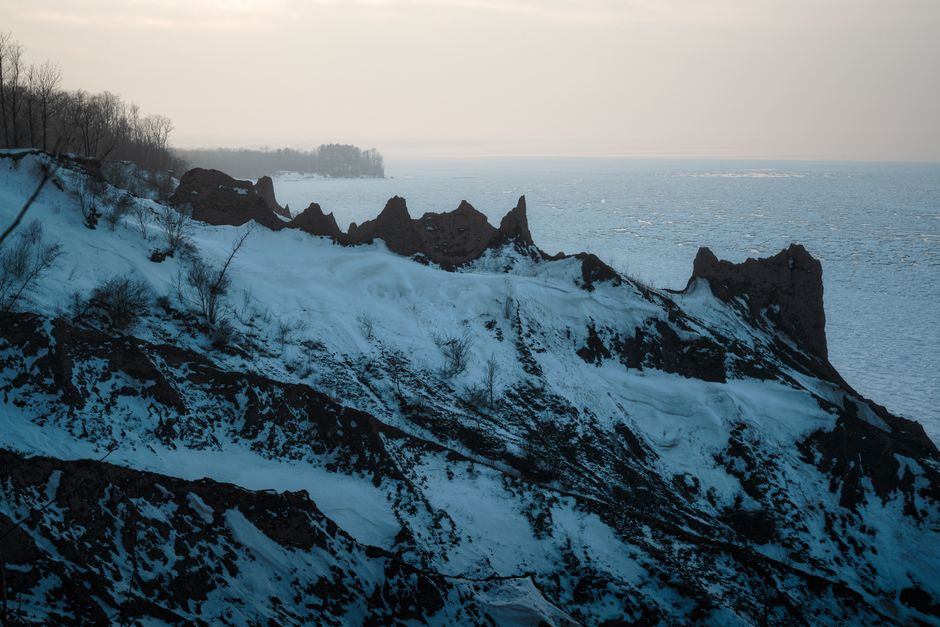
1. The Earth Spires of Chimney Bluffs
Sodus Point, New York, USA
Sculpted by ancient ice and eroding winds, these dramatic earth spires are a geological marvel constantly changing shape.
On Lake Ontario’s southern shore, the Chimney Bluffs rise dramatically, towering formations of glacial till. These 'chimneys' and 'drumlins' were shaped by the last ice age, then relentlessly carved by wind and water, exposing layers of history in their vertical faces. Walking among them, you witness geology actively at work, a testament to the lake's deep past long before any national identity existed.
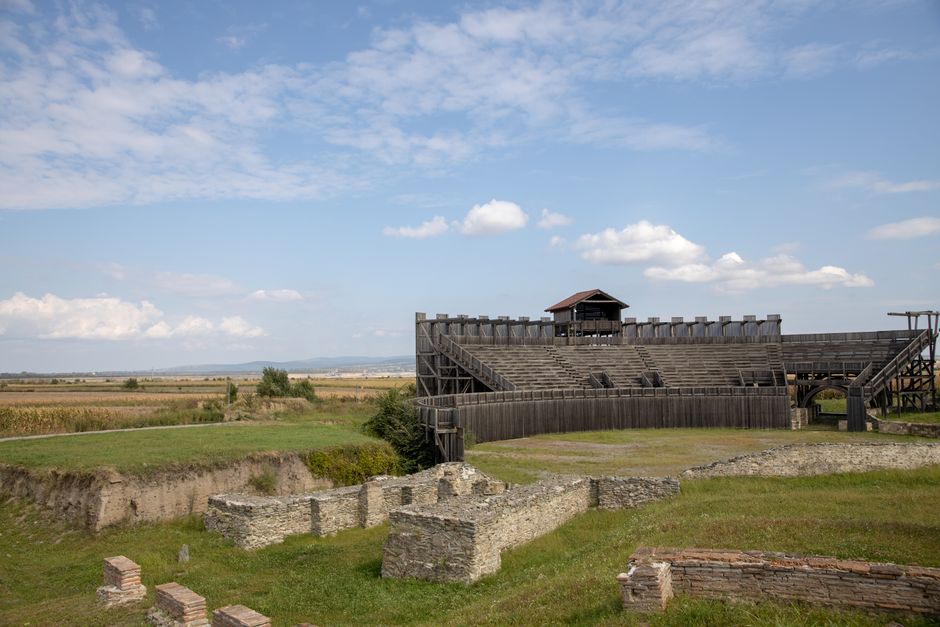
2. Fort de La Présentation's Forgotten Crossroads
Ogdensburg, New York, USA
Before it was Ogdensburg, this site was a crucial French outpost, a crossroads of empires and Indigenous nations.
In 1749, the French established Fort de La Présentation at the mouth of the Oswegatchie River, a strategic fur trading post and missionary site. It became a pivotal hub for diplomacy and conflict between the French, British, and various Indigenous peoples, including the Iroquois Confederacy. The fort’s complex history reveals a dynamic frontier where alliances shifted and cultures intertwined, a narrative far older than colonial boundaries.
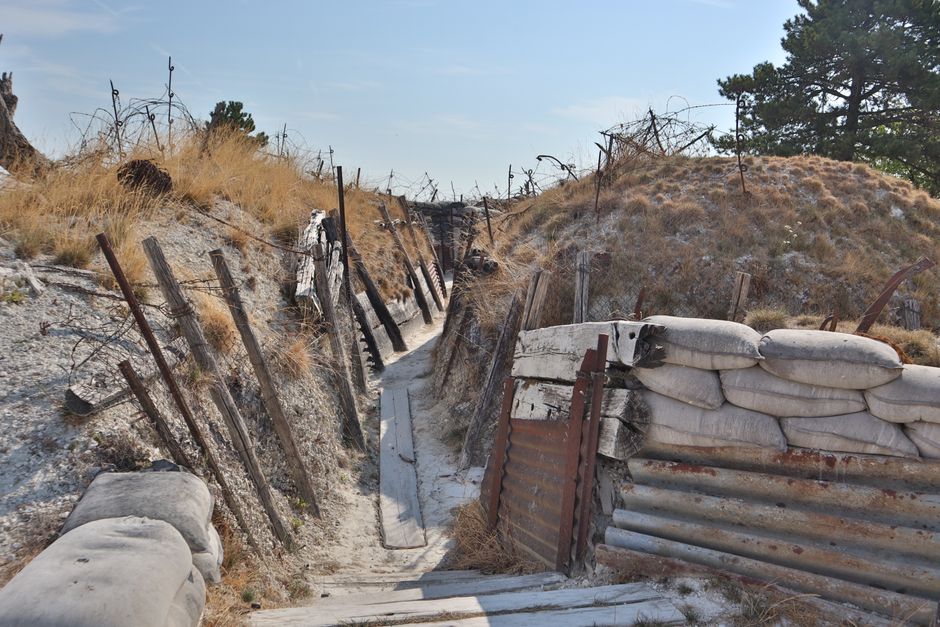
3. Sackets Harbor's War of 1812 Epicenter
Sackets Harbor, New York, USA
This seemingly quiet harbor was once the epicenter of a desperate naval race, shaping the outcome of the War of 1812 on Lake Ontario.
While Niagara Falls often dominates War of 1812 narratives, Sackets Harbor was the primary American naval base on Lake Ontario. Here, entire warships were built from local timber in mere weeks, fueling a frantic arms race against the British. The battles fought here were crucial, determining control of the lake and influencing the broader war. Its understated charm today belies its former strategic intensity.
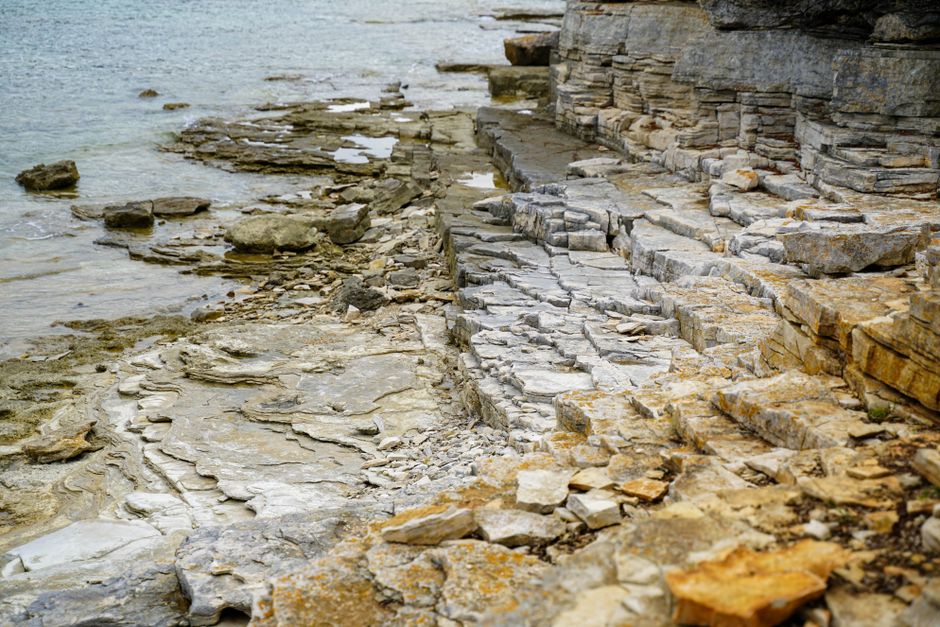
4. Point Petre's Singing Stones
Prince Edward County, Ontario, Canada
On this windswept point, unique limestone formations 'sing' underfoot, echoing the deep geological past and maritime struggles.
Jutting into Lake Ontario from Prince Edward County, Point Petre is a remote, rugged peninsula known for its distinctive limestone shelves and historic lighthouse. The flat, broken limestone pieces on its beaches, when walked upon, can produce a resonant 'singing' sound. This geological oddity connects visitors to the ancient seabed that formed these rocks, far predating any human presence, while the lighthouse stands guard over a notoriously treacherous stretch of water.
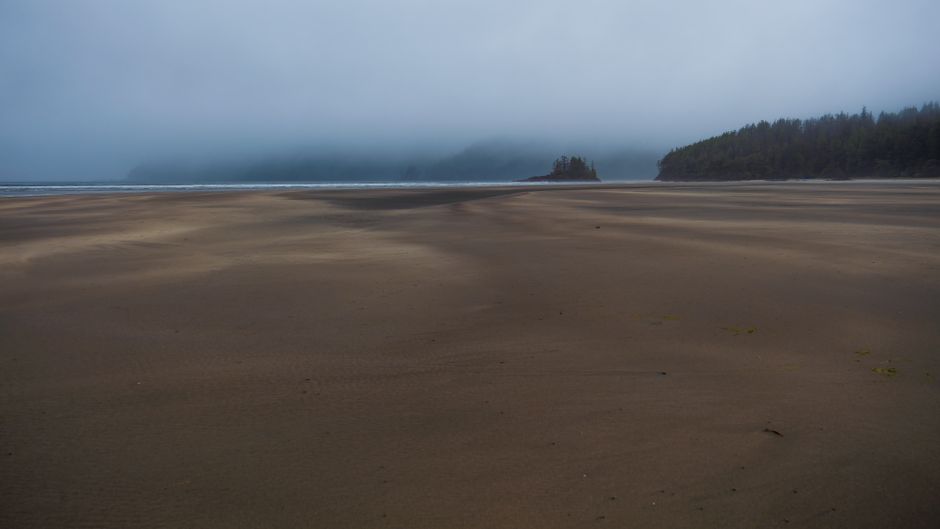
5. Presqu'ile Park's Migratory Crossroads
Brighton, Ontario, Canada
This dynamic sand spit, constantly reshaped by lake currents, is a critical stopover for millions of migrating birds and hides ghostly shipwrecks.
Presqu'ile Provincial Park is a remarkable sand spit that curls into Lake Ontario, a landscape in constant flux. Its unique geology makes it a vital migratory bird sanctuary, with millions of birds passing through each year. Beyond its ecological significance, its waters conceal numerous shipwrecks, testament to the lake’s historical importance as a shipping route and its unforgiving nature, particularly during fierce storms.
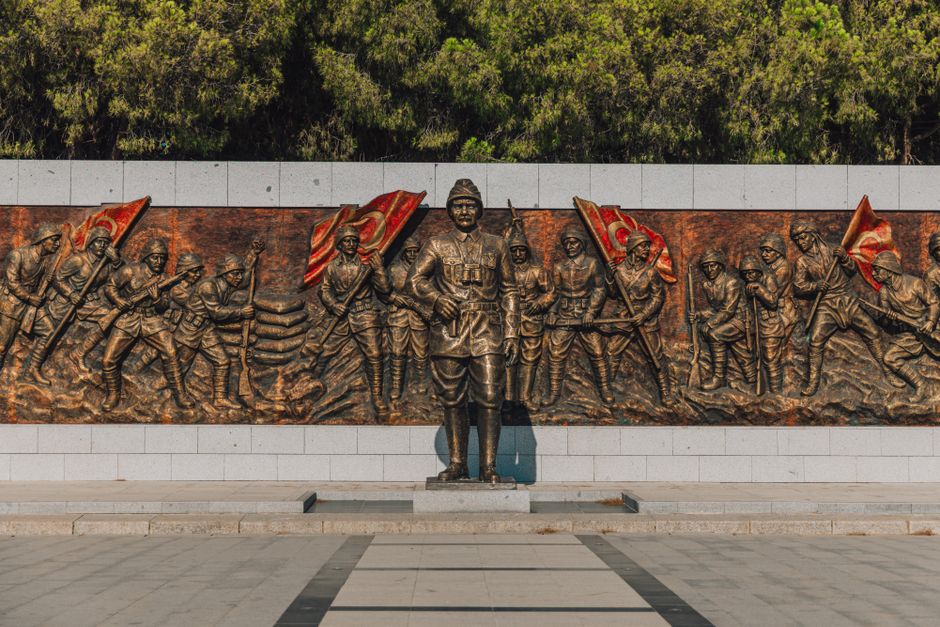
6. Lundy's Lane: A Bloody Dawn Near the Falls
Niagara Falls, Ontario, Canada
Just steps from the thundering Niagara Falls lies a quiet field where one of the War of 1812's deadliest battles raged, its outcome uncertain until dawn.
Often overshadowed by the iconic waterfalls, the Battle of Lundy's Lane was one of the bloodiest and most indecisive engagements of the War of 1812. Fought on a hot July night, American and British/Canadian forces clashed fiercely, with control of artillery changing hands multiple times. The sheer human cost and strategic confusion of that night speak to the brutal realities of a conflict that shaped the borders and identities of both nations.
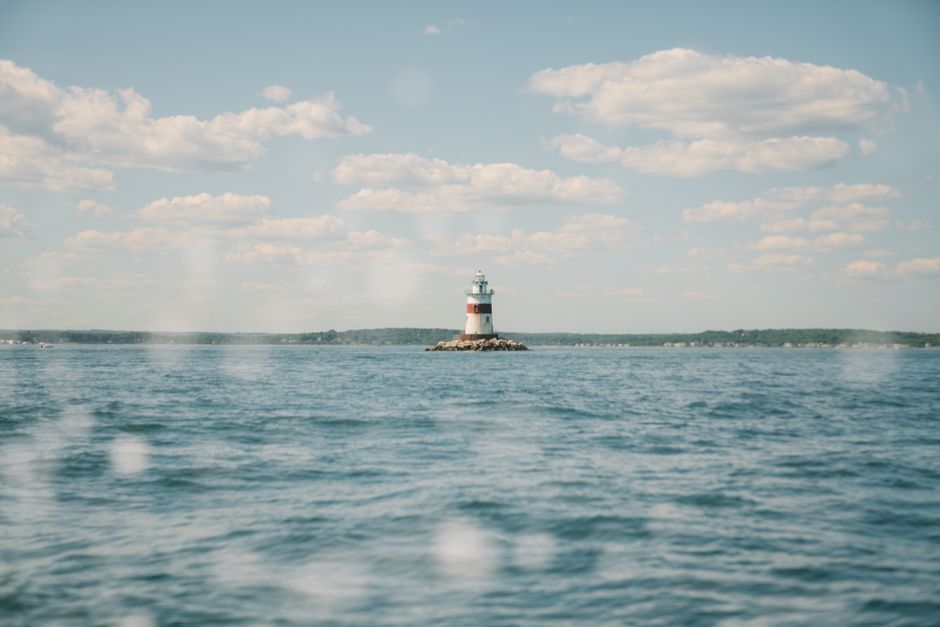
7. Selkirk Lighthouse's Enduring Beacon
Port Ontario, New York, USA
This distinct octagonal lighthouse, one of Lake Ontario's oldest, stands as a solitary sentinel to centuries of maritime navigation.
Built in 1838, the Selkirk Lighthouse is one of the earliest lighthouses on Lake Ontario, its unique octagonal stone tower a rare sight. Situated at the mouth of the Salmon River, it guided ships through treacherous waters during the peak of the lake's commercial shipping era. Its remote location and long history offer a tangible link to the sailors and traders who plied these waters, making the lake a highway of commerce and connection.
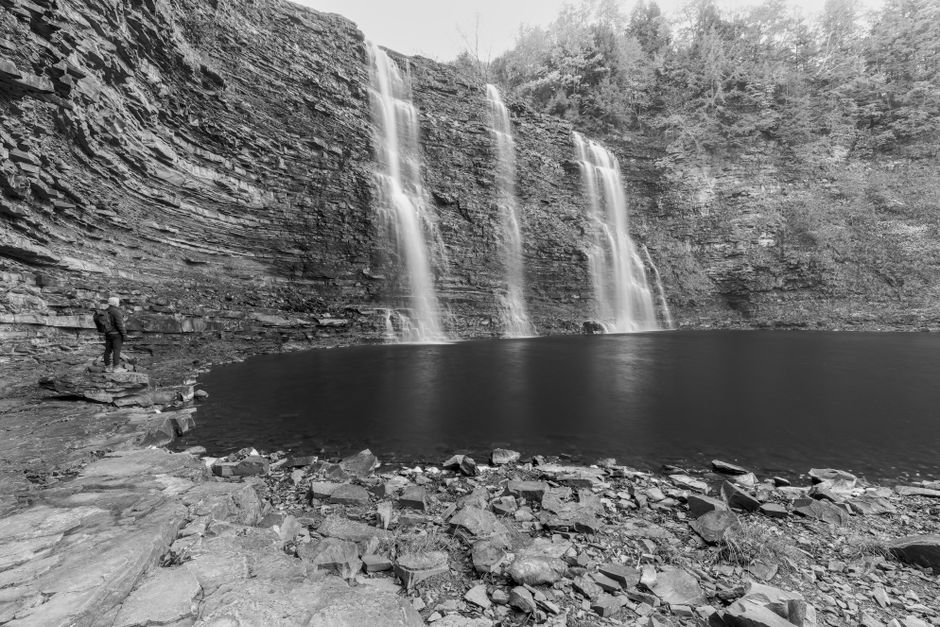
8. The Power of Salmon River Falls
Orwell, New York, USA
Hidden deep within a rugged gorge, the Salmon River Falls plunges dramatically, an ancient force shaping the landscape long before European settlement.
While not directly on Lake Ontario, the Salmon River Falls is a spectacular 110-foot waterfall that dramatically plunges into a rugged gorge, feeding the very waters that flow into the lake. This natural wonder was a significant site for Indigenous peoples for millennia, providing abundant salmon and a powerful spiritual connection to the land. Its raw, untamed beauty reminds us of the profound natural forces that sculpted this entire region.
Frequently asked questions
Why is Lake Ontario called 'Ontario'?
The name 'Ontario' is derived from the Huron (Wyandot) word 'ontarí'io', meaning 'great lake' or 'beautiful lake.' This Indigenous name predates European settlement and reflects the deep connection of Native peoples to the region for centuries.
What makes Lake Ontario unique geologically?
Lake Ontario's basin was carved by massive glaciers during the last Ice Age, leaving behind distinctive features like drumlins (elongated hills of glacial till) along its shores. It also has a unique deep-water geology, with some areas plunging to over 800 feet, making it the smallest in surface area but one of the deepest of the Great Lakes.
What role did Lake Ontario play in early North American conflicts?
Lake Ontario was a crucial strategic waterway during both the French and Indian War and the War of 1812. Control of the lake meant control of trade routes, military supply lines, and access to interior territories, leading to numerous naval battles and the establishment of key forts along its shores by both British, American, and French forces.
How can AllTours.ai help me discover more about places like these?
AllTours.ai is your personal AI audio tour guide. Simply point your phone camera at any landscape or landmark around Lake Ontario – or anywhere else – and the app instantly narrates its history, geology, and culture in your preferred language. It's like having an expert historian and geologist by your side, revealing the hidden stories of every place you visit.
Related guides
Photography via Pexels. AllTours.ai is an AI audio tour guide — point your camera at any landscape and hear its story.