September 13, 2026 · 4 min read
The 1970s often get a bad rap: a decade overshadowed by economic turmoil, political scandal, and a general sense of societal unease. While the 60s had its idealism and the 80s its excess, the 'Me Decade' carved out a distinct identity marked by a pervasive grittiness that feels unique in modern history. But what exactly fueled this bleaker atmosphere? Was it just a feeling, or did real places bear the scars of the era?
Beyond the headlines of Watergate and the gas crisis, the 1970s left tangible marks on the landscape of America. From forgotten industrial towns to once-bustling urban centers, the stories of this decade are etched into the very fabric of places that often go overlooked. We delve into these lesser-known spots to understand why, compared to the 1980s, 1960s, 1990s, and other decades, the 70s earned its reputation for being particularly gritty and bleak.
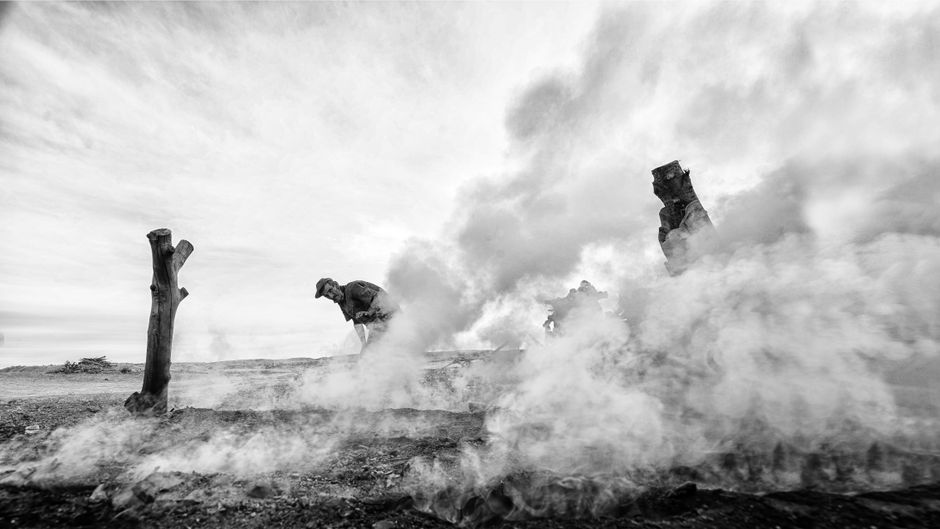
1. Centralia's Persistent Smoke
Centralia, Pennsylvania, USA
A town literally burning from underground, forcing residents out throughout the 1970s as the fire raged beneath their homes.
The coal mine fire beneath Centralia ignited in 1962, but it was in the 1970s that its true devastating impact became undeniable. Residents experienced sinkholes, toxic fumes, and collapsing infrastructure, turning their community into a slow-motion disaster zone. Despite initial attempts to extinguish it, federal and state governments eventually deemed the fire uncontrollable, leading to a decades-long process of property buyouts and forced relocation that emptied the town by the 1980s.

2. Love Canal's Toxic Legacy
Niagara Falls, New York, USA
A quiet suburban community discovered its homes were built atop a toxic waste dump, leading to a health crisis and mass evacuation in the late 1970s.
What began as a dream of homeownership in the 1950s turned into a nightmare by the late 1970s for residents of Love Canal. After heavy rains, chemical waste from an abandoned Hooker Chemical Company site began bubbling into basements and yards, causing alarming rates of birth defects, cancers, and other illnesses. President Carter declared a federal emergency in 1978, initiating the relocation of hundreds of families and creating a potent symbol of environmental negligence that defined the decade's growing awareness of industrial hazards.
3. Willowbrook's Unseen Horrors
Staten Island, New York, USA
The shocking exposé of Willowbrook State School in the 1970s revealed a grim reality of institutional neglect and human rights abuses in America.
Willowbrook, a state-supported institution for children with intellectual disabilities, became a national scandal after journalist Geraldo Rivera's 1972 broadcast exposed its horrific conditions. Overcrowding, unsanitary environments, and abusive practices were rampant, with children left naked, starving, and often covered in their own waste. The exposé ignited a powerful movement for disability rights, but the grim images from Willowbrook remain a stark testament to the societal failures of care in the 1970s.

4. Everglades' Cold War Sentinel
Nike Missile Site HM-69, Everglades National Park, Florida, USA
Decades after the Cold War, abandoned Nike missile silos serve as silent reminders of the omnipresent nuclear threat that loomed over the 1970s.
Deep within the serene Everglades, the decaying Nike Missile Site HM-69 stands as a stark relic of the Cold War. Active from 1964 to 1979, this anti-aircraft missile base was one of many hidden across the U.S., designed to defend against Soviet bomber attacks. Its concrete bunkers and radar towers, now slowly reclaimed by nature, embody the pervasive fear of nuclear conflict that quietly shaped the daily lives and anxieties of Americans throughout the 1970s.
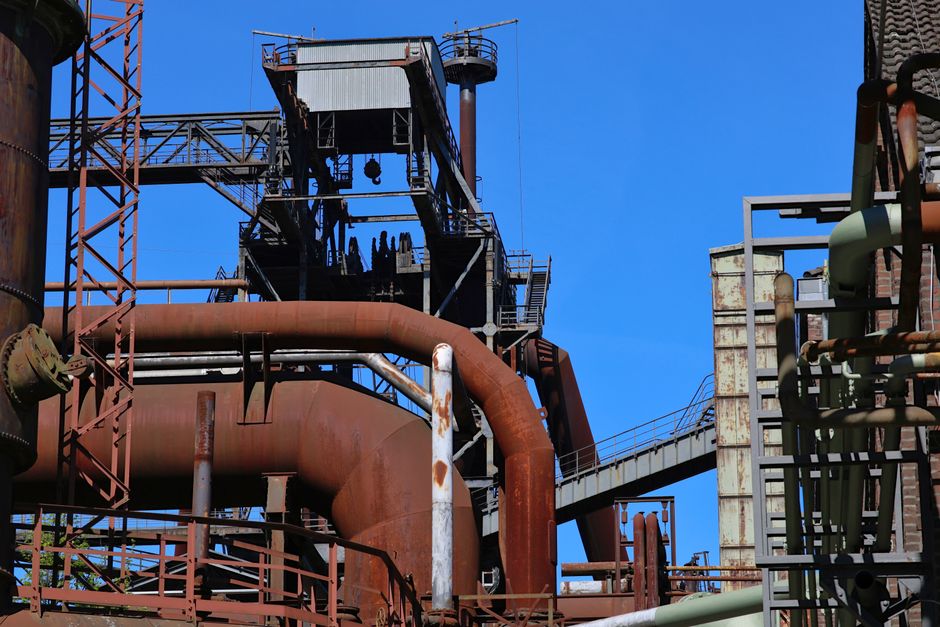
5. Youngstown's 'Black Monday' Scars
Youngstown, Ohio, USA
'Black Monday' in Youngstown, Ohio, in 1977, saw the closure of major steel mills, devastating the local economy and symbolizing nationwide industrial decline.
On September 19, 1977, Youngstown Sheet and Tube announced the closure of its largest mill, an event etched into local memory as 'Black Monday.' This single decision instantly cost thousands their jobs and sent shockwaves through the entire Mahoning Valley. The subsequent closure of other steel plants throughout the decade transformed a once-thriving industrial hub into a landscape of unemployment and despair, making Youngstown a poignant symbol of America's deindustrialization in the 1970s.
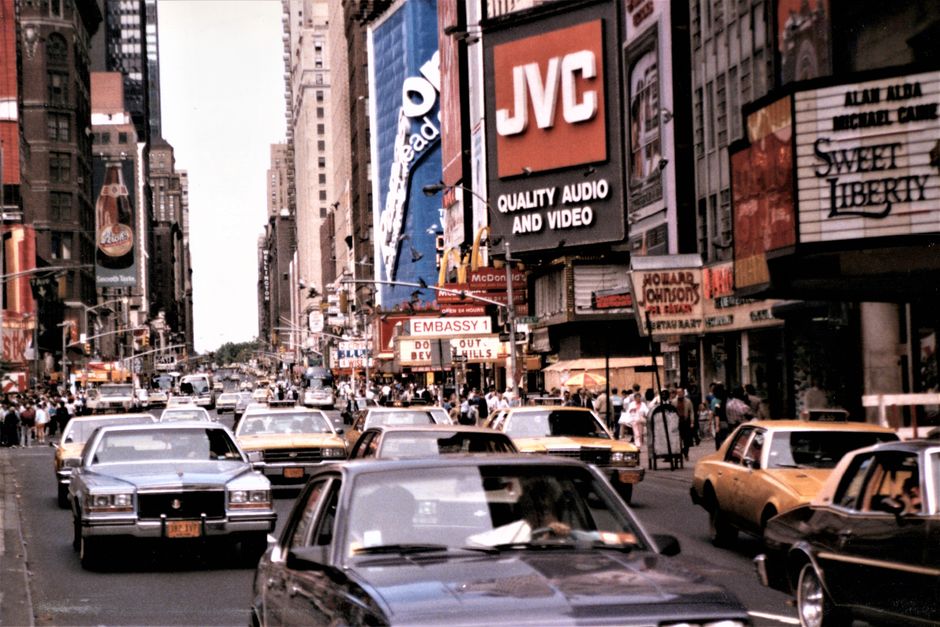
6. Times Square's Gritty Underbelly
Old 42nd Street, Times Square, New York City, USA
Before its gleaming transformation, 1970s Times Square was a neon-lit testament to urban decay, rampant crime, and unchecked exploitation.
In the 1970s, Times Square, particularly its notorious 42nd Street, was a far cry from its current sanitized image. Gritty, crime-ridden, and dominated by adult film theaters, peep shows, and prostitution, it embodied the raw urban decay gripping New York City. The bright lights often masked a palpable sense of desperation and danger, making it a vivid, if unsettling, reflection of the decade's struggles with urban blight and social disarray.
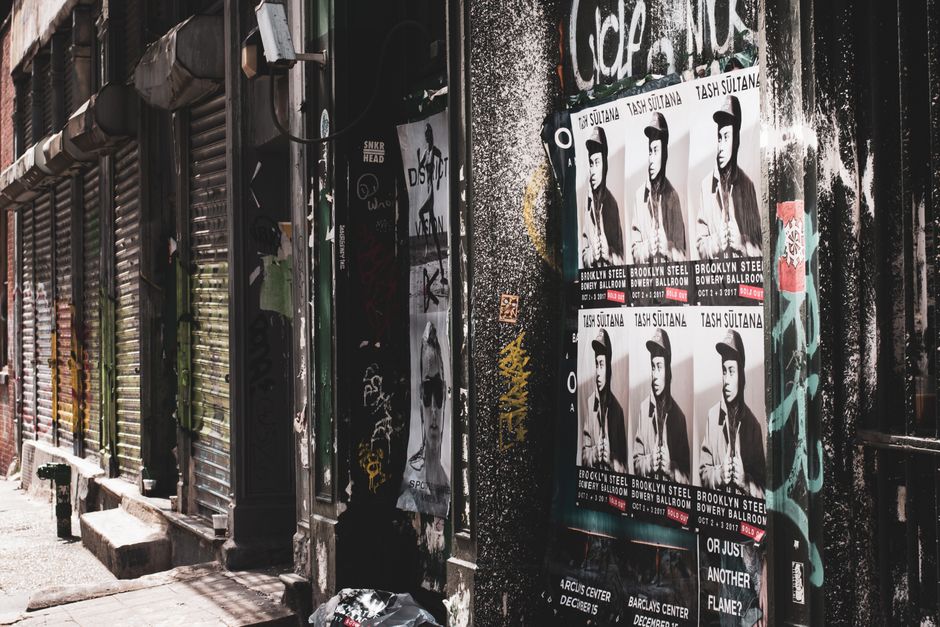
7. The Bowery's Harsh Realities
The Bowery, New York City, USA
In the 1970s, the Bowery was synonymous with extreme urban blight, a desperate refuge for the homeless and a stark symbol of societal neglect.
For much of the 20th century, and particularly in the 1970s, the Bowery represented the absolute nadir of urban poverty in New York City. This stretch of Manhattan was notorious for its flophouses, soup kitchens, and bars, serving as a harsh, last resort for the city's destitute, alcoholics, and homeless. The area’s bleak, unvarnished appearance and the visible suffering of its inhabitants offered a stark counterpoint to the era's fading counterculture dreams and growing economic anxieties.
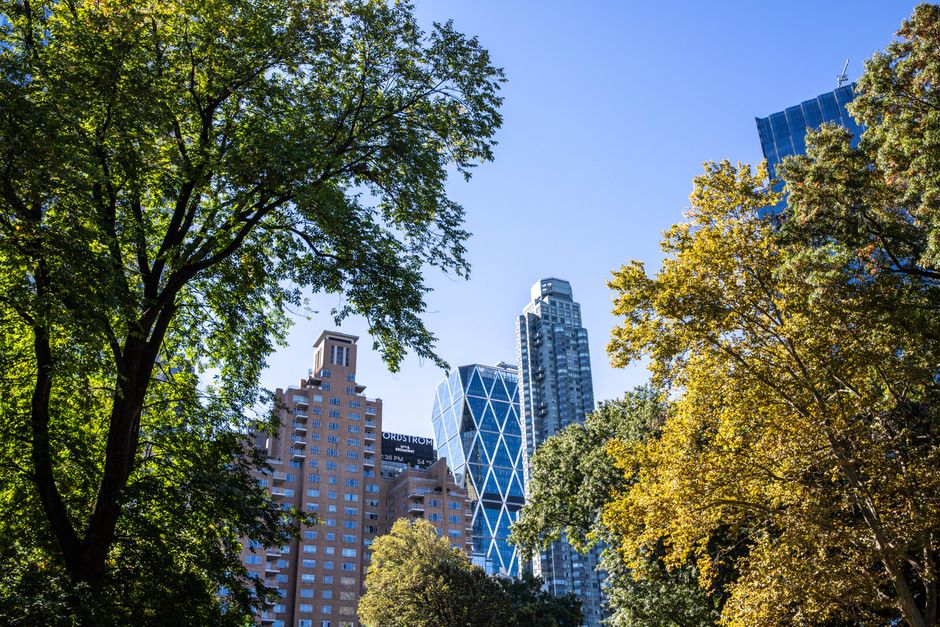
8. Hearst Castle and Radical Divisions
San Simeon, California, USA
The kidnapping of Patty Hearst in 1974 by the Symbionese Liberation Army brought domestic terrorism and radical fringe groups into the national spotlight, reflecting a fractured society.
While Hearst Castle itself remained a grand estate, its owner's granddaughter, Patty Hearst, was kidnapped from her Berkeley apartment in 1974 by the Symbionese Liberation Army. The subsequent saga, including her purported conversion to the radical group's cause and participation in bank robberies, captivated and horrified the nation. This event, playing out against the backdrop of post-Vietnam disillusionment, highlighted the extreme social and political divisions that simmered beneath the surface of 1970s America, even reaching into the most affluent families.
Frequently asked questions
What were the main reasons for the perceived "grittiness" of the 1970s?
The 1970s were shaped by a confluence of factors: a severe economic recession, an energy crisis leading to gas shortages, widespread urban decay, and the lingering disillusionment from the Vietnam War and Watergate. High crime rates, environmental disasters, and revelations of institutional neglect further contributed to a pervasive sense of unease and societal struggle.
Was the 1970s truly "bleak" everywhere, or were there bright spots?
While the images of urban decay and social unrest are prominent, the 1970s also saw significant cultural shifts, the rise of disco, punk rock, and influential cinema, alongside important advancements in environmental awareness and civil rights. The "bleakness" was often concentrated in urban centers and industrial regions, creating a stark contrast with emerging cultural trends and growing suburban prosperity.
How did the energy crisis impact daily life in the 70s?
The 1973 and 1979 oil crises caused widespread panic and significant changes to daily life. Americans faced long lines at gas stations, odd-even rationing of fuel, and rising prices for everything from heating oil to consumer goods. This forced a reevaluation of energy consumption, spurred interest in alternative energy, and made the economic fragility of the era deeply personal for many.
How can AllTours.ai help me discover these kinds of hidden histories?
AllTours.ai brings the stories of places like those from the 1970s directly to your phone. Simply point your camera at a landmark, a landscape, or even an abandoned building, and the app uses AI to narrate its history, geology, and cultural significance in your language. It’s like having an expert guide reveal the layers of the past, making the unseen visible and the forgotten remembered, wherever you travel.
Related guides
Photography via Pexels. AllTours.ai is an AI audio tour guide — point your camera at any landscape and hear its story.