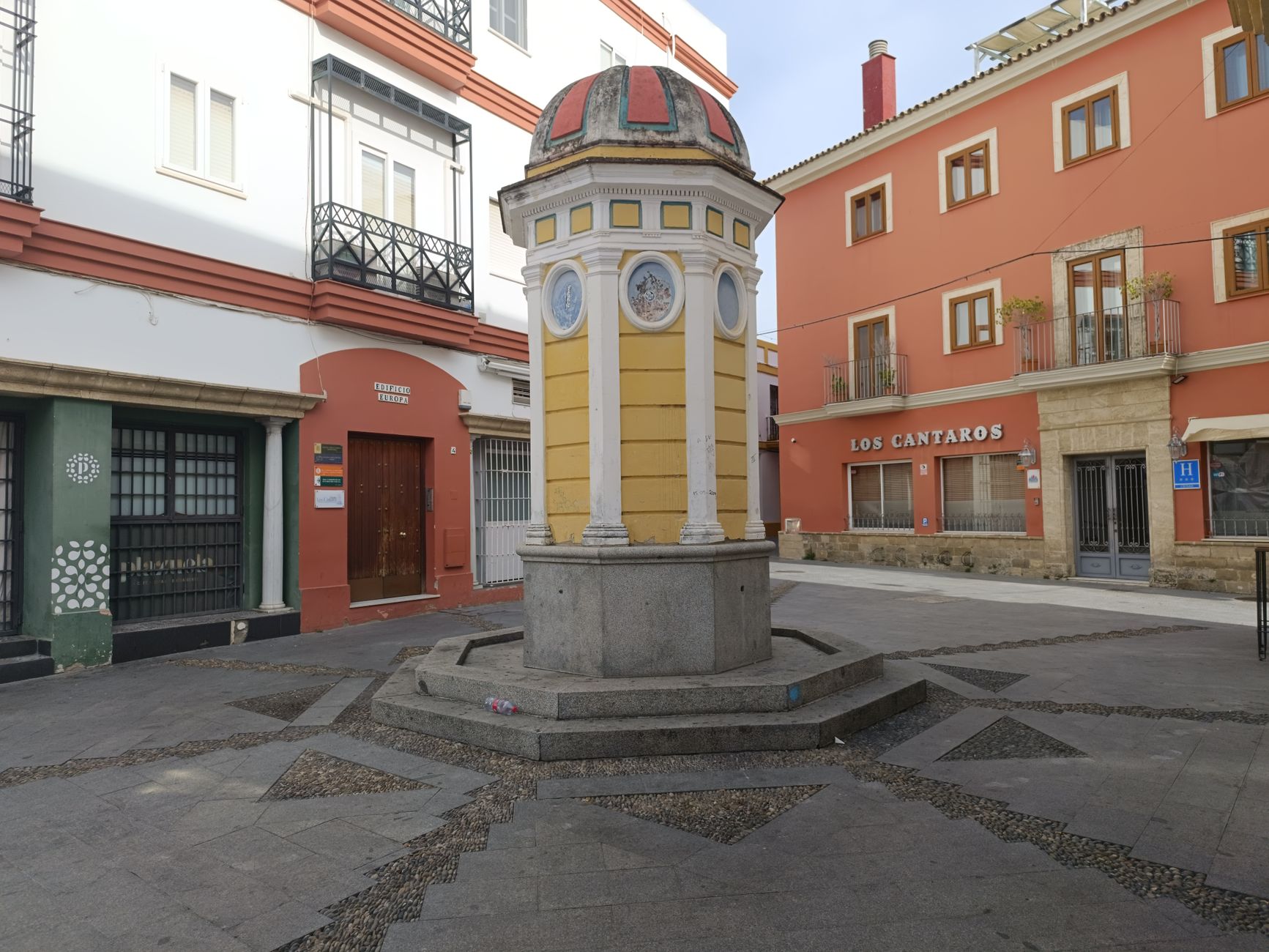
September 20, 2026 · 4 min read
Marbella in summer is a vibrant blur of beach clubs, yachts, and bustling promenades. But what happens when the last sun-seeker departs and the autumn air cools? Does Marbella transform into a quiet small town, offering a different kind of allure? The answer, for those willing to look beyond the well-trodden paths, is a resounding yes.
When the high season fades, Marbella reveals its true character: a place rich in history, surprising geology, and deep-rooted culture. It’s a chance to explore forgotten Roman villas, unique natural wonders, and industrial relics that tell a story far removed from its modern reputation. This is Marbella as the locals know it – authentic, intriguing, and utterly captivating.
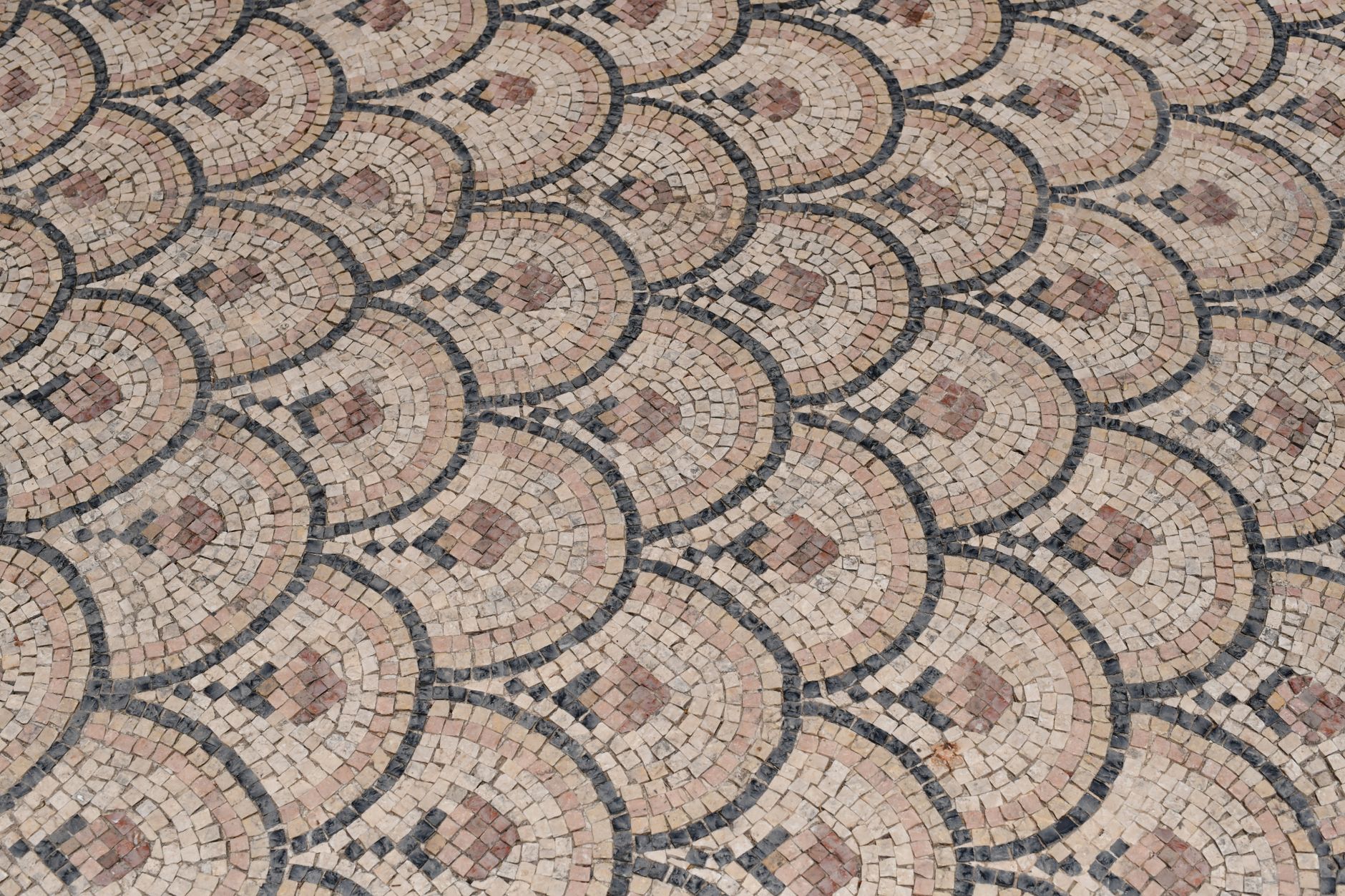
1. The Garum Factory's Grand Feast
Villa Romana de Río Verde, Marbella, Spain
Beneath a modern walkway, an ancient Roman villa reveals exquisite mosaics, including a rare depiction of a mythological feast and symbols tied to the lucrative garum trade.
Just west of Marbella, the remains of the Villa Romana de Río Verde offer a fascinating glimpse into the area's Roman past. The most striking features are its well-preserved floor mosaics, particularly one depicting a Medusa head surrounded by an array of kitchen utensils and ingredients. Historians believe these symbolize the villa's involvement in the production of 'garum', a prized fermented fish sauce that was a staple of Roman cuisine and a major export.
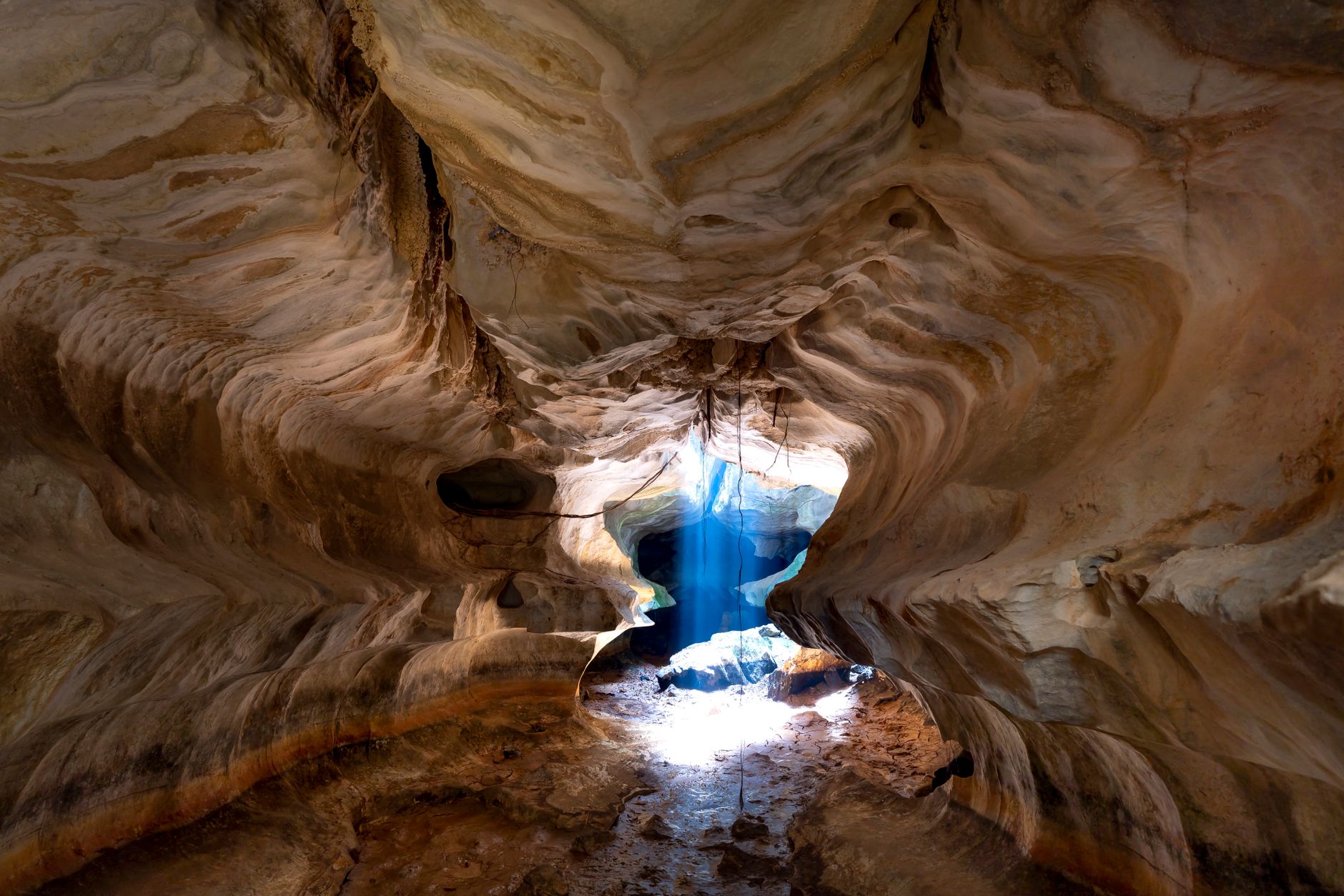
2. Europe's Unique Marine Cave
Cueva del Tesoro, Rincón de la Victoria, Spain
This isn't just any cave; Cueva del Tesoro is one of only three known marine caves in the world, carved not by freshwater, but by the relentless power of the sea.
A short drive east of Marbella lies a true geological marvel: Cueva del Tesoro. Unlike most caves formed by groundwater erosion, this one was sculpted over millennia by the currents of the Mediterranean Sea. Its unique formations, including several underground lakes and intricate rock structures, bear testament to its marine origins. Local legends also speak of hidden Arab treasures within its depths, adding a layer of mystery to its ancient geological story.
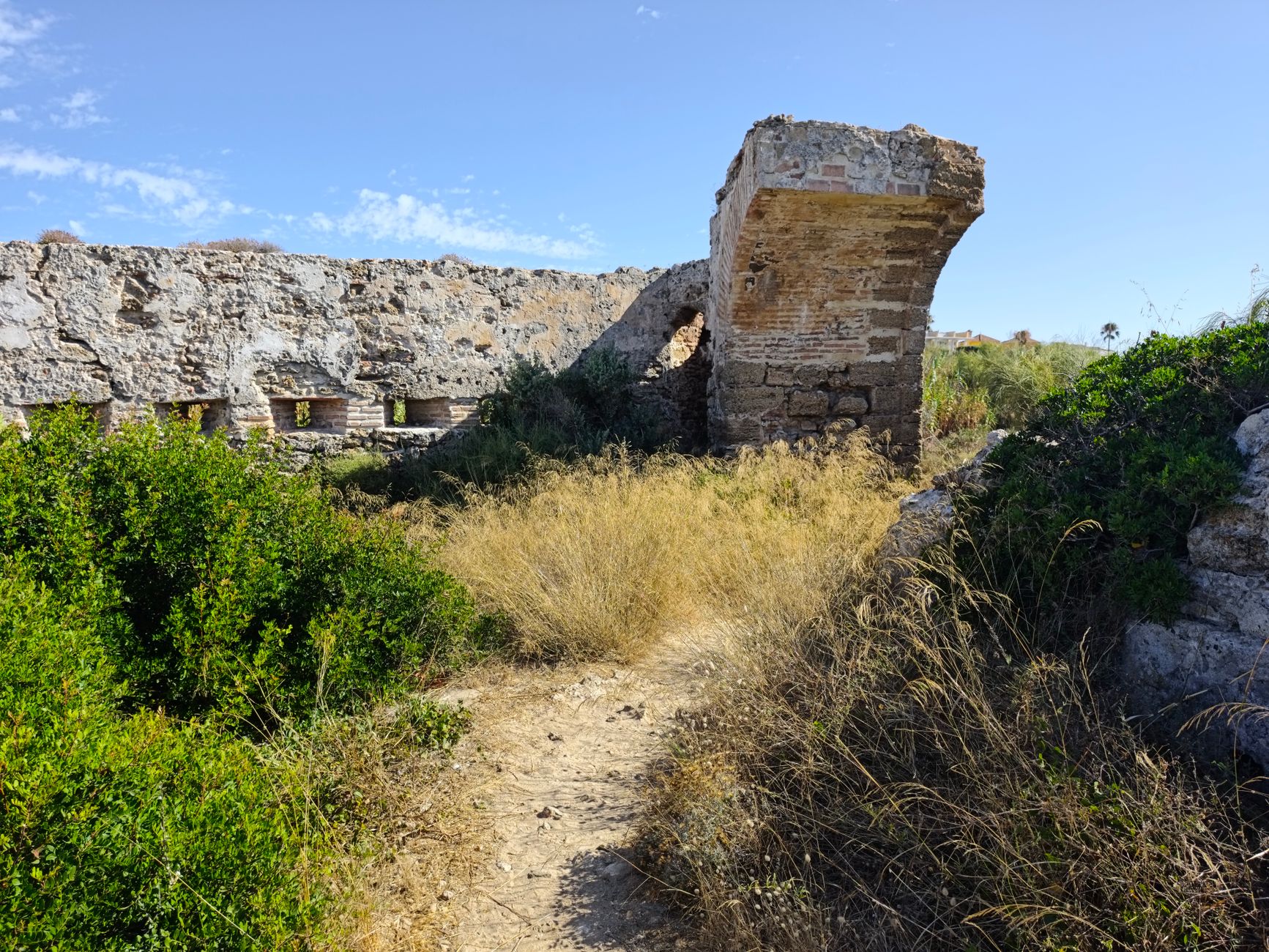
3. The Scottish Sugar Baron's Legacy
Ingenio Azucarero El Ángel, Marbella, Spain
Hidden amidst modern developments, the ruins of El Ángel Sugar Mill are a surprising testament to Marbella’s 19th-century industrial boom, spearheaded by a Scottish entrepreneur.
Marbella wasn't always just about tourism; in the 19th century, it was a significant industrial center. The remains of the Ingenio Azucarero El Ángel are a silent witness to this era. Built by the Scottish industrialist Juan Loring, this sugar mill was at the forefront of the region's sugar cane industry, transforming the landscape and economy. Exploring its weathered structures offers a peek into a forgotten chapter of Marbella's past, long before it became a global resort destination.
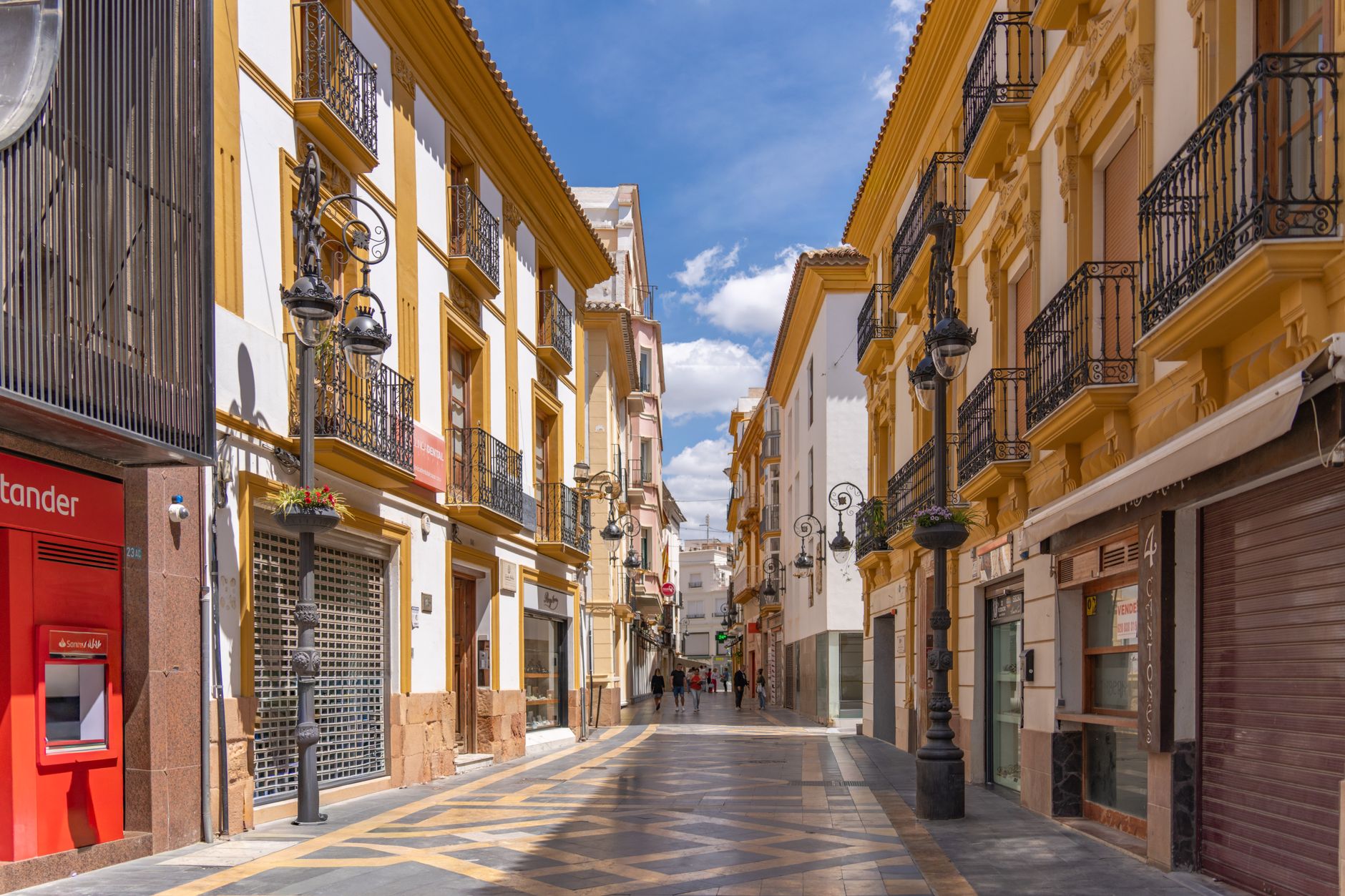
4. Marbella's Moorish Maze: The Barrio Alto
Barrio Alto, Marbella, Spain
Step away from the tourist-heavy plazas and get lost in Marbella's Barrio Alto, where ancient Moorish street patterns and quiet chapels reveal the city's deep historical roots.
While Marbella's Old Town is famous, its lesser-explored Barrio Alto offers a genuine journey back in time. This upper quarter retains much of its original Moorish layout, characterized by narrow, winding alleys, whitewashed houses adorned with vibrant bougainvillea, and unexpected tiny plazas. Here, the pace slows, and the echoes of centuries past are palpable, offering a stark contrast to the lively lower town and a more authentic glimpse into local life.
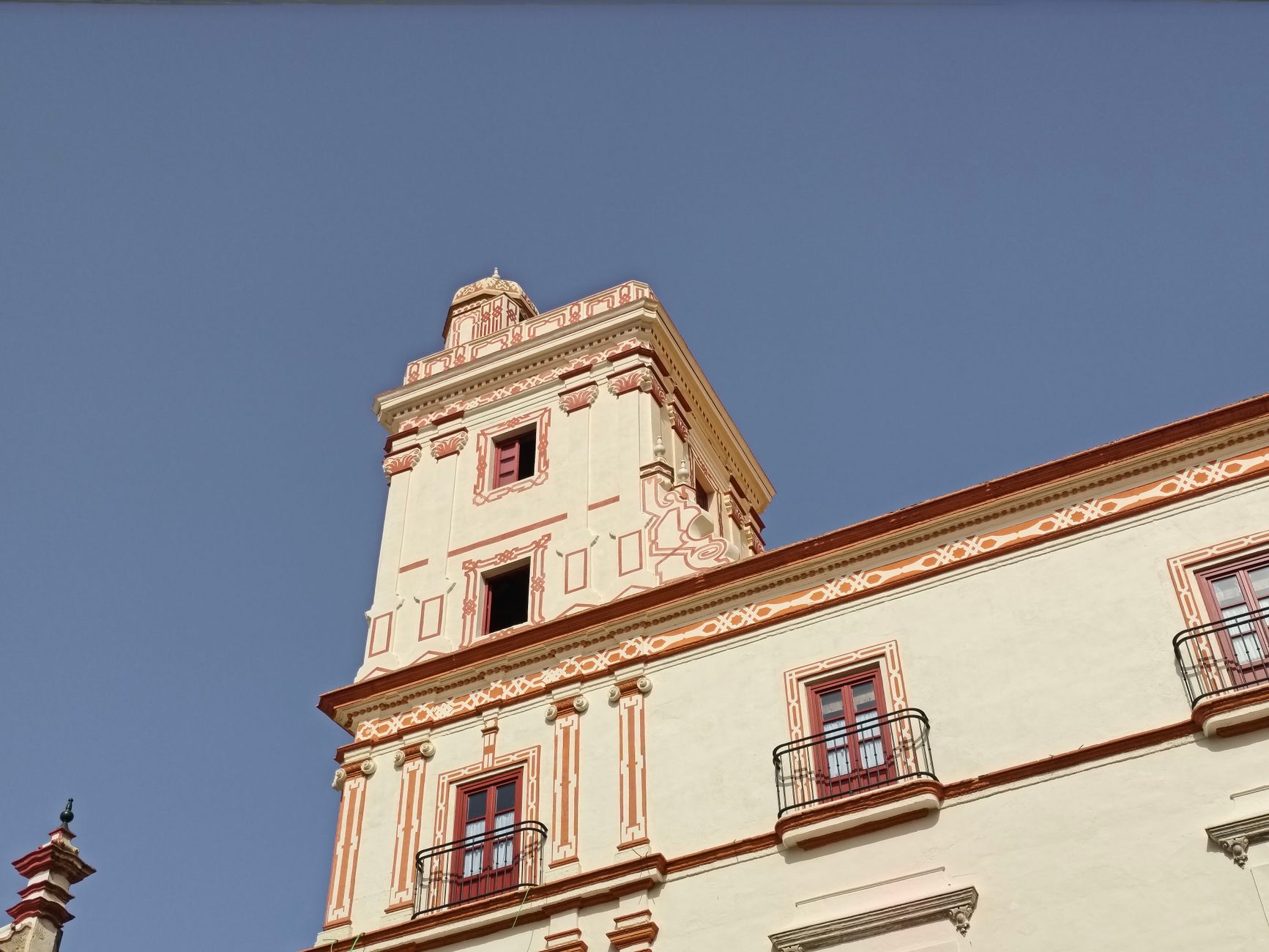
5. The Hospital That Became Art
Hospital Bazán (Museo del Grabado Español Contemporáneo), Marbella, Spain
Behind a grand Renaissance facade in Marbella’s Old Town, what appears to be a stately home was once a 16th-century hospital, built to care for pilgrims and the poor.
The building now housing the Museo del Grabado Español Contemporáneo (Museum of Contemporary Spanish Printmaking) has a far more ancient and compassionate past. Originally the Hospital Bazán, it was founded in the 16th century to provide care for the sick, the poor, and pilgrims. Its impressive Renaissance architecture, with a classic Andalusian patio, still hints at its original purpose. This historical institution represents a key piece of Marbella's social history, predating its current role as a cultural hub.
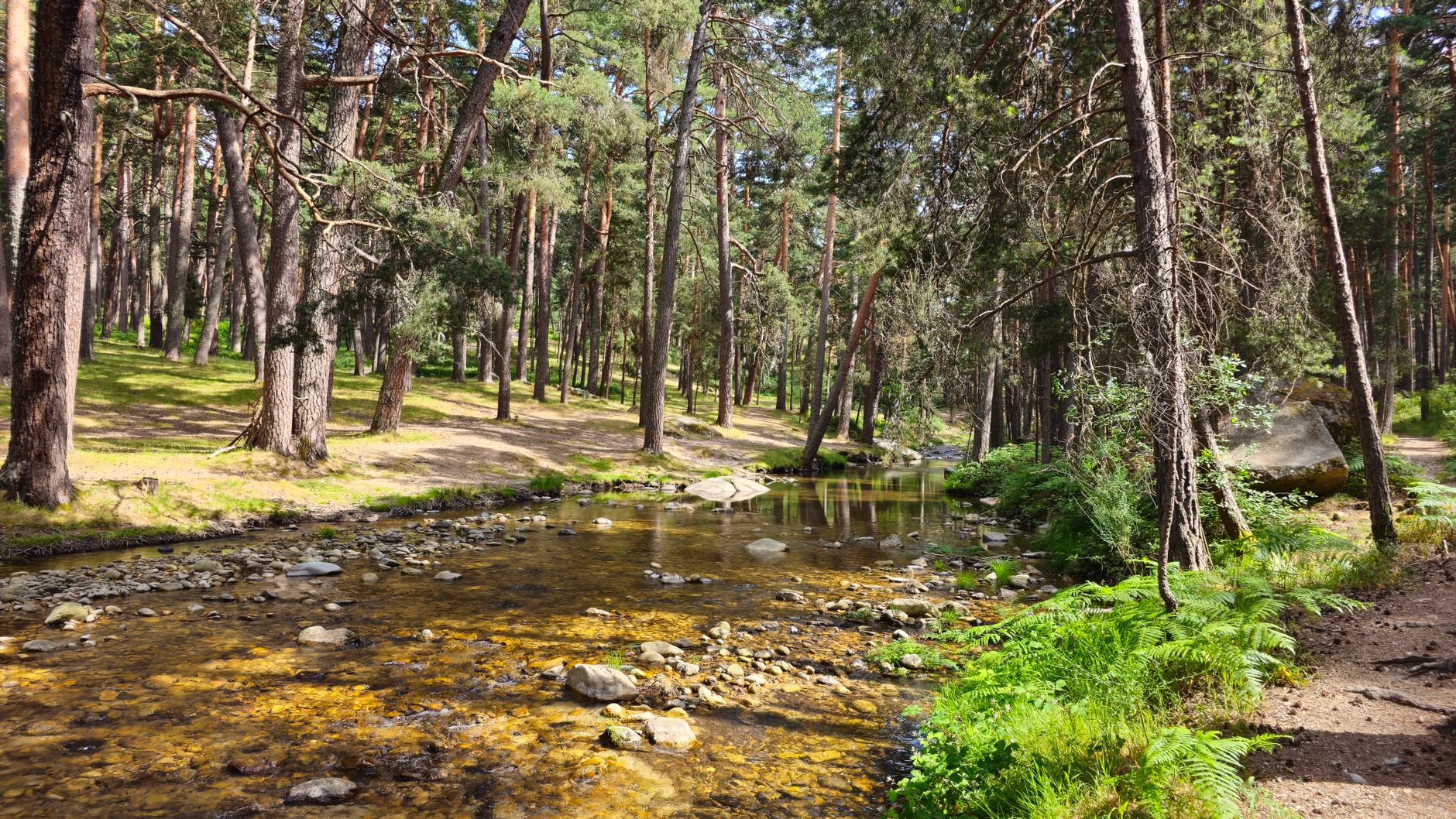
6. Wild Ibex and Ancient Fir Forests
Refugio de Juanar, Sierra Blanca, Spain
High above Marbella, the Refugio de Juanar, once a royal hunting lodge, now offers access to unique Pinsapo fir forests and a chance to spot wild Spanish ibex in their natural habitat.
Just a short drive inland from Marbella, nestled in the Sierra Blanca mountains, lies the Refugio de Juanar. This area, once a hunting ground for Spanish royalty, is now a protected natural park. It's home to some of the last remaining Pinsapo (Spanish fir) forests, an ancient and endangered species that thrive in this unique microclimate. During the quieter autumn and winter months, it's also one of the best places to spot the majestic Spanish ibex (wild mountain goats) roaming freely.
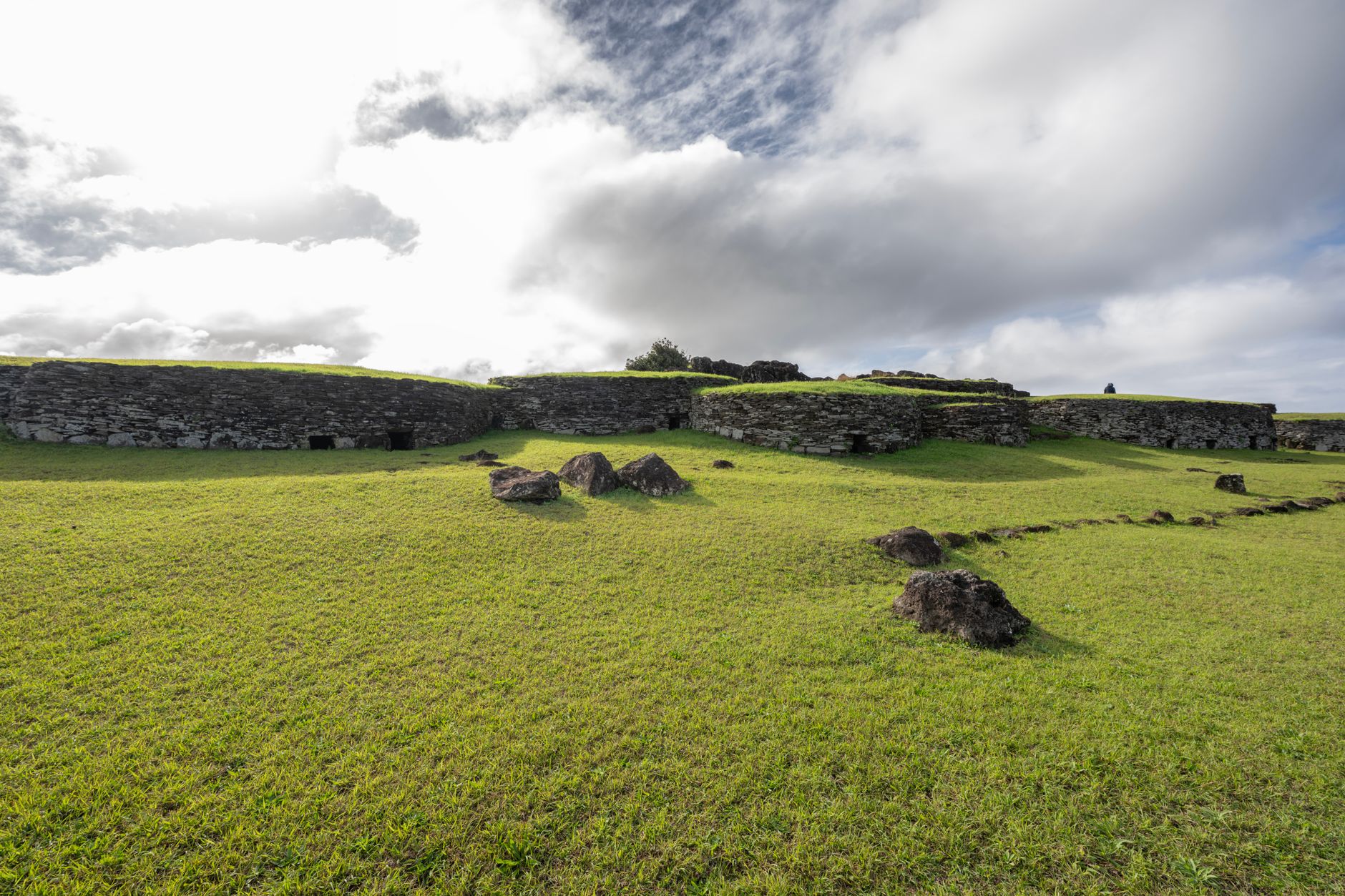
7. Stone Age Secrets of Corominas
Dolmenes de Corominas, Estepona, Spain
Just west of Marbella, discover the Dolmenes de Corominas, a remarkable collection of Neolithic burial mounds offering a silent, 5,000-year-old testament to the region's earliest inhabitants.
While Roman and Moorish history often dominate, the Costa del Sol's past stretches back much further. The Dolmenes de Corominas, near Estepona, are a powerful reminder of the Neolithic period. These ancient burial chambers, constructed from massive stone slabs, date back approximately 5,000 years. They provide invaluable insights into the prehistoric cultures that inhabited this land long before any cities or empires, revealing intricate burial rituals and sophisticated early engineering.
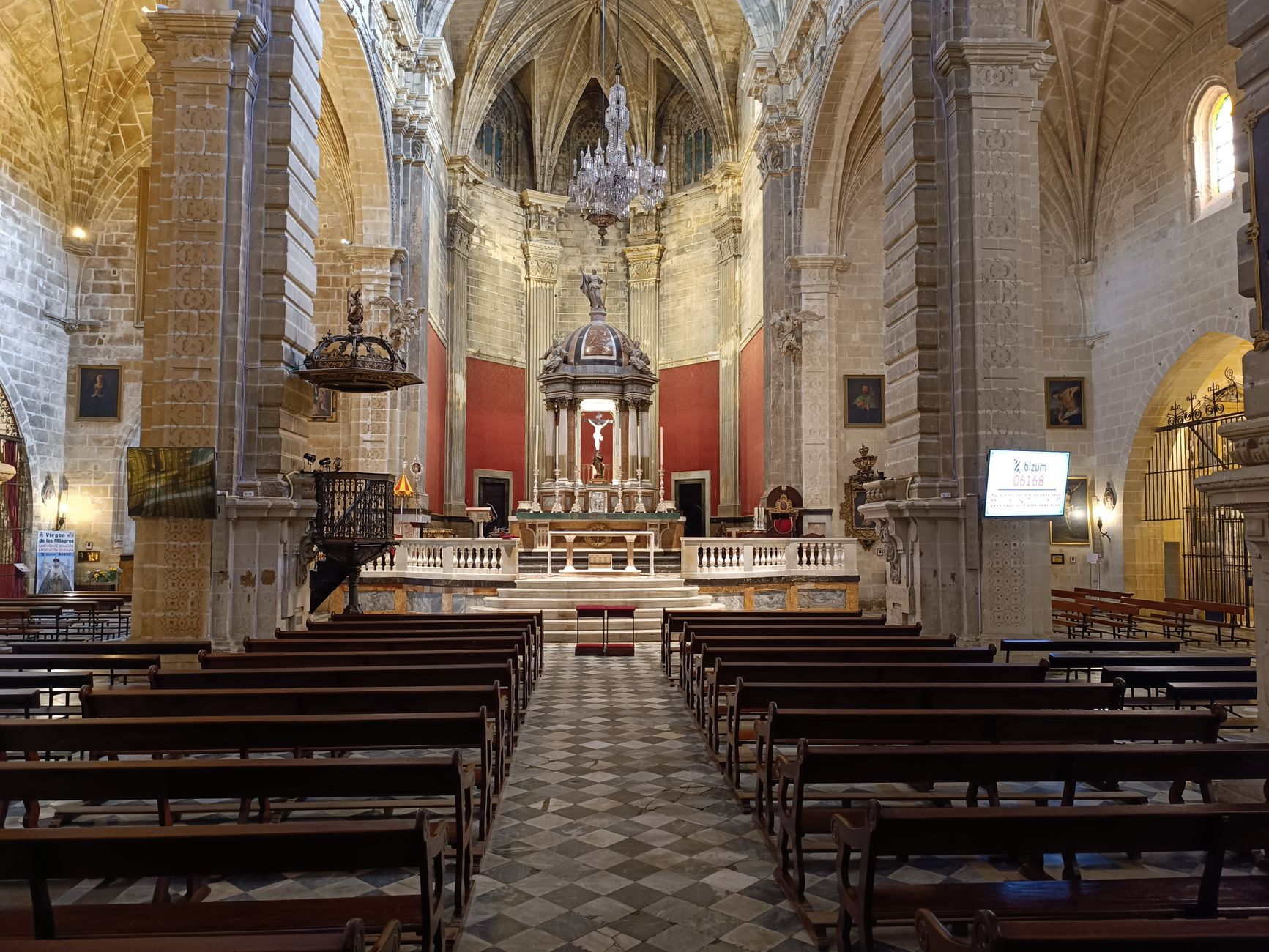
8. The Church of the Sun and Moon
Iglesia de Nuestra Señora de la Encarnación, Marbella, Spain
Marbella's grandest church, built on the foundations of a mosque, houses a rare and intricately crafted 'sol y luna' monstrance, symbolizing centuries of spiritual transformation.
Dominating the old town, the Iglesia de Nuestra Señora de la Encarnación stands as a testament to Marbella's layered history. Originally built on the site of the main mosque after the Christian Reconquista, its architecture blends Gothic, Renaissance, and Baroque elements. Inside, among its many treasures, is a notable 'sol y luna' (sun and moon) monstrance, an elaborate piece of sacred art used for displaying the consecrated host. This artifact itself reflects the rich spiritual and artistic heritage that has shaped Marbella over centuries.
Frequently asked questions
What is the best time to visit Marbella for a quieter experience?
For a truly tranquil experience, free from the summer crowds, the best time to visit Marbella is during the autumn (September to November) and spring (March to May) months. The weather is pleasant, and you'll find it much easier to explore local sites and enjoy authentic experiences.
What is the weather like in Marbella during the off-season?
Marbella enjoys a mild Mediterranean climate year-round. During autumn and winter, temperatures are comfortable, typically ranging from 15-20°C (59-68°F) with plenty of sunshine, though evenings can be cooler. Spring brings warmer temperatures, often reaching 20-25°C (68-77°F), ideal for outdoor exploration.
Does Marbella still have things to do after the summer tourists leave?
Absolutely! While some seasonal beach clubs may close, Marbella maintains a vibrant local life. Its charming Old Town, museums, and natural parks remain open. Many restaurants and shops cater to residents, offering a more authentic cultural experience, and local festivals often take place outside the peak summer months.
How does the AllTours.ai app help me discover these hidden places?
AllTours.ai enhances your exploration by turning your phone into an intelligent audio guide. Simply point your camera at any landmark, landscape, or even a subtle architectural detail, and the app instantly narrates its history, geology, or cultural significance in your preferred language. It's like having a local expert by your side, unveiling the stories behind every quiet corner of Marbella.
Related guides
Photography via Pexels. AllTours.ai is an AI audio tour guide — point your camera at any landscape and hear its story.