July 16, 2026 · 4 min read
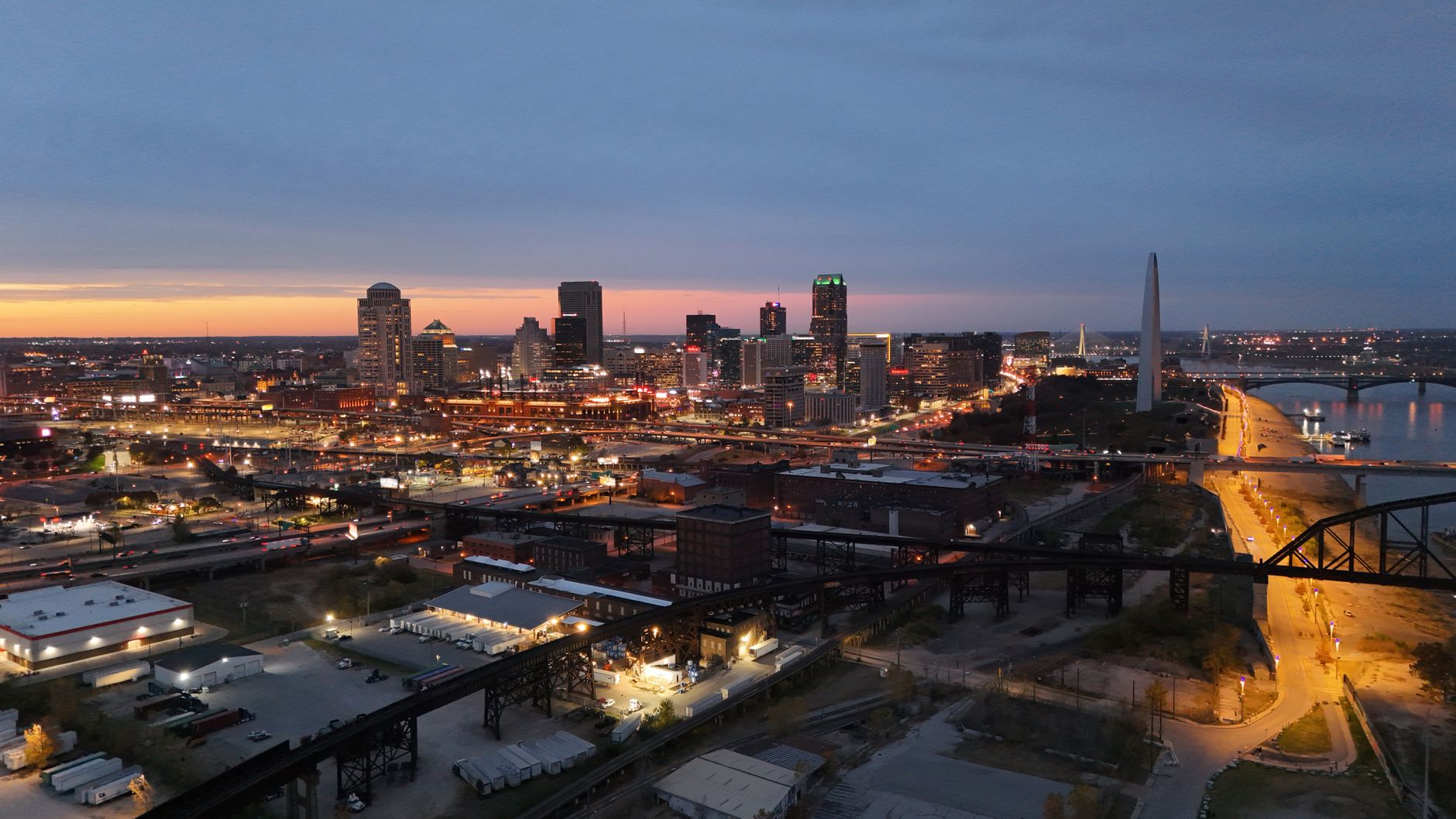
The question, "Does the Missouri River flow through the city of Jefferson City?" is easily answered with a resounding yes. But the true intrigue lies not just in its presence, but in the countless untold stories etched into the bluffs, tucked away in forgotten corners, and hidden beneath the river's surface.
Beyond the prominent views from the State Capitol, Jefferson City's connection to the Missouri River runs deep, shaping its geology, culture, and history in ways most visitors overlook. We've unearthed eight specific, lesser-known spots that reveal the powerful, surprising narrative of the Missouri River and its capital city.
1. Lohman's Landing's Hidden Depths
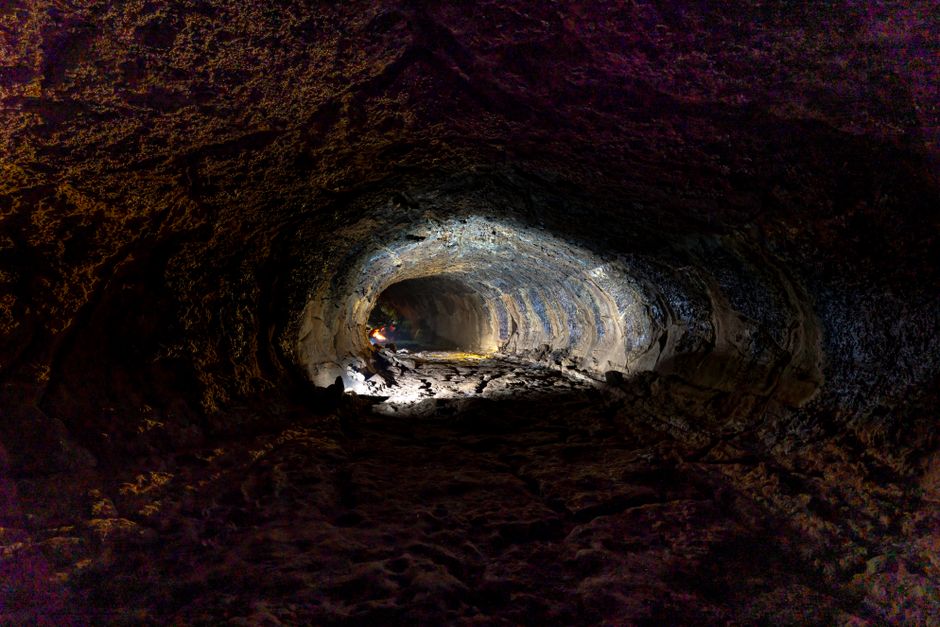
Lohman's Landing, Jefferson City, USA
Beneath the historic landing, a network of tunnels and caves once served as critical storage and escape routes from the river's unpredictable nature.
This 19th-century commercial hub wasn't just a dock; it was a bustling underground world. Merchants used man-made caves in the bluff for cool storage of goods like wine and produce, while some natural fissures became secret passages. These often-overlooked subterranean spaces tell a vivid story of river life and ingenuity, far from plain sight.
2. The Penitentiary's Stone Sentinels
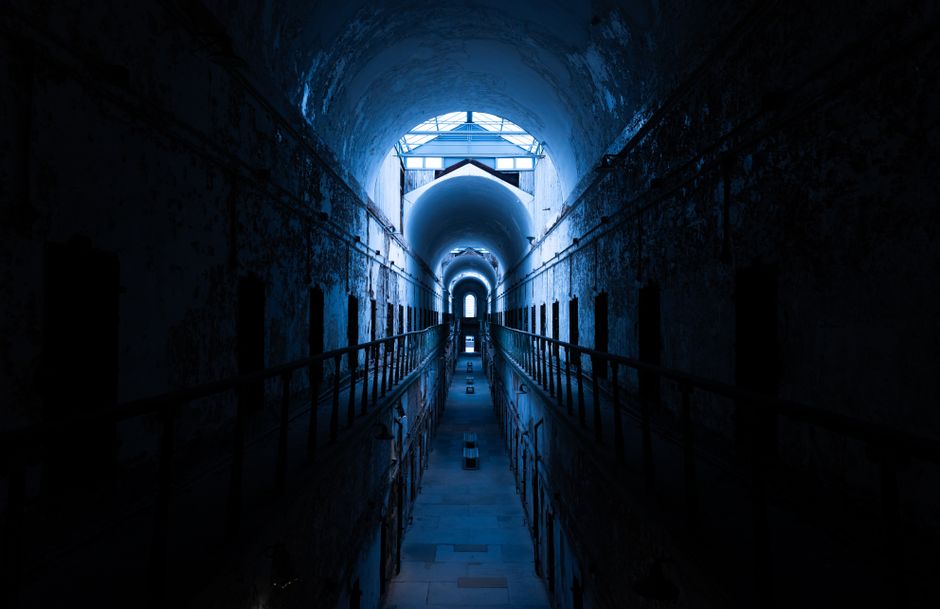
Missouri State Penitentiary, Jefferson City, USA
The formidable walls of the infamous Missouri State Penitentiary are not just brick, but contain stone quarried directly from the river bluffs, linking the prison's history to the ancient river.
Often called "The Walls," this prison was built with local limestone, much of it extracted from the very bluffs overlooking the Missouri River. This connection meant the river served a dual purpose: a natural barrier for prisoners and a source of raw material for its construction. The river's powerful presence was a constant, stark reminder of both confinement and the outside world.
3. Capitol's Ancient Foundations
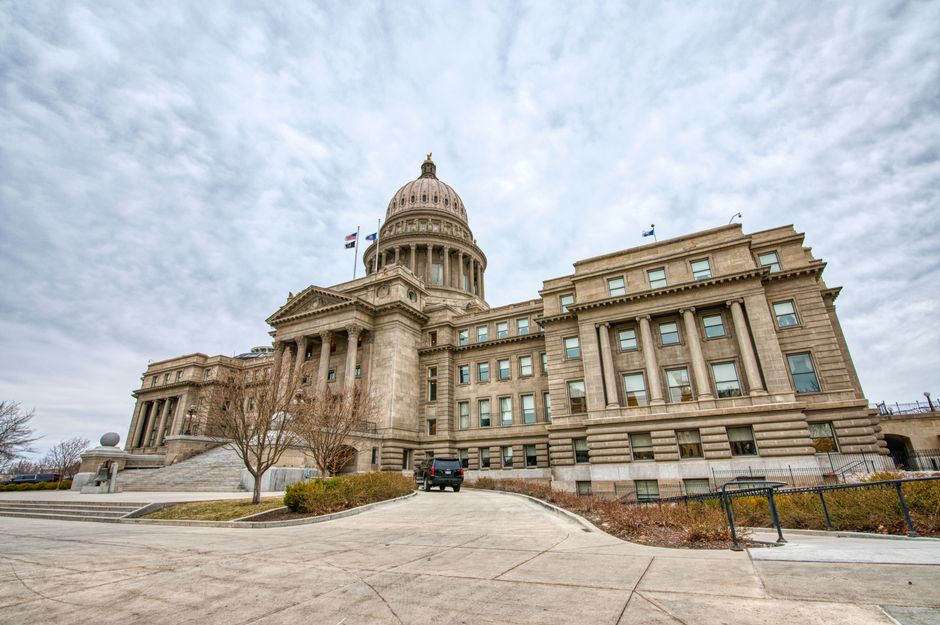
Missouri State Capitol, Jefferson City, USA
Look closely at the Missouri State Capitol's exterior stone, and you'll find fossilized remnants of ancient sea creatures, a testament to the region's deep geological past long before the Missouri River existed.
While grand in scale, the true marvel of the Capitol lies in its very substance. Constructed from Carthage marble (a type of limestone), the building's facade and interior columns are rich with crinoids, brachiopods, and other marine fossils. These tiny, embedded relics offer a silent, public geology lesson, revealing that this land was once a shallow, vibrant sea millions of years ago, a stark contrast to today's powerful river.
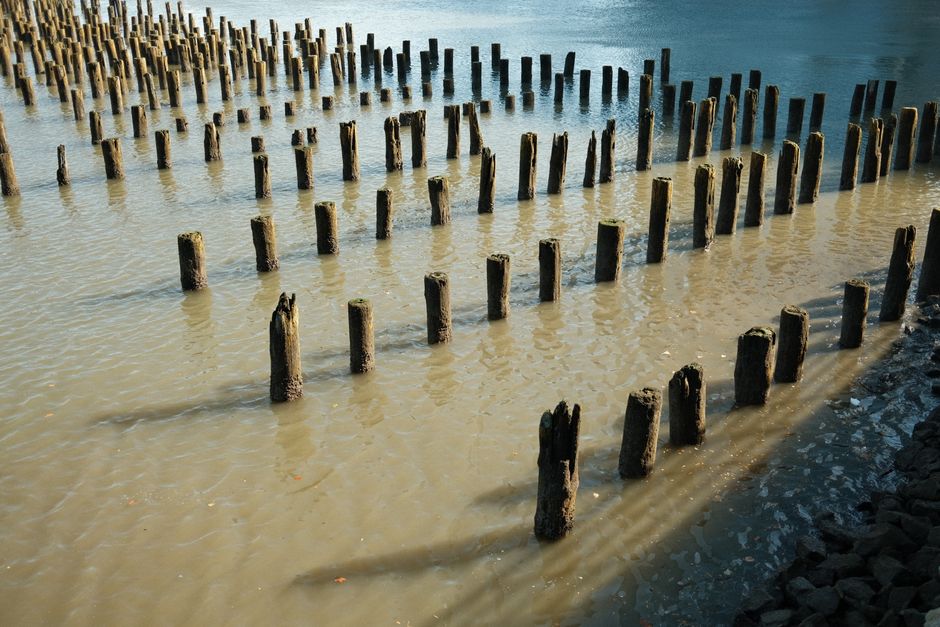
4. Echoes of the Old Bridge Piers
Under the Jefferson City Bridge, Jefferson City, USA
Beneath the modern Jefferson City Bridge, remnants of older bridge piers stand as silent monuments to epic engineering battles against the Missouri River's relentless currents and floods.
The current Jefferson City Bridge is not the first to span the Missouri here. Look carefully at the riverbanks and in the water near the modern structure, and you might spot the weathered foundations of earlier bridges. These crumbling concrete and stone pillars tell tales of fierce construction challenges, repeated flood damage, and the sheer force of a river that often resisted human attempts to tame it, each bridge a testament to perseverance.
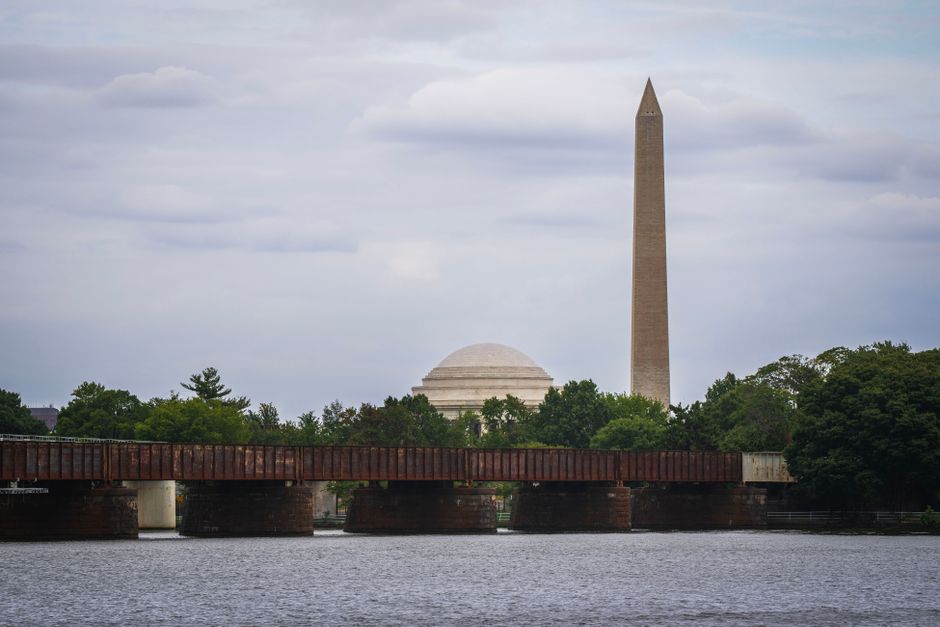
5. North Jefferson City's Forgotten Ferry Crossing
North Jefferson City, Missouri, USA (near current bridge access)
Before bridges, North Jefferson City was the critical, often dangerous, northern landing for ferries vital to connecting the state capital to the northern regions.
While today a bridge makes crossing easy, for over a century, the only way to reach Jefferson City from the north was by ferry. This landing in North Jefferson City was a bustling, sometimes chaotic, gateway. Ferries battled strong currents, ice, and fog, often carrying wagons, livestock, and people in precarious conditions. The site, though now quiet, holds the forgotten stories of countless journeys and the daily risks taken to unite the state.
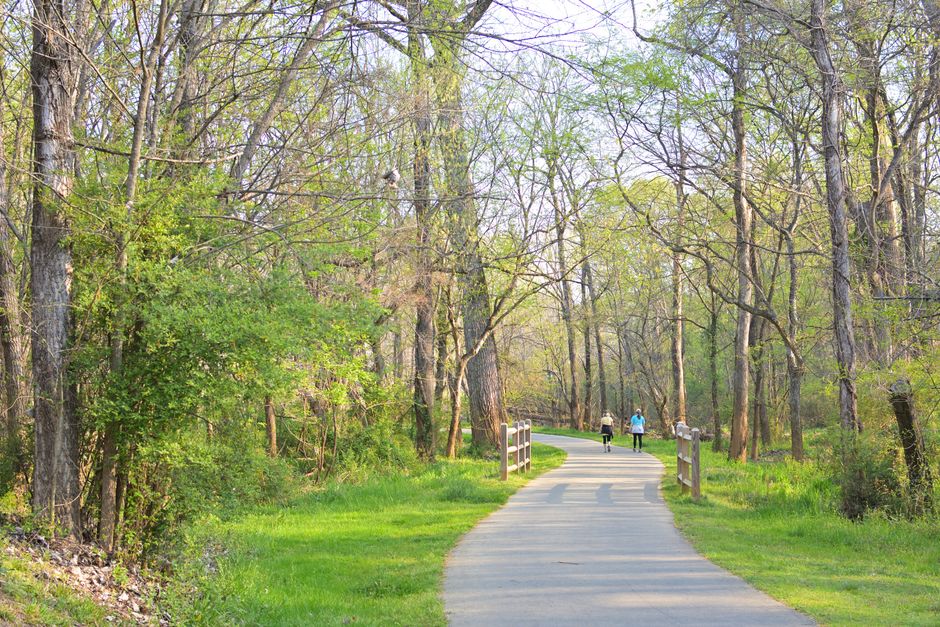
6. Wears Creek's Resurrected Waters
Wears Creek Greenway, Jefferson City, USA
Once an industrial dumping ground and forgotten tributary, Wears Creek has been reborn as a vibrant greenway, revealing Jefferson City's evolving relationship with its smaller waterways.
Flowing directly into the Missouri River, Wears Creek was historically a workhorse, powering mills and then suffering from industrial pollution. For decades, it was a neglected, often hidden channel. Today, the Wears Creek Greenway project has transformed it into a natural corridor, an urban oasis where native plants thrive and local wildlife returns. It's a powerful example of environmental restoration and a reminder that even small waterways have big stories.
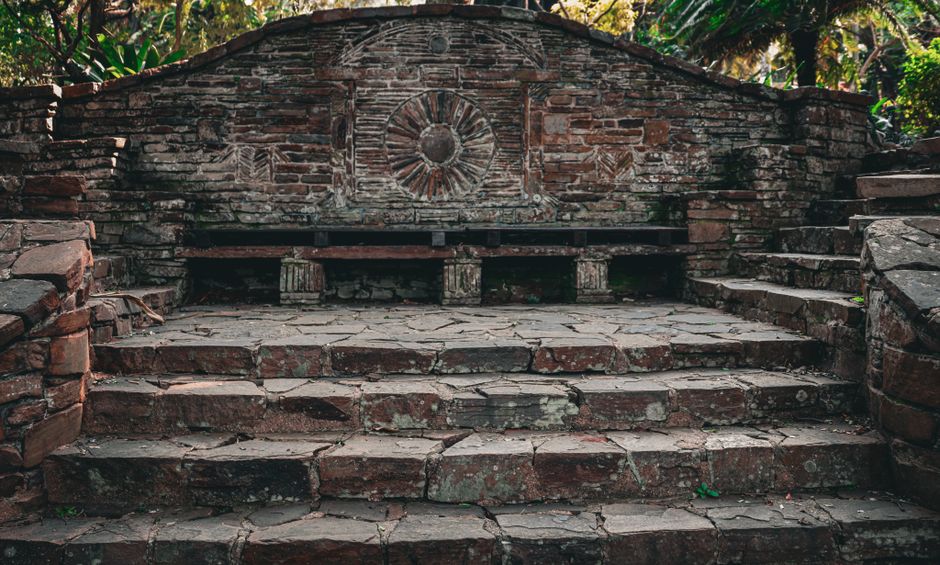
7. Runge Center's Ancient River Terraces
Runge Conservation Nature Center, Jefferson City, USA
The trails at Runge Conservation Nature Center wind through ancient river terraces, offering a glimpse into the Missouri River's much wider and more dynamic past.
While not directly on the Missouri River, Runge Conservation Nature Center sits on land shaped by its ancient flows. Visitors can walk trails that traverse distinct terraces, evidence of where the river once carved its path at higher elevations and with greater force. These subtle geological features reveal the immense scale of the Missouri River's historical power, long before modern dams and levees confined it to its current channel.
8. Moreau River's Hidden Confluence
Moreau River Confluence with Missouri River, Jefferson City area, USA
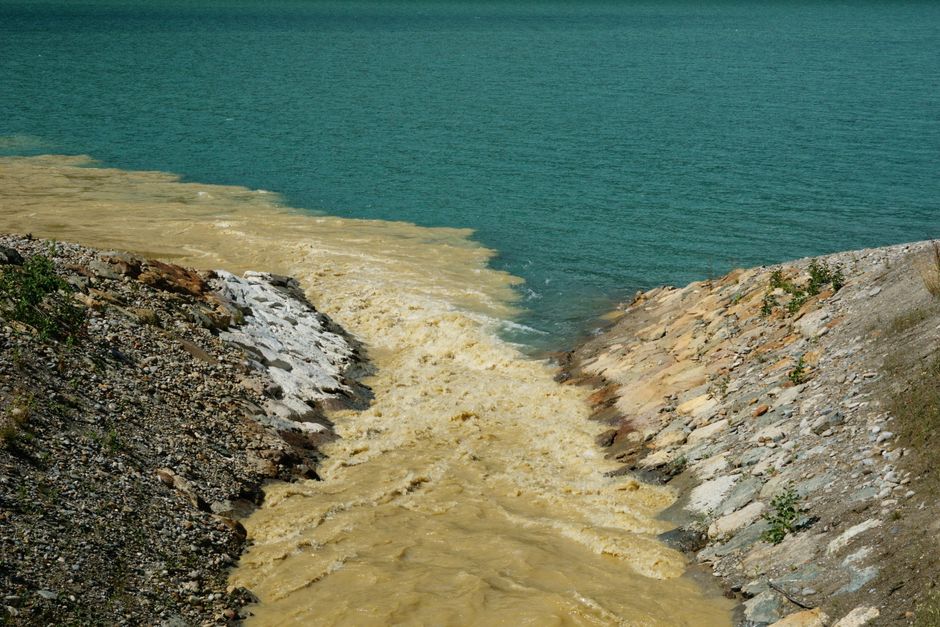
Just east of Jefferson City, the Moreau River quietly merges with the Missouri, a lesser-known confluence that holds unique ecological significance and a history of early settlement.
The meeting point of the Moreau and Missouri Rivers is often overlooked by travelers focused on the larger river. This confluence, however, was a key point for early settlers and has distinct ecological characteristics, forming a unique habitat where the waters and sediments mix. It's a prime example of the countless smaller tributaries that feed the mighty Missouri, each with its own story of contributing to the larger landscape.
Frequently asked questions
Is Jefferson City located on the Missouri River?
Yes, Jefferson City is prominently situated on the south bank of the Missouri River, which plays a significant role in the city's geography, history, and economy.
What historic sites in Jefferson City are connected to the Missouri River?
Many sites are connected, including Lohman's Landing, the Missouri State Penitentiary which overlooks the river, and the route of the historic Katy Trail which follows the river's path.
Can you see the Missouri River from the Missouri State Capitol?
Yes, the Missouri State Capitol building offers stunning panoramic views of the Missouri River as it flows past the city, making it a dramatic backdrop.
How does AllTours.ai help explore places like Jefferson City?
AllTours.ai lets you point your phone camera at landmarks or landscapes, and the app instantly narrates their history, geology, and culture in your language. It's like having a personal expert guide revealing the hidden stories of places you visit.
Related guides
Photography via Pexels. AllTours.ai is an AI audio tour guide — point your camera at any landscape and hear its story.