September 23, 2026 · 4 min read
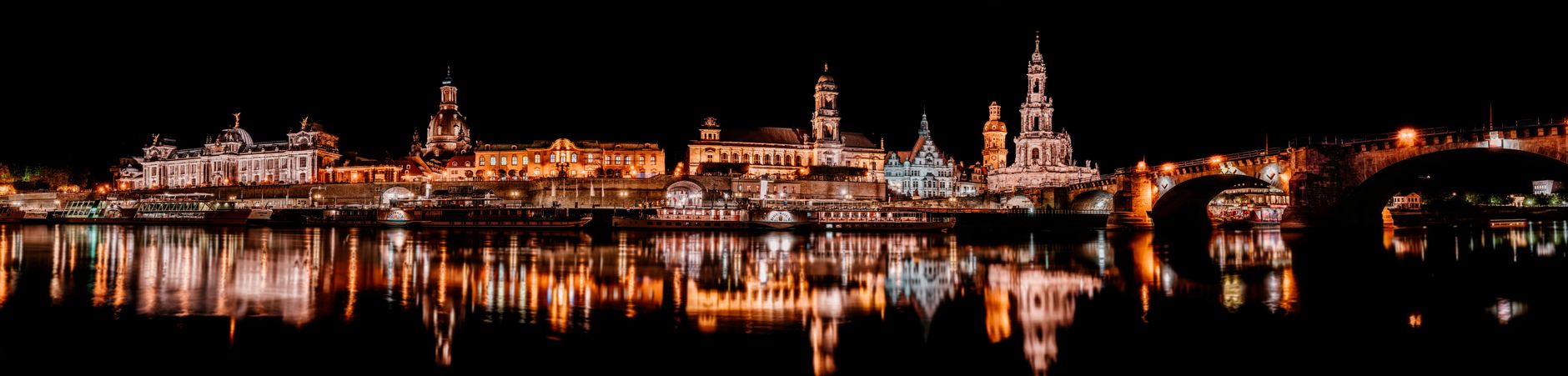
Dresden, often dubbed the "Florence on the Elbe," is renowned for its meticulously reconstructed baroque Altstadt, dominated by the iconic Frauenkirche and the opulent Zwinger. While these landmarks are undeniably breathtaking and tell a vital story of resilience, they represent only one facet of this complex and captivating city.
To truly understand Dresden, one must look beyond the postcard views. Beyond the familiar, a wealth of underrated places await – charming neighborhoods, architectural curiosities, and unique museums that reveal surprising layers of history, culture, and innovation. Prepare to unearth a side of Dresden that often goes unnoticed.

1. The World's Most Beautiful Dairy Shop
Pfunds Molkerei, Dresden, Germany
Imagine a dairy shop so ornate, it's considered the "most beautiful in the world."
Pfunds Molkerei, an operating dairy shop since 1880, dazzles with its floor-to-ceiling hand-painted Villeroy & Boch tiles depicting whimsical scenes. It survived the 1945 bombings almost unscathed, preserving its unique Jugendstil splendor. Originally a small family business, it grew into a major milk supplier, even exporting condensed milk. Today, it remains a testament to opulent craftsmanship and a functioning, albeit highly decorative, store.
2. Dresden's Oriental Factory
Yenidze, Dresden, Germany
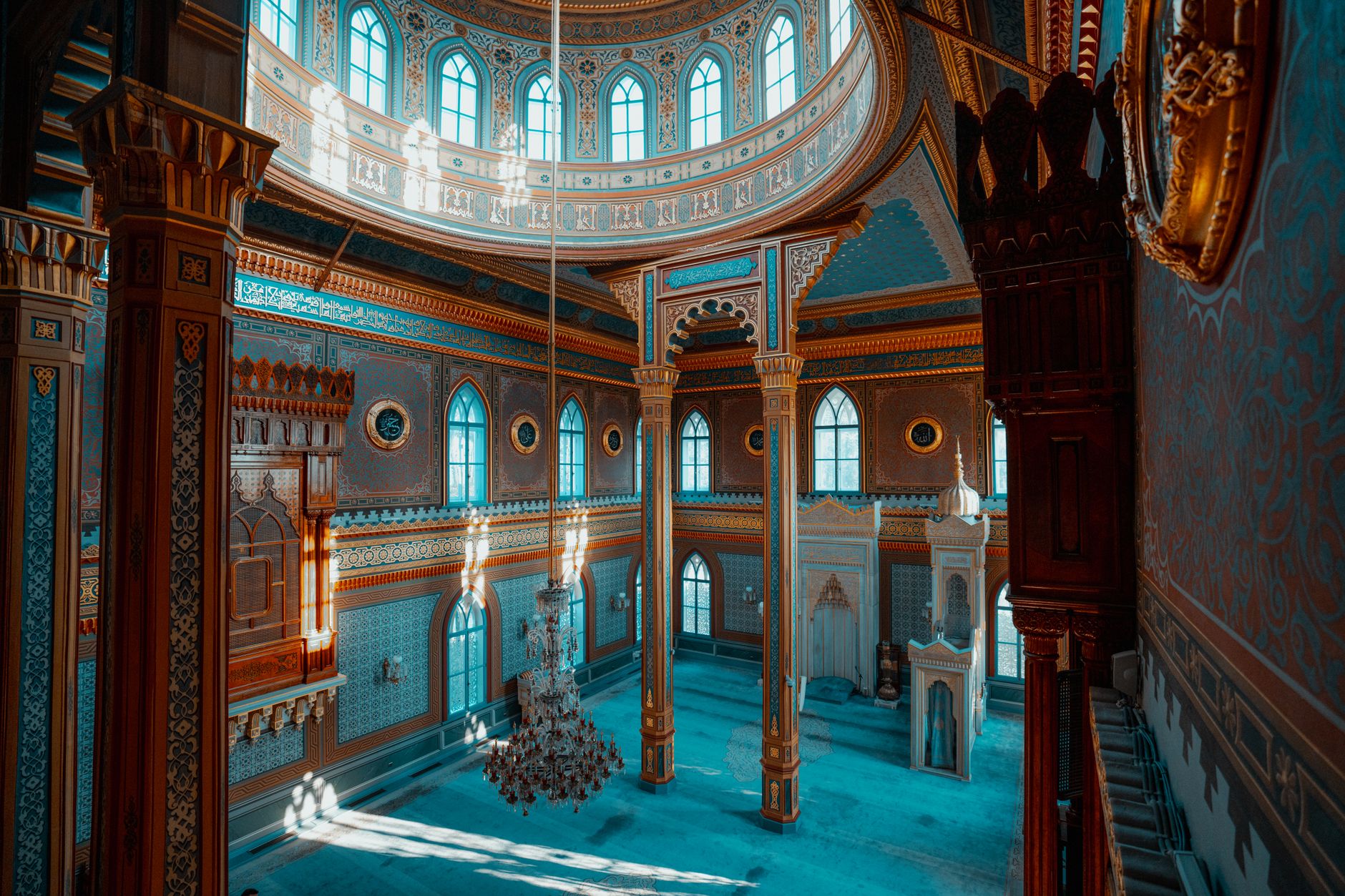
A former cigarette factory in Dresden looks exactly like a mosque, complete with minaret-like chimneys.
This striking building, erected in 1909, was designed to circumvent a municipal decree against industrial buildings in the city center. Its architect, Martin Hammitzsch, cleverly disguised the factory as an Oriental-style mosque, complete with a glass dome resembling a minaret and striped facades. Yenidze housed the production of "Salem Aleikum" cigarettes and now serves as an office building, a surreal architectural anomaly amidst Dresden's baroque cityscape.
3. The Singing Courtyard
Kunsthofpassage, Dresden, Germany
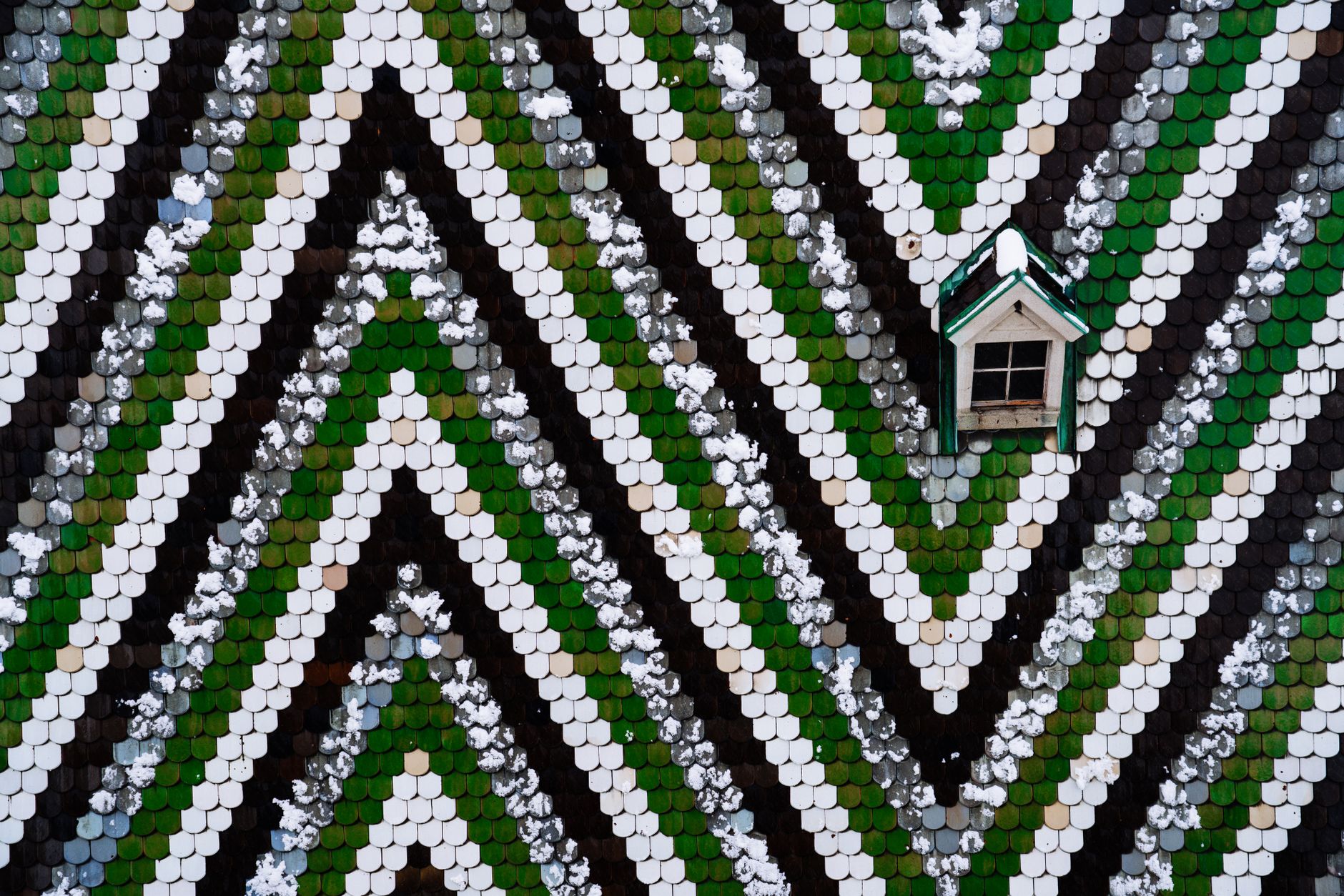
One Dresden courtyard "sings" in the rain, transforming into a giant musical instrument.
Tucked away in the Neustadt district, the Kunsthofpassage is a series of interconnected courtyards reimagined by local artists. The most famous is the Hof der Elemente (Courtyard of Elements), where an intricate system of funnels and drainpipes on a blue building produces melodic sounds when it rains. This playful blend of art and architecture invites visitors to experience the urban environment in a uniquely sensory way, alongside other themed courtyards like the Hof der Tiere.
4. Dresden's Historic High-Wire Act
Schwebebahn Dresden, Dresden, Germany
Dresden boasts one of the oldest operating suspension railways, defying gravity with stunning views.
Opened in 1901, the Dresden Suspension Railway is not just a mode of transport but a historic engineering marvel. It connects the districts of Loschwitz and Oberloschwitz, traversing a distance of over 270 meters on an elevated steel structure. Unique for its "hanging" design (unlike a funicular), it offers panoramic views of the Elbe valley and the city, a testament to early 20th-century German ingenuity that continues to operate daily.

5. The 250-Year-Old Camellia of Pillnitz
Pillnitz Castle & Park, Dresden, Germany
Within the baroque grounds of Pillnitz Castle, a 250-year-old camellia tree blooms with thousands of flowers each winter.
While Pillnitz Castle itself is a grand complex on the Elbe, few know about its exceptional natural treasure: a monumental Japanese camellia. Planted around 1776, this impressive specimen flowers from January to April, producing tens of thousands of crimson blossoms under a mobile glasshouse that protects it from frost. It's one of Europe's oldest and largest camellias, a living piece of botanical history hidden within the extensive castle park.
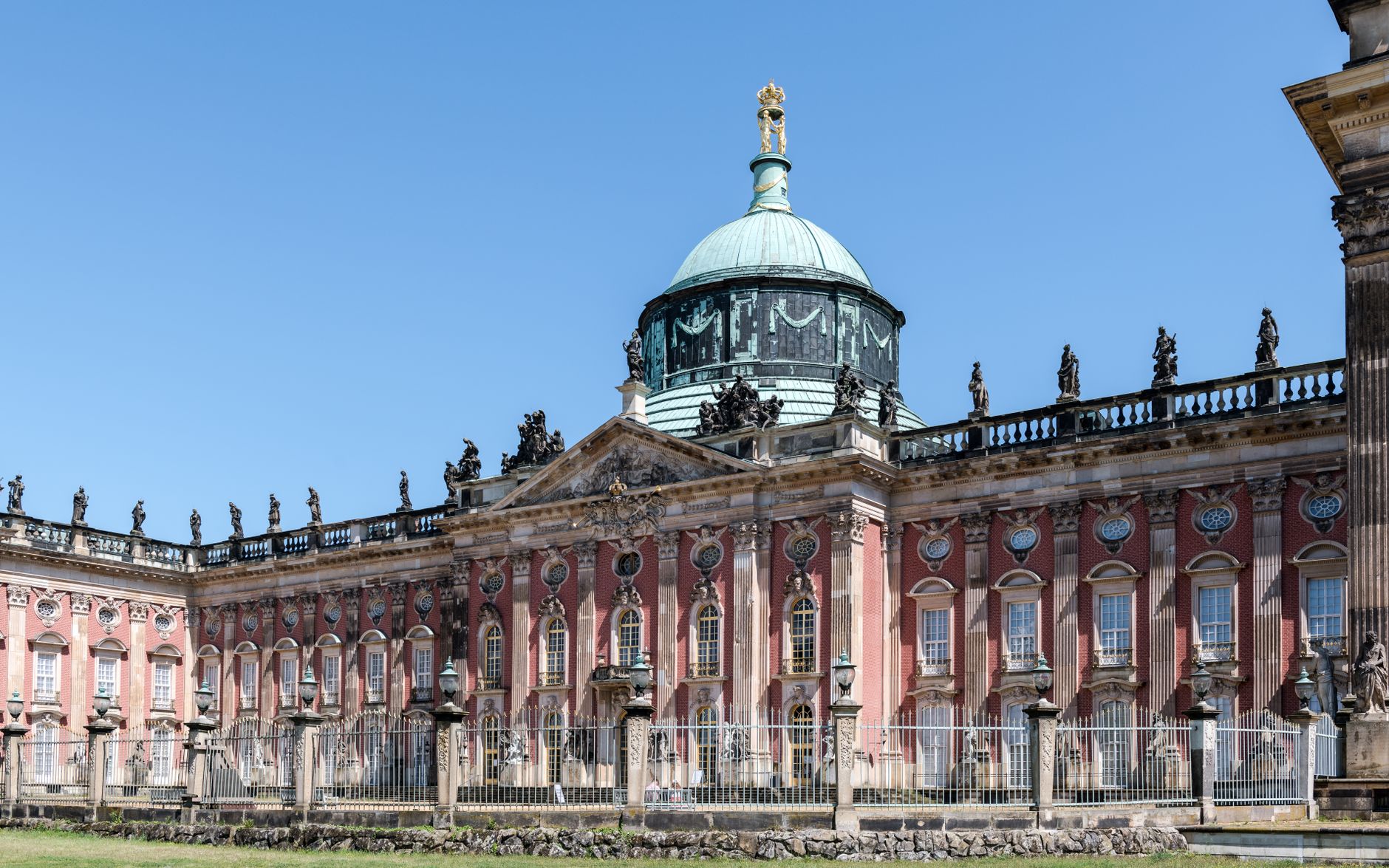
6. The Porcelain Palace of Augustus the Strong
Japanisches Palais, Dresden, Germany
This baroque palace was originally intended to house Augustus the Strong's fantastical "porcelain menagerie" of over 20,000 pieces.
Despite its name, the Japanisches Palais was built in the early 18th century for Augustus the Strong, Elector of Saxony and King of Poland. His grand vision was to transform it into an "Oriental palace" to showcase his vast collection of East Asian porcelain, planning to fill every room with a meticulously arranged "menagerie" of ceramic animals and vessels. Though the ambitious porcelain project was never fully realized, the palace remains a significant architectural landmark now housing several museums.
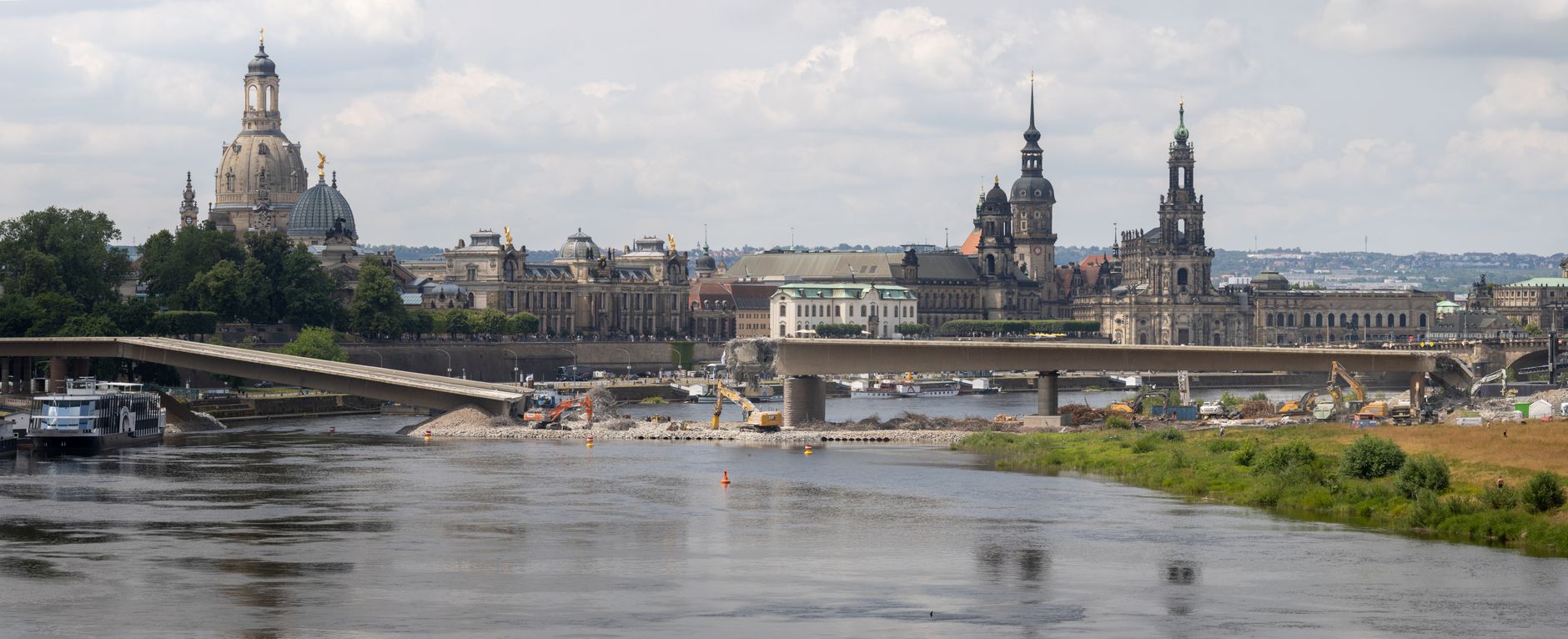
7. Dresden's Miraculous Blue Wonder Bridge
Loschwitz Bridge, Dresden, Germany
Dresden's "Blue Wonder" bridge was an engineering marvel for its time, built without river piers, and uniquely survived WWII.
Formally known as the Loschwitz Bridge, this striking cantilever bridge, completed in 1893, earned its nickname "Blaues Wunder" (Blue Wonder) for its unusual blue paint and its innovative construction. It was one of the first bridges in Europe to be built without river piers, a significant engineering feat that spanned the Elbe in a single continuous truss. Crucially, it was one of the very few Dresden bridges to escape destruction in 1945, making it a rare survivor of the city's wartime devastation.
Frequently asked questions
Is Dresden walkable?
Yes, Dresden's city center (Altstadt) is very compact and easily explored on foot. Many of the key attractions are within a short walking distance of each other. Public transport, including trams and buses, efficiently connects other districts like the Neustadt and areas further afield.
What is Dresden most famous for?
Dresden is most famous for its stunning Baroque architecture, particularly the Frauenkirche, the Zwinger Palace, and the Semperoper opera house. It's also known for its rich history as the former royal residence of the Electors and Kings of Saxony, and for its significant art collections.
Is Dresden a good day trip from Berlin?
While possible, a day trip from Berlin only allows for a superficial visit to Dresden. To fully appreciate its history, art, and unique atmosphere, including some of its less-known spots, it's recommended to spend at least two full days in the city. The train journey takes about two hours each way.
How can AllTours.ai help me explore Dresden?
AllTours.ai transforms your smartphone into an AI audio tour guide. Simply point your camera at any landmark, landscape, or even an object in Dresden, and the app will instantly narrate its history, geology, and culture in your preferred language. It's like having a local expert reveal the hidden stories of every place you encounter.
Related guides
Photography via Pexels. AllTours.ai is an AI audio tour guide — point your camera at any landscape and hear its story.