
September 13, 2026 · 4 min read
The 1970s often evoke images of economic upheaval, social change, and geopolitical tension – a decade of profound shifts that reshaped the global landscape. From energy crises to cultural revolutions, its turbulence left an indelible mark on societies worldwide, pushing communities to adapt or crumble under the pressure.
Then came the 1980s, a period often characterized by a perceived return to stability, economic optimism, and a burgeoning consumer culture, yet still underscored by lingering Cold War anxieties. But how did this transition truly manifest in the quiet corners and forgotten towns? Let’s explore lesser-known places where the echoes of these two distinct eras tell their most compelling stories.
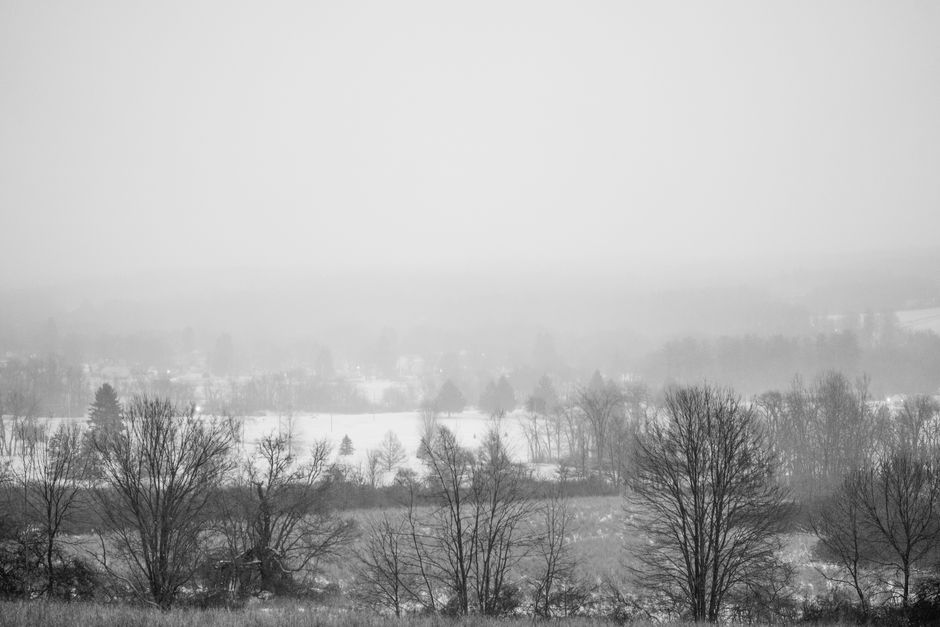
1. The Town Still Burning
Centralia, Pennsylvania, USA
A small mining town that became a ghost town throughout the 1970s and 80s due to an underground coal mine fire that still burns today.
The fire began in 1962, but it was in the subsequent decades that Centralia’s fate was sealed. As smoke and toxic gases seeped from the ground, residents faced forced relocation. The town's slow, agonizing abandonment through the 70s and 80s serves as a stark metaphor for industrial decline and environmental consequence, leaving behind a surreal landscape of steaming fissures and abandoned homes.
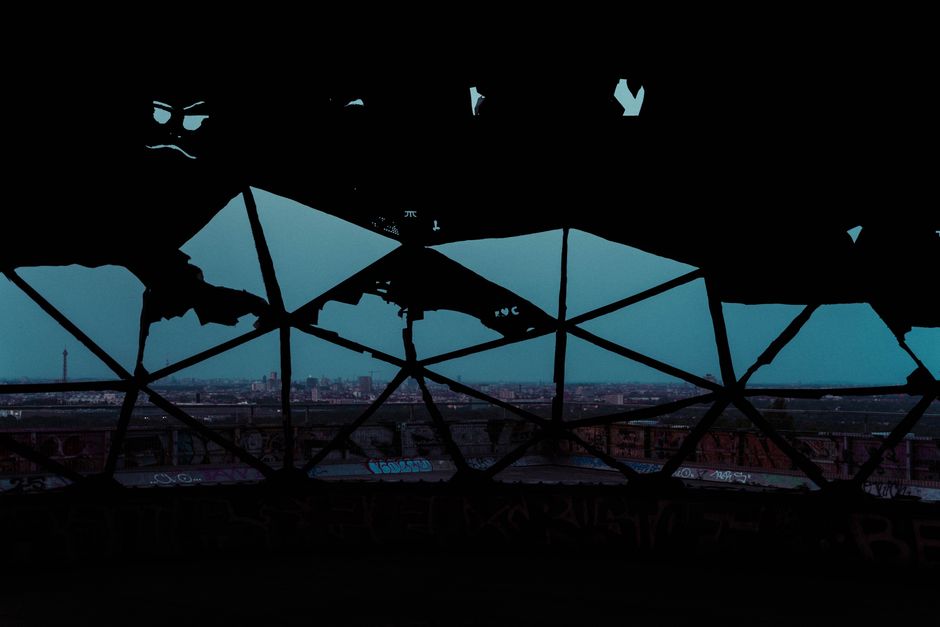
2. The Devil's Mountain Eavesdropper
Teufelsberg, Berlin, Germany
A Cold War listening post atop a man-made hill of WWII rubble, where Western powers secretly spied on the East throughout the 70s and 80s.
Rising from the flat Berlin landscape, Teufelsberg was constructed from the debris of a bombed city. During the Cold War, the NSA built a massive listening station here, its iconic radomes eavesdropping on Soviet communications. Through the tense 70s and 80s, it was a silent sentinel of the ideological divide, now a haunting, graffiti-covered ruin offering panoramic views and a chilling echo of clandestine operations.
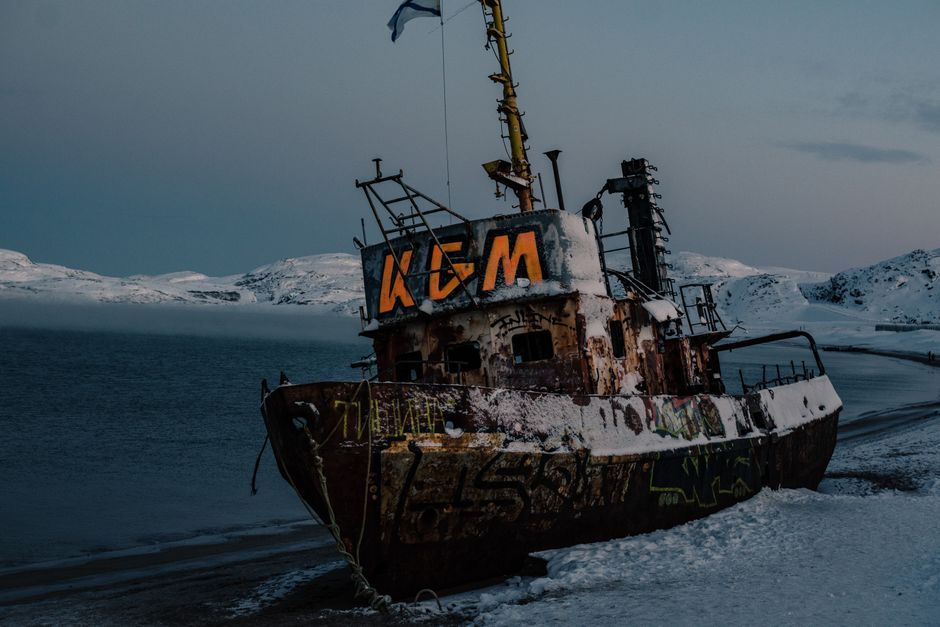
3. The Gateway to Earth's Depths
Pechengsky District, Russia
The deepest artificial point on Earth, a Soviet scientific endeavor to drill to the planet's core, pushed to its limits during the Cold War decades.
For decades, Soviet scientists meticulously drilled into the Earth’s crust, reaching over 12 kilometers deep by the early 1990s. This extraordinary project, driven by Cold War competition and scientific ambition, represented a stark contrast to the space race. It operated through the 70s and 80s, unraveling geological mysteries and setting depth records, before its eventual abandonment left behind an eerie, sealed cap in the desolate Arctic landscape.
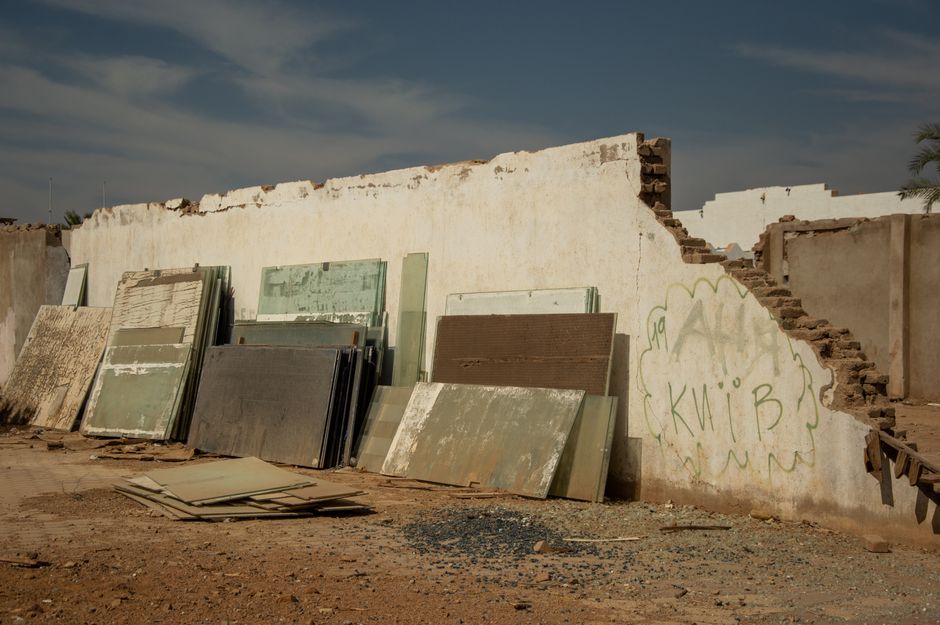
4. The Last Free Place
Slab City, California, USA
A lawless, off-grid desert community that became a haven for drifters, artists, and individualists seeking an alternative lifestyle during the tumultuous 70s and 80s.
Built on the abandoned concrete slabs of a WWII Marine base, Slab City emerged as a counter-culture bastion. In the 70s, as mainstream society grappled with inflation and changing norms, Slab City offered refuge for those rejecting convention. It continued to grow through the 80s, a testament to enduring American individualism, where art installations and makeshift homes form a unique, self-governed settlement without utilities or services.
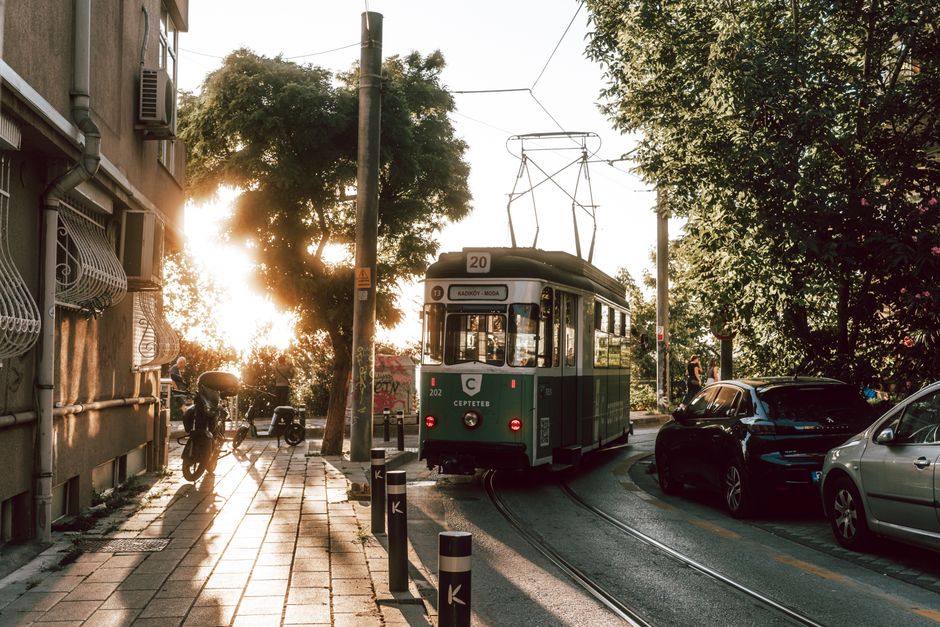
5. The Divided Capital
Nicosia, Cyprus
The world's last divided capital, bisected by a UN buffer zone since the 1974 Turkish invasion, its starkness frozen in time through the 70s and 80s.
Following the devastating events of 1974, Nicosia was split by the "Green Line," a demilitarized zone patrolled by UN peacekeepers. This palpable division, with its abandoned buildings and barbed wire, became a stark symbol of unresolved conflict that persisted throughout the 70s and 80s, contrasting sharply with the emerging global optimism elsewhere. It remains a powerful reminder of geopolitical fault lines, a city still reflecting the deep scars of an era.
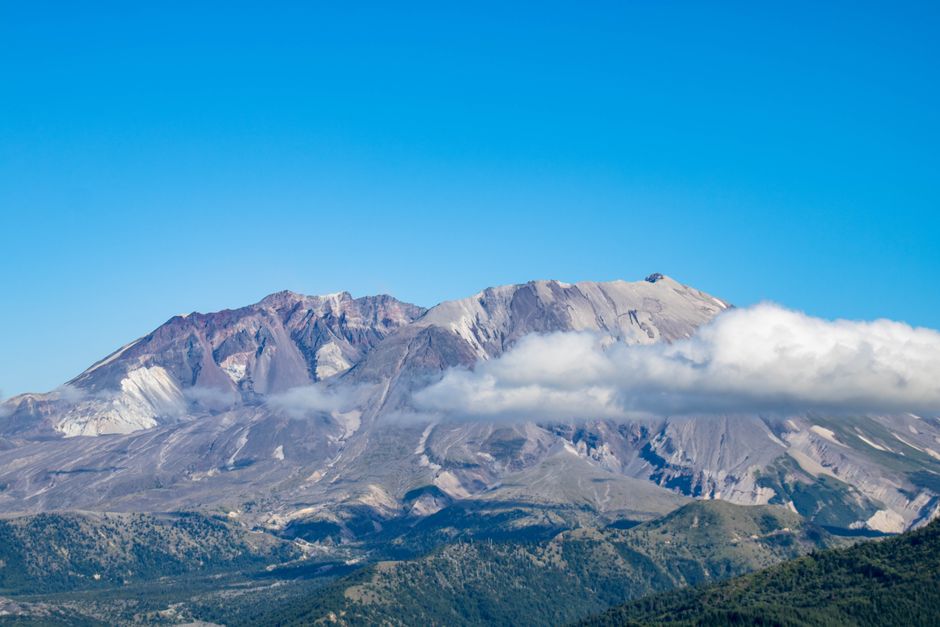
6. The Reshaped Mountain
Mount St. Helens National Volcanic Monument, Washington, USA
The site of a catastrophic 1980 eruption that dramatically reshaped the landscape and became a living laboratory for ecological recovery.
On May 18, 1980, Mount St. Helens erupted with cataclysmic force, blowing off its northern face and devastating hundreds of square miles. This singular event marked the early 1980s with an unforgettable display of nature's raw power, leaving behind a stark, moon-like landscape. Today, the area is a testament to natural resilience, where life slowly reclaims the ash-covered terrain, offering a unique glimpse into primary succession and the enduring power of the planet.
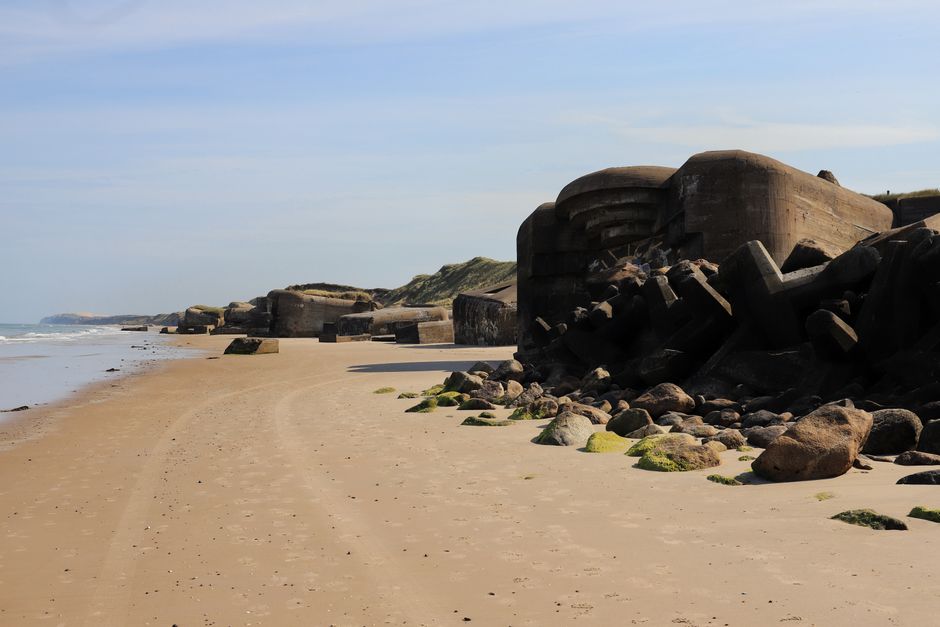
7. The Dictator's Concrete Dreams
Various, Albania
Hundreds of thousands of mushroom-shaped concrete bunkers, built across Albania in the 70s and 80s by a paranoid dictator preparing for an invasion that never came.
Under the rule of Enver Hoxha, Albania transformed into a fortress. From the 1970s through the 1980s, an estimated 750,000 bunkers were constructed, designed to defend against perceived foreign threats. These ubiquitous, often eerie structures are a unique architectural legacy of Cold War paranoia and extreme isolationism, dotting every landscape from beaches to mountain passes, offering a tangible glimpse into a nation's defensive obsession.

8. Earth's Experimental Bubble
Oracle, Arizona, USA
An audacious, self-contained ecological experiment built in the late 1980s, designed to mimic Earth's ecosystems and explore space colonization.
Construction began in 1987, embodying the ambitious scientific spirit of the late 1980s. This massive, sealed glass structure aimed to demonstrate the viability of closed ecological systems, with a crew living inside for two years. Biosphere 2 was a grand, pioneering attempt to understand complex environmental interactions and prepare for future extraterrestrial habitats, reflecting a shift towards environmental consciousness and scientific exploration beyond Cold War tensions.
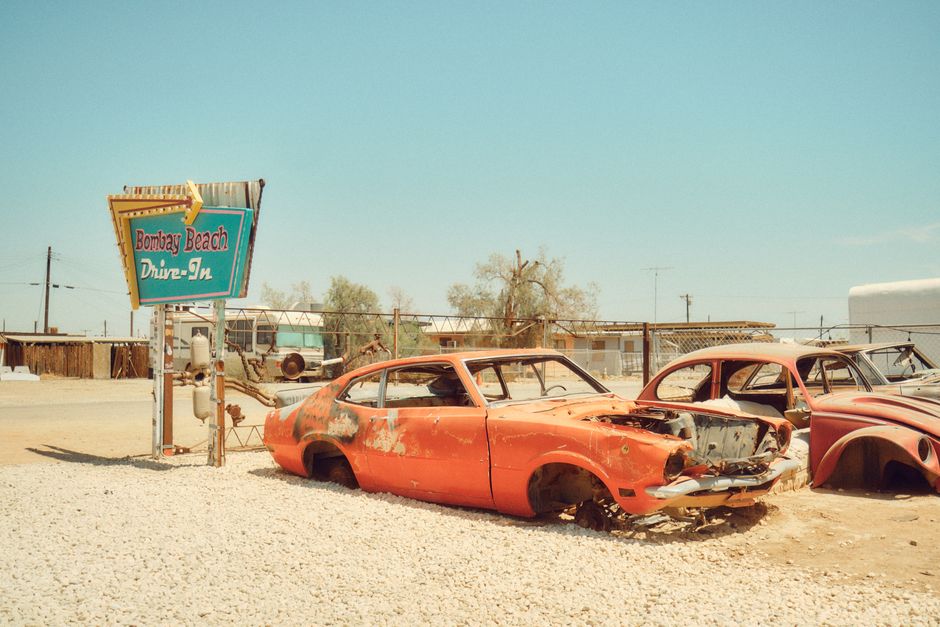
9. California's Ecological Ghost
Salton Sea, California, USA
Once a thriving resort destination in the mid-20th century, the Salton Sea transformed into an ecological disaster zone by the 1970s and 80s, leaving behind a haunting landscape.
In the mid-century, the Salton Sea was a glittering oasis, attracting Hollywood stars and tourists. However, by the 1970s, agricultural runoff and rising salinity caused massive fish die-offs and an environmental collapse. The 80s saw its resorts abandoned, its beaches littered with fish bones, and its waters receding. It stands as a stark reminder of human impact on fragile ecosystems, a beautiful yet tragic testament to a dream that soured.
Frequently asked questions
What characterized the 1970s and 1980s in terms of global events?
The 1970s were marked by significant global turmoil, including the energy crisis, the Vietnam War's end, Cold War tensions, and widespread social and economic shifts. The 1980s, while often seen as calmer, still had lingering Cold War anxieties, the rise of consumer culture, and the beginnings of major technological advancements, particularly in the latter half.
Why are lesser-known historical sites often more impactful for understanding past eras?
Lesser-known sites often offer a more granular, untouched perspective on history. They can reveal the everyday impact of larger events, preserve unique cultural artifacts, or showcase the resilience of communities away from major historical narratives. These places often hold surprising stories that don't make it into mainstream textbooks.
How did the decline of heavy industry impact communities during the 1970s and 1980s?
The decline of heavy industry in the 1970s and 1980s led to widespread job losses, economic hardship, and population shifts in many communities. Towns once reliant on coal, steel, or manufacturing faced abandonment or struggled to reinvent themselves, leaving behind landscapes that tell stories of bygone industrial might and the human cost of economic transformation.
How can I discover more hidden stories at places like these?
The AllTours.ai app is designed to bring these hidden stories to life. Simply point your phone camera at any landscape or landmark, and the app uses AI to identify it and narrate its history, geology, and culture in your preferred language. It's like having a personal expert guide revealing the secrets of the world around you, wherever you travel.
Related guides
Photography via Pexels. AllTours.ai is an AI audio tour guide — point your camera at any landscape and hear its story.