August 29, 2026 · 4 min read
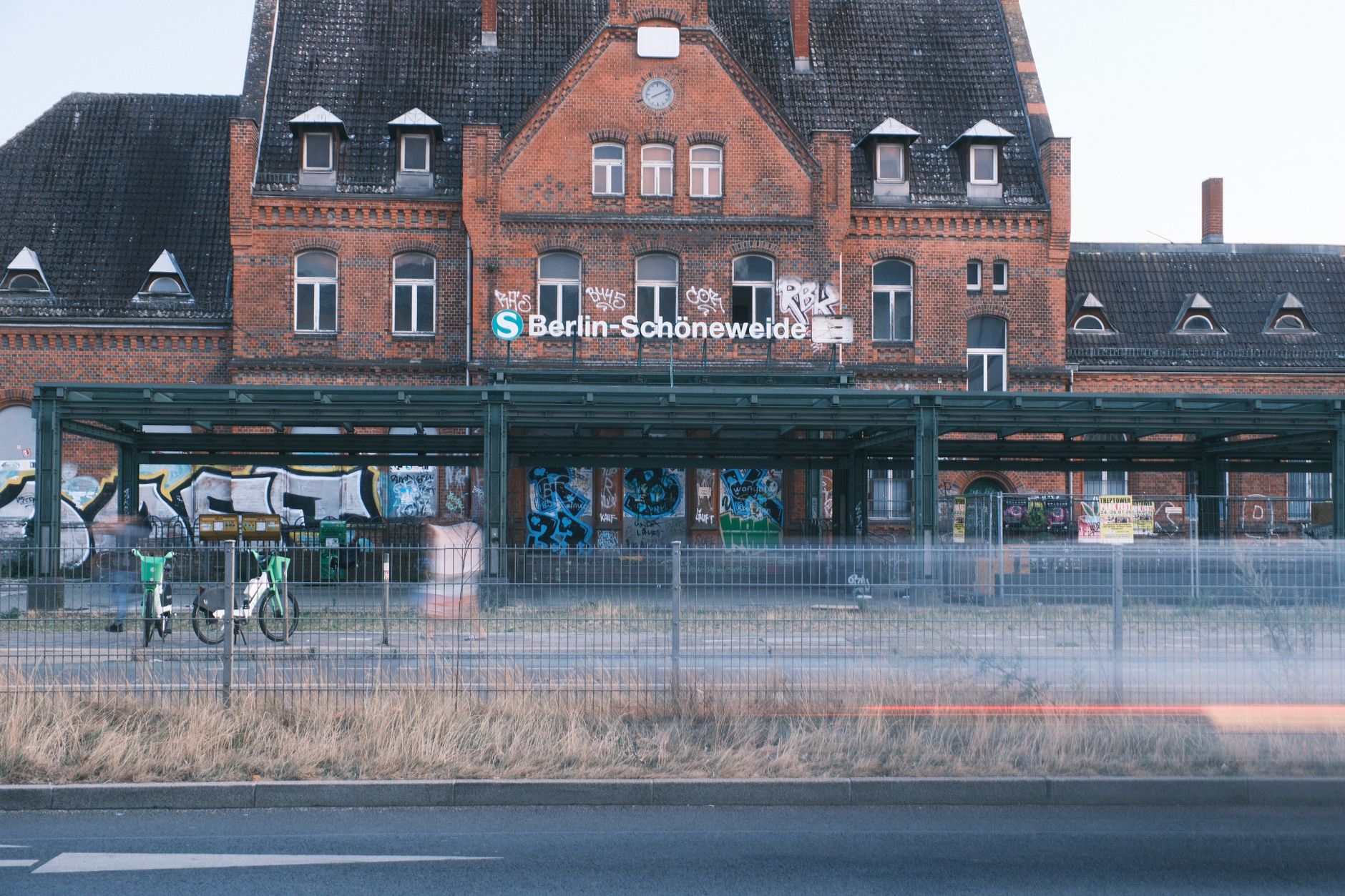
Berlin is a city of layers, where grand history meets a pulsating modern culture. While iconic landmarks like the Brandenburg Gate and Museum Island draw millions, the city's true depth often lies hidden just beyond the well-trodden paths. For those eager to peel back another layer and discover its authentic pulse, the real magic is often found in its less-sung corners.
This guide moves past the usual recommendations to highlight truly underrated places in Berlin – from forgotten art havens and poignant historical sites to surprising geological quirks and vibrant, local neighborhoods. Prepare to see Berlin through a new lens, uncovering stories that most visitors miss.

1. Art in the Bunker's Belly
Berlin, Germany
A massive WWII air-raid bunker, once a notorious techno club, now houses a world-class private contemporary art collection.
Built in 1943, the "Reichsbahnbunker" was designed to shelter up to 3,000 people. After the war, it served as a storage facility for textiles and fruit, before transforming into one of Berlin's most infamous techno clubs, the "Bunker," in the 1990s. Today, it offers a stark, brutalist backdrop for the private Boros Collection, featuring installations from artists like Olafur Eliasson and Wolfgang Tillmans, requiring advance booking for guided tours.
2. The Devil's Mountain Spy Station
Berlin, Germany
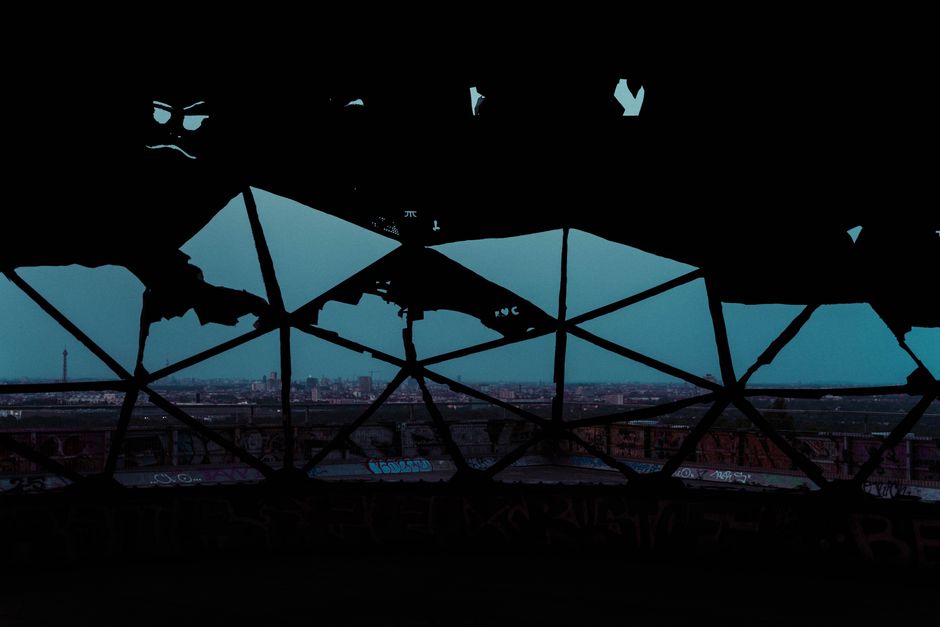
This artificial hill, made entirely of World War II rubble, once hosted a top-secret U.S. listening station during the Cold War.
Teufelsberg, meaning "Devil's Mountain," isn't a natural peak but a man-made hill constructed from an estimated 75 million cubic meters of debris from bombed-out Berlin after WWII. Perched atop this unique landscape, the abandoned U.S. National Security Agency (NSA) field station with its iconic radomes looms large, a silent witness to Cold War espionage. Today, it's a popular spot for urban explorers, street artists, and offers panoramic views over the Grunewald forest.
3. Spandau's Renaissance Fortress & Bat Haven
Berlin, Germany
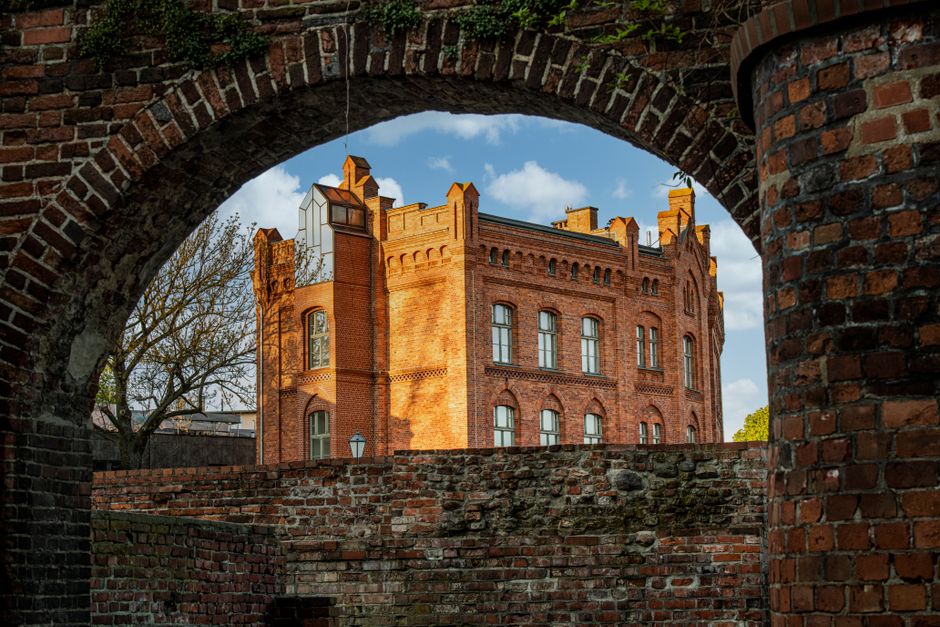
One of Europe's best-preserved Renaissance fortresses, this island citadel is now a significant winter home for thousands of bats.
Built between 1557 and 1594, Zitadelle Spandau stands as a remarkable example of Renaissance military architecture, entirely surrounded by water. Its long history includes periods as a prison, a refuge, and a training ground. Today, it's not only a museum and event venue but also a crucial bat habitat, especially in winter. Over 10,000 bats from several species hibernate in its ancient vaults, making it a unique blend of history, culture, and nature conservation.
4. Peacock Island's Royal Folly
Berlin, Germany
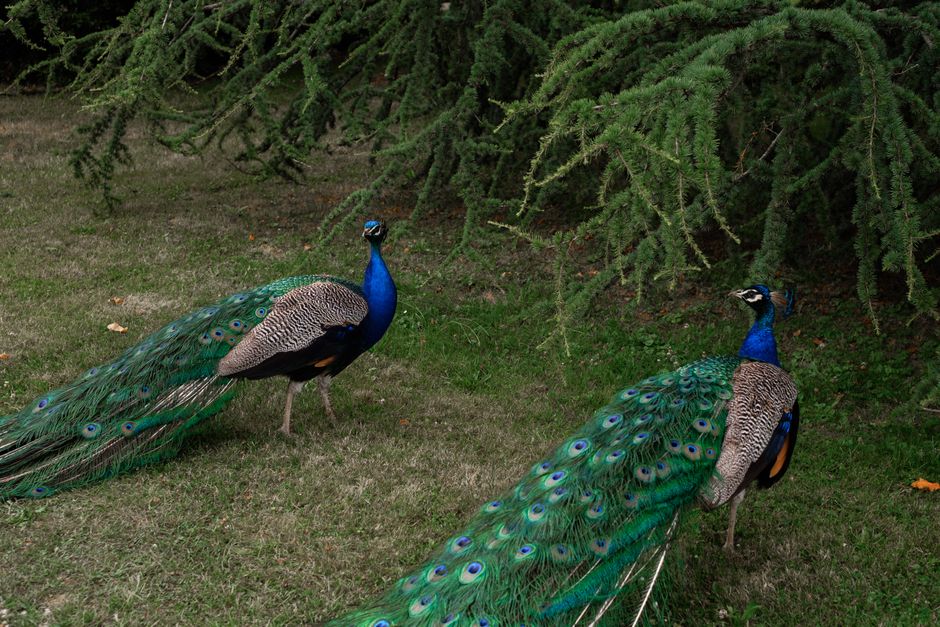
A whimsical UNESCO World Heritage island featuring free-roaming peacocks and a romantic, deliberately ruined castle.
Pfaueninsel, or "Peacock Island," is a tranquil, car-free oasis on the Havel River, once a romantic retreat for Prussian King Friedrich Wilhelm II. He commissioned the charmingly dilapidated folly castle in 1794, designed to appear as an ancient ruin despite being newly built. Beyond its architectural whimsy, the island is famed for its vibrant peacocks that roam freely, alongside rare water buffalo and an array of exotic plants, offering a serene escape just outside the city center.
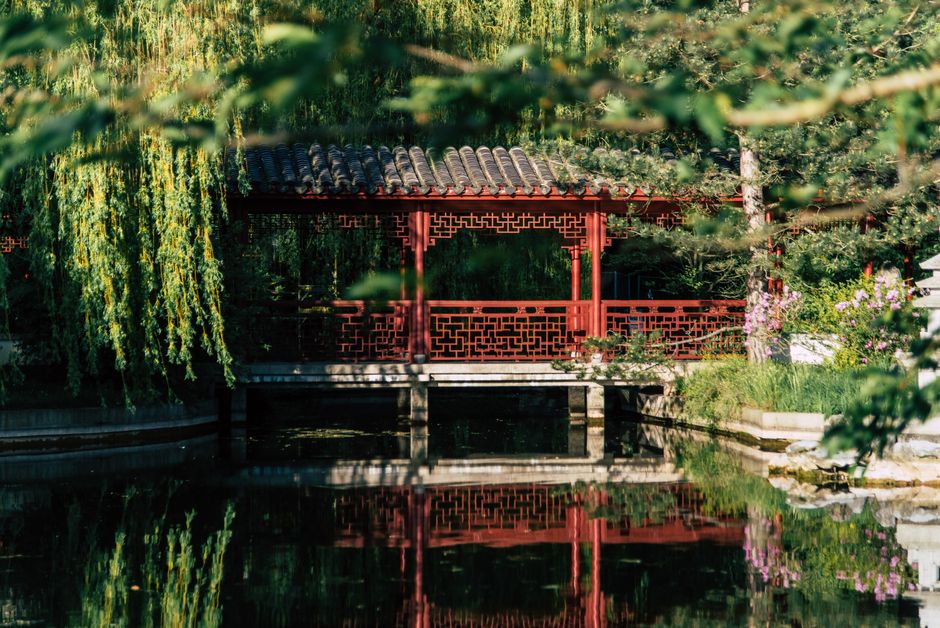
5. Global Gardens in Marzahn
Berlin, Germany
A sprawling park in former East Berlin that showcases diverse garden styles from around the world, including Europe's largest Chinese garden.
Located in the Marzahn district, the "Gardens of the World" offers a journey through meticulously crafted landscapes, from a vibrant Balinese garden to a serene Japanese garden and a classical English labyrinth. Its centerpiece is the Garden of the Reclaimed Moon, Europe's largest Chinese garden, complete with a traditional tea house and a lake. This vast park was originally conceived for the Berlin Garden Show in 1987 in what was then East Berlin, representing an ambitious project to bring global culture to the GDR.
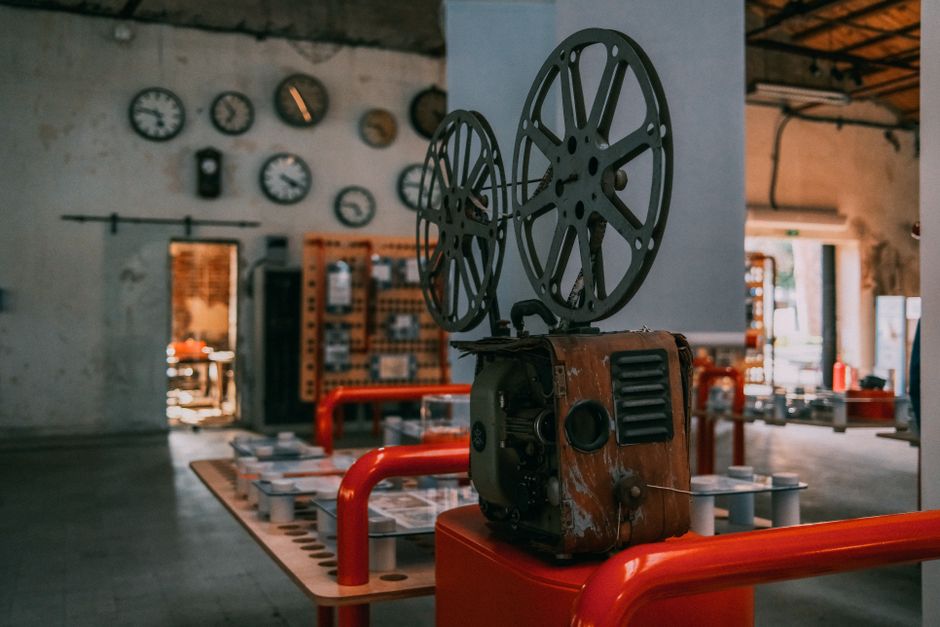
6. The Museum of Unheard-of Things
Berlin, Germany
A tiny, curiosity-filled museum dedicated to the bizarre and overlooked, where everyday objects gain fantastical backstories.
Tucked away in a Charlottenburg apartment, the Museum of Unheard-of Things is a charmingly eccentric cabinet of curiosities. Curator Roland Albrecht collects items that spark the imagination, presenting them with witty, often fictional, narratives that blur the line between fact and fantasy. Discover the lost language of flies, a device for measuring the weight of a thought, or the hair of a forgotten composer. It's a whimsical exploration of storytelling and the overlooked beauty in the mundane.

7. Hansaviertel's Modernist Dream
Berlin, Germany
An entire residential district rebuilt after WWII by iconic modernist architects, a living exhibition of avant-garde urban planning.
The Hansaviertel district was almost entirely destroyed during World War II. In response, it became a flagship project of modernist urban planning in the 1957 Interbau exhibition, featuring designs by architectural giants like Walter Gropius, Oscar Niemeyer, and Alvar Aalto. The result is a unique, open-plan residential area filled with light-filled apartments, green spaces, and innovative structures, representing a hopeful vision for post-war living. It stands today as a UNESCO World Heritage candidate, a testament to mid-century modern design.
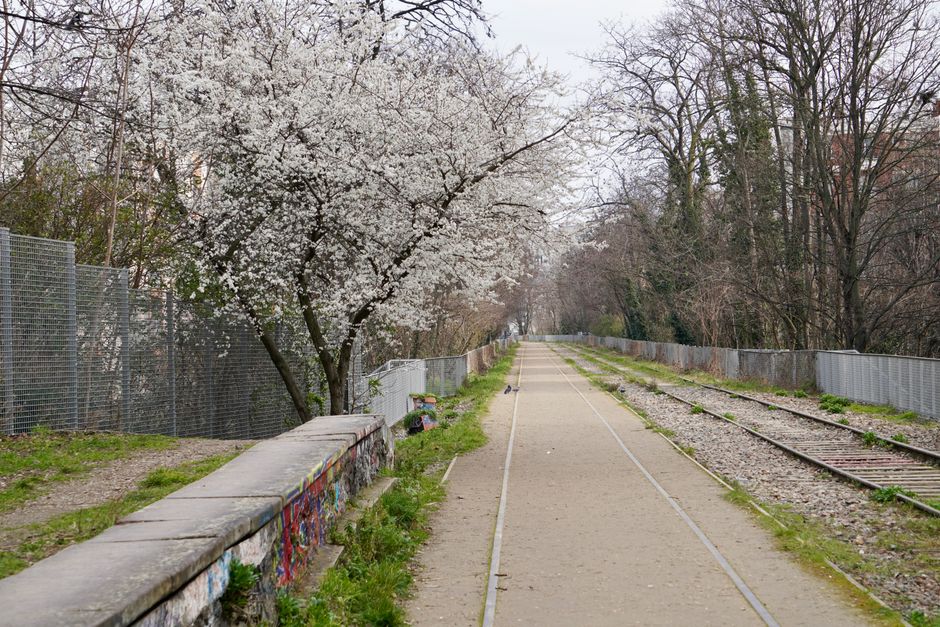
8. The Green Heart of Former Railways
Berlin, Germany
A dynamic urban park built on the footprint of two abandoned railway stations and extensive freight yards, blending nature with industrial history.
Once a bustling railway hub, the area now known as Gleisdreieck Park was transformed into a sprawling public green space, opening in phases from 2011. The park ingeniously incorporates remnants of its industrial past, with old train tracks, signal boxes, and railway bridges integrated into its design. It's a vibrant space for recreation, offering skate parks, playgrounds, and community gardens, while also serving as an ecological corridor and a fascinating example of urban regeneration.
Frequently asked questions
What makes a place 'underrated' in Berlin?
An underrated place in Berlin is typically one that isn't on every tourist's main itinerary but offers significant historical, cultural, or unique appeal. These spots provide a more authentic or surprising insight into the city, often away from the busiest areas, and reveal deeper layers of Berlin's identity.
Are these underrated places easy to reach by public transport?
Most of Berlin's hidden gems, including those mentioned, are well-connected by the city's efficient public transport system (U-Bahn, S-Bahn, tram, bus). While some might require a slightly longer journey or a short walk from the nearest stop, they are generally accessible, making exploration straightforward.
Do I need to book tickets in advance for any of these sites?
For some of the more unique or private locations, like the Sammlung Boros, advance booking for guided tours is essential due to limited capacity. For others, such as parks or outdoor historical sites, you can usually visit freely. Always check the specific venue's website before your visit to confirm opening hours and booking requirements.
How can AllTours.ai help me explore these lesser-known sites?
AllTours.ai enhances your exploration of Berlin's underrated places by providing instant, in-depth audio guides. Simply point your phone camera at a landmark or landscape, and the app will narrate its rich history, geology, and culture in your preferred language. It's like having a local expert by your side, unveiling the untold stories of every unique corner.
Related guides
Photography via Pexels. AllTours.ai is an AI audio tour guide — point your camera at any landscape and hear its story.