October 20, 2026 · 4 min read
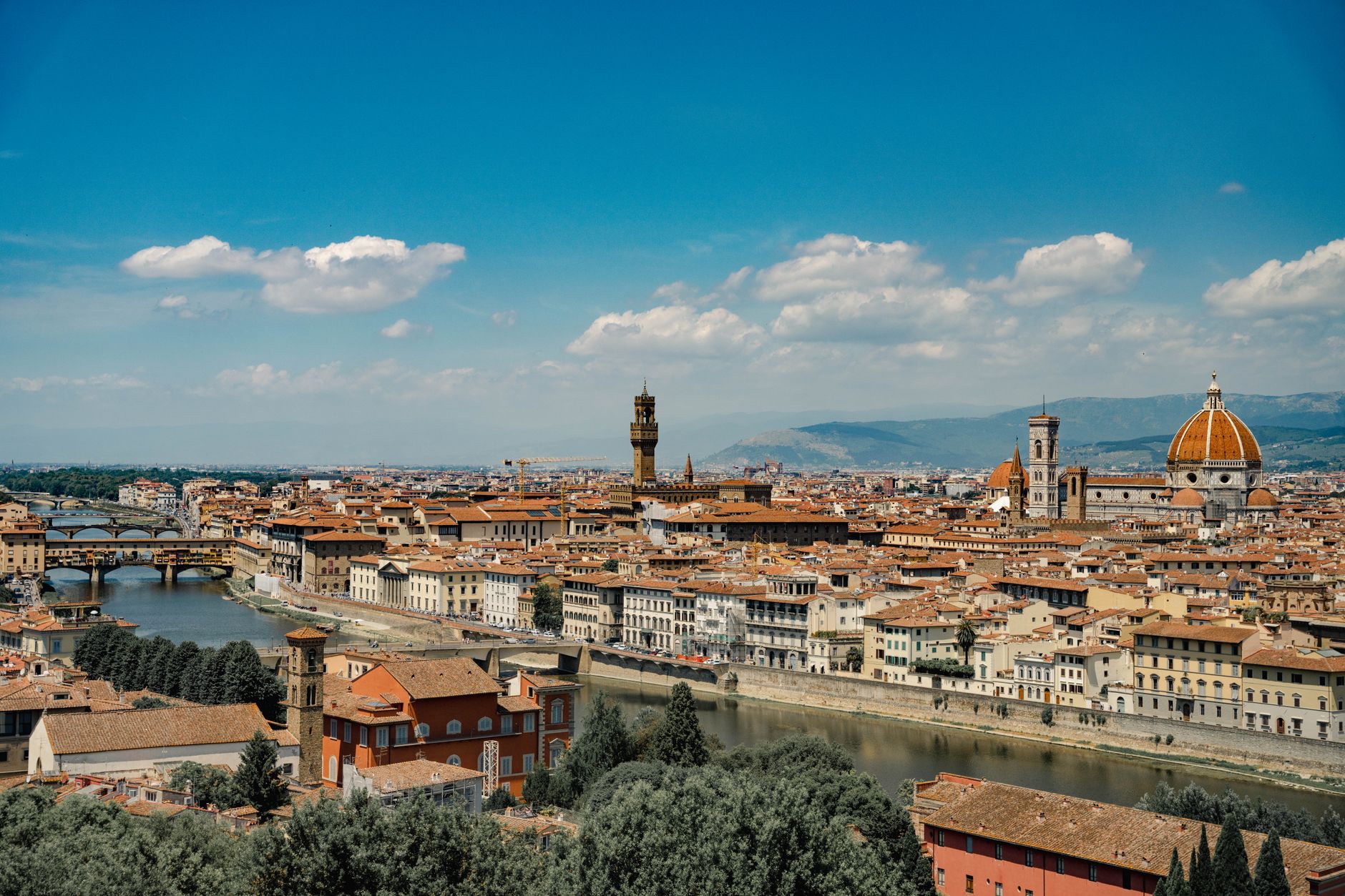
Florence, often celebrated for its art and architecture, holds an equally rich tapestry woven into its culinary traditions. Beyond the well-trodden paths of major museums and landmarks, lies a vibrant world of food markets and artisanal shops, each with a story stretching back centuries. This is where the true heart of Tuscan gastronomy beats, offering a sensory journey through flavors, aromas, and the timeless rituals of Italian cooking.
Imagine wandering through bustling stalls, learning the secrets of authentic ingredients from passionate local vendors, then stepping into a kitchen to transform these treasures into classic Tuscan dishes. A Florence food market tour and cooking class is more than just a meal; it's an immersive dive into the city's living history, a chance to connect with its soul through the universal language of food. Prepare to uncover surprising tales and savor unforgettable tastes.
1. The Market on Sacred Ground
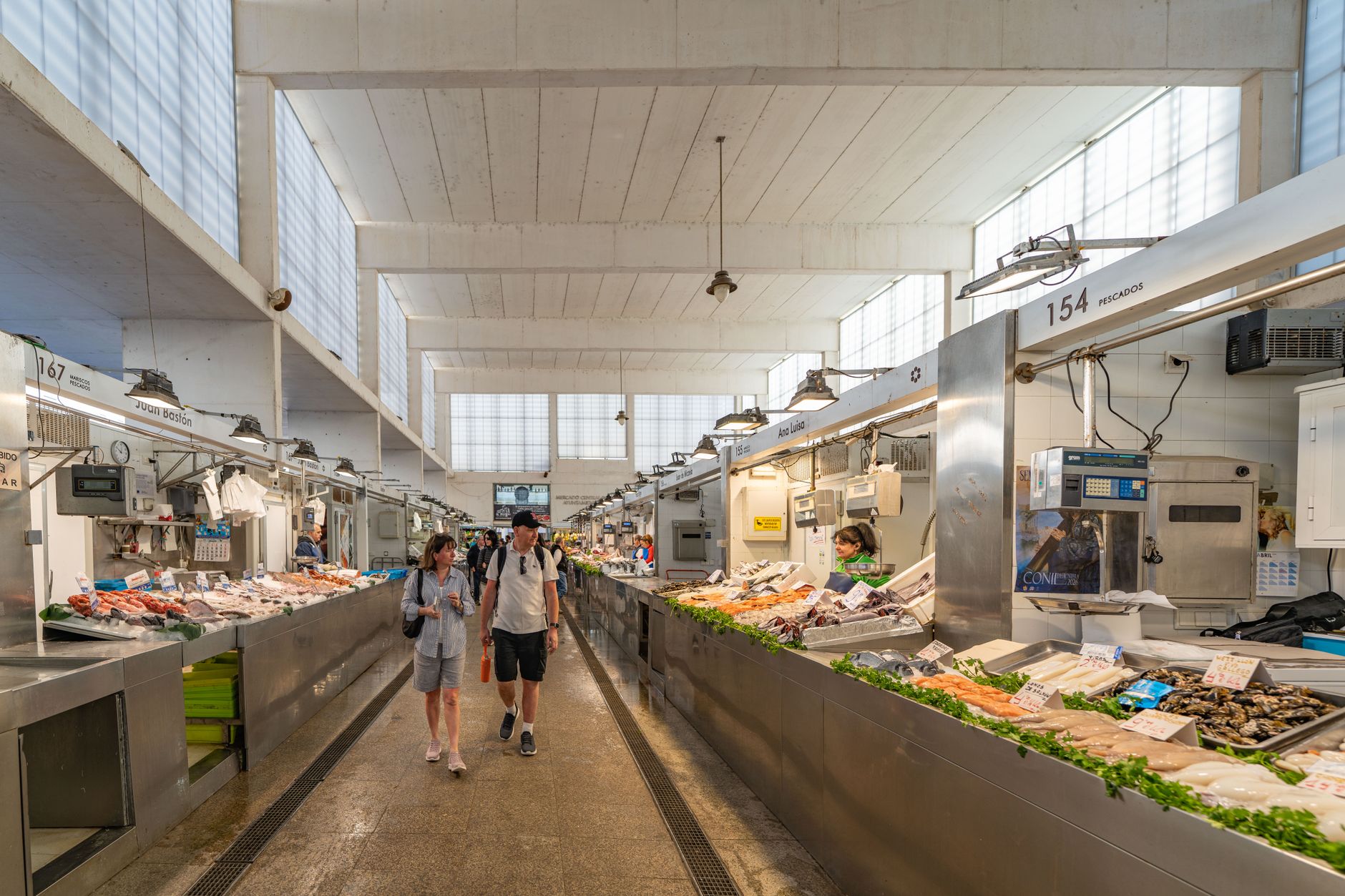
Mercato di Sant'Ambrogio, Florence, Italy
This vibrant local market was built directly atop a former Jewish cemetery, giving it a unique historical layer beneath its bustling daily life.
Established in the late 19th century, Mercato di Sant'Ambrogio remains a true local's market, far removed from the main tourist flows. Here, butchers still hand-cut Florentine steaks with generations of skill, bakers sell traditional *schiacciata* fresh from the oven, and farmers bring produce directly from Tuscan fields. Its enduring charm comes from a deeply rooted sense of community and tradition, offering a genuine taste of everyday Florentine life.
2. Florence's Ancient Bread Oven
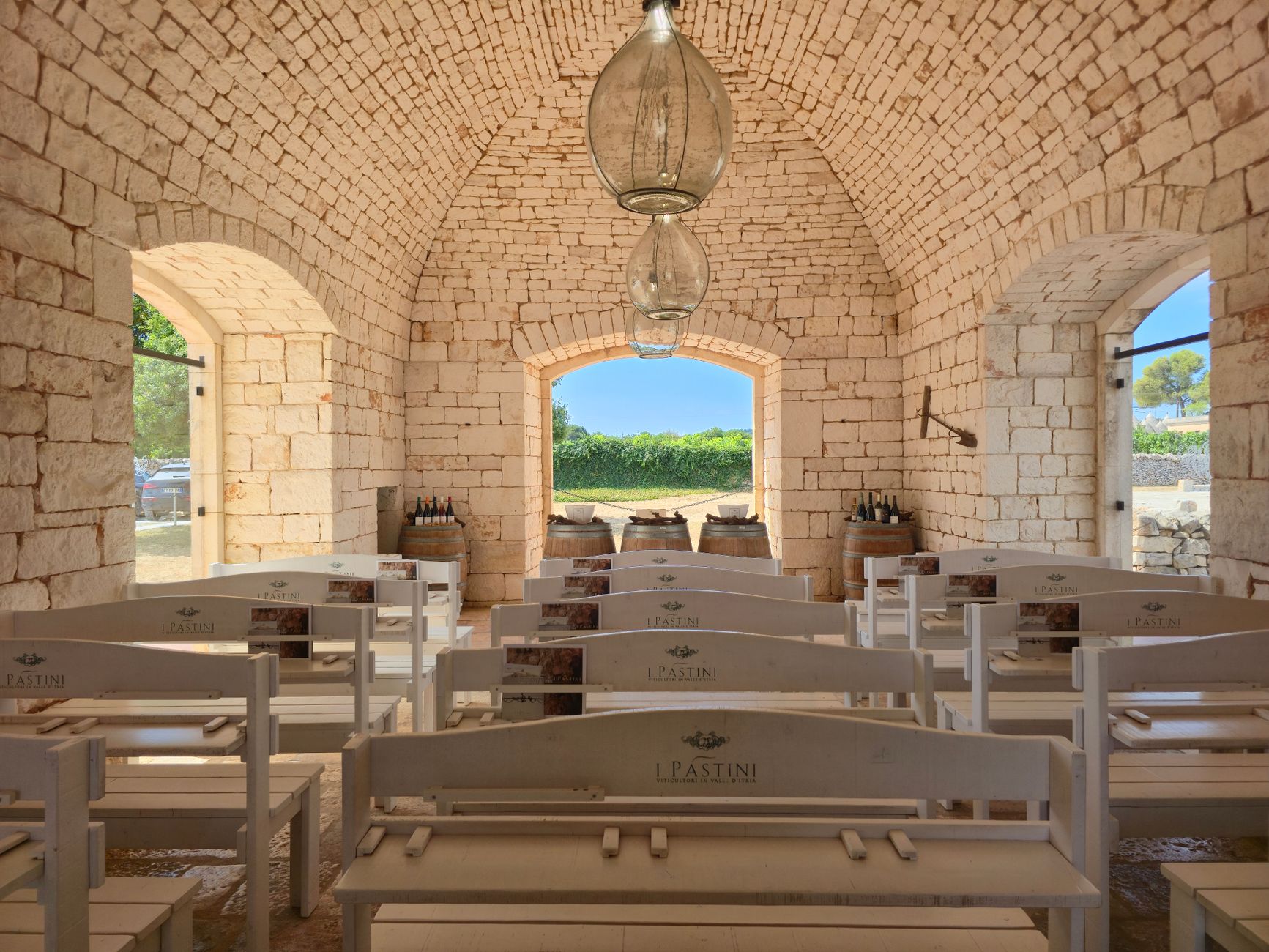
Antico Forno Ghibellina, Florence, Italy
This bakery claims to be the oldest continuously operating *forno* in Florence, with its wood-fired oven producing bread since the 18th century.
Tucked away on a historic street, Antico Forno Ghibellina has been baking traditional Florentine breads and pastries for generations. Their venerable wood-fired oven produces an incredible *pane toscano* (Tuscan bread), traditionally made without salt—a practice dating back to medieval times when salt was heavily taxed. Sampling their *schiacciata all'olio* here is like biting into centuries of Florentine culinary history.
3. The Medici's Street Food Legacy
Il Trippaio di San Frediano, Florence, Italy
This humble street cart continues Florence's most celebrated *trippai* (tripe sellers), a street food tradition dating back to the Medici era.
While tripe might sound unusual, *lampredotto* is Florence's quintessential street food, made from the fourth stomach of a cow. Il Trippaio di San Frediano has perfected this dish, serving it from a simple cart, often with a spicy green sauce or a mild red sauce. This humble cart carries on a culinary legacy that fed the working class of Florence for centuries, offering a true taste of authentic Florentine resilience and resourcefulness.
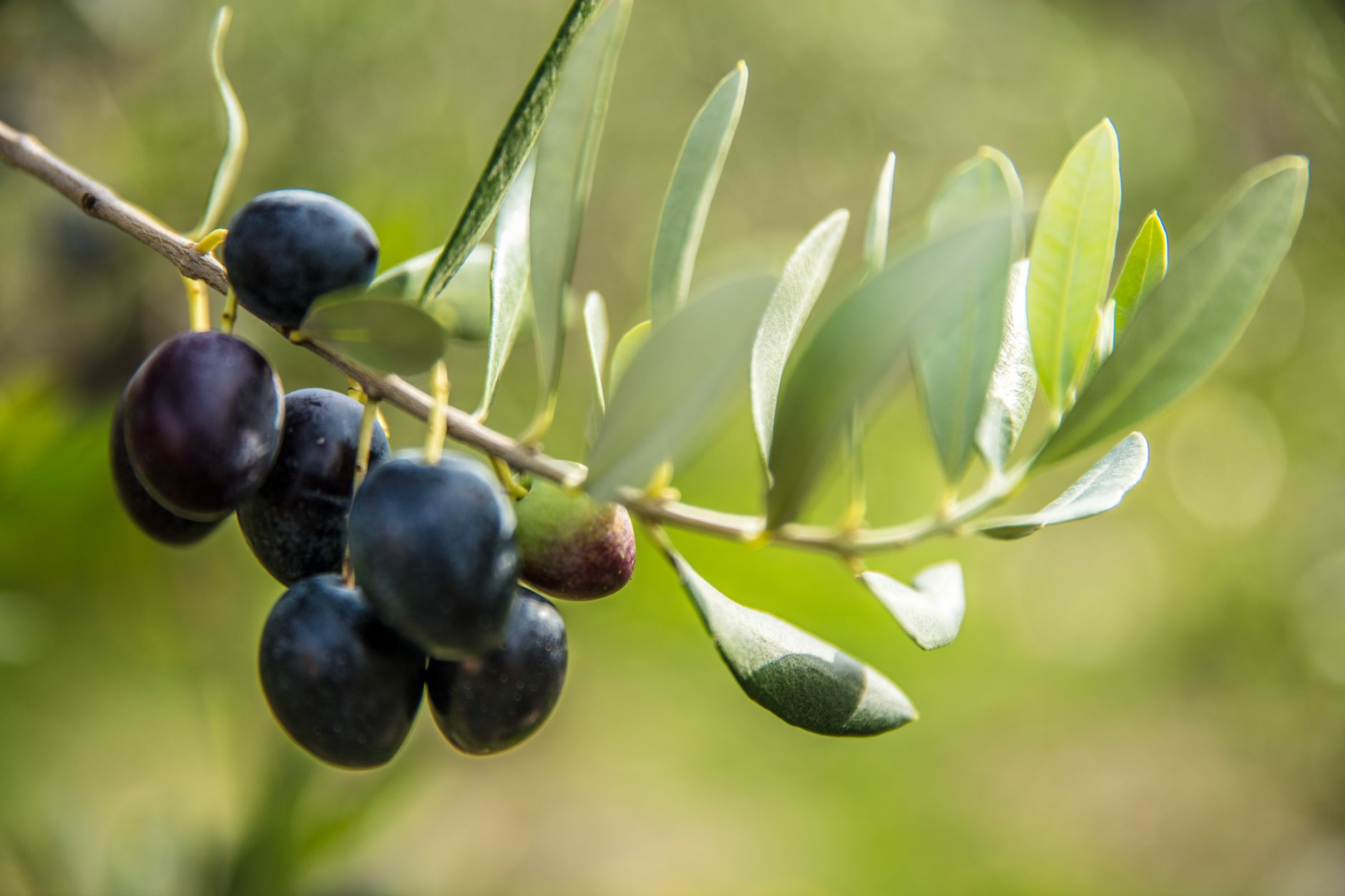
4. Etruscan Olive Groves
Azienda Agricola Frantoio di Sant'Ellero, Reggello, Tuscany, Italy
This historic olive oil mill is situated in a region where olive trees have been cultivated since Etruscan times, millennia before modern Florence.
Just a short drive from Florence, in the picturesque hills of Reggello, lies this historic olive oil estate. The region's unique microclimate and soil are perfect for producing high-quality extra virgin olive oil, a cornerstone of Tuscan cuisine and ancient diets. Here, you can learn about the traditional cold-pressing methods that preserve the oil's rich flavor and health benefits, connecting you directly to agricultural roots stretching back millennia.
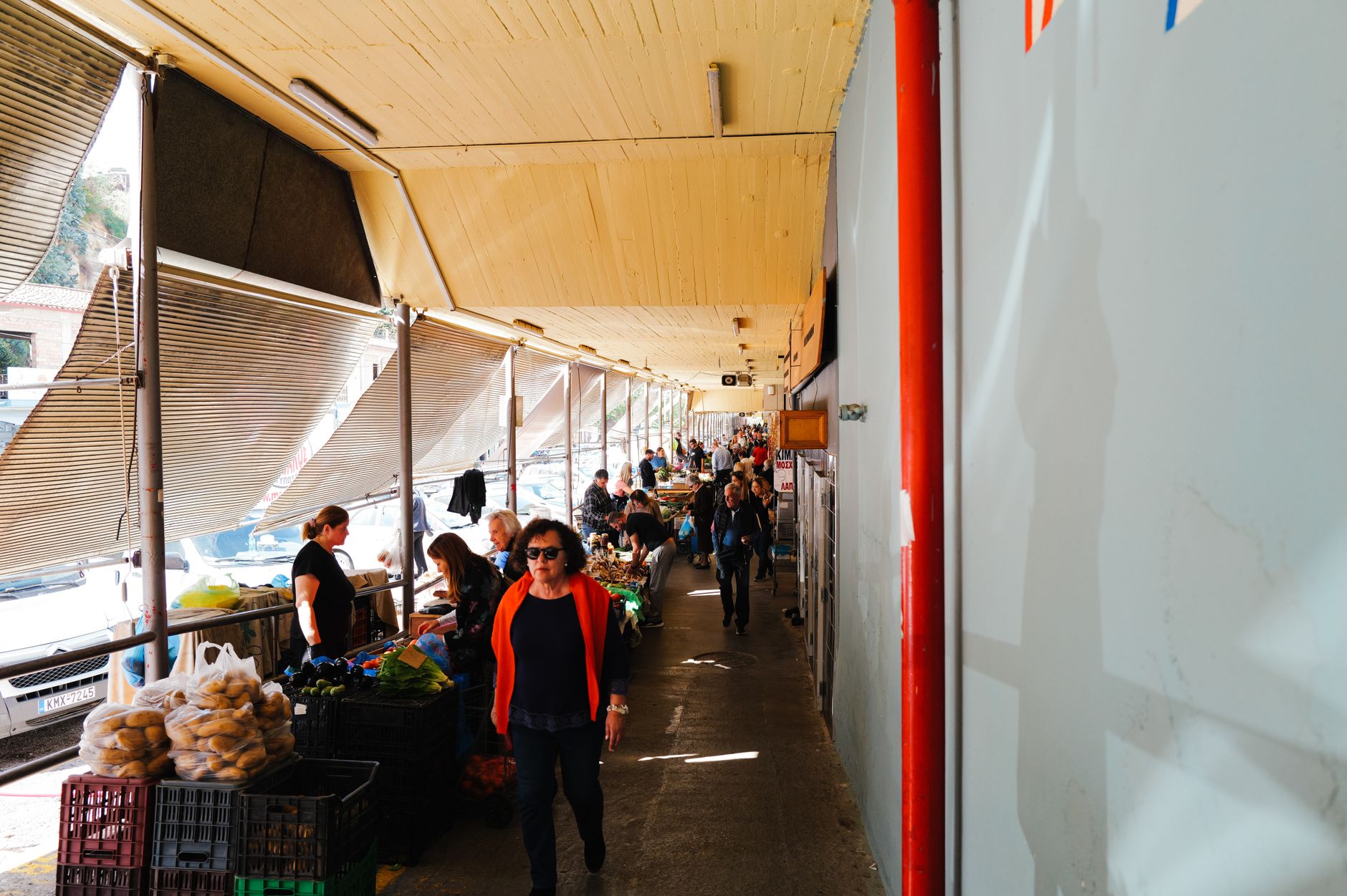
5. The Ducal Hunting Market
Mercato delle Cascine, Florence, Italy
This sprawling weekly market, held along the Arno, has roots in a hunting reserve created by the powerful Medici family in the 16th century.
Every Tuesday, the largest open-air market in Florence comes alive in the beautiful Cascine Park. While not exclusively food, it features extensive sections for local produce, cheeses, and cured meats, attracting Florentines from all over. The park itself was once a ducal hunting ground and farm for the Medici, making the market a vibrant continuation of centuries of Florentine public life and commerce, far removed from a typical tourist stop.
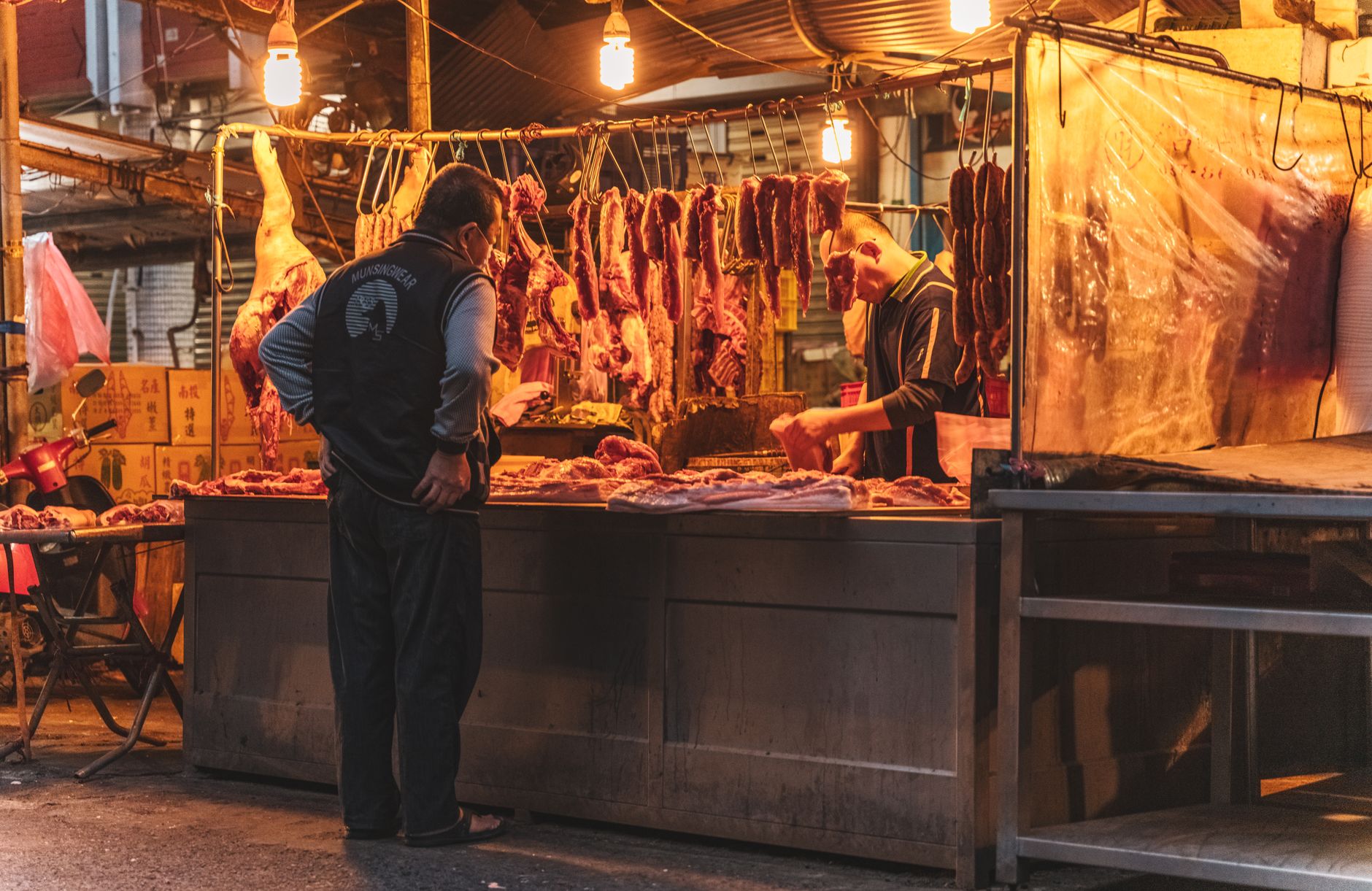
6. The Butcher Who Recites Dante
Antica Macelleria Cecchini, Panzano in Chianti, Tuscany, Italy
This legendary butcher shop is home to Dario Cecchini, a world-renowned artisan who often recites Dante while cutting meat, continuing an 8-generation family tradition.
While a bit further afield in the heart of Chianti, Dario Cecchini's macelleria is a pilgrimage for meat lovers. His theatrical approach to butchery, often quoting poetry and offering guests a glass of wine, celebrates the animal from nose to tail. This shop is not just a place to buy meat; it's a performance and a philosophy, deeply rooted in the Tuscan tradition of respecting every part of the animal and its place in the culinary landscape.

7. Pitti Palace's Hidden Vintages
Enoteca Pitti Gola e Cantina, Florence, Italy
Located directly opposite the Pitti Palace, this enoteca specializes in rare Tuscan wines from small, often unheard-of, producers, not found in larger stores.
This intimate wine bar and shop offers a curated journey through Tuscany's lesser-known vineyards. Unlike larger, more commercial establishments, Pitti Gola focuses on small-batch, artisanal wines, often from families who have been cultivating grapes for generations. Their knowledgeable staff delve into the unique terroir and history behind each bottle, offering a profound appreciation for Tuscany's diverse winemaking landscape right in the heart of the Oltrarno district.
8. Florence's Best-Kept Sweet Secret
Pasticceria Giorgio, Florence, Italy
Famed for its legendary *millefoglie* and classic Florentine pastries, this neighborhood institution has maintained its artisanal quality for over 60 years, known mostly by locals.
A beloved local secret, Pasticceria Giorgio is known for its impeccable quality and traditional approach to Italian sweets. While tourists flock to central cafes, Florentines head here for a true taste of classic pastry craftsmanship. Their *millefoglie* (thousand-layer pastry) is legendary, a testament to generations of dedicated skill, embodying the sweet side of Florentine culinary heritage away from the main thoroughfares and tourist crowds.
Frequently asked questions
What specific dishes will I learn in a Florentine cooking class?
Most Florentine cooking classes focus on classic Tuscan fare. You might learn to prepare fresh pasta like *pappa al pomodoro* or *ribollita*, hearty stews, traditional meat dishes such as *arista di maiale*, and of course, a quintessential Italian dessert like *tiramisù* or *cantucci*.
Are there vegetarian or vegan options available for cooking classes in Florence?
Absolutely. Many cooking schools in Florence are accustomed to dietary restrictions and can adapt menus to be vegetarian or vegan. It's always best to communicate your preferences in advance, but given the abundance of fresh produce, legumes, and grains in Tuscan cuisine, delicious plant-based options are readily available.
How long does a typical Florence food market tour and cooking class last?
A combined experience usually runs for about 4 to 6 hours. This typically includes 1-2 hours exploring a local market, followed by a 3-4 hour hands-on cooking session, culminating in enjoying the meal you've prepared with wine. Some extended classes might include a deeper dive into wine pairing or regional specialties.
How can the AllTours.ai app enhance my culinary exploration of Florence?
AllTours.ai brings the stories of Florence's food scene to life. As you explore markets, historic bakeries, or even the olive groves outside the city, simply point your phone camera at a landmark or landscape. The app will instantly narrate its history, geological impact, and cultural significance, offering a deeper understanding of the ingredients and traditions you encounter.
Related guides
Photography via Pexels. AllTours.ai is an AI audio tour guide — point your camera at any landscape and hear its story.