July 9, 2026 · 5 min read
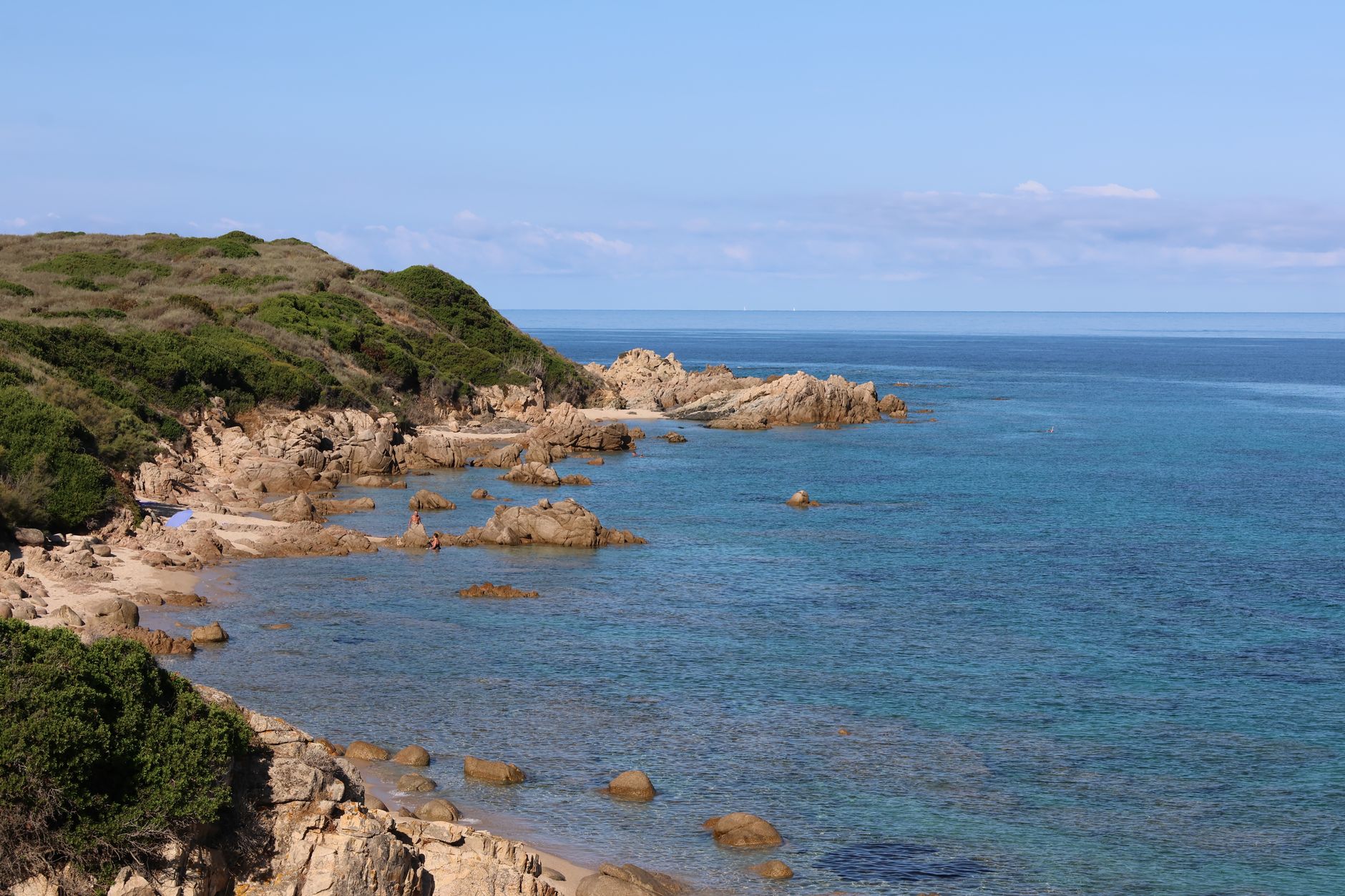
Italy's endless coastline often conjures images of bustling lidos, perfectly arranged sun loungers, and the need for advance bookings, especially in peak season. But what if you crave spontaneity? What if your ideal Italian beach experience is less about planned perfection and more about discovering a hidden cove, feeling the wild wind, and stumbling upon stories etched into the landscape itself?
For the traveler who prefers the path less trodden, Italy holds a treasure trove of lesser-known shores that welcome you without a reservation. We've curated a list of genuine gems — from ancient fishing grounds to shores steeped in myth — where the natural beauty is as compelling as the unexpected history, geology, and culture waiting to be uncovered.
1. Wild Beauty of the Trabocchi Coast
Vasto, Abruzzo, Italy
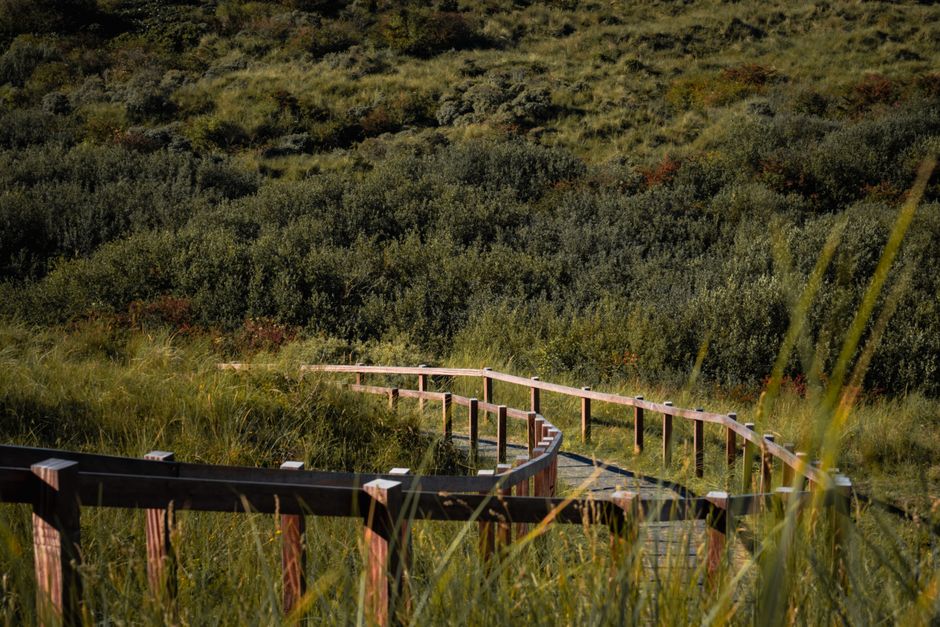
This wild natural reserve is famous for its unique wooden fishing machines, called 'trabocchi', which seem to walk on water.
Punta Aderci Natural Reserve preserves a raw stretch of Adriatic coastline, where golden beaches meet dramatic cliffs. The most striking features are the trabocchi, ingenious wooden structures built on stilts that allowed fishermen to cast nets without venturing out to sea. These engineering marvels, some centuries old, are a testament to local ingenuity and a dwindling tradition. The reserve also boasts diverse flora and fauna, making it a haven for nature lovers seeking unspoiled Italian beauty.
2. Where Myth Meets Molten Rock
Aci Trezza, Sicily, Italy
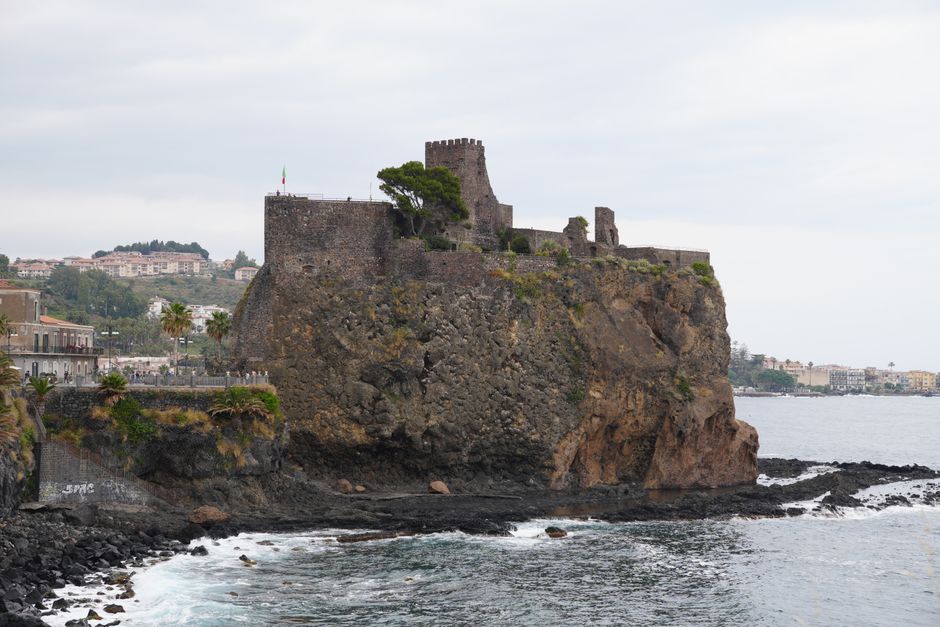
Offshore, a series of dramatic basalt columns are said to be the rocks hurled by the Cyclops Polyphemus at Odysseus.
The Spiaggia dei Ciclopi, or Cyclops Beach, at Aci Trezza is less about soft sand and more about striking volcanic geology and ancient myth. Black pebble shores overlook the Faraglioni dei Ciclopi, enormous basalt rock stacks rising majestically from the Ionian Sea. Local legend, immortalized by Homer, claims these were the stones thrown by a blinded Cyclops Polyphemus at Odysseus as he escaped. Formed by ancient underwater eruptions, these geological wonders provide a dramatic backdrop for swimming and snorkeling, inviting visitors to ponder tales of gods and heroes.
3. Echoes of Industry, Sands of Gold
Gonnesa, Sardinia, Italy
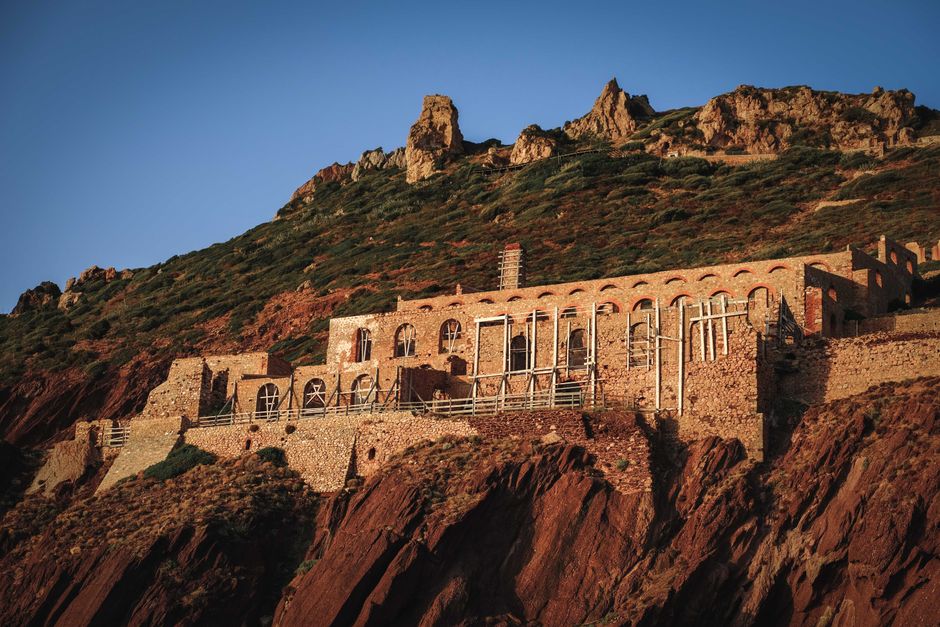
This vast golden beach sits beneath the dramatic ruins of an abandoned mining complex, blending industrial history with natural beauty.
Spiaggia di Funtanamare, meaning "spring to the sea," offers a unique landscape where Sardinia's rich mining past meets its stunning coastline. The long, wide sandy beach is backed by the remnants of the Argentiera mining site, a fascinating example of industrial archaeology. Visitors can explore the old tunnels and buildings that once hummed with activity, transporting lead and zinc, before descending to the shore. The contrast between the stark, historical structures and the inviting turquoise sea creates a deeply atmospheric and thought-provoking experience, far from typical resort crowds.
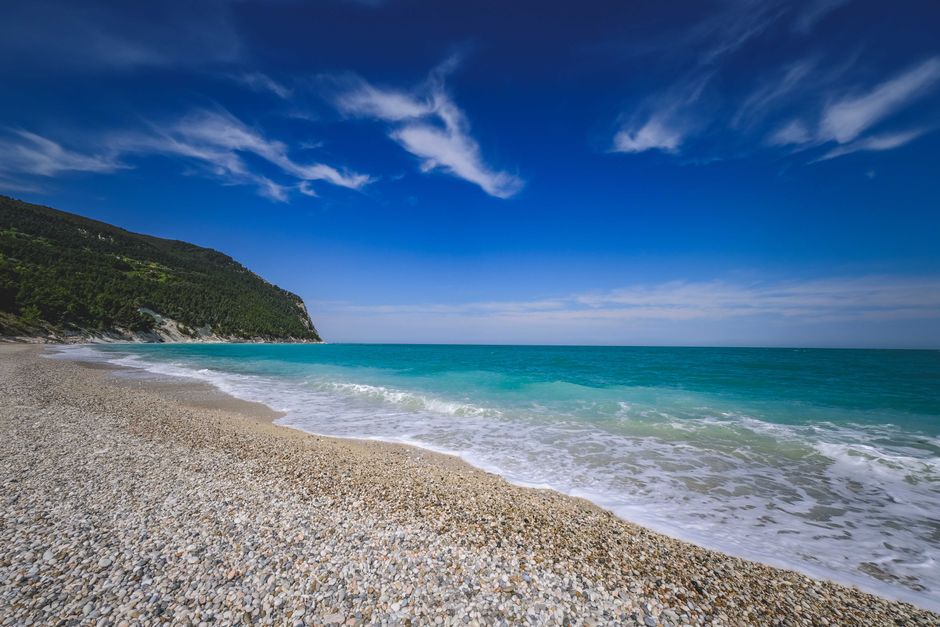
4. Bologna's Hidden Wild Retreat
Ancona, Marche, Italy
Tucked away on the Conero Riviera, this wild, unserviced beach is a local secret, accessible only via a steep path down a cliff face.
Spiaggia di Mezzavalle is a pristine, natural beach on the stunning Conero Riviera, cherished by locals as a wild escape. Unlike the more manicured beaches nearby, Mezzavalle remains gloriously unserviced, requiring a short but steep hike down a path carved into the dramatic white cliffs. This effort rewards visitors with crystal-clear waters, soft pebbles, and a sense of genuine seclusion. The cliffs themselves bear geological evidence of ancient landslides, adding another layer of natural history to this ruggedly beautiful, tranquil spot perfect for a peaceful day by the sea.
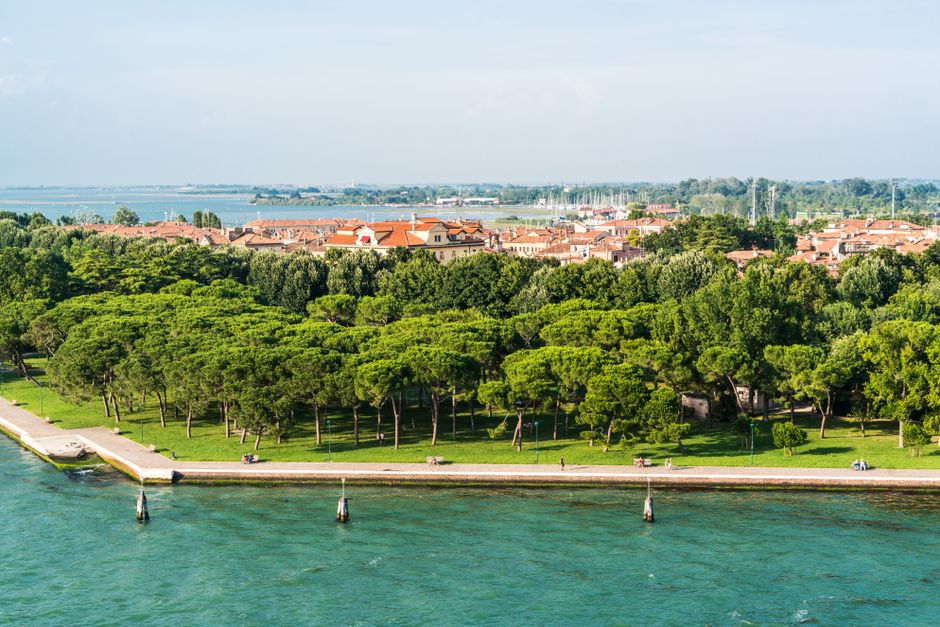
5. Ancient Grottos and Roman Secrets
Marina di Camerota, Campania, Italy
This protected marine bay features natural sea caves and traces of ancient Roman fish ponds carved into the rock.
Baia degli Infreschi, part of the Cilento and Vallo di Diano National Park, is a marine jewel known for its breathtaking natural beauty and historical intrigue. Its name, "infreschi," refers to the remarkably cold fresh water springs that emerge directly into the sea from underground caves, creating unique temperature variations. Along its rugged coastline, visitors can discover ancient Roman fish ponds, expertly carved into the rock by hand, hinting at sophisticated aquaculture. The bay is best explored by boat or via a scenic hiking trail, revealing a pristine environment steeped in both natural wonders and human history.
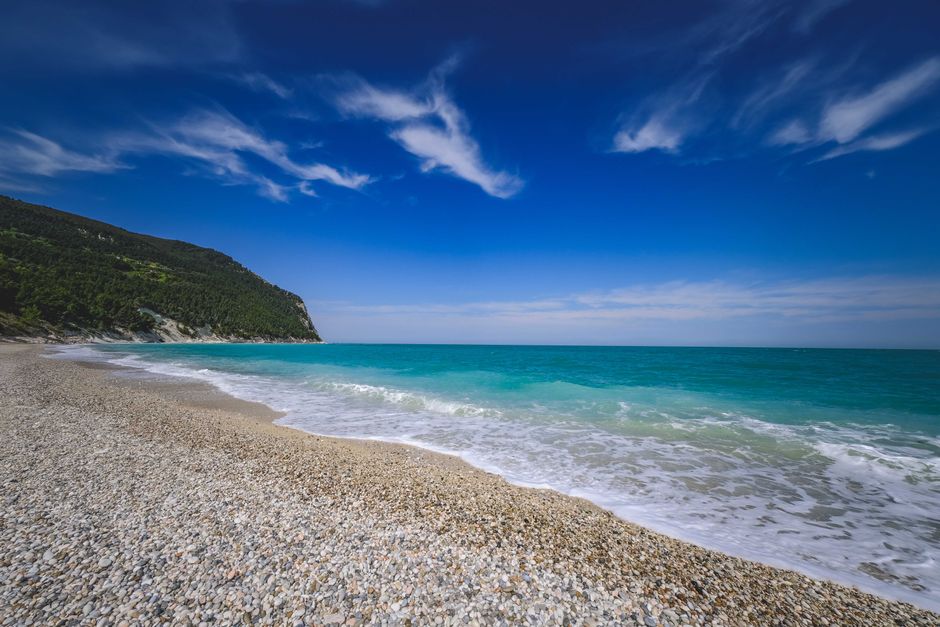
6. Monks, Watchtowers, and White Shores
Ancona, Marche, Italy
This tranquil pebble beach is overlooked by an ancient Saracen watchtower and the remnants of a 11th-century Franciscan monastery.
Spiaggia dei Frati, or "Monks' Beach," near Portonovo, offers a blend of natural beauty and historical resonance on the Conero Riviera. Its smooth white pebbles and emerald waters are framed by lush green cliffs, creating a picturesque cove. Above the beach stands the Torre de Bosis, a medieval watchtower originally built to defend against pirate raids. Nearby, the Romanesque church of Santa Maria di Portonovo, once part of a Franciscan monastery, adds a deep sense of history to the serene landscape. It's a place where you can swim in crystal-clear waters with centuries of stories unfolding around you.
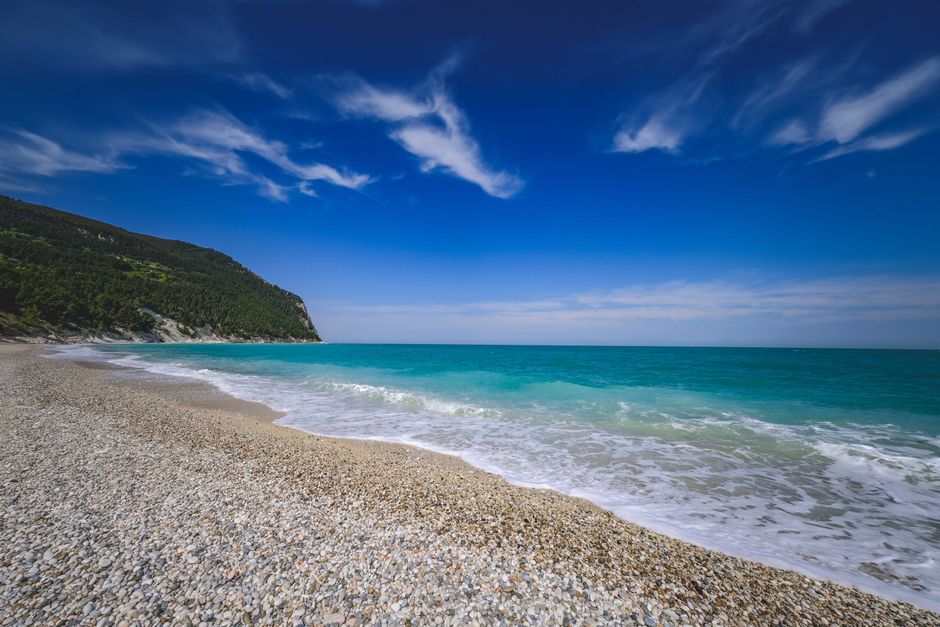
7. A Ribbon of Sand Between Two Seas
Sant'Antioco, Sardinia, Italy
This unique beach is a narrow strip of land, a "tombolo," that separates two distinct bodies of water, giving it the name "Beach of Two Seas."
Spiaggia dei Due Mari, located on the Isola di Sant'Antioco, is a fascinating geological formation. This long, narrow stretch of sand acts as a natural bridge, or tombolo, connecting two parts of the island and separating the open sea from a calmer lagoon. The distinct conditions on either side—one often windier with waves, the other tranquil and shallow—create two very different beach experiences within steps of each other. The area is also rich in ancient history, with nearby Phoenician and Punic archaeological sites offering glimpses into Sardinia's layered past.
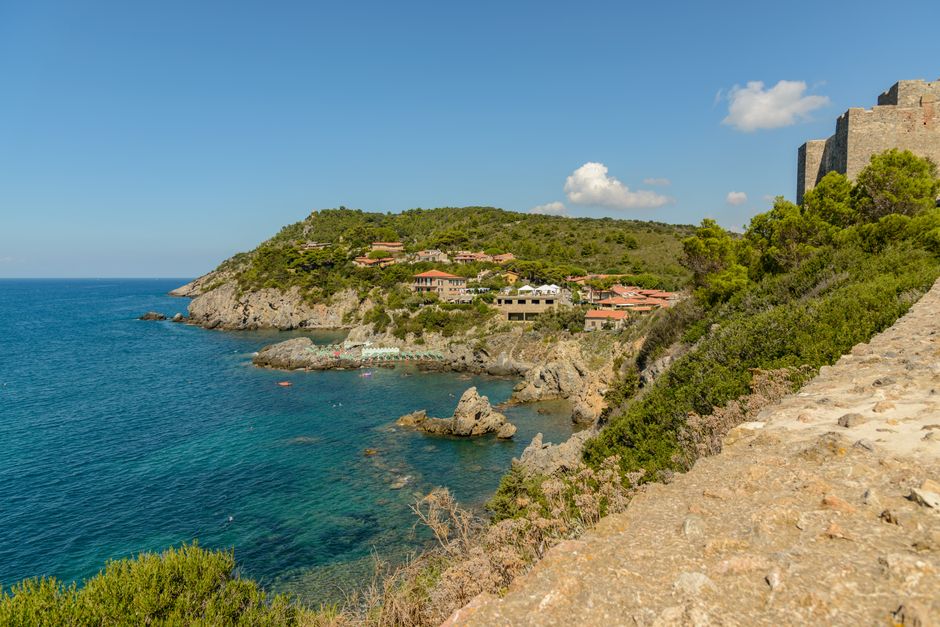
8. Hidden Cove of the Spanish Tower
Monte Argentario, Tuscany, Italy
This secluded pebble cove is overlooked by a historic Spanish watchtower, once guarding against pirate invasions.
Cala Moresca, nestled on the Monte Argentario peninsula, offers a truly wild and untamed Tuscan beach experience. This small, unserviced cove of dark pebbles and clear waters is reached by a winding, unpaved road and a short descent, ensuring it remains a tranquil escape. Dominating the landscape above is the striking Torre di Cala Moresca, a 16th-century Spanish watchtower built to protect the coast from Ottoman and Barbary pirate incursions. The tower stands as a silent sentinel, a reminder of the region's turbulent history, adding a dramatic historical context to this serene natural setting.
Frequently asked questions
Are most Italian beaches free to access?
Yes, the majority of Italy's beaches are free to access. However, many popular stretches are managed by "stabilimenti balneari" (beach clubs) that offer amenities like sun loungers, umbrellas, and changing rooms for a fee. Public sections, known as "spiaggia libera," are always available.
Can I visit any Italian beach without a reservation?
While most beaches are open to all, some highly protected or very popular beaches, especially in Sardinia or Sicily, have introduced limited access or booking requirements during peak season to manage crowds and preserve the environment. Our list focuses on those that generally do not require advance booking.
What should I bring to a less-known Italian beach?
For lesser-known and unserviced beaches, it's wise to bring essentials like water, snacks, sunscreen, a hat, and a towel. Comfortable shoes are often a good idea, as access paths can be steep or rocky. Don't forget a bag for any trash, as bins might not be available.
How can AllTours.ai enhance my beach experience?
AllTours.ai brings the hidden stories of these unique beaches to life. Simply point your phone camera at a landmark or landscape, and the app will narrate its fascinating history, geological formation, or cultural significance in your language, turning a beautiful view into an immersive journey through time and nature.
Related guides
Photography via Pexels. AllTours.ai is an AI audio tour guide — point your camera at any landscape and hear its story.