
July 25, 2026 · 4 min read
Florence, the cradle of the Renaissance, often conjures images of the Duomo, the Uffizi, and Michelangelo's David. While these icons are undeniably magnificent, a single day in this captivating city can offer so much more than just ticking off the famous landmarks. To truly maximize your time, the key lies in looking beyond the obvious, discovering the profound stories woven into its lesser-known corners.
This itinerary is crafted for the curious traveler, designed to immerse you in Florence's rich tapestry of art, history, and daily life. From ancient apothecaries to secret gardens and architectural marvels with surprising backstories, prepare to experience a side of Florence that will deepen your appreciation for its enduring legacy and unique charm.
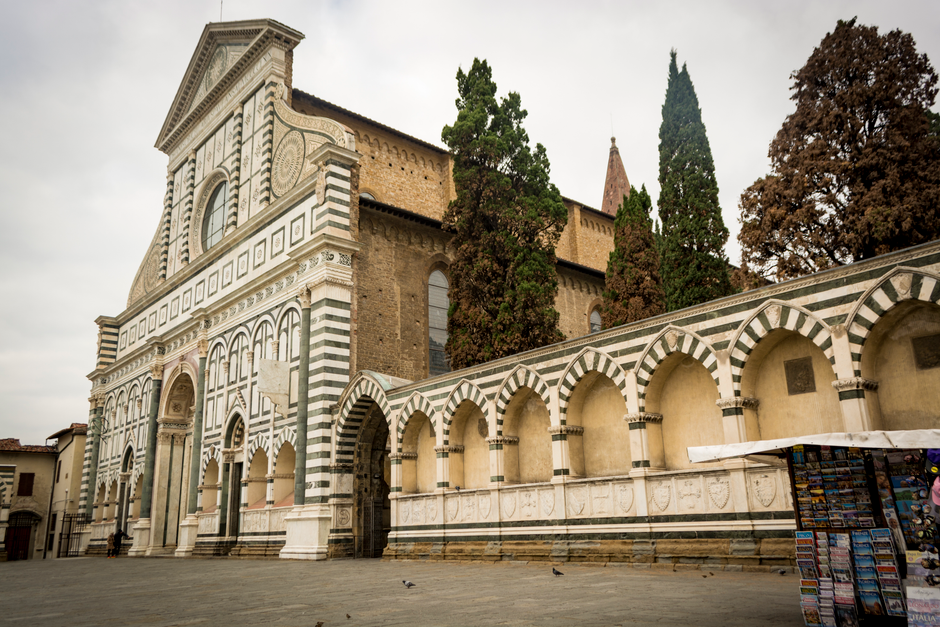
1. The Oldest Apothecary's Secret
Florence, Italy
This opulent pharmacy has been continuously operating for over 800 years, originally run by Dominican friars who cultivated medicinal herbs.
Founded in 1221, the Officina Profumo-Farmaceutica di Santa Maria Novella began as a monastic infirmary producing herbal remedies. Its fame grew, and by the 17th century, it was open to the public, creating perfumes for royalty like Catherine de' Medici. Today, the stunning frescoed halls still sell traditional elixirs, soaps, and perfumes, using many of the original formulations. It’s a sensory journey through centuries of Florentine craftsmanship.
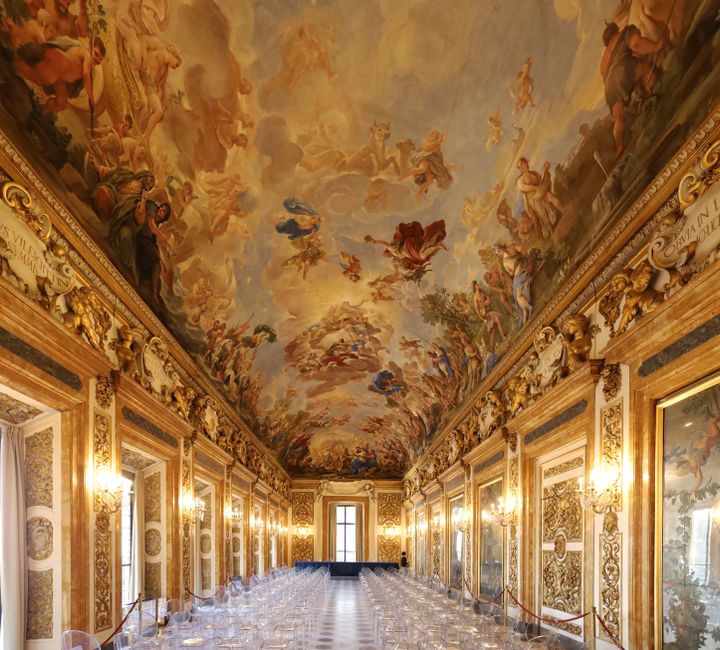
2. A Glimpse into Medieval Domestic Life
Florence, Italy
Step inside a rare preserved 14th-century merchant's home complete with original frescoes and an early form of indoor plumbing.
While grand palaces abound, Palazzo Davanzati offers a unique window into everyday Renaissance life. Built for the Davizzi family around 1350, it features a central courtyard, wooden ceilings, and surprisingly advanced amenities for its time, like a system of shafts connecting latrines on each floor to a cesspit. The museum displays authentic furniture, textiles, and household items, revealing the domestic routines of a wealthy Florentine family.
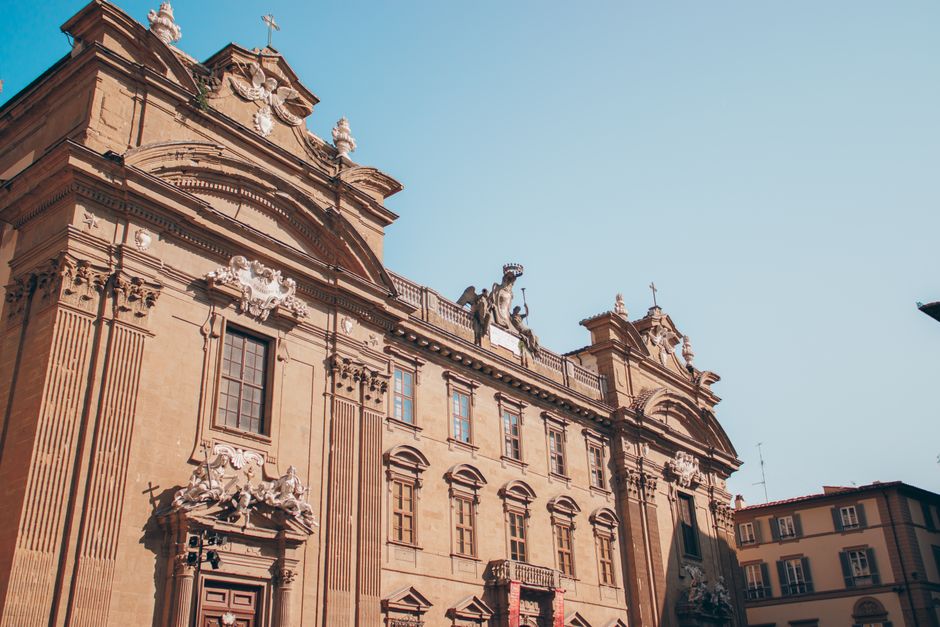
3. The Cradle of Renaissance Architecture
Florence, Italy
This elegant portico, designed by Brunelleschi, was not a church or palace, but the world's first secular orphanage, setting the standard for Renaissance design.
Commissioned in 1419, the Ospedale degli Innocenti is a masterpiece of early Renaissance architecture, distinguished by its harmonious proportions and innovative use of classical elements. The famous loggia with its elegant arches and terracotta roundels by Andrea della Robbia became a model for future buildings. Beyond its architectural significance, it served as a refuge for abandoned children for nearly six centuries, a profound testament to Florentine civic humanism.
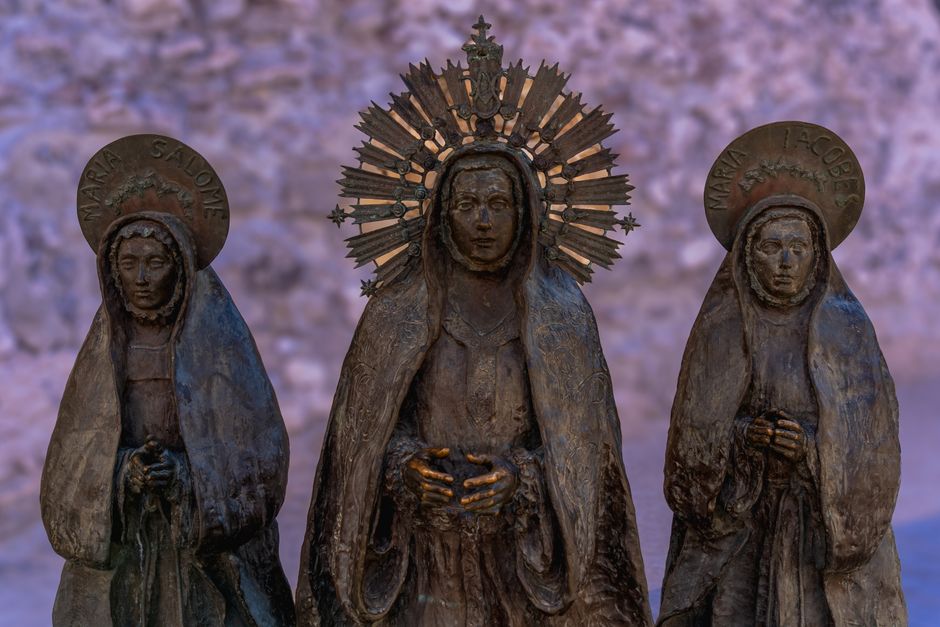
4. Brunelleschi's Unfinished Farewell
Florence, Italy
Despite its unassuming exterior, this basilica was Brunelleschi's final and favorite architectural project, intended to be a perfect expression of Renaissance ideals.
Often overlooked for flashier churches, Santo Spirito reveals the mature genius of Filippo Brunelleschi. He designed the interior space as a harmonious forest of columns, emphasizing geometric purity and light. Though the exterior was completed differently than his vision after his death, the austere facade belies the breathtaking, spatially complex interior. Look for Michelangelo's wooden crucifix, carved when he was just seventeen, a poignant early work.
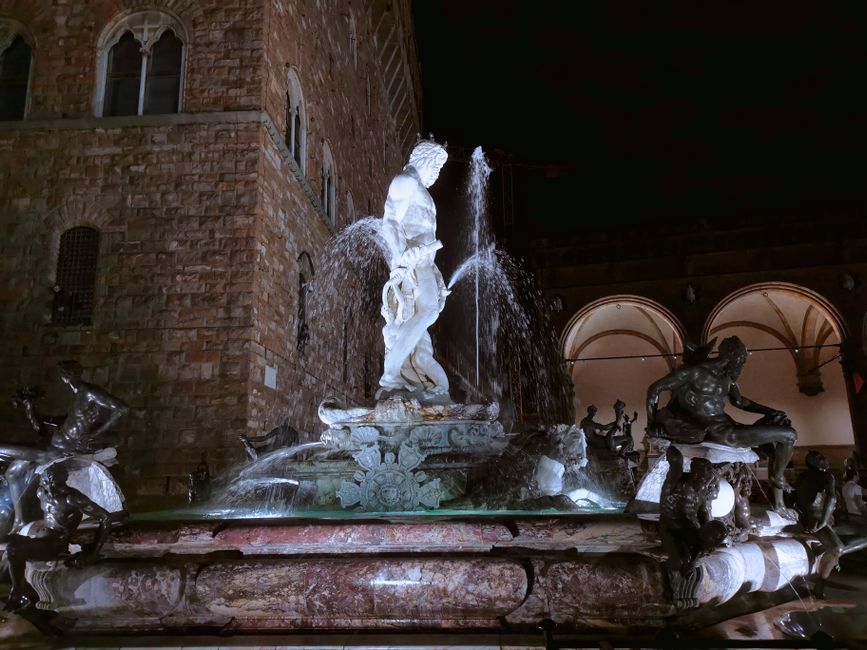
5. The Boar of Good Fortune
Florence, Italy
Rubbing the snout of this bronze wild boar statue is said to guarantee your return to Florence, but its original purpose was far more practical.
While now a popular tourist ritual, the Porcellino (little pig) statue, a copy of a Hellenistic marble, originally served a grittier purpose. It marked the location of the Mercato Nuovo (New Market), where goods like silk and straw hats were sold. The fountain provided fresh water to merchants and their customers. The current bronze, sculpted by Pietro Tacca in the 17th century, is now a beloved symbol of good luck and a charming piece of street art.
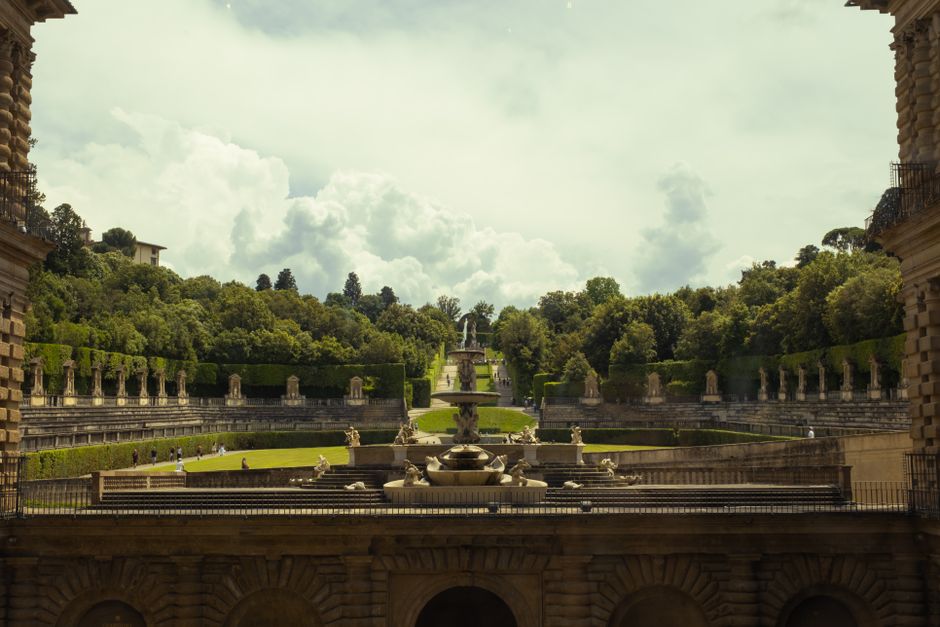
6. Terraces Above the Arno
Florence, Italy
Escape the crowds in these stunning terraced gardens offering unparalleled views of Florence, featuring a unique Baroque staircase and an olive grove.
Often overshadowed by the more famous Boboli Gardens, the Bardini Gardens provide a more intimate and varied experience. Spanning across a hillside, they boast four distinct areas, including an English wood, an Italianate garden with its iconic Baroque staircase, and an agricultural park with olive trees and wisteria pergolas. The panoramic views from the belvedere, encompassing the Duomo and the Arno, are arguably the best in the city and offer a tranquil retreat.
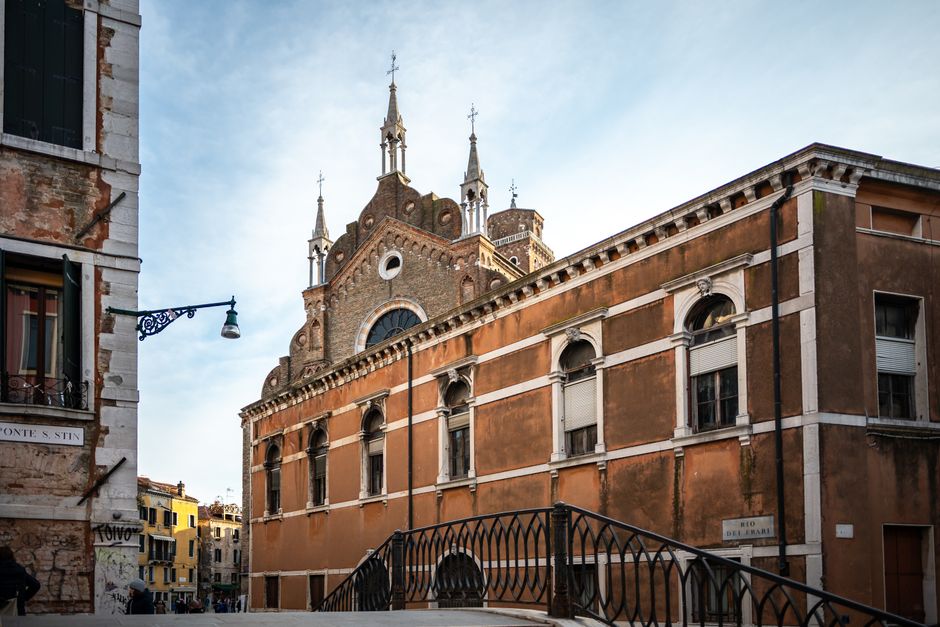
7. Sacred Art in a Monk's Cell
Florence, Italy
This former Dominican monastery houses an astonishing collection of frescoes by Fra Angelico, many painted directly into the cells where monks once lived.
San Marco is not just a museum; it's a profound spiritual experience. Fra Angelico, a devout Dominican friar, adorned the monastery with his luminous frescoes, creating a visual theology for his brethren. Each monk's cell upstairs contains a unique fresco intended for private contemplation. The library, designed by Michelozzo, is another highlight, showcasing exquisite illuminated manuscripts. The purity and devotion captured in Angelico's work here are unparalleled.
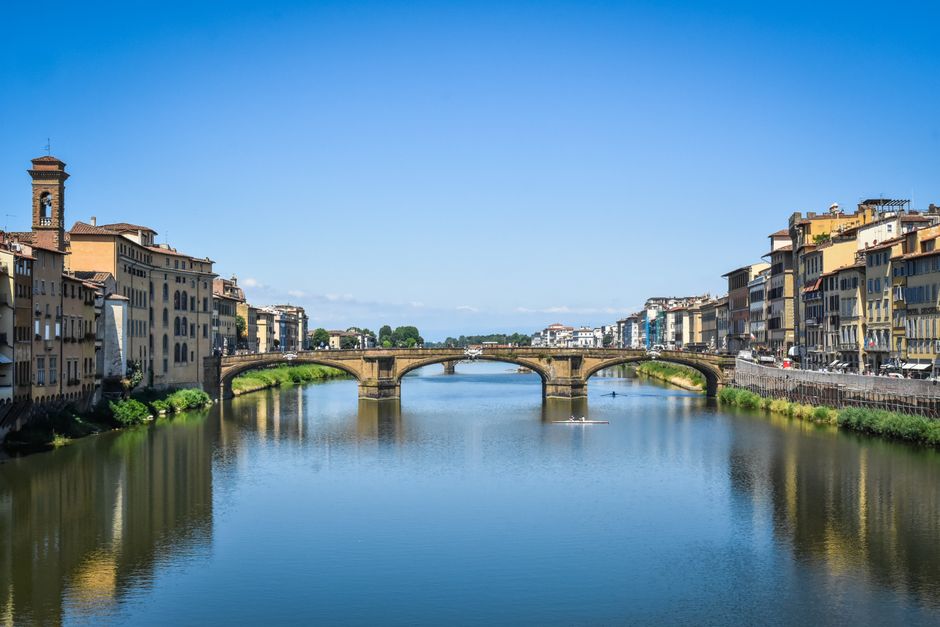
8. Florence's Most Elegant Bridge
Florence, Italy
This seemingly simple bridge, destroyed in WWII, was meticulously rebuilt using the original stones painstakingly retrieved from the Arno Riverbed.
While the Ponte Vecchio draws all the attention, Ponte Santa Trinita is considered Florence's most beautiful bridge, famed for its elegant elliptical arches designed by Bartolomeo Ammannati (possibly with input from Michelangelo). Blown up by retreating German forces in 1944, Florentines were determined to rebuild it exactly. They recovered as many original stones as possible from the river and even used historical photographs to reconstruct its unique curves, a testament to the city's reverence for its heritage.
Frequently asked questions
Is 1 day in Florence enough to see the main sights?
While a single day in Florence allows you to experience its essential charm and some iconic landmarks, it truly only scratches the surface. Prioritize what interests you most, whether it's art, history, or cuisine, and accept that you'll need to make choices.
What's the best way to get around Florence in one day?
Florence's historic center is highly walkable, making walking the best way to explore and discover its hidden gems. Public buses are available for longer distances, but for a single day, comfortable shoes and a good map are your best companions.
What should I eat for an authentic Tuscan lunch in Florence?
For an authentic Tuscan lunch, seek out a local trattoria or osteria away from the main tourist squares. Try ribollita (a hearty bread and vegetable soup), pappa al pomodoro (tomato bread soup), or a classic lampredotto sandwich from a street vendor for a true Florentine experience.
How can AllTours.ai enhance my Florence day trip?
AllTours.ai deepens your exploration by providing instant audio narratives about any landmark or landscape you point your camera at. From the hidden stories of a palazzo to the geology of the Arno, the app offers rich context and surprising facts in your language, making your 1 day in Florence truly come alive.
Related guides
Photography via Pexels. AllTours.ai is an AI audio tour guide — point your camera at any landscape and hear its story.