July 23, 2026 · 4 min read
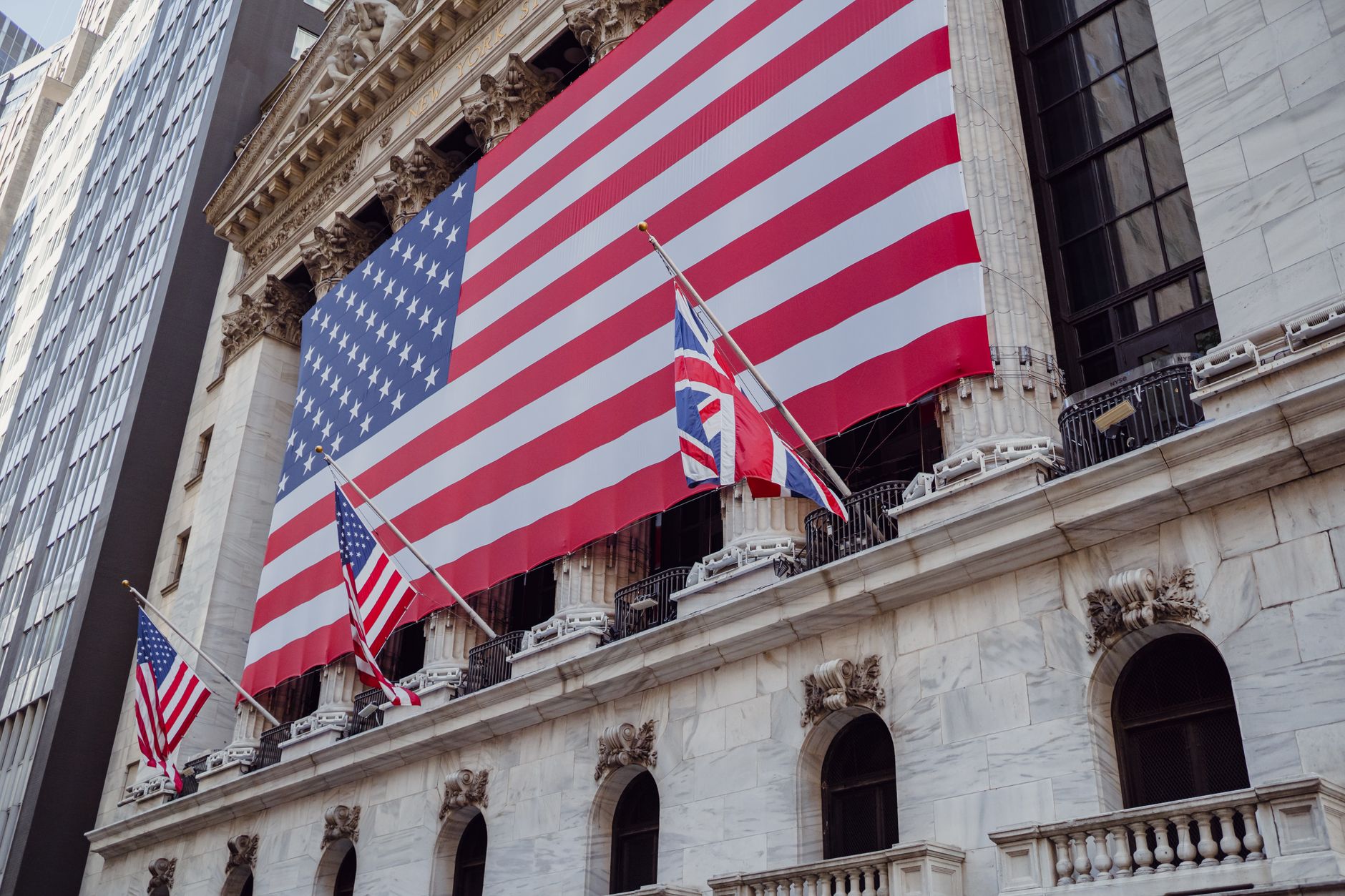
Moving across the Atlantic as an American expat to the United Kingdom often brings a mix of excitement and longing. While the UK offers its own unique charm—historic pubs, rolling green hills, and vibrant cities—there are inevitably moments when the familiar comforts and cultural touchstones of home are missed. From wide-open spaces to distinct regional histories, the echoes of the US can feel distant.
Yet, the UK holds surprising connections to American life, history, and culture, often hidden in plain sight, far from the usual tourist paths. These lesser-known spots offer a unique opportunity for expats to bridge the cultural gap, finding a sense of familiarity or discovering how deeply intertwined our histories truly are. Join us on a journey to uncover these fascinating cultural crossroads.
1. The Stones That Built Two Nations
Isle of Portland, Dorset, England
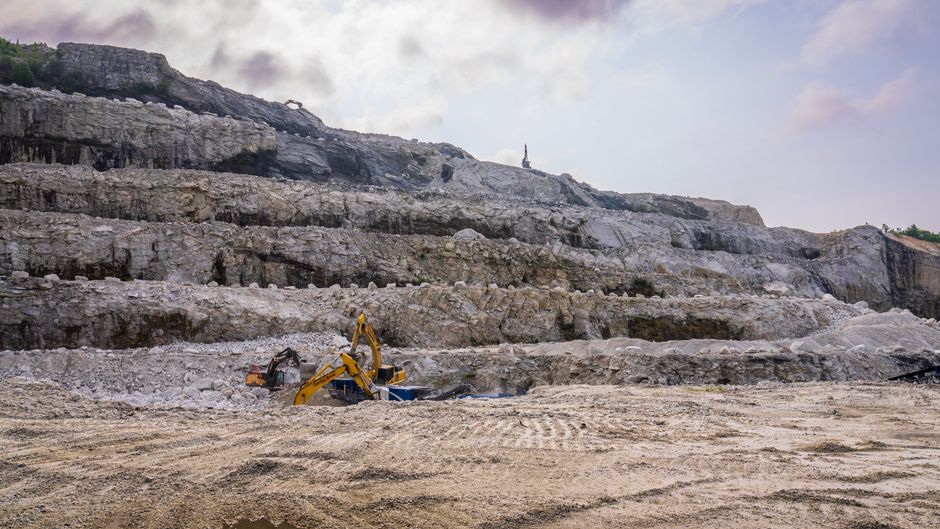
This rugged island in the English Channel supplied the very stone used to construct not just London landmarks, but also parts of the United Nations Headquarters in New York City.
Portland stone, a distinctive white-grey limestone, has been quarried here for centuries. Its durability and aesthetic appeal made it the material of choice for St Paul's Cathedral and Buckingham Palace. Less known is its journey across the Atlantic, where it was specifically selected for its quality to form elements of the iconic UN Secretariat Building, creating a physical, enduring link between the two nations.
2. Echoes of the American Gold Rush
Wheal Coates Tin Mine, Cornwall, England
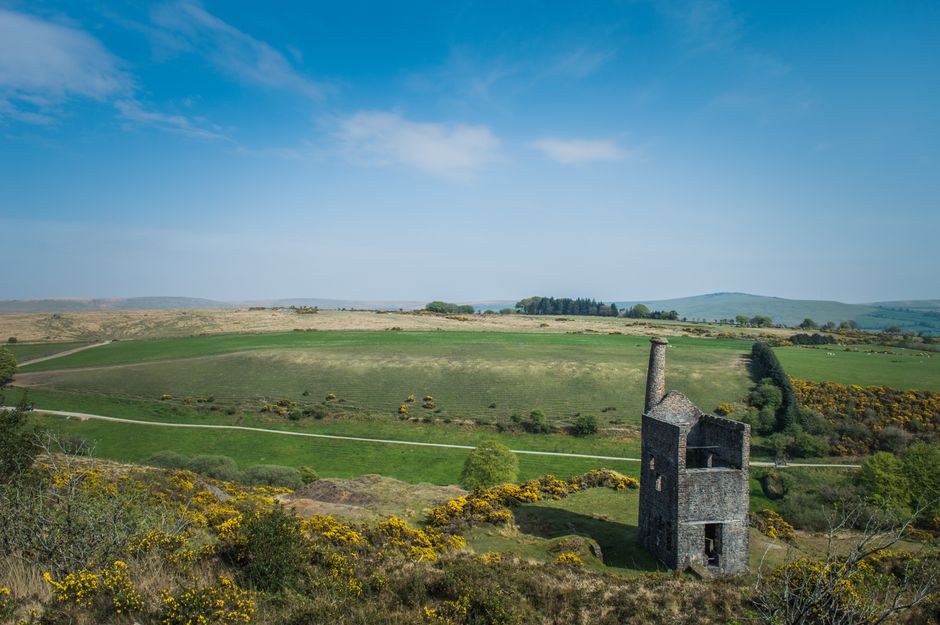
The dramatic ruins of Cornwall's engine houses, clinging to the cliffs, represent a mining heritage that profoundly influenced America's own industrial expansion and gold rushes.
When Cornwall's tin and copper mines declined in the 19th century, thousands of skilled Cornish miners emigrated worldwide, many heading to the burgeoning mining frontiers of the United States. They brought with them advanced techniques, deep knowledge of geology, and a strong work ethic, directly contributing to the development of mining in Michigan's copper range, California's goldfields, and the silver mines of Nevada, leaving an indelible mark on American industrial history.

3. A Cold War Flashpoint Turned Haven
Greenham Common, Berkshire, England
Now a tranquil nature reserve, this vast expanse was once a highly controversial US Air Force base and the epicentre of a decades-long women's peace protest.
During the Cold War, Greenham Common became a critical site for the deployment of US cruise missiles, sparking one of the largest and most enduring peace movements in British history. Thousands of women camped outside the base for years, forming a powerful symbol of international anti-nuclear sentiment and Anglo-American relations. Today, walking its paths, one can still sense the echoes of both military presence and determined activism, a unique blend of recent history and peaceful recovery.
4. Wilderness and War of 1812 Secrets
Dartmoor National Park, Devon, England
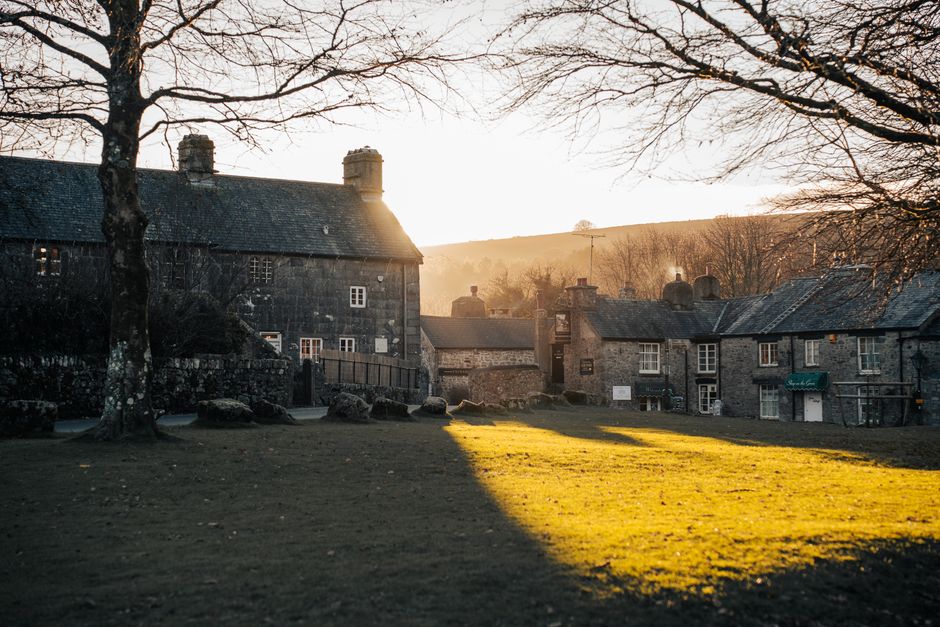
Beyond its wild ponies and granite tors, Dartmoor's bleak landscape contains the remnants of a grim prisoner-of-war depot that held thousands of American sailors during the War of 1812.
Dartmoor Prison, still operational today, was originally built to house French and American prisoners during the Napoleonic Wars and the War of 1812. Conditions were harsh, and many Americans perished here, their graves marked in a special cemetery. This hidden history provides a stark reminder of early Anglo-American conflicts, embedded within a landscape now famed for its natural beauty and ancient mysteries, offering a poignant connection to a shared past.
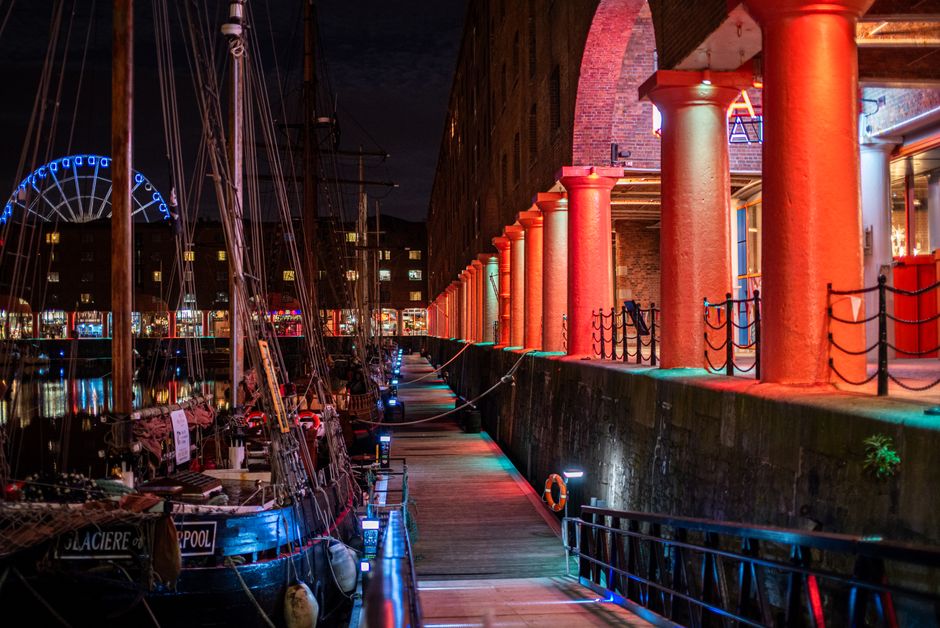
5. Transatlantic Ties in a Historic Port
Albert Dock, Liverpool, England
This iconic UNESCO World Heritage site was not just a hub for global trade, but a pivotal gateway for the transatlantic movement of goods, people, and the abolitionist cause.
In the 19th century, Liverpool was the busiest port in the world, with direct shipping lanes to the American South. It was the primary entry point for cotton destined for British mills, but also saw the arrival of figures like Frederick Douglass, who spoke passionately against slavery in the city. The docks witnessed both the immense profits of the slave trade and the powerful rise of the abolitionist movement, making it a place where the complex, often dark, threads of Anglo-American history are deeply woven.
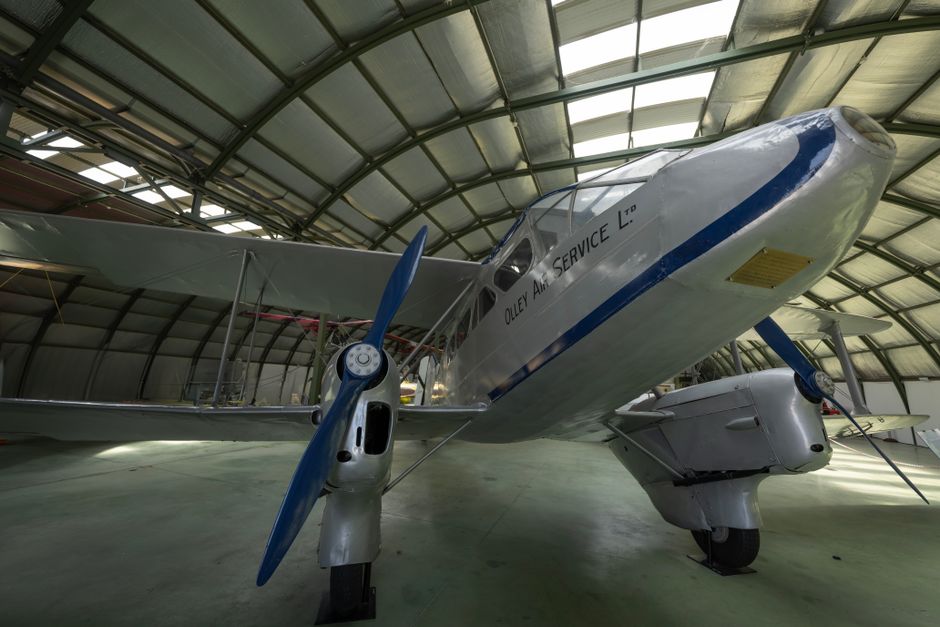
6. Norfolk's American Skies
Seething Airfield, Norfolk, England
Deep in the rural Norfolk landscape, the runways of former WWII airfields like Seething still echo with the powerful legacy of American bomber crews who called this corner of England home.
During World War II, East Anglia became known as "Little America" due to the dozens of US Army Air Forces bases established across the region. Young American airmen, flying B-24 Liberators and B-17 Flying Fortresses, formed deep bonds with local communities. Seething Airfield, now partly a museum and an active light aviation hub, offers a tangible connection to those crucial years, remembering the sacrifices and the unexpected friendships forged between two nations in a time of global conflict.
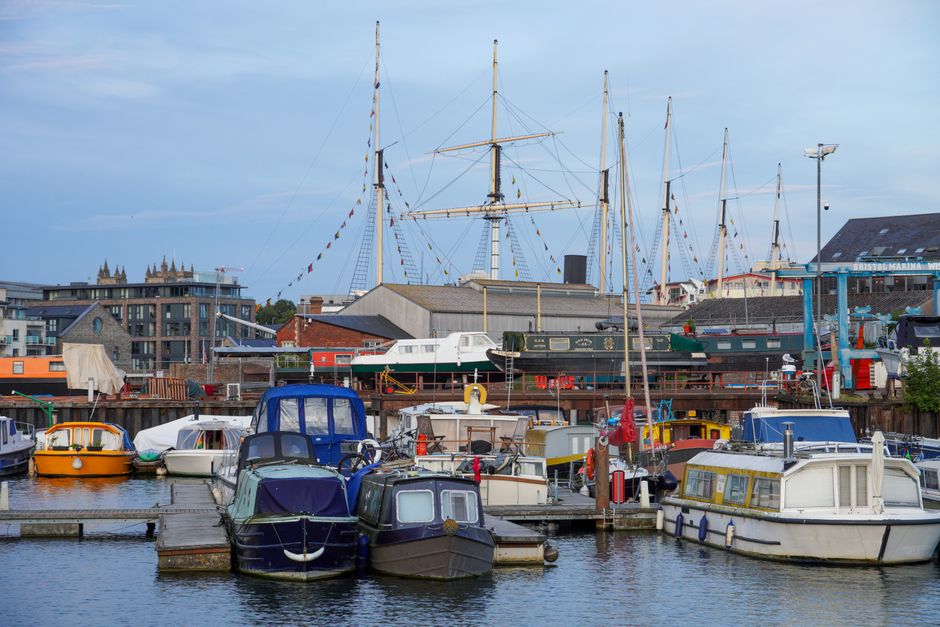
7. The Journey of Indentured Servitude
Bristol Harbourside, Bristol, England
Bristol's vibrant Harbourside, now a cultural hotspot, was once a major departure point for thousands of indentured servants heading to the American colonies, a lesser-known aspect of early transatlantic migration.
Before the Mayflower, and continuing for centuries, many Britons sought new lives in America not as free settlers, but as indentured servants, trading years of labor for passage. Bristol, as a prominent port, facilitated much of this human traffic, particularly to the Chesapeake Bay colonies. Walking along the historic quays, one can contemplate the hopes and hardships of these early migrants, whose stories are a foundational, yet often overlooked, part of the American experience, directly tied to this bustling English city.
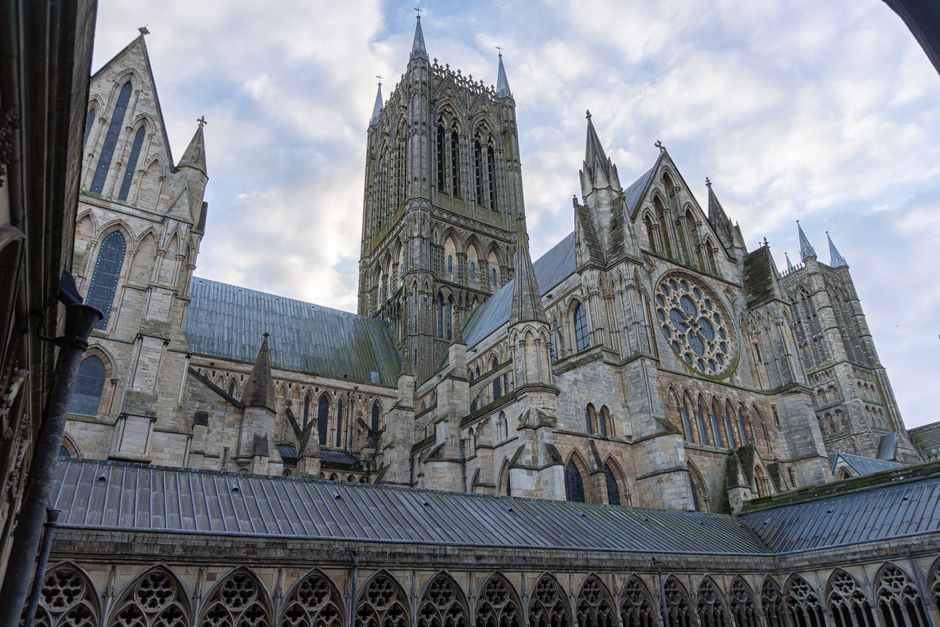
8. Lincoln's Allied Treasures
Lincoln Cathedral, Lincolnshire, England
This magnificent Gothic cathedral, once the tallest building in the world, secretly safeguarded priceless national treasures during WWII while American bomber crews were stationed just miles away.
During the darkest days of World War II, parts of Lincoln Cathedral, including its chapter house, were repurposed as secure storage for valuable items from the British Museum and the National Gallery, protecting them from air raids. Simultaneously, the flat plains surrounding Lincoln became home to numerous US Army Air Forces bases. This juxtaposition of ancient heritage protecting national treasures, while modern American forces prepared for combat nearby, highlights a unique, collaborative chapter in Anglo-American wartime history.
Frequently asked questions
What do American expats miss most about the US in the UK?
Many American expats often miss the sheer scale of the US—its vast open spaces, larger portion sizes, and the convenience of widespread 24/7 services. They might also long for specific regional foods, the casual friendliness of strangers, or the cultural familiarity of American sports and holidays.
How can American expats find American culture in the UK?
Beyond visiting specific historical sites like those mentioned, expats can connect with American communities through social clubs, university groups, and online forums. Many cities have American-themed restaurants, delis, and bars, and some cinemas show US sporting events or indie films. Seeking out places with strong transatlantic ties, like major port cities, often helps.
Are there any specific UK regions with strong American ties?
East Anglia, particularly Norfolk and Suffolk, has incredibly strong ties due to the numerous US Army Air Forces bases during WWII, earning it the nickname "Little America." Major port cities like Liverpool and Bristol also have deep historical connections through trade and migration. Cornwall's mining heritage links directly to American mining booms.
How does the AllTours.ai app enhance travel for expats and other visitors?
AllTours.ai helps you go beyond the guidebook. Simply point your phone camera at any landmark, landscape, or even a local street, and the app instantly narrates its rich history, geological formation, and cultural significance in your preferred language. It's like having a personal expert guide revealing the hidden stories of the UK, making every exploration more meaningful.
Related guides
Photography via Pexels. AllTours.ai is an AI audio tour guide — point your camera at any landscape and hear its story.