July 19, 2026 · 4 min read
The humble sausage holds a curious nickname across the United Kingdom: 'bangers.' This wasn't always the case, and its origin isn't a compliment to culinary perfection. The term 'bangers' emerged during the grim days of World War I and II, when meat was scarce and rationing was a harsh reality for every household.
To stretch meager meat supplies, sausages were often bulked up with a significant amount of water and fillers like rusk or breadcrumbs. When cooked, this high water content caused them to literally burst or 'bang' in the pan, giving them their memorable, if slightly ignominious, moniker. But the story of British food ingenuity, scarcity, and regional pride goes far beyond this one nickname. Let's explore some lesser-known corners of the UK where food history truly comes alive.

1. Wartime Rations & Resilience
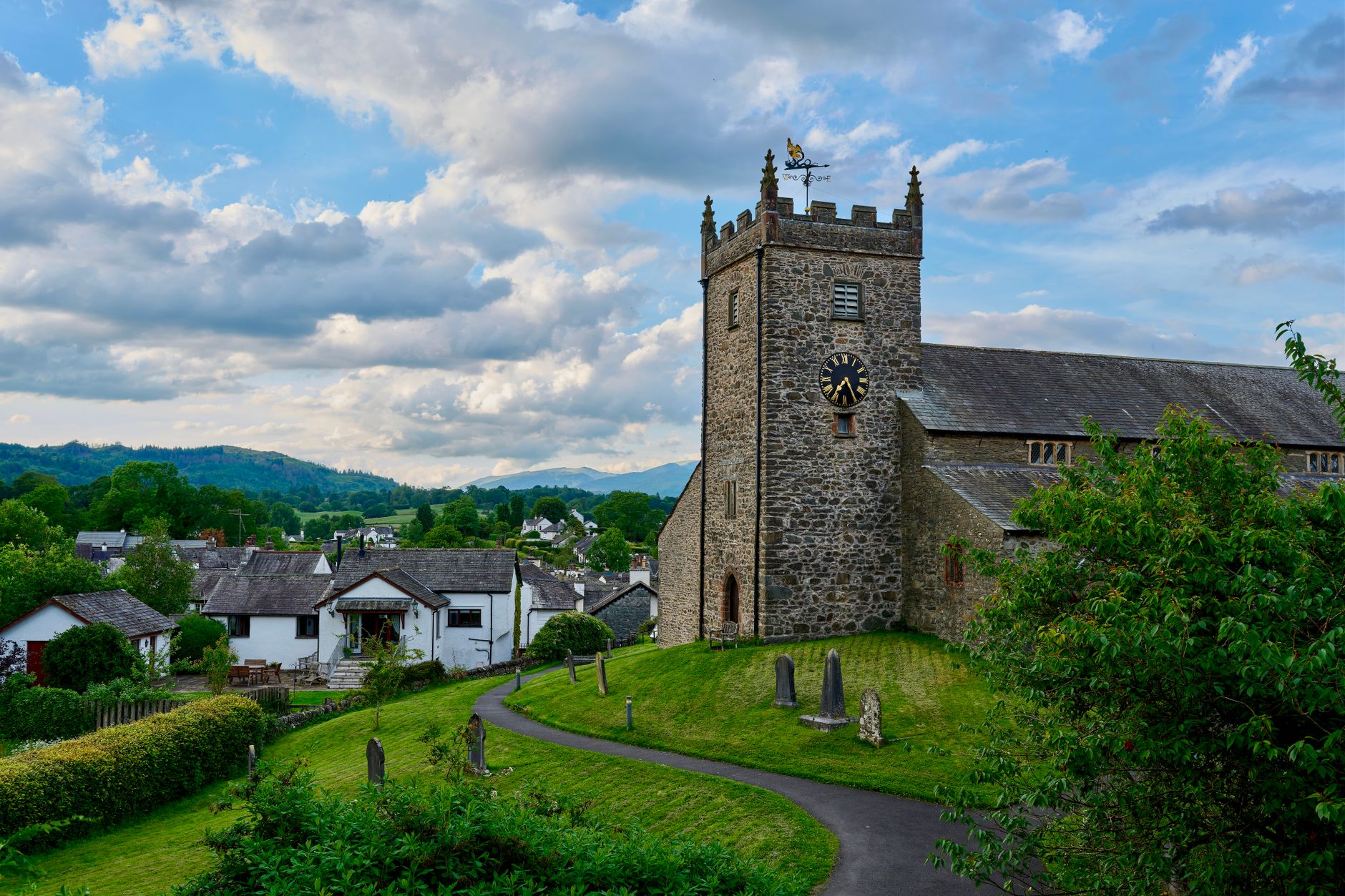
Haworth, England
Discover how a small Yorkshire village preserved the very taste of wartime scarcity and ingenuity.
Nestled in the Bronte country, Haworth is known for literary giants, but its World War II Home Front Museum offers a unique culinary snapshot. Here, you can walk through recreated shops and homes, revealing the ingenious ways families stretched their rations. From 'mock duck' made of lentils to creative uses of offal, the museum vividly illustrates the era that gave birth to the 'banger' and the remarkable resilience of the British kitchen.
2. The King of Puddings
Bury, England
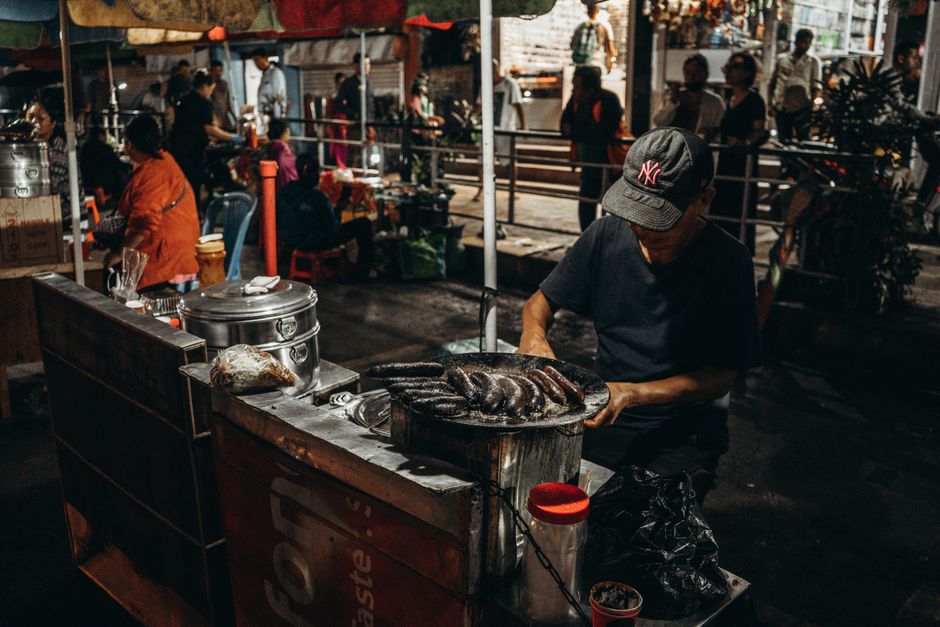
Unearth the centuries-old secret behind Bury's iconic black pudding, a regional delicacy with a surprisingly dark past.
Bury Market in Lancashire is famed worldwide for one thing: its Black Pudding. More than just a breakfast item, this blood sausage is a protected regional food. Its origins stretch back centuries, born from the need to use every part of an animal. While modern versions are regulated for quality, the tradition of crafting this rich, savoury pudding reflects a historic approach to food economy, making it far more than just a culinary curiosity.
3. Industrial Fuel: The Oatcake
Stoke-on-Trent, England
Learn how a simple, pancake-like 'oatcake' became the enduring staple fuel for the working class in the Potteries.
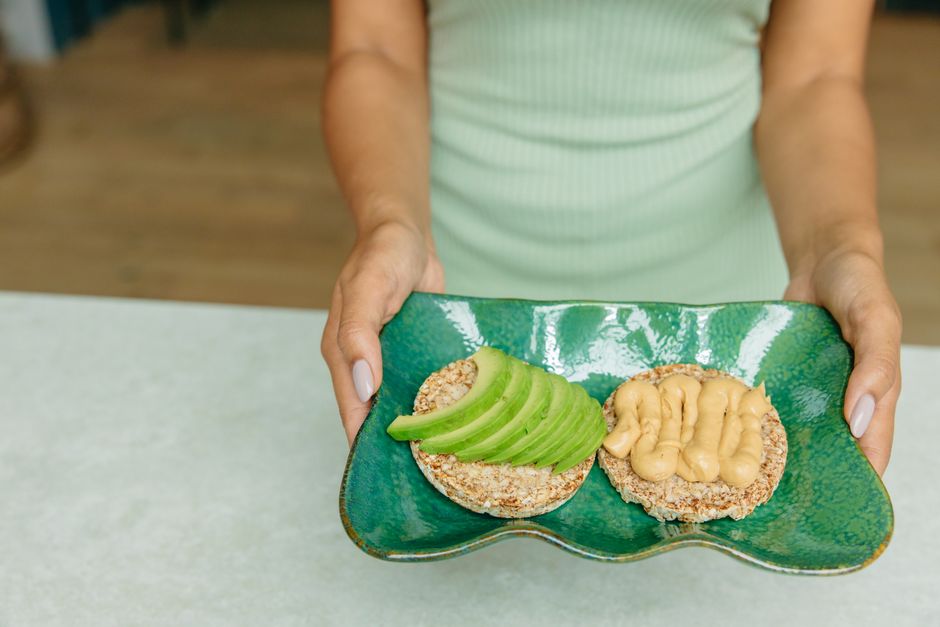
Stoke-on-Trent, the heart of the Potteries, boasts its own unique culinary icon: the Staffordshire Oatcake. Unlike Scottish oatcakes, these are soft, pliable, and resemble a savoury pancake. Born from the need for cheap, filling sustenance for pottery workers, they were traditionally cooked on a 'bakestone' over an open fire. Often served with cheese and bacon, these oatcakes represent a direct link to the industrial past, fueling generations of hard labour.
4. A Model Village's Model Diet
Port Sunlight, England
Explore how one visionary industrialist shaped not just housing, but the very diets of his factory workers.
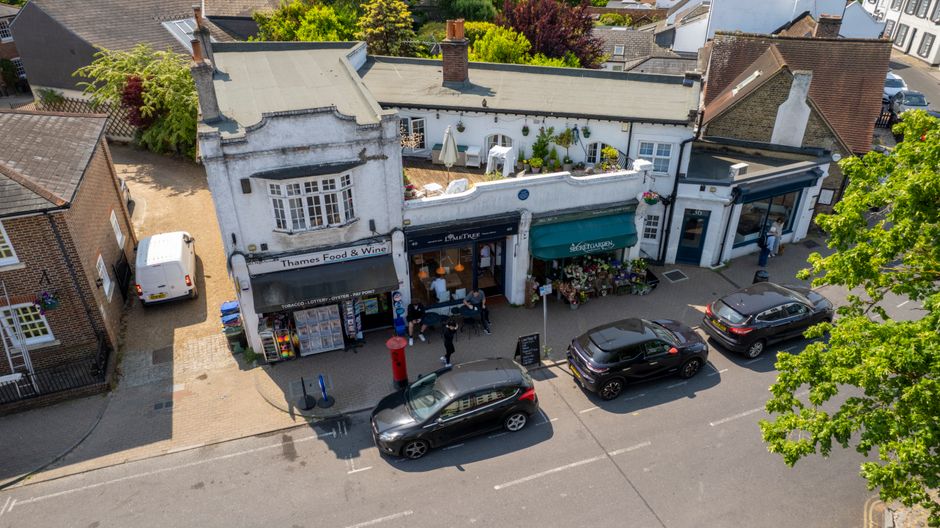
Port Sunlight, a picturesque model village on the Wirral, was built by William Lever for his soap factory workers. More than just providing good homes, Lever aimed to improve their entire quality of life, including diet. While not directly about 'bangers,' the village's co-operative store and emphasis on healthy living show a fascinating historical approach to communal well-being and food provision, reflecting a shift from pure scarcity to planned nourishment for the working class.
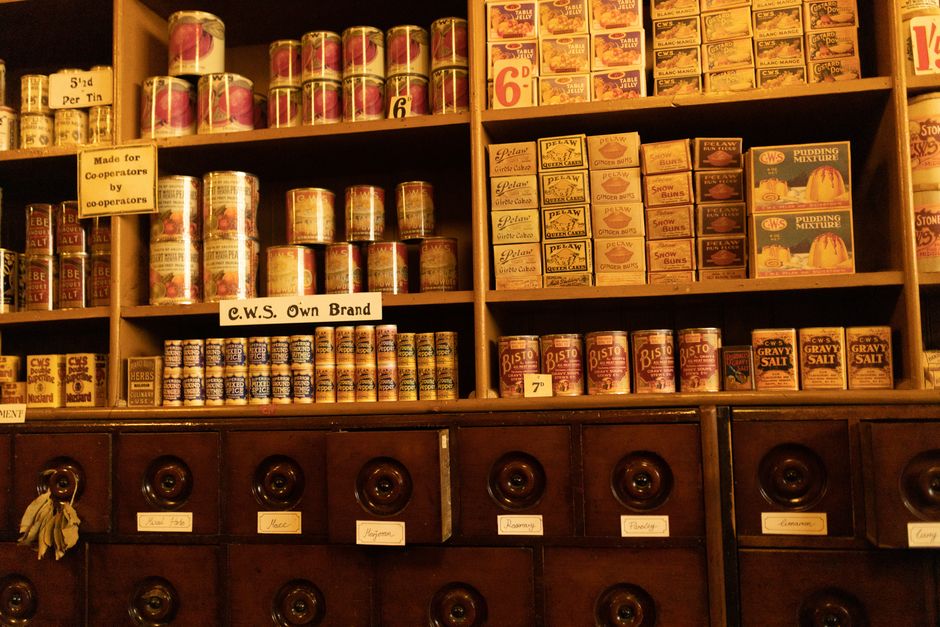
5. From Field to Feast: Rural Ingenuity
Stowmarket, England
Discover how East Anglian farmers kept traditions alive, crafting food from the land with timeless ingenuity.
The Museum of East Anglian Life in Stowmarket offers a deep dive into rural food production. Here, you can see historic farming equipment and traditional kitchens that highlight self-sufficiency. Before supermarkets, communities relied on local produce, preserving techniques, and seasonal harvests. This museum showcases the pre-industrial food landscape, where every ingredient was valued, a stark contrast to later eras of wartime scarcity that spawned the 'banger'.
6. Fish and Chips: A Coastal Legacy
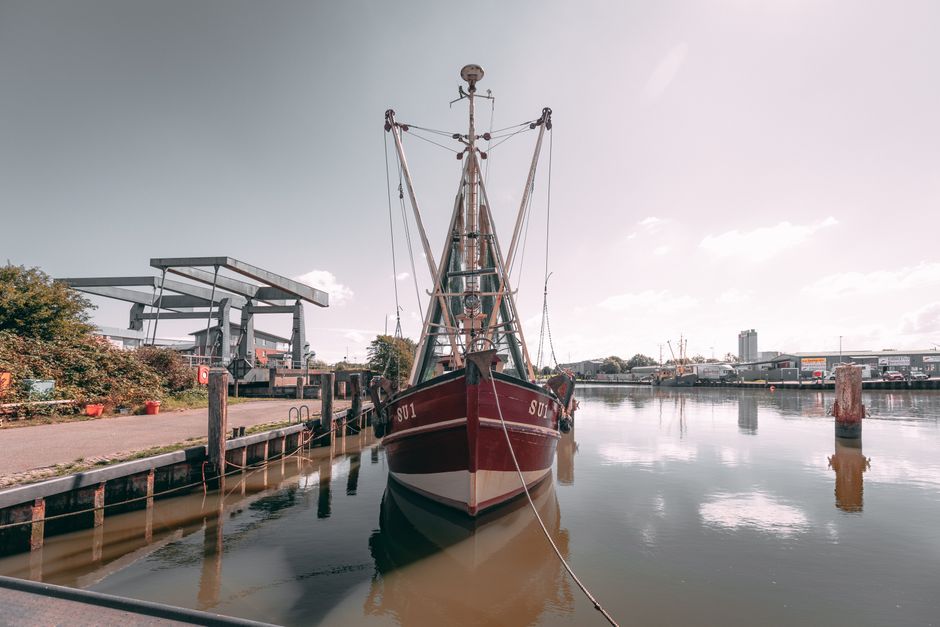
Grimsby, England
Uncover how a once-mighty fishing port became a bedrock of British culinary identity, far beyond just its famous catch.
Grimsby was once the world's largest fishing port, playing a crucial role in feeding Britain, especially during wartime when other foods were scarce. While not directly about sausages, the town's history is steeped in food supply and preservation. Its docks supplied fish for a nation, making fish and chips a resilient staple. Grimsby's story highlights how vital local industries shaped national diets and provided consistent, accessible food sources through changing times.
7. The Quarryman's Sustenance
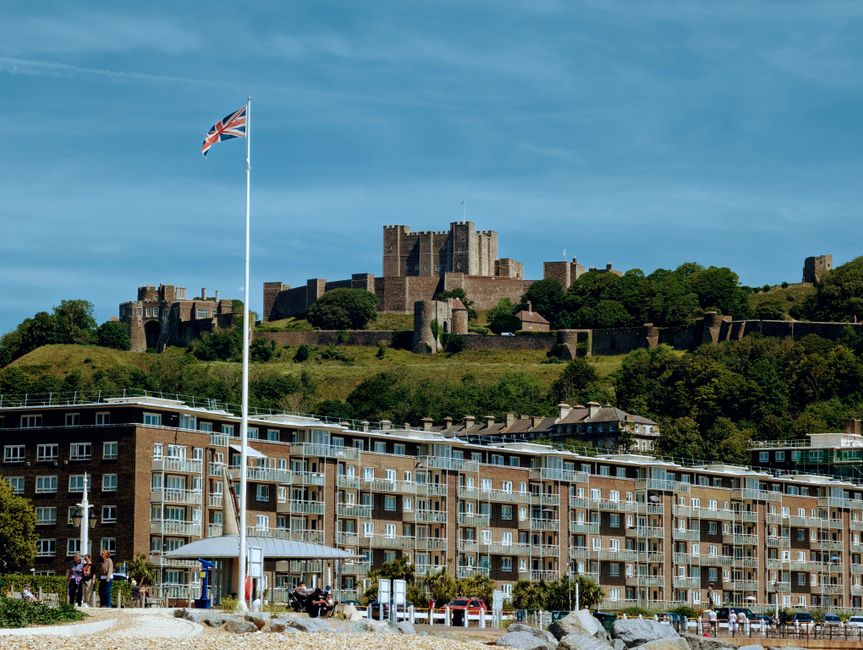
Isle of Portland, England
Explore the rugged island where quarrymen carved out a living, fueled by unique local traditions and a hearty diet.
The Isle of Portland, famous for its durable stone used in iconic buildings, was home to generations of quarrymen who performed incredibly demanding labour. Their diet needed to be substantial and sustaining, often relying on local produce and simple, energy-rich meals. While specific 'Portland bangers' don't exist, the island's unique social history and the resilience of its working community offer a fascinating look at how local resources and ingenuity shaped the daily bread—and meat—of its inhabitants.
Frequently asked questions
What is the origin of the term 'bangers' for sausages in the U.K.?
The term 'bangers' originated during World War I and II. Due to severe meat rationing, sausages were often made with a high water content and various fillers. This composition meant they had a tendency to burst or 'bang' quite loudly when cooked in a hot pan.
Are modern British sausages still considered 'bangers'?
While the term 'bangers' persists as a colloquialism, modern British sausages are typically of much higher meat content and quality than their wartime predecessors. They are less likely to explode when cooked, but the affectionate nickname remains a part of British culinary vocabulary.
What are some other traditional British foods with interesting histories?
Beyond sausages, Britain boasts a rich tapestry of historic foods. Consider the enduring popularity of haggis in Scotland, the regional variations of pasties and pies, or the diverse array of traditional puddings, all often born from necessity, local ingredients, and centuries of culinary evolution.
How can AllTours.ai help me discover more about these places?
AllTours.ai is an AI audio tour guide that transforms your smartphone into a knowledgeable companion. Simply point your camera at any landscape or landmark mentioned in this post, or elsewhere, and the app will narrate its history, geology, and culture in your preferred language, bringing the stories to life as you explore.
Related guides
Photography via Pexels. AllTours.ai is an AI audio tour guide — point your camera at any landscape and hear its story.