August 1, 2026 · 4 min read
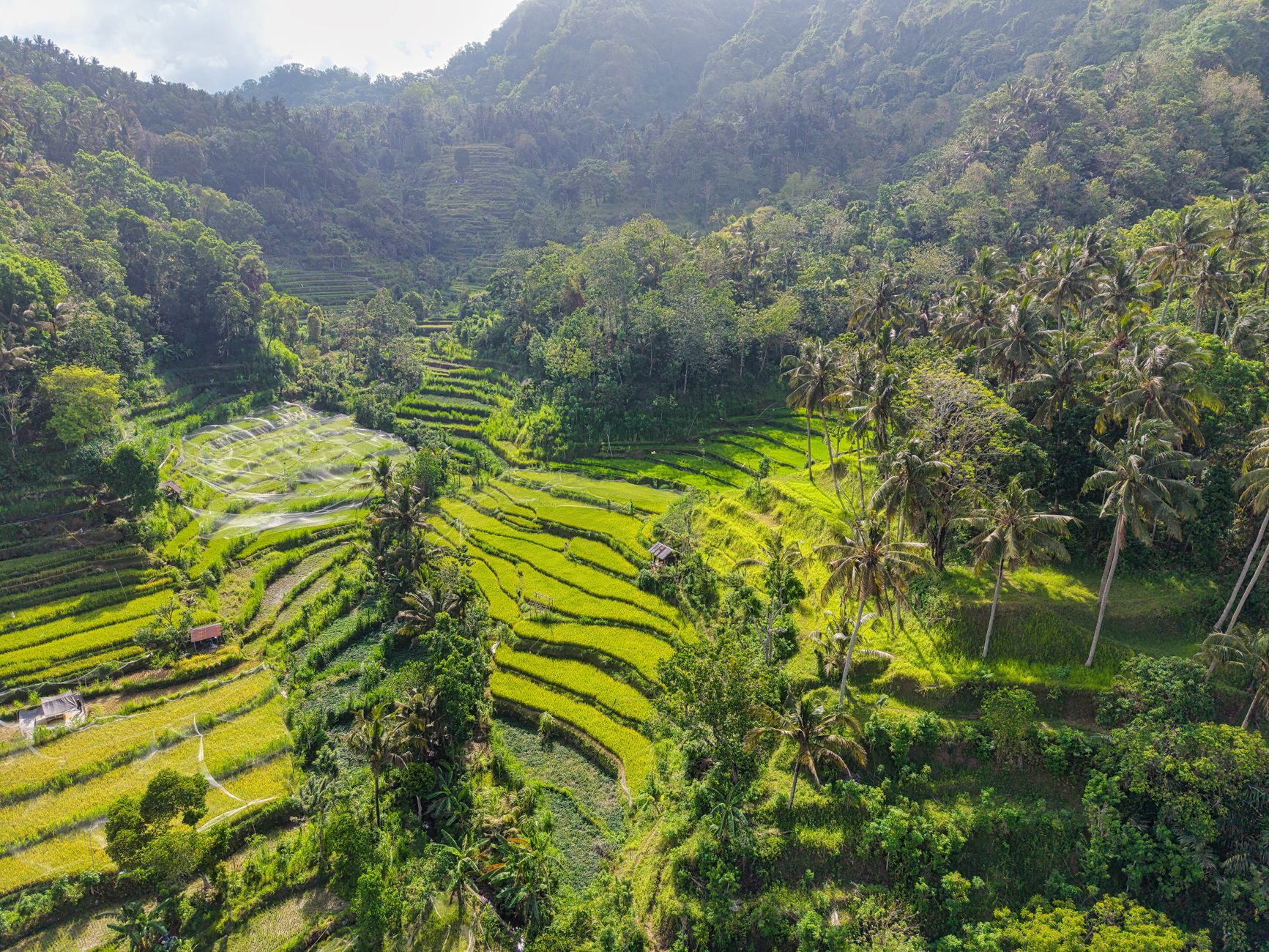
Bali is a magnet, drawing travelers back year after year. For many, the island's charm lies not just in its famous beaches or vibrant nightlife, but in the deeper, more subtle layers that reveal themselves upon repeated visits. If you're someone who feels that familiar pull to return, you've likely seen the postcard views and navigated the well-trodden paths.
But what about the Bali that whispers its secrets only to the curious? For those who like to keep coming back to Bali, the real magic often lies beyond the well-known tourist trail. It's in the quiet villages, the ancient temples hidden by mist, and the natural wonders imbued with local lore. This guide is for you – offering a glimpse into the island's lesser-known corners, each with a surprising story waiting to be uncovered.
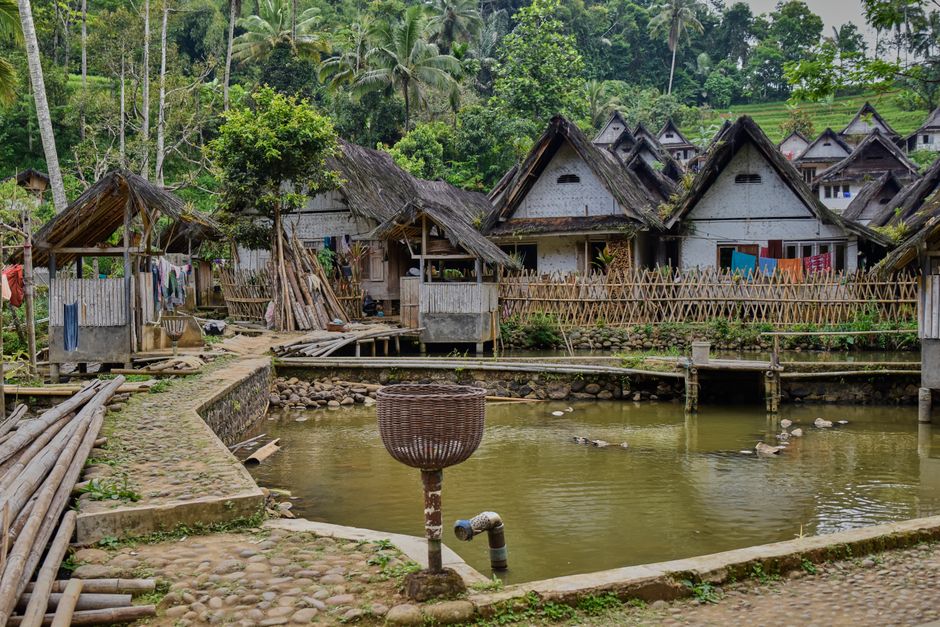
1. The Village of Double Ikat Magic
Tenganan Pegringsingan, Bali, Indonesia
This ancient Bali Aga village is one of the island's oldest, known for its unique 'Geringsing' double ikat fabric, believed to possess magical protective powers.
Tenganan Pegringsingan maintains a pre-Majapahit Balinese culture, distinct from the Hindu traditions seen elsewhere on the island. Its inhabitants, the Bali Aga, live by ancient customs and an incredibly intricate social structure. The village is most famous for its Geringsing cloth, woven using a double ikat technique found almost nowhere else in the world, which locals believe can ward off evil and illness.
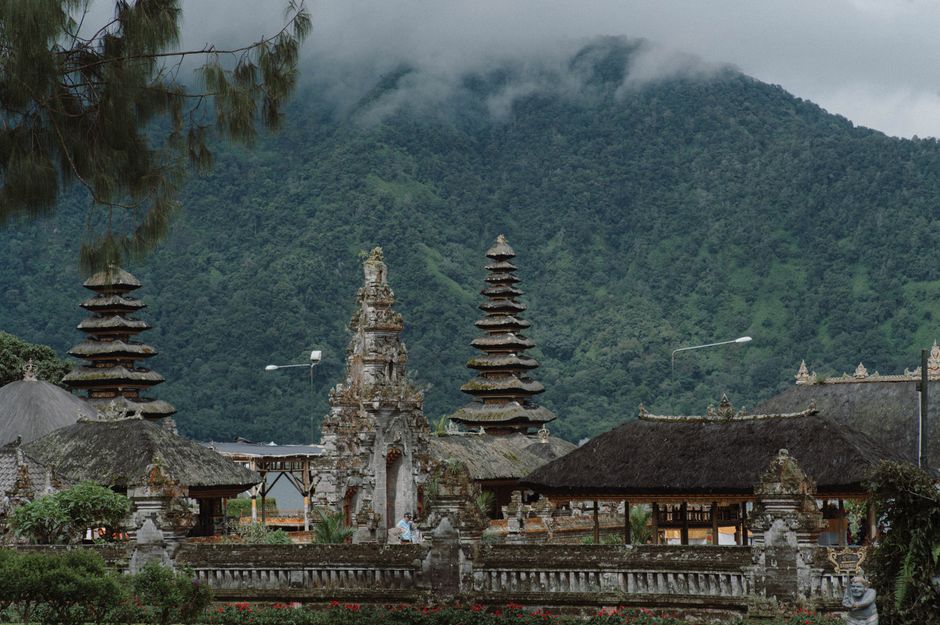
2. The Mountain Guardian's Water Temple
Wangaya Gede, Bali, Indonesia
Hidden on the slopes of Mount Batukaru, this ancient temple is one of Bali's six main directional temples, a sacred water temple dedicated to the deity of agriculture.
Pura Luhur Batukaru is a serene, deeply spiritual complex, often shrouded in mist, making it far less visited than its coastal counterparts. It's dedicated to Mahadewa, the God of Mount Batukaru, and plays a crucial role in Bali's subak irrigation system, ensuring water flows to the fertile rice paddies below. The temple's ancient shrines and moss-covered courtyards offer a profound sense of peace, reflecting its role as a spiritual guardian of Bali's agricultural heartland.
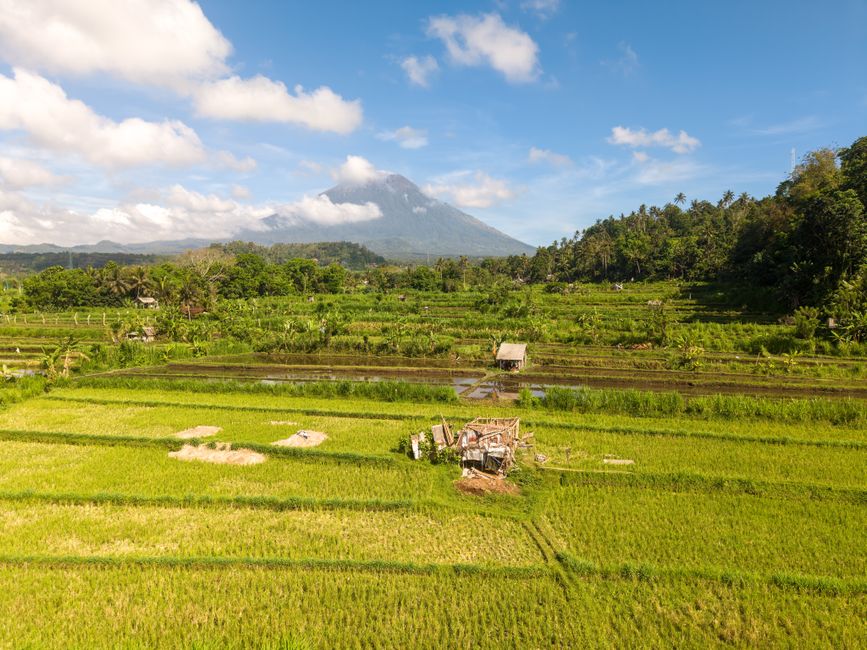
3. Bali's Unspoiled Tapestry of Life
Sidemen, Bali, Indonesia
Unlike the bustling south, Sidemen Valley remains a tranquil haven where traditional Balinese life unfolds amidst emerald rice paddies and the art of *endek* weaving thrives.
Sidemen offers a glimpse into an older, more serene Bali. This lush valley, framed by Mount Agung, is renowned for its traditional *endek* weaving, a vibrant form of ikat textile production passed down through generations. Here, the rhythm of life is dictated by farming cycles and spiritual ceremonies, providing a stark contrast to the island's busier areas. Visitors can witness local artisans at work, stroll through terraced fields, and experience the authentic, gentle heart of Balinese culture.
4. Nature's Dual Cascade Sanctuary
Wanagiri, Bali, Indonesia
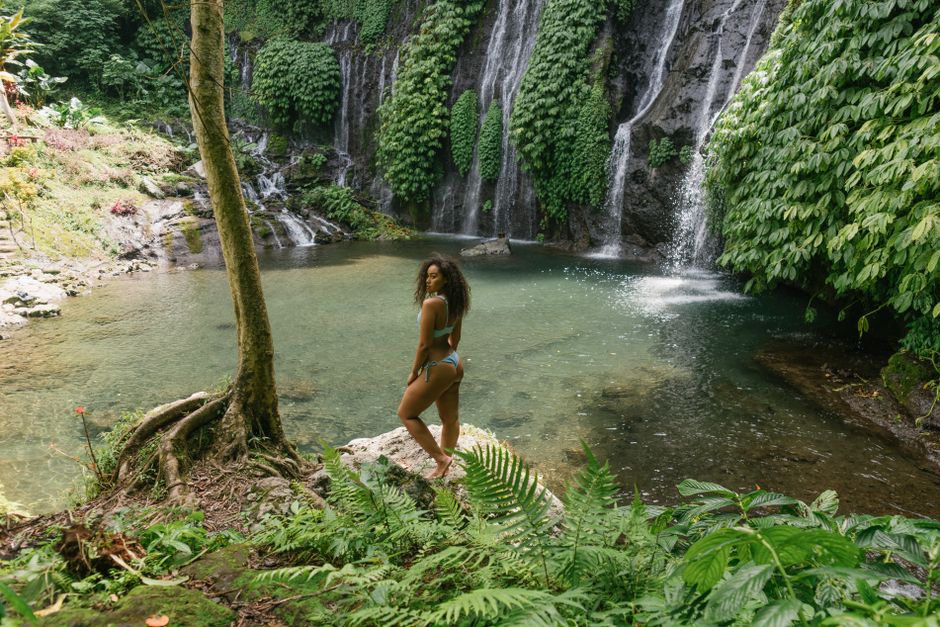
These truly unique twin waterfalls cascade down a lush cliff face into a crystal-clear natural pool, offering a pristine swimming experience far from the crowds.
Tucked away in North Bali, Banyumala Twin Waterfalls is a breathtaking natural wonder that feels like a secret garden. What makes it distinct are its two main waterfalls flowing gracefully side-by-side, along with several smaller cascades, creating a wide, shimmering curtain of water. The journey down to the falls is an adventure through dense jungle, rewarding visitors with a tranquil oasis where they can swim in the cool, invigorating waters of the natural pool.
5. Black Sands and Sacred Sea Turtles
Tabanan, Bali, Indonesia
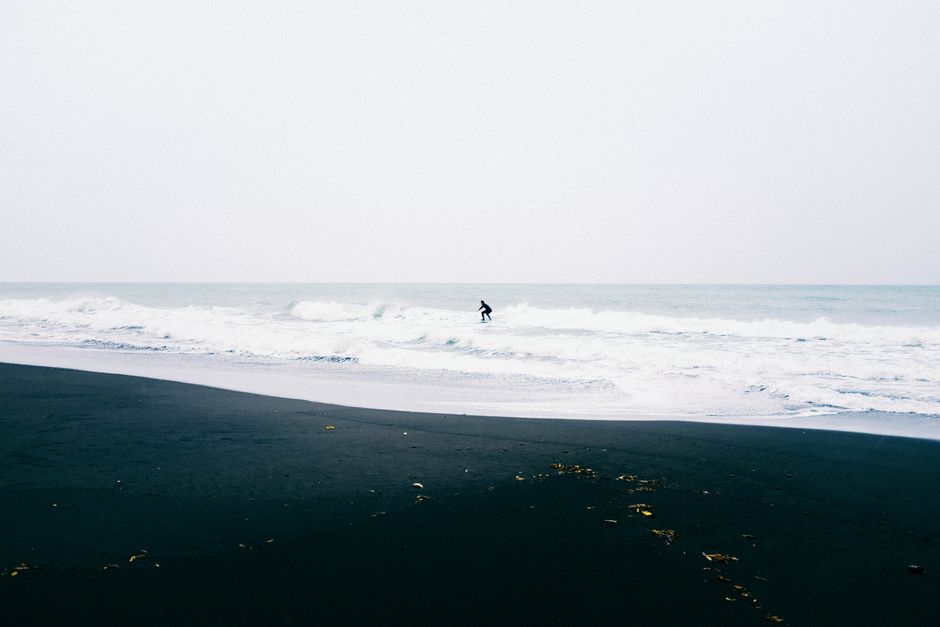
This striking black sand beach is not only a surf spot but a sacred site where locals conduct ceremonies and sea turtles historically lay their eggs.
Yeh Gangga offers a raw, dramatic coastal experience, far removed from the white sands of the south. Its volcanic black sand stretches for miles, creating a starkly beautiful landscape against the powerful Indian Ocean waves. Beyond its natural beauty, Yeh Gangga is considered sacred by local communities, who often hold purification ceremonies here. It's also known as a historical nesting ground for sea turtles, connecting the beach to ancient cycles of life and regeneration.
6. The Mystical Lake of Submerged Temples
Munduk, Bali, Indonesia
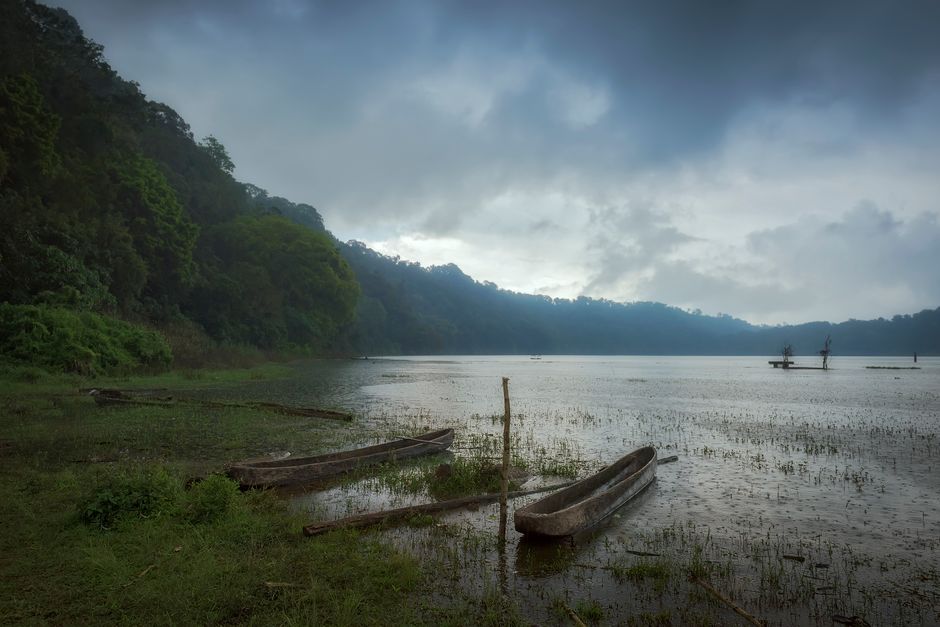
Surrounded by ancient rainforest, Tamblingan is one of Bali's three sacred crater lakes, known for its spiritual tranquility and a legend of temples submerged beneath its surface.
Tamblingan Lake, nestled high in the mountains of North Bali, holds a mystical allure. It is said that numerous ancient temples, vital to the local subak system for centuries, were swallowed by the lake's rising waters long ago, their ruins occasionally glimpsed during droughts. Today, several small, active temples dot its shores, reflecting in the calm waters. The area is a sanctuary for quiet contemplation, offering a profound connection to Bali's spiritual past and its intricate relationship with nature.
7. Coral's Living Sanctuary
Pemuteran, Bali, Indonesia
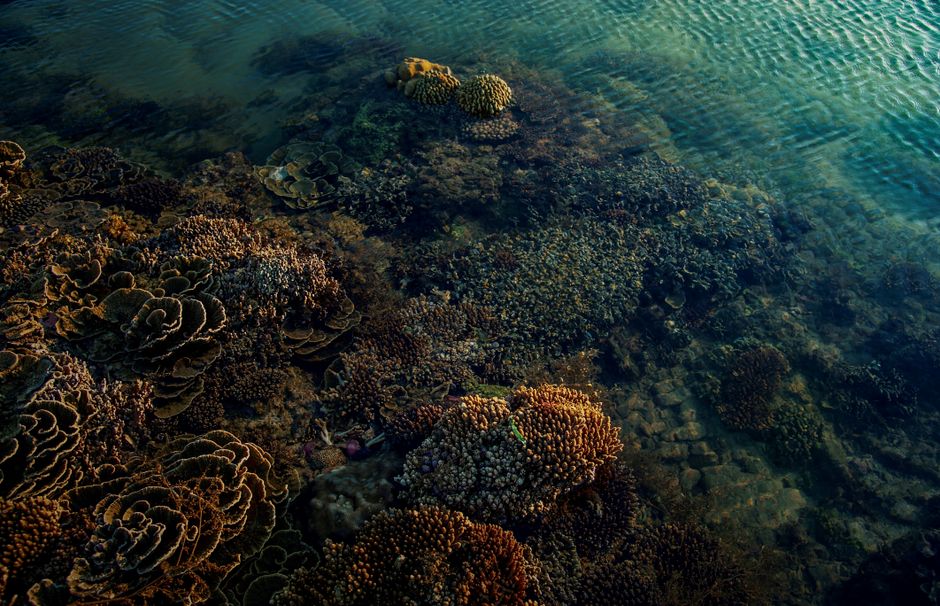
Pemuteran hosts the world's largest Biorock coral reef restoration project, a groundbreaking initiative where low voltage electricity helps corals grow up to five times faster.
On Bali's quiet north coast, Pemuteran Bay is home to an extraordinary conservation success story. The Biorock method uses mineral accretion technology to create artificial reefs, stimulating rapid coral growth and attracting diverse marine life. This community-led project has transformed once-damaged reefs into thriving underwater gardens. Visitors can snorkel or dive among these vibrant structures, witnessing firsthand the innovative efforts to preserve Bali's precious marine ecosystems and support local livelihoods.
Frequently asked questions
What are some unique cultural experiences in Bali?
Beyond the common tourist spots, seek out a traditional *kecak* fire dance performance in a local village, visit the Bali Aga village of Tenganan Pegringsingan to see ancient traditions, or participate in a cooking class focused on authentic Balinese cuisine. These experiences offer a deeper insight into the island's rich heritage.
How can I find truly quiet, less crowded places in Bali?
To escape the crowds, head to North or East Bali. Areas like Munduk, Sidemen Valley, or Pemuteran offer serene landscapes, traditional village life, and fewer tourists. Visiting during the shoulder seasons (April-May or September-October) can also help you find more tranquility.
Is it safe to explore lesser-known areas in Bali on my own?
Generally, yes, Bali is safe for travelers. However, when exploring remote areas, it's wise to inform someone of your plans, ensure your phone is charged, and consider hiring a local guide or driver who knows the terrain. Respect local customs and dress modestly when visiting sacred sites.
How can AllTours.ai help me discover these hidden stories in Bali?
AllTours.ai transforms your phone into an AI-powered audio tour guide. Simply point your camera at a landmark, a rice field, or a distant mountain, and the app will narrate its history, geology, and cultural significance in your language, bringing the unseen stories of Bali's lesser-known places to life.
Related guides
Photography via Pexels. AllTours.ai is an AI audio tour guide — point your camera at any landscape and hear its story.