July 22, 2026 · 4 min read
When we ask "What is your favorite seasonal fruit?" we're often just thinking about taste. But for a traveler, this simple question unlocks a deeper connection to a place. It's about culture, history, geology, and the unique stories embedded in the land itself.
Beyond the familiar, the world offers a bounty of extraordinary fruits, each with a surprising tale waiting to be discovered. These aren't just snacks; they are living testaments to ancient traditions, ecological wonders, and the ingenuity of communities that have cultivated them for centuries.
1. The Trunk-Growing Jewel
Jabuticabal, Brazil
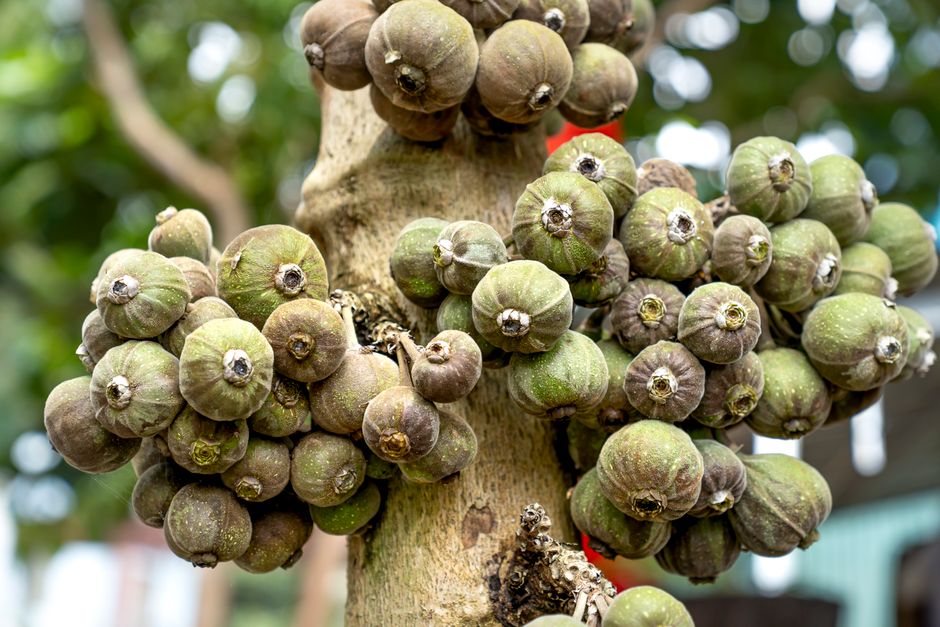
This grape-like fruit defies convention, growing directly on the tree's bark in a sight unique to Brazil.
In the small Brazilian town of Jabuticabal, aptly named for the fruit, the Jabuticaba tree presents a remarkable sight, its trunk and branches covered in dark, glossy berries. Unlike most fruits, Jabuticaba bypasses stems, blooming and fruiting directly from the woody parts. This unique growth pattern makes harvesting a community event, often leading to immediate consumption right under the tree, celebrating a fleeting local delicacy.
2. The Citrus Caviar of the Rainforest
Daintree Rainforest, Australia
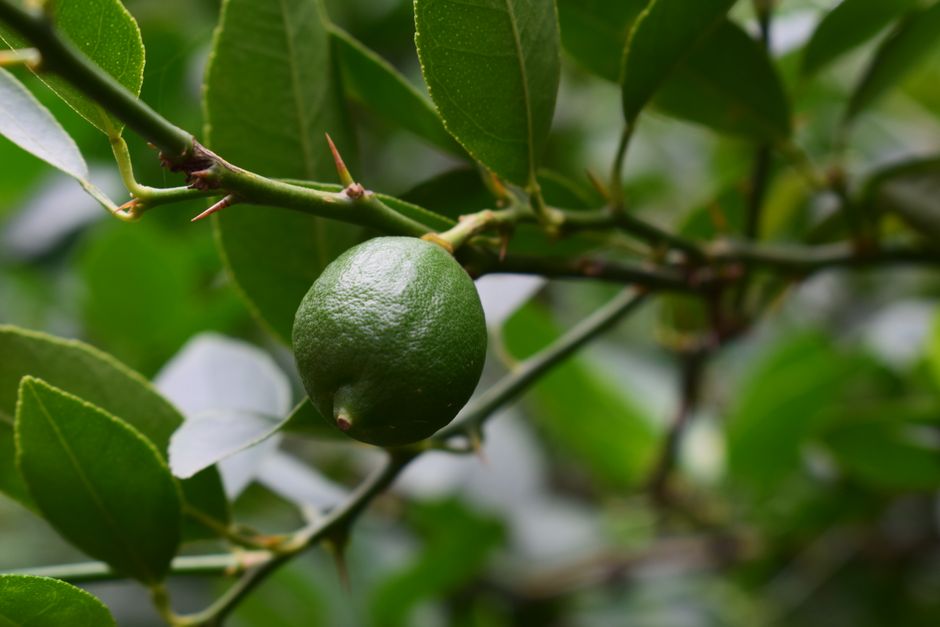
Deep within Australian rainforests, a tiny lime bursts with pearls of citrus, earning it the name 'citrus caviar.'
The Finger Lime is a marvel of the Daintree Rainforest in Queensland. For millennia, Indigenous Australians have harvested these elongated fruits, prized for their unique vesicles that resemble fish roe. When sliced open, the tiny, juicy pearls pop with an intense citrus flavor, a testament to the ancient biodiversity of the region and a staple of traditional bush tucker.
3. The Taste-Altering Wonder
Elmina, Ghana
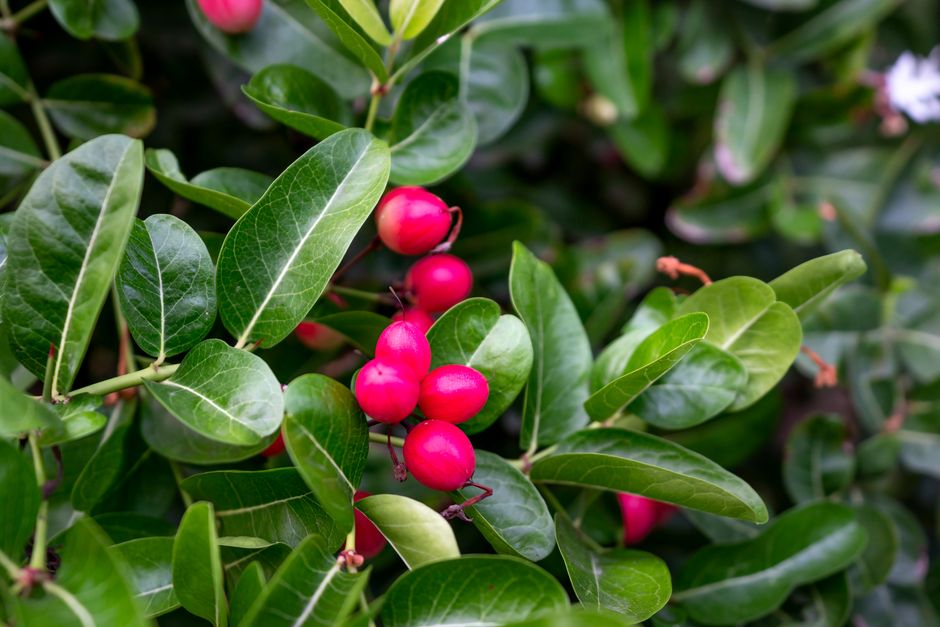
A small red berry from West Africa can transform the most sour lemon into pure sweetness with a single bite.
Along the coastal regions of Ghana, near historic Elmina Castle, grows the Miracle Berry (Synsepalum dulcificum). Indigenous communities have long used this fruit to sweeten bland or sour foods. Its magic lies in miraculin, a glycoprotein that binds to taste buds, temporarily altering their shape to register sour flavors as sweet. This natural phenomenon offers a profound sensory experience, hinting at the deep botanical knowledge of West African cultures.
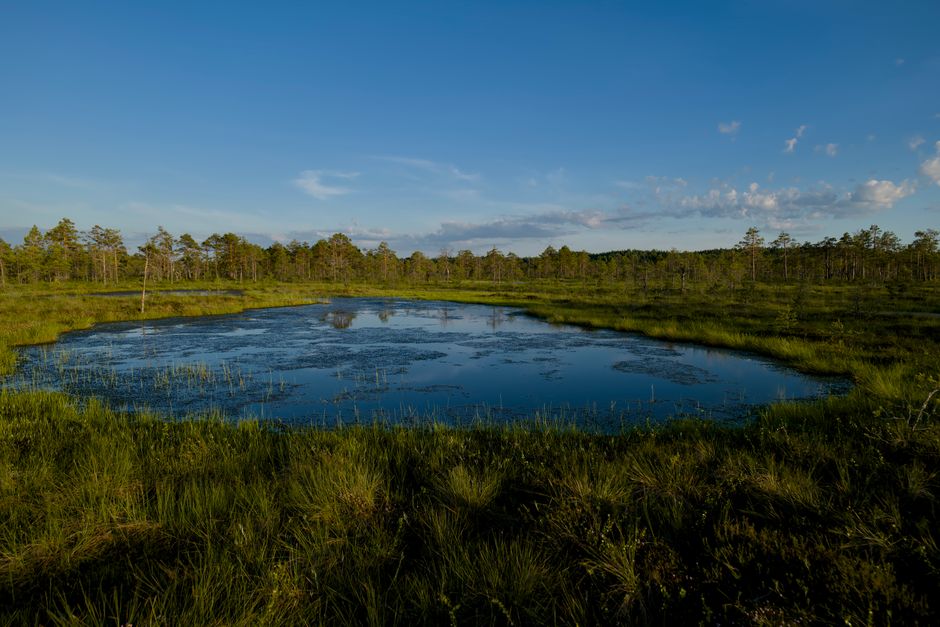
4. The Golden Jewel of the Arctic Tundra
Lapland, Finland
In the harsh Arctic landscape, a precious amber berry is harvested only by hand, earning it the name 'gold of the bogs.'
Cloudberries thrive in the vast, often frozen bogs of Finnish Lapland, ripening under the midnight sun. These delicate, amber-colored berries are notoriously difficult to cultivate and must be picked wild, making them a rare and highly prized delicacy. Rich in Vitamin C, cloudberries historically sustained Sami reindeer herders and Arctic explorers, embodying resilience and the unique bounty of the subarctic wilderness.
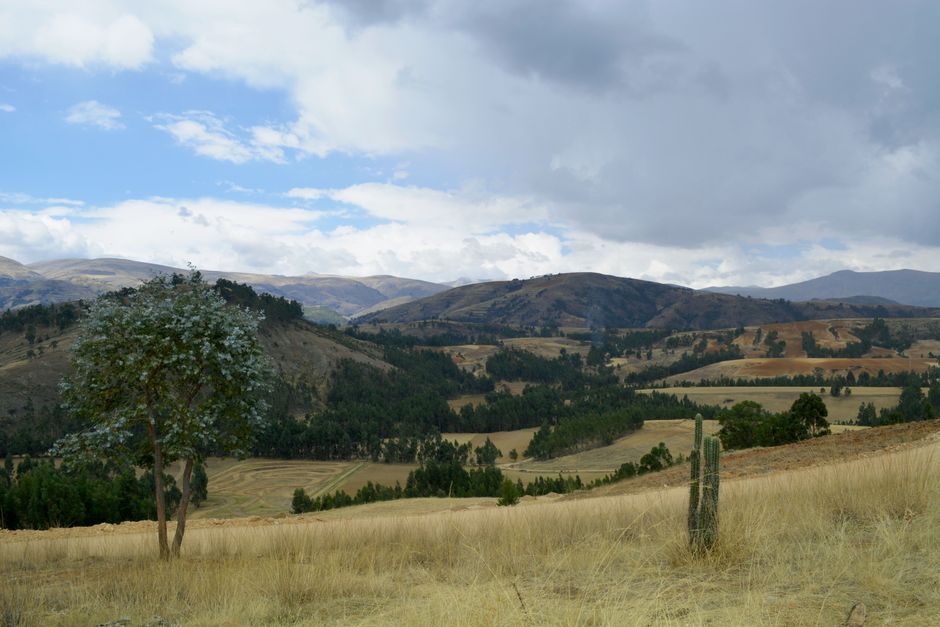
5. The Incan Custard Apple
Sacred Valley, Peru
This 'custard apple' was revered by the Incas and later declared by Mark Twain as the most delicious fruit known to man.
High in the Peruvian Andes, especially around the Sacred Valley, the Cherimoya has been cultivated since ancient times. Its creamy, aromatic flesh with a hint of pineapple and banana made it a favorite of Inca royalty. Terraced fields hint at its long history. The fruit's delicate nature and exquisite flavor, famously praised by Mark Twain, connect modern travelers to the sophisticated agricultural legacy of pre-Columbian civilizations.
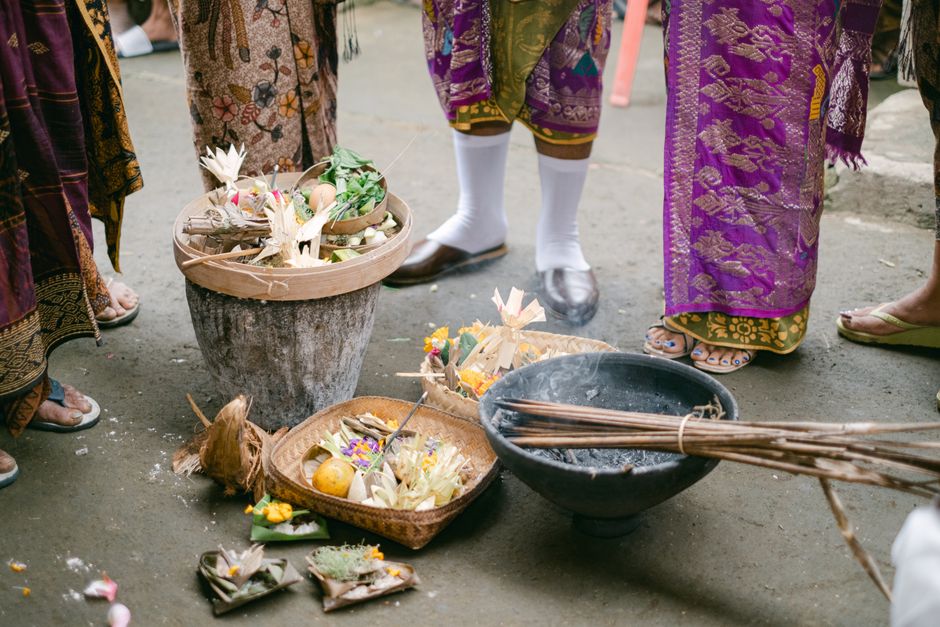
6. The Snake-Skinned Delicacy
Sidemen Valley, Bali, Indonesia
Peeling back the scaly, reddish-brown skin of this Balinese fruit reveals a crisp, apple-like flesh with a surprisingly sweet and tangy crunch.
In the volcanic soils of Bali, particularly around the lush Sidemen Valley, the Salak, or 'snake fruit,' flourishes. Its distinctive, reptilian-like skin offers a tactile warning, yet inside lies a segmented, firm fruit with a unique sweet-sour flavor profile. Salak is deeply integrated into Balinese culture, often found in offerings and local dishes, a delicious testament to the island's fertile lands and vibrant traditions.
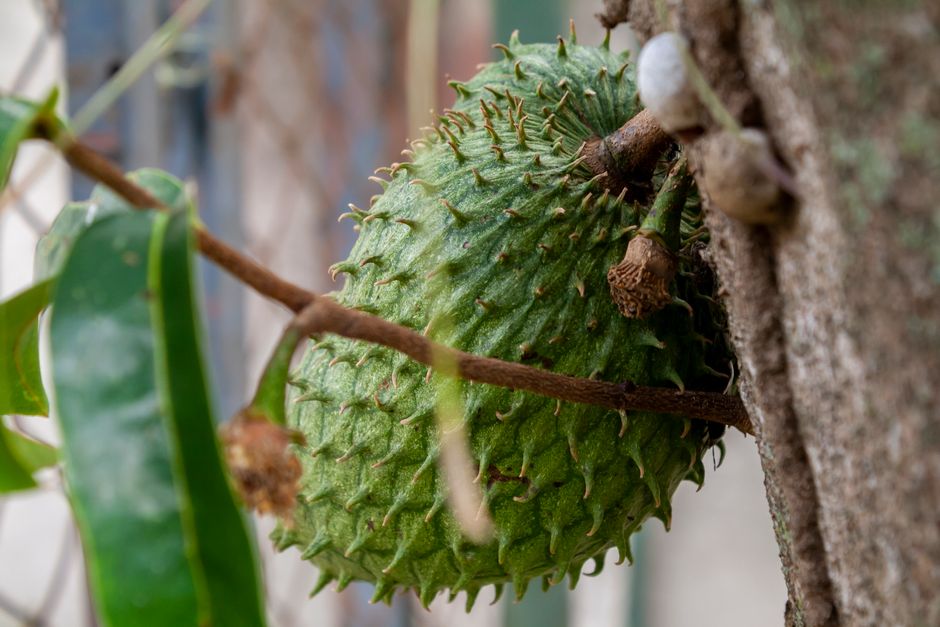
7. The Spiky Amazonian Custard
Iquitos, Peru
Hidden deep within the Amazon, a large, spiky green fruit offers a complex flavor often described as a mix of pineapple, strawberry, and citrus.
In the Peruvian Amazon, particularly around the bustling port city of Iquitos, the Soursop (Guanábana) is a revered fruit. Its formidable exterior belies a soft, fragrant pulp that is a staple in local juices, ice creams, and desserts. Beyond its culinary appeal, soursop has a long history in traditional Amazonian medicine, valued for its purported health benefits, making it a fruit of both flavor and folklore.
8. The Amazon's Chocolate Cousin
Manaus, Brazil
This large, earthy fruit from the Amazon basin is a relative of cacao, prized by indigenous communities for its rich pulp and 'pharmacy in a fruit' reputation.
In the heart of the Brazilian Amazon, near Manaus, the Cupuaçu is a significant fruit, resembling a large, fuzzy cacao pod. Its pulp is incredibly fragrant, offering a unique blend of chocolate and pineapple notes, used in everything from juices to high-end cosmetics. For indigenous communities, Cupuaçu is a vital food source and traditional remedy, reflecting the Amazon's immense botanical wealth and sustainable practices.
Frequently asked questions
What are some benefits of eating seasonal fruit?
Seasonal fruits are often fresher, more flavorful, and more nutritious because they're picked at their peak ripeness. They also support local economies and reduce the environmental impact of long-distance transportation, offering a taste of a region's true bounty.
How can I find unique local fruits when I travel?
Look for local markets, often called 'mercados' or 'bazaars,' where farmers sell their produce directly. Engaging with local vendors can provide insights into what's in season and how different fruits are traditionally enjoyed in that culture.
Are exotic fruits always more expensive?
Not necessarily. While some rare or imported exotic fruits can be pricey, many are staple crops in their native regions and are quite affordable when purchased locally and in season. Their value often reflects their availability and cultural significance.
How can AllTours.ai help me discover more about the places these fruits come from?
AllTours.ai lets you point your phone camera at any landmark, landscape, or even a local market, and it will narrate its history, geology, and cultural significance in your language. It’s like having a local expert reveal the deeper stories behind the places you visit, including the origins of unique local produce.
Related guides
Photography via Pexels. AllTours.ai is an AI audio tour guide — point your camera at any landscape and hear its story.