July 18, 2026 · 4 min read
Fred Sirieix, known for his impeccable taste and passion for life's finer, often unexpected, pleasures, likely wouldn't settle for the usual tourist traps. He'd seek out places that tell a story, where luxury meets authenticity, and the landscape itself is a character.
If you're wondering what are the most breathtaking places to stay in the world that truly capture such an ethos, prepare to look beyond postcard-perfect clichés. We've curated a list of extraordinary destinations that combine stunning natural beauty with deep historical, geological, or cultural roots, promising a stay unlike any other.
1. Where Avant-Garde Meets Ancient Glaciers
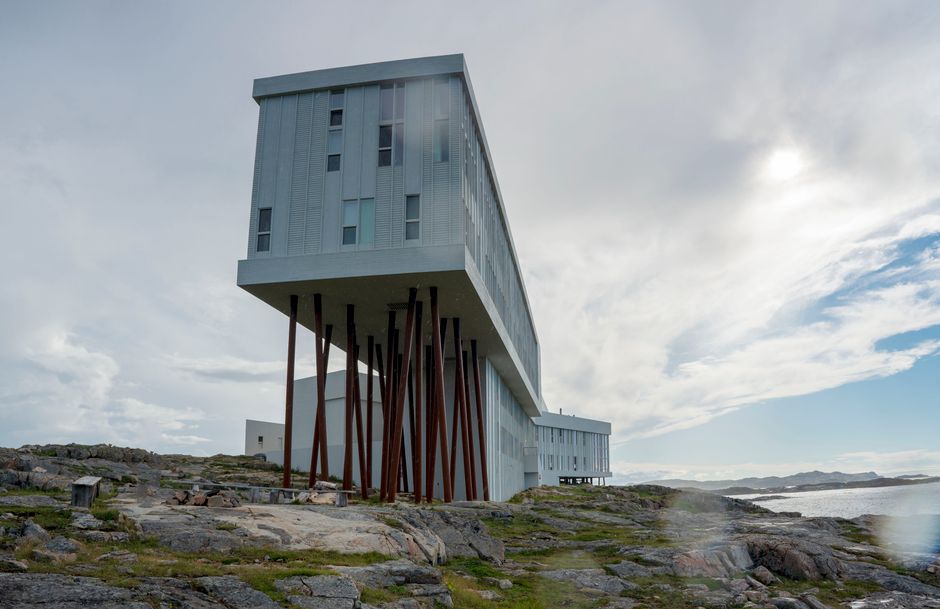
Fogo Island, Newfoundland, Canada
A remote island where traditional outport life meets avant-garde architecture, built on land shaped by ancient glaciers.
The Fogo Island Inn, perched dramatically on the Atlantic coast, is more than a hotel; it's a social enterprise preserving a unique culture. The island itself bears the scars and beauty of glacial scouring, with its distinctive "punched out" coastline and barren, yet resilient, landscape, offering a profound sense of isolation and connection to nature.
2. Sleeping in Stone: Matera's Ancient Caves
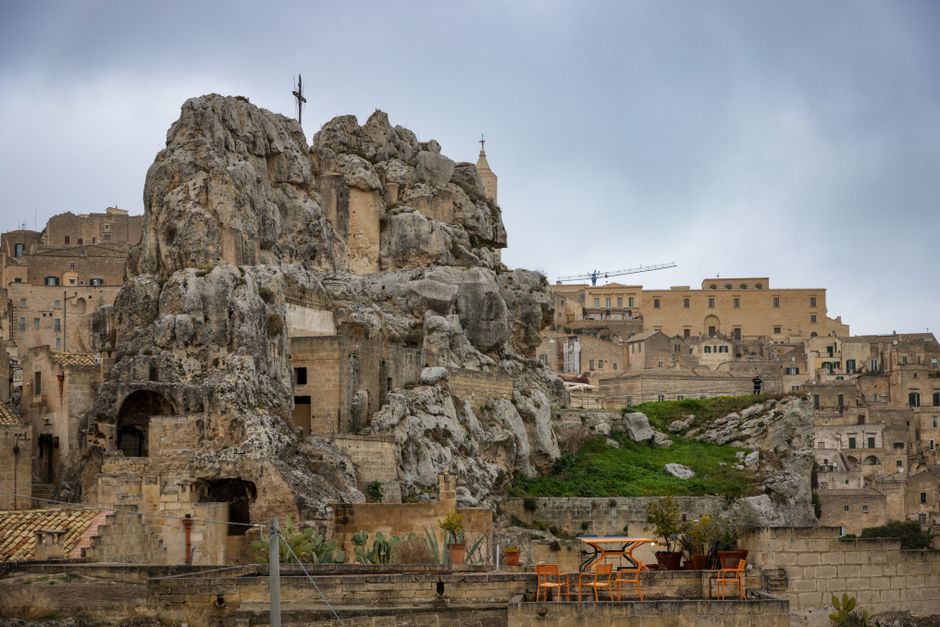
Matera, Italy
Sleep in a cave dwelling, transformed from an ancient symbol of poverty into a luxurious link to humanity's early history.
Matera's Sassi districts are a UNESCO World Heritage site, a labyrinth of grottoes and rupestrian churches carved into limestone cliffs for millennia. Once considered the "shame of Italy," these ancient habitations now offer a unique opportunity to experience human history firsthand, providing a tangible connection to the lives of Paleolithic settlers and generations of cave dwellers.
3. Salt Flats and Coral Islands
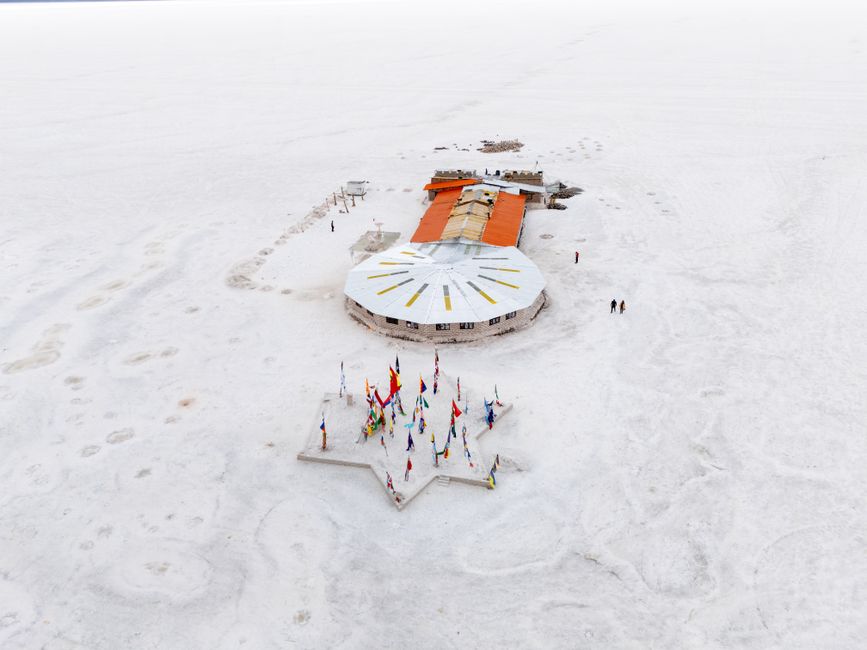
Salar de Uyuni, Bolivia
The world's largest salt flat, where ancient lakebeds hide "islands" of fossilized coral and cacti.
When wet, the Salar de Uyuni becomes the world's largest natural mirror, reflecting the sky endlessly. Beneath its brilliant white surface, the flat is a remnant of prehistoric lakes, harboring unique "islands" like Incahuasi, which are actually ancient coral reefs that once thrived beneath a vast saltwater body. Staying in a hotel built entirely from salt offers an unparalleled connection to this otherworldly landscape.
4. The Magical Mountain Lodge
Huilo Huilo Biological Reserve, Chile
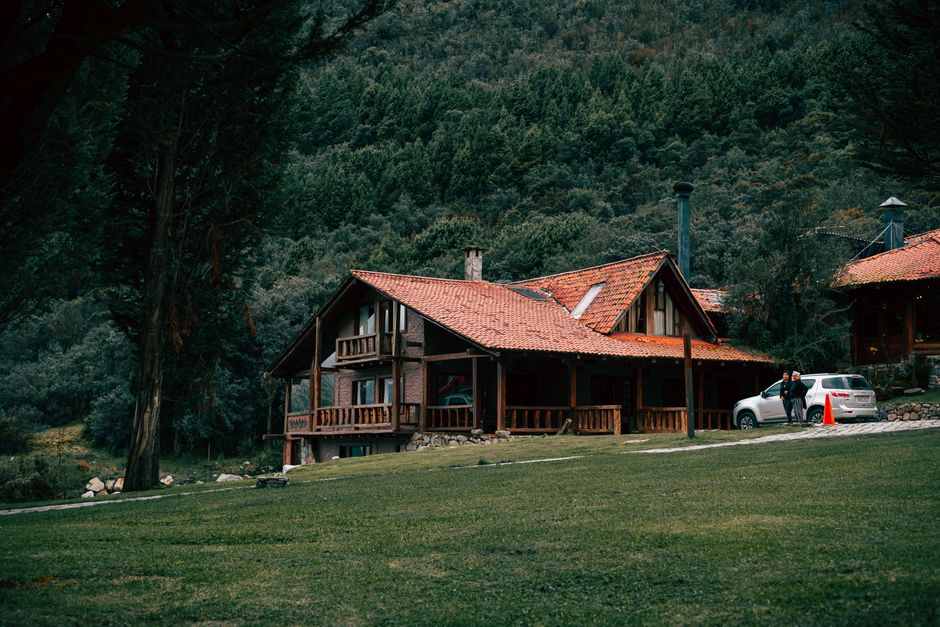
A biological reserve in Patagonia where a hotel is built to resemble a moss-covered volcano, complete with a waterfall.
Deep within Chile's Patagonian rainforest lies the Huilo Huilo Biological Reserve, a private initiative dedicated to conservation. Here, the "Magic Mountain Hotel" (Montaña Mágica Lodge) is designed to blend seamlessly with its environment, appearing as a Hobbit-like mound covered in vegetation, with a waterfall cascading from its peak. This architectural marvel offers an immersive stay within a rich ecosystem, home to rare deer and puma.
5. Treehouses of the Arctic Circle
Harads, Sweden
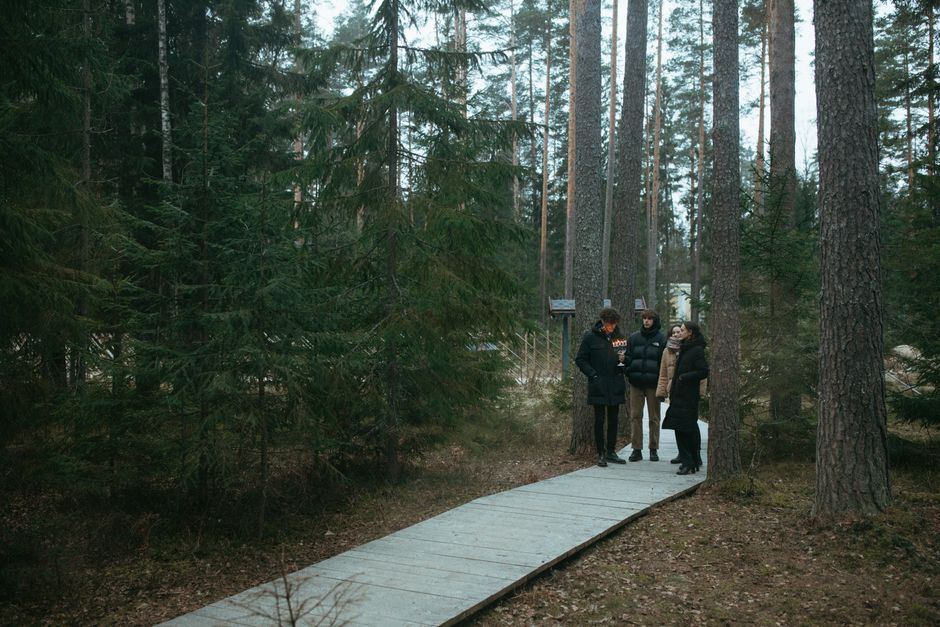
Sleep suspended in the Arctic Circle's pine forest canopy, in designs ranging from a UFO to a mirrored cube.
In the remote village of Harads, Treehotel offers architecturally stunning "treerooms" that redefine the concept of a hotel room. Each unique structure, like the 'Mirrorcube' or the 'Bird's Nest', is suspended high above the ground, providing an intimate connection with the untouched Swedish Lapland forest. This experience places guests directly within nature, often offering views of the Northern Lights or the midnight sun through their canopy windows.
6. Wilderness Immersion in the Pantanal
The Pantanal, Brazil
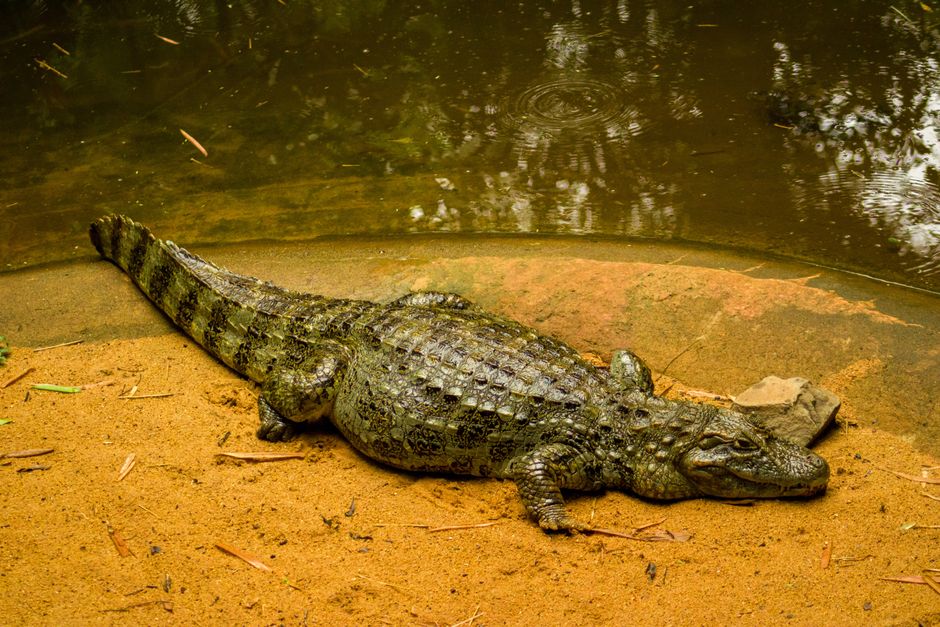
Immerse yourself in the world's largest tropical wetland, where the highest concentration of wildlife in the Americas roams just outside your lodge.
The Pantanal, a vast expanse of flooded grasslands and savannas, is a wildlife photographer's dream, home to jaguars, giant anteaters, and an astonishing array of birds. Unlike the dense Amazon, its open landscapes make spotting animals more accessible. Staying at a traditional fazenda, often converted into eco-lodges, provides an authentic, low-impact way to experience this unparalleled biodiversity, often contributing to local conservation efforts.
7. Uluru's Sacred Horizon
Uluru-Kata Tjuta National Park, Australia
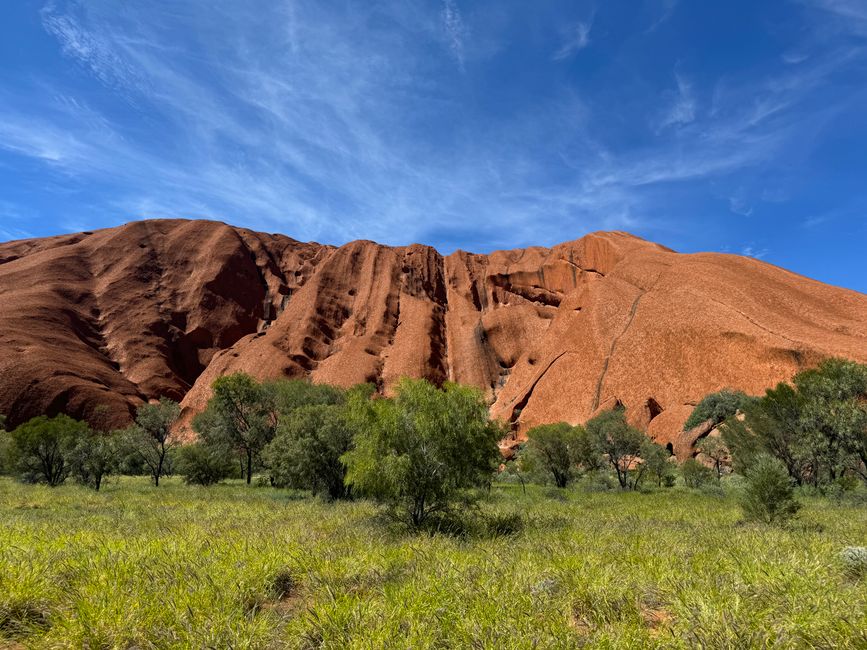
Luxury glamping with direct views of Uluru, an ancient sandstone monolith considered sacred by Indigenous Australians.
While Uluru itself is famous, Longitude 131° offers an exclusive, intimate way to experience this spiritual heart of Australia. Each tented pavilion provides uninterrupted views of the changing colors of Uluru. The site is located within the sacred lands of the Anangu people, and the experience deeply respects and integrates Aboriginal culture and the geological significance of this ancient, awe-inspiring landmark.
8. Desert Modernism in Ancient Canyons
Canyon Point, Utah, USA
A minimalist resort built directly into the dramatic geological formations of the Utah desert, blending seamlessly with 180-million-year-old Navajo sandstone.
Amangiri is an architectural masterpiece nestled in a protected valley, designed to integrate with the ancient landscape of mesas and canyons. The resort's structures mirror the colors and textures of the surrounding Navajo sandstone, which dates back to the Jurassic period. Staying here offers a profound connection to the raw, timeless beauty of the American Southwest, with suites opening directly onto vast, untouched wilderness.
Frequently asked questions
How do I find truly unique places to stay that aren't overcrowded?
Look for destinations that prioritize conservation, have limited visitor numbers, or focus on niche interests like geological wonders or cultural immersion. Often, places a little harder to reach or those without major international airports nearby offer a more exclusive and authentic experience.
What makes a place 'breathtaking' beyond just good views?
Beyond stunning vistas, a truly breathtaking place often has a compelling story rooted in its history, geology, or unique culture. It's the feeling of connecting to something ancient, witnessing a rare natural phenomenon, or experiencing a way of life that profoundly differs from your own.
Are these lesser-known destinations difficult to access or expensive?
While some unique destinations might require more planning or a higher budget due to their exclusivity or remote location, many are becoming more accessible. Researching local transport, off-peak seasons, and unique accommodation types (like eco-lodges or boutique guesthouses) can help make these extraordinary trips more feasible.
How can I learn more about the unique stories of places as I travel?
The AllTours.ai app is designed for exactly this. Simply point your phone camera at any landscape or landmark, and the app uses AI to identify it and narrate its rich history, geology, and culture directly into your headphones, in your preferred language. It's like having a personal expert guide everywhere you go.
Related guides
Photography via Pexels. AllTours.ai is an AI audio tour guide — point your camera at any landscape and hear its story.