July 22, 2026 · 4 min read
Travel has a way of expanding our minds, but sometimes, reality itself can be stranger than fiction. Imagine standing before a sight so unbelievable, so contrary to what you thought possible, that you simply can’t accept it’s real. We’ve all seen perfectly-filtered travel photos, but some places genuinely defy belief without any digital trickery.
These are the spots where visitors have genuinely questioned if they’ve stepped onto an alien planet, into a movie set, or if they're just being pranked. From ancient geological quirks to cultural practices that seem impossible, prepare to have your own sense of reality stretched thin with these surprising travel stories.
1. The Eye of the Sahara
Richat Structure, Mauritania
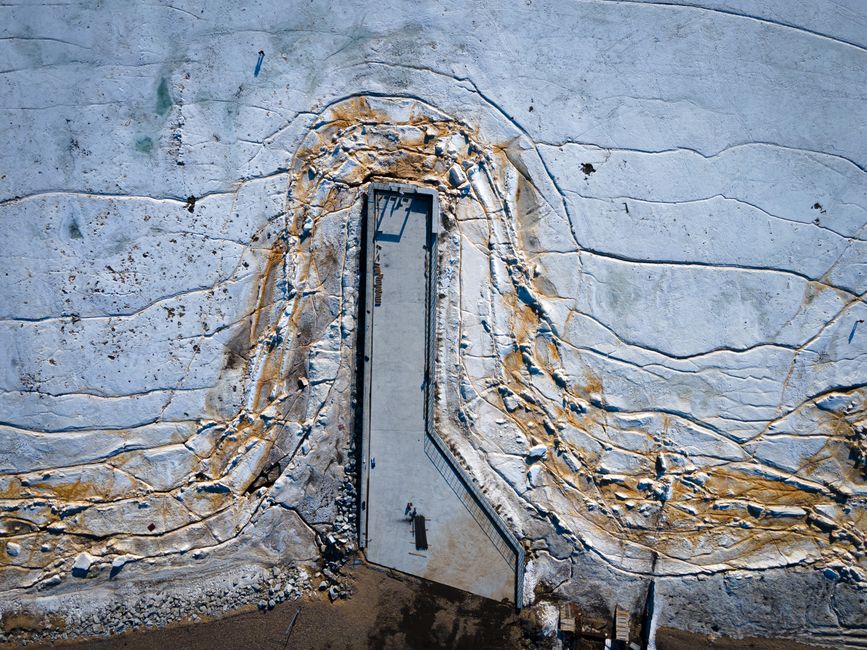
This massive, concentric circle in the desert is so perfectly formed, many tourists believe it must be an impact crater or even an alien landing site.
From space, the Richat Structure, often called the 'Eye of the Sahara,' appears as an enormous, multi-ringed bullseye. Its sheer scale and almost perfect circularity lead many to dismiss photos as doctored or assume extraterrestrial origins. In reality, it's a deeply eroded geological dome, a testament to millions of years of wind and water gradually stripping away layers of rock, exposing the inner rings of different rock strata.
2. The World's Largest Mirror
Salar de Uyuni, Bolivia
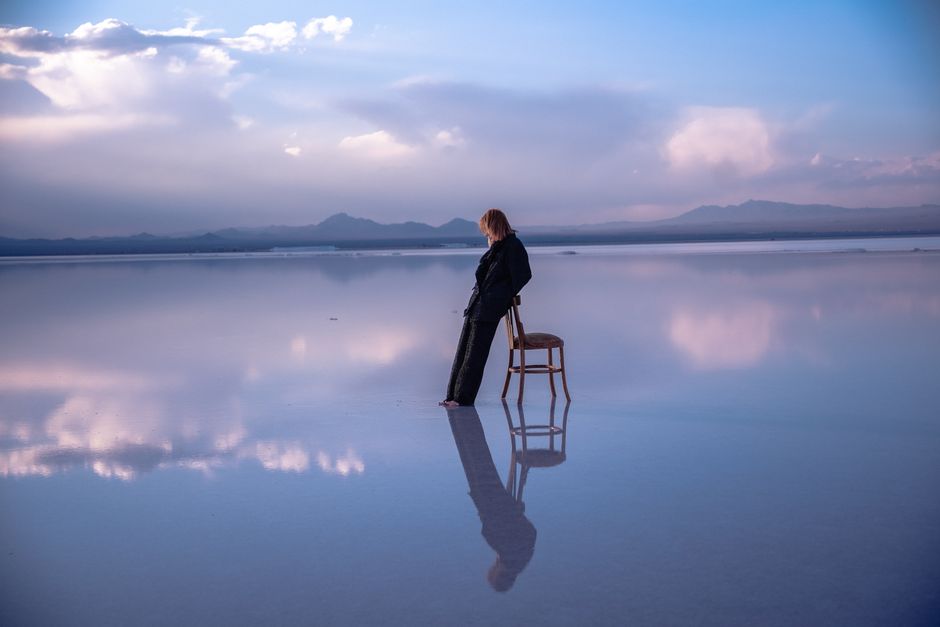
Visitors often accuse guides of photoshopping when they see themselves reflected perfectly in the sky on this vast salt flat.
During the rainy season, the Salar de Uyuni transforms into the world's largest natural mirror. A thin layer of water covers the vast salt crust, creating an optical illusion where the sky and horizon disappear, making it impossible to tell where the ground ends and the heavens begin. Tourists frequently refuse to believe the mirror effect is natural, convinced the stunning, seamless reflections in their photos must be the result of digital manipulation.
3. The Bleeding Waterfall
Blood Falls, Antarctica
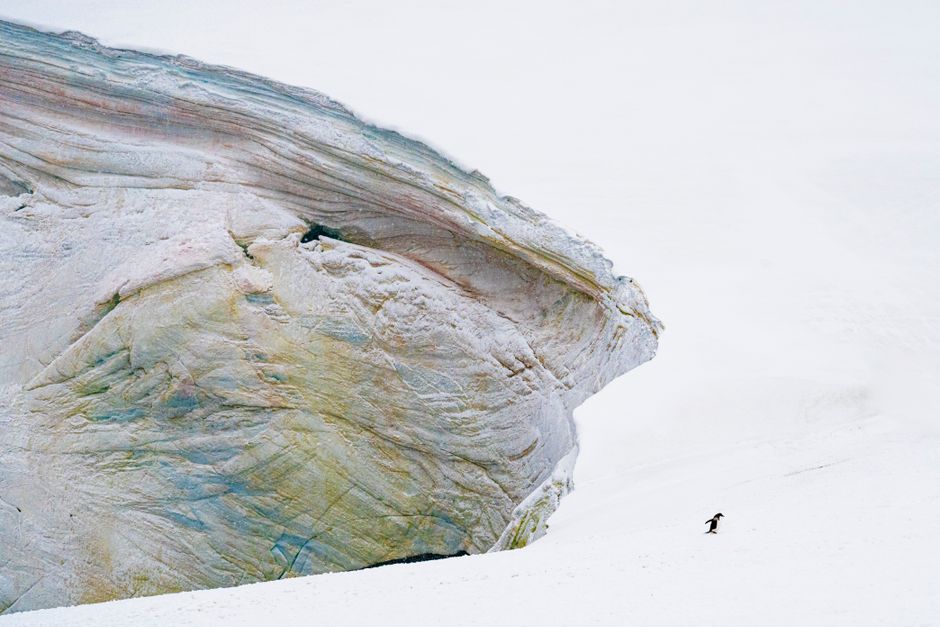
A waterfall that flows bright red, making tourists think it’s a bizarre art installation or pollution, not a natural phenomenon.
Emerging from the Taylor Glacier in Antarctica, Blood Falls is a shocking crimson cascade that stains the ice a deep, unsettling red. Early explorers and even modern visitors often assume it's an industrial spill or some strange dye. The reality is stranger: the color comes from iron-rich brine trapped beneath the glacier for millions of years, devoid of light and oxygen, which rusts rapidly upon contact with the air, creating the dramatic 'bleeding' effect.
4. Trees from an Alien World
Socotra Island, Yemen
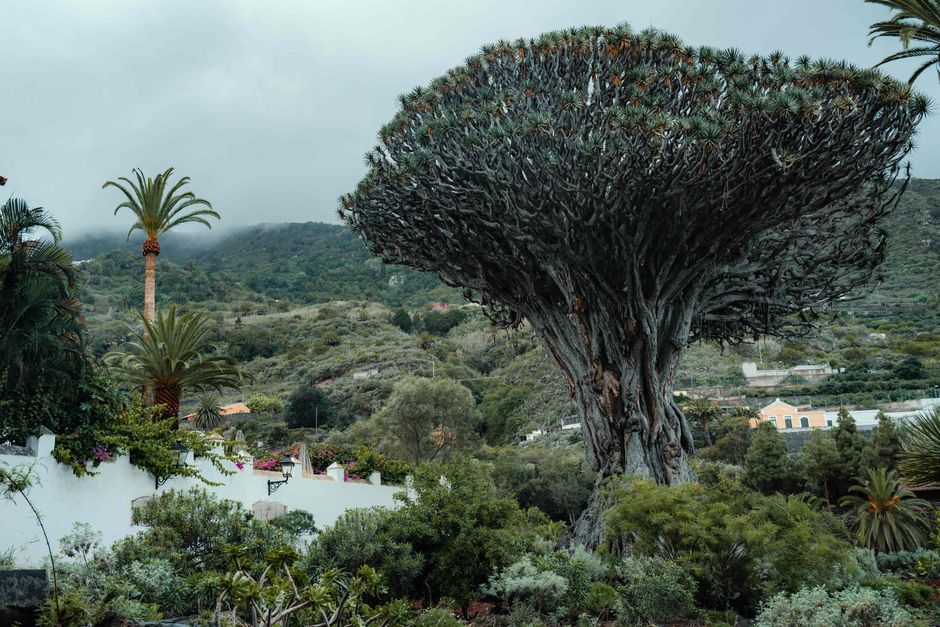
The bizarre, umbrella-shaped Dragon's Blood Trees and other flora make visitors question if they've landed on an alien planet.
Socotra Island is often described as the most alien-looking place on Earth, and tourists regularly express disbelief that its landscape is natural. The most iconic species, the Dragon's Blood Tree, has a dense, upturned, umbrella-like canopy and produces a red sap that looks like blood. With over a third of its plant life found nowhere else, Socotra's unique biodiversity is a testament to extreme isolation, creating an environment that feels utterly otherworldly.
5. The Never-Ending Fire Pit
Darvaza Gas Crater, Turkmenistan
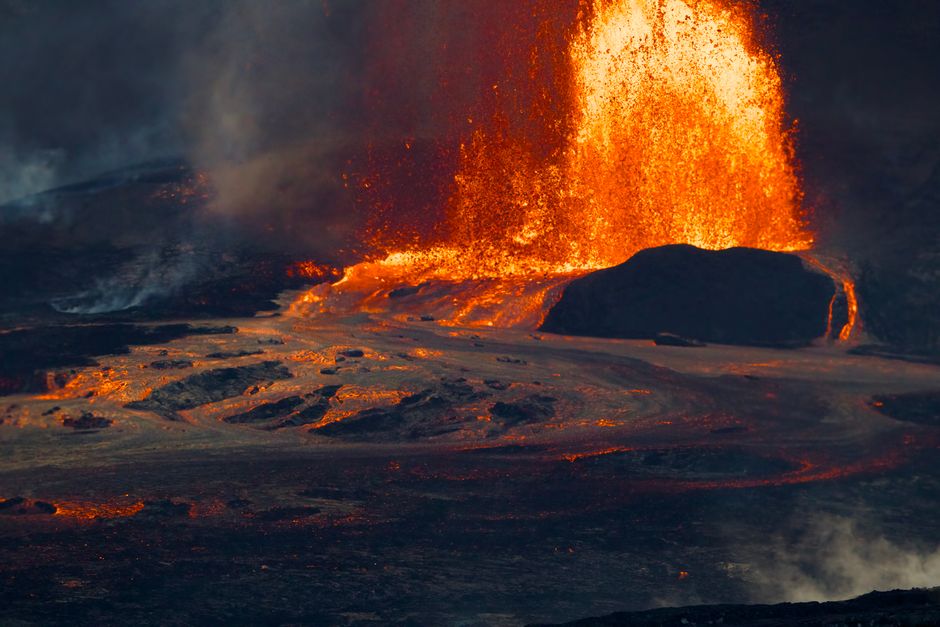
A massive crater in the desert has been burning continuously for over 50 years, leading visitors to believe it’s a movie set or a hoax.
Dubbed the 'Door to Hell,' the Darvaza Gas Crater is a gaping chasm in the Karakum Desert, constantly ablaze with natural gas. Its fiery spectacle is so dramatic that many tourists refuse to believe it's a natural occurrence, thinking it must be an elaborate special effect. The crater was formed when a Soviet drilling rig collapsed in 1971, and the gas was set alight to prevent its spread, burning ever since in a breathtaking display of Earth's raw power.
6. A Cemetery of the Undead
Catacombs of the Capuchins, Palermo, Italy
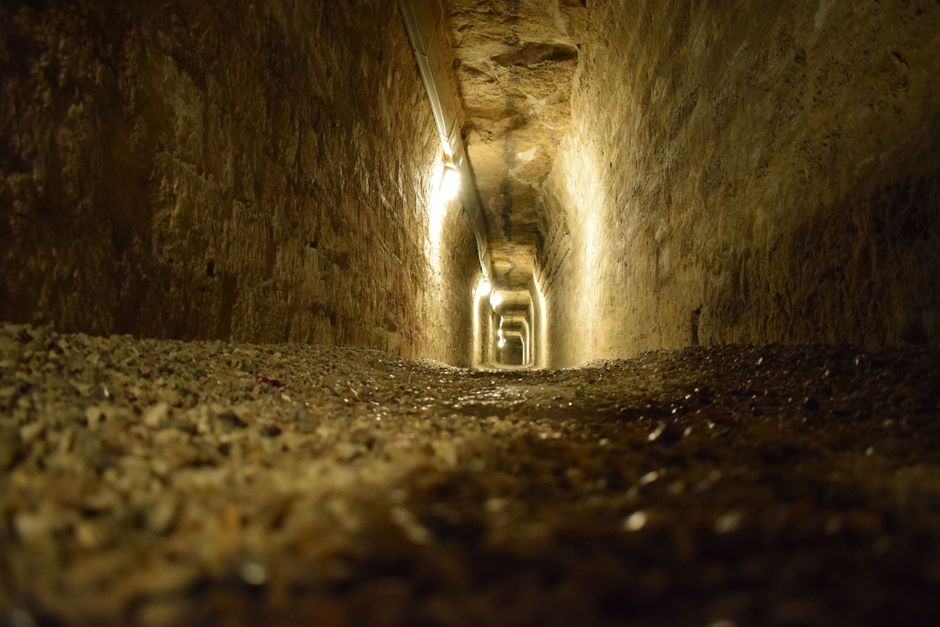
Thousands of mummified bodies, some still dressed, are openly displayed, making tourists initially believe it’s a staged horror exhibit.
The Catacombs of the Capuchins in Palermo house approximately 8,000 mummified bodies, many of which are remarkably preserved and still dressed in their finest clothes. The sheer number and open display of these centuries-old deceased, often arranged along walls or in niches, frequently lead visitors to question the authenticity, assuming it's a macabre artistic installation rather than a genuine historical burial site, preserved by unique environmental conditions.
7. The Giant Marbles on the Beach
Moeraki Boulders, New Zealand
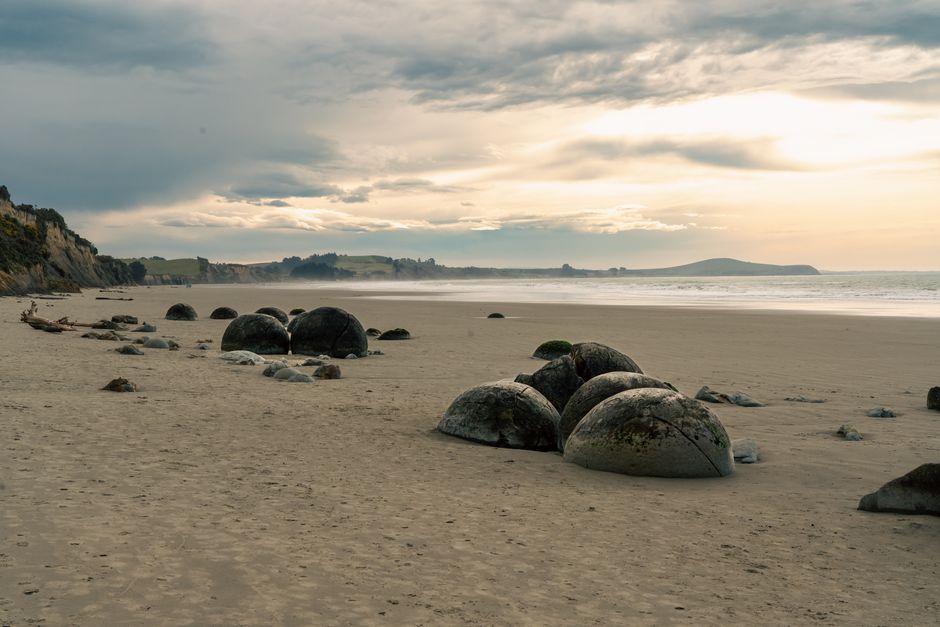
Perfectly spherical boulders scattered on a beach seem too uniform to be natural, leading some to suspect they were carved by ancient giants.
Along Koekohe Beach on New Zealand's Otago coast lie the Moeraki Boulders, unusually large and spherical concretions that look like giant marbles or alien eggs. Their remarkably round shapes make them appear man-made, or perhaps like artifacts from a mythical past, prompting disbelief that they formed naturally. These boulders are actually septarian concretions, formed over millions of years by calcium carbonate gradually hardening around a central core on the ancient seabed, eventually exposed by erosion.
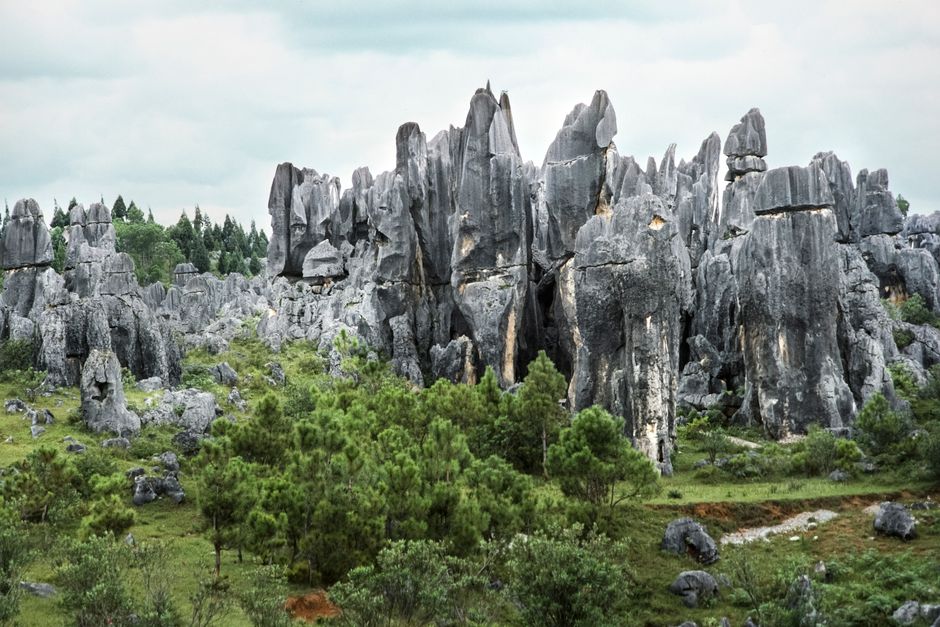
8. The Stone Trees
Shilin Stone Forest, China
Towering limestone formations resemble a petrified forest so perfectly that tourists often ask if they were carved by humans.
The Shilin Stone Forest is a dramatic expanse of towering limestone karsts that emerge from the ground like petrified trees. The intricate, almost artificial-looking patterns and sheer scale of these formations often lead visitors to doubt their natural origin, wondering if they are ancient sculptures. In reality, this geological wonder was formed over hundreds of millions of years, as limestone was eroded by wind and water, leaving behind these striking, column-like structures.
Frequently asked questions
What are some natural wonders that look artificial?
Many natural wonders defy belief with their perfect shapes or surreal appearances. Examples include the Richat Structure in Mauritania (the 'Eye of the Sahara'), the perfectly spherical Moeraki Boulders in New Zealand, or the mirroring Salar de Uyuni in Bolivia. These sites often challenge our expectations of natural formations.
Where can I find unusual geological formations that are lesser-known?
For truly unique and lesser-known geological sites, consider places like Blood Falls in Antarctica, where iron-rich brine creates a red waterfall, or the Darvaza Gas Crater in Turkmenistan, a perpetually burning natural gas pit. Socotra Island in Yemen also boasts unique, alien-like flora shaped by extreme isolation.
Are there historical sites with surprising or unbelievable stories?
Yes, some historical sites hold truly surprising truths. The Catacombs of the Capuchins in Palermo, Italy, with its thousands of openly displayed mummified bodies, often leaves visitors in disbelief. The Shilin Stone Forest in China, while natural, has formations so precise they're often mistaken for ancient human carvings.
How can I learn more about these surprising places when I travel?
To dive deeper into the history, geology, and culture of these and other destinations, the AllTours.ai app is an excellent tool. Simply point your phone camera at any landscape or landmark, and the app will narrate its story in your language, revealing the surprising realities behind what you see.
Related guides
Photography via Pexels. AllTours.ai is an AI audio tour guide — point your camera at any landscape and hear its story.