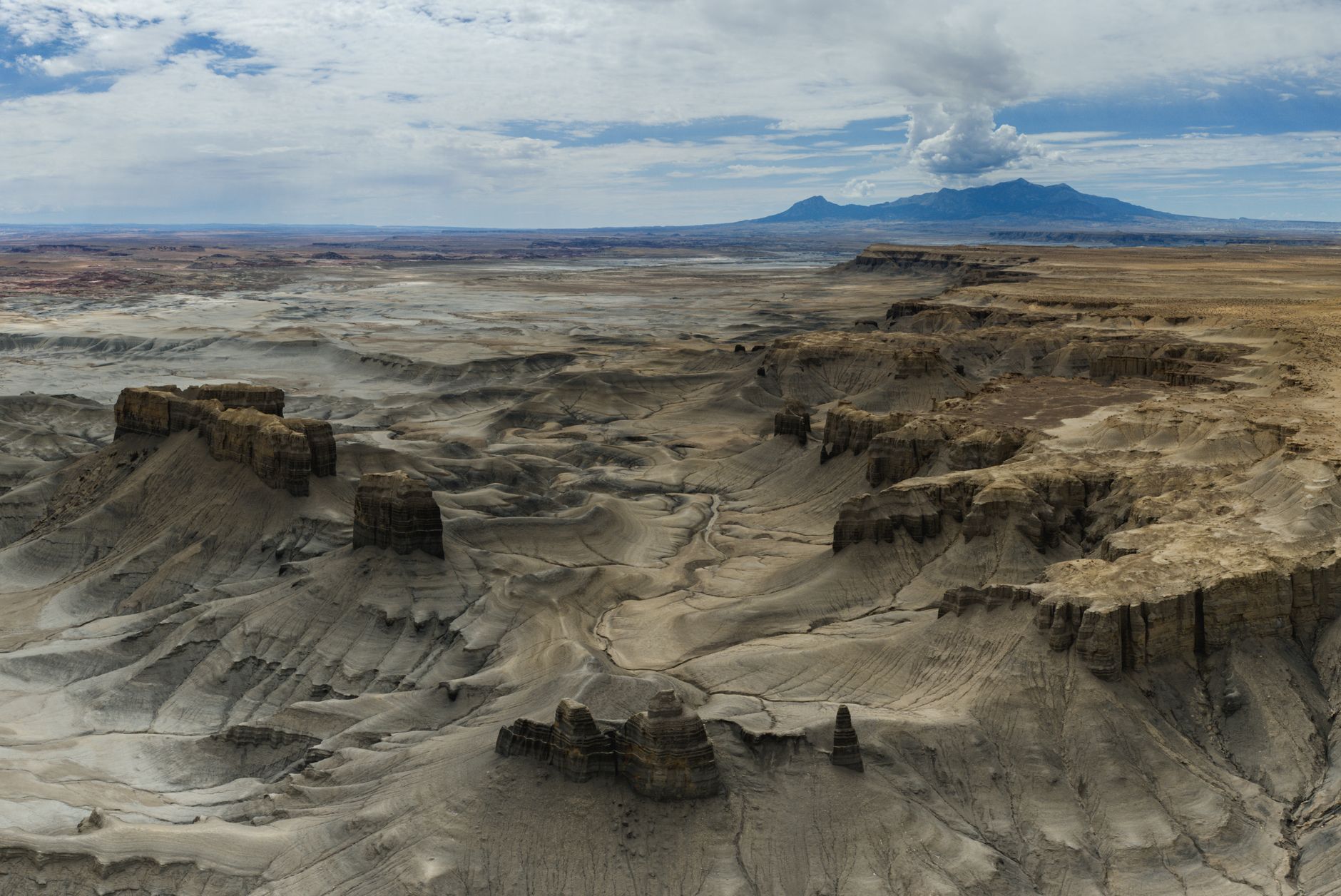
July 4, 2026 · 4 min read
The sizzle of a perfectly seared cowboy steak isn't just a sound; it's an echo of the American West. This isn't merely a meal; it's a culinary journey rooted deep in the history of cattle drives, rugged landscapes, and the resilient spirit of those who carved out a life on the frontier. But how much do you truly know about where those stories began, or the unexpected places they unfolded?
Beyond the famous legends and well-trodden paths, countless lesser-known towns and forgotten outposts hold the authentic tales that shaped the cowboy way of life. These are the places where history is etched into the very ground, where a simple steak connects you to epic sagas of migration, industry, and ingenuity. So, have you ever eaten a cowboy steak and wondered about its true origins?
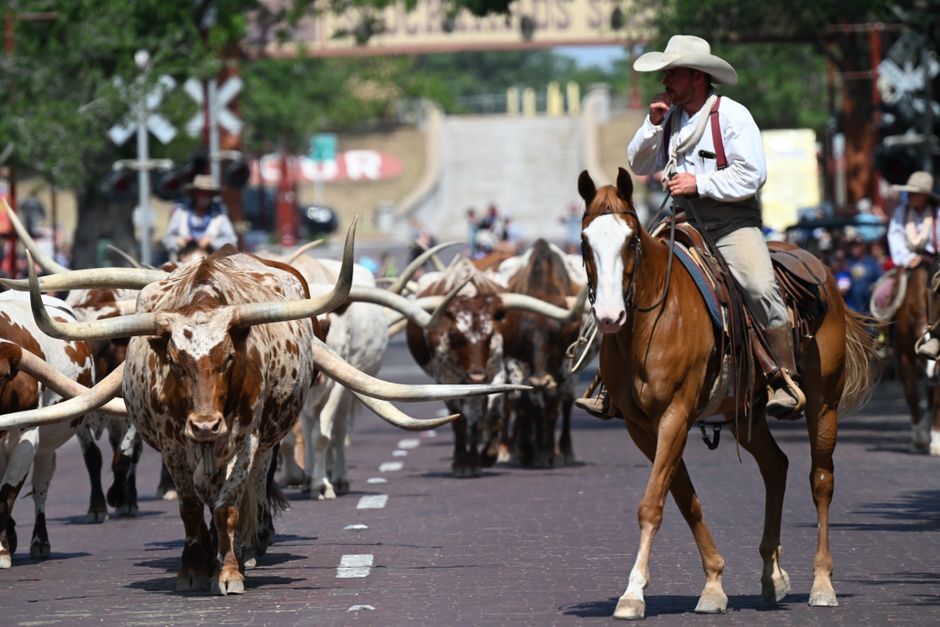
1. Bandera's Polish Cowboys
Bandera, Texas, USA
The "Cowboy Capital" where Polish immigrants, not native Texans, shaped ranching traditions.
In the mid-19th century, a wave of Polish immigrants settled in Bandera, bringing their own traditions and quickly adapting to the demanding life of a cowboy. These skilled horsemen and ranchers played a pivotal role in developing the local cattle industry, infusing the "Cowboy Capital of the World" with a unique cultural blend often overlooked in the traditional Western narrative.
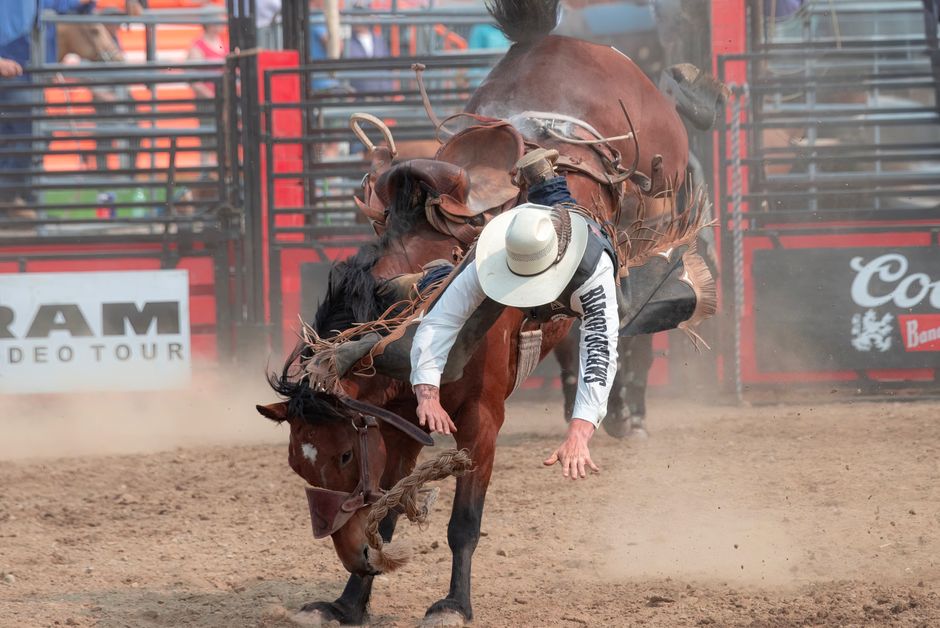
2. Miles City's Bucking Horse Legacy
Miles City, Montana, USA
This Montana town isn't just a former cattle hub; it's where the world's finest bucking horses are still traded annually.
Miles City was once a crucial railhead on the Texas Cattle Trail, witnessing vast herds pass through its streets. Today, it's globally renowned for its annual Bucking Horse Sale, a century-old event where ranchers and rodeo enthusiasts gather to buy and sell elite broncs and bulls, preserving a raw and authentic piece of cowboy heritage far from tourist crowds.
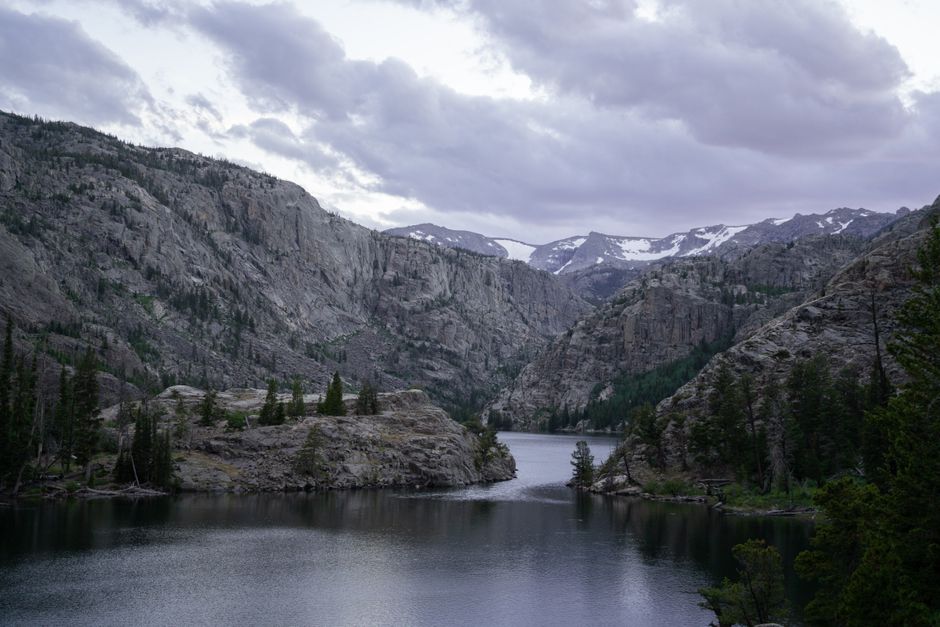
3. Medicine Bow, The Novel's Muse
Medicine Bow, Wyoming, USA
Step into the real-life setting that inspired Owen Wister's "The Virginian," often called America's first cowboy novel.
Medicine Bow, a small railroad town in Wyoming, became immortalized as the backdrop for Owen Wister's seminal 1902 novel. Wister spent time here, observing the rough-and-tumble life of cowboys and railroaders, capturing the essence of the frontier that would define the American cowboy mythos for generations. The original Virginian Hotel still stands as a testament to this literary legacy.
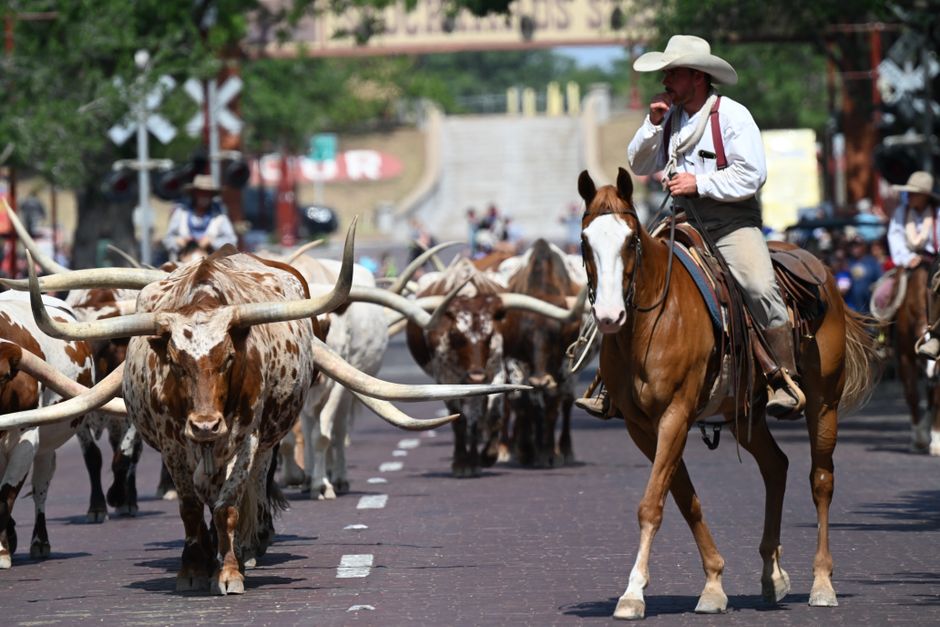
4. Pecos, Birthplace of Rodeo
Pecos, Texas, USA
This dusty West Texas town lays claim to hosting the world's very first formal rodeo.
On July 4, 1883, Pecos cowboys, bored and competitive, spontaneously challenged each other in various ranching skills, including bronc busting and steer roping. This informal competition, held in what's now a historic plaza, is widely recognized as the birth of the modern rodeo, establishing a tradition that would become synonymous with cowboy culture across the globe.
5. Ogallala, "Gomorrah of the Plains"
Ogallala, Nebraska, USA
At the end of the Texas Cattle Trail, this Nebraska town was notorious for its wild saloons and rowdy cowboy celebrations.
After months of arduous cattle drives, Ogallala was the final, often lawless, destination for cowboys seeking to blow off steam. Dubbed the "Gomorrah of the Plains," its streets teemed with saloons, gambling halls, and dance houses. This wild reputation made Ogallala a legendary, if brief, epicenter of frontier chaos, contrasting sharply with its quiet agricultural present.
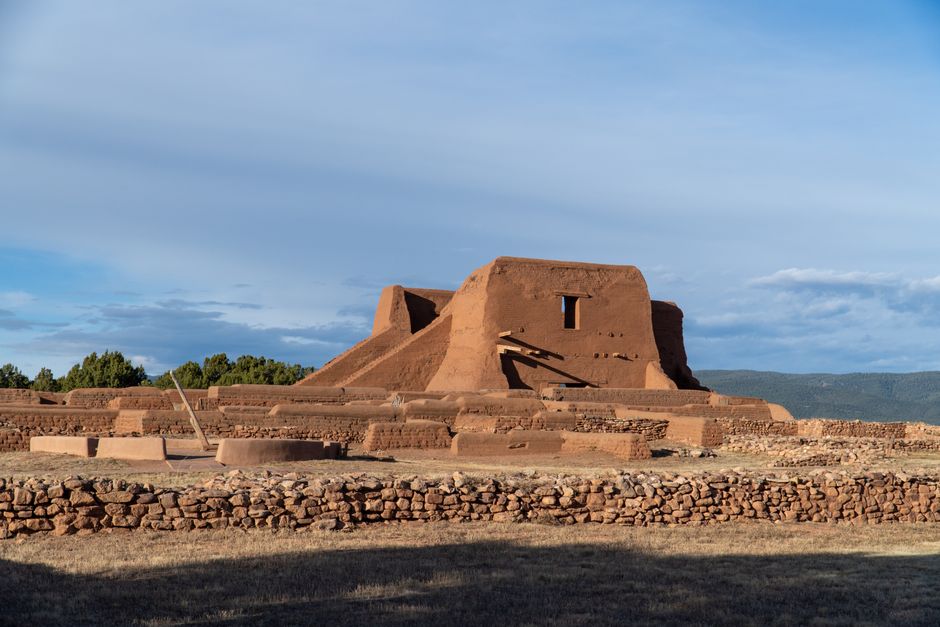
6. Cimarron's Violent Legacy
Cimarron, New Mexico, USA
A beautiful New Mexico town steeped in a violent past, marked by land wars and infamous outlaws like Billy the Kid.
Cimarron was at the heart of the infamous Colfax County War, a brutal land dispute that erupted in the late 19th century. Its streets witnessed numerous shootouts and assassinations, involving figures like Clay Allison and even a young Billy the Kid. This picturesque mountain town's serene appearance belies a truly untamed history, where justice was often swift and violent.
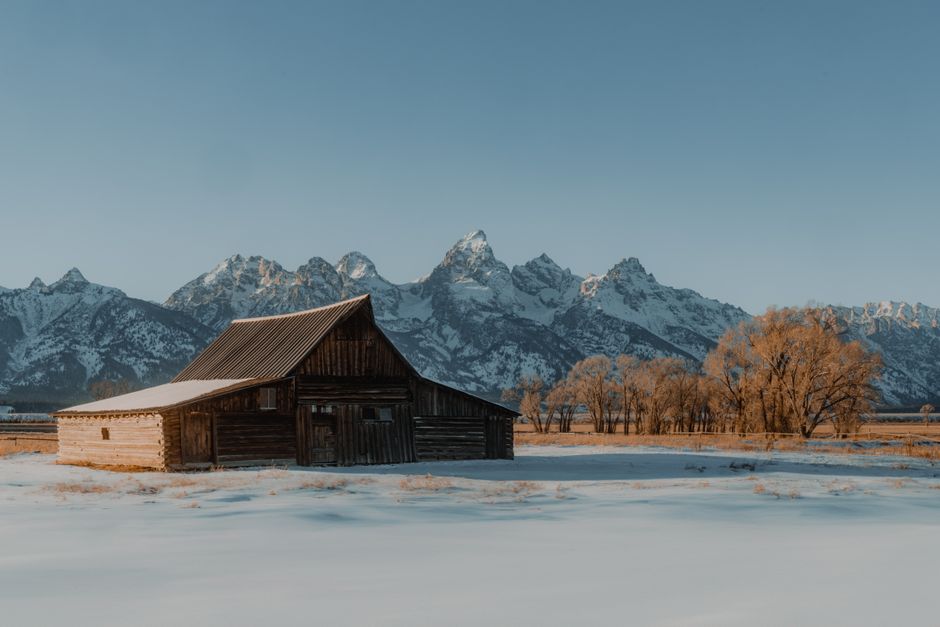
7. Chugwater's Cattle Trail Soda
Chugwater, Wyoming, USA
This tiny Wyoming town, famous for its historic soda fountain, was a crucial waypoint on the vast cattle trails.
While known today for the oldest operating soda fountain in Wyoming, Chugwater was originally a vital stopping point for cattle drives heading north in the late 19th century. Cowboys and their herds rested here, utilizing the fresh water of the Chugwater Creek before continuing their arduous journey, making it a place where refreshment met rugged frontier life.
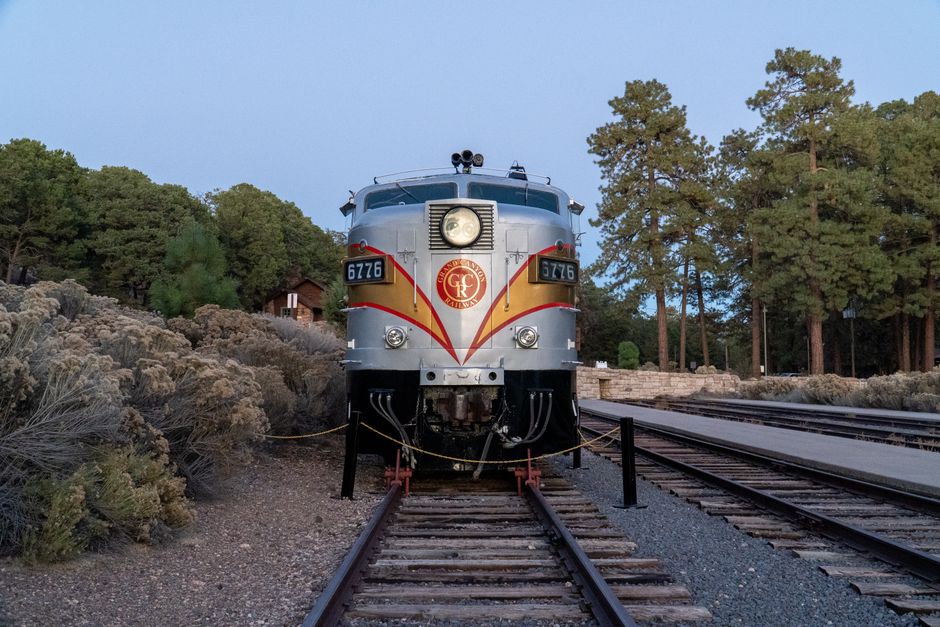
8. Winslow's Desert Railhead
Winslow, Arizona, USA
Beyond its Route 66 fame, Winslow was a critical railhead where vast cattle herds converged after arduous desert drives.
In the late 19th and early 20th centuries, Winslow served as a bustling hub for the Santa Fe Railway. Ranchers would push their cattle across vast, arid stretches of Arizona and New Mexico to reach this vital railhead. Here, the herds were loaded onto trains for shipment to distant markets, making Winslow a cornerstone of the Western beef industry long before it became a landmark for roadside travelers.
Frequently asked questions
What makes a "cowboy steak" different from a regular ribeye?
A cowboy steak is essentially a thick-cut, bone-in ribeye, often French-trimmed (where the bone is cleaned of meat and fat). The bone adds flavor and helps keep the meat moist during cooking, while the thicker cut allows for a perfect sear on the outside and a juicy, medium-rare interior, embodying the hearty spirit of the West.
What cut of meat is a cowboy steak?
A cowboy steak is specifically a bone-in ribeye. It's cut from the primal rib section of the steer, known for its rich marbling and tenderness. The presence of the bone not only enhances flavor but also visually distinguishes it, giving it a more rustic, substantial appearance.
Are cowboy steaks expensive?
Generally, yes, cowboy steaks tend to be on the pricier side compared to boneless cuts. Their larger size, bone-in nature, and the premium quality of the ribeye cut contribute to a higher cost. However, many consider the rich flavor, impressive presentation, and hearty portion well worth the investment.
How can AllTours.ai help me discover these places?
AllTours.ai is your personal AI audio tour guide. Simply point your phone camera at a landmark or landscape in any of these historic cowboy towns, and the app will instantly narrate its history, geology, and culture in your preferred language. It's like having a local expert reveal the hidden stories of the American West, right in your pocket.
Related guides
Photography via Pexels. AllTours.ai is an AI audio tour guide — point your camera at any landscape and hear its story.